




How Long Does a Nicotine Pouch Last?
By Thomas Agaraté · Daily pouch user since 2014 · About
Editorial note: written by OutDare, the brand that makes and ships the pouches on this page. Prices are our live prices in EUR.
A nicotine pouch lasts roughly 20 to 60 minutes under the lip, with most users landing around 30 minutes: the exact time depends on the pouch, the strength and how you park it. I have used pouches daily for years, and the honest answer is that the label rarely prints a number, so people guess. Below, where that range comes from, what a named third-party source actually says, and what it changes when you open a can of OutDare Nicotine Pouches.
- We ship from our warehouse in Denmark
- Shipping from €6.75
- Prices are charged in euros.
- 18+ only. Age is verified at checkout.
- Rules on nicotine products vary by country and can change, check what applies where you live.
| Key Insight | Explanation |
|---|---|
| Most pouches last around 30 minutes | Reported use time typically sits between 20 and 60 minutes, with the middle of that range being the most common. |
| Strength does not equal duration | A 12 mg pouch is not automatically longer than a 6 mg one: the release curve and the paper matter more than the milligrams. |
| The burn fades before the pouch is spent | The tingle peaks in the first few minutes and tapers, so a quiet pouch still has nicotine left to release. |
| Snus behaves differently from a modern pouch | Traditional Swedish snus contains tobacco and is often held longer than a tobacco-free white pouch. |
- How long does a nicotine pouch actually last?
- Where the 30-minute figure comes from
- What a named source says about pouch use time
- How long does snus last compared with a modern pouch?
- What this changes when you park one under the lip
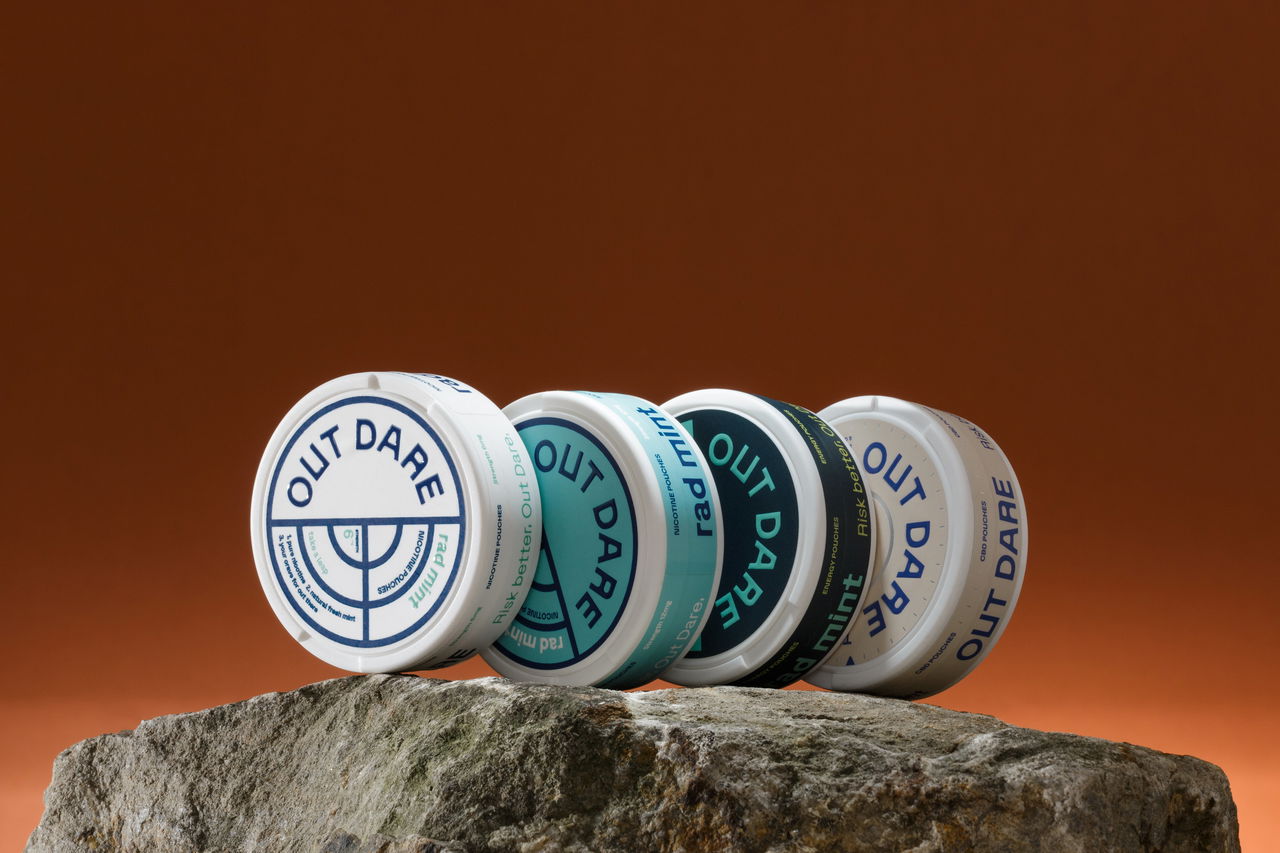
The range, same burn, same ritual, three chemistries
| Pouch | Strength | Best for | Flavour | Price | |
|---|---|---|---|---|---|
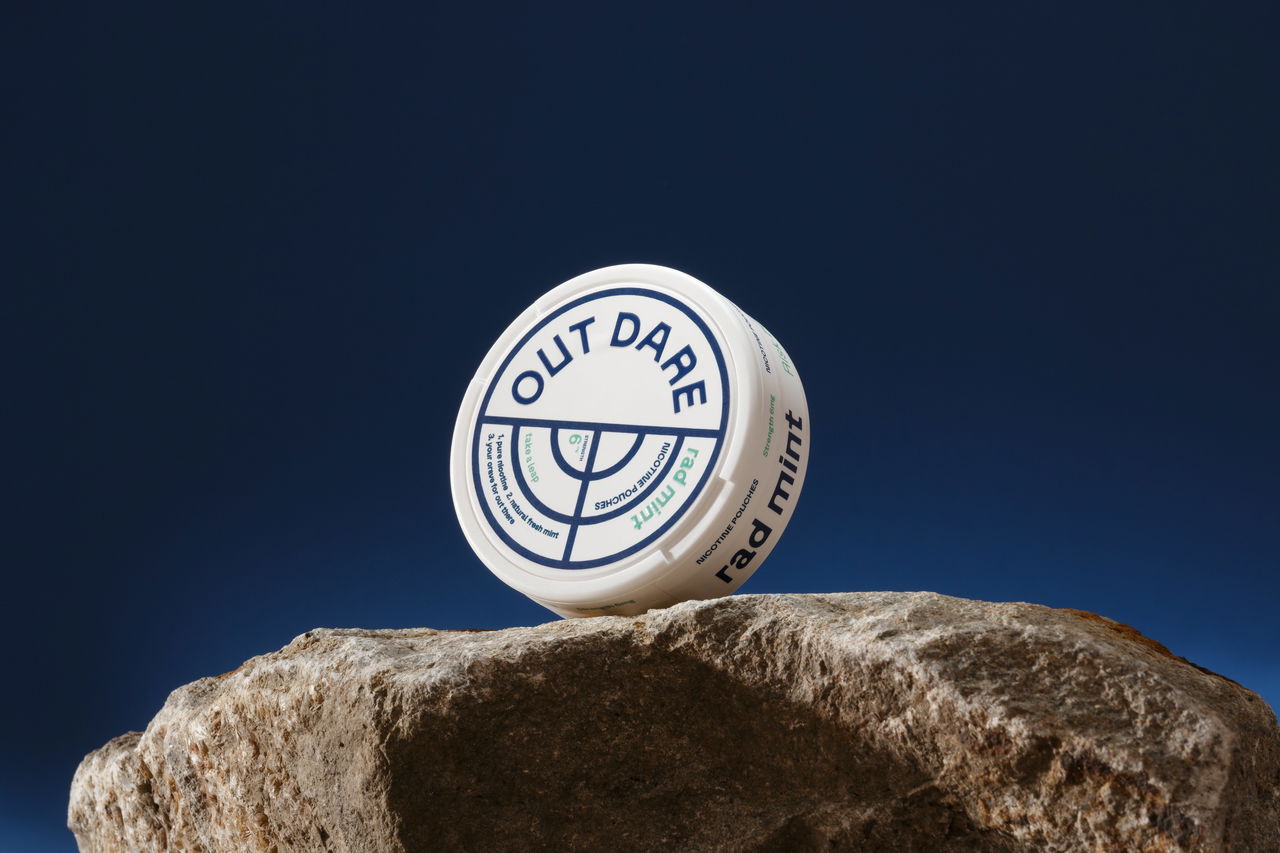
| Nicotine Pouches | 6 mg | when you need control (start here) | Rad Mint | €7.00 | |
| Nicotine Pouches | 12 mg | when you need control (when 6 mg does not hold the morning) | Rad Mint | €7.00 | |
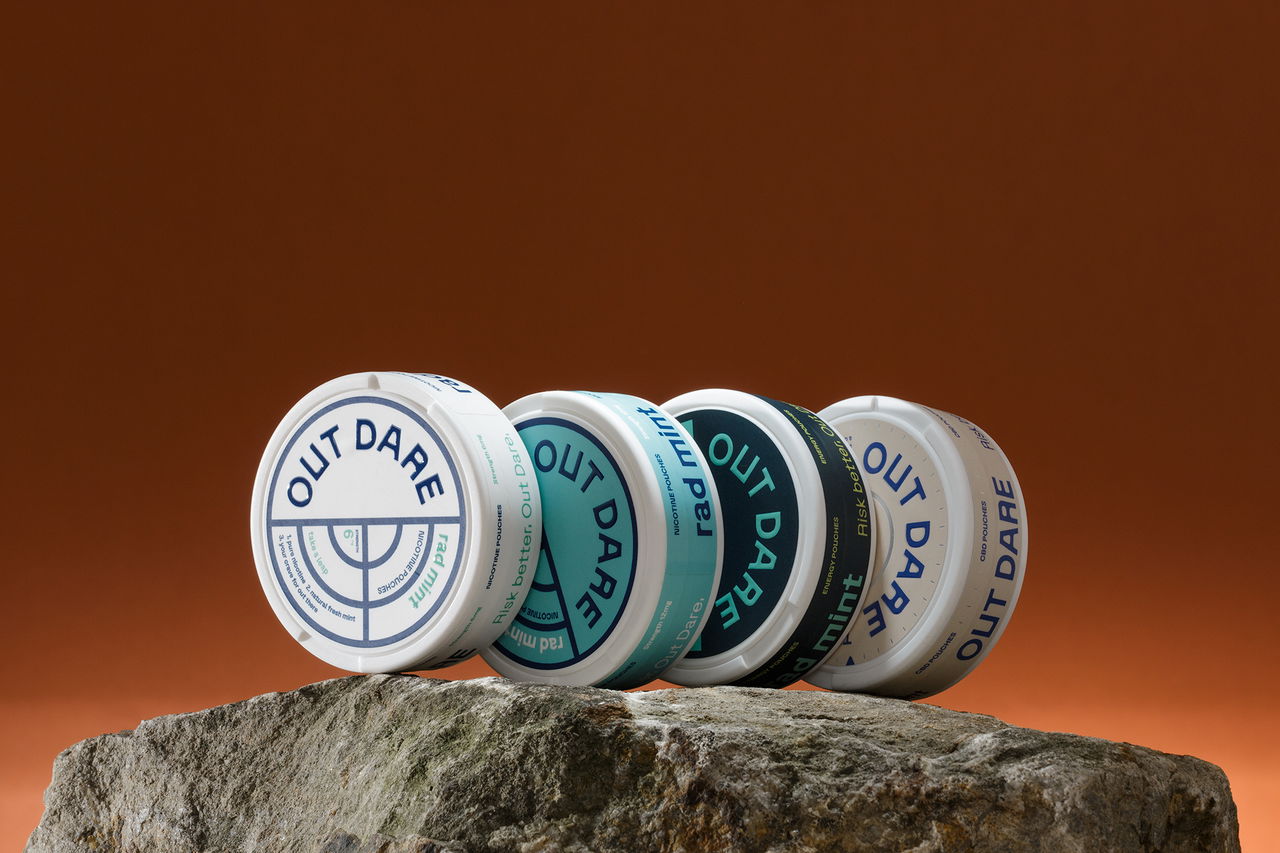
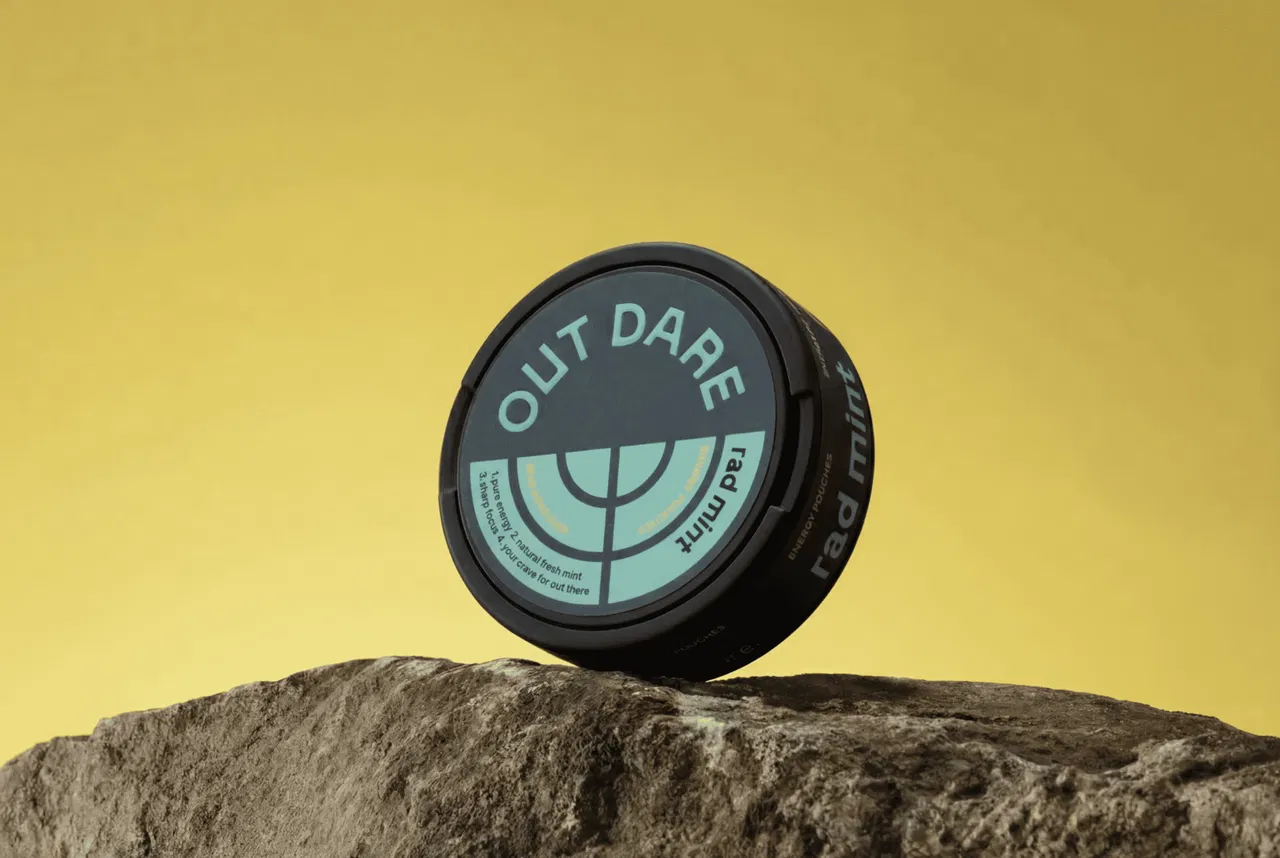
| Energy Pouches | 75 mg | for daytime focus | Rad Mint | €7.00 | |
| Sleep Pouches | 20 mg CBD | for the evening, the last pouch of the day | Mint Terpene | €9.90 |


Shipped from Denmark by PostNord Express · Trustpilot 4.6
Three pouches, one ritual · Shipped from Denmark · 210+ countries · Trustpilot 4.6
How long does a nicotine pouch actually last?
About twenty to sixty minutes under the lip, and roughly thirty for most people. That is the honest range for modern tobacco-free pouches, ours included. Park one between your gum and your top lip, feel the burn bloom in the first minute, hold for twenty to forty, then fade.
What actually moves the number
Three things change how long a pouch lasts, and none of them is mysterious.
- Pouch size and paper. A slim format holds less material and rehydrates faster, so it tends to fade sooner than a larger cushion. Higher-grade paper stays intact against the gum and keeps the release curve steady.
- Your saliva. More saliva means faster extraction. Eating, drinking or chewing gum with a pouch in pushes the release forward and shortens the window.
- Strength on the label. A 6 mg pouch does not run out of minutes faster than a 12 mg one. The tingle at 12 mg is simply louder and easier to feel for longer, which is why many users say the stronger pouch feels longer.
Pro Tip: If your pouch keeps fading at fifteen minutes, you are probably chewing it. Set it, forget it, and let saliva do the work. The release curve is designed to run on its own.
A rough timeline under the lip
| Minute | What you notice |
|---|---|
| 0 to 2 | The pouch wakes up, the mint arrives, the burn starts. |
| 2 to 15 | Peak tingle, steady release, the cushion feels alive. |
| 15 to 30 | The burn softens, the mint holds. |
| 30 to 60 | Neutral cushion, most of the release is done. Time to bin it. |
Sixty minutes is the outer edge. Past that, you are holding paper, not a pouch. Spit it out, and if you want another, reach for the can.
Where the 30-minute figure comes from
Thirty minutes stuck as the number because three things all pointed at it: what makers print on the can, what users found in daily use, and what the pouch itself feels like around that mark.
Three sources that agree on one figure
- Manufacturer usage guidance. Most pouch brands tell you a pouch is designed to be worn for up to about an hour, with roughly thirty minutes as the sweet spot. That guidance is quoted on every FAQ page in the category and it is the first thing a new user reads.
- Forum and community habit. Long-running threads on Reddit and specialist pouch communities converge on the same window. When thousands of users compare notes, "I take it out around thirty" is the reply that repeats. It is not a study, it is a shared habit.
- The tingle window. The burn you feel in the first minutes softens noticeably as the release curve flattens. That fade tends to land somewhere between the fifteenth and thirtieth minute, which is when most people decide the pouch has done its job and swap it out.
Stack those three together and you get an answer everyone repeats. It is a rough consensus built from experience, not a lab timer.
Why some people go longer, and some shorter
If you are new to pouches, the burn is loud and you will probably lift yours out before twenty minutes. If you have been on 12 mg pouches for a while, you will happily leave one in for the full hour because the tingle is quieter and the cushion still feels useful. Neither is wrong. The label sets an upper limit, comfort sets the lower one, and thirty minutes happens to sit in the middle for most.
Old snus users often carry a longer default from tobacco days, when a portion could sit under the lip for well over an hour. A modern tobacco-free pouch does not need that long: the release is faster, and thirty minutes is usually plenty.
Shipped from Denmark by PostNord Express · Trustpilot 4.6
What a named source says about pouch use time
Peer-reviewed work on modern nicotine pouches lands on the same window as forum users and can labels: about twenty to sixty minutes under the lip.
What the literature actually says
A 2022 review of tobacco-free oral nicotine pouches published in Drug Testing and Analysis by Azzopardi and colleagues, indexed on PubMed, describes a typical in-mouth use time of twenty to sixty minutes for the category. The paper covers the pouch format as a whole; it is not about OutDare or any single brand. What it confirms is the physical window: this is how long a pouch is designed to sit against the gum before it is spent.
Two things are worth noting about that source.
- It describes the category, not a brand. The twenty to sixty minute figure applies to modern tobacco-free pouches in general. Slim formats, larger cushions and different pH values all fall inside that range.
- It does not rank strengths. A 6 mg pouch and a 12 mg pouch both sit inside the same time window. Strength changes how loud the burn feels, not how long the paper stays intact.
Where the source ends and habit takes over
Academic reviews describe what the pouch does; they do not tell you how long yours should stay in. Two users on the same 12 mg pouch will land at different times: one at twenty-five minutes because the tingle has faded, one at fifty because they are working and forgot. Both are inside the window the literature describes, and both are fine.
The practical takeaway is small and honest. If your pouch feels done at twenty minutes, it is done. If it is still comfortable at forty-five, leave it. Once you are past an hour, the release curve is essentially flat and there is nothing left to extract. Take it out, and if you want another, take another. Curious to try the format? Look at our Nicotine Pouches.
How long does snus last compared with a modern pouch?

Traditional Swedish snus, which contains tobacco, is typically held for thirty to sixty minutes under the lip, and regular users often leave one in for longer. A modern tobacco-free white pouch such as ours, at 6 mg or 12 mg, sits inside that same window. The wear time overlaps. The product does not.
The two formats are cousins in ritual, not in contents. Snus is moist ground tobacco packed in a small pouch or sold loose in a can. A white pouch is plant fibre carrying nicotine, with no tobacco leaf inside. That single difference is what quietly shifts every conversation about wear time once the reader realises they are actually holding a white pouch, not the older format.
What each format brings under the lip
- Traditional snus: tobacco base, brown, moist, held roughly thirty to sixty minutes, longer wear common among daily users.
- Modern white pouch: plant-fibre base, dry to the touch, sits in the same thirty to sixty minute band for most people at 6 mg or 12 mg.
- Taste arc: snus draws its character from the tobacco itself, while a white pouch runs on the flavour built into the pouch paper and fibre, so the taste often fades before the burn does.
Why the word matters for what you actually bought
The word snus points to a specific product with a Swedish tradition and a tobacco base. A tobacco-free pouch is a different category, and the industry calls it a nicotine pouch, or simply a white pouch. Forums and retailers still blur the two, which is why the same person reads three pages and gets three answers. Once the terms are separated, the honest wear-time answer is close to identical: expect about half an hour, with a longer tail if you keep it still.
What varies inside that window is not the format. It is the strength you chose, how wet the lip is when you slot the pouch in, and whether you keep it parked or push it around with your tongue. At 6 mg the tingle settles fast. At 12 mg the burn sits higher and pushes the session towards the top of the range.
What this changes when you park one under the lip

Pace a can, do not chase it. A pouch holds for roughly half an hour, so a twenty-count can naturally maps to a day of chosen moments, not a habit you top up every ten minutes.
How a can moves through the day
- Morning: the pouch that opens the day and needs to carry you through breakfast and the first stretch of the commute.
- Mid-morning to lunch: one or two, spaced around meetings, calls or the walk between them.
- Afternoon: the slot where most people over-use, because the first has faded and the reflex is to grab another straight away. Wait five minutes before you park the next one.
- Evening: the last one lands earlier than you think. If it is still working when your head hits the pillow, it went in too late.
Pro Tip: keep the pouch on one side of the mouth for the whole session. Shuffling it around wakes the burn back up and shortens the total wear time. Leaving it still gives you the honest thirty to sixty minutes the format is built for.
When 6 mg does not hold the morning
The 6 mg is the everyday can. It suits most people who want the ritual to sit in the background and the burn to be present without being loud. If the first pouch of the day fades inside fifteen minutes and you find yourself reaching for a second before the coffee is finished, the variable to change is the strength, not the count. That is what the 12 mg is there for. Same plant fibre, same pouch, same wear window, more nicotine per pouch, so the morning holds and you do not double up before nine.
Swap upward only where you need it, and keep the 6 mg for the rest of the day. Plenty of readers run a mixed rotation: 12 mg before nine, 6 mg after. The ritual does not change between them, which is exactly the point.
Pick your strength and see how the wear time plays out for you with OutDare Nicotine Pouches.
Sources & References
- Oral nicotine pouches: characteristics and use patterns · National Library of Medicine (NIH) (2023)
- Nicotine pouches product information · UK Government (2024)
- Nicotine pouches briefing · Action on Smoking and Health (ASH) (2024)
- Tobacco and nicotine products overview · World Health Organization (2023)
Frequently Asked Questions
How long should I keep a nicotine pouch in?
Between 20 and 60 minutes is the usual window, and about 30 minutes suits most people. Take it out when the burn has faded and the pouch feels spent. There is no gain in leaving it in for hours.
Does a stronger pouch last longer?
Not really. A 12 mg pouch hits harder than a 6 mg one, but both release over a similar time. Duration depends more on the pouch paper, moisture and how firmly you park it than on the milligrams printed on the can.
Why does the tingle stop before the pouch feels finished?
The burn peaks in the first few minutes as the pouch wets and releases fastest, then tapers. Nicotine keeps coming out at a slower rate, so a quiet pouch is not an empty one. That is normal.
How long does snus last under the lip?
Traditional Swedish snus, which contains tobacco, is often kept in for 30 to 60 minutes and sometimes longer. Modern tobacco-free white pouches sit in a similar window. OutDare pouches are tobacco-free, not snus.
Can I reuse a pouch after taking it out?
You can, but it will be weaker and drier the second time and the burn will barely register. Most users bin a pouch once out. If you need another hit, open a fresh one from the can.
How many pouches are in an OutDare can?
An OutDare Nicotine Pouches can holds 20 pouches in Rad Mint, in 6 mg or 12 mg. At about 30 minutes each, a can covers a full day for most users, with room to spare.
Does chewing the pouch make it last longer?
No. Chewing releases nicotine faster, which shortens the pouch and can make the burn sharp. Park it between the lip and the gum, leave it still, and let the pouch do the work over the usual 20 to 60 minutes.
So: about 20 to 60 minutes, roughly 30 for most users, with the burn fading before the nicotine does. Strength changes the hit, not the clock, and snus is a different animal because it carries tobacco. Once you know the window, you can pace a can through the day instead of leaving pouches in out of habit. If you want to try it under your own lip, in Rad Mint, at 6 mg or 12 mg, open a can of OutDare Nicotine Pouches.
Related guides
Published 29 September 2026 · Last updated 29 September 2026