


How to Cut Down Nicotine Pouches: The Shift
By Thomas Agaraté · Daily pouch user since 2014 · About
You cut down nicotine pouches by changing one variable a week and keeping the rest of the ritual identical, so your body only has to argue with one thing at a time. I used pouches every waking hour for years before I built this. The count was already gone before I noticed, the top lip was permanent, the reach happened before the decision did. What follows is the method I ran on myself, then on the people testing the nicotine range.
- We ship to Germany from Denmark
- Shipping from €6.75
- Prices are charged in euros.
- 18+ only. Age is verified at checkout.
| Key Insight | Explanation |
|---|---|
| One variable per week | Changing brand, dose, moment and format at once gives the body four fights and no signal about which one it lost. |
| A third, a third, a third | The hold of a pouch is roughly a third the nicotine, a third the cushion under the lip, a third the burn that tells you it landed. |
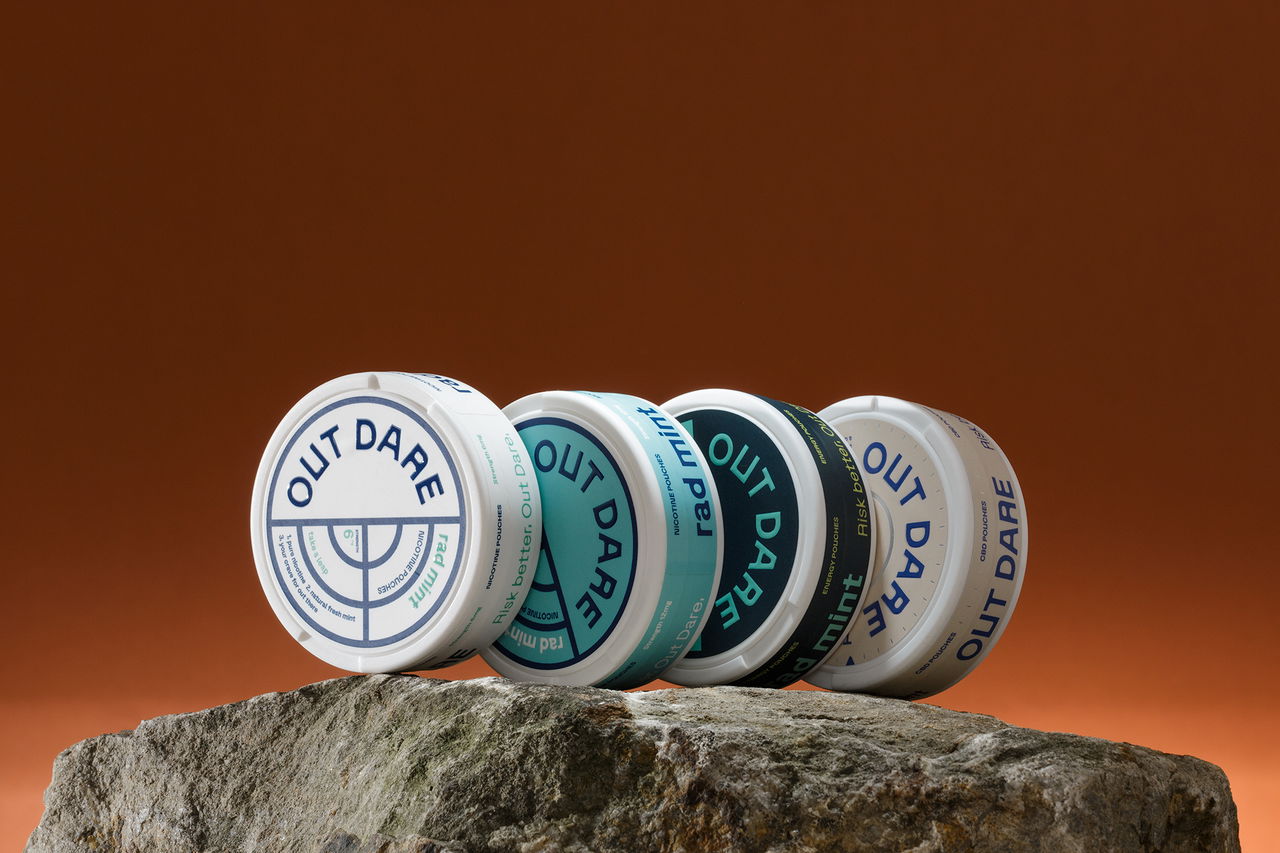
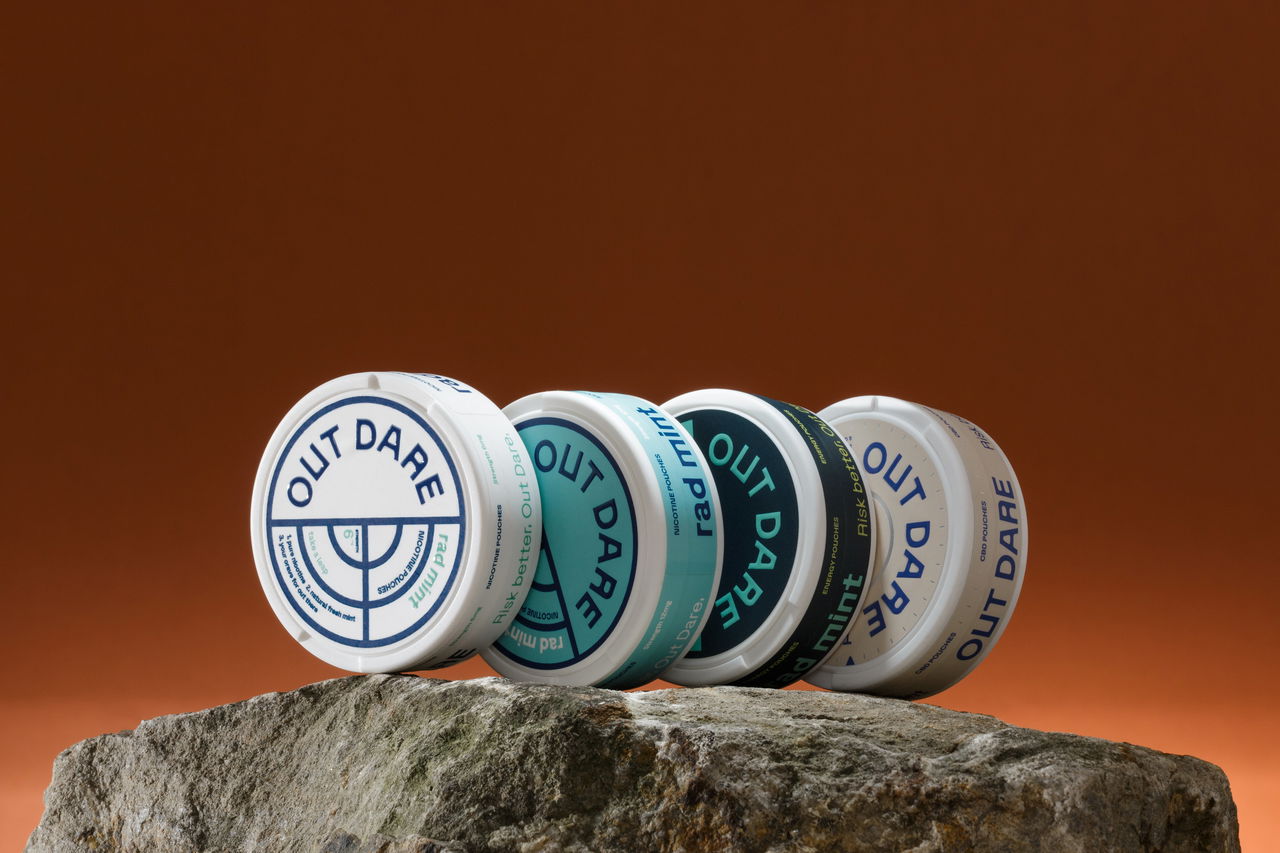
| Same flavour, same burn | The three OutDare pouches share the Rad Mint profile and mouthfeel, so moving between them keeps the ritual identical. |
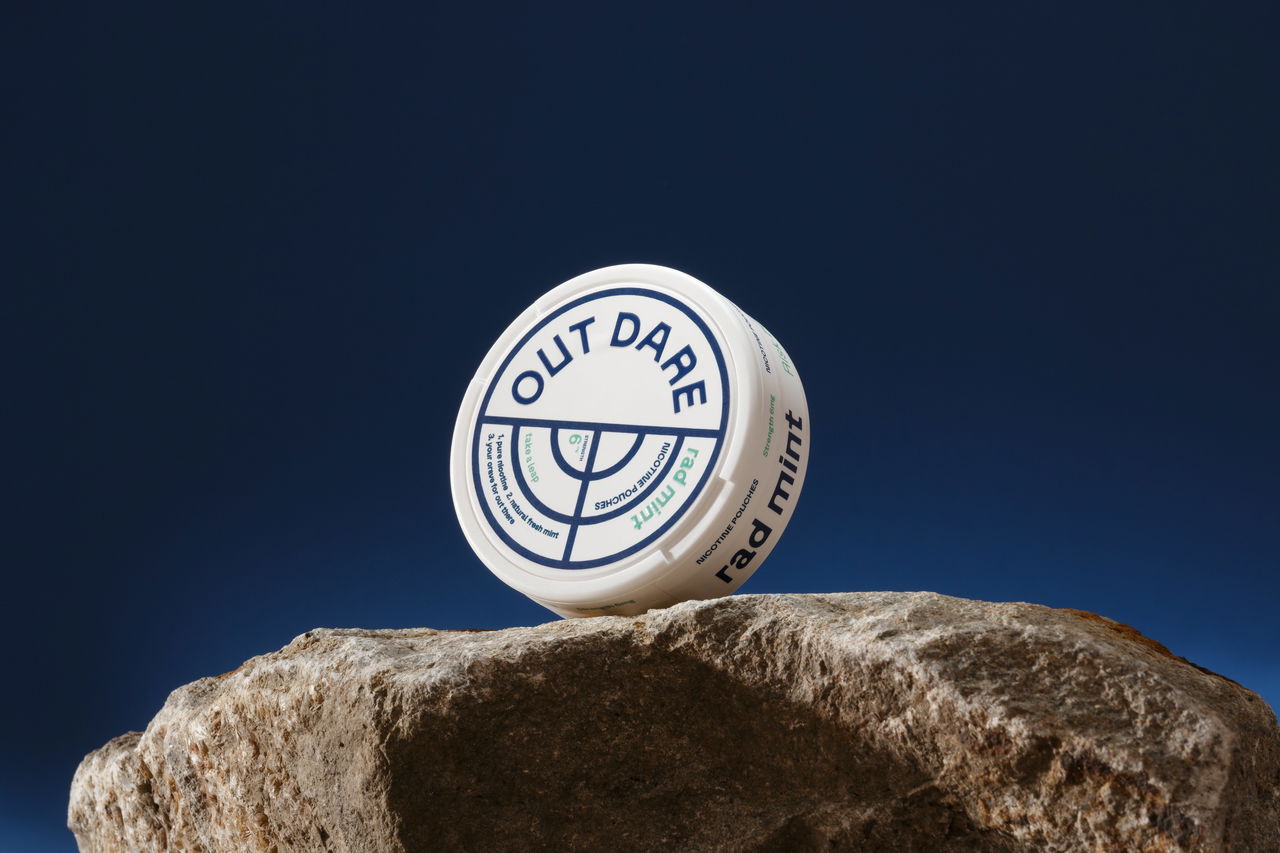
| Two strengths on nicotine | OutDare Nicotine sits at 6 mg and 12 mg per pouch in Rad Mint, €7.00 a can, so the step down is a real step, not a rebrand. |
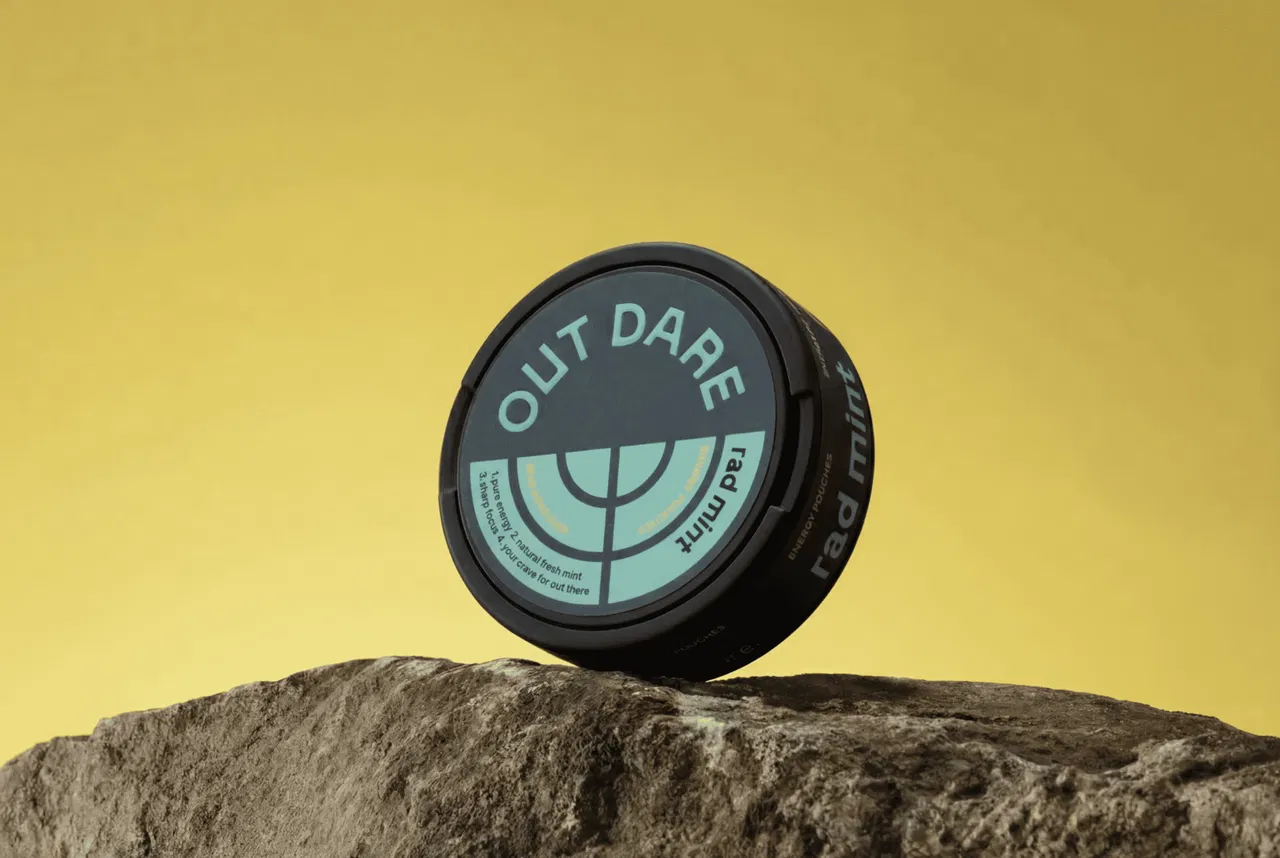
| Daytime moves to caffeine | OutDare Energy carries 75 mg of caffeine per pouch in Rad Mint at €7.00, taking the working hours off nicotine without taking the pouch away. |
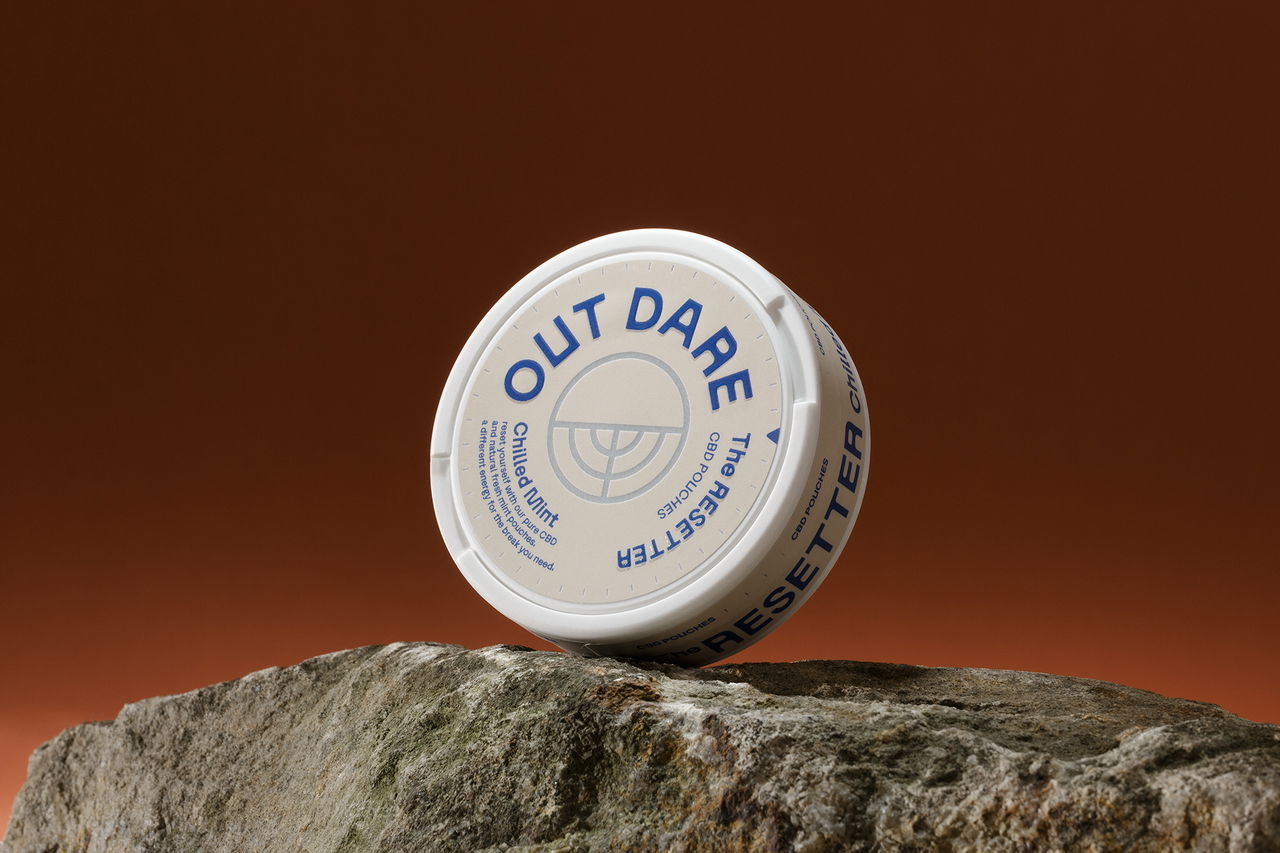
| The evening becomes The Resetter | Sleep Pouches carry 20 mg of CBD per pouch in Chilled Mint at €10.00 a can, for the last hour of the day. |
| Cold turkey stacks the fights | Removing the pouch, the nicotine and the ritual on the same day is three withdrawals at once, which is why forty-eight hours is usually the wall. |
- What is happening to you right now with nicotine pouches?
- What is nicotine withdrawal, and why does the pouch stay in your hand?
- What symptoms should you expect when you cut down?
- How long does nicotine withdrawal actually last?
- What are the phases of nicotine withdrawal, and which one is the wall?
- The three thirds of the hold: chemistry, ritual, burn
- The week-by-week protocol: one variable at a time
- What fails: changing two variables at once
- What Week 4 looks like, and what the decision actually is
- What the product does, and what it does not
The range, same flavour, same burn, three chemistries
| Pouch | Strength | Best for | Flavour | Price | |
|---|---|---|---|---|---|
| Nicotine Pouches | 6 mg | when you need control | Rad Mint | €7.00 | |
| Nicotine Pouches | 12 mg | when you need control | Rad Mint | €7.00 | |
| Energy Pouches | 75 mg | for daytime focus | Rad Mint | €7.00 | |
| Sleep Pouches (The Resetter) | 20 mg | for the evening reset | Chilled Mint | €10.00 |


Shipped from Denmark by PostNord Express · Trustpilot 4.6
Three pouches, one ritual · Shipped from Denmark · 210+ countries · Trustpilot 4.6
What is happening to you right now with nicotine pouches?
Here is where you are right now, and I say it because I lived it: you had one under your lip before you decided you wanted one. It happened between the kettle boiling and your first email. Your hand went into the can, thumb popped the lid, and by the time you noticed the count was already off by one.
The dose you are on is not the dose you started on. You crossed up months ago, told yourself it was a rough week, and never crossed back down. The top lip has that permanent tightness. You keep a spare can in the car and one in the drawer at work, because running out mid-afternoon is a feeling you learned to avoid.
What the day actually looks like
Take an honest inventory. The pattern is usually this:
- One goes in before you have made the decision, first thing, while the coffee is still hot.
- The mid-morning one lands during your first hard task, not because you wanted it, but because your hand went.
- After lunch is the biggest wall: the food kills the burn, so you replace the pouch faster than usual.
- Late afternoon, the count blurs. You stop tracking. Some days you catch three in the same hour.
- The evening one is the one you fight, because you know it will cost you an hour of sleep.
Meanwhile you tried cold turkey once. You lasted 2 days. On day 2 your jaw ached, your temper was on the surface, and you slept badly enough that on the morning of day 3 you told yourself it was not the right week. That is not a failure of will. That is what happens when you try to change three things at once: the compound, the ritual, and the burn under your lip. All three drop out at the same time, and your body registers all three losses at the same time.
That is the picture. You are not looking to quit tomorrow. You are looking to take the count back down, on your own terms, without waking up on Wednesday having lost the plot. Before we get to a plan, you deserve to understand what your body is actually doing, because the plan makes sense only once the mechanism does. That is what The Shift is built around.
What is nicotine withdrawal, and why does the pouch stay in your hand?
Nikotinentzug, or nicotine withdrawal in plain English, is the sequence of things your body does when the compound it has been dosed on every 90 minutes stops arriving on time. It is not one feeling. It is a small stack of them, and they turn up on a schedule your head has no say in.
Nicotine binds to receptors in the brain, and when you have been feeding those receptors for months or years, the brain adapts by making more of them. That is the physical part of the story. When the dose stops or drops, those receptors are still there, still waiting, still sending the signal. That signal is not a thought you are having. It is a background hum that gets louder every hour, until you notice you are pacing the kitchen for no reason you can name.
Why the hand still reaches even when the head has decided
Here is the part almost no article about nikotinentzug tells you honestly. The reach is not only chemical. The reach is a habit that has been rehearsed several dozen times a day for years, and the body learned it the way it learned to tie shoelaces. The head can decide, at eight in the morning, that today is the day. The hand has an older contract, and by nine the hand has already opened the can.
Roughly, the hold of a pouch has three parts, and they are not equal, but they are all real:
- The nicotine itself, which is the chemistry your receptors are asking for.
- The ritual of having a cushion under your lip, which is the physical presence your mouth learned to expect.
- The burn that says it has landed, which is the sensory signal your brain uses to confirm the dose.
Take away all three at once and you are fighting three separate battles on day one. Take away the chemistry alone, keep the ritual and the burn, and you are fighting one. That is the whole logic of what comes next, and it is why cold turkey feels so much harder than the actual milligram drop should feel. You are not weak. You are trying to unlearn three things at the same speed, and your body has no interest in cooperating.
Shipped from Denmark by PostNord Express · Trustpilot 4.6
What symptoms should you expect when you cut down?
Expect four signals when the count drops, and treat each as information, not as a verdict on whether you should carry on. The reader who quits on day 2 usually does so because a symptom felt like proof it was not going to work. It is not proof. It is arithmetic.
The four you will actually feel
These turn up in almost every reduction attempt, in roughly this order:
- Irritability. The short fuse, the snap at a colleague, the tension in the jaw. Peaks in the first 72 hours and eases from there.
- Broken sleep. You get down easily enough, then wake at three and stay awake. Your brain is looking for the dose it used to have at three when you got up for water and reached for a pouch on the way back.
- The phantom reach. The hand goes to the drawer, the pocket, the car door. It arrives at the can before the head arrives at the thought. This is the deepest habit and it is the last to fade.
- Concentration dip. Reading feels sludgier. The first pass of a hard task lands worse than usual. Give it a week; the brain re-baselines.
Pro Tip: Write down which signal is loudest in the first 3 days. If it is the phantom reach, the ritual is what needs replacing, not the chemistry. If it is the concentration dip, the daytime is where you need something in your lip that is not another dose of nicotine. That is the diagnostic that decides how you sequence the weeks.
What each signal is telling you
Irritability is chemistry, and it fades. Broken sleep is the evening dose you never named as an evening dose. The phantom reach is the ritual asking to be kept, not fought. The concentration dip is the brain adjusting to a lower background level, and it lifts on its own.
None of that is a case for pushing through on willpower alone. It is a case for changing one variable at a time, so that when a signal turns up you know exactly which lever you pulled and how to answer it. If you drop the brand, the dose and the ritual in the same 48 hours, all four signals arrive together and you have no way of telling what is causing what.
How long does nicotine withdrawal actually last?
The honest answer: the sharpest part is the first forty-eight hours, the real window is roughly the first two weeks, and anything past that is habit talking, not chemistry. That is the frame worth carrying, because the reader who asks how long nicotine withdrawal lasts is usually bracing for a single number. No single stopwatch runs on the body. There is a curve, and the curve has three parts:
- First 48 hours: the peak, when the dose stops landing.
- Weeks 1 to 2: the honest chemistry stretch, when sleep and focus wander.
- Month 2 onwards: the habit, not the molecule.
The first forty-eight hours
This is when the body notices the missing dose. If you have been sitting at the dosage above the one you actually want, this is when the top lip goes quiet and the head goes loud. It is the sharpest part of the whole thing. Cutting the chemistry to zero on day one is why so many people last two days and then reach for a can they had thrown out. This is precisely the moment the method refuses to touch the ritual: keep the cushion under the lip, keep the burn, drop only the strength.
The two-week window
Two weeks is the honest chemistry stretch. Sleep gets loose. Concentration wanders. The count of pouches per day is easier to lie to yourself about than to log honestly. This is where a swap to something like OutDare Nicotine at 6 mg in Rad Mint at €7.00 per can gives the ritual something to hold on to while the dose comes down. It is also where an Energy pouch at 75 mg of caffeine can carry the afternoon that used to be carried by a top-up.
The months after
Past the two-week mark, what you are managing is not a molecule any more. It is a hand reaching for a can in the car, at the second coffee, in the pause before a difficult email. That is a ritual, and it answers to ritual work, not to grit. The reader who confuses chemistry with habit spends month three fighting the wrong opponent, and gives up because the tool that worked in week one has stopped matching the problem.
What are the phases of nicotine withdrawal, and which one is the wall?
There are three phases, and the second day is the wall. Peak, plateau, long tail. Know what each is doing and you stop confusing one for another, which is how most attempts fold in the first week.
- Peak: day 1 to day 3, the loud one, three fights in the same afternoon.
- Plateau: day 4 to week 2, the honest chemistry stretch.
- Long tail: past week 2, when the habit is exposed and the chemistry is largely done.
The peak: day one to day three
This is the loud one. The head is noisy, the top lip feels naked, the reach for a can happens before you have decided to reach. On day two specifically, three things happen at once: the dose is not landing, the ritual is missing, and the burn under the lip is gone. That is why day two is where most attempts fold. It is not weakness. It is three fights in the same afternoon, and it is the hardest phase in the whole run.
The plateau: day four to week two
The noise drops. Sleep is still uneven, concentration is still patchy, and the count of pouches you almost took stays higher than the count you actually take. This is the honest chemistry stretch. It is also the stretch where a controlled dose, like OutDare Nicotine at 6 mg in Rad Mint at €7.00 per can, keeps the ritual in place while the dose comes down. The scaffold stays; only one leg moves.
The long tail: past two weeks
After the plateau, the chemistry is largely done and the habit is exposed. This is the reach at the second coffee, the reach after a phone call, the reach in the car. It answers to ritual replacement, not to grit. This is where the evening slot might become a Sleep pouch (The Resetter) with 20 mg of CBD in Chilled Mint at €10.00 per can, and where the daytime slot might become an Energy pouch at 75 mg of caffeine.
Pro Tip: Log the reach, not the pouch. Count the times your hand went to the can, not the times you took one. The gap between those two numbers is the real progress line, and it moves before your daily dose does.
The wall is day two because it is the one day the three fights land together. Every phase after it separates them out. That is the mechanical case for changing one variable per week rather than all three at once: you are refusing to fight day two twice.
The three thirds of the hold: chemistry, ritual, burn
Roughly a third of the hold is the nicotine, a third is the cushion sitting under the lip, and a third is the burn that tells you it landed. That is how the pouch is built, and it is why the method changes one third at a time rather than reaching for all three at once. Get the map of the thirds right and the week-by-week protocol stops feeling like willpower and starts feeling like arithmetic.
The chemistry third
The dose is what most people fixate on, because it is the part with a number attached. In the OutDare Nicotine range, that number is either 6 mg per pouch (when you want control) or 12 mg per pouch (the stronger step), both in Rad Mint, both €7.00 per can. That is the whole nicotine ladder here. Simple on purpose, because a shift is easier when the rungs are countable.
The ritual third
The cushion under the top lip is not a placebo. It occupies the same physical slot every time, which is why the hand knows where to go before the head has voted. Take it away and the mouth goes quiet in a way that is louder than the chemistry. The two neighbouring pouches in the range use the same cushion and the same slot: Energy Pouches at 75 mg of caffeine in Rad Mint at €7.00 per can, and Sleep Pouches (The Resetter) with 20 mg of CBD in Chilled Mint at €10.00 per can. Same format, same feel, different chemistry.
The burn third
The burn is the tingle that tells you the pouch has landed. It is what stops the hand from immediately reaching for a second one. Because Nicotine and Energy share Rad Mint and the sleep pouch runs a Chilled Mint that sits in the same mint family, the burn signature reads as continuous across the three. That is a fact about how the range is built, not a story added on top.
Why the thirds matter for the shift
One variable moves at a time. In this range, that looks like:
- Swap brand only, same strength, same slot: chemistry holds, ritual holds, burn shifts slightly.
- Swap an afternoon slot to Energy: chemistry changes, ritual holds, burn holds.
- Swap the evening slot to Sleep: chemistry changes, ritual holds, burn stays in the mint family.
Three thirds, one lever at a time. That is the whole engine of The Shift.
The week-by-week protocol: one variable at a time
One variable per week. That is the whole map, and it works because our three pouches share the same fresh mint and the same burn, so only one thing changes at a time.
The pouch you have under your lip right now is doing three jobs at once. It delivers nicotine. It gives you the ritual of a cushion under the top lip. It burns just enough to say it landed. Try to unpick all three in the same week and you will collapse. Move them one by one and the week will feel almost dull, which is exactly the point.
The four weeks, laid flat
| Week | What changes | What you use |
|---|---|---|
| Week 1 | Brand only, dose held | OutDare Nicotine at 12 mg if that matches what you take now, 6 mg if you already sit lower. Rad Mint, €7.00 per can. |
| Week 2 | Part of the day swapped | OutDare Energy at 75 mg caffeine per pouch, in the morning window where the pouch was already a wake-up. Same Rad Mint, €7.00 per can. |
| Week 3 | Evenings swapped | Sleep Pouches (The Resetter) at 20 mg CBD, Chilled Mint, €10.00 per can, for the after-dinner and pre-sleep pouches. |
| Week 4 | The decision | Nicotine at 6 mg on purpose only. Energy through the day. Resetter at night. |
Week 1 sounds too small. Do it anyway. You are testing whether the mint and the burn feel the same to you across the range, because that is what lets Week 2 and Week 3 move fast without your body noticing the switch.
Pro Tip: Keep the same pocket, the same pack, the same moment. Change the can's contents, not your habits. The ritual and the burn are doing two thirds of the work between them; leave them alone until Week 4.
By the end of Week 3, most of the pouches in your day are not nicotine. That is the shift, and it happened without a single "quit" decision. The full map, with the swap points marked and the honest failure modes flagged, sits on the Shift System page.
What fails: changing two variables at once
The failure mode is the Monday-morning overhaul: brand, dose and moment, all changed at the same time. It looks efficient. It collapses by Thursday, and the pouch you reach for on Thursday night is usually stronger than the one you started the week with.
Here is why. The pouch has three separate holds on you, and each one has a different pain when you break it. If you break all three on the same day, you cannot tell which one is screaming. You just know that something is, and the fastest way to make it stop is to go back to what you had on Sunday.
The three fights, run in parallel
- Chemistry. Drop the milligrams and your body notices within hours. It is not a mystery: it is the reason you moved up a strength in the first place and never moved back down.
- Ritual. Take away the cushion under the top lip and your hand keeps reaching for the pocket where the can used to sit. That reach is the loudest of the three, and the least respected.
- Burn. Move to a pouch that does not tingle the same way and the whole thing feels wrong, even when the milligrams and the moment are identical. This is why we hold the mint and the burn steady across the range: it takes the third fight off the table before you start.
Keep the gesture, change the chemistry. That is the whole discipline of a one-variable week. In Week 2, the moment stays exactly where it is: your first pouch of the day, at the time you always take it, in the pocket it always sits in. What changes is what is inside the pouch. It is now OutDare Energy at 75 mg caffeine, Rad Mint, €7.00 per can. Same mint. Same burn. Same reach. Different chemistry.
If you find yourself planning to drop the dose and swap the moment in the same week, you are running two fights in parallel, and the second one will not survive the first. Pull one of them back. It will still be there next week.
What Week 4 looks like, and what the decision actually is
By Week 4, the count has changed shape. Most of the pouches in your day are not nicotine any more. The morning cans are OutDare Energy at 75 mg caffeine. The evening ones are Sleep Pouches (The Resetter) at 20 mg CBD, in Chilled Mint. The nicotine pouches left in the day are 6 mg, Rad Mint, €7.00 per can, and they are there because you chose them, not because the pocket did.
This is the point where the decision gets real. Nobody has decided it for you, and there is nothing in the map that says Week 5 you drop to zero. That would be the same trap as Week 1's Monday-morning overhaul, three weeks later.
The two doors, both open
- Stay on 6 mg, on purpose. A few nicotine pouches a day, in named moments: after the meal, before the meeting, during the drive. The gesture is intact. The dose is a fraction of what you started with. The pouch is a thing you use, not a thing that uses you.
- Step off nicotine. Keep the Energy for the day and the Resetter for the evening. The ritual is intact, the mint is the same, the burn is the same. What is not there any more is the nicotine.
Neither door is a failure and neither is a graduation. They are two different lives with the same pocket ritual. Some people stop at Week 4 for a month and then step off. Some stay on 6 mg for a year and never move. Both are honest outcomes, because the decision belongs to you, not to the pouch.
What you have won by Week 4 is not a headline about your body. It is a count that used to be automatic and is now deliberate, and a top lip that stops reaching before the brain asks. If you want to run this map from the top, with the check-ins built in at each swap point, the full week-by-week sits on the Shift System page.
What the product does, and what it does not
The product is three cans, built to replace each other, and that is the whole story. Nicotine Pouches at 6 mg or 12 mg for when you need control, Energy Pouches at 75 mg of caffeine for the daytime, Sleep Pouches (The Resetter) at 20 mg of CBD for the evening reset. Same fresh mint profile across the nicotine and energy cans in Rad Mint, a matched Chilled Mint on the evening pouch, same burn under the lip, same cushion under the top lip. That is what lets the ritual survive while the chemistry moves.
What the three pouches share
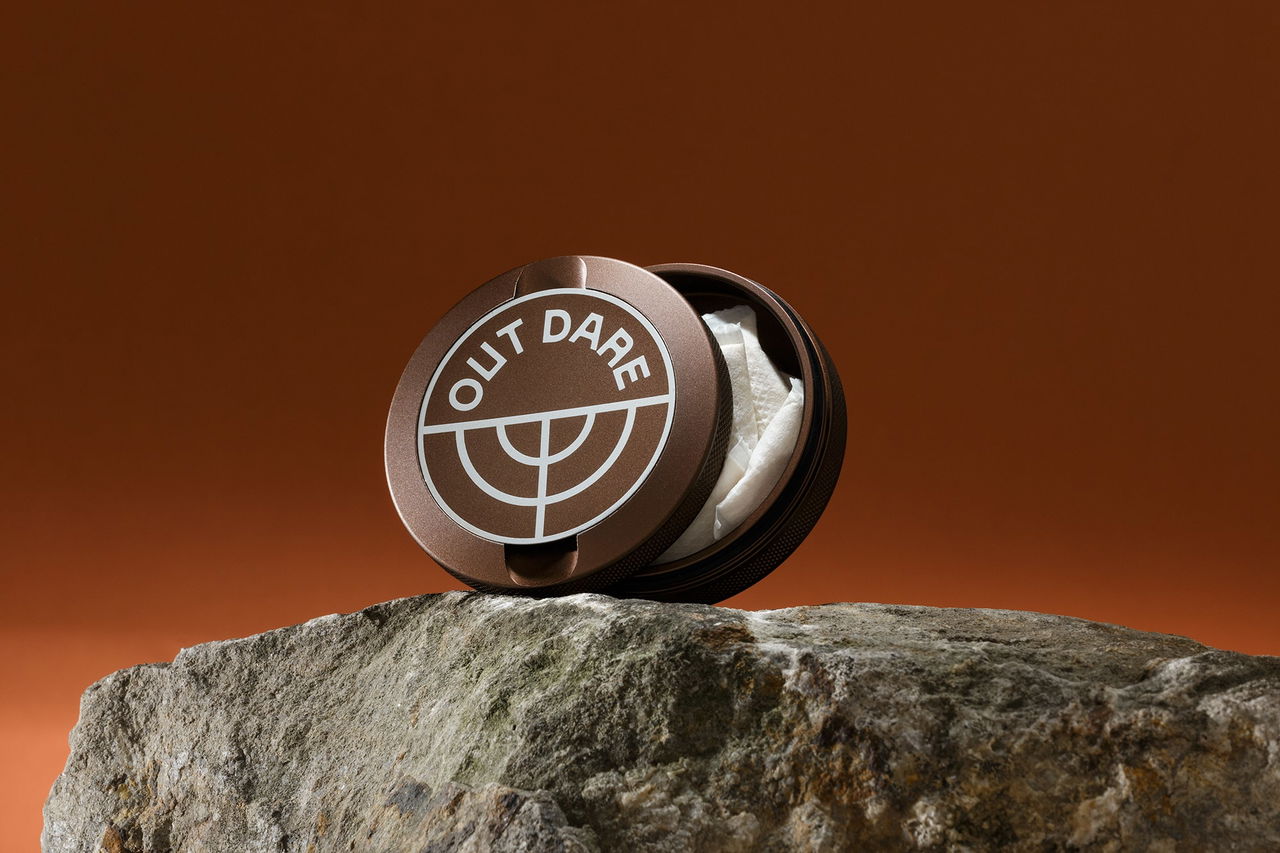
- The cushion under the top lip: same paper, same fibre fill, same shape.
- The burn that says it landed: matched so a swap does not feel like a stranger.
- The mint family: Rad Mint on nicotine and energy, Chilled Mint on the sleep pouch.
- The €7.00 price on the daytime cans, €10.00 on the evening can.
That is the mechanism, stated plainly. One variable moves, the others hold. You keep the ritual and change the chemistry.
What is not on the can
No programme, no calendar to obey, no schedule that decides your Week 4 for you. The Shift is a way to move through your own week: you decide when the nicotine can becomes 6 mg, when the afternoon becomes an Energy pouch, when the evening becomes The Resetter. It runs at your pace, not ours. If Week 3 needs a second week, take it. If the decision at Week 4 is to stay on nicotine only in the evening and hold there, that is a decision too. The three cans do one thing: they let you change one variable without losing the burn and the cushion you already know.
Pro Tip: Keep the three cans in three different pockets, not the same one. When your hand reaches on autopilot, which pocket it went to tells you exactly what the pouch was for, and whether the reach was chemistry, ritual or burn.
The rest is yours. Where you take it, how fast, whether Week 4 becomes Week 8. See how The Shift works end to end and start on the can that matches the moment you are in.
Sources & References
- Tobacco (including nicotine products) · World Health Organization (2024)
- Tobacco policy · European Commission, Public Health (2024)
- Nikotin und Nikotinersatzprodukte · Bundeszentrale für gesundheitliche Aufklärung (2024)
- Nikotinabhängigkeit · Deutsches Krebsforschungszentrum (2024)
- Nicotine and dependence · Action on Smoking and Health (2024)
Frequently Asked Questions
How do I cut down nicotine pouches without going cold turkey?
Change one variable a week. Week one, switch brand and hold the dose. Week two, move part of the day to caffeine. Week three, the evening becomes the sleep pouch. Week four, decide whether nicotine stays and when.
Should I drop from 12 mg to 6 mg straight away?
Not on week one. Match your current dose first so the only change is the brand, then step to 6 mg once the switch is boring. Two changes on the same Monday is usually why the plan fails by Thursday.
How long does nicotine withdrawal last?
The sharp edge is roughly the first forty-eight hours. The honest window where your body is doing the work is about two weeks. After that, what remains is the habit, the hand and the moments, not the chemistry.
What are the hardest symptoms to expect?
Irritability, broken sleep, a concentration dip and the phantom reach, your hand going for a can before you have decided. Treat each as a signal about which variable you changed, not proof that the plan is broken.
Which phase of quitting is the hardest?
Day two and day three, when the pouch, the nicotine and the ritual all left on the same Monday. That is three fights at once. Keeping the ritual and moving only the chemistry is what the method exists to do.
Can I stay on nicotine pouches long-term at a lower dose?
Yes, that is one of the two outcomes of week four. Some readers stay on 6 mg only when they actually want one and leave it at that. Others step off nicotine and keep the ritual with Energy and Sleep.
Do OutDare pouches contain tobacco?
No. All three OutDare pouches are tobacco-free. The filling is plant fibre, the sweetener is xylitol rather than most of the sucralose, and the flavours were developed by a former mixologist in a European factory.
What if I slip and go back to the old brand mid-week?
Note which day it happened and which variable you had just changed. A slip is data. Restart the week from where you were, do not restart the whole plan, and do not add a second change to make up for it.
Cutting down works when the ritual stays and the chemistry moves, one variable a week. You keep the cushion under the lip, you keep the burn, you keep the mint. What changes is what is inside the pouch and when you reach for it. By week four you are choosing, not reacting, which is the whole point. If you want the full map laid out day by day with the pouches that were built for it, read The Shift System and start on week one this Monday.
Related guides
Published 03 August 2026 · Last updated 03 August 2026