












Baby Put a Nicotine Pouch in Mouth: What to Do Immediately
Written by
Published
Mon, 02/02/2026
Discovering that your baby has put a nicotine pouch in their mouth is an emergency that demands immediate action. This article provides a comprehensive guide on what to do if such an incident occurs, emphasizing the dangers of nicotine exposure and the critical steps to take to protect your child's health. Act quickly to ensure your baby's safety.
Introduction: Why This Is a Medical Emergency
If you've found yourself frantically searching online after your baby put a nicotine pouch in their mouth, know that your concern is justified. Nicotine pouches contain nicotine, and even brief exposure can be incredibly dangerous for infants. The concentrated nature of nicotine pouch products means that even a small amount can lead to severe nicotine poisoning in children, making immediate action essential.
Why Nicotine Pouches Are Dangerous for Babies
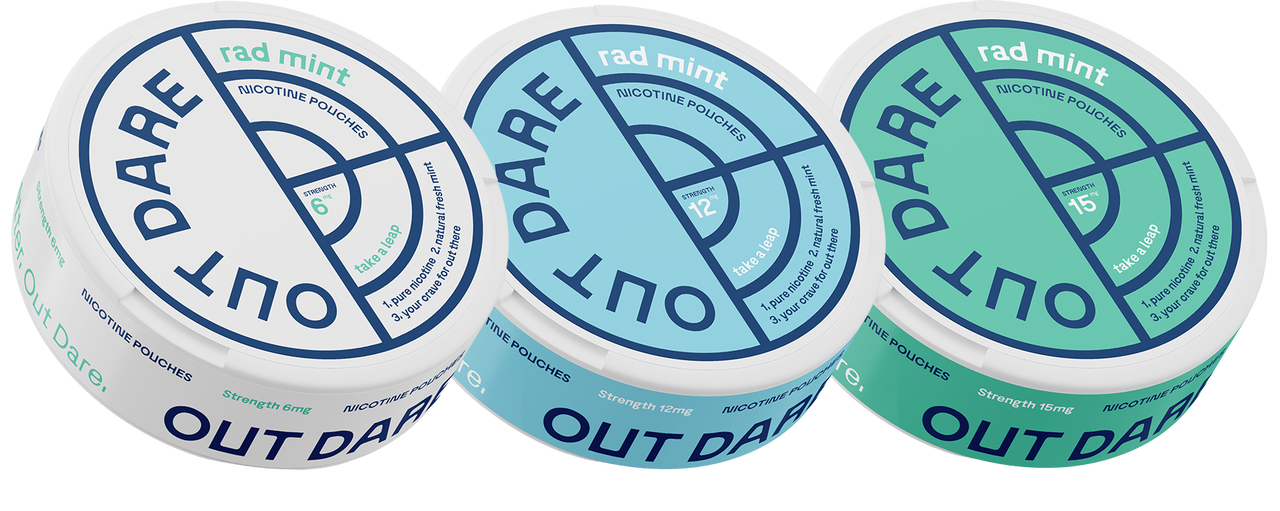
Nicotine pouches are small and often flavored, making them attractive to young children. However, these products pose a significant risk of nicotine poisoning in children due to their high nicotine content. Parents need to know the dangers associated with these products to prevent accidental ingestion and protect their children from harm.
Nicotine Toxicity in Infants
Babies cannot safely process nicotine; their bodies are far more susceptible to the effects of nicotine than adults. Because a young child's system is not developed enough to handle the toxin, even a tiny amount of nicotine can be life-threatening. This is because infants have a very low toxicity threshold, meaning it takes very little nicotine to cause significant harm and lead to severe symptoms of nicotine poisoning.
Nicotine Absorption Through the Mouth
When a baby puts a nicotine pouch in their mouth, the absorption of nicotine begins almost immediately. Nicotine is readily absorbed through the saliva and oral tissues, quickly entering the bloodstream. This rapid absorption creates a significant risk of nicotine poisoning, even if the child does not swallow the pouch. The effects of nicotine can manifest quickly, making immediate intervention crucial to mitigate harm.
What to Do Immediately If a Baby Put a Nicotine Pouch in Their Mouth
If you witness or suspect that your baby has put a nicotine pouch in their mouth, swift action is paramount. Every second counts in minimizing the risk of nicotine poisoning. The following steps outline the immediate measures you should take to protect your child and seek appropriate medical assistance.
Step 1: Remove the Nicotine Pouch Immediately
The very first thing you must do is take it out right away. Carefully remove the nicotine pouch from the baby's mouth to prevent further nicotine exposure. While removing the nicotine pouch, check whether the pouch was damaged or leaking, as this could increase the amount of nicotine the baby was exposed to. Ensure no remnants of the pouch remain in the baby's mouth.
Step 2: Gently Clean the Baby’s Mouth
After removing the nicotine pouch, gently clean the inside of the baby’s mouth. Use a clean, damp cloth to wipe the gums, tongue, and cheeks, removing any residual nicotine or pouch contents. It's important not to force liquids down the baby's throat, as this could cause them to swallow more of the substance. The goal is to eliminate any remaining nicotine from the oral cavity without causing further risk.
Step 3: Contact Emergency Services or Poison Control
Even if there are no immediate symptoms of nicotine poisoning, you must call immediately. Contact emergency services, such as 911, or your local poison control center. These services can provide expert guidance and determine the best course of action. Follow medical instructions strictly, as they are tailored to address the specific circumstances of nicotine exposure in infants. Timely communication with medical professionals is crucial, even if the child may seem fine.
Symptoms to Watch for After Nicotine Exposure
After a potential nicotine exposure, closely monitor your child for any signs of nicotine poisoning. Nicotine poisoning in children can manifest in various ways, and early detection is critical for timely intervention. Even if your child seems fine immediately after the incident, symptoms can develop quickly, requiring vigilant observation and prompt response to ensure the best possible outcome. It is important for parents need to know what to look for.
Early Symptoms (May Appear Quickly)
Early symptoms of nicotine poisoning in children may include vomiting, which is a common reaction to the toxic effects of nicotine. Excessive drooling can also occur as the body attempts to rid itself of the substance. Additionally, you may notice unusual agitation or crying, indicating discomfort or distress. Pale skin can be another sign, suggesting that nicotine is affecting the child's circulatory system. These early symptoms warrant immediate attention and consultation with a poison center or medical professional.
Severe Symptoms (Medical Emergency)
Severe symptoms of nicotine poisoning require immediate medical intervention. These include tremors or shaking, which indicate the nicotine is affecting the nervous system. Extreme drowsiness or lethargy, where the child is unusually sleepy or difficult to arouse, is also concerning. Breathing difficulties can arise as nicotine impacts respiratory function, and seizures are a critical sign of severe nicotine toxicity. If any of these severe symptoms appear, seek emergency medical care immediately.
What NOT to Do
In the event of a suspected nicotine ingestion, it is crucial to avoid certain actions that could potentially worsen the situation. Do not induce vomiting, as this could cause further complications and potential aspiration of the substance into the lungs. Avoid giving any home remedies without consulting a medical professional, as these could interact negatively with the nicotine. Most importantly, do not wait to see if symptoms develop, as nicotine poisoning can progress rapidly in young children.
When to Call Emergency Services vs Poison Control
Understanding when to contact emergency services versus poison control is essential for an effective response to possible poisoning. If your child is exhibiting immediate and severe symptoms of poisoning, such as breathing difficulties, seizures, or extreme drowsiness, call emergency services immediately. For guidance on what to do when nicotine exposure is suspected but the child may not be showing severe symptoms, contact poison control. It is always best to err on the side of caution when it comes to children and pets.
Why “Tobacco-Free” Nicotine Pouches Are Still Dangerous
Even if a nicotine product is labeled “tobacco-free,” it can still be dangerous. Many parents need to know that these nicotine pouches are small and contain nicotine, often in synthetic form. This synthetic nicotine is equally toxic to infants and young children.
Accidental ingestion of these pouches can lead to severe nicotine poisoning in children, with potentially life-threatening effects. Because children are curious, and pouches are small, poisoning prevention is key. The absence of tobacco does not make these products safe; they remain a significant public health concern.
How Long After Exposure Can Symptoms Appear?
Symptoms of nicotine poisoning can begin within minutes after a baby puts a nicotine pouch in their mouth. The rapid absorption of nicotine through the gums can quickly lead to adverse effects. If accidental ingestion occurs, it is crucial to watch for early symptoms of nicotine poisoning such as vomiting, drooling, or agitation. Continuous monitoring is essential, even if the child may initially seem fine, as symptoms can escalate quickly and require immediate medical attention from a poison control center or emergency services. Early intervention can mitigate the risk of serious complications.
Prevention: How to Keep Nicotine Pouches Away From Babies
Preventing nicotine pouch ingestions is paramount to protecting young children. Nicotine poisoning in children is often the result of accidental ingestion of these products. Parents who use nicotine pouches need to implement strict safety measures to reduce the risk of nicotine exposure in their homes. Creating a safe environment involves secure storage, responsible disposal, and a heightened awareness of the dangers these products pose to children and pets. Taking these steps can significantly decrease the likelihood of a poisoning incident.
Safe Storage Practices
To prevent accidental ingestion, it is essential to store nicotine products safely. Always store nicotine pouches in locked, elevated locations that are completely out of reach of children. Never leave pouches unattended or within easy access, even for a moment. Ensure that all nicotine products, including e-cigarettes and liquid nicotine, are kept away from areas where children play or spend time. By implementing these safe storage practices, parents can significantly reduce the risk of nicotine exposure and protect their children from harm. Remember, pouches are small and easily mistaken for candy by children.
Reducing Risk at Home
Further reduce the risk of nicotine poisoning by taking additional precautions at home. Dispose of used pouches immediately and properly in a secure, childproof container. Ensure all adults in the household are aware of the risk associated with nicotine pouches and understand the importance of keeping them away from children and pets. Educate older children about the dangers of nicotine and the importance of not touching or playing with these products. By fostering a culture of awareness and caution, you can create a safer home environment for everyone.