



Best Oral Health Products: 2026 Complete Guide
Share
| Key Insight | Explanation |
|---|---|
| Fluoride is non-negotiable | The ADA confirms fluoride toothpaste is the single most evidence-backed tool for preventing cavities — no substitute comes close [1]. |
| Nicotine pouches affect gum tissue | Prolonged nicotine pouch use is linked to localized gum recession and irritation at the placement site — a risk standard oral care products can't fully offset. |
| Electric beats manual brushing | Clinical reviews consistently show oscillating-rotating electric toothbrushes remove more plaque and reduce gingivitis more effectively than manual brushes [2]. |
| Interdental cleaning is underrated | Brushing alone misses roughly 40% of tooth surfaces. Floss or interdental brushes are required to reach proximal (between-tooth) areas [3]. |
| Tobacco-free pouches change the risk profile | Switching from smoking or vaping to tobacco-free nicotine pouches removes combustion-related oral damage, but gum placement still requires careful oral hygiene management. |
| Routine order matters | Floss first, brush second, then rinse with mouthwash. This sequence maximizes fluoride contact time and removes dislodged debris before it can resettle [4]. |
What Are the Best Oral Health Products in 2026?
The best oral health products in 2026 are fluoride toothpaste, an oscillating-rotating electric toothbrush, interdental floss or brushes, and an antiseptic mouthwash — used together in the right order, twice daily. These four categories form the evidence-backed foundation recommended by the American Dental Association and the National Institute of Dental and Craniofacial Research [1][4]. Everything else — whitening strips, tongue scrapers, water flossers — layers on top of this core system.
That said, "best" depends on your specific situation. If you're a heavy nicotine pouch user, your gum tissue faces stressors that standard oral care products don't fully account for. If you're transitioning away from smoking or vaping, your oral environment is recovering from combustion damage that requires targeted support. This guide covers both the universal fundamentals and the specific adjustments that matter for pouch and vape users.

What You'll Need Before You Start
Building an effective oral health routine requires a handful of core tools, a basic understanding of why each one matters, and about four minutes per day. That's it.
Core Products Checklist
- Electric or manual toothbrush — soft bristles are mandatory; medium or hard bristles damage enamel over time [2]
- Fluoride toothpaste — minimum 1,000 ppm (parts per million) fluoride for adults; 1,350–1,500 ppm for higher-risk individuals [1]
- Dental floss, floss picks, or interdental brushes — your choice depends on gap size and dexterity
- Antiseptic or fluoride mouthwash — not a substitute for brushing, but a meaningful addition
- Tongue scraper — optional but effective for reducing volatile sulfur compounds (VSCs), the main driver of bad breath
What You Should Know First
- Oral health is systemic. Research links periodontal (gum) disease to cardiovascular disease, diabetes complications, and adverse pregnancy outcomes [4].
- Nicotine — whether from cigarettes, vaping, or pouches — is a vasoconstrictor (a substance that narrows blood vessels), which reduces blood flow to gum tissue and slows healing.
- Most oral health failures aren't product failures. They're routine failures. The right products used inconsistently deliver worse outcomes than basic products used daily.
Pro Tip: Before buying any new oral health product, check whether it carries the ADA Seal of Acceptance — an independent verification that the product's efficacy claims have been tested and confirmed. As of 2026, the ADA seal remains the most reliable third-party signal in the consumer oral care market [1].
Step 1: Choose the Right Toothbrush
Select a soft-bristled toothbrush — electric or manual — and replace it every three to four months, or sooner if the bristles fray. This single decision has more impact on plaque removal and gum health than any other product choice.
Electric vs. Manual: The Evidence
Electric toothbrushes, specifically oscillating-rotating models, outperform manual brushes in clinical comparisons. According to the Oral Health Foundation, powered toothbrushes reduce plaque by 21% more and gingivitis (gum inflammation) by 11% more than manual brushing over a three-month period [3]. That's not a marginal difference — it's meaningful, especially for pouch users whose gum tissue is already under stress.
Manual brushes aren't obsolete. Used with proper technique — the Modified Bass method (angling bristles at 45 degrees toward the gumline and using short circular strokes) — they deliver solid results. The problem is that most people don't use correct technique consistently. An electric brush compensates for that gap automatically.
What to Look For
- Oscillating-rotating head — this motion has the strongest evidence base; sonic brushes are effective but slightly less studied [2]
- Pressure sensor — alerts you when you're brushing too hard, which is critical for anyone with gum recession concerns
- Two-minute timer — most people brush for 45 seconds; a timer corrects this without any effort
- Soft replacement heads — confirm replacements are available and affordable before committing to a handle
According to dentists interviewed by CNN Underscored, the most common brushing mistake isn't technique — it's duration. Two minutes, twice daily, is the minimum. Most adults brush for under a minute [6].
Pro Tip: If you use nicotine pouches, pay extra attention to the gum tissue on the side where you typically place them. Brush that area gently but thoroughly — and consider alternating placement sites to reduce localized irritation. Our related guide on gum recession and nicotine pouches covers this in detail.
Step 2: Select the Right Toothpaste
Choose a fluoride toothpaste with at least 1,000 ppm fluoride — this is the non-negotiable baseline for cavity prevention, confirmed by both the ADA and the NIDCR [1][4]. Everything else in a toothpaste formulation — whitening agents, sensitivity relief, antibacterial compounds — is secondary to this requirement.
Toothpaste Categories Explained
The consumer toothpaste market in 2026 is crowded with claims. Here's a plain-English breakdown of the main categories:
- Standard fluoride toothpaste — does the core job; ideal for most adults with no specific concerns
- Sensitivity toothpaste — contains potassium nitrate or stannous fluoride to block dentinal tubules (tiny channels in exposed dentin that transmit pain signals); useful for anyone with enamel erosion or gum recession
- Whitening toothpaste — uses mild abrasives or low-concentration hydrogen peroxide to remove surface stains; won't change intrinsic tooth color but can address coffee and tea staining
- Anti-gingivitis / antibacterial toothpaste — typically contains stannous fluoride or triclosan derivatives; clinically shown to reduce gingival (gum) inflammation [5]
- Prescription-strength fluoride toothpaste — 5,000 ppm fluoride, available by prescription; recommended for high-caries-risk individuals or those with dry mouth (xerostomia)
Special Considerations for Pouch and Vape Users
If you're currently using nicotine pouches or transitioning from vaping, sensitivity toothpaste is worth considering. Nicotine's vasoconstrictive effect can mask gum pain, meaning recession or inflammation may progress further than you'd notice. A stannous fluoride formula addresses both sensitivity and bacterial load simultaneously.
According to Cleveland Clinic's oral health guidance, individuals who use any form of nicotine product should be especially vigilant about fluoride use, as nicotine-related gum recession exposes root surfaces that lack enamel protection and are therefore more cavity-prone [2].

Step 3: Master Interdental Cleaning
Floss, interdental brushes, or a water flosser should be used once daily to clean the proximal surfaces (the sides of teeth that face each other) that a toothbrush physically cannot reach. This step alone can reduce gingivitis risk by a clinically significant margin [3].
Floss vs. Interdental Brushes vs. Water Flossers
All three work. The best one is the one you'll actually use consistently. Here's how they compare:
| Tool | Best For | Limitations | Evidence Level |
|---|---|---|---|
| Traditional floss | Tight contacts, standard gaps | Requires technique; difficult with limited dexterity | Strong — ADA recommended [1] |
| Interdental brushes | Wider gaps, bridges, braces | Wrong size can damage tissue; multiple sizes needed | Strong — Oral Health Foundation endorsed [3] |
| Water flosser | Braces, implants, limited dexterity | Higher cost; doesn't physically scrape plaque like floss | Moderate — effective adjunct, not full replacement |
| Floss picks | Convenience, on-the-go use | Less effective than traditional floss for tight contacts | Moderate — acceptable alternative [7] |
The Oral Health Foundation notes that interdental brushes are "very effective" and are available in different sizes to match varying gap widths [3]. If you're new to interdental cleaning, starting with floss picks is a reasonable low-friction entry point — the important thing is building the habit first, then optimizing the tool.
Step 4: Add Mouthwash to Your Routine
Use an antiseptic or fluoride mouthwash as the final step in your routine, after brushing and interdental cleaning, and don't rinse with water afterward. This preserves fluoride contact time on enamel and maximizes the antibacterial effect.
Choosing the Right Mouthwash
Two main categories dominate the clinical evidence:
- Fluoride mouthwash — reinforces enamel remineralization; best used at a different time from brushing (e.g., after lunch) to extend daily fluoride exposure
- Antiseptic mouthwash (chlorhexidine or cetylpyridinium chloride) — reduces bacterial load and is particularly effective for managing gingivitis; chlorhexidine is prescription-strength and typically used short-term
- Alcohol-free formulas — preferred for daily use; alcohol-based rinses can cause dry mouth (xerostomia) with prolonged use, which paradoxically increases cavity risk
Cleveland Clinic's oral hygiene guidelines specifically recommend antibacterial mouthwash for reducing plaque buildup beyond what brushing achieves alone [2]. For pouch users dealing with localized gum irritation, an alcohol-free antiseptic rinse used twice daily can meaningfully reduce the bacterial load around affected tissue.
What Mouthwash Won't Do
Mouthwash is an adjunct, not a replacement. It doesn't remove plaque mechanically. It doesn't substitute for flossing. And it won't reverse established gum disease. Industry analysts consistently note that consumers overestimate mouthwash's standalone efficacy — it's the fourth layer of a system, not the system itself.
Pro Tip: Don't rinse with water after using mouthwash. This is the single most common mistake that reduces its effectiveness. Spit, don't rinse — and wait at least 30 minutes before eating or drinking.
Step 5: Address Oral Health If You Use Nicotine Pouches
Nicotine pouch users face specific oral health challenges that standard product routines don't fully address — and the best oral health products for this group need to be chosen with those challenges in mind.
The Specific Risks
Nicotine pouches are tobacco-free, which eliminates combustion-related oral damage (tar, carbon monoxide, direct heat). That's a meaningful harm reduction step. But nicotine itself is a vasoconstrictor that reduces blood flow to gum tissue, slowing healing and masking early inflammation. Prolonged placement at a single site can cause localized gum recession — the gradual pulling back of gum tissue that exposes root surfaces.
According to the NIDCR, gum recession exposes cementum (the softer root covering), which is more vulnerable to decay than enamel and more sensitive to temperature and pressure [4]. This is why sensitivity toothpaste becomes particularly relevant for heavy pouch users.
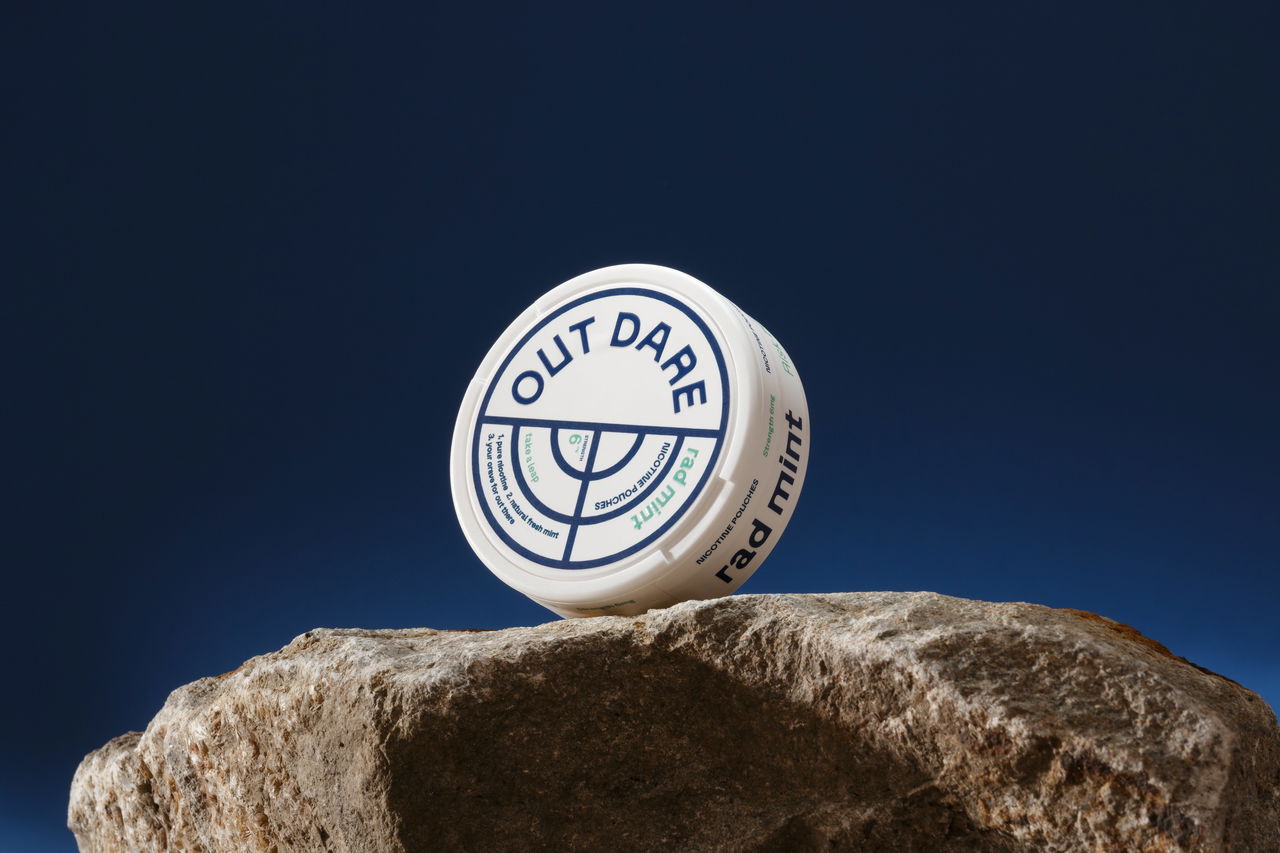
If you're exploring ways to reduce your nicotine pouch dependency, it's worth reading our guide on what nicotine pouches are and how the 30/30/30 Addiction Rule explains why cold turkey so often fails. The short version: 60% of pouch addiction is the physical ritual and the sensory burn — not the nicotine itself. That's the insight behind Outdare's three-pouch system.
Outdare's Approach to Oral Health Risk Reduction
At Outdare LTD, we've found that users who rotate placement sites (left side, right side, front center) rather than always placing in the same spot experience significantly less localized gum irritation over time. Combined with a sensitivity toothpaste and a twice-daily antiseptic rinse, this simple habit change reduces the oral health burden without requiring you to stop using pouches entirely.
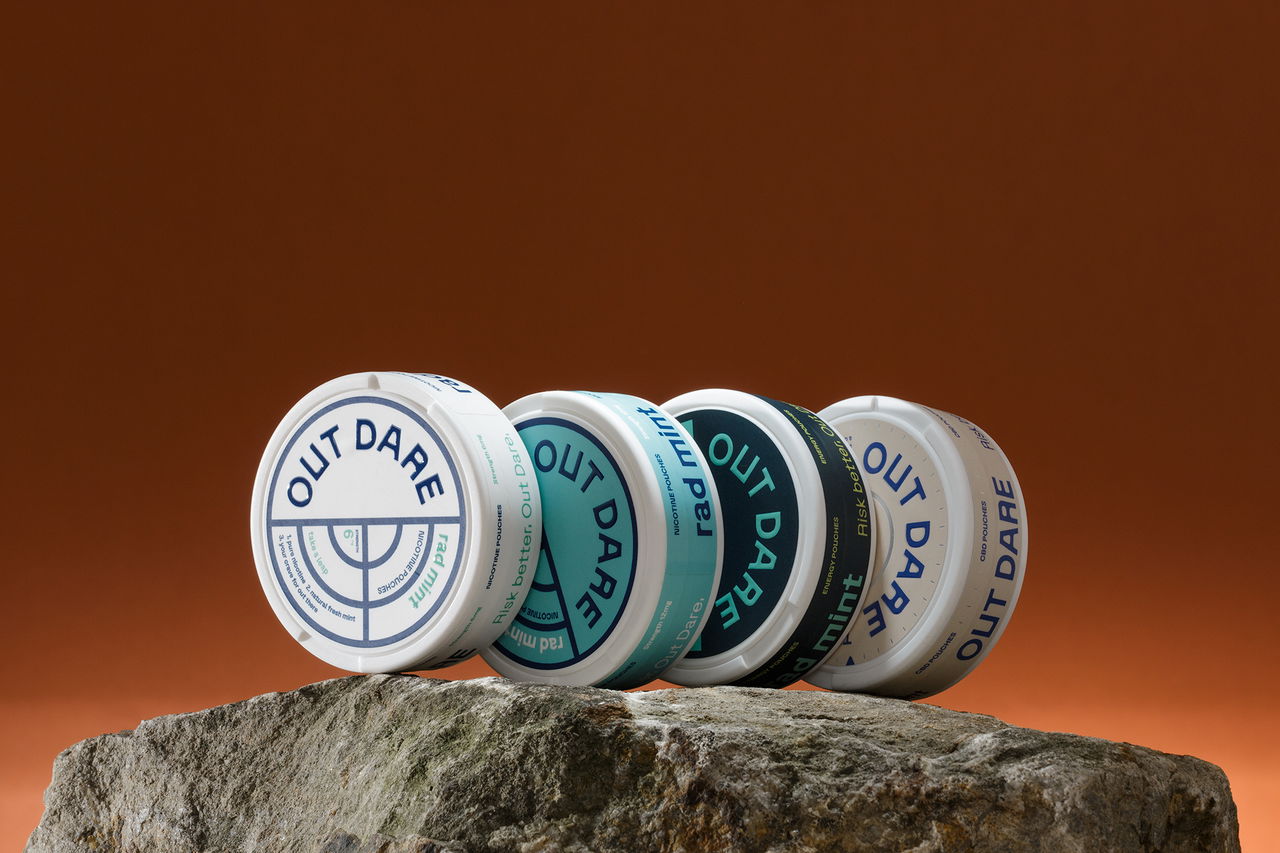
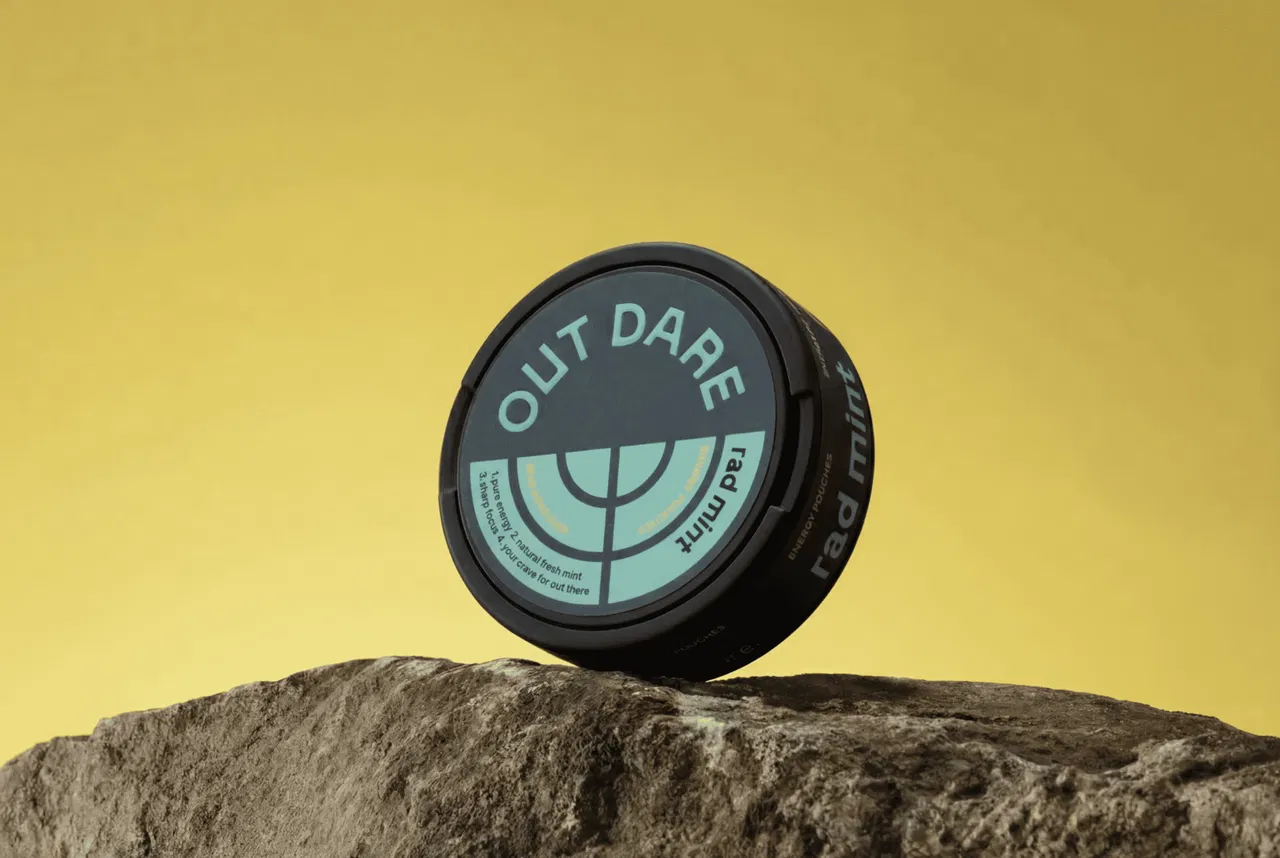
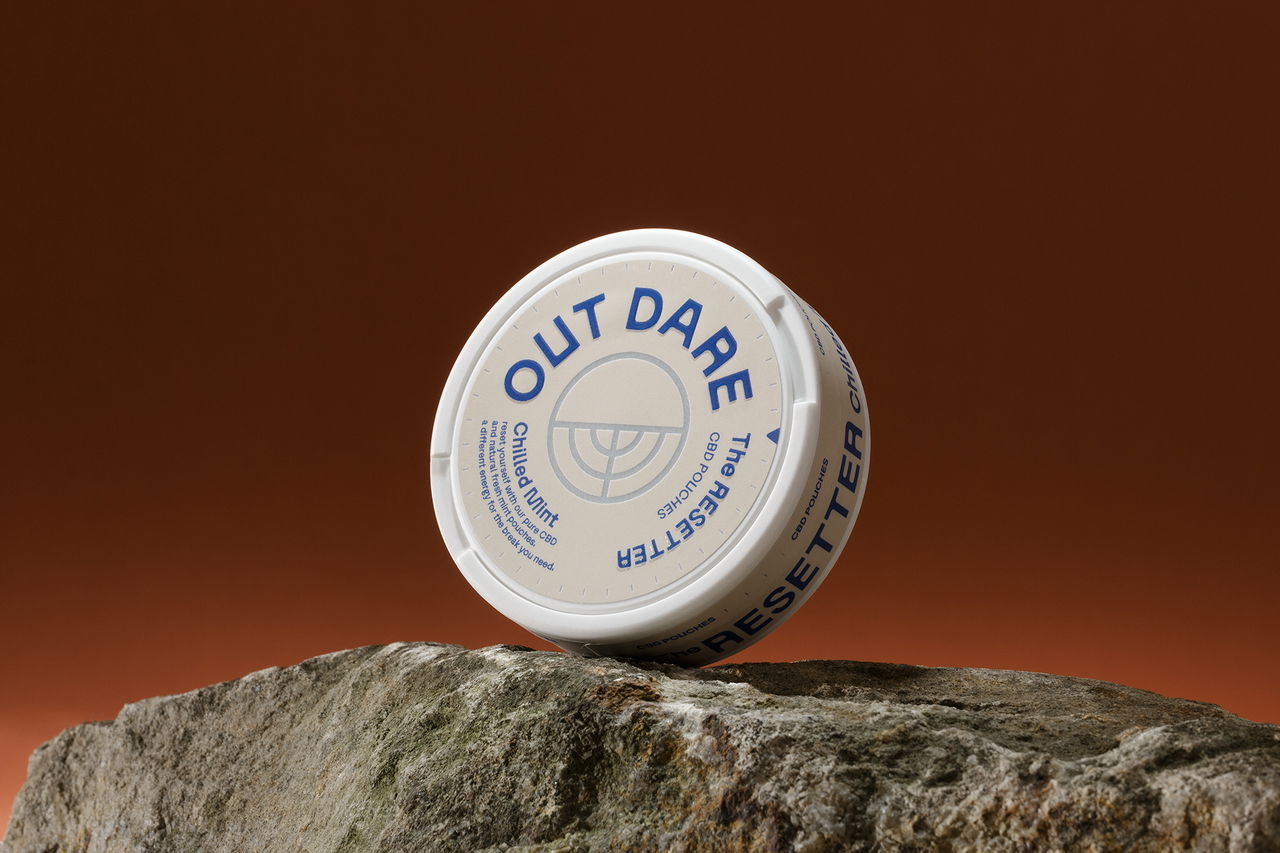
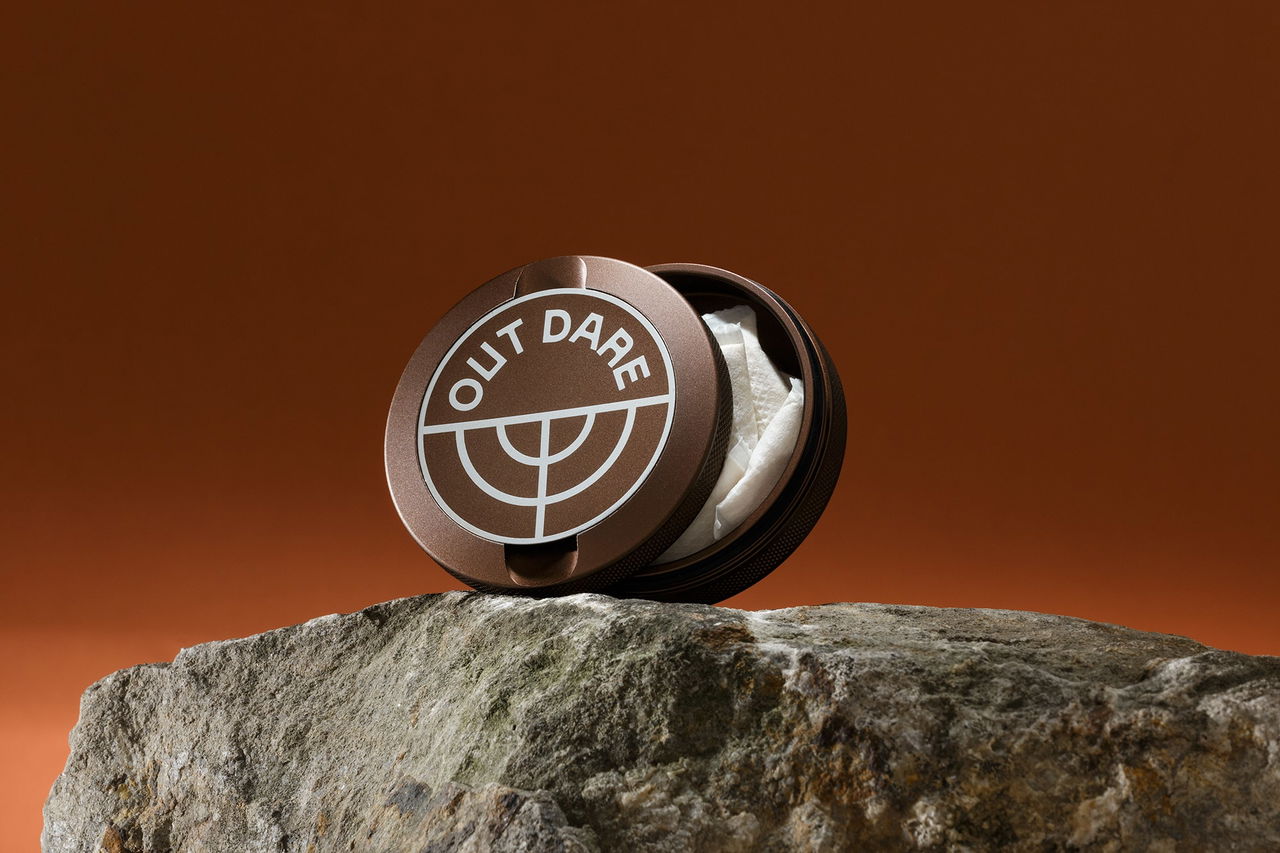
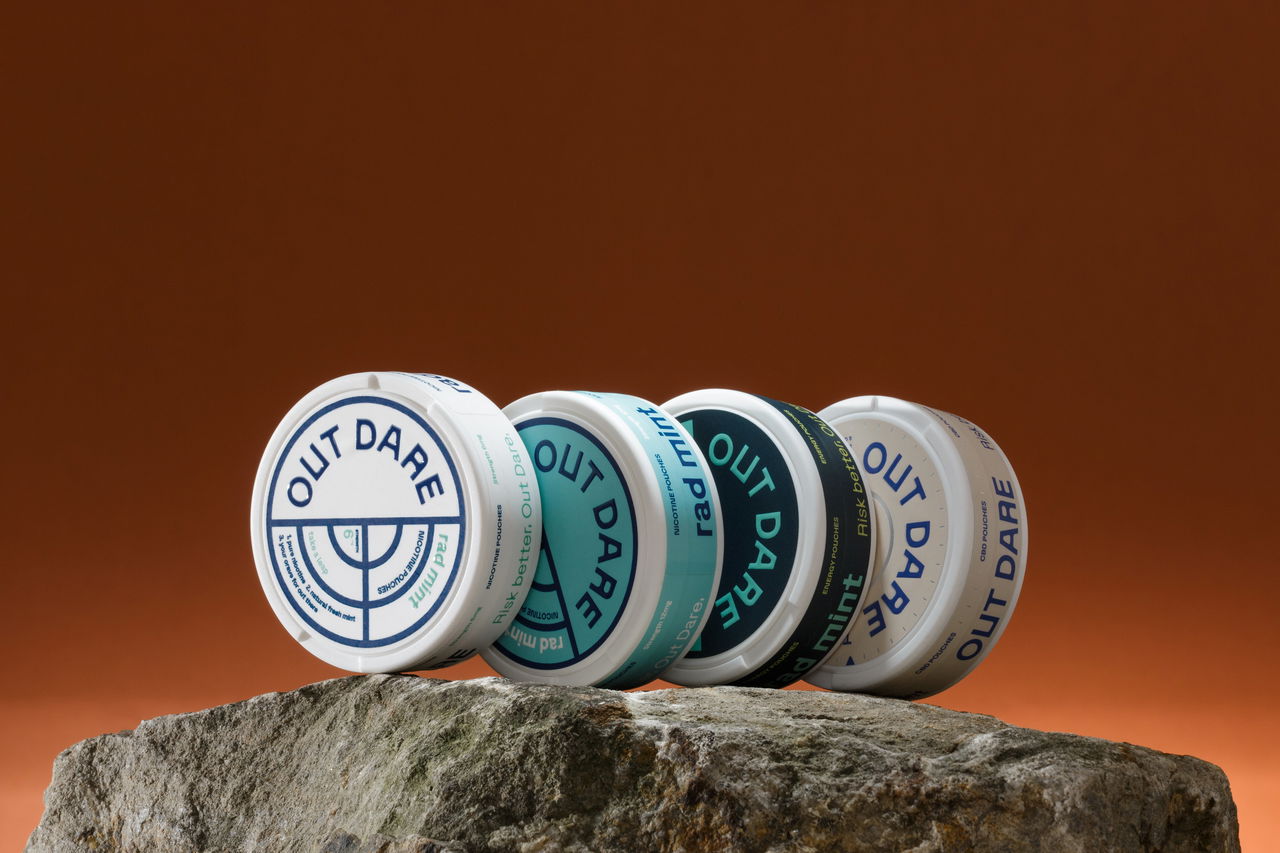
The Outdare Energy and CBD pouches — both zero-nicotine — use the same plant-fiber matrix, xylitol-based formula, and natural mint flavor as the nicotine pouches. Xylitol is a sugar alcohol with documented anti-cariogenic (cavity-preventing) properties, meaning it actively inhibits Streptococcus mutans, the primary bacteria responsible for tooth decay [5]. So swapping even a portion of your nicotine pouches for Energy or CBD variants isn't just a nicotine reduction strategy. It's also a net positive for oral health.
Common Mistakes to Avoid
Most oral health routines fail not because of bad products, but because of consistent, preventable errors. Here are the ones that come up most often in practice.
Technique and Routine Errors
- Brushing too hard — aggressive brushing abrades enamel and damages gum tissue. This is especially damaging for pouch users who already have gum stress at placement sites. Use a pressure sensor or consciously lighten your grip.
- Skipping interdental cleaning — a 2026 survey cited by health.com found that fewer than 30% of adults floss daily [8]. This is the single biggest gap between what people know they should do and what they actually do.
- Rinsing after brushing — spitting out toothpaste without rinsing keeps fluoride in contact with enamel for longer. Rinsing immediately washes away the active protection you just applied.
- Using the wrong mouthwash at the wrong time — using fluoride mouthwash immediately after brushing (rather than at a separate time) dilutes the fluoride concentration rather than adding to it.
- Ignoring the tongue — the dorsal surface of the tongue harbors a significant proportion of the oral bacterial load. Scraping or brushing it daily reduces bad breath and overall bacterial count.
Product Selection Errors
- Choosing whitening over protection — many consumers prioritize aesthetic whitening products over fluoride protection. A common mistake is swapping a standard fluoride toothpaste for a whitening formula that has a lower fluoride concentration.
- Assuming "natural" means effective — charcoal toothpastes, oil pulling, and activated-charcoal rinses are popular but lack the evidence base of fluoride-containing products. Some charcoal formulas are abrasive enough to damage enamel with daily use.
- Not replacing the toothbrush often enough — frayed bristles lose up to 30% of their cleaning efficacy. Three to four months is the maximum interval; replace sooner after illness.
Best Oral Health Products Comparison for 2026
The best oral health products for 2026 span several categories. This comparison covers the core product types by category, what to look for, and the evidence level behind each recommendation.
| Product Category | What to Look For | Evidence Level | Special Note for Pouch Users |
|---|---|---|---|
| Electric toothbrush | Oscillating-rotating head, pressure sensor, 2-min timer | High [2] | Pressure sensor essential to avoid worsening gum recession |
| Fluoride toothpaste | 1,000–1,500 ppm fluoride, ADA seal | Very high [1][4] | Sensitivity formula recommended for recession-related root exposure |
| Interdental brush / floss | Correct size for gap width; waxed floss for tight contacts | High [3] | Daily use critical to offset nicotine-related gum inflammation |
| Antiseptic mouthwash | Alcohol-free, chlorhexidine or CPC-based | High [2] | Twice-daily use reduces bacterial load around placement sites |
| Tongue scraper | Stainless steel or plastic U-shaped design | Moderate [8] | Reduces VSCs that contribute to pouch-associated breath changes |
| Xylitol-based oral products | Gum, mints, or pouches with xylitol as active ingredient | Moderate-High [5] | Outdare pouches use xylitol-based formula — net positive for oral health |


Sources & References
- American Dental Association, "Home Oral Care," 2026
- Cleveland Clinic, "Oral Hygiene: Best Practices & Instructions for Good Routine," 2026
- Oral Health Foundation, "Oral Care Products," 2026
- National Institute of Dental and Craniofacial Research, "Oral Hygiene," 2026
- American Dental Association, "MouthHealthy — Oral Health Information," 2026
- CNN Underscored, "Best Oral Hygiene Routine, According to Dentists," 2026
- Dental Depot, "Top 10 Dentist-Recommended Oral Hygiene Products," 2026
- Health.com, "Oral Health & Dental Product Reviews," 2026
Frequently Asked Questions
1. What are the best oral health products recommended by dentists in 2026?
Dentists consistently recommend four core products: a soft-bristled electric toothbrush, fluoride toothpaste (1,000–1,500 ppm), dental floss or interdental brushes, and an antiseptic mouthwash. These four categories form the evidence-backed foundation endorsed by the ADA and the NIDCR. The best oral health products are those that carry the ADA Seal of Acceptance, confirming their efficacy claims have been independently verified [1][4].
2. Do nicotine pouches damage oral health?
Nicotine pouches are tobacco-free, so they eliminate combustion-related oral damage from smoking. However, nicotine is a vasoconstrictor that reduces blood flow to gum tissue, and prolonged placement at a single site can cause localized gum recession. Users should rotate placement sites, use sensitivity toothpaste, and brush and floss daily. Our guide on gum recession and nicotine pouches covers the clinical picture in full.
3. What is the correct order for an oral hygiene routine?
The most effective sequence is: floss first (to dislodge interdental debris), then brush for two minutes with fluoride toothpaste, then rinse with mouthwash without rinsing with water afterward. This order maximizes fluoride contact time and ensures brushing removes the plaque that flossing has already loosened. Using mouthwash at a separate time from brushing (e.g., after lunch) further extends daily fluoride exposure [4].
4. Is an electric toothbrush really better than a manual one?
Yes, for most people. Clinical evidence shows oscillating-rotating electric toothbrushes remove 21% more plaque and reduce gingivitis 11% more than manual brushes over three months. The advantage isn't the technology itself — it's that electric brushes compensate for inconsistent technique, which affects the majority of manual brushers. Results may vary depending on individual technique and consistency [3].
5. What oral health products are best for gingivitis?
For gingivitis (early-stage gum inflammation), the most effective combination is an oscillating-rotating electric toothbrush, a stannous fluoride toothpaste (which has both antibacterial and remineralizing properties), and a chlorhexidine or cetylpyridinium chloride mouthwash. Daily interdental cleaning is non-negotiable — gingivitis predominantly affects the proximal surfaces that brushing misses. Chlorhexidine rinse is typically used short-term under dental supervision [2][7].
6. Can switching from smoking to nicotine pouches improve oral health?
Switching from smoking to tobacco-free nicotine pouches removes combustion-related damage — tar, direct heat, and tobacco-specific nitrosamines — which is a significant oral health improvement. The remaining risk profile (vasoconstriction, localized gum irritation) is substantially lower. From there, gradually replacing nicotine pouches with zero-nicotine alternatives like Outdare's Energy or CBD pouches further reduces oral health risk while maintaining the ritual. See our comparison of nicotine pouches vs. vaping for the full picture.
7. Does xylitol in pouches or gum actually help teeth?
Yes. Xylitol is a sugar alcohol with documented anti-cariogenic properties. It inhibits Streptococcus mutans, the primary bacteria responsible for tooth decay, and reduces the bacteria's ability to adhere to tooth enamel. Regular exposure to xylitol through gum, mints, or pouches (like Outdare's xylitol-based formula) provides a measurable reduction in cavity risk, particularly when used after meals when bacterial acid production peaks [5].
8. How often should I replace my toothbrush?
Every three to four months, or sooner if the bristles are visibly frayed. Frayed bristles lose up to 30% of their mechanical cleaning efficacy. Replace immediately after any illness, as bristles can harbor bacteria. For electric brush heads, the same interval applies — and most modern electric brushes include color-fade indicators on the bristles to signal when replacement is due [7].
Conclusion
The best oral health products in 2026 aren't complicated. A fluoride toothpaste, a soft-bristled electric toothbrush, daily interdental cleaning, and an antiseptic mouthwash — used consistently in the right order — will outperform any combination of premium specialty products used haphazardly. Routine beats product every time.
For nicotine pouch users, the stakes are slightly higher. Nicotine's vasoconstrictive effect means gum damage can progress quietly, which makes sensitivity toothpaste, daily flossing, and site rotation more important than they are for the average person. The good news is that switching from smoking or vaping to tobacco-free pouches is already a meaningful oral health improvement — and gradually replacing nicotine pouches with zero-nicotine alternatives takes that further.
That's the logic behind Outdare LTD's three-pouch system. Same mint taste, same burn, same ritual — but you control what's inside. Energy for focus. CBD for reset. Nicotine only when you actually choose it. The xylitol-based formula means every pouch you use is doing something positive for your oral environment, not just neutral. That's what pouches should've been from the start.
Start with the fundamentals covered in this guide. Then, if you're a pouch user ready to reduce your nicotine intake without losing the ritual, explore Outdare's Discovery Pack and the 4-Week Method. Risk Better. Out Dare.
About the Author
Written by the E-commerce (Consumer Health & Wellness / Tobacco-Free Nicotine Alternatives) experts at Outdare LTD. Our team brings years of hands-on experience helping businesses with E-commerce (Consumer Health & Wellness / Tobacco-Free Nicotine Alternatives), delivering practical guidance grounded in real-world results.
Recommended Articles
Explore more from our content library: