




Caffeine & L-Theanine Pouches: The Complete Guide
| Key Insight | Explanation |
|---|---|
| What they are | Caffeine L-theanine pouches are tobacco-free oral pouches that deliver a synergistic blend of caffeine and L-theanine under the lip for fast-acting, jitter-free focus. |
| The science behind the stack | L-theanine modulates caffeine's stimulant effect by boosting alpha brain waves and GABA activity, smoothing out anxiety and jitteriness while preserving alertness. |
| Typical dosing range | Most pouches deliver 50–100mg caffeine per pouch. The research-backed caffeine-to-L-theanine ratio is 1:2 (e.g., 50mg caffeine + 100mg L-theanine). |
| Who benefits most | Productivity-focused adults, former nicotine pouch users, athletes, and anyone who wants clean energy without a coffee cup, energy drink, or nicotine dependency. |
| Safety profile | Both ingredients are well-studied and generally recognized as safe at standard doses. Overuse or stacking with other stimulants can cause side effects. |
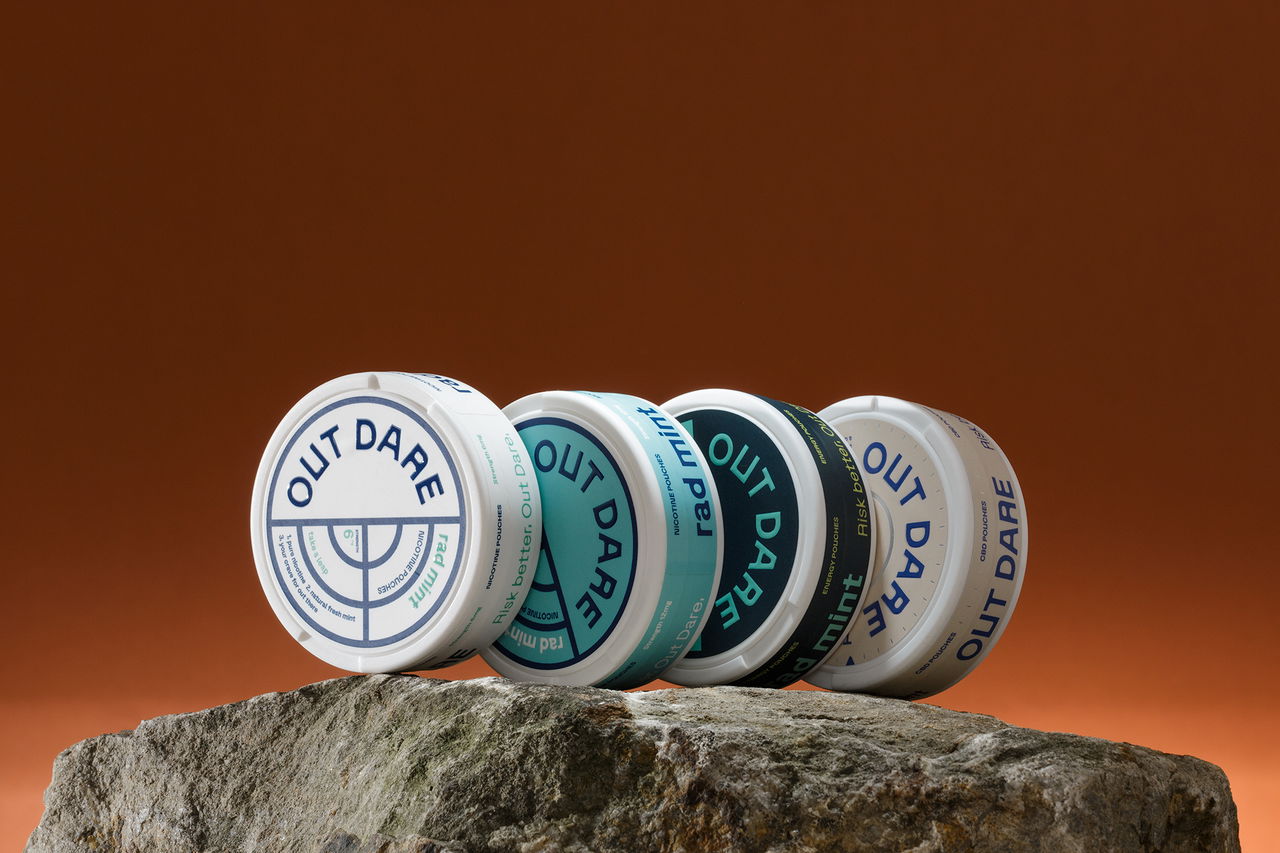
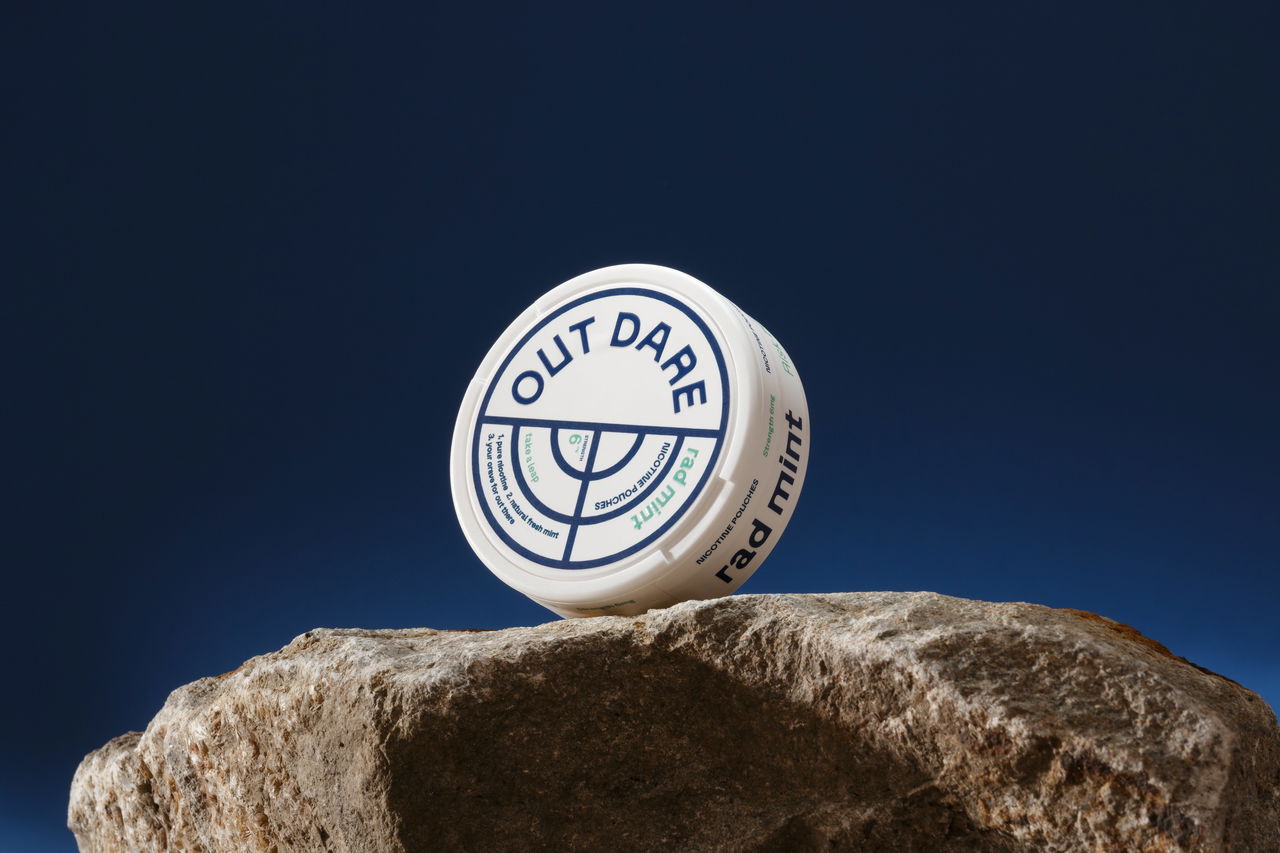
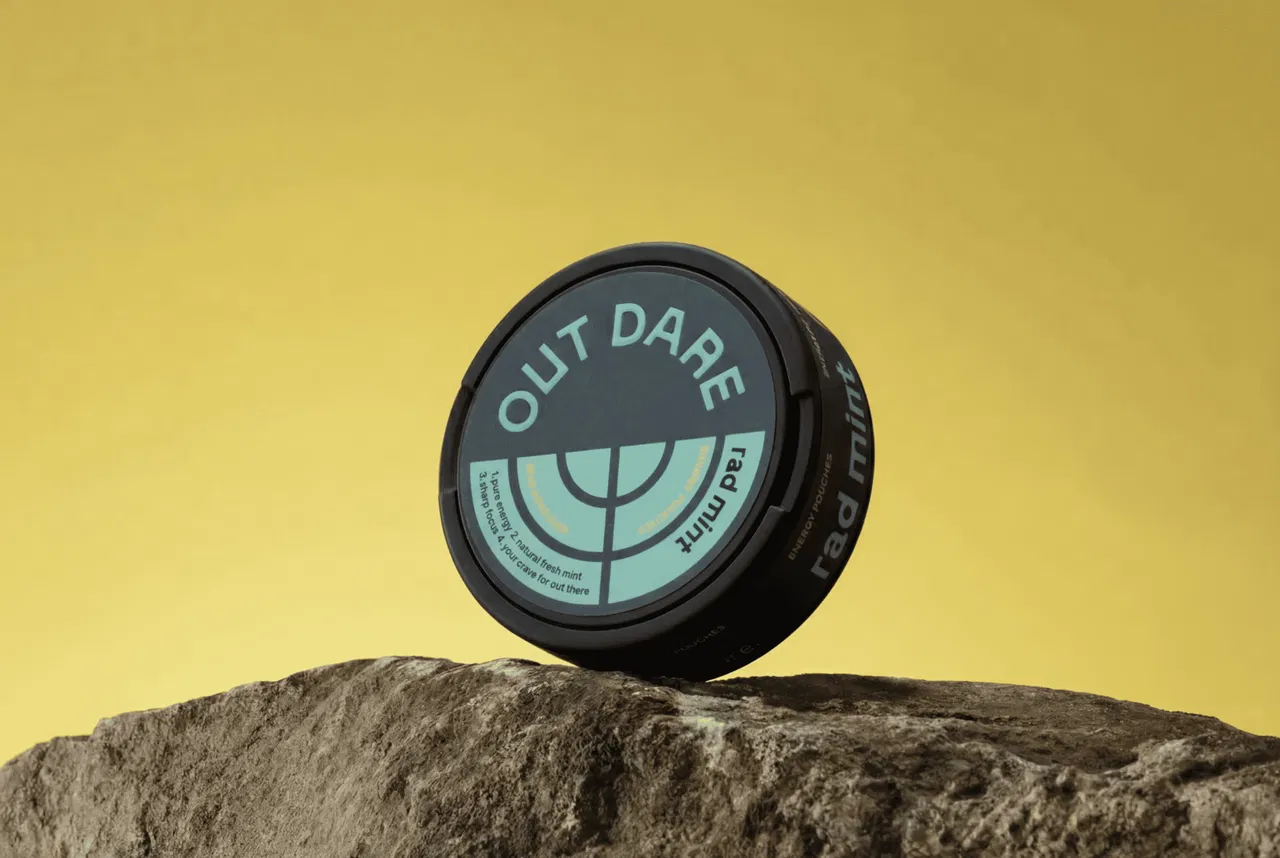
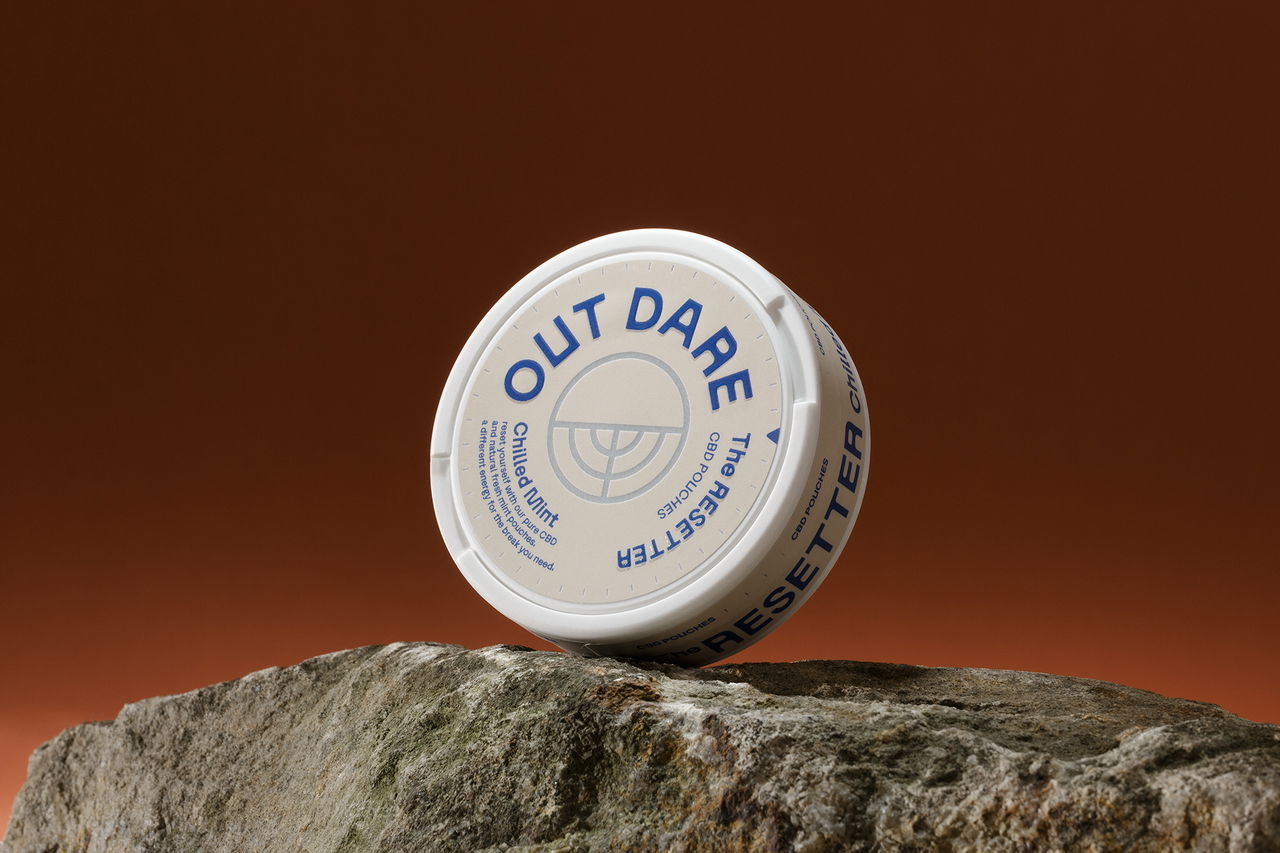
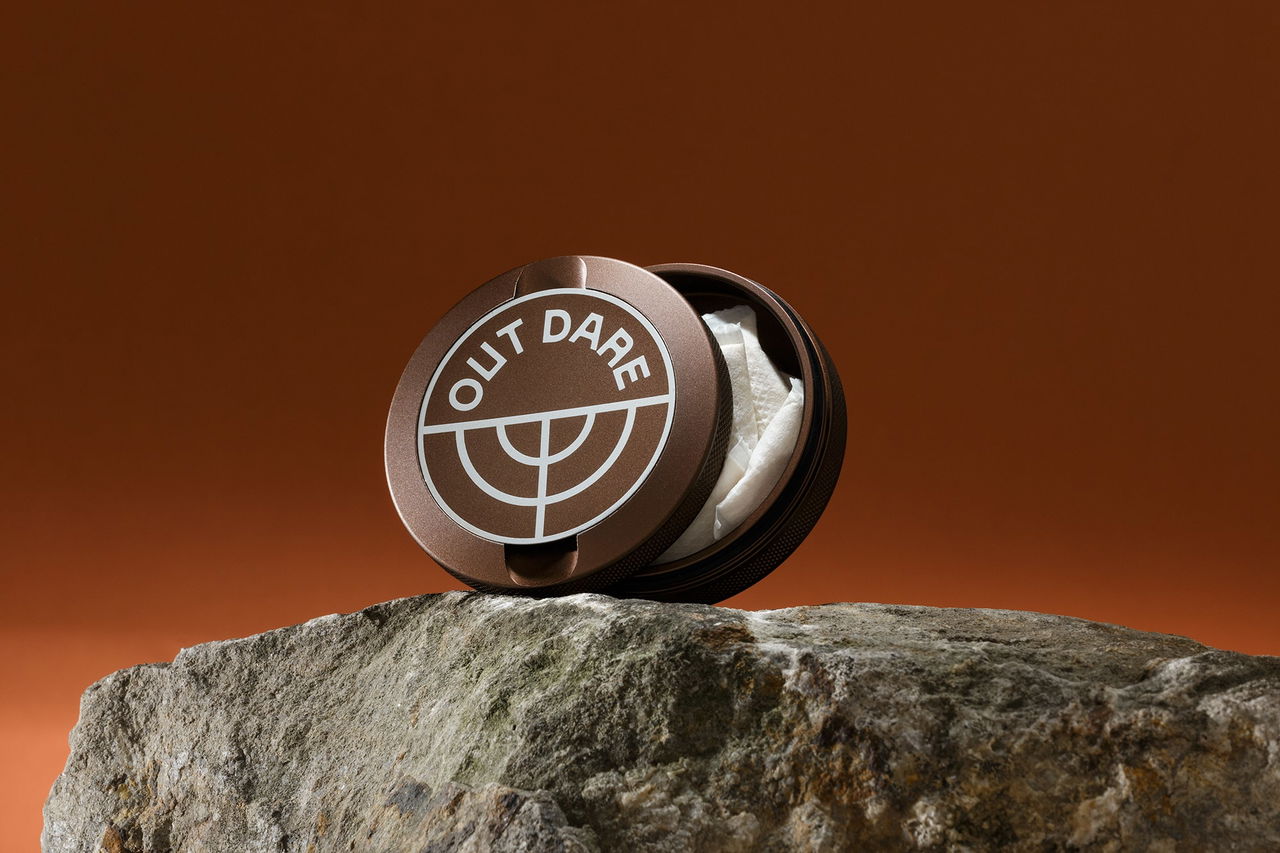
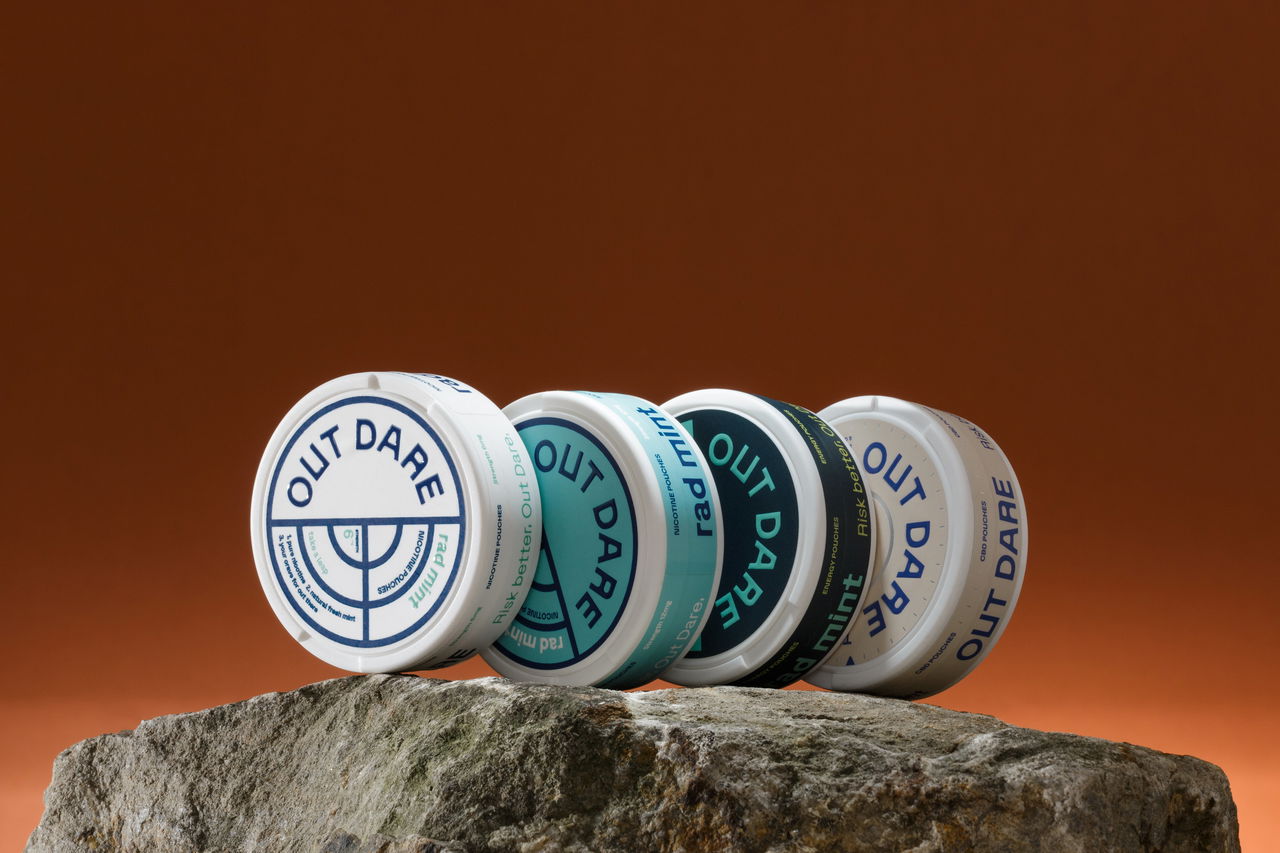
| Outdare's angle | Outdare's Energy Pouch delivers 50mg caffeine plus nootropics in a format sensorially identical to a nicotine pouch — same burn, same pillow, same mint — making it a direct ritual replacement for nicotine users. |
Caffeine L-theanine pouches combine two of the most research-backed cognitive enhancers into a single, tobacco-free oral format — delivering focused, clean energy without jitters, crashes, or nicotine. The combination works because L-theanine (an amino acid found naturally in green tea) counteracts caffeine's anxiety-inducing side effects while amplifying its alertness benefits. For anyone who's tired of energy drinks, coffee dependence, or nicotine pouches that leave them foggy by 3pm, this stack is worth understanding properly.
This guide covers exactly how caffeine L-theanine pouches work, what the science actually says, who they're best suited for, and what to watch out for. No fluff. Just the facts you need to decide if they belong in your routine.
What Are Caffeine L-Theanine Pouches?
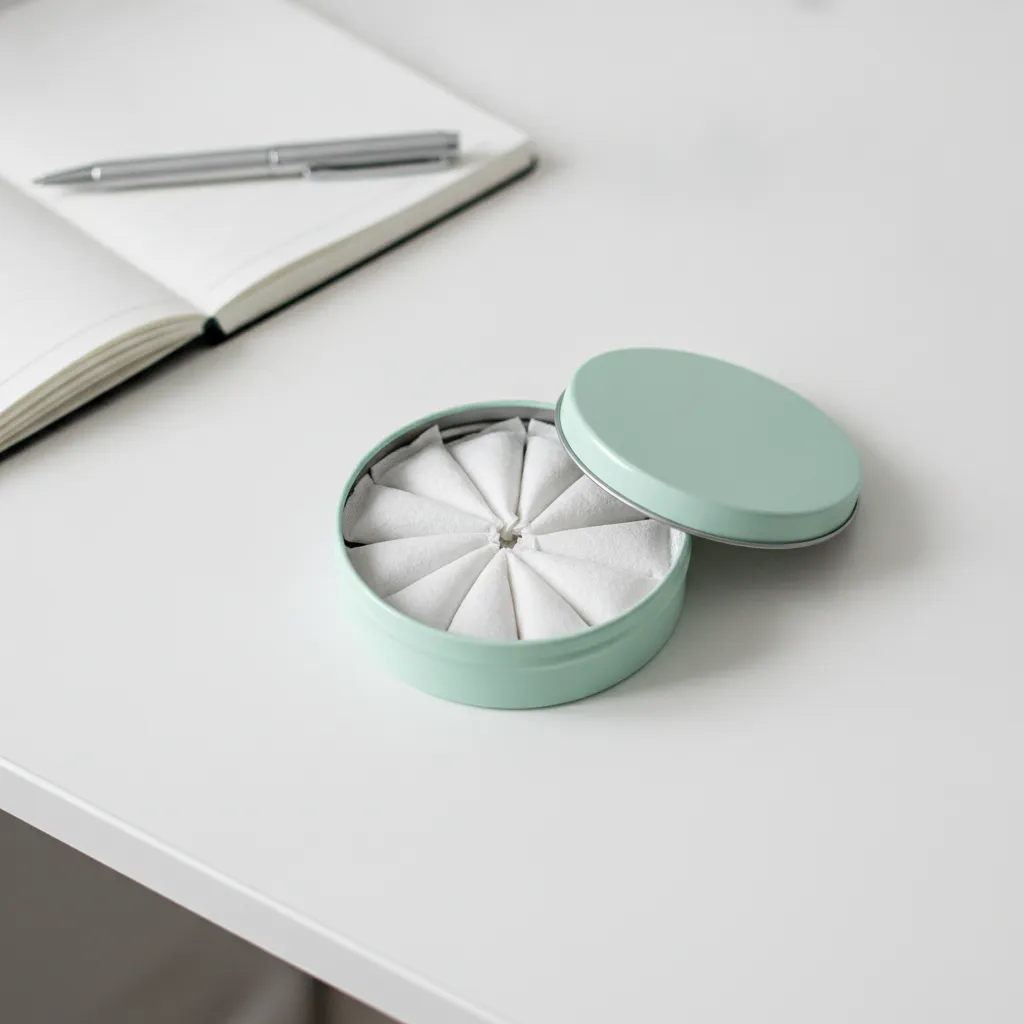
Caffeine L-theanine pouches are tobacco-free oral pouches placed under the lip that deliver a precise dose of caffeine and L-theanine directly through the oral mucosa for fast-acting cognitive enhancement without smoke, liquid, or nicotine.
Definition and Format
The format is simple. A small fiber-filled pouch, roughly the size of a nicotine pouch, sits between your gum and upper or lower lip. Ingredients absorb through the mucous membrane — faster than a capsule, cleaner than an energy drink, and more discreet than a coffee cup. Most pouches on the market deliver somewhere between 50mg and 100mg of caffeine per pouch, paired with L-theanine at a 1:2 ratio [1].
L-theanine (technically L-γ-glutamylethylamide) is a non-proteinogenic amino acid found predominantly in Camellia sinensis — the tea plant. It's what gives green tea its characteristic calm-but-alert quality, even though the tea itself contains caffeine. Isolated and paired with caffeine in a pouch format, it creates what researchers call "focused arousal" — alert without anxious, energized without wired [2].
As of 2026, caffeine L-theanine pouches sit within the broader nootropic pouch category, which also includes ingredients like Alpha-GPC, L-tyrosine, Lion's Mane, and adaptogens. According to the BSCG (BioChemical & Sport Genetics), nootropic pouches now range from stimulant-free formulas to those delivering 50mg or more of caffeine per pouch, with L-theanine being one of the most consistently included co-ingredients [3].
How They Differ from Regular Caffeine Pouches
A plain caffeine pouch delivers stimulation. A caffeine L-theanine pouch delivers directed stimulation. That's the practical difference.
- Plain caffeine pouches: Fast onset, higher anxiety risk, more pronounced crash, shorter focus window
- Caffeine + L-theanine pouches: Smoother onset, reduced jitteriness, sustained alpha-wave activity, longer usable focus period
- Caffeine + L-theanine + nootropics (e.g., Alpha-GPC): Layered cognitive support — focus, memory encoding, and executive function addressed simultaneously
The distinction matters practically. If you're trying to get through a two-hour deep work session, the plain caffeine version might spike and crash before you're done. The L-theanine version keeps the energy curve flatter and more productive [4].
Pro Tip: If you're switching from nicotine pouches to energy pouches, look for a format that matches the same mouthfeel, gum burn, and flavor profile as your current pouch. Your brain doesn't quit the ritual — it transfers it. Same sensation, different chemistry.
How Caffeine L-Theanine Pouches Work
Caffeine blocks adenosine receptors to increase alertness, while L-theanine simultaneously boosts alpha brain wave activity and GABA levels — the result is focused, calm energy that neither ingredient achieves as effectively on its own [5].
The Neuroscience of the Stack
Caffeine's mechanism is well-established. It competitively inhibits adenosine receptors (primarily A1 and A2A subtypes) in the brain, preventing the natural build-up of drowsiness signals. The result is elevated alertness, faster reaction time, and improved working memory — but also increased cortisol, elevated heart rate, and in some users, anxiety or jitteriness [2].
L-theanine works through a different pathway. It crosses the blood-brain barrier and modulates glutamate activity (an excitatory neurotransmitter), while simultaneously increasing GABA and serotonin levels. The net effect is a reduction in the "edge" that caffeine can produce. Research published in PMC (National Institutes of Health) found that the caffeine-L-theanine combination produced significantly better performance on sustained attention and cognitive tasks compared to either compound alone [5].
Critically, L-theanine also increases alpha brain wave activity — the frequency associated with relaxed, alert focus, the state you're in during flow. This is why the combination feels different from a double espresso. You're alert, but not agitated.
Absorption via the Oral Mucosa
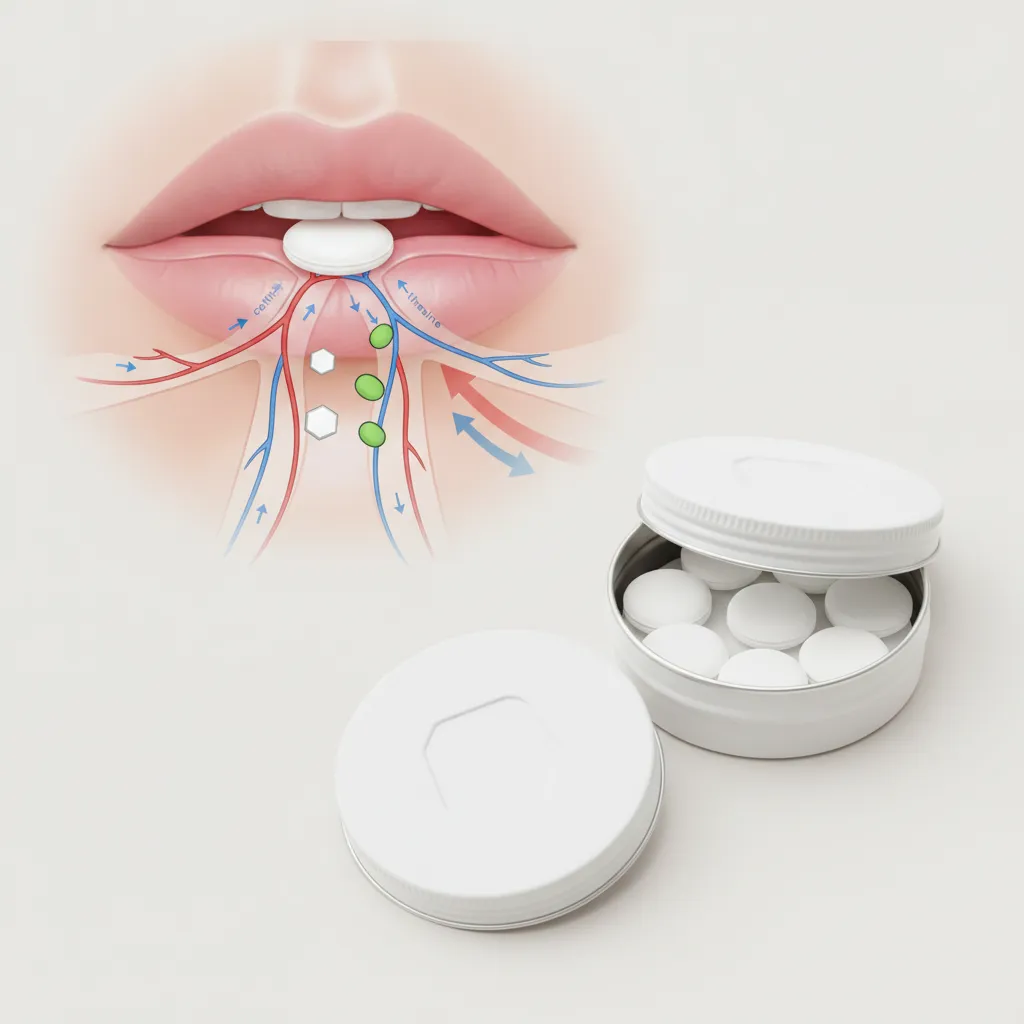
The pouch format matters. Sublingual and buccal absorption (under the tongue or between gum and cheek) bypasses the digestive system and first-pass liver metabolism. This means:
- Faster onset — typically 10–20 minutes versus 30–45 minutes for a capsule
- Higher bioavailability for certain compounds
- More consistent dosing, since there's no gastric acid variable
- No need for water, no liquid, no prep — just place and go
According to research on nootropic pouches from Oklahoma State University, the oral pouch delivery mechanism makes it particularly effective for time-sensitive cognitive demands — pre-meeting, pre-training, or pre-exam scenarios where you need the effect to kick in within 15–20 minutes [6].
The physical ritual of placing a pouch also matters more than most people realize. The act of reaching for a pouch, the tactile sensation of placing it, and the characteristic gum burn are all sensory cues that prime your brain for focus. This is the same mechanism that makes nicotine pouches so hard to quit — the ritual itself becomes a cognitive trigger, independent of the chemical.
Key Benefits of Caffeine L-Theanine Pouches
The primary benefits of caffeine L-theanine pouches are cleaner, longer-lasting focus without jitteriness, anxiety, or the dependency risks associated with nicotine pouches or high-dose energy drinks.
Cognitive and Performance Benefits
The research on this stack is unusually consistent for a supplement combination. A study published in PMC examining multi-ingredient nootropic formulas found that caffeine and L-theanine together produced measurable improvements in sustained attention, reaction time, and working memory — outperforming placebo and single-ingredient controls [5].
- Sustained attention: The combination extends the useful focus window compared to caffeine alone, reducing the mid-session attention dip
- Reduced anxiety: L-theanine attenuates caffeine-induced increases in heart rate and self-reported anxiety
- Alpha wave enhancement: Measurable increases in alpha brain wave activity, correlating with relaxed alertness and creative problem-solving
- No sugar crash: Unlike most energy drinks, well-formulated pouches use xylitol or stevia rather than sugar, eliminating the glucose spike-and-crash cycle
- Zero nicotine dependency risk: For users switching from nicotine pouches, this is the most important benefit — you keep the ritual, you lose the chemical dependency
Practical Lifestyle Advantages
Beyond the neuroscience, the format itself solves real problems that coffee and energy drinks don't.
| Format | Onset Time | Portability | Jitter Risk | Nicotine-Free | Sugar-Free |
|---|---|---|---|---|---|
| Coffee (espresso) | 30–45 min | Low | Medium | Yes | Depends |
| Energy drink (250ml) | 20–30 min | Medium | High | Yes | Rarely |
| Caffeine capsule | 30–45 min | High | Medium-High | Yes | Yes |
| Nicotine pouch | 5–10 min | Very High | Low | No | Yes |
| Caffeine L-theanine pouch | 10–20 min | Very High | Low | Yes | Yes |
For fitness-minded users, the pouch format is particularly useful pre-workout. No liquid to carry, no stomach upset from drinking before training, and the 50mg caffeine dose is modest enough to avoid cardiovascular strain during high-intensity exercise. At Outdare LTD, we've found that users who switch from pre-workout energy drinks to energy pouches consistently report cleaner energy curves and no post-training crash [4].
For nicotine pouch users specifically, the caffeine L-theanine pouch addresses something no other product on the market does: it replaces the ritual and provides a functional reason to reach for it. You're not just avoiding nicotine — you're getting something useful instead. That's a completely different psychological dynamic than white-knuckling through a craving.
Pro Tip: The research-backed caffeine-to-L-theanine ratio is 1:2. If your pouch delivers 50mg caffeine, you want at least 100mg L-theanine. Check the label — many budget products underdose L-theanine to cut costs, which defeats the purpose of the combination entirely.
Common Mistakes and Challenges
The most common mistake with caffeine L-theanine pouches is treating them as a direct substitute for nicotine pouches without accounting for the different dependency mechanisms — caffeine and nicotine act on entirely different receptor systems.
Dosing and Stacking Errors
A common mistake is stacking a caffeine pouch on top of existing coffee or pre-workout intake without adjusting total caffeine. The European Food Safety Authority (EFSA) recommends a maximum of 400mg caffeine per day for healthy adults, with single doses above 200mg potentially causing adverse effects. If you're already at 300mg from morning coffee, adding a 100mg pouch mid-afternoon pushes you into territory where anxiety, insomnia, and elevated heart rate become real risks [3].
- Mistake #1: Ignoring total daily caffeine. Add up coffee, tea, pre-workout, and pouch intake before assuming a pouch is "low dose."
- Mistake #2: Underdosed L-theanine. Products with a 1:1 ratio (50mg caffeine / 50mg L-theanine) won't deliver the same smoothing effect as the 1:2 ratio backed by research.
- Mistake #3: Using them too late in the day. Caffeine has a half-life of approximately 5–6 hours. A 3pm pouch means roughly half the caffeine is still active at 9pm, directly degrading sleep quality.
- Mistake #4: Expecting nicotine-level onset speed. Nicotine absorbs in 5–10 minutes. Caffeine pouches typically take 10–20 minutes. Users accustomed to nicotine pouches sometimes reach for a second pouch too early, doubling their dose unintentionally.
Misconceptions About Safety and Dependency
One pitfall to watch for: assuming "nicotine-free" automatically means "dependency-free." Caffeine is a psychoactive stimulant with its own dependency profile. Regular daily use at moderate-to-high doses produces physical dependence, and abrupt cessation causes withdrawal symptoms including headache, fatigue, irritability, and difficulty concentrating.
Doctors have flagged this specifically for the pouch format. Because the ritual mirrors nicotine pouch use so closely, some users unconsciously transfer habitual, compulsive pouch use patterns from nicotine to caffeine — reaching for a pouch every 45 minutes not because they need the focus boost, but because the habit loop is intact [7].
The solution isn't to avoid caffeine L-theanine pouches. It's to use them intentionally — before a specific task, at a specific time — rather than reflexively throughout the day. That's the difference between a tool and a crutch.
Best Practices for Caffeine L-Theanine Pouches in 2026
The most effective approach to caffeine L-theanine pouches in 2026 is intentional, task-anchored use — treating each pouch as a precision tool for a specific cognitive demand rather than a background habit.
The Intentional Use Framework
Research on cognitive enhancement consistently shows that context-specific stimulant use produces better outcomes than chronic background use. The "nootropic stack" approach — popularized in biohacking and productivity communities — applies this directly [6].
- Identify your target window. Pick the 1–2 tasks per day where focused attention matters most: a deep work block, a training session, a presentation. Those are your pouch moments.
- Time it right. Place the pouch 15–20 minutes before you need peak focus, not when you're already in the middle of the task. The onset curve matters.
- Set a daily ceiling. One to two pouches per day is a reasonable upper limit for most adults. More than that, and you're building tolerance without additional benefit.
- Respect the cutoff time. No caffeine after 2pm if you want to protect sleep quality. Sleep is when the brain consolidates the focus work you did — undermining it defeats the purpose.
- Cycle off periodically. One caffeine-free day per week prevents tolerance build-up and keeps the dose effective. This is standard practice in the nootropics community.
Choosing the Right Product
As of 2026, the caffeine L-theanine pouch market has expanded significantly, with products ranging from serious nootropic formulas to underdosed marketing vehicles. Here's what to look for:
- Caffeine dose: 50mg is the sweet spot for most users — enough to feel the effect, low enough to avoid anxiety. 100mg is appropriate for experienced users with higher tolerance.
- L-theanine dose: Minimum 100mg per pouch to achieve the 1:2 ratio with a 50mg caffeine dose.
- Additional nootropics: Alpha-GPC (for acetylcholine support and memory encoding), L-tyrosine (for dopamine pathway support under stress), and adaptogens like Lion's Mane add meaningful cognitive support [6].
- Sweetener: Xylitol or stevia preferred. Avoid artificial sweeteners if gut sensitivity is a concern.
- Manufacturing origin: European-manufactured products are subject to stricter quality controls than unregulated imports. This matters for ingredient purity and label accuracy.
- Nicotine-free verification: Confirm explicitly. Some energy pouches are sold alongside nicotine variants in the same branding — read labels carefully.
Pro Tip: If you're using caffeine L-theanine pouches as part of a nicotine reduction plan, the 30/30/30 framework is the most structured approach available. Thirty percent of pouch addiction is chemical (nicotine). Sixty percent is ritual and sensory — the burn, the pillow, the taste. An energy pouch that matches the sensory profile of your nicotine pouch handles that 60% automatically. You only need to manage the 30%.
Our team at Outdare LTD recommends treating the energy pouch as a scheduled tool, not a reactive one. The users who get the most out of the caffeine-theanine combination are the ones who place it with intention — same time, same task, same ritual — rather than reaching for it whenever they feel a vague urge for stimulation.
Sources & References
- Nectr Energy, "Caffeine + L-Theanine Stack: Science & Benefits," 2024
- FlowBlend, "L-theanine Pouches: Calm Focus and Energy?," 2024
- BSCG, "Use, Ingredients, Safety of Nootropic Pouches Explained," 2024
- Long Run Co., "Caffyne Energy Pouches," 2024
- PMC / National Institutes of Health, "Acute Effect of a Dietary Multi-Ingredient Nootropic as a Cognitive Enhancer," 2022
- Oklahoma State University Library, "The Rise of Nootropic Pouches," 2024
- YouTube / Medical Reporting, "Small Caffeine Pouches Can Carry Big Risks, Doctors Warn," 2024
- Binghamton University, "Alpha Nootropic Pouches: Boosting Cognitive Function at Work," 2024
Frequently Asked Questions
1. Are L-theanine pouches safe?
Caffeine L-theanine pouches are generally safe for healthy adults when used at appropriate doses — typically 50mg caffeine and 100mg L-theanine per pouch. Both ingredients are extensively studied; L-theanine has GRAS (Generally Recognized As Safe) status in the US, and the caffeine-L-theanine combination has been tested in multiple clinical trials without significant adverse effects at these doses. One limitation is that individuals sensitive to caffeine, those with anxiety disorders, or anyone on cardiovascular medications should consult a physician before use. Stacking with other stimulants raises the risk of side effects substantially [3][5].
2. How long does a caffeine L-theanine pouch take to work?
Most users report feeling the effects within 10–20 minutes of placing the pouch under the lip. Buccal and sublingual absorption bypasses the digestive system, so onset is faster than capsules or drinks. Peak effect typically occurs around 30–45 minutes in, with the L-theanine component extending the usable focus window by smoothing the caffeine curve rather than cutting it short.
3. Can caffeine L-theanine pouches help with nicotine withdrawal?
They can help significantly, but not by addressing the chemical withdrawal from nicotine directly. What they do is preserve the ritual — the physical sensation of placing a pouch, the gum burn, the oral habit — which accounts for roughly 60% of nicotine pouch dependency according to the 30/30/30 Addiction Rule. By replacing the sensory and behavioral components of the habit while eliminating nicotine, users find cravings easier to manage. Most users who use energy pouches as part of a structured reduction plan report cutting nicotine intake by 60–90% within the first month. You can also explore our guide on nicotine-free pouches and tobacco-free alternatives for more context on the transition.
4. What is the ideal caffeine-to-L-theanine ratio in a pouch?
The research-backed ratio is 1:2 — one part caffeine to two parts L-theanine. For a 50mg caffeine pouch, that means 100mg L-theanine. This ratio consistently outperforms 1:1 formulations in studies measuring anxiety reduction, sustained attention, and alpha wave activity. Many budget products use a 1:1 ratio or less to cut costs. Always check the supplement facts panel before buying [5].
5. Do caffeine L-theanine pouches cause dependency?
Caffeine is a mildly addictive stimulant — regular daily use at moderate doses will produce physical dependence over time, and stopping abruptly causes withdrawal symptoms (headache, fatigue, brain fog) for 1–3 days. L-theanine itself is not addictive. The pouch format can also reinforce habitual behavior through the ritual loop, independent of the chemical. Using pouches intentionally (1–2 per day, task-anchored) rather than reflexively reduces both chemical and behavioral dependency risks significantly [7].
6. How do caffeine L-theanine pouches compare to energy drinks?
this strategy typically deliver a lower, more precise caffeine dose (50–100mg) versus most energy drinks (80–160mg), with no sugar, no artificial colors, and no liquid volume to manage. The L-theanine component is rarely present in standard energy drinks, which is why energy drinks are more associated with jitteriness and anxiety. The pouch format also absorbs faster and is more portable — no can, no cup, no refrigeration required. For athletes and professionals who want clean energy without the overhead of a drink, pouches are a meaningfully better format.
7. Can you use caffeine L-theanine pouches before a workout?
Yes, and this is one of the strongest use cases for the format. The 50mg caffeine dose is enough to improve performance and reduce perceived exertion without causing cardiovascular strain or GI discomfort that higher-dose pre-workouts often trigger. Place the pouch 15–20 minutes before training begins. The L-theanine component helps maintain focus during the session without the anxiety spike that pure caffeine can cause in high-intensity training environments. Avoid using late-day workouts as an excuse to take a pouch after 2pm — the sleep cost isn't worth it.

Conclusion
this approach represent one of the most practical, research-backed cognitive tools available in 2026. The combination works because it addresses caffeine's main failure mode — anxiety and jitteriness — at the source, rather than just lowering the dose. You get the alertness. You lose the edge. The oral pouch format makes the stack faster-acting and more portable than any capsule or drink, and when the formula is clean (xylitol base, natural flavor, precise dosing), there's very little downside at standard use levels.
For nicotine pouch users, the value proposition goes further. A well-formulated energy pouch that matches the mouthfeel, burn, and flavor of your nicotine pouch doesn't just give you a caffeine hit — it handles 60% of your addiction by keeping the ritual intact while you address the chemical dependency separately. That's the system Outdare LTD was built around: same mint, same burn, same pillow feeling, different chemistry. You don't quit the habit cold turkey. You redirect it toward something that actually serves you.
If you're curious about caffeine pouches more broadly, or want to understand how clean alternatives to smoking work in practice, those resources cover the adjacent territory. Risk Better. Out Dare.
Recommended Articles
Explore more from our content library:
- How to Quit Nicotine Pouches: The Method That Works
- How to Quit Smoking Gradually: A Step-by-Step Plan
- Best Natural Pre-Workout Ingredients for Clean Energy
- Brain Fog from Nicotine: Causes, Timeline & Fixes
- Best Clean Energy Pouches in Europe for 2026