





Clean Alternatives to Smoking: 15 Science-Backed Options
| Key Insight | Explanation |
|---|---|
| Nicotine pouches offer the cleanest nicotine delivery | Tobacco-free pouches eliminate combustion toxins while maintaining nicotine satisfaction |
| Behavioral alternatives address 60% of smoking addiction | The physical habit and sensory ritual account for most smoking dependency |
| Energy pouches provide stimulation without nicotine | Caffeine and nootropics deliver focus benefits without chemical dependency |
| CBD alternatives help manage stress triggers | Natural compounds address anxiety that often drives smoking behavior |
| Combination approaches show highest success rates | Using multiple clean alternatives addresses all aspects of smoking addiction |
Nicotine Replacement Alternatives: clean alternatives to smoking
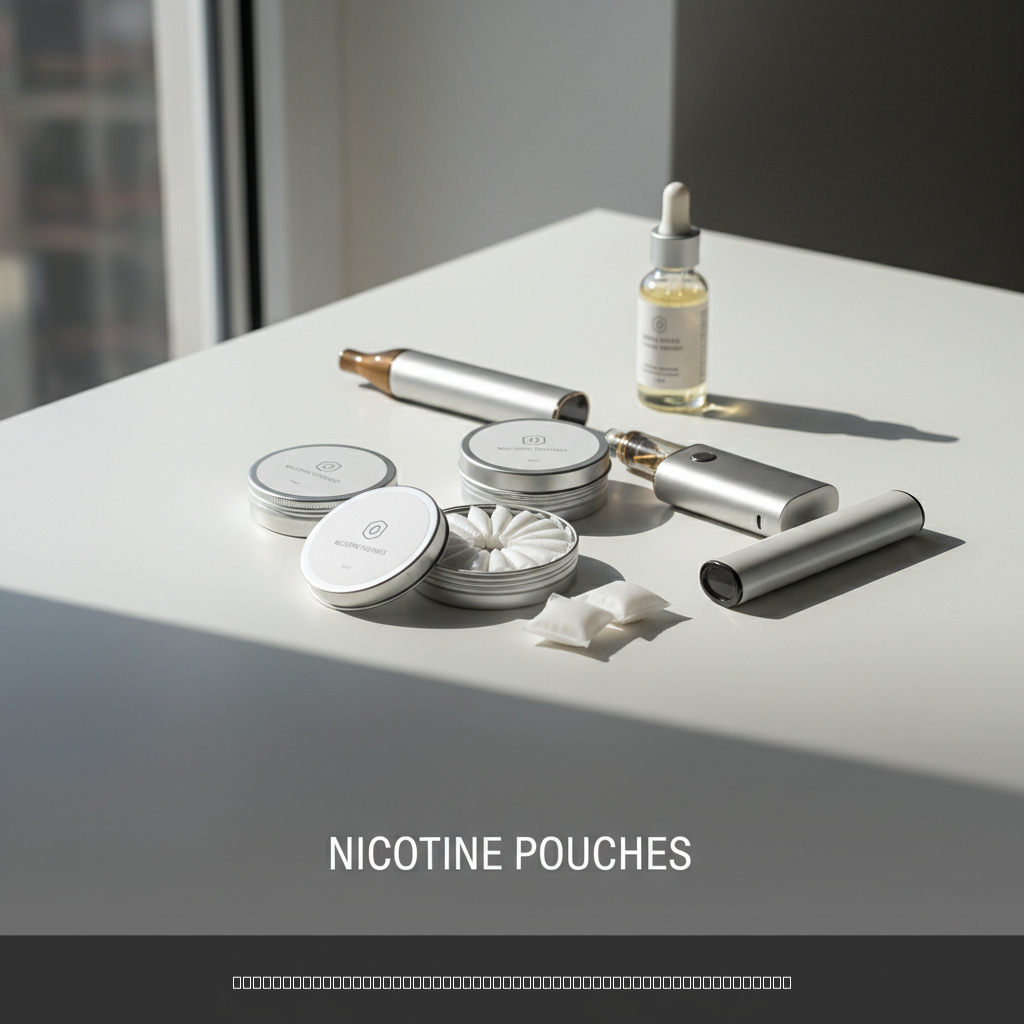
Nicotine replacement therapies represent the most direct clean alternatives to smoking by providing the chemical satisfaction without combustion toxins. Modern nicotine delivery systems have evolved far beyond basic patches and gum to include sophisticated options that closely mimic the smoking experience.Tobacco-Free Nicotine Pouches
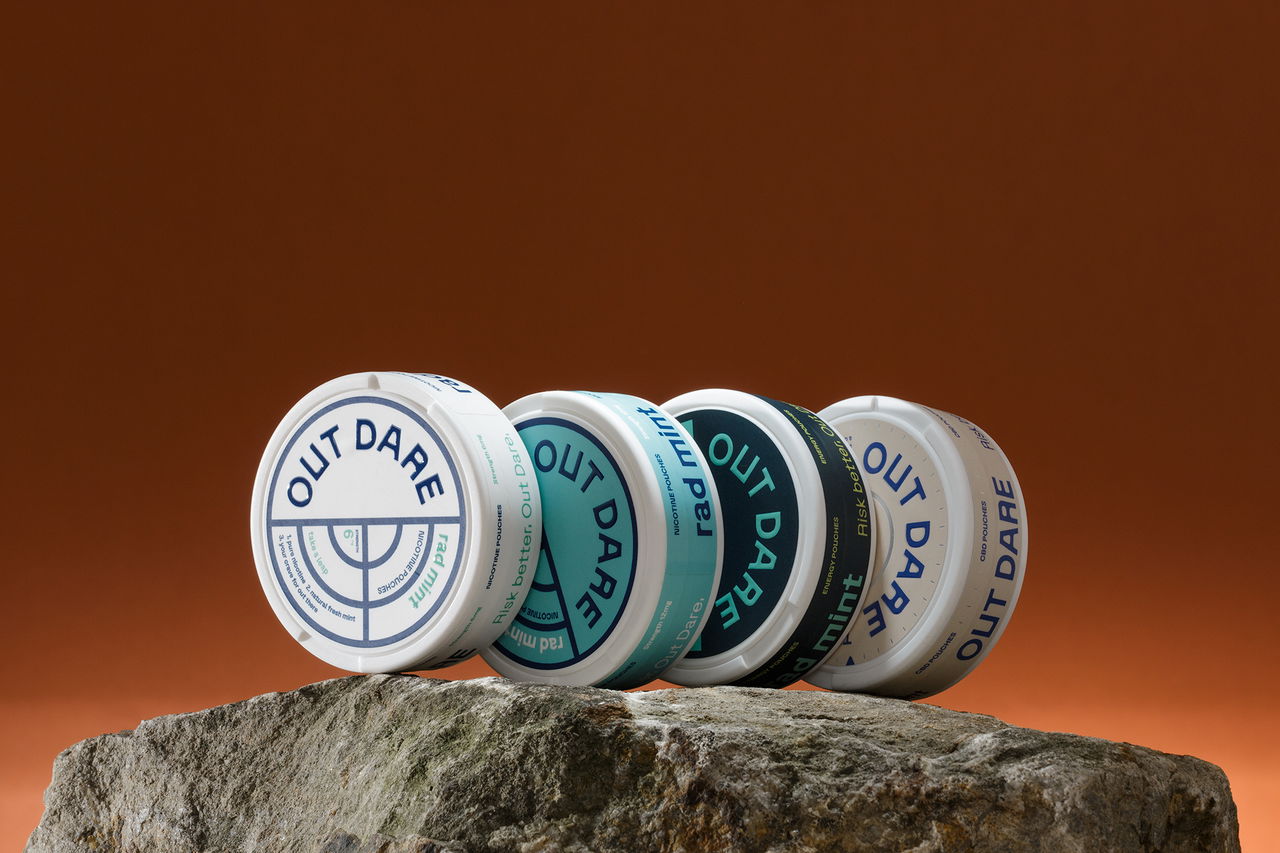
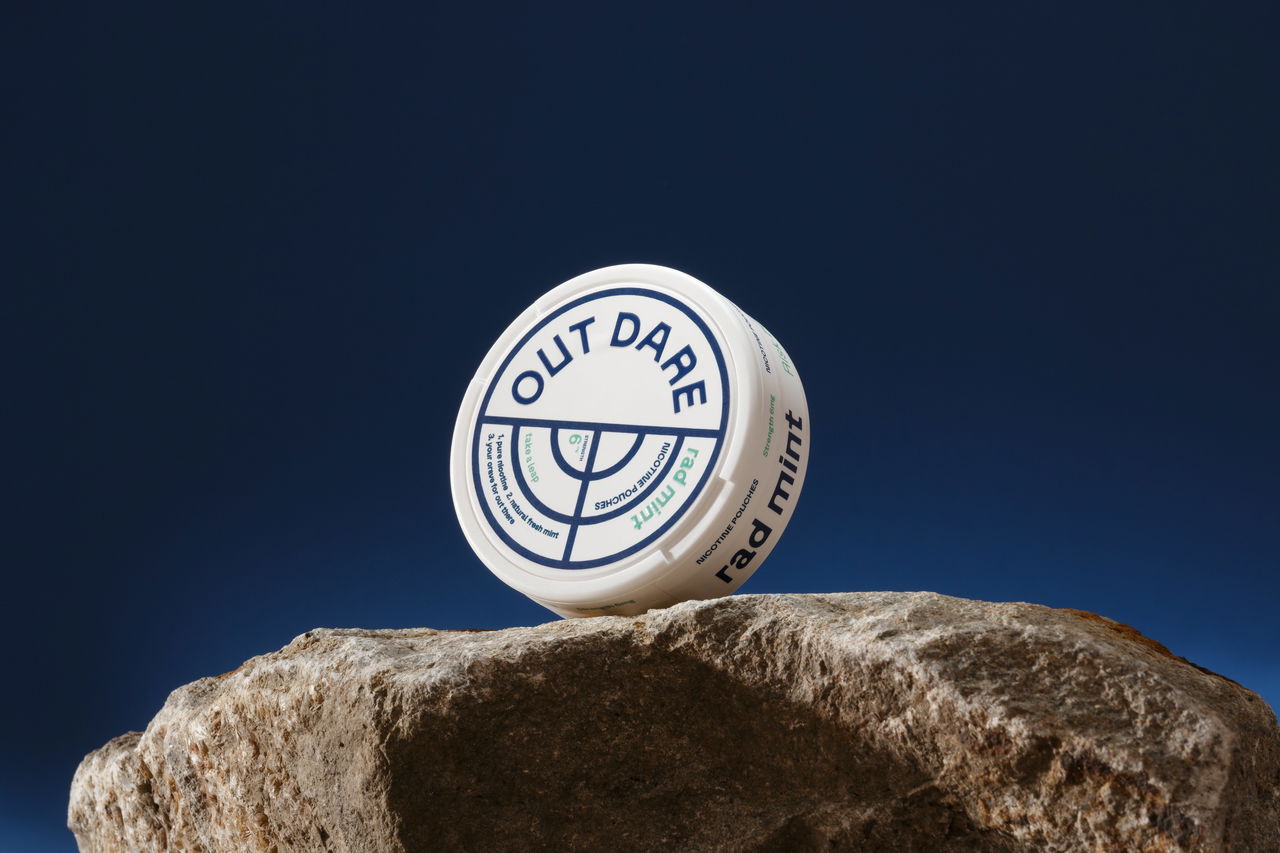
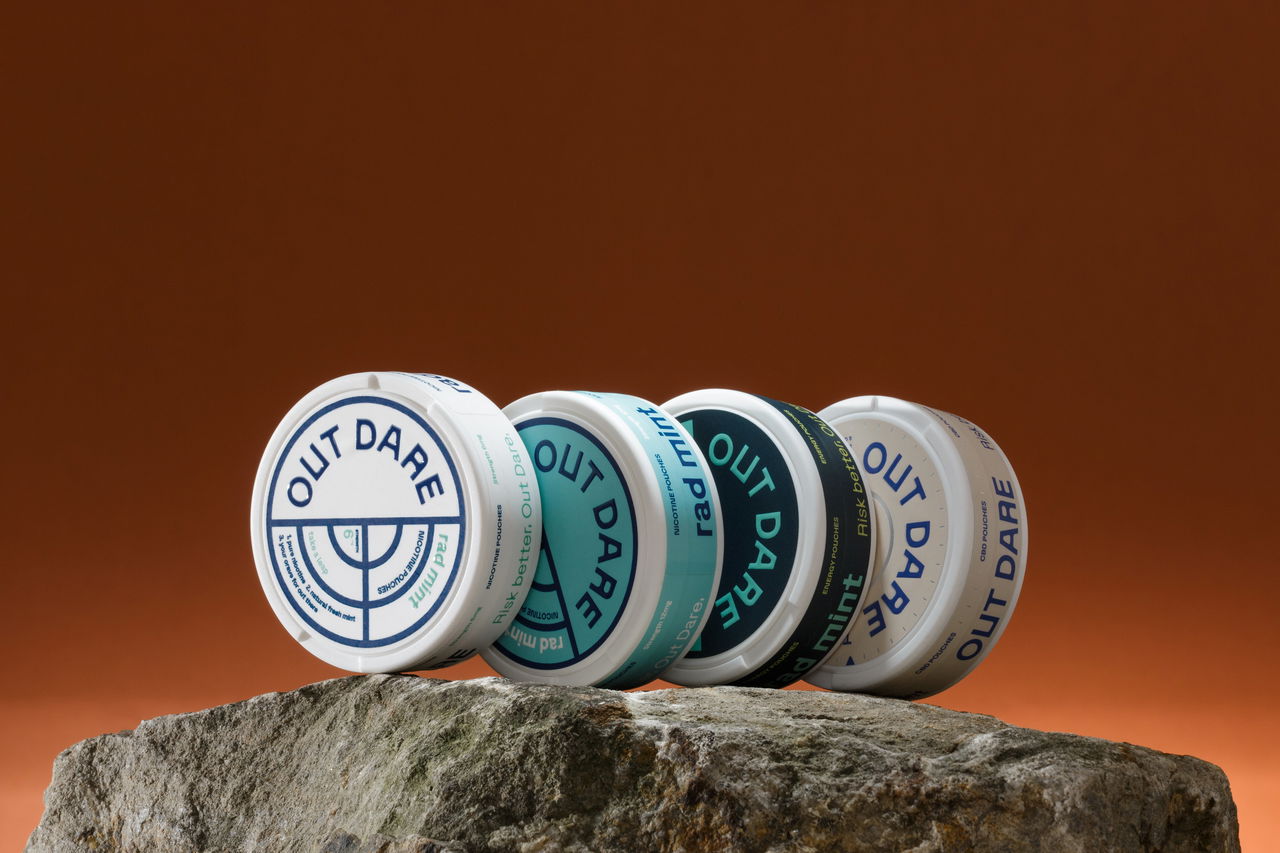
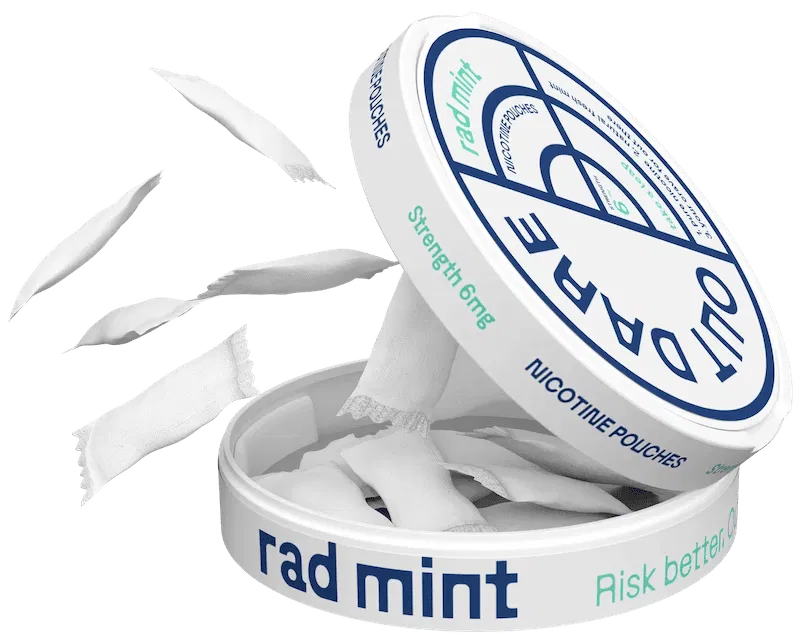
Tobacco-free nicotine pouches have emerged as the gold standard for clean nicotine delivery in 2026. These small sachets contain pharmaceutical-grade nicotine derived from sources other than tobacco, eliminating the thousands of harmful compounds found in cigarettes [2]. The pouches work by releasing nicotine through the oral mucosa, providing satisfaction within 2-3 minutes. Unlike smoking, there's no combustion, no secondhand smoke, and no respiratory irritation. Users report that the ritual of placing a pouch under the lip closely replicates the behavioral aspects of smoking.Pro Tip: Start with a nicotine strength that matches your current cigarette consumption. Heavy smokers (20+ cigarettes daily) typically need 12-15mg pouches, while light smokers can begin with 6mg options.Key advantages include:
- No smoke, odor, or visible vapor
- Can be used anywhere, including indoors and public spaces
- Precise nicotine dosing for gradual reduction
- No risk of passive smoking to others
- Lower long-term health risks compared to cigarettes
Advanced Nicotine Delivery Systems
The nicotine replacement landscape has expanded beyond traditional patches and gum to include innovative delivery methods. Nicotine lozenges, inhalers, and sublingual tablets offer different absorption rates and user experiences, allowing individuals to find the method that best suits their needs. Research from the Mayo Clinic indicates that combining multiple nicotine replacement methods can increase quit success rates by up to 40% compared to using a single method [3]. This approach, known as combination therapy, might involve using a nicotine patch for baseline coverage while supplementing with pouches or gum for breakthrough cravings.Behavioral Smoking Substitutes
The physical and psychological habits associated with smoking often persist long after nicotine cravings subside. Behavioral substitutes address the hand-to-mouth motion, oral fixation, and timing rituals that define the smoking experience.Oral Fixation Alternatives
Oral substitutes provide the mouth stimulation that many smokers crave without introducing harmful substances. These alternatives range from simple to sophisticated, each addressing different aspects of the oral fixation component. Effective oral substitutes include:- Sugar-free gum with strong flavors like mint or cinnamon
- Toothpicks, particularly flavored varieties
- Sunflower seeds or nuts for extended chewing satisfaction
- Ice chips or sugar-free hard candies
- Herbal cigarettes (nicotine-free but still involving inhalation)
Hand Ritual Replacements
The hand-to-mouth motion of smoking becomes deeply ingrained through repetition. Successful behavioral substitutes must provide similar motor satisfaction while breaking the association with cigarettes. Stress balls, fidget devices, and worry stones can occupy the hands during traditional smoking times. Some former smokers find success with activities that engage both hands and mouth simultaneously, such as drinking herbal tea or playing a musical instrument.Pro Tip: Identify your specific smoking triggers (stress, boredom, social situations) and prepare targeted behavioral substitutes for each scenario. This prevents relapse during vulnerable moments.
Natural Stress Management Alternatives
Stress relief represents one of the primary motivations for smoking, making stress management alternatives crucial for long-term success. Natural approaches address the underlying anxiety and tension without introducing new dependencies.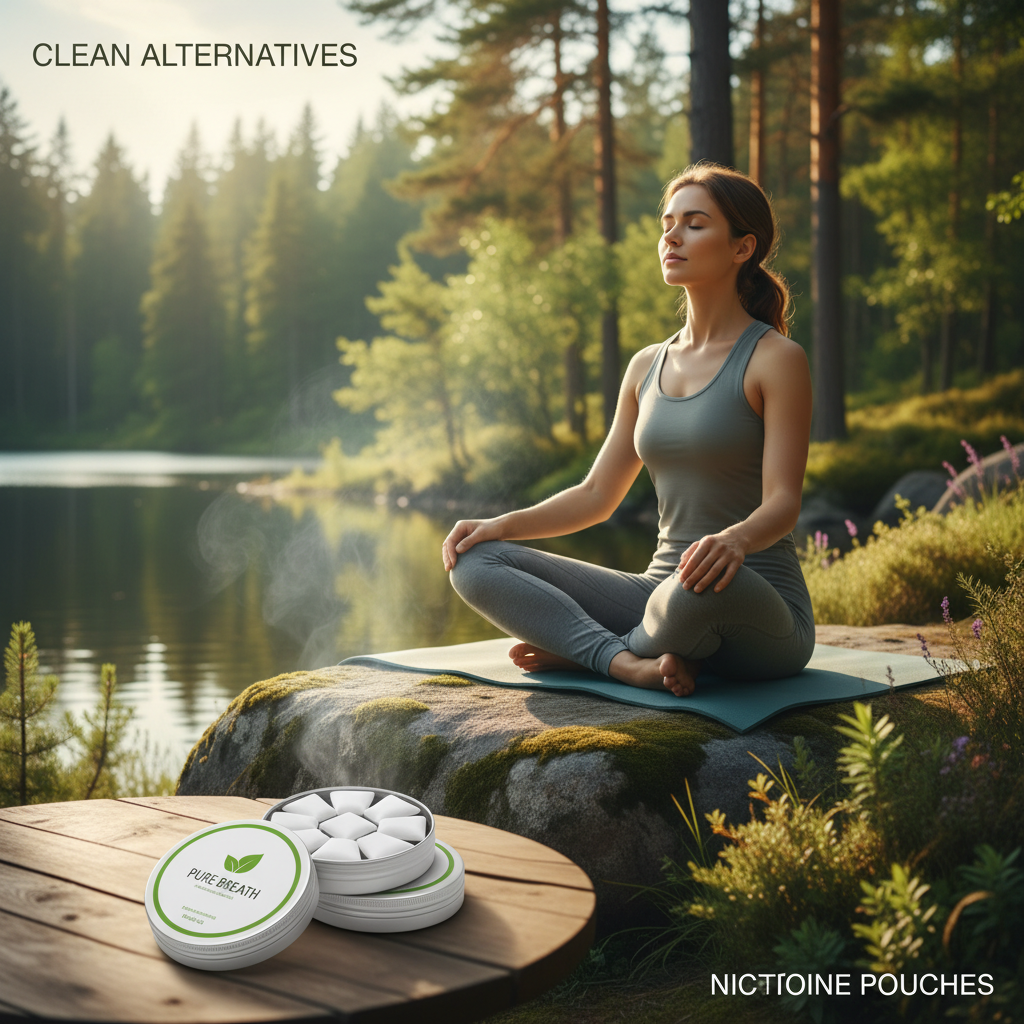
CBD and Hemp Products
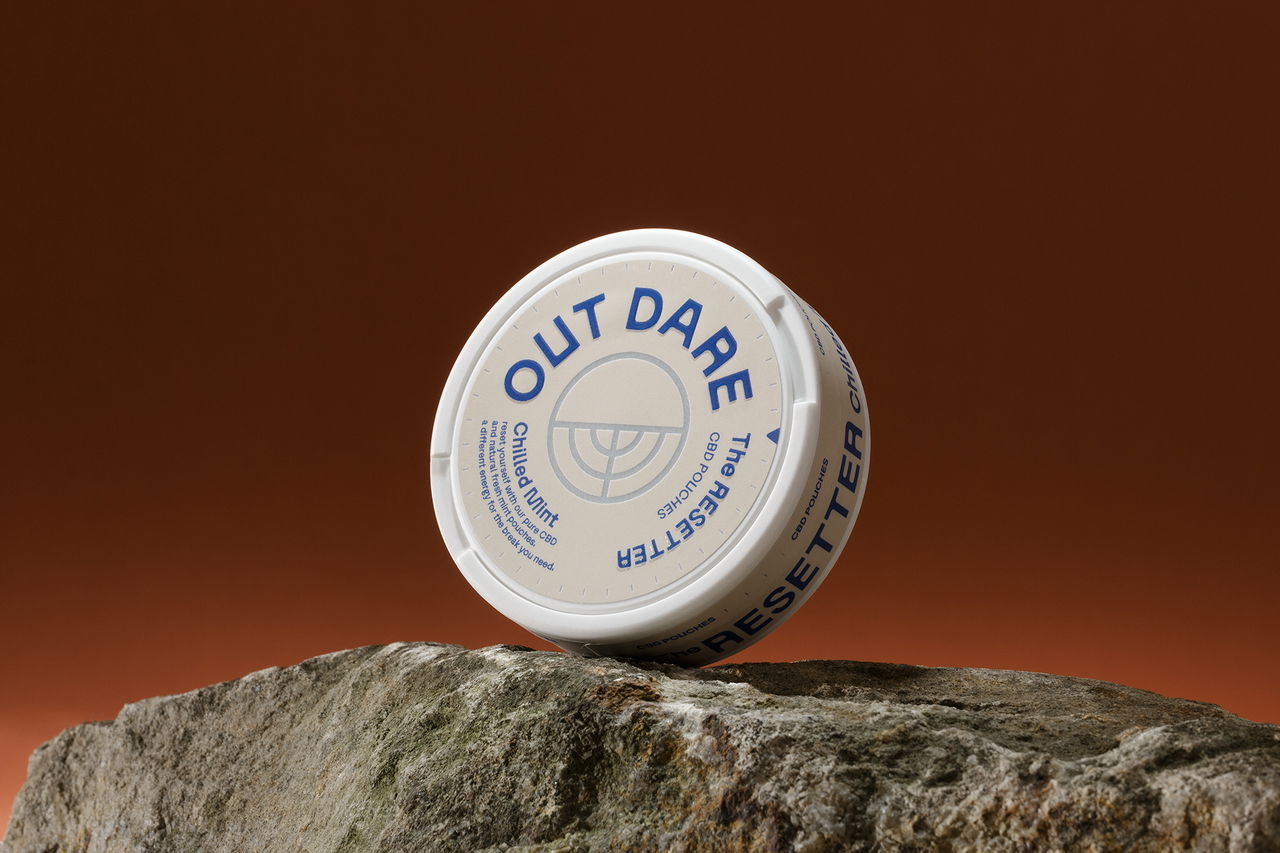
Cannabidiol (CBD) has gained recognition as a promising tool for managing the stress and anxiety that often trigger smoking urges. Unlike THC, CBD doesn't produce psychoactive effects while potentially reducing anxiety and promoting relaxation. CBD pouches offer a particularly interesting option for former smokers, as they provide oral satisfaction similar to nicotine pouches while delivering potential stress-relief benefits. The ritual aspect remains intact while addressing the emotional triggers that lead to smoking. Research suggests that CBD may help reduce cigarette consumption by addressing the anxiety component of nicotine withdrawal [5]. However, users should consult healthcare providers before incorporating CBD into their quit-smoking strategy, especially if taking other medications.Breathing and Meditation Techniques
Deep breathing exercises can replicate the respiratory satisfaction of smoking while promoting relaxation. The 4-7-8 breathing technique involves inhaling for 4 counts, holding for 7, and exhaling for 8, creating a calming effect that can substitute for smoking breaks. Mindfulness meditation apps have become sophisticated tools for managing cravings and stress. Many include specific programs designed for smoking cessation, providing guided exercises during vulnerable moments. Progressive muscle relaxation and visualization techniques offer additional tools for managing the stress that often triggers smoking urges. These practices can be learned quickly and implemented anywhere without equipment or preparation.Energy and Focus Alternatives
Many smokers rely on cigarettes for perceived energy and concentration benefits. Clean alternatives can provide similar cognitive enhancement without the health risks of tobacco combustion.Caffeine and Nootropic Combinations
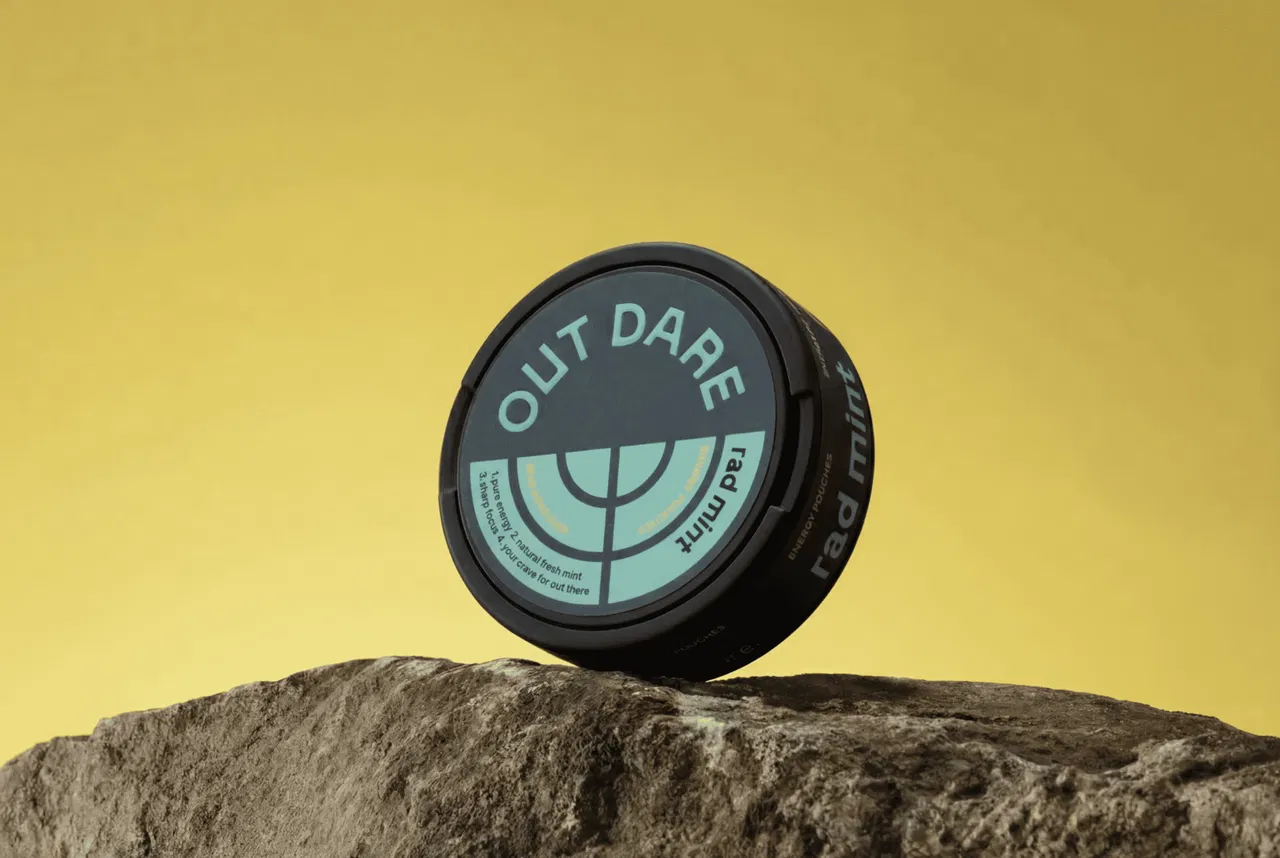
Energy pouches containing caffeine and cognitive enhancers offer a tobacco-free way to achieve alertness and focus. These products typically combine 50-100mg of caffeine with compounds like L-theanine, which provides smooth energy without jitters. Nootropic ingredients such as Alpha-GPC and Lion's Mane mushroom extract can enhance cognitive function while satisfying the ritual aspects of pouch use. The oral delivery method provides faster absorption than traditional energy drinks while avoiding sugar crashes.| Energy Alternative | Active Ingredients | Duration | Best For |
|---|---|---|---|
| Energy Pouches | Caffeine + L-Theanine | 2-4 hours | Sustained focus |
| Green Tea | Natural caffeine + antioxidants | 3-5 hours | Gentle alertness |
| B-Complex supplements | B vitamins | 6-8 hours | All-day energy |
| Ginseng tea | Adaptogenic compounds | 4-6 hours | Stress resilience |
Natural Stimulants and Adaptogens
Adaptogenic herbs like ginseng, rhodiola, and ashwagandha can provide energy and stress resilience without the dependency potential of nicotine. These compounds work by supporting the body's natural stress response systems rather than providing artificial stimulation. Yerba mate offers a unique alternative that provides both energy and ritual satisfaction. The traditional preparation and consumption method can replace smoking breaks while delivering sustained energy from natural caffeine and theobromine. B-vitamin complexes support natural energy production and may help repair some of the nutritional deficiencies caused by long-term smoking. These supplements work best as part of a comprehensive approach rather than standalone solutions.How to Choose the Right Clean Alternative
Selecting effective clean alternatives to smoking requires understanding your specific smoking patterns, triggers, and motivations. The most successful approach often involves combining multiple alternatives to address different aspects of smoking dependency.Assessing Your Smoking Patterns
Begin by tracking when, where, and why you smoke for one week. Note emotional states, activities, and environmental factors associated with each cigarette. This data reveals whether your smoking is primarily driven by nicotine dependency, habit, stress relief, or social factors. Heavy smokers (more than 20 cigarettes daily) typically benefit from nicotine replacement as the primary intervention, supplemented with behavioral alternatives. Light or social smokers may find success with purely behavioral or stress-management approaches. Consider your lifestyle constraints and preferences:- Need for discretion in professional settings
- Preference for immediate versus gradual cessation
- Previous quit attempts and what didn't work
- Budget considerations for long-term alternatives
- Health conditions that may affect certain options
Creating a Personalized Strategy
The most effective clean alternatives to smoking strategies combine multiple approaches tailored to individual needs. Start with addressing the strongest component of your smoking dependency, then add complementary methods. For nicotine-dependent smokers, begin with tobacco-free pouches or other nicotine replacement while simultaneously introducing behavioral substitutes. Gradually reduce nicotine strength while maintaining the behavioral alternatives to prevent relapse.Pro Tip: Plan for high-risk situations like social events, work stress, or alcohol consumption. Having specific alternatives ready for these scenarios prevents impulsive smoking decisions.Stress-driven smokers should prioritize anxiety management techniques like CBD, meditation, or exercise while using oral substitutes to address the physical habit. Energy-seeking smokers benefit from caffeine-based alternatives combined with improved sleep and nutrition.

Sources & References
- MD Anderson Cancer Center, "Quit smoking: 6 products to strike out nicotine cravings", 2026
- Mayo Clinic, "Quitting smoking: 10 ways to resist tobacco cravings", 2026
- Mayo Clinic, "Combination nicotine replacement therapy", 2026
- Truth Initiative, "8 foods and drinks that could help people quit nicotine", 2026
- American Lung Association, "Quit Smoking & Vaping", 2026
Frequently Asked Questions
1. What is the healthiest alternative to smoking?
Understanding clean alternatives to smoking is essential. Tobacco-free nicotine pouches represent the healthiest nicotine delivery method, eliminating combustion toxins while providing satisfaction. For complete health optimization, behavioral alternatives like stress management techniques and oral substitutes avoid any chemical dependency while addressing smoking triggers.
2. Can clean alternatives to smoking really help me quit?
Yes, when properly matched to your smoking patterns. Studies show that addressing both the chemical and behavioral components of smoking increases success rates significantly. The key is using multiple clean alternatives simultaneously rather than relying on a single approach.
3. Are nicotine pouches safer than cigarettes?
Tobacco-free nicotine pouches eliminate the thousands of toxic compounds created by combustion, making them substantially safer than cigarettes. While nicotine itself carries some risks, the elimination of tar, carbon monoxide, and carcinogens represents a major health improvement.
4. How long should I use clean alternatives before quitting completely?
The timeline varies by individual, but most successful quitters use alternatives for 3-6 months while gradually reducing dependency. Behavioral alternatives can be maintained long-term without health risks, while nicotine-containing options should be tapered according to your comfort level and healthcare provider guidance.
5. What if I've tried alternatives before and failed?
Previous failures often result from addressing only one aspect of smoking addiction. The 2026 approach focuses on simultaneously targeting chemical dependency, physical habits, and emotional triggers. Consider working with a healthcare provider to develop a comprehensive strategy using multiple clean alternatives.
6. Can I use multiple clean alternatives simultaneously?
Yes, combining approaches often improves success rates. You might use nicotine pouches for chemical satisfaction while employing breathing techniques for stress and oral substitutes for habitual triggers. Just avoid combining multiple nicotine sources without medical supervision to prevent excessive intake.
Recommended Articles
Explore more from our content library:
- Complete Nicotine Pouch Strength Guide for 2026
- Snus vs Nicotine Pouches: 2026 Complete Comparison Guide
- What Are CBD Pouches: Complete 2026 Guide & Benefits
- quit smoking nicotine pouches: How to Quit Smoking with
- Best Nicotine Pouch Flavours: 2026 Guide & Top Picks
Ready to take your results to the next level? Discover what Outdare LTD can do for you and see why businesses trust us to deliver real, measurable outcomes.