





Dog Ate a Nicotine Pouch: What to Do Immediately
Written by
Published
Mon, 09/02/2026
Discover prompt actions if your dog ingested a nicotine pouch. This guide highlights critical steps to take immediately, emphasizing the dangers of nicotine poisoning in dogs. Recognizing the early signs of nicotine poisoning is vital for your dog's safety.
Introduction: Why This Is a Veterinary Emergency
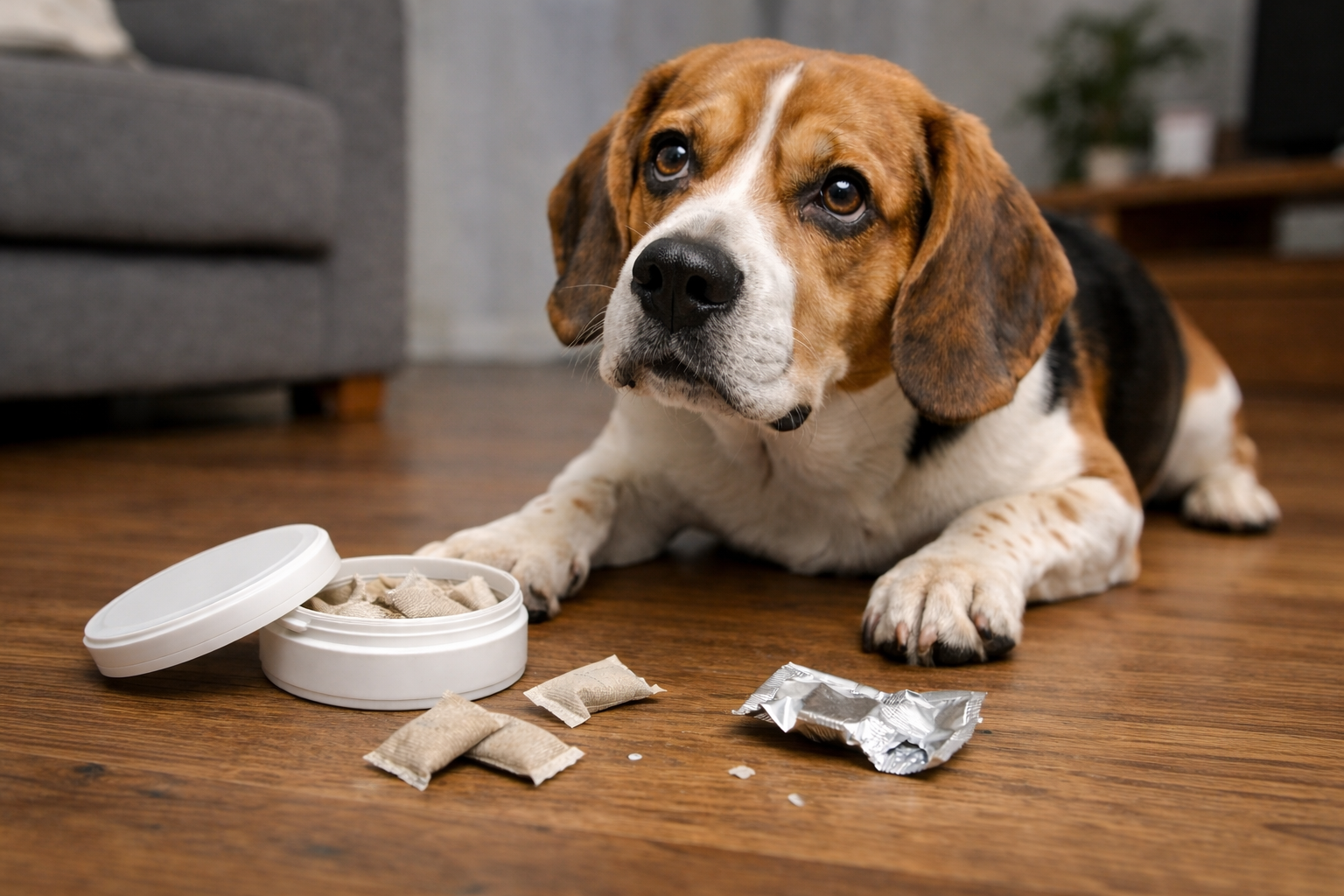
If you're frantically searching online because your dog ate a nicotine pouch, understand this is a veterinary emergency. Nicotine pouches contain a highly concentrated amount of nicotine. Even a small amount of nicotine can be toxic to dogs and can quickly become fatal, especially in a small dog, requiring immediate veterinary intervention.
Why Nicotine Pouches Are Dangerous for Dogs
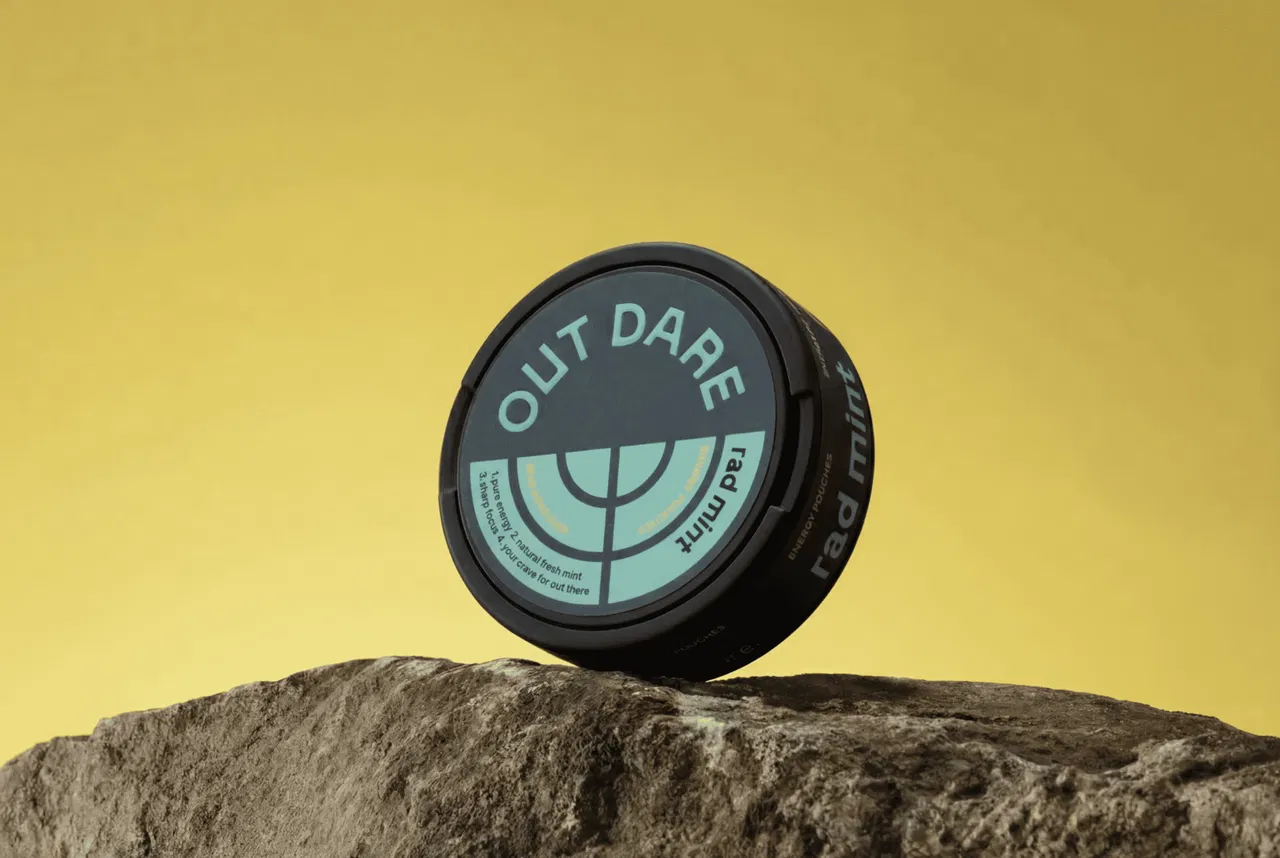
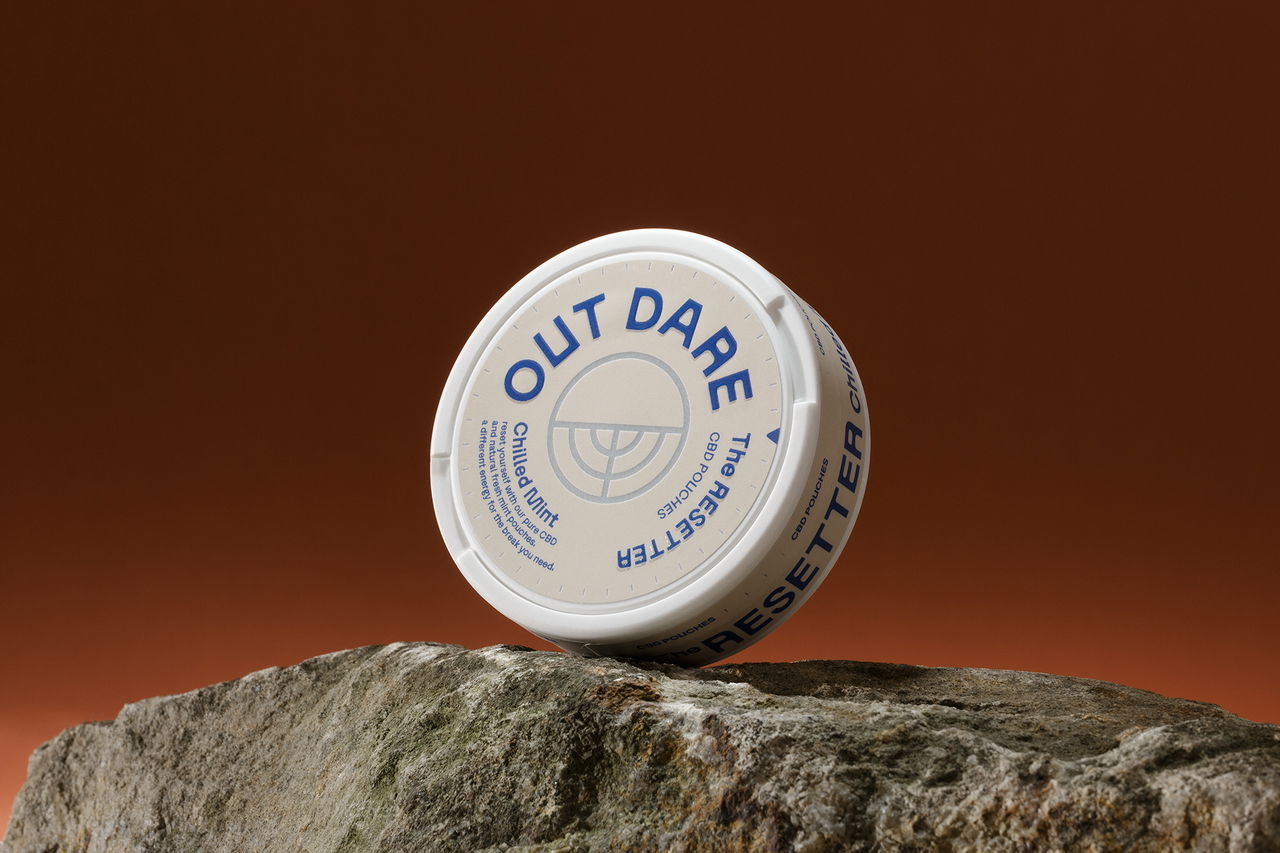
Nicotine pouches are perilous for dogs because they contain a potent form of nicotine, often nicotine salt, which is rapidly absorbed. Unlike cigarettes or cigarette butts, these pouches deliver a concentrated dose, increasing the risk of severe nicotine poisoning in dogs if the dog has ingested or chewed the pouch.
Nicotine Toxicity in Dogs
Dogs are extremely sensitive to nicotine; therefore, nicotine toxicity is a significant concern. The toxic effects can occur at very low doses. The amount of nicotine ingested determines the severity of poisoning. Clinical signs can manifest quickly, making swift action crucial to counteract the dangerous effects of nicotine poisoning.
Fast Absorption and High Risk
When a dog ate a nicotine pouch, nicotine absorbs rapidly through the mouth and stomach. Symptoms can appear within minutes, posing a high risk of severe poisoning. This rapid ingestion and absorption underscore the urgent need for immediate veterinary intervention. The faster it absorbs, the higher the risk of nicotine toxicity becomes.
What to Do Immediately If Your Dog Ate a Nicotine Pouch
If your dog ingested a nicotine pouch, act swiftly to minimize harm. Time is of the essence, and your prompt response can significantly impact your dog's outcome. Here are the immediate steps you must take to address this potentially deadly situation. Your veterinarian may need to administer activated charcoal.
Step 1: Remove Any Remaining Pouch Material
Immediately remove any pouch or fragments from the dog’s mouth if it is safe to do so. Prevent access to additional nicotine pouches to stop further ingestion of the nicotine product. Take quick action to ensure no more nicotine can be swallowed, reducing the risk of escalating nicotine poisoning.
Step 2: Do NOT Induce Vomiting Unless Instructed
Do NOT induce vomiting unless specifically instructed by your veterinarian or animal poison control. Inducing vomiting can be dangerous without veterinary guidance and might worsen the situation. Avoid giving home remedies, as they can interfere with subsequent veterinary treatments necessary for nicotine poisoning.
Step 3: Contact a Veterinarian or Animal Poison Control Immediately
Call your veterinarian, an emergency animal clinic, or an animal poison control helpline immediately. Time is critical, even if the dog seems fine initially, as signs of nicotine poisoning can appear suddenly. Provide details on how many milligrams of nicotine were in the pouch. This ensures rapid diagnosis of nicotine poisoning.
Symptoms to Watch for After Nicotine Exposure
Recognizing the signs of nicotine exposure is critical when a dog ate a nicotine pouch. The appearance of clinical signs will help in the diagnosis of nicotine poisoning. Vigilance is key to prompt intervention, especially when the dog has ingested a nicotine product. If a dog ingested too much nicotine it could be toxic to dogs.
Early Symptoms (Often Within 15–60 Minutes)
Early signs of nicotine poisoning often include vomiting or excessive drooling. The dog may also exhibit restlessness or agitation. A rapid heart rate and panting are other common indicators. These symptoms usually appear within 15 to 60 minutes after the dog ingested a nicotine pouch, signaling the need for immediate veterinary attention for potential nicotine poisoning in dogs.
Severe Symptoms (Emergency)
Severe symptoms of nicotine poisoning require emergency veterinary care. Look for tremors or muscle twitching. Weakness or collapse may occur, along with seizures and difficulty breathing. These advanced signs of nicotine indicate a critical state and require immediate intervention to prevent fatal outcomes. These may happen if the amount of nicotine ingested is too high.
How Much Nicotine Is Dangerous for Dogs?
Even one nicotine pouch can be toxic to dogs, depending on the size and strength of the nicotine pouch. Smaller dogs are at a higher risk due to their lower body mass. Leaking or dog chewed pouches increase nicotine exposure and accelerate absorption. The higher the amount of nicotine per pouch, the greater the danger if the dog ate a nicotine pouch.
What NOT to Do
Do not wait for symptoms to appear if you suspect your dog ate a nicotine pouch. Do not give food, milk, or activated charcoal unless instructed by a veterinarian. Do not assume “tobacco-free” means safe, as some products still contain harmful substances. If you know your dog swallowed a nicotine pouch seek help, even if the dog looks fine.
When to Go to the Emergency Vet Immediately
Go to the emergency veterinary clinic immediately if any symptoms are present after a dog ate a nicotine pouch. Also seek immediate care if the amount of nicotine ingested is unknown. Puppies, senior dogs, or small breeds are at higher risk and require prompt attention to address potential poisoning. If a dog ingested a nicotine pouch, do not hesitate.
Why “Tobacco-Free” Nicotine Pouches Are Still Toxic to Dogs
Even though some nicotine pouches are marketed as "tobacco-free", they still pose a significant risk to dogs. The primary danger comes from the nicotine itself. Whether derived from tobacco or synthetically produced, nicotine remains highly toxic to dogs, causing severe nicotine poisoning in dogs if a dog ate the nicotine pouch.
Nicotine itself is the danger if a dog ingested a nicotine pouch, whether it is tobacco derived or synthetic. Any product containing nicotine can lead to nicotine poisoning. The amount of nicotine in the nicotine pouch can vary, but even a small dog can experience severe clinical signs and harmful effects of nicotine toxicity.
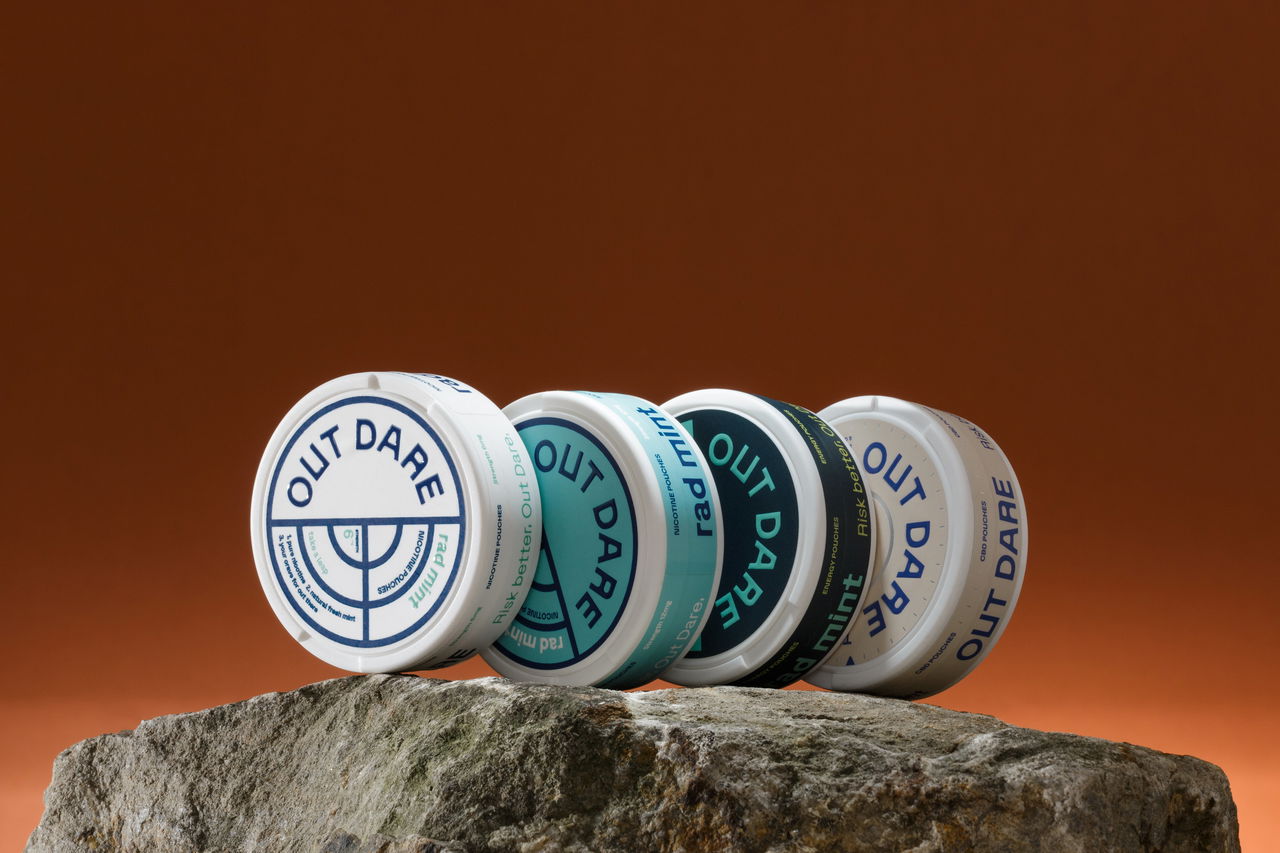
Synthetic nicotine is equally harmful as tobacco derived nicotine. The toxic effects are the same regardless of the nicotine product source. Therefore, it’s crucial to keep all types of nicotine pouches, including zyn nicotine pouches and those marketed as "tobacco-free," far away from your dog to prevent potential nicotine poisoning.
Prevention: How to Keep Nicotine Pouches Away From Dogs
Preventing nicotine poisoning starts with responsible storage and disposal practices. Ingestion of nicotine pouches can be avoided by ensuring these products are inaccessible to your pets. By following simple guidelines, you can significantly reduce the risk of your dog accidentally ingesting a nicotine pouch.
Safe Storage
Always store nicotine pouches in sealed containers to prevent access. Use containers that your dog cannot easily open or chew through. Keeping nicotine pouches in secure, airtight containers reduces the risk of accidental ingestion and potential nicotine poisoning in dogs.
Keep the nicotine pouch products out of reach and out of sight from your dog. Store them in high cabinets or locked drawers where your dog cannot access them, reducing the chance that your dog ate a nicotine pouch. Prevention is key to avoiding accidental ingestion and nicotine poisoning.
Disposal Habits
Dispose of used zyn pouches immediately and responsibly to prevent your dog from finding and ingesting them. Securely discard used nicotine pouches in a place where your dog cannot reach them to prevent poisoning in dogs.
Never leave nicotine pouches on tables, pockets, or bags where your dog can easily access them. Accidental ingestion often occurs when pouches are left within reach. Always be mindful of where you place nicotine products to protect your dog from potential harm caused by a dog ate a nicotine pouch.
Frequently Asked Questions (FAQ)
Addressing common concerns can help you better understand the risks and proper responses if your dog ate a nicotine pouch. This section provides answers to frequently asked questions, offering guidance on what to do and expect in such situations of potential poisoning.
What If My Dog Only Chewed the Pouch?
Even if your dog chewed the nicotine pouch but didn't swallow it, nicotine absorption can still occur through the gums. Contact your veterinarian immediately for advice, as any nicotine ingestion, even from chewing, can be dangerous. The veterinary may advise you to seek immediate care.
Can a Dog Die From Eating a Nicotine Pouch?
Yes, a dog can die from dog ate a nicotine pouch due to nicotine poisoning. The amount of nicotine ingested and the size of the dog significantly impact the severity. Immediate veterinary intervention is crucial to improve the chances of survival. This poisoning in dogs can be very dangerous and even fatal.
How Fast Does Nicotine Poisoning Happen in Dogs?
Nicotine poisoning can happen very quickly, often within 15 to 60 minutes after a dog ingested a nicotine pouch. Rapid absorption of nicotine leads to the fast onset of clinical signs, making immediate veterinary care essential to manage the poisoning.
Should I Go to the Vet Even If My Dog Seems Fine?
Yes, you should go to the veterinary even if your dog seems fine after a dog ate a nicotine pouch. Signs of nicotine poisoning can be delayed or subtle initially, but the amount of nicotine can still cause serious harm. Prompt veterinary evaluation is crucial for your dog's health. The signs of nicotine may appear later.