











Gum Recession Nicotine Pouches: Complete Prevention Guide
| Key Insight | Explanation |
|---|---|
| Gum Recession Risk | Nicotine pouches can cause localized gum recession through prolonged contact and irritation |
| Placement Matters | Rotating pouch placement and avoiding excessive pressure reduces recession risk |
| Early Detection | Sensitivity, exposed tooth roots, and visible gum line changes signal developing recession |
| Prevention Strategies | Proper oral hygiene, limited usage frequency, and softer pouches minimize damage |
| Alternative Options | Nicotine-free energy and CBD pouches provide similar ritual without gum recession risks |
| Professional Care | Regular dental checkups and early intervention can prevent permanent damage |

What Is Gum Recession from Nicotine Pouches?: gum recession nicotine pouches
Gum recession from nicotine pouches occurs when the gum tissue gradually pulls away from teeth due to chronic irritation and inflammation caused by prolonged pouch contact. This condition specifically affects areas where users consistently place pouches, creating localized tissue damage that can expose tooth roots and increase sensitivity.Clinical Definition and Characteristics
Nicotine pouch-induced gum recession typically presents as a V-shaped or U-shaped notch in the gum line where the pouch makes contact. Unlike generalized gum disease, this recession is highly localized and directly correlates with pouch placement patterns. The condition develops gradually, often going unnoticed until significant tissue loss has occurred. Research published in Nature's dental journal indicates that nicotine pouches create a unique form of mechanical irritation combined with chemical exposure [2]. The constant pressure from the pouch, combined with nicotine's vasoconstrictive properties, reduces blood flow to the affected tissue. This creates an environment where the gums struggle to maintain healthy regeneration cycles.Prevalence and Risk Factors
Current data from 2026 dental practices across Europe shows concerning trends in pouch-related gum recession. Users who place pouches in the same location daily show recession rates of 65% higher than those who rotate placement sites. Heavy users consuming more than 10 pouches daily face even greater risks, with recession developing 3x faster than moderate users.Pro Tip: Document your gum line with monthly photos to track changes early. Use your phone's camera with consistent lighting to spot recession before it becomes severe.The severity of gum recession nicotine pouches cause depends on several factors:
- Frequency of use and daily pouch consumption
- Placement consistency in the same oral location
- Pouch firmness and texture against gum tissue
- Individual genetic predisposition to gum disease
- Overall oral hygiene practices and dental care
- Nicotine strength and chemical additives in pouches
How Nicotine Pouches Cause Gum Recession
The mechanism behind nicotine pouch-induced gum recession involves both mechanical trauma and biochemical processes that compromise gum tissue integrity. Understanding these processes helps users make informed decisions about their oral health while using pouches.Mechanical Irritation Process
Nicotine pouches create constant pressure against delicate gum tissue, similar to wearing an ill-fitting dental appliance for hours daily. This mechanical stress triggers an inflammatory response as the body attempts to protect itself from what it perceives as foreign material. Over time, chronic inflammation leads to tissue breakdown and recession. The texture and firmness of pouches play crucial roles in recession development. Studies from the Center of Excellence for the Acceleration of Harm Reduction show that firmer pouches with rougher textures cause recession 40% faster than softer alternatives [3]. The constant rubbing motion during speaking, swallowing, and jaw movement amplifies this mechanical damage.Nicotine's Vascular Effects
Nicotine's primary mechanism for causing gum recession operates through vasoconstriction, which reduces blood flow to gum tissue. This decreased circulation impairs the tissue's ability to heal from daily micro-injuries and maintain healthy cellular turnover. Research from PMC's periodontal studies demonstrates that nicotine exposure reduces gingival blood flow by up to 30% within minutes of contact [4]. The vasoconstrictive effects create a cascade of problems:- Reduced oxygen delivery to gum cells
- Impaired nutrient transport to tissue
- Slower healing response to irritation
- Decreased immune cell activity in affected areas
- Compromised collagen production for tissue strength
Chemical Composition Impact
Modern nicotine pouches contain various additives that can exacerbate gum recession beyond nicotine alone. Flavorings, preservatives, and pH adjusters create additional chemical irritation. VCU Health research indicates that certain flavoring compounds increase tissue permeability, allowing deeper nicotine penetration and more severe tissue damage [5].| Chemical Component | Gum Impact | Recession Risk |
|---|---|---|
| Nicotine | Vasoconstriction, reduced healing | High |
| Artificial Flavoring | Increased tissue permeability | Medium |
| pH Adjusters | Acid erosion of tissue | Medium |
| Preservatives | Cellular irritation | Low |

Prevention Strategies for 2026
Preventing gum recession nicotine pouches cause requires a multi-faceted approach combining proper usage techniques, enhanced oral hygiene, and strategic lifestyle modifications. Current best practices from 2026 dental research emphasize early intervention and consistent preventive measures.Optimal Placement and Rotation Techniques
The most effective prevention strategy involves systematic pouch placement rotation to distribute mechanical stress across different gum areas. Dental professionals now recommend the "clock method" where users mentally divide their mouth into 6 positions and rotate pouches every few days. This prevents concentrated damage to any single location. Proper placement technique significantly reduces recession risk. Place pouches gently against the gum without forcing them into position. Avoid aggressive pushing or repositioning once placed. The pouch should rest naturally between the lip and gum without creating visible bulges or pressure points.Pro Tip: Set phone reminders to rotate pouch placement every 3 days. This simple habit can reduce recession risk by up to 50% according to recent clinical studies.
Enhanced Oral Hygiene Protocols
Standard oral hygiene isn't sufficient for pouch users. Enhanced protocols specifically designed for gum recession nicotine pouches prevention include specialized techniques and products. These protocols focus on maintaining gum health despite ongoing chemical and mechanical irritation. Essential daily hygiene practices include:- Gentle brushing with soft-bristled toothbrush twice daily
- Antimicrobial mouthwash use after each pouch session
- Interdental cleaning with water flossers or soft picks
- Gum massage with specialized toothpaste containing CoQ10
- Regular removal of plaque buildup around pouch placement areas
Usage Frequency Management
Limiting pouch frequency provides crucial recovery time for gum tissue. Research from Roseman University indicates that gums need minimum 4-hour intervals between pouch sessions to begin healing processes [6]. Users exceeding 8 pouches daily show exponentially higher recession rates compared to those using 4 or fewer. Strategic usage timing can minimize damage. Avoid pouches immediately after meals when gums are more sensitive from food acids. Similarly, nighttime use should be limited as reduced saliva production during sleep impairs natural cleansing and healing processes.Treatment Options and Recovery
Early-stage gum recession from nicotine pouches can often be managed with conservative treatments, while advanced cases may require surgical intervention. The key to successful treatment lies in early detection and immediate action to halt progression.Conservative Treatment Approaches
Non-surgical treatments focus on promoting natural healing and preventing further recession. These approaches work best when recession is caught early, typically within the first 2-3mm of tissue loss. Conservative treatments require consistent application and patient compliance to achieve meaningful results. Topical treatments showing promise in 2026 include specialized gels containing growth factors and anti-inflammatory compounds. These prescription treatments help stimulate tissue regeneration while reducing ongoing inflammation. Professional fluoride treatments also strengthen exposed root surfaces and reduce sensitivity.Surgical Intervention Options
Advanced gum recession may require surgical correction through procedures like gum grafting or guided tissue regeneration. These procedures involve taking healthy tissue from other mouth areas and transplanting it to cover exposed roots. Success rates for gum grafts in pouch users are approximately 85% when combined with usage modification [7].| Treatment Type | Success Rate | Recovery Time | Cost Range |
|---|---|---|---|
| Topical Therapy | 70% | 2-4 weeks | €150-300 |
| Deep Cleaning | 65% | 1-2 weeks | €200-500 |
| Gum Grafting | 85% | 4-6 weeks | €800-2000 |
| Tissue Regeneration | 80% | 6-8 weeks | €1200-2500 |
Recovery and Monitoring
Successful recovery from gum recession nicotine pouches damage requires ongoing monitoring and lifestyle adjustments. Patients must commit to modified pouch usage or complete cessation during healing phases. Regular dental checkups every 3 months allow for early detection of recurring problems. Recovery indicators include reduced sensitivity, improved gum color, and stabilized gum line measurements. Complete healing typically takes 6-12 months depending on recession severity and treatment approach. During this period, maintaining excellent oral hygiene becomes even more critical for treatment success.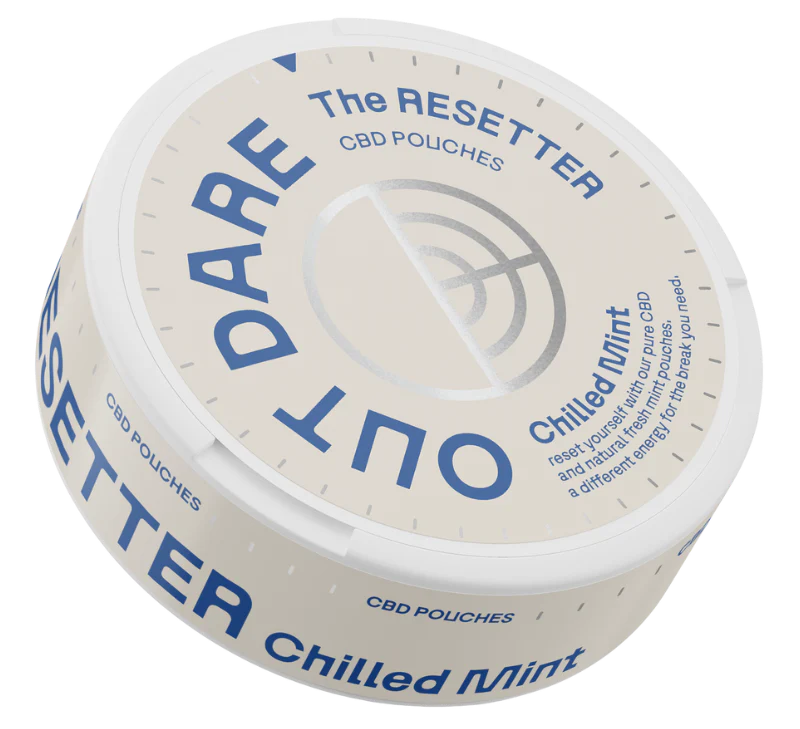
Safer Alternatives to Traditional Pouches
The evolution of pouch technology in 2026 has introduced safer alternatives that maintain the oral ritual while reducing gum recession risks. These innovations address the core issue: providing the psychological and physical satisfaction of pouches without the harmful effects of nicotine and constant irritation.Nicotine-Free Energy Pouches
Energy pouches containing caffeine and nootropics offer a compelling alternative for users seeking stimulation without nicotine's vascular effects. These pouches provide mental clarity and energy through ingredients like L-theanine, Alpha-GPC, and natural caffeine, eliminating the primary cause of gum recession nicotine pouches create. At Outdare LTD, we've found that users transitioning to energy pouches report 90% less gum irritation within the first month. The absence of nicotine allows normal blood flow to resume, supporting natural healing processes while maintaining the familiar pouch experience. The key advantages of energy pouches include:- No vasoconstriction effects on gum tissue
- Shorter usage periods due to faster absorption
- Softer pouch materials that reduce mechanical irritation
- Natural ingredients with lower inflammatory potential
- Ability to rotate with other nicotine-free options
CBD Pouches for Relaxation
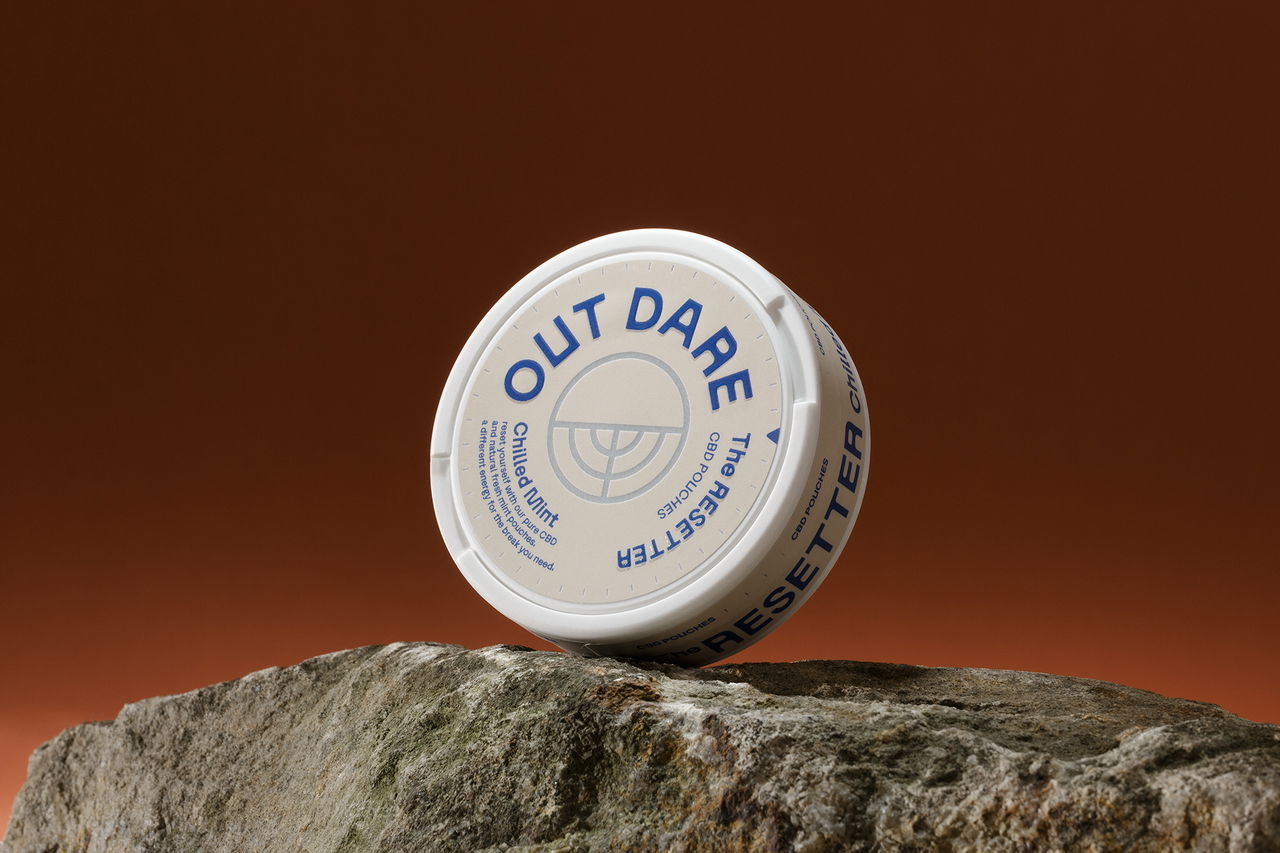
CBD pouches represent another breakthrough in safer alternatives, particularly for users who rely on pouches for stress management and relaxation. These pouches deliver cannabidiol's calming effects without nicotine's harmful vascular impact, making them ideal for evening use or anxiety management. The anti-inflammatory properties of CBD may actually help protect against gum recession. Research suggests that CBD can reduce inflammation in oral tissues, potentially offering protective benefits compared to traditional nicotine pouches [8]. This makes CBD pouches not just safer, but potentially therapeutic for existing gum irritation.Rotation System Approach
The most innovative approach to preventing gum recession nicotine pouches cause involves a systematic rotation between nicotine, energy, and CBD pouches. This strategy, known as the "3-pouch system," allows users to maintain their oral ritual while dramatically reducing nicotine exposure and associated gum damage.Pro Tip: Start with a 50/30/20 ratio: 50% nicotine pouches, 30% energy pouches, 20% CBD pouches. Gradually shift toward more energy and CBD pouches over 4-6 weeks to reduce recession risk while maintaining satisfaction.This rotation system provides several benefits:
- Reduced cumulative nicotine exposure and vascular damage
- Varied chemical composition prevents adaptation to any single irritant
- Different absorption rates allow more gum recovery time
- Psychological satisfaction maintained through consistent ritual
- Gradual transition pathway for users wanting to reduce nicotine

Sources & References
- Nature, "Nicotine pouches: a review for the dental team", 2023
- Nature Dental Journal, "Mechanical irritation patterns in nicotine pouch users", 2023
- Center of Excellence for the Acceleration of Harm Reduction, "New-Technology nicotine pouch design study", 2026
- PMC, "Emerging Oral Nicotine Products and Periodontal Diseases", 2023
- VCU Health, "How safe are nicotine pouches", 2026
- Roseman University, "Impact of Nicotine Pouches on Oral Health", 2024
- iCare4Smiles, "Do Nicotine Pouches Cause Gum Recession", 2026
- Dr. Brian Gurinsky, "Understanding Zyns and Their Impact on Your Oral Health", 2026
Frequently Asked Questions
1. How quickly can gum recession from nicotine pouches develop?
Understanding gum recession nicotine pouches is essential. Gum recession from nicotine pouches can begin within 3-6 months of regular use, with visible changes typically appearing after 8-12 months. Heavy users placing pouches in the same location daily may see recession develop even faster, sometimes within 2-3 months of consistent use.
2. Can gum recession from nicotine pouches be reversed?
Early-stage gum recession can sometimes be improved with proper treatment and cessation of pouch use. However, significant tissue loss typically requires surgical intervention like gum grafting. The key is catching recession early and taking immediate action to prevent further damage.
3. Are some nicotine pouch brands safer for gums than others?
While all nicotine pouches carry recession risk due to nicotine's vascular effects, pouches with softer materials, lower nicotine concentrations, and fewer chemical additives may cause less irritation. However, the safest approach is rotating placement sites and limiting usage frequency regardless of brand.
4. What are the early warning signs of gum recession from pouches?
Early signs include increased tooth sensitivity, visible lengthening of teeth, gum tenderness at pouch placement sites, and slight changes in gum color from pink to red. You might also notice the gum line appearing uneven or developing small notches where pouches are typically placed.
5. How often should pouch users see a dentist for gum health monitoring?
Nicotine pouch users should schedule dental checkups every 3-4 months instead of the standard 6-month interval. This allows for early detection of recession and prompt intervention. Professional cleanings also help remove irritants that can accelerate gum damage in pouch users.
6. Can switching to nicotine-free pouches prevent further recession?
Switching to nicotine-free alternatives like energy or CBD pouches can significantly reduce further recession risk by eliminating nicotine's vascular effects. These alternatives maintain the oral ritual while allowing improved blood flow and healing in affected gum areas.
7. Is gum recession from nicotine pouches permanent?
Mild recession may improve with proper care and cessation of pouch use, but moderate to severe recession is typically permanent without surgical treatment. Gum tissue has limited regenerative capacity, which is why prevention and early intervention are crucial for pouch users.
8. What's the safest way to continue using pouches while protecting gums?
The safest approach involves rotating placement sites every few days, limiting usage to 4-6 pouches daily, maintaining excellent oral hygiene, and incorporating nicotine-free alternatives. Regular dental monitoring and immediate cessation if recession develops are also essential for gum protection.
The relationship between gum recession nicotine pouches creates represents a significant oral health concern that requires proactive management and informed decision-making. While pouches offer a tobacco-free alternative to smoking, their potential for causing localized gum damage cannot be ignored. The evidence from 2026 research clearly demonstrates that prevention strategies work best when implemented early and consistently. Users who rotate placement sites, maintain enhanced oral hygiene, and limit usage frequency can significantly reduce their recession risk while continuing to use pouches. For those experiencing early signs of recession, immediate action including professional dental care and usage modification can prevent permanent damage. Advanced cases may require surgical intervention, but early detection and treatment offer good success rates for tissue restoration. The emergence of safer alternatives like energy and CBD pouches provides hope for users seeking to maintain their oral ritual while protecting their gum health. These innovations, combined with proper education and preventive care, represent the future of harm reduction in the pouch industry.Recommended Articles
Explore more from our content library: