









How to Quit Nicotine Pouches: A Science-Based Guide
| Key Insight | Explanation |
|---|---|
| Tapering is more effective than cold turkey | Gradually reducing pouch strength and frequency prevents severe withdrawal symptoms |
| Withdrawal peaks at 72 hours | Most intense cravings occur within the first 3 days, then gradually decrease |
| Habit replacement is crucial | Addressing the oral fixation and ritual is as important as managing chemical dependency |
| Professional support improves success rates | Medical guidance and counseling increase quit success by up to 70% |
| Alternative pouches can bridge the gap | Nicotine-free alternatives maintain the ritual while eliminating dependency |

Understanding Nicotine Pouch Dependency: how to quit nicotine pouches
Nicotine pouch addiction involves both physical dependence on nicotine and psychological attachment to the ritual and oral fixation. Research from Johns Hopkins indicates that nicotine is exceptionally difficult to quit, with withdrawal symptoms beginning within hours of last use [2].The Science Behind Pouch Addiction
Nicotine pouches deliver nicotine through the oral mucosa, creating rapid absorption into the bloodstream. This quick delivery system triggers dopamine release in the brain's reward pathways, reinforcing the behavior. Unlike cigarettes, which provide additional sensory cues through smoke and ritual, pouches rely primarily on the oral fixation and nicotine hit. The addiction operates on three levels:- Chemical dependency (30%): Your brain craves nicotine to maintain normal dopamine levels
- Physical habit (30%): The oral fixation and "pillow" sensation under your lip becomes automatic
- Sensory ritual (40%): The taste, burn, and routine provide psychological comfort
Signs You're Ready to Quit
Common indicators that it's time to quit nicotine pouches include experiencing brain fog, receding gums, digestive issues, sleep disruption, or spending over €150 monthly on pouches. Many users report feeling trapped between wanting to quit and feeling powerless to stop. According to addiction specialists at MD Anderson, recognizing these signs early improves your chances of successful cessation [1]. The key is addressing all three components of addiction simultaneously rather than focusing solely on nicotine withdrawal.Pro Tip: Track your pouch usage for one week before attempting to quit. Note triggers, timing, and emotions associated with each use. This baseline helps identify patterns to address during your quit attempt.
Preparing to Quit Nicotine Pouches
Successful cessation begins with proper preparation, including setting a quit date, gathering support resources, and understanding withdrawal timelines. The Truth Initiative recommends a structured approach that addresses both physical and psychological aspects of dependency [3].Essential Preparation Steps
Start by choosing your quit method—tapering versus cold turkey. Medical professionals generally recommend tapering for heavy users (10+ pouches daily) to minimize withdrawal severity. Set a realistic timeline, typically 2-4 weeks for gradual reduction. Preparation checklist:- Calculate your current daily nicotine intake (pouches × mg per pouch)
- Choose lower-strength pouches for tapering (if using 6mg, switch to 3mg)
- Identify your primary triggers (stress, boredom, social situations)
- Stock up on healthy alternatives (sugar-free gum, toothpicks, stress balls)
- Inform supportive friends and family about your quit date
- Remove pouches from easy-access locations
Building Your Support System
Research shows that social support significantly improves quit success rates. Consider joining online communities, telling trusted friends about your goal, or working with a healthcare provider. The EX Program reports that users with strong support networks are 40% more likely to succeed long-term [4]. Professional support options include nicotine replacement therapy consultation, behavioral counseling, or addiction medicine specialists. Many insurance plans cover smoking cessation programs, which often extend to nicotine pouch users.Pro Tip: Download a quit-tracking app to monitor your progress. Seeing days without nicotine accumulate provides powerful motivation during challenging moments.
Step-by-Step Tapering Method
Tapering involves gradually reducing nicotine intake over 2-4 weeks to minimize withdrawal symptoms while breaking the behavioral habit. This method proves most effective for heavy users and those who've failed with cold turkey approaches.Week 1: Reduce Frequency
Begin by extending time between pouches rather than changing strength. If you typically use a pouch every hour, stretch it to every 90 minutes. This approach helps identify your strongest cravings while maintaining some nicotine stability. Daily reduction strategy:- Track normal usage for 2 days to establish baseline
- Reduce total daily pouches by 25% (if using 20, drop to 15)
- Delay first pouch of the day by 30 minutes
- Replace every third pouch with a 10-minute walk or breathing exercise
- Stop using pouches 2 hours before bedtime
Week 2-3: Lower Strength Transition
Switch to lower-nicotine pouches while maintaining reduced frequency. If using 6mg pouches, transition to 3mg or 2mg options. This dual approach—less frequent use of weaker pouches—significantly reduces total nicotine intake.| Week | Pouch Strength | Daily Frequency | Total Nicotine (mg) |
|---|---|---|---|
| Baseline | 6mg | 20 pouches | 120mg |
| Week 1 | 6mg | 15 pouches | 90mg |
| Week 2 | 3mg | 12 pouches | 36mg |
| Week 3 | 2mg | 8 pouches | 16mg |
| Week 4 | 0mg alternative | As needed | 0mg |
Week 4: Complete Transition
Replace remaining nicotine pouches with nicotine-free alternatives that maintain the oral fixation and ritual. This final step addresses the behavioral component while eliminating chemical dependency. Focus on maintaining the physical habit while your brain adjusts to zero nicotine. Many users find this week challenging as they confront the pure psychological aspects of their addiction.
Managing Withdrawal Symptoms
Nicotine withdrawal symptoms typically peak within 72 hours and can last 2-4 weeks, though intensity varies based on usage patterns and individual physiology. Understanding the timeline helps you prepare for challenging periods and recognize that symptoms are temporary.Common Withdrawal Symptoms
Physical symptoms include irritability, anxiety, difficulty concentrating, increased appetite, sleep disturbances, and intense cravings. These symptoms result from your brain readjusting dopamine production without nicotine stimulation. Symptom management strategies:- Hydration: Drink 8-10 glasses of water daily to help flush nicotine from your system
- Exercise: Physical activity releases natural endorphins and reduces stress
- Deep breathing: Practice 4-7-8 breathing technique during intense cravings
- Oral substitutes: Use sugar-free gum, toothpicks, or healthy snacks
- Sleep hygiene: Maintain consistent sleep schedule despite initial insomnia
Craving Management Techniques
Cravings typically last 3-5 minutes and come in waves. The "STOP" technique proves effective: Stop what you're doing, Take a deep breath, Observe the craving without judgment, Proceed with a healthy alternative activity. According to Intermountain Healthcare, developing personalized coping strategies significantly improves long-term success rates [5]. Identify your strongest triggers and prepare specific responses for each situation.Pro Tip: Create a "craving emergency kit" with healthy alternatives: peppermint tea, stress ball, motivational quotes, and photos of your reasons for quitting. Keep it easily accessible during the first week.
Alternative Strategies for 2026
Modern cessation approaches in 2026 include advanced nicotine replacement therapies, behavioral apps, and innovative pouch alternatives that maintain the ritual while eliminating dependency. These methods address the evolving understanding of pouch addiction.Nicotine Replacement Therapy (NRT)
While not FDA-approved specifically for pouch cessation, NRT options like patches, gum, and lozenges can help manage withdrawal symptoms. Kick It California suggests consulting healthcare providers about NRT protocols adapted for pouch users [6]. NRT considerations for pouch users:- Patches provide steady nicotine levels without oral fixation
- Nicotine gum offers controlled dosing with oral stimulation
- Lozenges dissolve slowly, providing gradual nicotine release
- Combination therapy (patch + gum) may work better for heavy users
Behavioral Replacement Systems
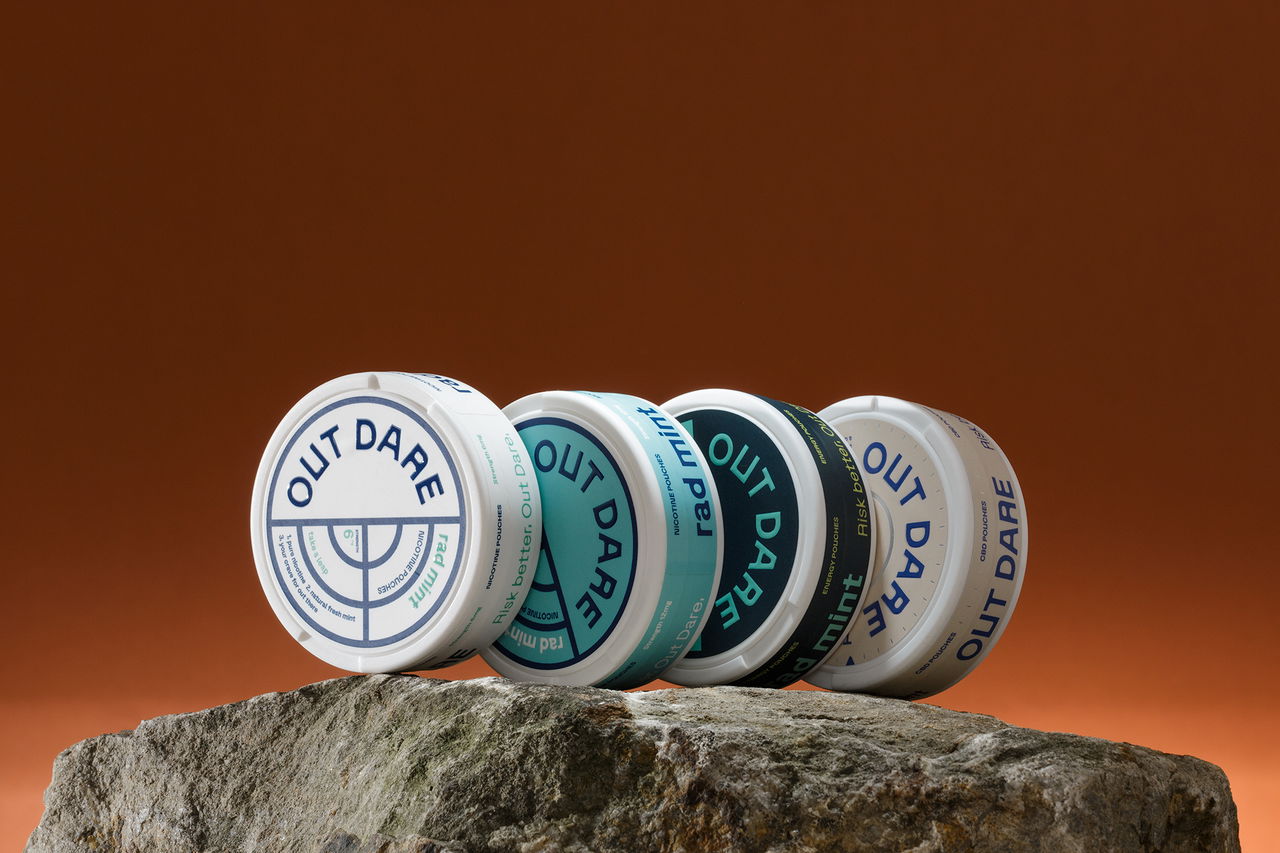
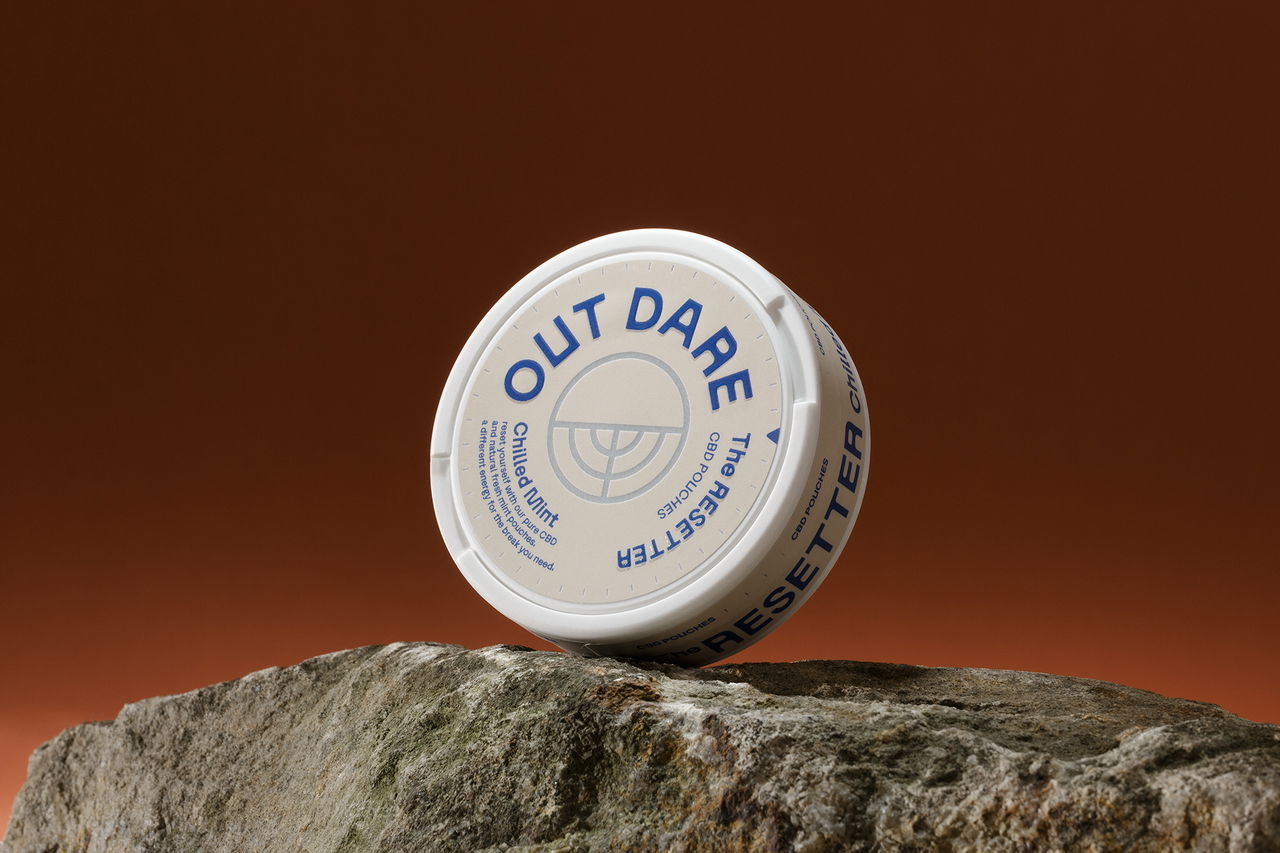
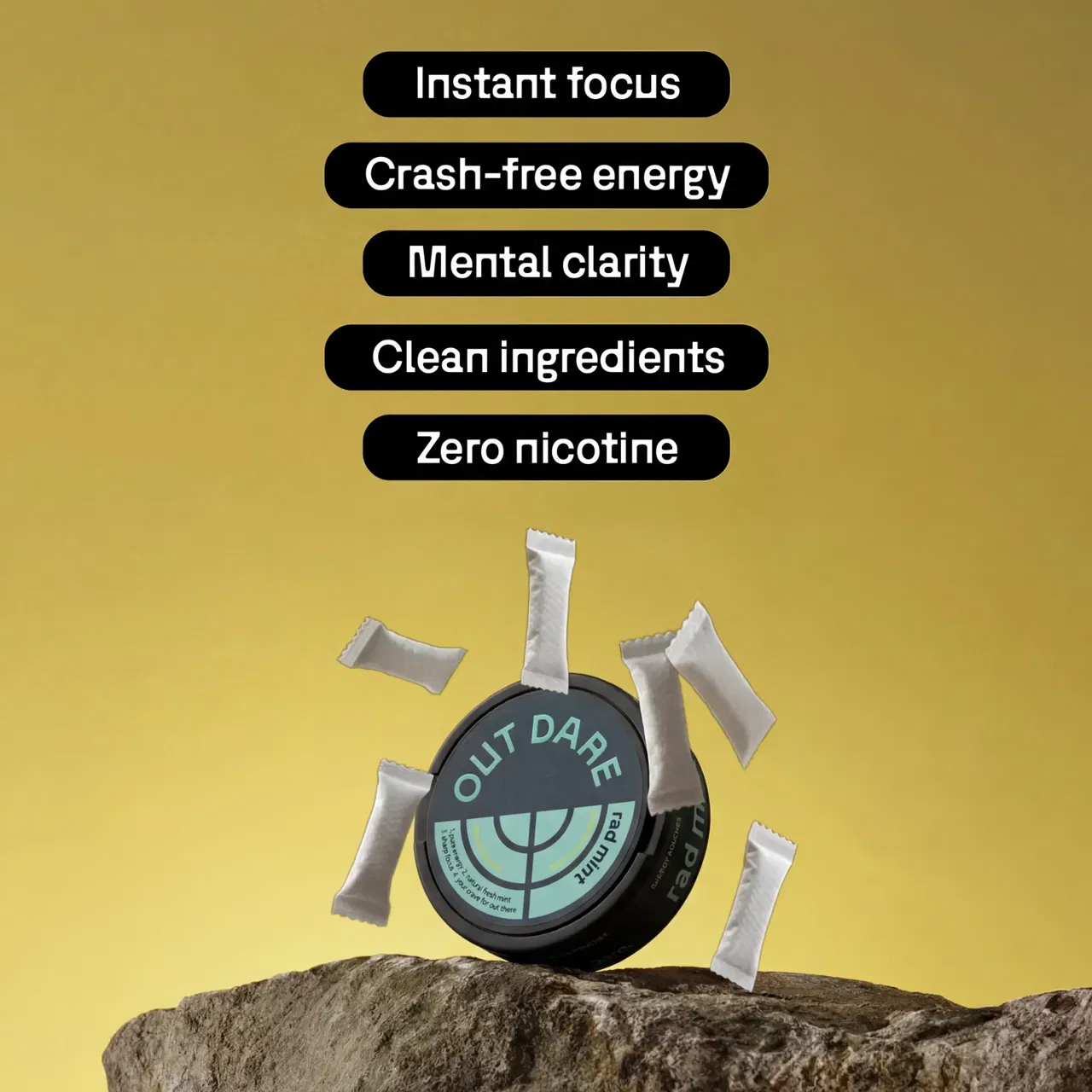
The most innovative approach involves maintaining the exact ritual while gradually replacing nicotine with healthier alternatives. This method recognizes that 60% of pouch addiction stems from habit and sensory cues rather than chemical dependency. Advanced replacement systems use pouches with identical taste, texture, and burn sensation but contain energy-boosting compounds (caffeine and nootropics) or relaxation aids (CBD) instead of nicotine. This approach tricks your brain into maintaining the full ritual while you control what goes into your system. At Outdare LTD, we've found that users who maintain the physical ritual while transitioning to non-nicotine alternatives reduce their nicotine intake by 60-90% within the first month. The key is keeping the habit intact while giving your brain options beyond nicotine.Digital Support Tools
Smartphone apps now offer personalized quit plans, craving tracking, and community support. Popular features include progress visualization, money saved calculators, and health improvement timelines. Some apps integrate with wearable devices to monitor stress levels and suggest interventions.Common Mistakes to Avoid
Understanding common pitfalls helps prevent relapse and improves your chances of permanent cessation. Many users make predictable errors that sabotage their quit attempts, but awareness allows you to plan accordingly.Quitting Too Quickly
The biggest mistake is attempting cold turkey without addressing the behavioral components. While some succeed with immediate cessation, most heavy users benefit from gradual reduction that allows time to develop new coping mechanisms. Avoid these timing errors:- Setting unrealistic timelines (trying to quit in less than one week)
- Choosing high-stress periods for quit attempts
- Not allowing adequate time for habit replacement
- Expecting linear progress without setbacks
Ignoring Triggers
Many users focus solely on nicotine withdrawal while ignoring situational triggers that prompt pouch use. Stress, boredom, social situations, and specific times of day often trigger automatic reaching for pouches.All-or-Nothing Thinking
Perfectionism sabotages quit attempts. One slip doesn't mean complete failure—it's information about your triggers and preparation needs. Research shows that most successful quitters make multiple attempts before achieving long-term cessation. Recovery from a slip involves analyzing what happened, adjusting your strategy, and resuming your quit plan immediately rather than waiting for another "perfect" time to start over.Pro Tip: Plan for challenging situations in advance. Write down specific strategies for your top three triggers, and practice them before you need them. Mental rehearsal significantly improves real-world success.
Sources & References
- MD Anderson Cancer Center, "Addiction specialist: How to manage nicotine withdrawal", 2024
- Johns Hopkins Bloomberg School of Public Health, "Are Oral Nicotine Pouches Safe?", 2024
- Truth Initiative, "What to know about quitting Zyn", 2024
- EX Program, "How to Quit Zyn and Other Nicotine Pouches", 2024
- Intermountain Healthcare, "Ready to quit nicotine? How to quit smoking, vaping, or nicotine pouches for good", 2024
- Kick It California, "Pouches", 2024
- AddictionHelp.com, "Nicotine Pouch Addiction - Health Risks, Withdrawal & How to Quit", 2024
Frequently Asked Questions
1. How to wean off pouches effectively?
Understanding how to quit nicotine pouches is essential. The most effective approach combines gradual nicotine reduction with frequency tapering over 3-4 weeks. Start by reducing daily pouch count by 25%, then transition to lower-strength pouches while maintaining reduced frequency. This dual approach minimizes withdrawal severity while allowing time to develop new coping mechanisms and habits.
2. What are the side effects of quitting nicotine pouches?
Common withdrawal symptoms include irritability, anxiety, difficulty concentrating, increased appetite, sleep disturbances, and intense cravings. These symptoms typically peak within 72 hours and gradually decrease over 2-4 weeks. Physical symptoms are temporary as your brain readjusts dopamine production without nicotine stimulation. This is particularly relevant for how to quit nicotine pouches.
3. How long does nicotine pouch withdrawal last?
Acute withdrawal symptoms last 1-2 weeks, with the most intense period occurring in the first 72 hours. However, psychological cravings and habit-related triggers can persist for several months. The timeline varies based on usage duration, daily consumption, and individual physiology.
4. Can I use nicotine patches to quit pouches?
While not FDA-approved specifically for pouch cessation, nicotine replacement therapy like patches can help manage withdrawal symptoms when used under medical supervision. Patches provide steady nicotine levels without oral fixation, which helps break the behavioral habit while managing chemical dependency. When considering how to quit nicotine pouches, this point stands out.
5. What are the best nicotine-free alternatives to pouches?
Effective alternatives include sugar-free gum, toothpicks, sunflower seeds, or specialized nicotine-free pouches that maintain the oral fixation and ritual. The best alternatives provide similar mouth feel and sensory experience while eliminating nicotine dependency. Some users benefit from energy or CBD pouches that offer functional benefits beyond habit replacement.
6. Is cold turkey or tapering better for quitting nicotine pouches?
Tapering proves more effective for heavy users (10+ pouches daily) as it minimizes severe withdrawal symptoms while allowing time to address behavioral components. Cold turkey can work for light users or those with strong motivation, but the success rate is lower due to intense withdrawal symptoms that often lead to relapse. For those exploring how to quit nicotine pouches, this matters.
7. What triggers should I avoid when quitting nicotine pouches?
Common triggers include stress, boredom, social drinking, driving, work breaks, and specific times of day when you habitually used pouches. Identify your personal triggers by tracking usage patterns for one week, then develop specific alternative responses for each trigger situation before attempting to quit.

Recommended Articles
Explore more from our content library:
- Smart Nicotine Alternatives That Actually Work in 2026
- The Complete Guide to Nicotine Free Pouches in 2026
- How to Quit Nicotine Pouches: Complete 2026 Guide
- How to Store Nicotine Pouches: Complete Guide 2026
- Clean Alternatives to Smoking: 15 Science-Backed Options
Ready to take your results to the next level? Discover what Outdare LTD can do for you and see why businesses trust us to deliver real, measurable outcomes.