



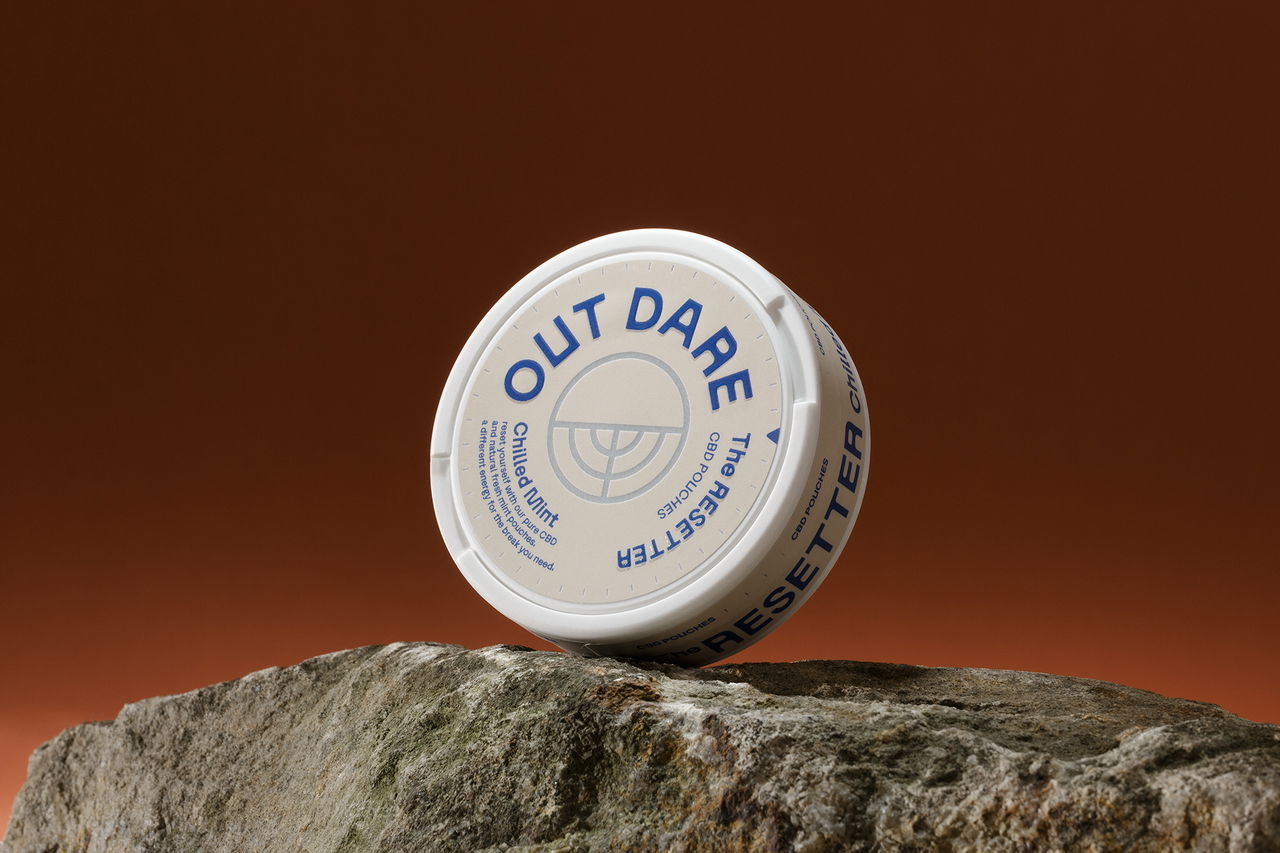


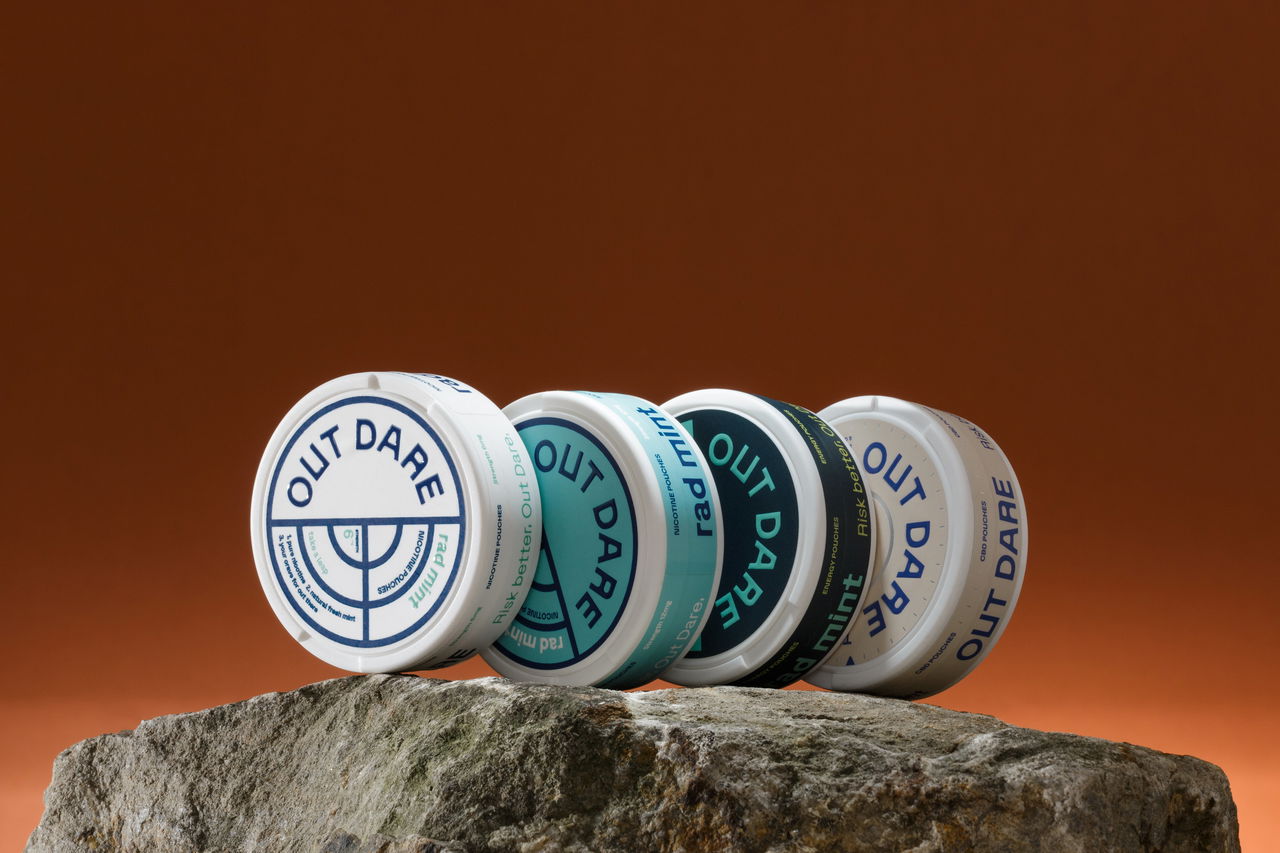
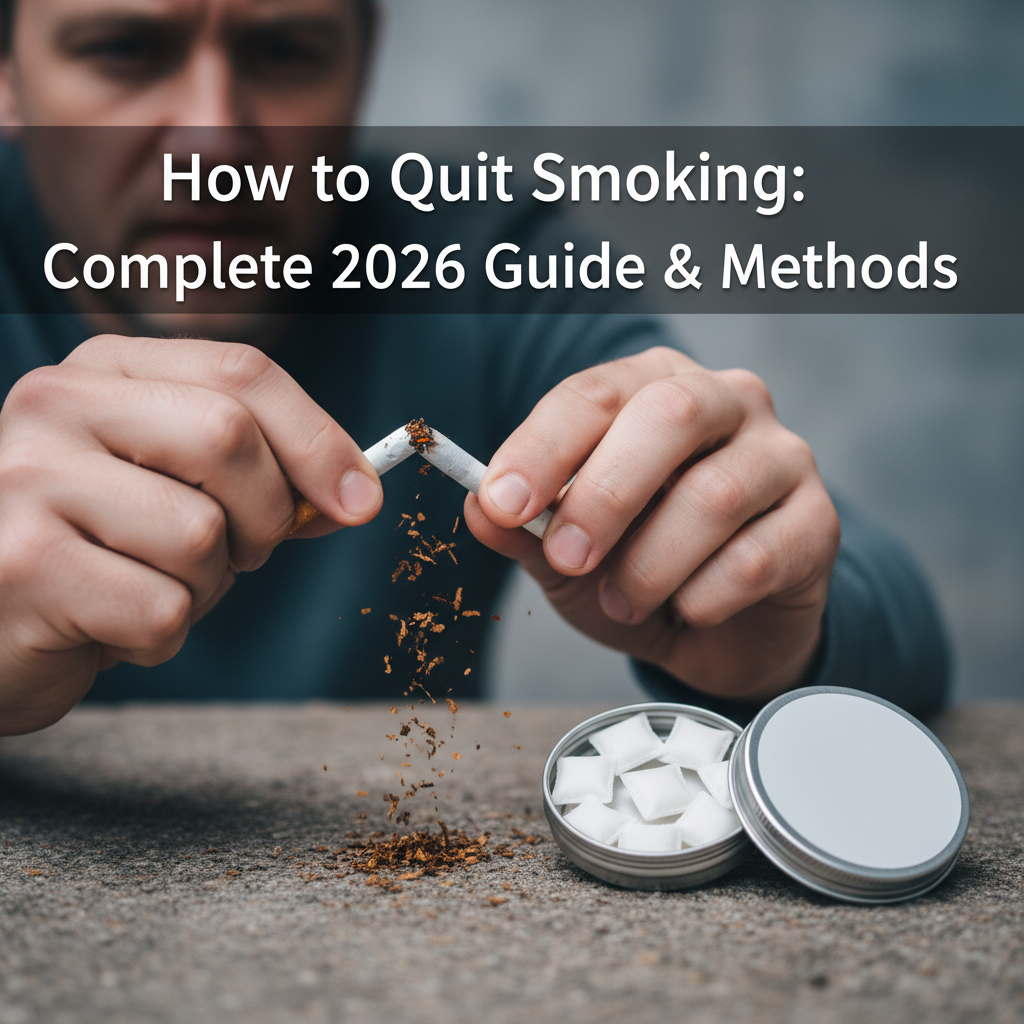
How to Quit Smoking: Complete 2026 Guide & Methods
| Key Insight | Explanation |
|---|---|
| Success Rate with Support | Professional support increases quit rates by 300% compared to going alone |
| Withdrawal Timeline | Physical withdrawal peaks at 3 days, psychological cravings last 2-4 weeks |
| Best Quit Methods | Combination therapy (medication + behavioral support) shows highest success |
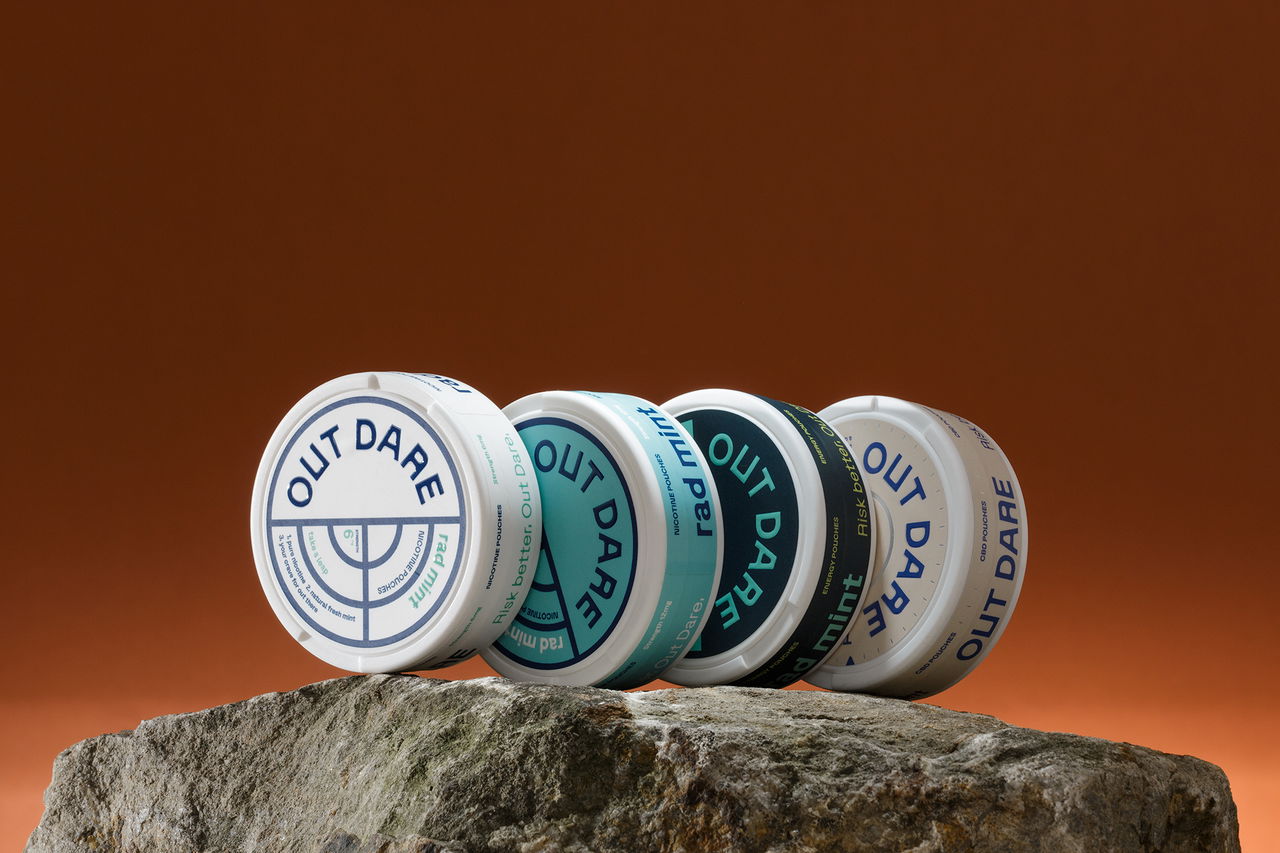
| Alternative Solutions | Tobacco-free pouches help maintain ritual while eliminating harmful combustion |
| Health Benefits Start | Circulation improves within 12 hours, lung function increases within 2 weeks |
Understanding Nicotine Addiction and Why Quitting Is Hard: how to quit smoking
Nicotine addiction operates on three distinct levels that make quitting smoking particularly challenging. Understanding these mechanisms is crucial for developing an effective quit strategy that addresses all aspects of your dependency.The Science Behind Nicotine Dependency
When you smoke, nicotine reaches your brain within 10-20 seconds, triggering the release of dopamine in your brain's reward center [1]. This creates a powerful association between smoking and pleasure, stress relief, or alertness. Over time, your brain adapts by reducing natural dopamine production, making you dependent on nicotine to feel "normal." According to the CDC's latest research, nicotine is as addictive as heroin or cocaine, which explains why willpower alone fails for most people. The addiction involves both physical dependence and psychological habit patterns that have been reinforced thousands of times.The Three Components of Smoking Addiction
Research identifies three key components that make smoking so difficult to quit:- Chemical dependency (30%): Your body's physical need for nicotine to function normally
- Behavioral habits (30%): The physical act of holding, lighting, and smoking cigarettes
- Psychological triggers (40%): Emotional associations with smoking during stress, social situations, or routine activities
Pro Tip: Track your smoking patterns for one week before quitting. Note when, where, and why you smoke each cigarette. This awareness helps you identify your specific triggers and plan alternative responses.
Step 1: Prepare Your Mind and Environment for Success
Preparation significantly increases your chances of successfully quitting smoking. The Mayo Clinic reports that people who spend 1-2 weeks preparing have 40% higher success rates than those who quit impulsively.Set Your Quit Date Strategically
Choose a quit date 1-2 weeks in the future. This gives you time to prepare without losing motivation. Avoid high-stress periods like work deadlines, major events, or holidays. Many successful quitters choose a Monday to start fresh, or a meaningful date like a birthday or anniversary. Create a quit day ritual that marks this important transition. Some people have a "last cigarette" ceremony, while others prefer to simply wake up as a non-smoker. Choose what feels right for your personality and quit style.Modify Your Environment
Remove all smoking triggers from your immediate environment:- Throw away all cigarettes, lighters, and ashtrays
- Clean your car, home, and clothes to eliminate smoke odors
- Identify your smoking locations and plan alternative activities
- Stock up on healthy snacks and water to manage oral fixation
- Download a quit-smoking app or prepare tracking tools
Build Your Motivation Foundation
Write down your personal reasons for quitting and keep them visible. Common motivations include health concerns, family considerations, financial savings, or improved appearance. Research shows that people with multiple, personally meaningful reasons have higher success rates. Calculate how much you'll save by quitting. In 2026, the average smoker spends €2,500-4,000 annually on cigarettes. Visualize what you could do with that money instead.Pro Tip: Create a "quit smoking emergency kit" with sugar-free gum, stress balls, healthy snacks, and your list of reasons for quitting. Keep it easily accessible during your first weeks.
Step 2: Choose Your Quit Method and Timeline
Selecting the right quit method significantly impacts your success rate. The American Lung Association emphasizes that combination approaches work better than single methods, with success rates reaching 25-30% compared to 3-5% for cold turkey attempts.Evidence-Based Quit Methods for 2026
| Method | Success Rate | Best For |
|---|---|---|
| Cold Turkey | 3-5% | Light smokers, strong willpower |
| Nicotine Replacement | 15-20% | Moderate to heavy smokers |
| Prescription Medication | 20-25% | Heavy smokers, previous failures |
| Combination Therapy | 25-30% | Most smokers, highest success |
Nicotine Replacement Therapy (NRT) Options
NRT helps manage withdrawal symptoms by providing controlled nicotine doses without the harmful chemicals in cigarettes. Available options include:- Patches: Steady nicotine release over 16-24 hours, good for consistent cravings
- Gum: Fast-acting relief for sudden cravings, helps with oral habits
- Lozenges: Discreet option that dissolves slowly, similar to gum benefits
- Inhalers: Mimics hand-to-mouth behavior while delivering nicotine
- Nasal sprays: Fastest nicotine delivery, for severe withdrawal symptoms
Modern Tobacco-Free Alternatives
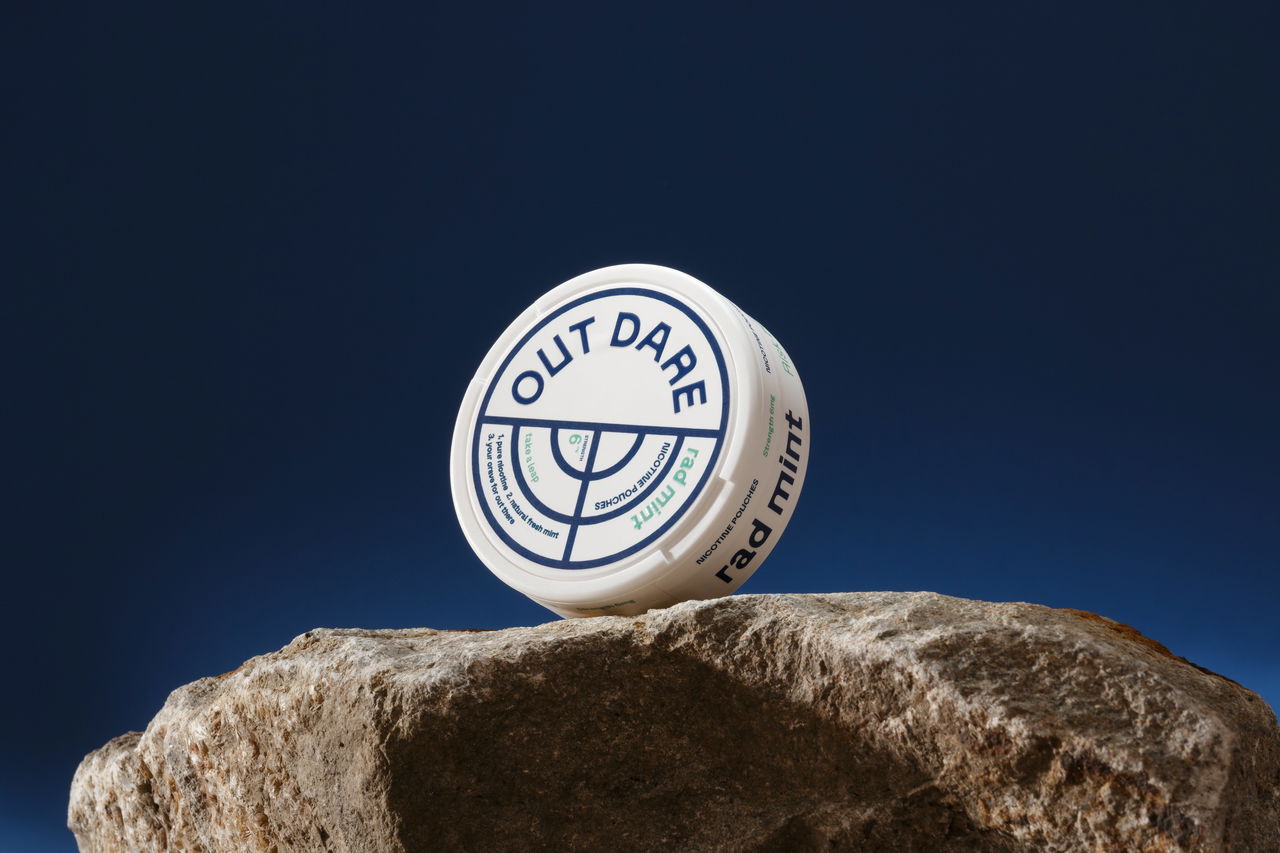
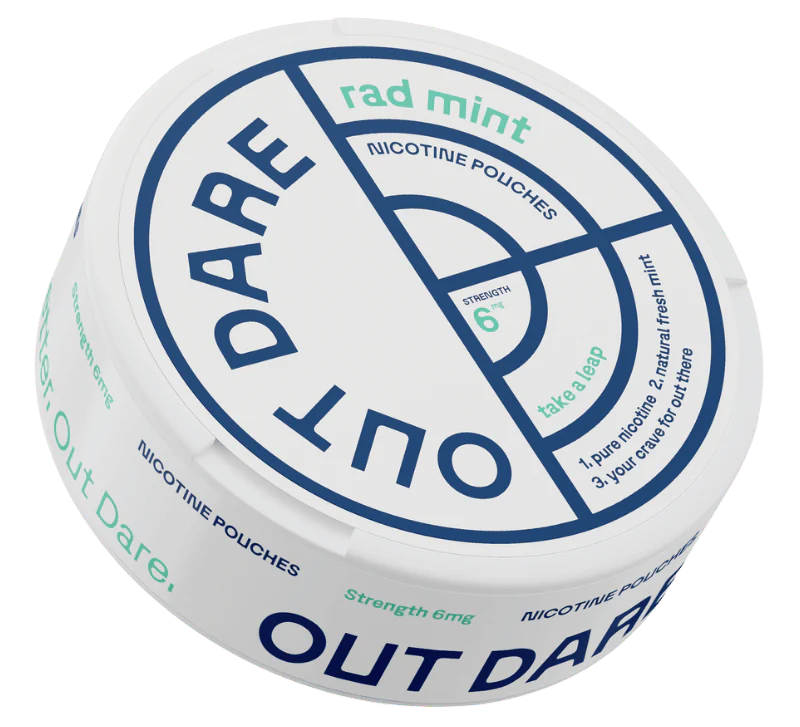
As of 2026, tobacco-free nicotine pouches have emerged as an effective transition tool. Unlike traditional NRT, these products satisfy the oral fixation and ritual aspects of smoking while eliminating combustion and tobacco-related harm. The advantage lies in maintaining the behavioral pattern while removing the most dangerous elements of smoking. Many users find this approach more sustainable than completely eliminating all smoking-related behaviors simultaneously.Pro Tip: Start with combination therapy using both a nicotine patch for baseline coverage and a fast-acting method (gum, lozenge, or tobacco-free pouch) for breakthrough cravings. This addresses both steady-state and peak nicotine needs.
Step 3: Manage Withdrawal Symptoms Effectively
Understanding and preparing for withdrawal symptoms is crucial for successful smoking cessation. Physical withdrawal typically peaks within 72 hours and subsides within 2-4 weeks, while psychological cravings can persist longer but become manageable with proper strategies.Timeline of Withdrawal Symptoms
Withdrawal follows a predictable pattern that helps you anticipate and prepare for each phase:- Hours 1-12: Initial cravings begin, mild anxiety, difficulty concentrating
- Days 1-3: Peak physical symptoms including irritability, restlessness, increased appetite
- Week 1: Physical symptoms decrease, psychological cravings remain strong
- Weeks 2-4: Gradual improvement, occasional intense cravings
- Months 1-3: Rare cravings, usually triggered by specific situations
Proven Strategies for Managing Cravings
The Smokefree.gov initiative recommends the "4 D's" approach for managing cravings:- Delay: Wait 10 minutes before acting on the craving
- Deep breathe: Take slow, deep breaths to reduce stress
- Drink water: Stay hydrated and satisfy oral fixation
- Do something else: Distract yourself with alternative activities
Physical Symptom Management
Common withdrawal symptoms and effective management strategies include:- Irritability and mood swings: Regular exercise, meditation, adequate sleep
- Increased appetite: Healthy snacks, sugar-free gum, increased water intake
- Difficulty concentrating: Short breaks, simple tasks, caffeine moderation
- Sleep disturbances: Consistent sleep schedule, relaxation techniques, avoid caffeine after 2 PM
- Cough and congestion: Normal healing process, stay hydrated, use humidifier

Pro Tip: Keep a craving journal during your first month. Note the time, trigger, intensity (1-10), and what helped. This data reveals your patterns and most effective coping strategies.
Step 4: Build Your Support System and Resources
Social support dramatically improves quit smoking success rates. The SAMHSA National Helpline reports that people with strong support systems are three times more likely to remain smoke-free after one year compared to those who quit alone.Professional Support Options
Healthcare professionals provide evidence-based guidance and can prescribe medications when appropriate:- Primary care physicians: Initial assessment, prescription medications, ongoing monitoring
- Smoking cessation counselors: Specialized behavioral therapy, coping strategies
- Pharmacists: NRT guidance, medication interactions, over-the-counter options
- Mental health professionals: Address underlying anxiety, depression, or stress
Technology-Based Support Systems
Digital tools have become increasingly effective for smoking cessation support in 2026:- Quitline services: Free telephone counseling available 24/7
- Mobile apps: Track progress, manage cravings, connect with other quitters
- Online support groups: Reddit communities, Facebook groups, specialized forums
- Text messaging programs: Daily motivation, tips, and craving management
Building Personal Support Networks
Inform family, friends, and colleagues about your quit date and how they can help:- Ask specific people to be your "quit buddies" for accountability
- Request that others avoid smoking around you during early weeks
- Plan alternative social activities that don't involve smoking
- Share your progress regularly to maintain motivation
- Accept help with stress management and daily tasks during difficult periods
Pro Tip: Join an online quit-smoking community before your quit date. Reading success stories and connecting with people at different stages provides ongoing motivation and practical tips from real experiences.
Step 5: Consider Modern Tobacco-Free Alternatives
Modern tobacco-free alternatives offer a harm reduction approach that addresses the ritual and behavioral aspects of smoking while eliminating combustion and tobacco-related toxins. This strategy has gained scientific support as an effective transitional tool for people who have struggled with traditional quit methods.Understanding Harm Reduction vs. Complete Cessation
Harm reduction acknowledges that complete nicotine cessation isn't immediately achievable for everyone. The American Cancer Society recognizes that eliminating combustion and tobacco removes 95% of smoking-related health risks, even if nicotine use continues temporarily. This approach is particularly effective for people who:- Have failed multiple quit attempts using traditional methods
- Experience severe withdrawal symptoms that lead to relapse
- Need to maintain the oral and behavioral aspects of smoking
- Want to gradually reduce nicotine rather than stopping abruptly
Tobacco-Free Pouch Systems
Modern tobacco-free pouches represent a significant advancement in harm reduction technology. Unlike traditional nicotine replacement therapy, these products maintain the complete ritual of smoking while eliminating harmful combustion. The most effective systems address the three components of addiction simultaneously:- Chemical dependency: Controlled nicotine delivery without tobacco
- Behavioral habits: Maintains oral fixation and hand-to-mouth ritual
- Psychological triggers: Provides the same sensory experience and stress relief
The Graduated Transition Approach
Rather than eliminating all smoking-related behaviors immediately, graduated transition allows users to maintain the ritual while progressively reducing harm:- Phase 1: Replace cigarettes with tobacco-free nicotine pouches
- Phase 2: Gradually reduce nicotine strength or frequency
- Phase 3: Transition to zero-nicotine alternatives (energy or relaxation pouches)
- Phase 4: Reduce usage frequency while maintaining access for stress situations
- Phase 5: Complete cessation when psychologically ready
Pro Tip: If considering tobacco-free alternatives, choose products with identical taste and sensation across different formulations. This allows your brain to maintain the ritual while you control the chemical content.
Step 6: Stay Smoke-Free Long-Term
Maintaining long-term abstinence from smoking requires ongoing vigilance and strategy adaptation. Research shows that 90% of relapses occur within the first year, with the highest risk periods being the first week, first month, and during major life stressors.Identifying and Managing Relapse Triggers
Long-term success depends on recognizing and preparing for high-risk situations:- Emotional triggers: Stress, anxiety, depression, anger, boredom
- Social triggers: Parties, bars, friends who smoke, work breaks
- Environmental triggers: Specific locations, times of day, activities
- Physical triggers: Alcohol consumption, coffee, after meals
Building New Habits and Routines
Replace smoking rituals with healthier alternatives that provide similar psychological benefits:- Morning routine: Replace the wake-up cigarette with coffee, stretching, or meditation
- Work breaks: Take walks, chat with colleagues, or practice breathing exercises
- After meals: Brush teeth immediately, chew gum, or drink herbal tea
- Social situations: Hold a drink, use a stress ball, or step away temporarily
- Evening wind-down: Replace the bedtime cigarette with reading, music, or relaxation techniques
Celebrating Milestones and Progress
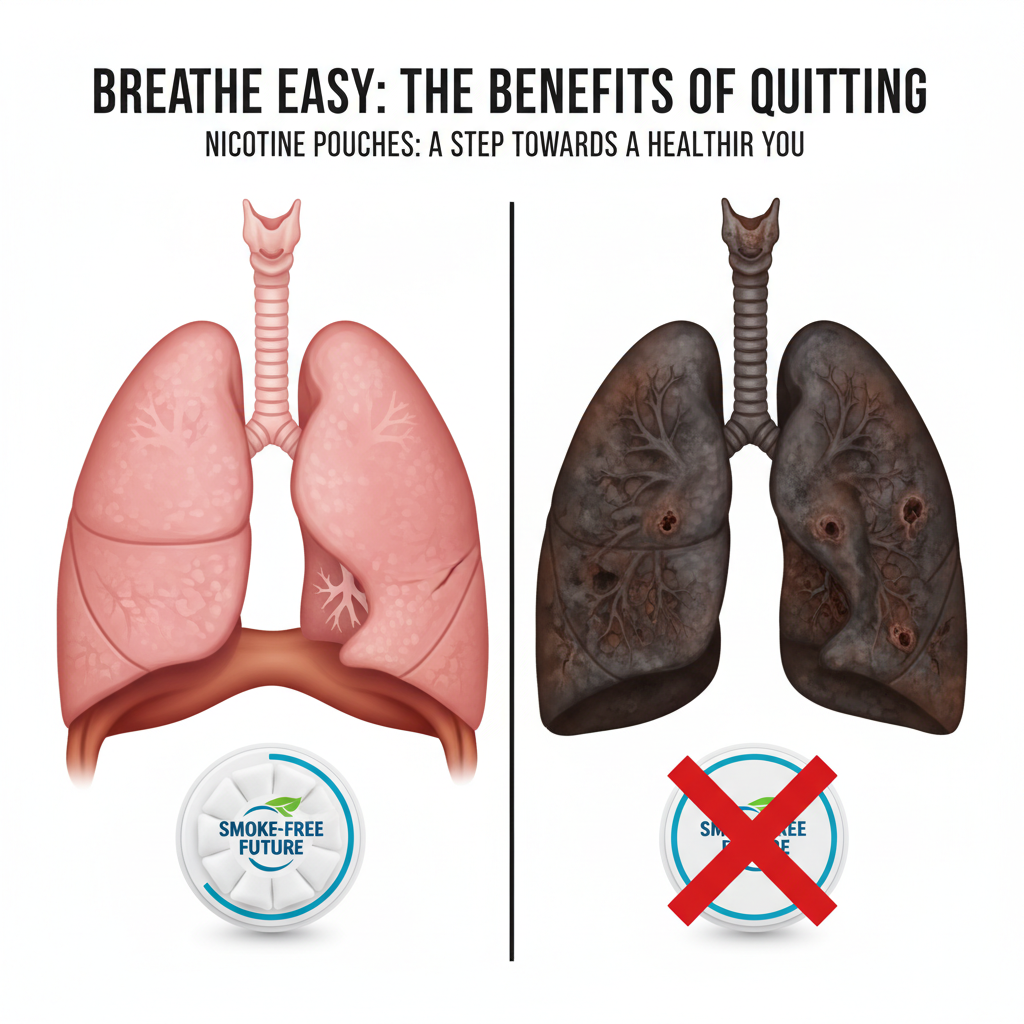
Acknowledge your achievements at regular intervals to maintain motivation:- 24 hours: Carbon monoxide levels normalize
- 1 week: Taste and smell improve noticeably
- 1 month: Circulation improves, lung function increases
- 3 months: Cough and shortness of breath decrease
- 1 year: Heart disease risk cut in half
Pro Tip: If you experience a slip or relapse, don't view it as complete failure. Analyze what led to the slip, adjust your strategy, and set a new quit date immediately. Most successful quitters have multiple attempts before achieving long-term success.
Common Mistakes to Avoid When Quitting
Understanding common pitfalls helps you avoid the mistakes that lead most people to relapse. Learning from others' experiences significantly improves your chances of success on your current quit attempt.Underestimating the Challenge
Many people approach quitting smoking with insufficient preparation, believing willpower alone will be enough. This leads to:- Not removing environmental triggers before the quit date
- Failing to develop alternative coping strategies for stress
- Underestimating the duration and intensity of withdrawal symptoms
- Not building adequate support systems before quitting
All-or-Nothing Thinking
Perfectionist approaches often backfire because they don't account for the reality of addiction recovery:- Viewing any nicotine use as complete failure
- Abandoning quit attempts after minor slips
- Refusing harm reduction approaches that could lead to eventual cessation
- Setting unrealistic timelines for complete recovery
Neglecting the Behavioral Component
Many quit methods focus solely on nicotine dependency while ignoring the habits and rituals that make up smoking addiction:- Not replacing the hand-to-mouth behavior
- Failing to address oral fixation needs
- Ignoring the social and stress-relief aspects of smoking
- Not developing new routines for smoking-associated activities
Avoiding Professional Help
Pride or cost concerns prevent many people from accessing proven support resources:- Attempting to quit without medical guidance when medications could help
- Not utilizing free quitlines and counseling services
- Refusing to discuss underlying mental health issues that contribute to smoking
- Not involving healthcare providers in quit planning
Sources & References
- Centers for Disease Control and Prevention, "How to Quit Smoking", 2026
- Mayo Clinic, "Quitting smoking: 10 ways to resist tobacco cravings", 2026
- American Lung Association, "How To Quit Smoking", 2026
- Smokefree.gov, "Find information, resources, and support to help you quit tobacco", 2026
- SAMHSA, "National Helpline for Mental Health, Drug, Alcohol Issues", 2026
- American Cancer Society, "More Ways to Quit Smoking", 2026
- Massey Cancer Center, "Tips for Quitting Smoking", 2026
Frequently Asked Questions
1. How long does it take to quit smoking completely?
Understanding how to quit smoking is essential. Physical withdrawal symptoms typically peak within 3 days and subside within 2-4 weeks. However, psychological cravings can persist for months. Most people require 3-6 months to feel completely comfortable as non-smokers, though this varies significantly based on smoking history and quit method used.
2. What is the most effective method to quit smoking in 2026?
Combination therapy shows the highest success rates at 25-30%. This typically involves nicotine replacement therapy or prescription medication combined with behavioral counseling or support groups. The specific combination should be tailored to your smoking patterns, health status, and previous quit attempts. This is particularly relevant for how to quit smoking.
3. Can tobacco-free pouches help me quit smoking?
Yes, tobacco-free nicotine pouches can be effective transition tools because they maintain the oral ritual and behavioral aspects of smoking while eliminating combustion. They're particularly helpful for people who have struggled with traditional NRT because they address the psychological and behavioral components of addiction alongside the chemical dependency. When considering how to quit smoking, this point stands out.
4. What should I do if I relapse after quitting smoking?
Don't view relapse as complete failure. Analyze what triggered the relapse, adjust your quit strategy accordingly, and set a new quit date immediately. Most successful quitters have multiple attempts before achieving long-term success. Each attempt provides valuable learning about your specific triggers and effective coping strategies. For those exploring how to quit smoking, this matters.
5. How much weight will I gain when I quit smoking?
The average weight gain is 5-10 pounds during the first year after quitting, primarily due to increased appetite and slower metabolism. However, this can be minimized through regular exercise, healthy snacking, and staying hydrated. The health benefits of quitting far outweigh the risks of modest weight gain. This directly impacts how to quit smoking outcomes.
6. Is it safe to use nicotine replacement therapy long-term?
While NRT is much safer than smoking, it's designed for short-term use (typically 8-12 weeks). Long-term nicotine use carries some cardiovascular risks, though significantly lower than smoking. If you need extended support, work with healthcare providers to develop a gradual reduction plan rather than using NRT indefinitely. This is particularly relevant for how to quit smoking.
7. When will I start feeling the health benefits after quitting?
Health improvements begin immediately. Within 12 hours, carbon monoxide levels normalize. Within 2 weeks, circulation improves and lung function increases. After 1 month, coughing and shortness of breath decrease. Heart disease risk is cut in half after 1 year, and lung cancer risk drops significantly after 10 years. When considering how to quit smoking, this point stands out.
Recommended Articles
Explore more from our content library: