

How to Reduce Anxiety Naturally: 12 Proven Methods
| Key Insight | Explanation |
|---|---|
| Anxiety is multi-layered | Anxiety has chemical, behavioral, and sensory components. Addressing only one rarely produces lasting relief. |
| Breathwork works fast | Diaphragmatic breathing activates the parasympathetic nervous system within minutes, lowering cortisol and heart rate. |
| Nicotine worsens anxiety long-term | Nicotine creates a spike-and-crash cycle that mimics anxiety symptoms, trapping users in a loop of dependency and stress. |
| CBD shows genuine promise | Research supports CBD's role in reducing anxiety by modulating serotonin receptors, without the psychoactive effects of THC. |
| Ritual matters as much as substance | The physical act of a calming ritual (like placing a CBD pouch) signals safety to the brain, reinforcing the anxiety-reduction response. |
| Lifestyle compounds results | Sleep, exercise, and diet don't just support mental health — they are mental health. Neglecting them makes every other strategy less effective. |
You Can Reduce Anxiety Without Medication — Here's How: how to reduce anxiety naturally
The most effective ways to reduce anxiety naturally include breathwork, regular exercise, mindfulness, improved sleep, herbal supplements like CBD and ashwagandha, and eliminating anxiety-amplifying habits such as high nicotine intake. These aren't soft suggestions — they're evidence-backed methods used by clinicians and supported by organizations including the NHS and Mayo Clinic. Knowing how to reduce anxiety naturally means understanding that anxiety has multiple drivers: neurological, behavioral, and sensory. Treat all three and the results compound fast.
Anxiety affects roughly 284 million people worldwide, making it the most prevalent mental health condition globally. Most people reach for a quick fix — another pouch, another coffee, another scroll — without realizing those very habits are feeding the problem. The good news? You don't need a prescription to feel meaningfully better. You need a system. This is particularly relevant for how to reduce anxiety naturally.
1. Breathwork and Physical Movement
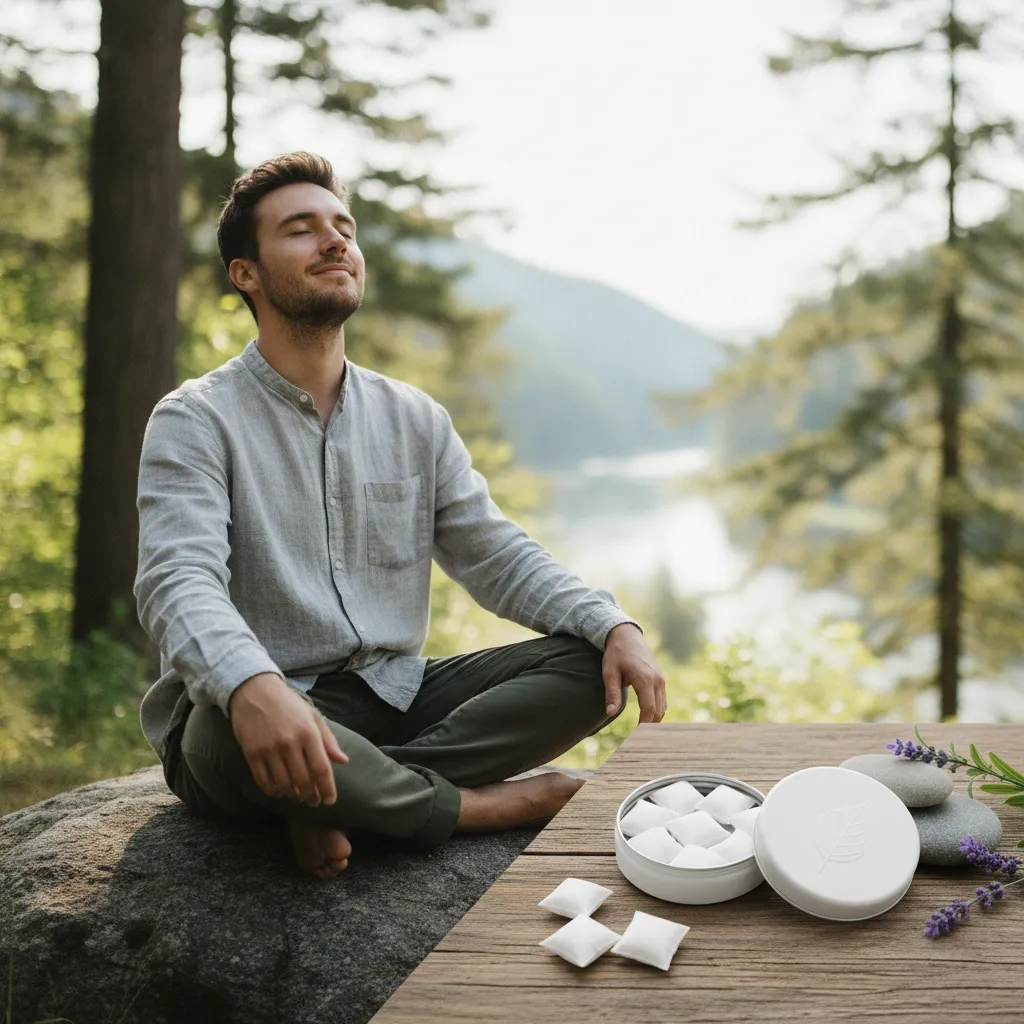
Controlled breathing and regular physical exercise are two of the fastest and most clinically supported ways to reduce anxiety naturally, with measurable effects on cortisol and heart rate variability within a single session.
Diaphragmatic Breathing: The 60-Second Reset
Diaphragmatic breathing (deep belly breathing, as opposed to shallow chest breathing) directly activates the parasympathetic nervous system — your body's "rest and digest" mode. According to MD Anderson Cancer Center, practicing diaphragmatic breathing is one of the most effective immediate anxiety hacks available without any equipment or cost [1].
Here's the basic technique:
- Sit upright or lie flat with one hand on your chest and one on your belly.
- Inhale slowly through your nose for 4 counts, letting your belly rise (not your chest).
- Hold for 2 counts.
- Exhale through your mouth for 6 counts, letting your belly fall.
- Repeat for 5 to 10 cycles.
This 4-2-6 pattern is sometimes called "extended exhale breathing." The longer exhale is key — it's what triggers the vagal brake and slows your heart rate.
Pro Tip: If you feel anxious at your desk, pair breathwork with a grounding ritual — like placing a CBD pouch — to give your nervous system a consistent sensory anchor. The ritual reinforces the relaxation response over time.
Exercise: The Most Underused Anxiolytic
Exercise is one of the most powerful natural anxiolytics (anxiety-reducing agents) available. The NHS explicitly recommends physical activity as a frontline strategy for managing anxiety and panic, noting that even a 20-minute walk can shift mood significantly [2]. When considering how to reduce anxiety naturally, this point stands out.
- Aerobic exercise (running, cycling, swimming) reduces baseline cortisol and increases GABA, the brain's primary calming neurotransmitter.
- Resistance training improves sleep quality and reduces rumination — two major anxiety amplifiers.
- Yoga and tai chi combine movement with breathwork, making them especially effective for anxiety with a somatic (body-based) component.
Aim for at least 150 minutes of moderate activity per week. That's 22 minutes a day. The barrier is lower than most people think.
2. Cognitive and Mindfulness Methods
Cognitive-behavioral approaches and mindfulness practices address the thought patterns and attention habits that sustain anxiety, making them among the most durable long-term strategies for natural anxiety reduction.
Cognitive Behavioral Therapy (CBT): The Gold Standard Framework
Cognitive Behavioral Therapy (CBT) is a structured psychological framework that identifies and challenges distorted thinking patterns driving anxiety. UnityPoint Health describes CBT as one of the most evidence-based non-medication approaches to anxiety management [3]. You don't need a full course of therapy to benefit — the core CBT skill is "thought challenging," which you can practice independently.
The basic CBT loop for anxiety looks like this:
- Identify the anxious thought ("I'm going to fail this presentation").
- Examine the evidence for and against it.
- Replace with a balanced thought ("I've prepared well — I might stumble but I'll manage").
- Notice how your body responds to the new framing.
Done consistently, this rewires the default cognitive patterns that keep anxiety loops running. For those exploring how to reduce anxiety naturally, this matters.
Mindfulness and Meditation
Mindfulness meditation trains attention — specifically, the ability to observe anxious thoughts without being hijacked by them. Mayo Clinic Health System lists meditation as a core tool in its anxiety management recommendations, alongside journaling and behavioral therapy [4].
- Start with just 5 minutes of focused breathing daily. Consistency matters more than duration.
- Apps like Headspace or Insight Timer offer guided sessions for beginners.
- Body scan meditations are particularly effective for anxiety that manifests physically (tight chest, clenched jaw).
One common mistake is expecting meditation to eliminate anxious thoughts. It doesn't. It teaches you to watch them without reacting — which is actually more useful.
3. Diet, Sleep, and Lifestyle Foundations
Diet, sleep quality, and core lifestyle habits form the biological substrate of anxiety — get these wrong and every other intervention becomes significantly less effective.

The Gut-Brain Axis and Anxiety
The gut-brain axis (the bidirectional communication network between your digestive system and your central nervous system) is now recognized as a major driver of mood and anxiety. Approximately 90% of serotonin is produced in the gut — meaning what you eat directly affects how anxious you feel.
- Magnesium-rich foods (dark leafy greens, nuts, seeds) support GABA function and reduce physiological stress responses.
- Omega-3 fatty acids (fatty fish, flaxseed, walnuts) reduce neuroinflammation linked to anxiety and depression.
- Fermented foods (yogurt, kefir, sauerkraut) support microbiome diversity, which correlates with lower anxiety scores in multiple studies.
- Limiting alcohol is critical — alcohol disrupts REM sleep and depletes GABA, making next-day anxiety significantly worse.
UnitedHealth Group's lifestyle guidance for anxiety management echoes this, identifying diet and sleep as the two most impactful modifiable factors for long-term anxiety reduction [5]. This directly impacts how to reduce anxiety naturally outcomes.
Sleep: The Non-Negotiable
Poor sleep doesn't just accompany anxiety — it creates it. Sleep deprivation increases amygdala reactivity (your brain's threat-detection center) by up to 60%, according to research from UC Berkeley. That means a bad night's sleep literally makes you more anxious the next day, regardless of what else is going on.
- Maintain a consistent sleep and wake time, even on weekends.
- Avoid screens for 60 minutes before bed — blue light suppresses melatonin production.
- Keep your bedroom cool (around 18°C / 65°F) — core body temperature drop is a sleep-onset trigger.
- Consider an evening ritual: a CBD pouch, a short body scan, or light stretching signals to your nervous system that the day is done.
Pro Tip: If you're currently using nicotine pouches in the evening, swap the last one of the day for a CBD pouch instead. The sensory ritual stays identical — same burn, same feel — but the chemical signal shifts from stimulating to calming. Most users report meaningfully better sleep within the first week.
4. Herbal and Natural Supplements
Several herbal compounds have demonstrated genuine anxiolytic effects in clinical research, though results vary by individual and the evidence base ranges from robust to preliminary depending on the herb.
What the Research Actually Supports
Mayo Clinic's review of herbal treatments for anxiety identifies a handful of compounds with credible evidence, while cautioning that most studies are small and short-term [6]. Here's an honest summary:
| Herb / Compound | Evidence Level | Primary Mechanism | Notes |
|---|---|---|---|
| CBD (Cannabidiol) | Moderate-Strong | Serotonin 5-HT1A receptor modulation | Non-psychoactive; legal across EU |
| Ashwagandha (KSM-66) | Moderate | Cortisol reduction (adaptogen) | Best evidence for chronic stress anxiety |
| Lemon Balm | Preliminary | GABA-A receptor activity | Reduces worry and excitability [6] |
| Lavender (Silexan) | Moderate | Serotonin and calcium channel modulation | Oral capsule form (Silexan) best studied |
| L-Theanine | Moderate | Alpha brain wave enhancement; GABA support | Pairs well with caffeine for calm focus |
| Valerian Root | Preliminary | GABA-A receptor binding | Better evidence for sleep than acute anxiety |
Providence Health's roundup of natural anxiety remedies also highlights lavender aromatherapy as a practical, accessible option — breathing in lavender has been shown to relax the body and reduce anxiety in multiple small trials [7].
One Limitation Worth Naming
Supplements are not a substitute for behavioral change. They work best as part of a broader system — not as a standalone fix. If you're relying on ashwagandha while sleeping five hours a night and consuming high-dose nicotine, the herb isn't going to move the needle much. Foundations first, supplements second. This is particularly relevant for how to reduce anxiety naturally.
5. The Nicotine-Anxiety Connection You Can't Ignore
Nicotine is one of the most commonly overlooked anxiety amplifiers — it creates a biochemical cycle that mimics anxiety relief in the short term while worsening baseline anxiety over time.
How Nicotine Creates the Anxiety Loop
Here's the broken logic most nicotine users are living inside. You feel anxious. You reach for a pouch. The nicotine hits your dopamine system and the anxiety eases — briefly. Then nicotine levels drop, withdrawal symptoms kick in, and those withdrawal symptoms (irritability, restlessness, difficulty concentrating) are nearly identical to anxiety symptoms. So you reach for another pouch. Repeat.
Salience Health's natural anxiety guide explicitly lists avoiding tobacco and nicotine products as a core anxiety-reduction strategy, noting that while nicotine may feel calming, it's neurologically stimulating and dependency-forming [8].
- Nicotine raises heart rate and blood pressure — both physiological markers of anxiety.
- Nicotine withdrawal symptoms overlap significantly with generalized anxiety disorder (GAD) symptoms.
- High-dose nicotine use disrupts REM sleep, which compounds next-day anxiety.
- The gut irritation caused by heavy pouch use can trigger the gut-brain axis stress response.
Breaking the Loop Without Losing the Ritual
Here's the real problem with standard quit advice: it tells you to stop the ritual entirely. Cold turkey. White-knuckle it. That fails most people because the ritual itself — the physical act of placing something under your lip, the gum burn, the mint hit — is 60% of what your brain is actually hooked on. The nicotine is only 30%.
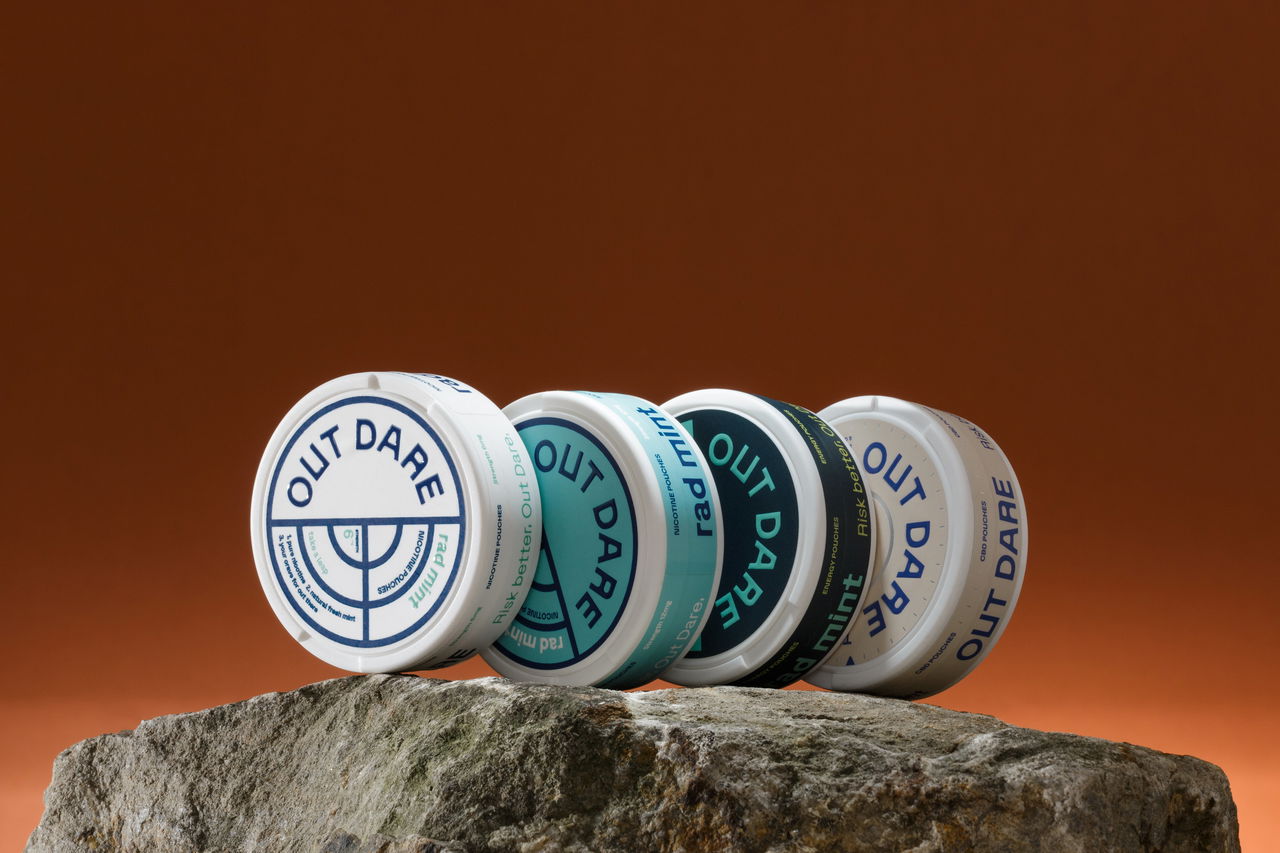
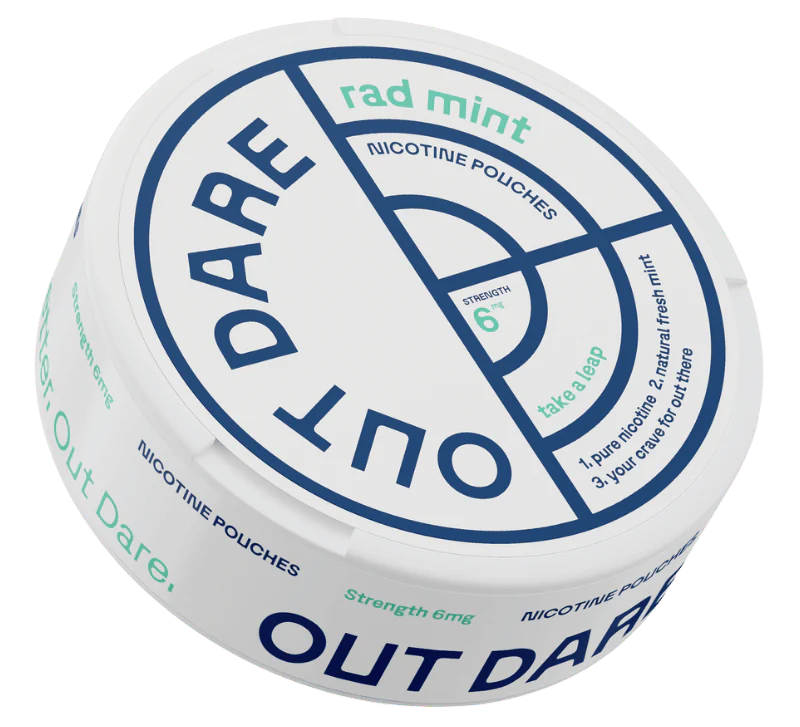
At Outdare LTD, we've found that the most effective approach isn't elimination — it's substitution. The 30/30/30 Addiction Rule breaks addiction into three equal parts: 30% chemical (nicotine), 30% physical habit (the pillow sensation under the lip), and 30% sensory cue (the burn and taste). By keeping the ritual identical — same mint, same burn, same mouthfeel — while swapping the nicotine pouch for an Energy or CBD variant, you satisfy 60% of the addiction immediately. You only have to manage the 30% chemical component. Most users following this method reduce nicotine intake by 60-90% within the first month. When considering how to reduce anxiety naturally, this point stands out.
6. CBD and Ritual-Based Anxiety Relief
CBD (cannabidiol) is a non-psychoactive cannabinoid that modulates the serotonin system and has demonstrated genuine anxiolytic effects in multiple clinical trials, making it one of the most evidence-supported natural options for anxiety in 2026.
What CBD Actually Does to Anxiety
CBD doesn't sedate you. It doesn't get you high. What it does is interact with 5-HT1A serotonin receptors — the same receptors targeted by some pharmaceutical anxiolytics — in a way that reduces the intensity of anxious arousal without impairing cognition or motor function. This makes it particularly useful for situational anxiety (pre-presentation nerves, social anxiety, overstimulation) rather than chronic clinical anxiety disorders, where professional support remains essential.
- CBD is legal and widely available across the EU as of 2026.
- Oral delivery formats (like pouches) allow for consistent, discreet dosing without smoke or vapor.
- The effects are typically felt within 15 to 30 minutes via sublingual/oral absorption.
- No dependency risk — CBD is non-addictive and does not produce withdrawal symptoms.
Why Ritual Delivery Matters
The delivery format isn't just a convenience detail — it's neurologically significant. Anxiety is partly a conditioned response. Your brain learns that certain rituals signal safety or danger. If you consistently use a calming ritual (placing a CBD pouch, taking three slow breaths) in response to anxiety, your brain begins to associate that ritual with relief. Over time, the ritual itself becomes anxiolytic, independent of the compound.
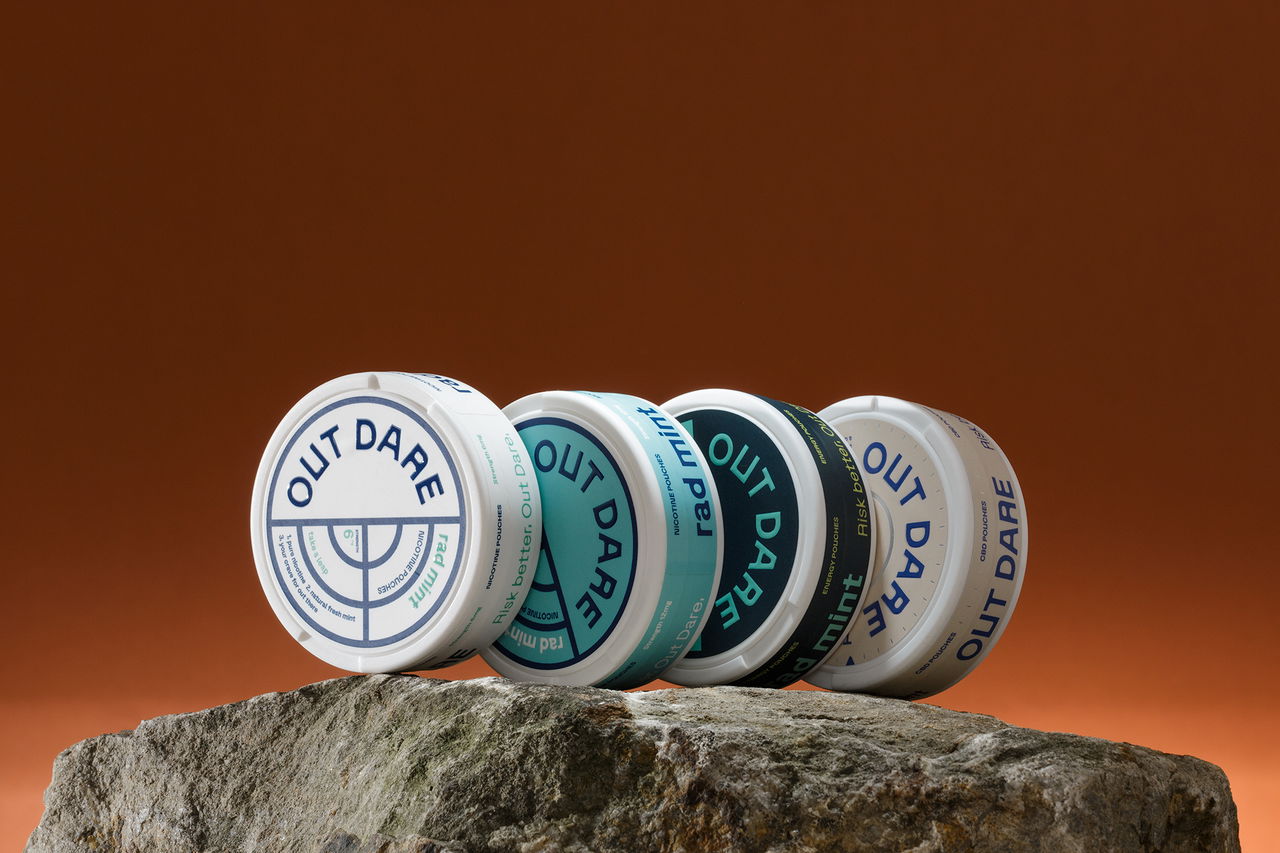
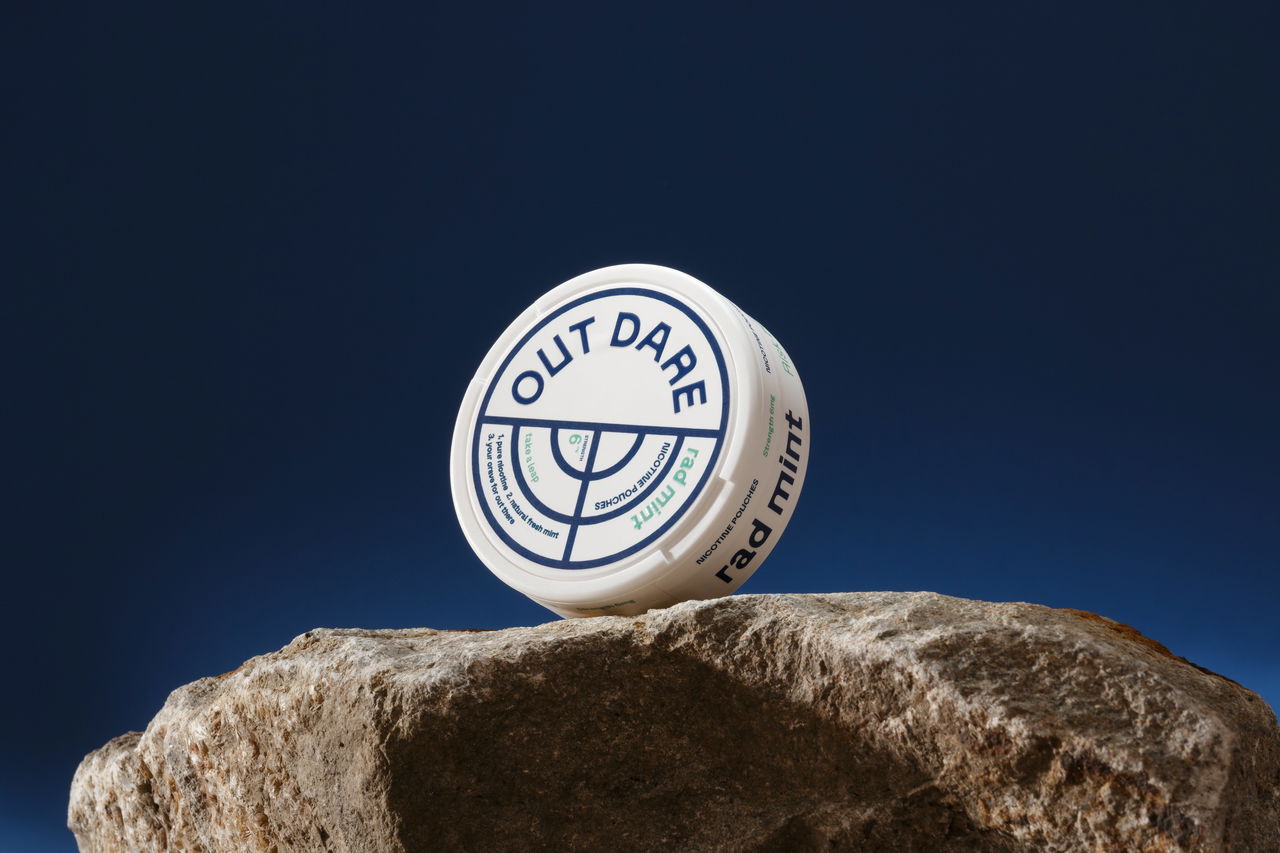
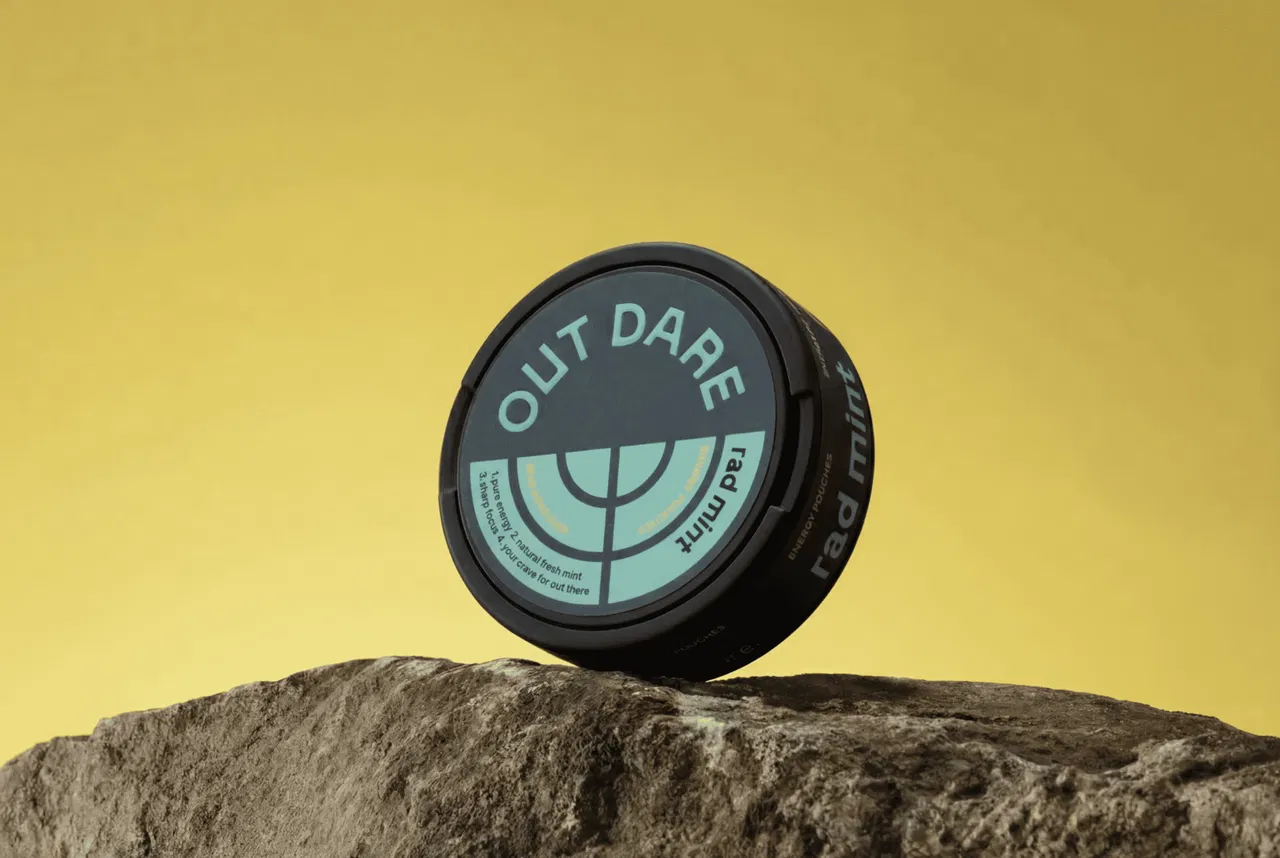
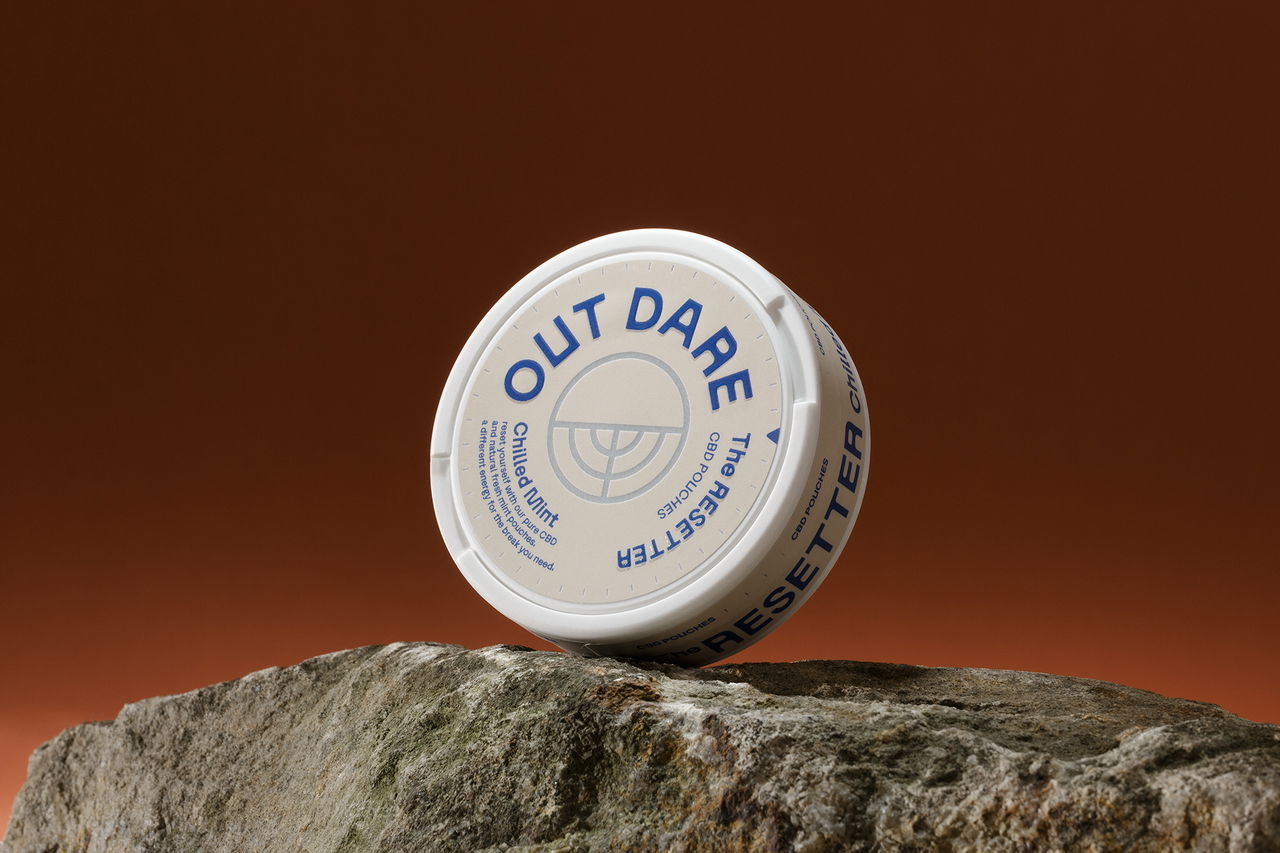
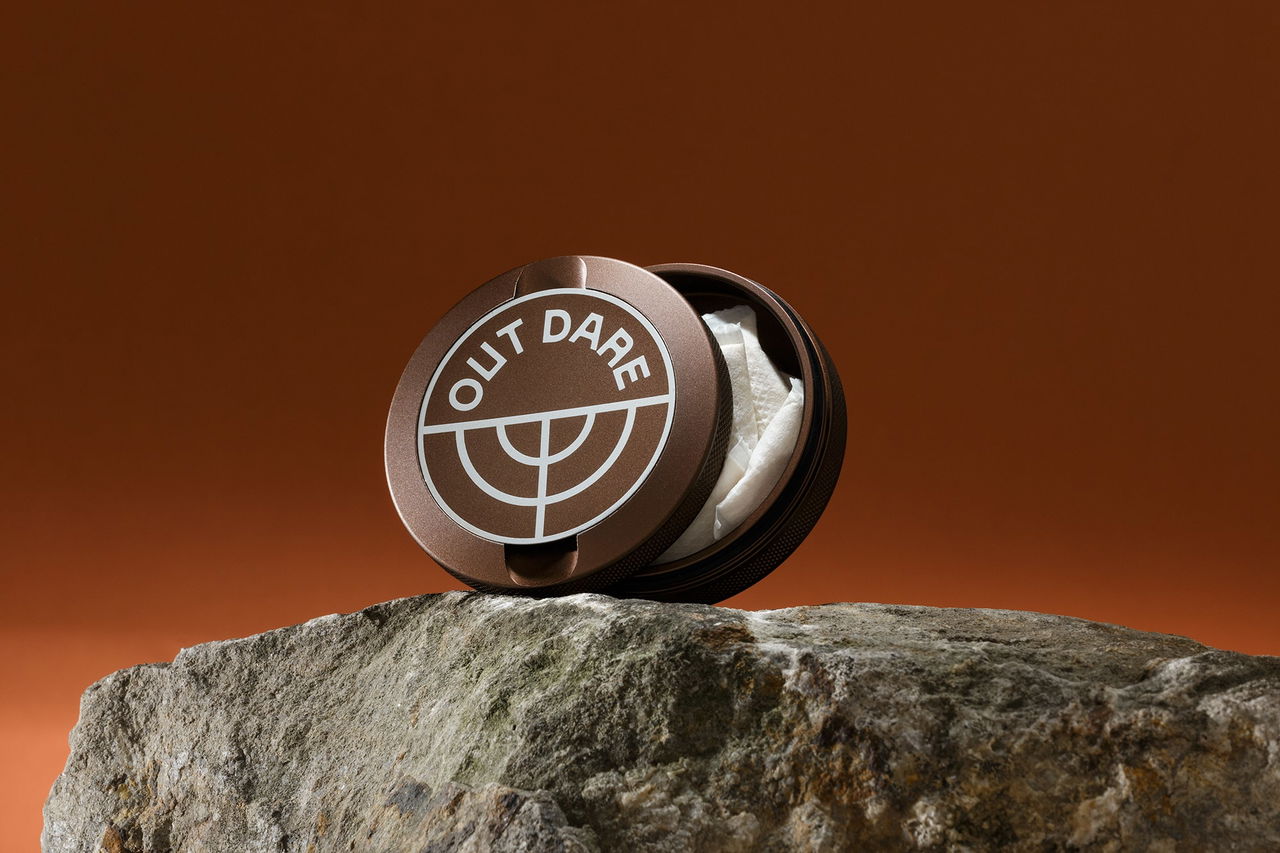
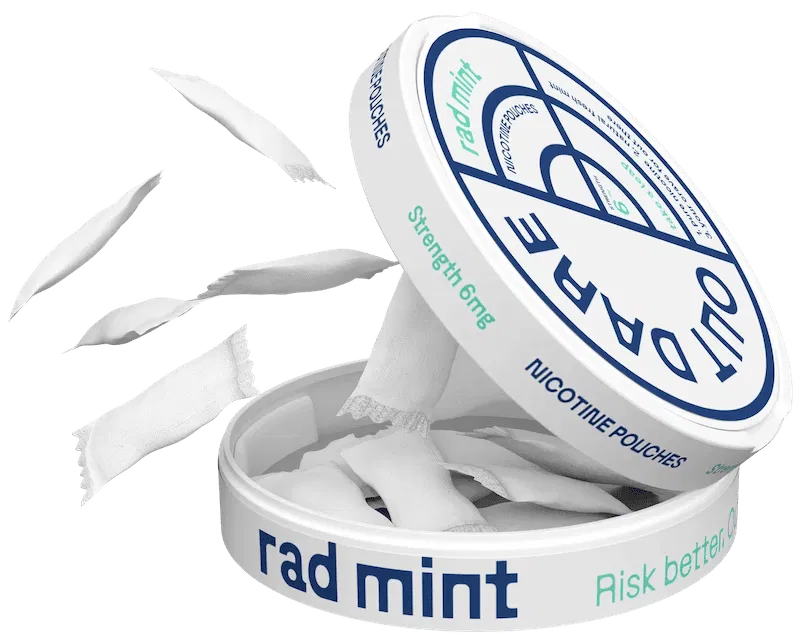
This is exactly the mechanism behind Outdare's CBD pouch — designed as "The Resetter." Same mint taste, same gum burn as the nicotine pouch, but the chemical payload shifts from stimulating to calming. Your brain keeps the ritual. Your nervous system gets the reset. For young professionals dealing with evening restlessness, overstimulation, or difficulty winding down, this kind of discreet, ritual-based CBD delivery fits naturally into a daily routine without the stigma or inconvenience of edibles, tinctures, or vaping.
Pro Tip: Build your anxiety toolkit in layers: breathwork for immediate relief (0-5 minutes), CBD for sustained calm (15-30 minutes), and lifestyle foundations for baseline resilience. Each layer handles a different time horizon. Relying on any single tool alone leaves gaps.
How to Choose the Right Natural Anxiety Approach
The right combination of natural anxiety strategies depends on your anxiety type, triggers, and lifestyle — a one-size-fits-all protocol doesn't exist, but a clear decision framework helps. For those exploring how to reduce anxiety naturally, this matters.
Matching Strategy to Anxiety Type
Not all anxiety is the same. Acute situational anxiety (a job interview, a social event) needs fast-acting tools. Chronic background anxiety needs systemic lifestyle change. Here's a practical framework:
- For immediate relief (under 10 minutes): Diaphragmatic breathing, cold water on the face, guided imagery, or a grounding technique like the 5-4-3-2-1 sensory method.
- For sustained calm (30 minutes to 2 hours): CBD, L-Theanine, lavender aromatherapy, or a short meditation session.
- For long-term resilience (weeks to months): Regular exercise, CBT practice, sleep optimization, dietary changes, and nicotine reduction.
- For anxiety driven by stimulant overuse: Reduce or replace high-dose nicotine and caffeine. Swap energy drinks for cleaner alternatives with controlled caffeine and L-Theanine (like a 50mg caffeine + nootropic pouch) to avoid the jitter-crash cycle that feeds anxiety.
When to Seek Professional Support
Natural strategies work well for mild to moderate anxiety. If your anxiety is severe, persistent, or significantly impairing your daily functioning, professional support (therapy, psychiatry, or both) is appropriate and necessary. Natural methods are not a replacement for clinical care in those cases — they're a complement to it.
The NHS recommends speaking with a health professional if anxiety is affecting your ability to work, maintain relationships, or carry out daily activities [2]. That's a reasonable threshold. Results may vary significantly depending on the underlying cause of anxiety, and this article does not cover clinical anxiety disorders in depth.
Sources & References
- MD Anderson Cancer Center, "7 Anxiety Hacks: How to Manage Stress and Worry in the Moment"
- NHS, "Get Help with Anxiety, Fear or Panic"
- UnityPoint Health, "14 Ways to Manage Anxiety Naturally, Without Medication"
- Mayo Clinic Health System, "Countdown to Take Control of Anxiety"
- UnitedHealth Group, "5 Lifestyle Changes to Help with Managing Anxiety or Depression"
- Mayo Clinic, "Herbal Treatment for Anxiety: Is It Effective?"
- Providence Health, "10 Natural Remedies for Anxiety That Really Work"
- Salience Health, "Natural Remedies for Anxiety: 10 Ideas to Help Your Symptoms"
Frequently Asked Questions
1. What is the fastest way to reduce anxiety naturally?
The fastest natural method is diaphragmatic breathing, specifically the extended exhale technique (inhale 4 counts, hold 2, exhale 6). This directly activates the parasympathetic nervous system and can reduce acute anxiety within 60 to 90 seconds. Grounding techniques like the 5-4-3-2-1 sensory method (naming 5 things you can see, 4 you can touch, etc.) are also highly effective for interrupting an anxiety spiral in the moment. To reduce anxiety naturally over the longer term, consistent exercise and sleep are the most impactful foundations.
2. Can CBD really help with anxiety?
Yes, with appropriate caveats. CBD modulates serotonin 5-HT1A receptors and has shown genuine anxiolytic effects in multiple clinical studies, particularly for situational and social anxiety. It's non-addictive, non-psychoactive, and legal across the EU as of 2026. It works best as part of a broader anxiety management strategy rather than as a standalone cure. Delivery format matters — oral and sublingual absorption (like a CBD pouch) tends to produce more consistent effects than topical application. This directly impacts how to reduce anxiety naturally outcomes.
3. Does nicotine make anxiety worse?
Yes. While nicotine produces a brief feeling of calm by flooding dopamine receptors, it raises heart rate and blood pressure, disrupts sleep architecture, and creates a withdrawal cycle whose symptoms are nearly identical to anxiety. Heavy nicotine users often mistake withdrawal anxiety for baseline anxiety, leading them to use more nicotine as a fix — which perpetuates the cycle. Reducing nicotine intake, particularly by replacing pouches with non-nicotine alternatives that preserve the oral ritual, is one of the most impactful steps a heavy pouch user can take to reduce anxiety naturally.
4. What foods help reduce anxiety fast?
Foods that support anxiety reduction include magnesium-rich options (dark leafy greens, pumpkin seeds, almonds), omega-3 sources (fatty fish, walnuts, flaxseed), and fermented foods that support gut microbiome health (yogurt, kefir, kimchi). Dark chocolate in moderation has also shown mood-supporting effects. Conversely, alcohol, high-sugar foods, and excessive caffeine worsen anxiety — particularly in the hours following consumption. Diet changes work over days and weeks, not minutes, so they're a foundation strategy rather than an acute fix.
5. How do I reduce anxiety and overthinking at night?
Evening anxiety and overthinking are often driven by cortisol that hasn't been metabolized during the day and by stimulant use (nicotine, caffeine) too close to bedtime. Practical strategies include: a consistent wind-down ritual starting 60 minutes before bed, journaling to externalize the mental loop, breathwork or a body scan meditation, and replacing any evening nicotine pouch with a CBD alternative. Avoiding screens and keeping the bedroom cool also significantly reduce the physiological arousal that makes overthinking worse.
6. Is exercise better than medication for anxiety?
For mild to moderate anxiety, research suggests exercise can be as effective as medication for many people — without the side effects or dependency risks. A meta-analysis published in JAMA Psychiatry found exercise interventions produced significant reductions in anxiety symptoms comparable to pharmacological treatment in non-clinical populations. For severe or clinical anxiety disorders, medication and therapy remain essential. Exercise and medication are not mutually exclusive — they're often most effective in combination. Results will vary depending on the individual and the nature of their anxiety.
7. What is the 30/30/30 rule for nicotine addiction and anxiety?
The 30/30/30 Addiction Rule holds that pouch addiction breaks down into three equal components: 30% chemical (nicotine), 30% physical habit (the oral sensation and pillow feel), and 30% sensory cue (the burn and taste). Because 60% of the addiction is non-chemical, replacing nicotine pouches with sensory-identical alternatives (same burn, same mint, same mouthfeel) that contain CBD or energy compounds instead of nicotine allows users to satisfy the majority of their craving without feeding the chemical dependency. This framework is the foundation of Outdare's 4-week reduction method.
8. How long does it take to reduce anxiety naturally?
Timeline varies by method. Breathwork and grounding techniques work within minutes. CBD and L-Theanine take 15 to 45 minutes for acute effects. Exercise produces measurable mood improvements within a single session but builds cumulative resilience over 4 to 8 weeks of consistent practice. Sleep improvements typically stabilize anxiety within 2 to 4 weeks of consistent sleep hygiene. Nicotine reduction, when done gradually using a substitution system, shows meaningful anxiety improvement within 2 to 4 weeks for most users. There's no single timeline — the more strategies you stack, the faster the cumulative effect.
Conclusion: Build a System, Not a Single Fix
Knowing how to reduce anxiety naturally comes down to one insight: anxiety is multi-layered, so your approach needs to be too. Breathwork handles the immediate spike. CBD and herbal compounds sustain the calm. Exercise, sleep, and diet build the baseline resilience that makes everything else work better. And if nicotine is part of your daily life, it's worth being honest about the role it's playing — because for most heavy users, it's adding to the anxiety load, not reducing it.
The system matters more than any single tactic. A five-minute breathing exercise won't fix chronic anxiety driven by poor sleep and high nicotine intake. But stack breathwork with a consistent sleep ritual, a CBD pouch in the evening, and a gradual nicotine reduction plan — and you're addressing anxiety from three directions simultaneously.
That's exactly the philosophy behind Outdare LTD. Same ritual, different chemistry. The 30/30/30 system doesn't ask you to suffer through withdrawal or abandon the habits that make you feel grounded. It asks you to choose better risks — and that starts with understanding what's actually driving your anxiety in the first place. Risk Better. Out Dare.
Recommended Articles
Explore more from our content library: