





How to Store Nicotine Pouches: Complete Guide 2026
| Key Insight | Explanation |
|---|---|
| Optimal Temperature Range | Store between 35-75°F (2-24°C) to prevent degradation and maintain potency |
| Moisture Control | Keep humidity below 60% to prevent mold growth and texture changes |
| Light Protection | Store in dark places to prevent UV degradation of active compounds |
| Child Safety | Use locked cabinets or child-resistant containers as per FDA guidelines |
| Shelf Life Extension | Proper storage can extend freshness from 12-18 months to 24+ months |
| Travel Considerations | Use airtight containers and avoid extreme temperature fluctuations |
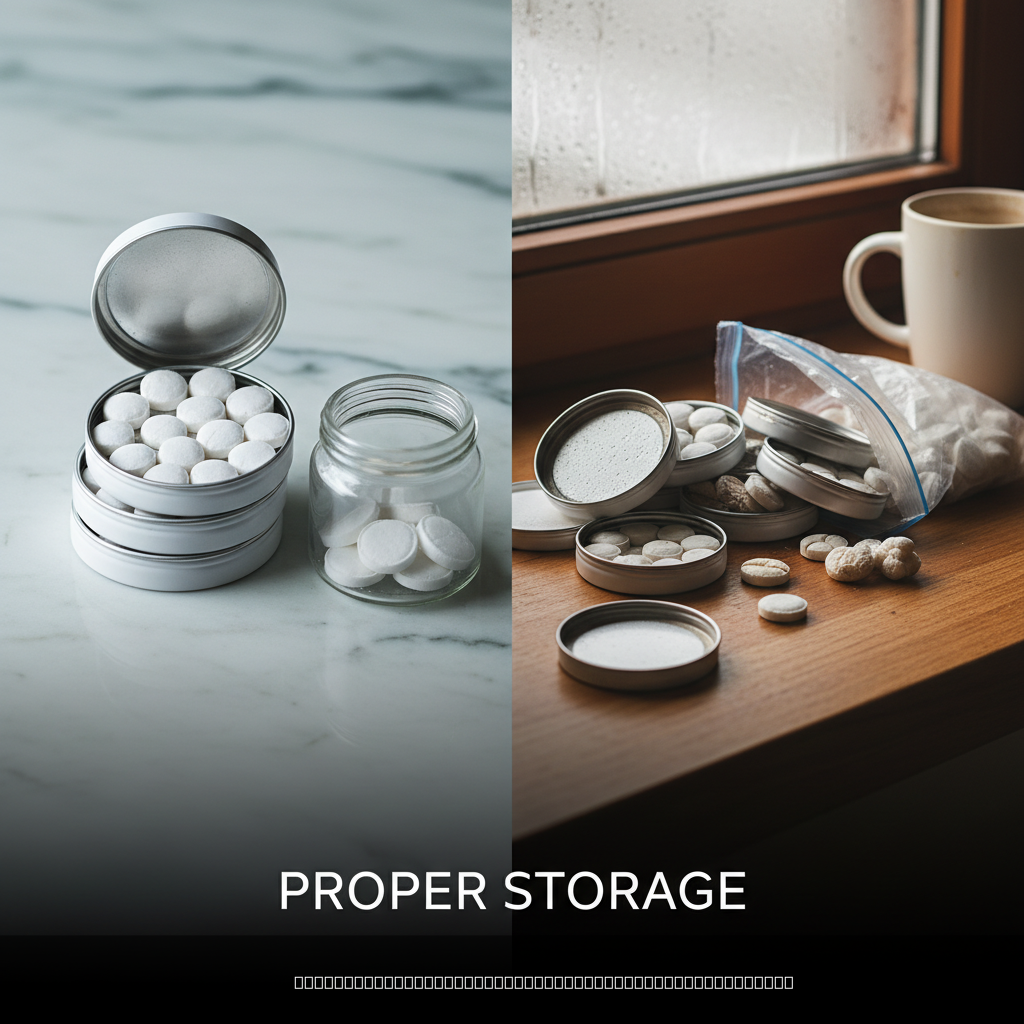
Understanding Storage Requirements: how to store nicotine pouches
Nicotine pouches require specific environmental conditions to maintain their chemical stability and physical integrity. The active compounds in these products, particularly nicotine and flavor compounds, are sensitive to environmental stressors that can cause rapid degradation when storage conditions aren't optimal.Chemical Composition and Storage Sensitivity
Modern nicotine pouches contain several components that react differently to environmental conditions. The nicotine base, typically in salt form, maintains stability under controlled conditions but degrades when exposed to excessive heat, light, or moisture [1]. Plant-based fillers like cellulose absorb and release moisture, affecting texture and nicotine release rates.- Nicotine salts break down at temperatures above 80°F (27°C)
- Flavor compounds volatilize when exposed to air and light
- Moisture content affects pouch flexibility and nicotine absorption
- pH stabilizers maintain effectiveness within specific humidity ranges
Environmental Factors That Affect Quality
Temperature fluctuations represent the primary threat to pouch integrity. Heat accelerates chemical reactions that break down nicotine compounds, while extreme cold can alter the physical structure of plant-based materials. Humidity control proves equally important, as excessive moisture promotes bacterial growth while insufficient humidity causes pouches to become brittle. Light exposure, particularly UV radiation, catalyzes oxidation reactions that degrade both nicotine and flavor compounds. This photodegradation process explains why transparent packaging often leads to faster quality deterioration compared to opaque containers.Pro Tip: Check your pouches monthly for changes in color, texture, or smell. These early warning signs indicate storage conditions need adjustment before significant degradation occurs.
Optimal Storage Conditions for 2026
Industry standards for nicotine pouch storage have evolved significantly based on new research and manufacturing improvements introduced in 2026. Current best practices emphasize maintaining consistent environmental conditions rather than extreme preservation methods.Temperature and Humidity Guidelines
The optimal temperature range for nicotine pouch storage falls between 35-75°F (2-24°C), with 65°F (18°C) representing the ideal target temperature. This range prevents both heat-induced degradation and cold-related structural damage while maintaining consistent nicotine release characteristics. Humidity control requires maintaining relative humidity between 45-60%. This range preserves pouch flexibility without creating conditions favorable for microbial growth [3]. Professional storage facilities often use climate-controlled environments, but home users can achieve similar results with proper container selection and placement.| Storage Method | Temperature Range | Humidity Level | Shelf Life Extension |
|---|---|---|---|
| Room Temperature | 68-72°F (20-22°C) | 45-55% | 12-18 months |
| Refrigerated | 35-40°F (2-4°C) | 50-60% | 24-30 months |
| Freezer (Not Recommended) | 0°F (-18°C) | Variable | Texture degradation risk |
Light Protection and Air Exposure
UV protection requires storing pouches in opaque containers or dark locations. Even brief exposure to direct sunlight can initiate photodegradation processes that continue even after light exposure ends. The original manufacturer packaging typically provides adequate light protection for short-term storage. Air exposure accelerates oxidation and allows volatile flavor compounds to escape. Once opened, pouches should be consumed within 30-60 days for optimal experience, regardless of storage conditions [4].Step-by-Step Storage Guide
Implementing proper storage procedures requires systematic attention to container selection, location choice, and ongoing monitoring. Following these detailed steps ensures maximum pouch longevity and quality preservation.Step 1: Select Appropriate Storage Containers
- Choose airtight containers with rubber gasket seals to prevent air infiltration
- Ensure containers are made from food-grade materials free from chemical residues
- Select opaque containers or store clear containers in dark locations
- Verify container size allows pouches to remain in original packaging when possible
Step 2: Prepare Storage Environment
- Identify storage locations with stable temperatures between 35-75°F
- Test humidity levels using a digital hygrometer to ensure 45-60% range
- Eliminate direct light exposure through cabinet storage or opaque containers
- Ensure adequate ventilation to prevent moisture accumulation
Pro Tip: Place a small packet of food-grade silica gel in storage containers to maintain optimal humidity levels, especially in naturally humid environments.
Step 3: Organize and Label Storage System
- Group pouches by expiration date using "first in, first out" rotation principles
- Label containers with purchase dates and expiration information
- Create inventory tracking system for bulk purchases
- Separate different nicotine strengths and flavors to prevent cross-contamination

Common Mistakes to Avoid
Understanding frequent storage errors helps prevent costly mistakes that compromise pouch quality and user safety. These common pitfalls often result from misconceptions about preservation methods or inadequate attention to environmental factors.Temperature-Related Errors
Freezing nicotine pouches represents the most common storage mistake. While freezing doesn't destroy nicotine content, it fundamentally alters the cellulose structure, creating pouches that feel different and may not release nicotine consistently [5]. The freeze-thaw cycle also introduces moisture that can promote bacterial growth.- Storing pouches in car glove compartments where temperatures fluctuate wildly
- Placing containers near heat sources like radiators or sunny windows
- Rapid temperature changes that cause condensation inside sealed containers
- Using refrigerators with inconsistent temperature control
Container and Packaging Issues
Many users make the mistake of transferring pouches to inappropriate containers that compromise quality. Original packaging provides optimal protection for unopened products, while transfer to inferior containers accelerates degradation. Vacuum sealing, while seemingly beneficial, can compress pouches and alter their physical structure. The slight air space in properly sealed containers actually provides better long-term preservation than complete vacuum conditions.Hygiene and Cross-Contamination
Handling pouches with unwashed hands introduces bacteria and contaminants that can multiply under storage conditions. Similarly, using the same containers for different products without proper cleaning creates cross-contamination risks.Pro Tip: Clean storage containers monthly with mild soap and water, then allow complete drying before refilling. This simple practice prevents bacterial buildup and maintains optimal storage conditions.
Travel and Portable Storage
Mobile storage solutions require balancing convenience with preservation quality, particularly for users who travel frequently or work in varying environments. Modern travel demands necessitate portable storage that maintains pouch integrity across different climates and conditions.Travel Container Selection
Portable storage containers must withstand temperature fluctuations, pressure changes, and physical impacts while maintaining airtight seals. Hard-shell cases provide superior protection compared to soft pouches, though they sacrifice some portability advantages.- Waterproof containers prevent moisture infiltration during humid travel
- Crush-resistant designs protect against luggage compression
- Multiple compartments allow separation of different pouch types
- Discrete designs maintain privacy in professional environments
Climate Adaptation Strategies
Traveling between different climate zones requires adaptive storage strategies. Moving from dry to humid environments, or vice versa, creates condensation risks that can compromise pouch quality within hours. Acclimatization involves gradually exposing stored pouches to new environmental conditions rather than immediate exposure. This process prevents rapid moisture changes that can affect texture and nicotine release characteristics.Safety Considerations
Safe storage practices extend beyond quality preservation to encompass child safety, pet protection, and proper disposal procedures. Recent FDA guidelines emphasize the importance of secure storage to prevent accidental exposure [7].Child-Resistant Storage Requirements
The FDA strongly recommends child-resistant packaging and storage for all nicotine products following increased reports of accidental pediatric exposures. Nationwide Children's Hospital data from 2026 shows a 300% increase in nicotine pouch ingestions among children under 6 years old [8].- Store all pouches in locked cabinets or drawers away from food items
- Use child-resistant containers even when original packaging includes safety features
- Maintain storage locations above 54 inches (137 cm) from floor level
- Implement visual barriers that prevent children from seeing storage containers
Pet Safety Protocols
Nicotine toxicity in pets occurs at much lower doses than humans, making secure storage essential for households with animals. Dogs and cats can experience severe poisoning from consuming even small amounts of nicotine pouches. Storage locations must be completely inaccessible to pets, including areas reachable by climbing or jumping. Scent-proof containers prevent animals from detecting and seeking out stored pouches.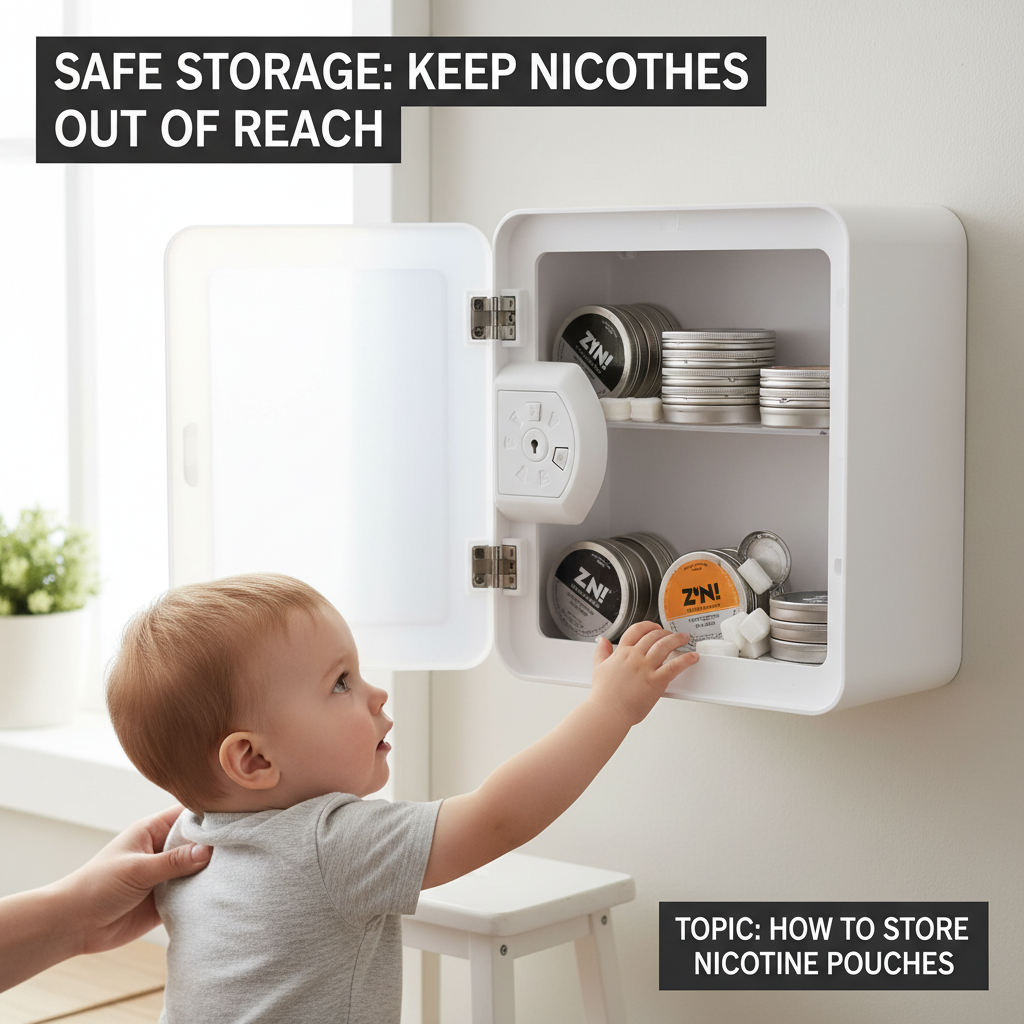
Sources & References
- FRE Pouch, "How to Store FRE Nicotine Pouches for Maximum Freshness", 2026
- ALP Pouch, "How to Store Nicotine Pouches: Preserve Freshness and Strength", 2026
- VELO Switzerland, "How to maintain your nicotine pouch?", 2026
- Snus Kitchen, "How to Properly Store and Maintain Nicotine Pouches and Snus", 2026
- Nico Prof, "Fridge or Freezer? - 6 Tips to Store Your ZYN Pouches for Maximum", 2026
- Snus Core, "How to Store Nicotine Pouches and Keep Them Fresh Longer", 2026
- FDA, "Properly Store Nicotine Pouches to Prevent Accidental Exposure to Children and Pets", 2026
- Nationwide Children's Hospital, "New Study Finds Sharp Increase in Nicotine Pouch Ingestions", 2025
Frequently Asked Questions
1. How to keep nicotine pouches fresh after opening?
Understanding how to store nicotine pouches is essential. After opening, store pouches in their original container with the lid tightly sealed, place in a cool, dry location away from direct sunlight, and consume within 30-60 days for optimal freshness. Adding a food-grade silica gel packet helps maintain proper moisture levels.
2. Does nicotine need to be refrigerated?
Refrigeration isn't necessary but can extend shelf life by 6-12 months when properly sealed to prevent moisture absorption. Room temperature storage between 35-75°F works perfectly for normal consumption timelines, while freezing should be avoided as it damages pouch texture.
3. Can you store nicotine pouches in the freezer?
Freezing nicotine pouches isn't recommended as it alters the cellulose structure, changes texture, and can affect nicotine release patterns. The freeze-thaw cycle also introduces moisture that may promote bacterial growth once thawed.
4. How long do nicotine pouches last once opened?
Opened pouches maintain optimal quality for 30-60 days when stored properly in sealed containers at room temperature. Quality gradually declines after this period, though pouches remain usable for several additional months with reduced potency and flavor.
5. What's the best way to store nicotine pouches for travel?
Use hard-shell, waterproof containers that protect against temperature fluctuations and physical damage. Keep containers in carry-on luggage to avoid extreme cargo hold temperatures, and allow gradual acclimatization when traveling between different climate zones.
6. How should nicotine pouches be stored to prevent child access?
Store in locked cabinets or child-resistant containers at least 54 inches above floor level, away from food items. Use opaque containers to eliminate visual attraction and consider biometric locks or combination safes for households with young children.
7. Do expired nicotine pouches become dangerous?
Expired pouches typically lose potency and flavor rather than becoming dangerous, though improperly stored products may develop bacterial growth. Check for changes in color, smell, or texture before use, and dispose of any pouches showing signs of contamination.
Recommended Articles
Explore more from our content library:
- Clean Alternatives to Smoking: 15 Science-Backed Options
- Complete Nicotine Pouch Strength Guide for 2026
- Snus vs Nicotine Pouches: 2026 Complete Comparison Guide
- What Are CBD Pouches: Complete 2026 Guide & Benefits
- quit smoking nicotine pouches: How to Quit Smoking with
Ready to take your results to the next level? Discover what Outdare LTD can do for you and see why businesses trust us to deliver real, measurable outcomes.