





Snus vs Nicotine Pouches: 2026 Complete Comparison Guide
| Key Insight | Explanation |
|---|---|
| Tobacco Content | Snus contains ground tobacco leaves; nicotine pouches are completely tobacco-free with synthetic nicotine |
| Health Risk Profile | Nicotine pouches eliminate tobacco-related carcinogens and reduce oral health complications |
| Nicotine Release | Pouches offer faster, more controlled nicotine delivery with consistent dosing |
| Flavor Options | Snus has earthy tobacco taste; pouches offer diverse flavors from mint to fruit |
| Legal Status | Snus banned in EU (except Sweden); nicotine pouches legal across Europe as of 2026 |
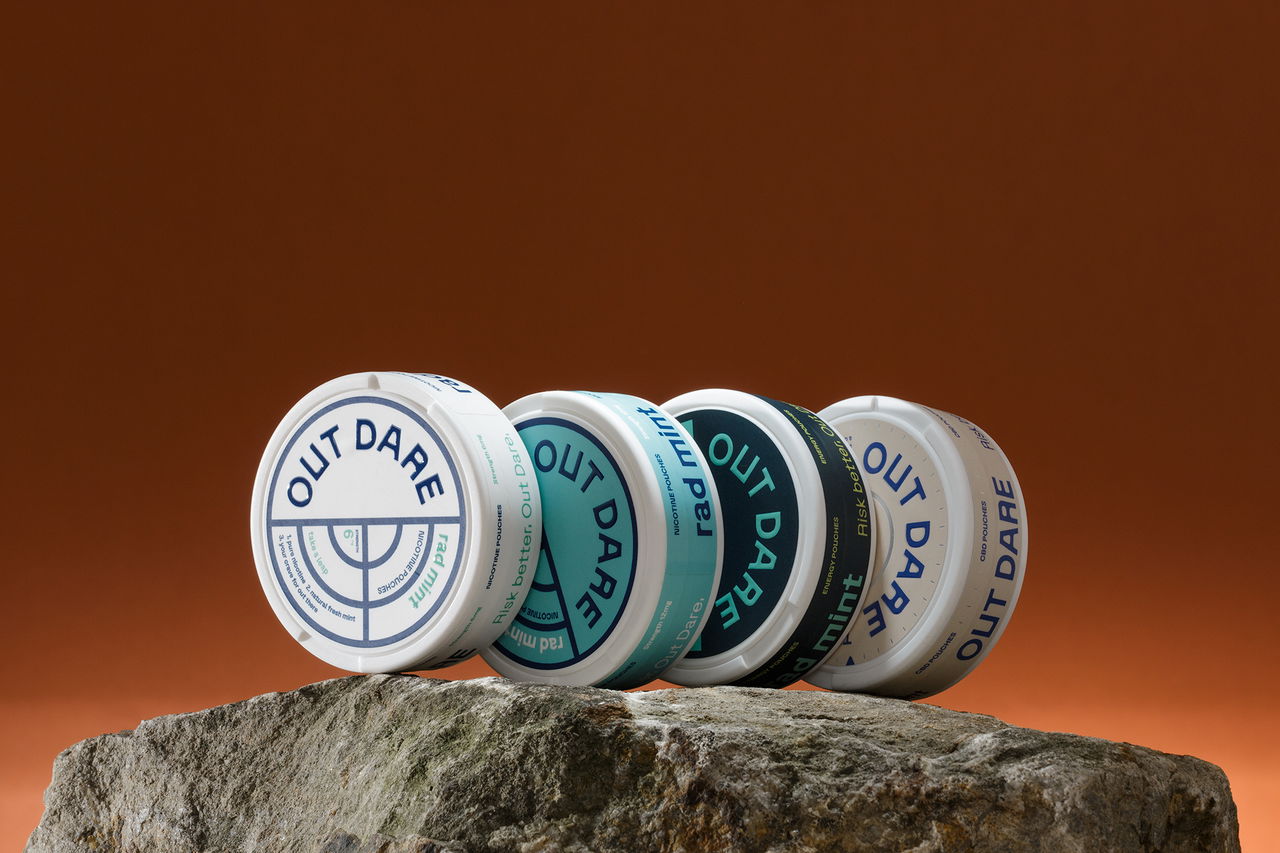
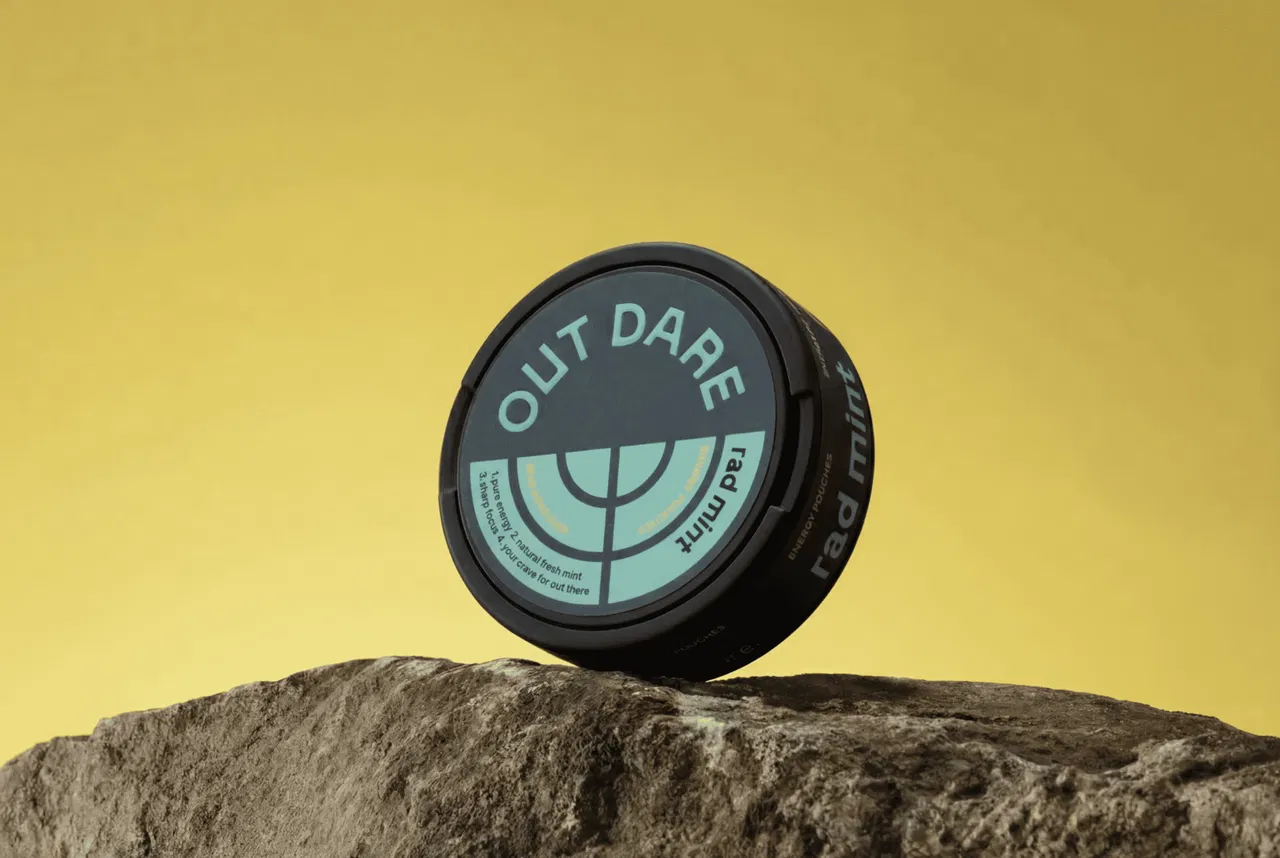
| Future Trajectory | Modern alternatives like energy and CBD pouches expand beyond traditional nicotine delivery |
What Is Snus vs Nicotine Pouches
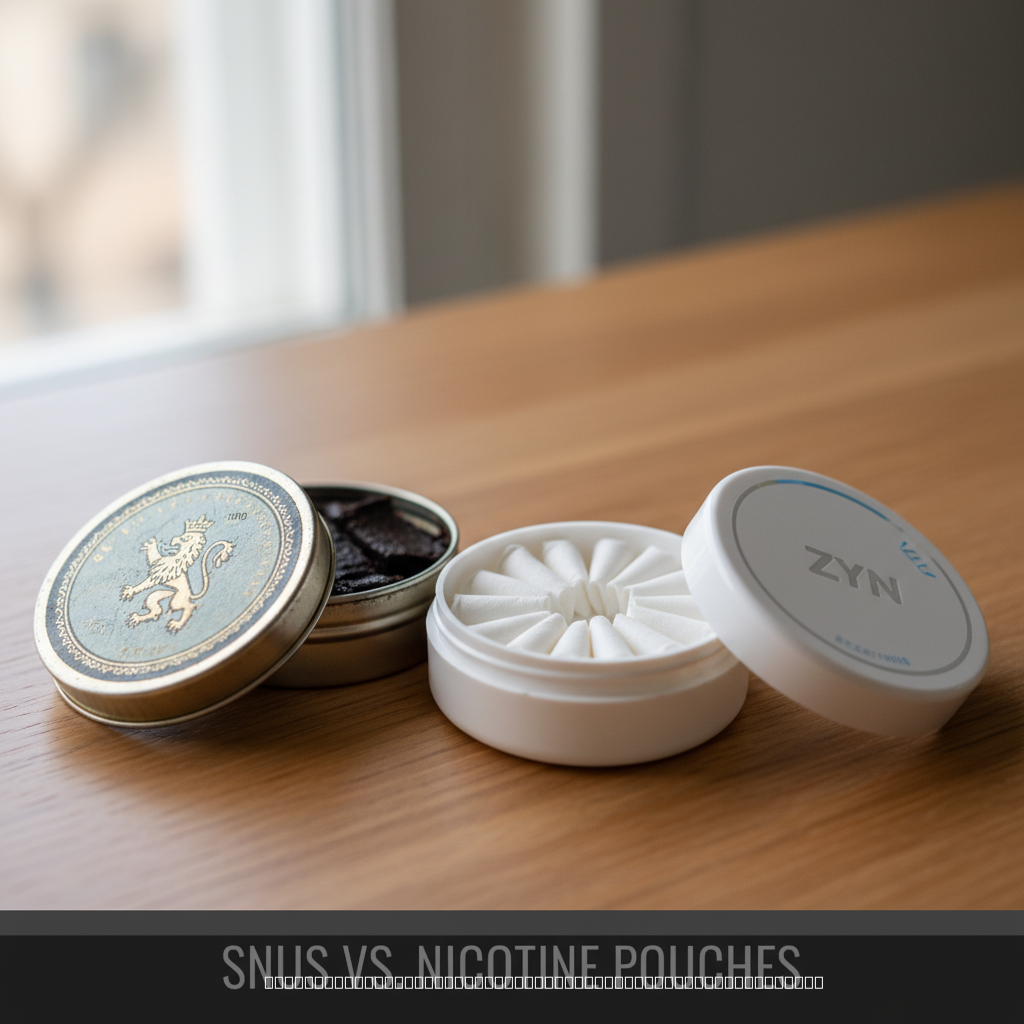
Snus is a traditional Swedish tobacco product consisting of ground tobacco leaves, salt, and water, placed under the upper lip for nicotine absorption. Nicotine pouches are tobacco-free alternatives containing synthetic nicotine, plant fibers, and flavorings that deliver nicotine without any tobacco content.Traditional Snus Composition
Traditional snus originated in Sweden in the 18th century and remains largely unchanged in its core formulation. The product contains finely ground tobacco leaves that undergo a steam-pasteurization process, distinguishing it from American smokeless tobacco products that use fire-curing methods [1]. The moisture content typically ranges from 45-60%, creating the characteristic texture and facilitating nicotine release. Swedish snus manufacturers add sodium carbonate to raise pH levels, enhancing nicotine absorption through oral tissues. This alkaline environment allows for more efficient nicotine delivery compared to cigarettes.Pro Tip: Traditional snus requires specific storage conditions (refrigeration) to maintain freshness and prevent bacterial growth, making it less convenient for travel compared to modern alternatives.
Modern Nicotine Pouch Innovation
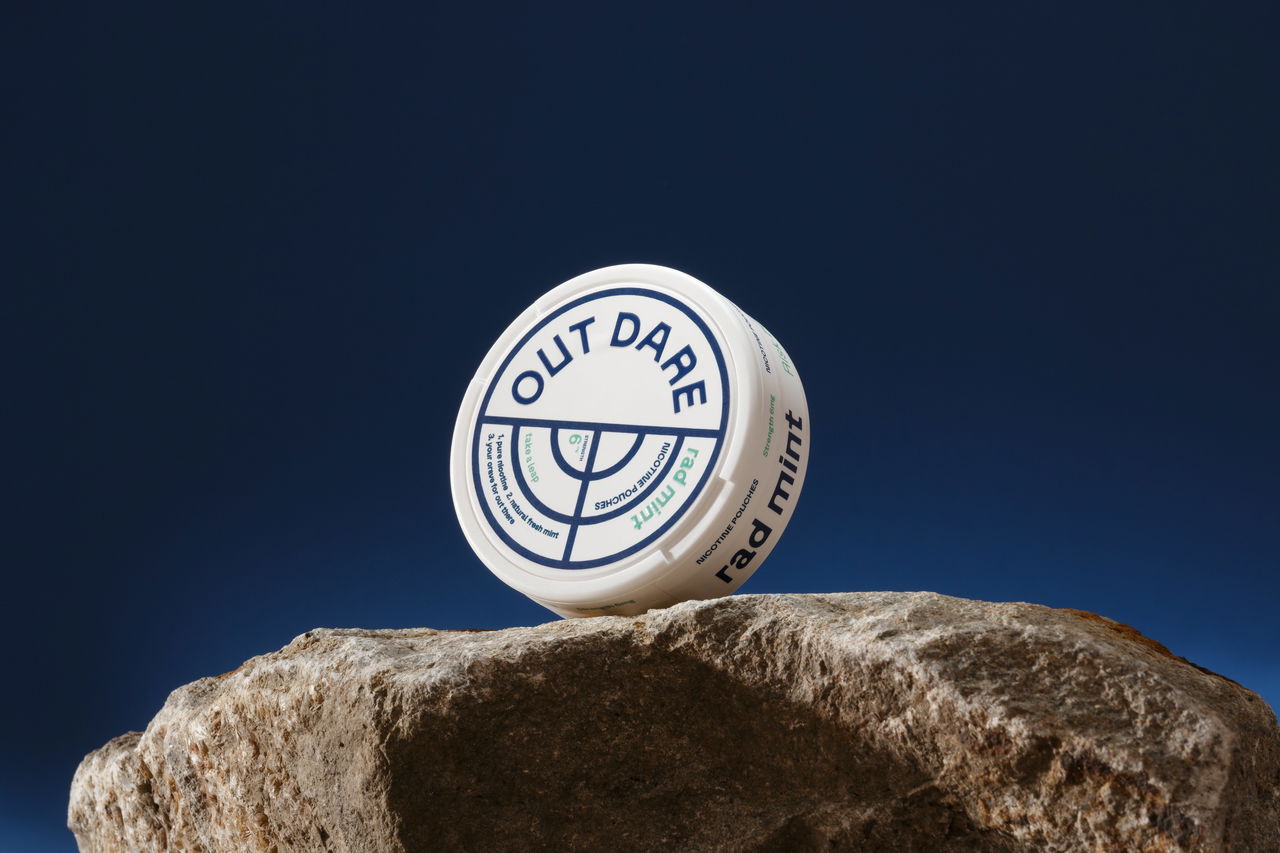
Nicotine pouches represent a technological evolution in oral nicotine delivery, eliminating tobacco entirely while maintaining the ritual and satisfaction users seek. These products use pharmaceutical-grade nicotine extracted from tobacco plants but purified to remove tobacco-specific compounds. The base material typically consists of plant fibers, microcrystalline cellulose, or eucalyptus fibers that create the familiar "pillow" sensation under the lip. Modern formulations include pH adjusters, sweeteners like xylitol, and natural flavoring systems that mask the bitter taste of pure nicotine. As of 2026, advanced nicotine pouches incorporate controlled-release mechanisms that provide sustained nicotine delivery over 30-60 minutes, addressing one of the primary complaints about earlier generations of tobacco-free products.Composition and Ingredients in 2026
The fundamental difference in snus vs nicotine pouches lies in their core ingredients, with snus containing tobacco leaves and associated compounds while nicotine pouches use synthetic alternatives and plant-based materials.Snus Ingredient Profile
Traditional snus contains several key components that define its characteristics and potential health implications:- Tobacco leaves: The primary ingredient, containing naturally occurring nicotine plus thousands of other compounds
- Tobacco-specific nitrosamines (TSNAs): Carcinogenic compounds formed during tobacco processing and storage
- Sodium carbonate: Alkalizing agent that raises pH to 8.0-8.5 for enhanced nicotine absorption
- Sodium chloride: Preservative and flavor enhancer
- Propylene glycol: Humectant to maintain moisture content
- Natural tobacco flavoring: Compounds that create the characteristic earthy, slightly sweet taste
Nicotine Pouch Formulation
Modern nicotine pouches in 2026 use sophisticated formulations designed to replicate the snus experience without tobacco-related risks:- Pharmaceutical nicotine: Purified nicotine extracted from tobacco but free from tobacco-specific compounds
- Plant fiber base: Eucalyptus, pine, or other natural fibers creating the physical structure
- Xylitol sweetener: Natural sweetener that also promotes oral health
- Natural mint flavoring: Developed by flavor specialists to provide consistent taste experience
- pH adjusters: Food-grade compounds that optimize nicotine absorption
- Stabilizers: Ensure product integrity and shelf stability without refrigeration
| Component | Snus | Nicotine Pouches |
|---|---|---|
| Primary Base | Ground tobacco leaves | Plant fibers (eucalyptus/pine) |
| Nicotine Source | Natural tobacco nicotine | Purified synthetic nicotine |
| Carcinogens | TSNAs present | Eliminated |
| Moisture Content | 45-60% | 30-50% |
| Storage Requirements | Refrigeration needed | Room temperature stable |
Health and Safety Comparison
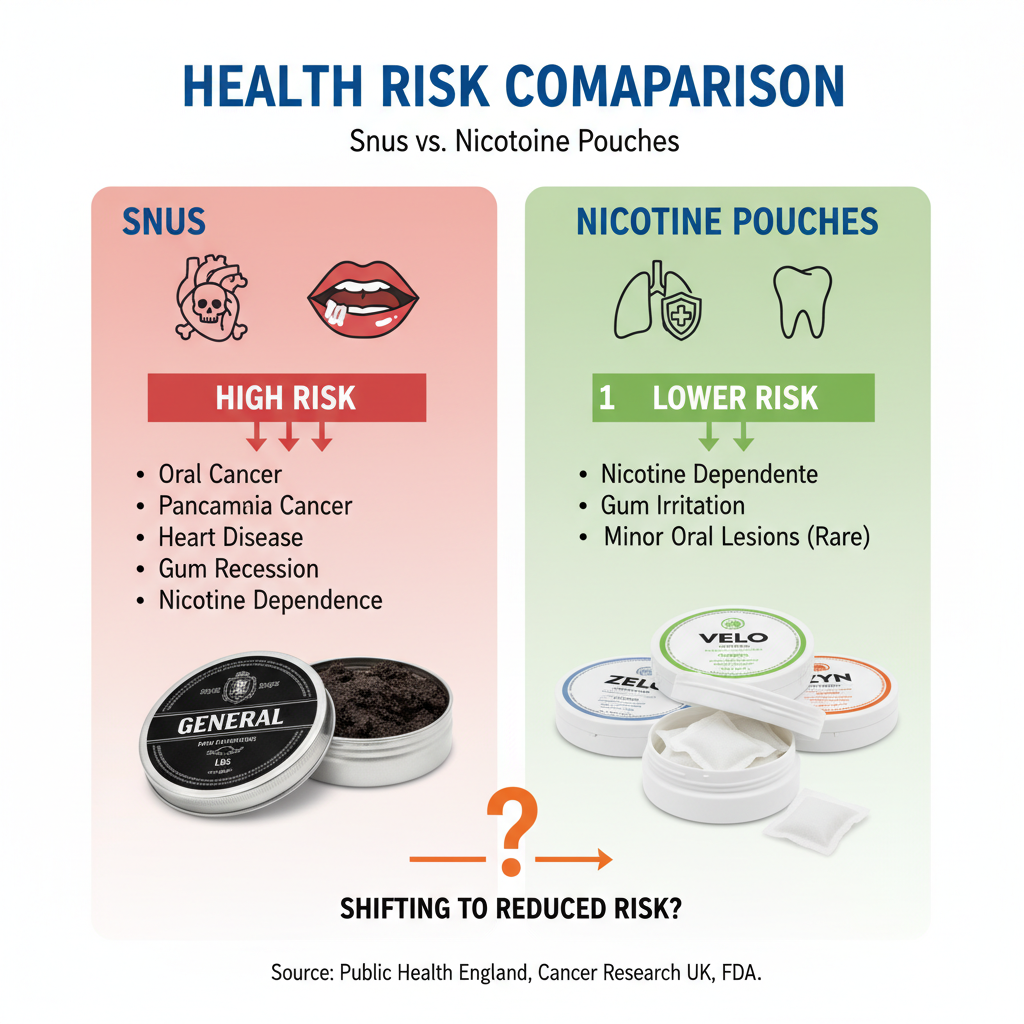
The health implications represent the most significant factor in the snus vs nicotine pouches debate, with tobacco-free alternatives offering substantially reduced risk profiles compared to traditional snus products.Tobacco-Related Health Risks
Snus consumption carries documented health risks associated with tobacco use, though significantly lower than smoking. Research published in 2026 confirms several areas of concern:- Oral cancer risk: While lower than smoking, snus use increases oral and pharyngeal cancer risk by 40-60%
- Cardiovascular effects: Elevated blood pressure and increased heart disease risk, particularly with long-term use
- Oral health complications: Gum recession, tooth loss, and oral lesions at placement sites
- Pancreatic cancer: Studies suggest 70% increased risk compared to non-users
- Pregnancy complications: Increased risk of preterm birth and low birth weight
Nicotine Pouch Safety Profile
Tobacco-free nicotine pouches eliminate the primary health risks associated with snus while maintaining nicotine delivery. Current research indicates:- No tobacco carcinogens: Elimination of TSNAs and other tobacco-specific compounds
- Reduced oral irritation: Plant-based materials cause less tissue damage than tobacco
- Cardiovascular impact: Limited to nicotine effects only, without tobacco's additional compounds
- Oral health benefits: Xylitol content may actually improve oral health by reducing harmful bacteria
- Pregnancy considerations: While nicotine remains contraindicated, tobacco-specific risks are eliminated
Pro Tip: Many users report reduced gum irritation and better oral health when switching from snus to high-quality nicotine pouches, though individual responses vary.
Nicotine Delivery and Effectiveness
Nicotine absorption and delivery mechanisms differ significantly between snus vs nicotine pouches, affecting user satisfaction, onset time, and duration of effects.Snus Nicotine Characteristics
Traditional snus provides nicotine through a complex interaction between tobacco alkaloids and oral tissues. The delivery profile includes:- Onset time: 5-10 minutes for initial effects due to tobacco matrix complexity
- Peak levels: Achieved in 30-60 minutes with gradual absorption
- Duration: Effects typically last 45-90 minutes depending on portion size
- Bioavailability: 60-70% of nicotine content absorbed over time
- Variability: Natural tobacco variations affect consistency between portions
Advanced Nicotine Pouch Delivery
Modern nicotine pouches in 2026 use engineered delivery systems for optimized absorption:- Rapid onset: 2-5 minutes for initial effects due to optimized pH and formulation
- Controlled release: Engineered to maintain steady nicotine levels for 30-60 minutes
- Higher bioavailability: 75-85% absorption efficiency through advanced formulation
- Consistent dosing: Precise nicotine content ensures predictable effects
- Customizable strength: Available in precise dosages from 2mg to 15mg+
Legal Status and Availability in Europe
The regulatory landscape for snus vs nicotine pouches varies dramatically across Europe, with significant implications for product access and market development in 2026.Snus Regulatory Restrictions
Snus faces significant regulatory barriers across the European Union:- EU ban: Sale prohibited in all EU member states except Sweden since 1992
- Import restrictions: Personal import limits vary by country
- Health warnings: Required health warnings in permitted markets
- Marketing limitations: Strict advertising restrictions where legal
- Tax implications: High tobacco taxes where applicable
Nicotine Pouch Legal Framework
Tobacco-free nicotine pouches operate under different regulatory frameworks across Europe:- General availability: Legal for sale in most European countries as consumer products
- Age restrictions: Typically 18+ purchasing requirements
- Labeling requirements: Health warnings and ingredient disclosure mandated
- Quality standards: Subject to consumer product safety regulations
- Market growth: Expanding availability through online and retail channels
User Experience and Preferences
The practical differences in snus vs nicotine pouches significantly impact daily use patterns, convenience, and overall user satisfaction.Traditional Snus Experience
Snus provides a distinctive experience rooted in centuries of Swedish tradition:- Flavor profile: Natural tobacco taste with earthy, slightly salty notes
- Texture: Moist, granular feel that requires adjustment period
- Drip management: Requires swallowing or spitting tobacco-flavored saliva
- Storage needs: Refrigeration required for freshness and safety
- Social aspects: Traditional ritual valued by experienced users
- Staining potential: May discolor teeth with extended use
Modern Pouch Convenience
Nicotine pouches address many practical limitations of traditional snus:- Flavor variety: Mint, citrus, berry, and other options beyond tobacco
- Clean experience: Minimal saliva production and clear liquid
- Discretion: White pouches remain invisible during use
- Portability: Room temperature storage and longer shelf life
- Consistency: Uniform experience across all portions
- Oral hygiene: No staining and potential oral health benefits from xylitol
Pro Tip: Many users transitioning from snus to nicotine pouches report the biggest adjustment is the lack of tobacco flavor, but most adapt within a week when choosing mint-based options.The convenience factor has made nicotine pouches particularly popular among professionals and travelers who need discrete, portable nicotine delivery without the maintenance requirements of traditional snus.
Sources & References
- Considerate Pouchers, "The Final Verdict: Snus vs. Pouches", 2026
- Philip Morris International, "All about: Snus, snuff, and nicotine pouches", 2026
- American Lung Association, "Emerging Commercial Tobacco and Nicotine Products", 2026
- PMC, "The Correlation of Swedish Snus, Nicotine Pouches and Other Oral Nicotine Products", 2026
- Vaping Post, "Snus vs Nicotine Pouches: Comparing the Safety and Science", 2025
- Northerner, "Snus Vs Nicotine Pouches: What's the Difference?", 2026
Frequently Asked Questions
1. Is snus safer than nicotine pouches?
Understanding this approach is essential. Understanding this approach is essential. Nicotine pouches are generally considered safer than snus because they eliminate tobacco-specific carcinogens like TSNAs while maintaining nicotine delivery. Snus contains tobacco compounds linked to oral, throat, and pancreatic cancers, plus increased cardiovascular risks that tobacco-free alternatives avoid.
2. Do nicotine pouches provide the same satisfaction as snus?
Modern nicotine pouches can provide comparable or superior satisfaction through optimized nicotine delivery and consistent dosing. While the tobacco flavor is absent, many users prefer the cleaner experience, faster onset, and variety of flavors available in 2026 formulations.
3. Can I use nicotine pouches to quit snus?
Yes, nicotine pouches serve as an effective transition tool from snus by maintaining the oral ritual and nicotine delivery while eliminating tobacco exposure. The similar placement and duration make switching relatively straightforward for most users.
4. Why is snus banned in the EU but nicotine pouches aren't?
Snus is banned under EU tobacco product directives due to its tobacco content and associated health risks. Nicotine pouches are classified as consumer products rather than tobacco products, allowing broader legal availability across European markets.
5. How do the costs compare between snus and nicotine pouches?
Nicotine pouches typically cost more per unit than snus but offer better value through higher nicotine bioavailability, longer shelf life, and no storage requirements. Premium tobacco-free options may cost 20-40% more but provide superior convenience and consistency.
6. Do nicotine pouches cause the same oral health problems as snus?
Nicotine pouches cause significantly fewer oral health issues than snus. The plant-based materials are less irritating than tobacco, and many formulations include xylitol which actually promotes oral health by reducing harmful bacteria and preventing tooth decay.
7. What's the difference in nicotine strength between snus and pouches?
Nicotine pouches offer more precise dosing with strengths typically ranging from 2mg to 15mg+ per pouch. Snus nicotine content varies more due to natural tobacco variations, making pouches more predictable for users seeking consistent effects.

Recommended Articles
Explore more from our content library: