





The Psychology of Oral Habits and Pouches: Why They Work
Understanding psychology oral habits pouches is essential. Oral fixation is a psychological pattern where repeated mouth-centered behaviors, chewing, sucking, nail-biting, or using pouches, become automatic responses to stress, anxiety, or sensory need. Rooted in early developmental psychology and reinforced by anxiety feedback loops, these habits persist because the mouth is one of the body's primary self-regulation tools. Oral habit pouches and sensory chew tools work by giving the nervous system a controlled, socially acceptable outlet that satisfies the same neurological craving without harmful consequences.

The Psychology of Oral Habits and Pouches: What's Actually Happening in Your Brain
Oral habits are learned self-regulation behaviors, reinforced by dopamine and stress-relief feedback loops, not simply signs of developmental arrest. Researchers studying the psychology oral habits pouches connection have found that these behaviors are deeply wired into the brain's reward circuitry.
What Is the Psychological Reason for Oral Fixation?
Freud framed oral fixation as developmental, an unresolved conflict during the birth-to-18-month oral stage that leaves adults seeking mouth-centered comfort. Modern behavioral psychology tells a more precise story: oral habits form and persist because they work. Each time the behavior reduces stress, the brain logs a dopamine-tagged reward, making the habit more automatic with every repetition.
The mouth is the body's most densely innervated sensory surface. Stimulating it activates the parasympathetic nervous system, the same system responsible for the "rest and digest" response, which is why biting a pen during a tense meeting or placing a pouch under the lip feels genuinely calming, even when the person knows it's not ideal.
Understanding the psychology of oral habits and pouches means recognizing that these behaviors exist on a spectrum. Pen-chewing sits at the benign end; clinical conditions like bruxism or pica sit at the harmful end [1]. Nicotine and functional pouches occupy the middle ground, a harm-reduction category that delivers sensory input through a controlled, socially acceptable format. According to research published in PMC on oral habits and anxiety, the bidirectional relationship between stress and oral behavior is one of the most consistent findings in behavioral health literature.
"Oral habits are rarely about the object itself — they are about the neurological relief the behavior provides. Understanding this distinction is the first step toward effective intervention." — Dr. Susan Albers, Psychologist at Cleveland Clinic and author on mindful eating and habit formation
Charles Duhigg's cue-routine-reward loop explains why oral habits are particularly hard to break. The cue, anxiety, boredom, or a moment of cognitive demand, is nearly constant. The routine, reaching for something to put in the mouth, is automatic. The reward, immediate stress relief, arrives within seconds. That speed of reinforcement makes the loop self-sealing.
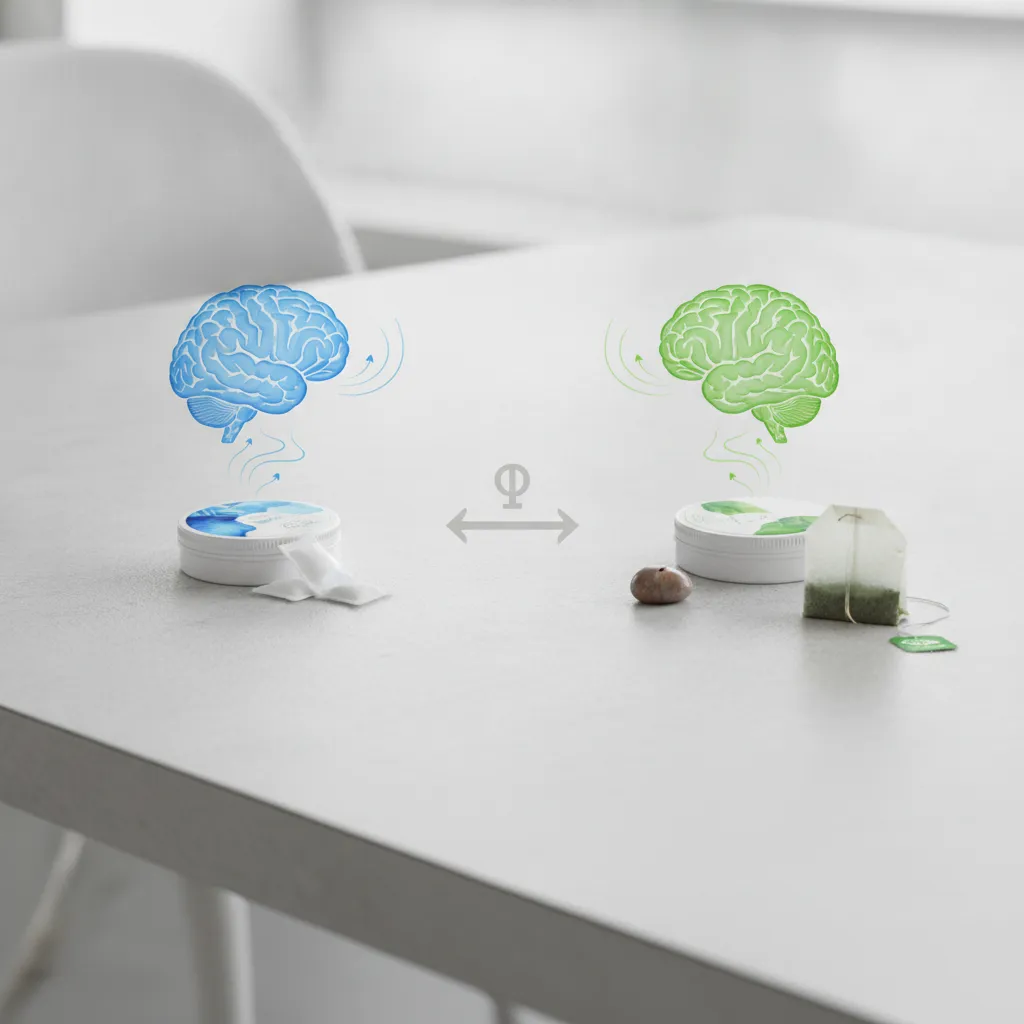
Oral habit pouches intercept this loop at the routine stage. Instead of demanding willpower to suppress the behavior, they redirect it, substituting a controlled sensory input for a more harmful one, while the cue and reward structure stays intact. This is precisely why the psychology oral habits pouches framework is so useful for practitioners and individuals alike.
Do Oral Fixations Go Away on Their Own or Require Intervention?
Mild oral habits, nail-biting, pen-chewing, often fade when the underlying stressor resolves, but habits tied to chemical dependency or chronic anxiety rarely self-extinguish [1]. The feedback loop is too well-established. Without a direct replacement for the routine, the brain simply reinstates the original behavior when stress returns, which is why cold-turkey attempts fail at such high rates.
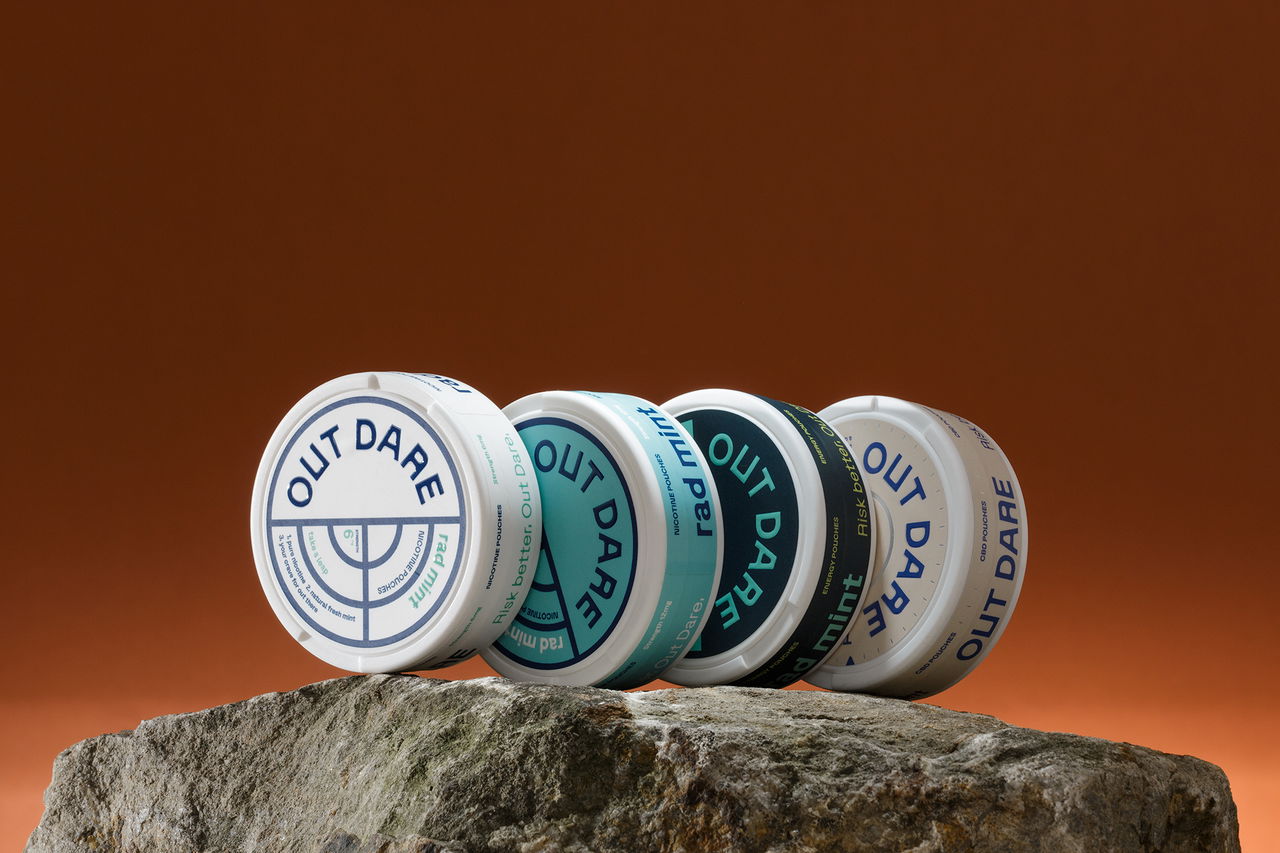
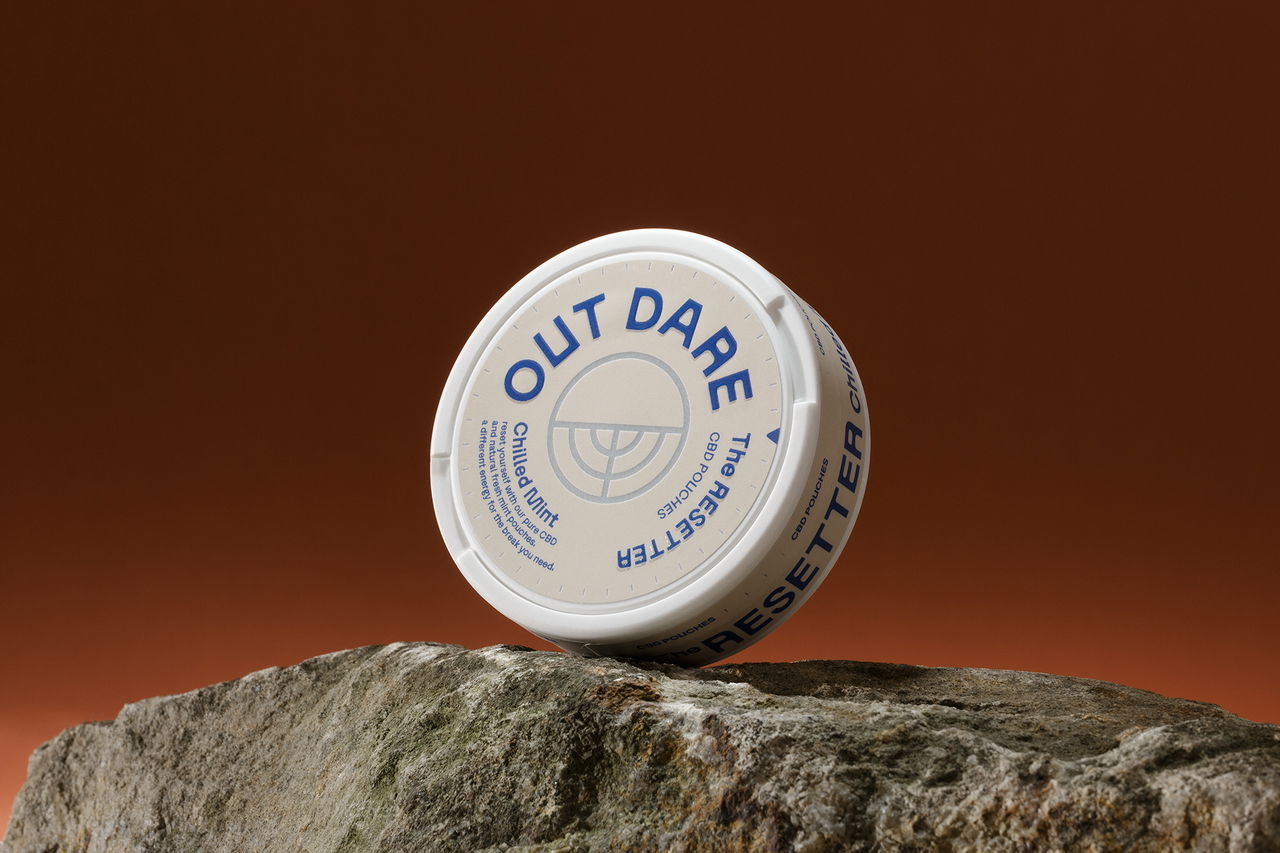
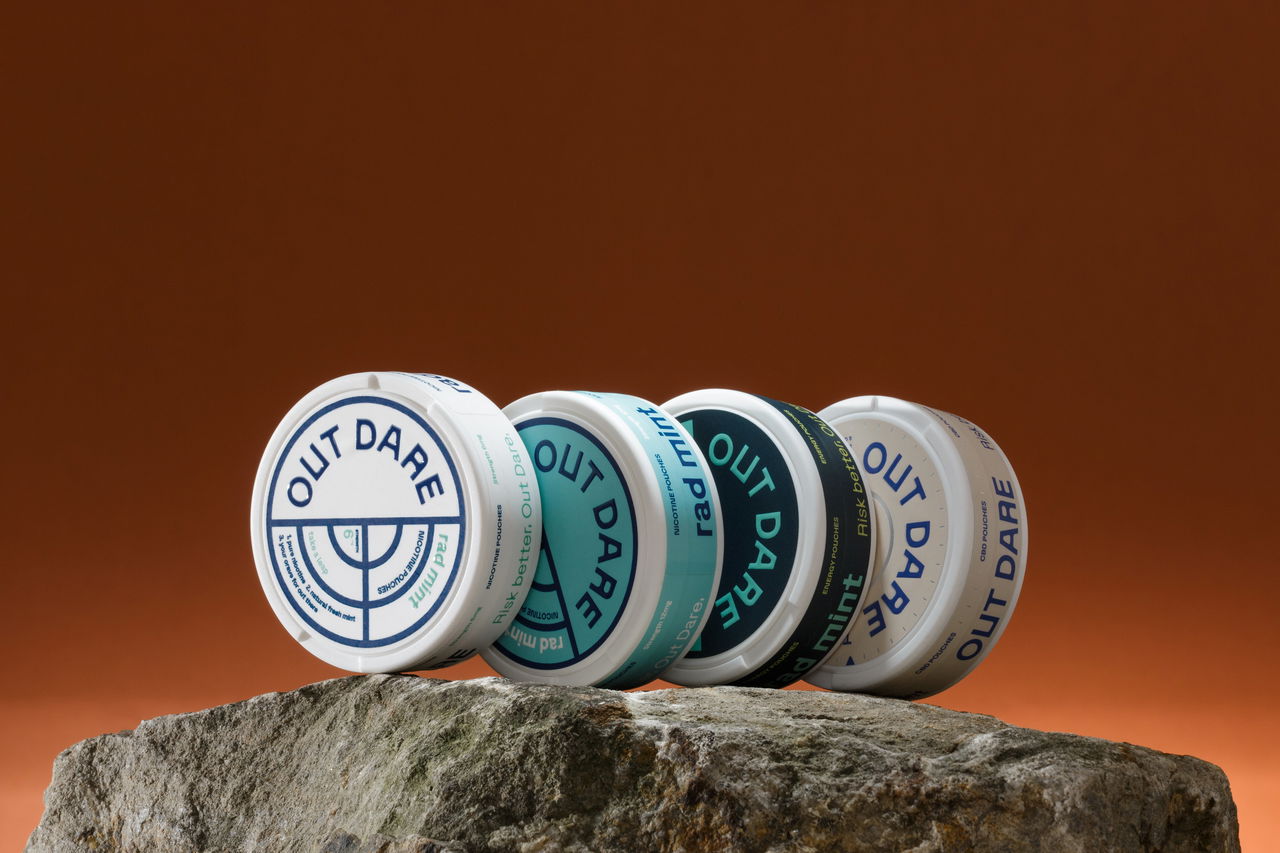
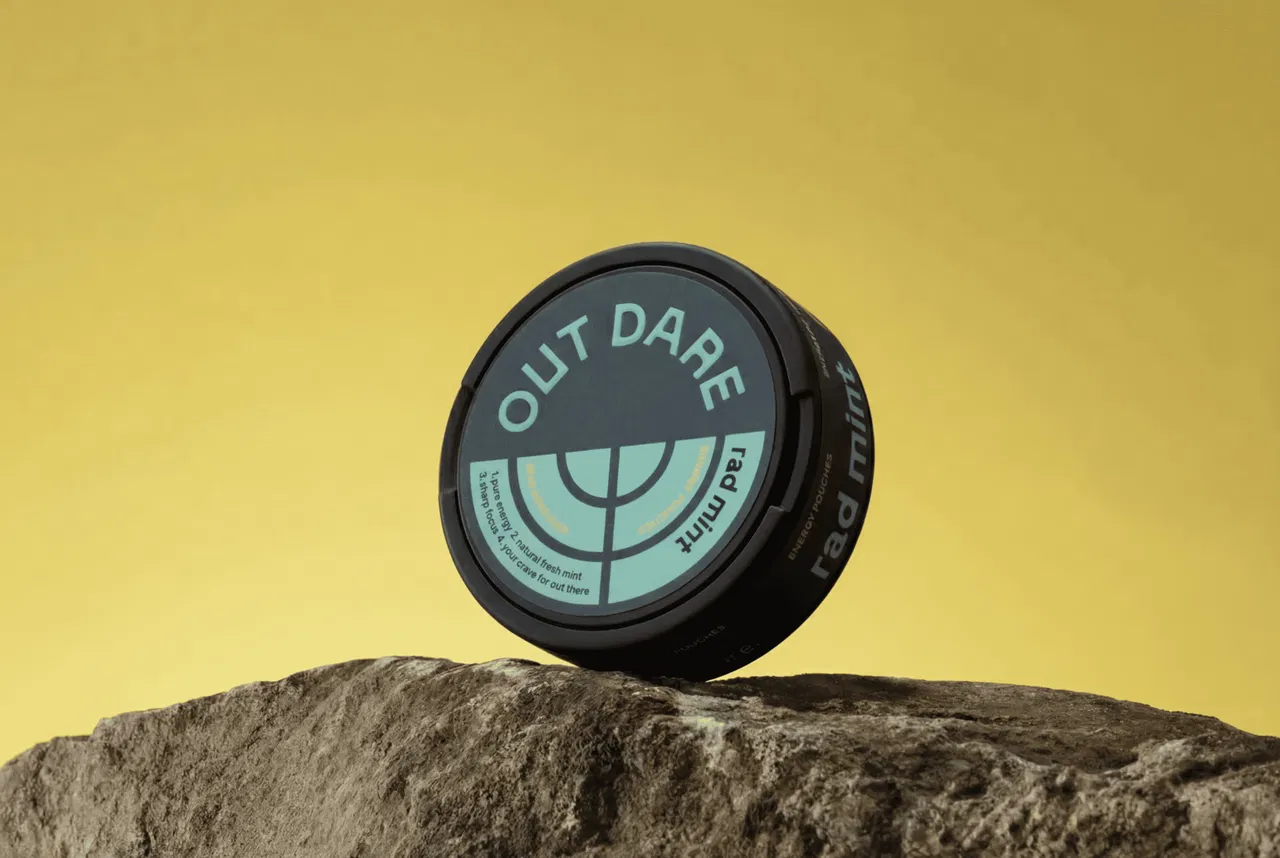
Structured substitution outperforms suppression. Outdare's 4-week reduction method is built on exactly this principle: the Nicotine, Energy, and CBD pouches share the same mint flavor, gum burn, and physical mouthfeel, so the sensory routine remains fully intact while the chemical load decreases progressively. The brain's cue-routine-reward loop keeps firing, it just fires toward a less dependency-forming outcome each week.
How to Tell If You or Your Child Has an Oral Fixation: Signs and Patterns
The clearest sign of an oral fixation is automaticity, the habit runs before you consciously decide to do it, whether you're stressed or not.
In adults, the most common patterns are compulsive gum chewing, nail-biting, cheek-chewing, lip-picking, and reaching for a cigarette or nicotine pouch as a reflex rather than a deliberate choice. That last point matters when examining the psychology oral habits pouches dynamic: the moment you're unwrapping a pouch without registering the decision, the behavior has crossed from preference into automaticity.
What Are the Differences Between Normal Oral Habits and Clinical Fixations in Children?
Between 50–80% of children exhibit at least one oral habit before age 6 [3], so most early-stage behaviors are developmentally normal. The three habits clinicians flag most often are thumb-sucking past age 4, persistent mouthing of non-food objects, and bruxism (teeth-grinding) [3].
A habit becomes a clinical fixation when it meets any of these three criteria: it persists across multiple contexts rather than only at bedtime or during stress peaks; it produces physical consequences such as gum damage, dental misalignment, or skin breakdown; or it causes measurable social distress [1].
One distinction clinicians draw that intervention guides often skip: sensory-seeking oral habits, common in ADHD and autism spectrum profiles, differ meaningfully from anxiety-driven habits. Sensory-seeking behavior is about stimulation input; anxiety-driven behavior is about tension relief. The intervention approach differs significantly between the two, so accurate identification matters before any treatment begins [1].
Quick self-assessment, answer yes or no:
- Do you perform the habit without noticing until after it has started?
- Does the habit continue even when you are calm and unstressed?
- Has the habit caused a physical consequence (sore gums, damaged skin, dental wear)?
- Do you feel anxious or irritable specifically when you cannot perform the habit?
- Does the habit feel driven by a need for sensation or stimulation rather than by worry?
Three or more "yes" answers, particularly to questions 1, 2, and 3, suggests the pattern has moved beyond a casual habit and warrants a closer look.

How Oral Habits and Anxiety Feed Each Other, and How to Break the Loop
Anxiety triggers oral habits as a coping response, and those habits then generate new anxiety, creating a self-reinforcing cycle that worsens without deliberate intervention. The psychology oral habits pouches relationship is central to understanding why this loop is so difficult to escape without structured support.
Why Do People Develop Oral Habits When Stressed or Anxious?
The relationship is bidirectional [1]. Stress activates oral habits because cortisol spikes from acute anxiety stimulate the same oral motor pathways used in infancy for feeding, a neurological shortcut the brain never fully rewires. This is why someone under deadline pressure reaches for a nicotine pouch, bites their nails, or grinds their teeth without consciously deciding to.
The habit provides short-term relief. But harmful oral habits, heavy nicotine pouch use included, generate secondary anxiety through guilt, visible physical consequences like receding gums, and a growing sense of lost control [1]. That secondary anxiety then triggers the next instance of the habit. The loop closes on itself.
Understanding the psychology of oral habits and pouches specifically matters here: the ritual component of pouch use is partly what makes it so resistant to willpower-based quitting. The brain isn't just seeking nicotine, it's seeking the oral motor sequence itself.
"The ritual of placing something in the mouth is itself a powerful anxiolytic signal to the nervous system — one that predates language and conscious thought. Any effective intervention must account for this sensory dimension, not just the chemical one." — Dr. Marc Schoen, Clinical Psychologist and Adjunct Assistant Professor at UCLA Geffen School of Medicine
What Evidence-Based Intervention Techniques Help Reduce Oral Habits Linked to Anxiety?
Habit Reversal Training (HRT) achieves a 70–80% success rate in clinical trials for body-focused repetitive behaviors. HRT works in two steps: it makes the habit conscious by training awareness of its triggers, then substitutes a competing physical response that uses the same muscle group but doesn't reinforce the loop.
Cognitive Behavioral Therapy (CBT) targets the anxiety driver rather than the habit itself, the right tool when the oral habit is a symptom of generalized anxiety disorder rather than a standalone behavioral pattern [1].
Mindfulness-Based Stress Reduction (MBSR) reduces automaticity by inserting a deliberate pause between the stress cue and the habitual response. Eight-week MBSR programs reduce body-focused repetitive behaviors by approximately 40%, according to published clinical data, primarily by weakening the automatic cue-routine link rather than suppressing the urge directly.
How to Break an Oral Fixation: Behavioral Strategies That Work Step by Step
Breaking an oral fixation requires four sequential steps: awareness logging, trigger mapping, substitute selection, and social accountability, in that order. Applying the psychology oral habits pouches framework to each step makes the process more targeted and more likely to succeed.
What Behavioral Modification Strategies Work Best for Different Types of Oral Habits?
Start with a 7-day awareness log. Record every instance of the habit, time, location, emotional state, before attempting to change anything. You can't modify what you haven't measured.
Once you have the log, identify your top 3 recurring cues. Stress before a meeting, boredom after lunch, and the drive home account for the majority of habit triggers in most adults. Naming them precisely is the entire point of trigger mapping.
Next, select a competing response, one specific substitute behavior that occupies the same sensory channel. This is where understanding the psychology oral habits pouches becomes practical: the substitute must match the original habit's sensory profile closely enough that the brain accepts the swap. Research on stimulus control shows that removing or altering environmental cues, keeping hands occupied, using bitter-taste nail coatings, or replacing a cigarette break with a structured pouch ritual, reduces habit frequency by 30–50% without relying on willpower alone.
The substitution hierarchy matters here. Moving from cigarettes to nicotine pouches, then to caffeine or nootropic pouches like Outdare's Energy variant, then to plain sensory chew tools, and finally to no tool at all, each step is smaller and more sustainable than jumping straight to abstinence. For readers currently in the substitution phase, Outdare's guides on tobacco-free alternatives and nicotine pouches vs. vaping cover the next practical steps in detail.
Finally, activate social support. Tell one person, a partner, a colleague, a friend, and ask them to prompt you when they notice the habit. External accountability doubles follow-through rates compared to solo attempts.
How Can Parents Identify and Address Oral Habits in Children Step by Step?
Children develop oral habits as self-regulation tools under stress [3], so the protocol must address the emotional root, not just the behavior itself.
- Week 1, Observe without shaming. Note when the habit appears and what preceded it. Shaming increases anxiety, which reinforces the habit [1].
- Week 2, Introduce a sensory substitute. A chew necklace, textured fidget tool, or flavored chew tube gives the child an acceptable outlet for the same oral-sensory need.
- Weeks 3–4, Use positive reinforcement charts, not punishment. Track habit-free periods with a visual chart and reward progress. Punishment activates the same stress response that drives the habit in the first place.
- Week 6 checkpoint, Consult a pediatric occupational therapist if frequency hasn't dropped meaningfully. Persistent habits often signal sensory processing differences that respond well to targeted OT intervention.
What Oral Habit Pouches and Sensory Tools Actually Work, Materials, Cost, and Real-World Use
Oral habit pouches fall into three functional categories, nicotine, nootropic/caffeine, and non-active sensory, each targeting a different driver of the habit loop. Matching the right tool to the right driver is the core insight of the psychology oral habits pouches approach.
How Do Different Pouch Materials and Textures Help Manage Oral Fixations?
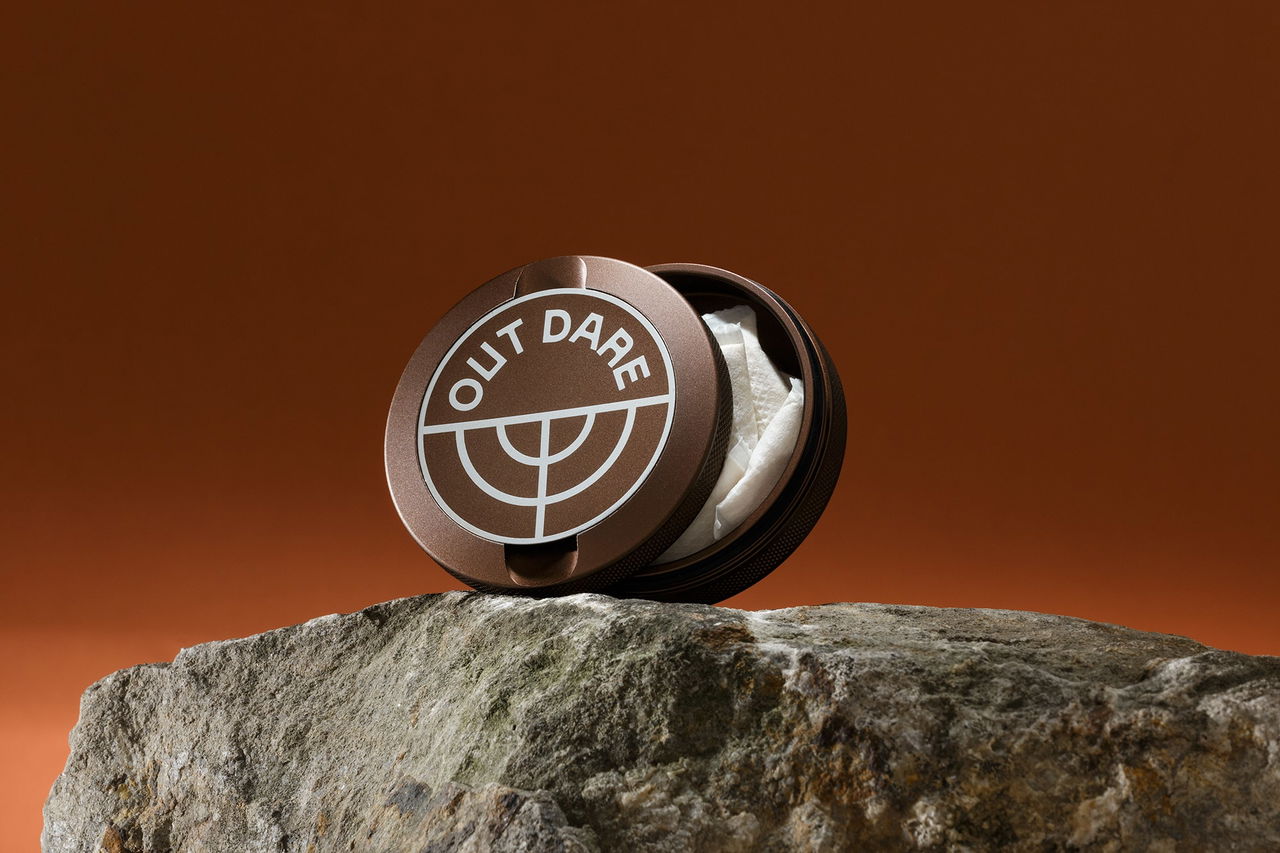
The psychology oral habits pouches framework starts with material science. Firm silicone chew tools deliver proprioceptive feedback, pressure signals sent to the brain via mechanoreceptors in the jaw and gums, that satisfies sensory-seeking habits directly. Soft fiber-matrix pouches, like those used in tobacco-free nicotine alternatives, replicate the gentle pressure of chewing without putting strain on the jaw joint.
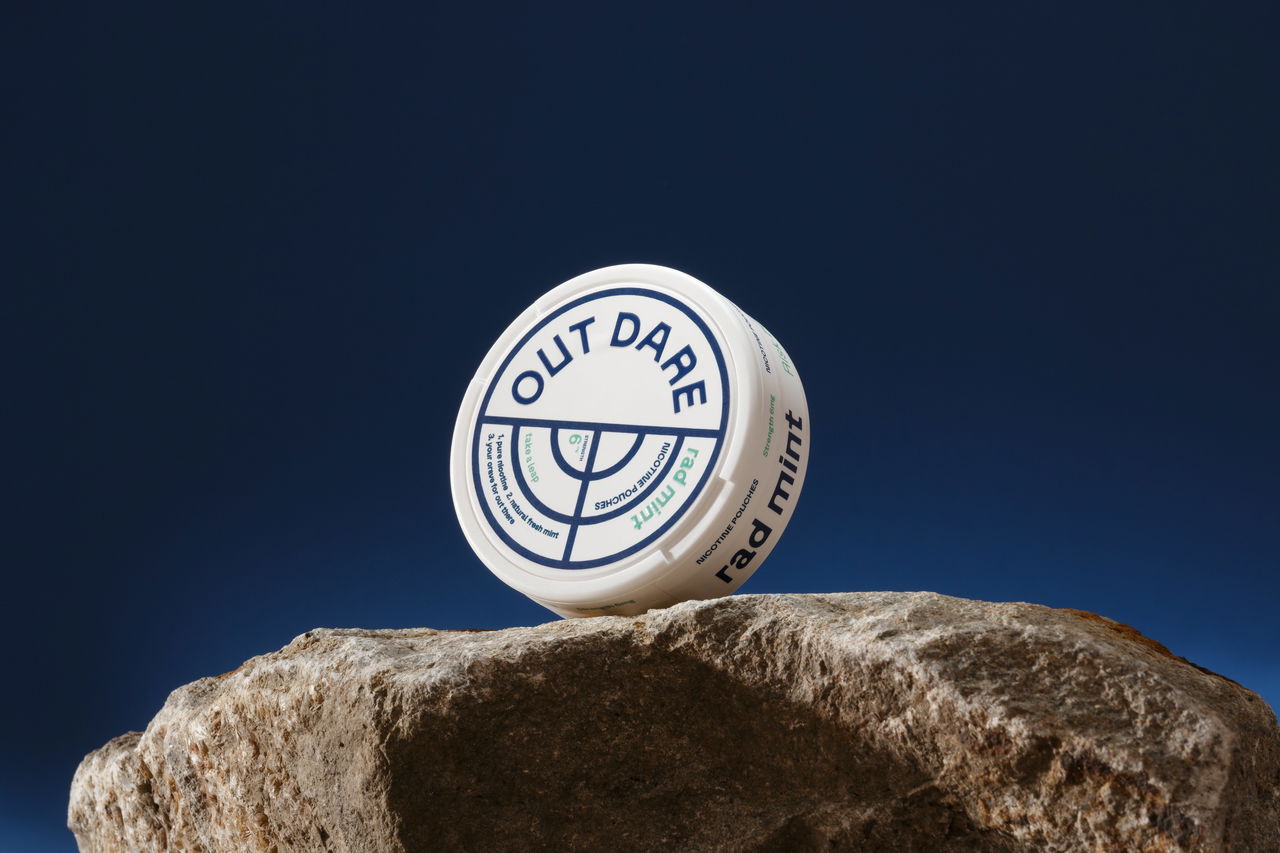
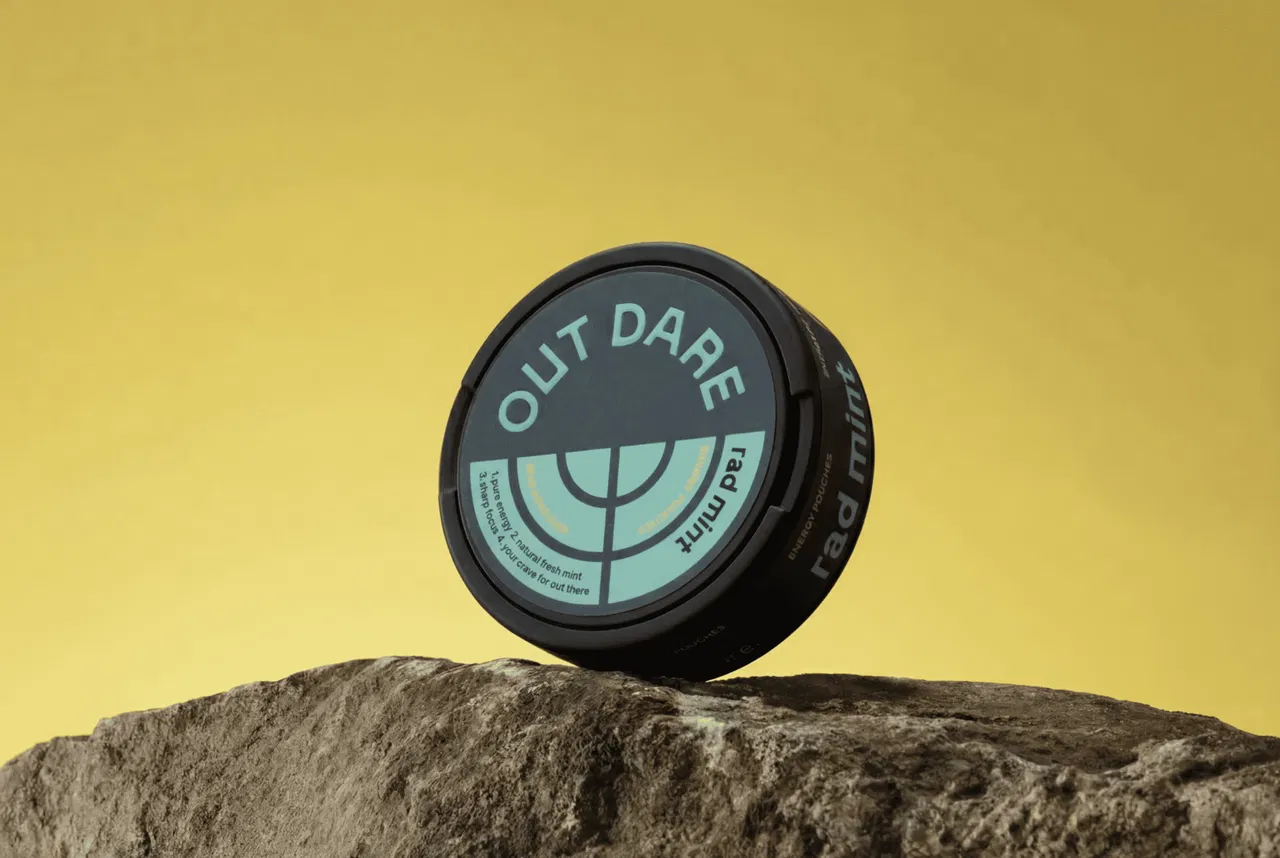
Textured surfaces activate a broader range of sensory receptors than smooth ones, producing a stronger calming signal. This is why the physical "pillow" sensation of a well-constructed pouch matters beyond marketing, it's doing neurological work. Outdare's three-pouch system is built on exactly this principle: all three variants, Nicotine, Energy, and CBD, share the same mouthfeel and gum burn, so the sensory circuit stays satisfied regardless of which pouch is in use.
What's the Cost and Accessibility of Oral Habit Management Tools Compared to Other Solutions?
Cost comparison is straightforward. Silicone sensory chew tools run £3–£15 per unit and last months with regular use. Nicotine pouches cost £4–£8 per can (roughly 20 uses). Nootropic and caffeine pouches, such as Outdare's Energy pouch, which delivers 50mg caffeine plus focus-supporting nootropics, sit at £6–£12 per can. All three options cost significantly less than a cigarette habit at £200+ per month, or a single CBT session at £80–£150.
Accessibility differs by category. Sensory chew tools are available over the counter with no age restriction, relevant for parents managing children's oral habits [3]. Nicotine pouches require age verification under EU and UK regulations. Nootropic pouches are sold as unregulated supplements, which means no prescription but also no standardized dosing oversight.
Match the tool to the habit driver. Sensory-seeking behavior responds best to a textured chew tool. Anxiety-driven habits benefit from a CBD or L-theanine pouch. Focus-seeking oral habits are well served by a nootropic energy pouch. Nicotine dependency calls for a stepped-down protocol, progressively swapping nicotine pouches for functional alternatives, as outlined in Outdare's caffeine and L-theanine pouch guide.
Frequently Asked Questions
Can oral fixation cause permanent dental damage?
Yes, sustained oral fixation behaviors can cause lasting structural damage to teeth and jaw alignment. Research published in the Journal of Orofacial Research [3] identifies prolonged oral habits as a driver of malocclusion, changes to the maxilla and mandible, and reduced salivary flow that increases infection risk. Nicotine pouches add a separate concern: gum recession from prolonged mucosal contact. Switching to non-nicotine pouch formats can preserve the oral ritual while removing the chemical irritant from the equation.
Are oral habit pouches safe for children with sensory processing issues?
Nicotine-containing pouches are not appropriate for children under any circumstances. Oral sensory tools designed specifically for pediatric use, chewable jewelry, textured oral motor tools, are the clinically appropriate route for children with sensory processing needs. The oral habit pouch category discussed in this article targets adults managing nicotine dependency or seeking functional alternatives. Parents and caregivers should consult a pediatric occupational therapist before introducing any oral sensory intervention for a child.
How long does it take to break an oral fixation habit using behavioral techniques?
Behavioral techniques typically require 4 to 12 weeks to produce measurable habit reduction, depending on the depth of the dependency and the consistency of the intervention. Habit Reversal Training studies report meaningful reductions in competing behaviors within 4 to 8 weeks of structured practice. For nicotine pouch users, a structured substitution protocol, such as Outdare's 4-week reduction method, addresses the sensory and ritual components simultaneously, which accelerates progress compared to willpower-only approaches.
Is oral fixation a sign of anxiety disorder or just a bad habit?
Oral fixation can be both, the two are not mutually exclusive. A 2024 narrative review in the Journal of Pharmacy and Bioallied Sciences [1] describes a bidirectional relationship between oral habits and anxiety: anxiety triggers oral behaviors, and those behaviors can reinforce anxious neural patterns over time. A persistent, distressing oral habit that disrupts daily life warrants assessment by a mental health professional, while a manageable habit without psychological distress may respond well to behavioral self-management alone.
How does the psychology oral habits pouches framework differ from traditional nicotine replacement therapy?
Traditional nicotine replacement therapy (NRT) focuses primarily on managing chemical dependency by reducing nicotine intake. The psychology oral habits pouches framework goes further by addressing the sensory, ritualistic, and behavioral dimensions of the habit simultaneously. Because the mouth-centered ritual carries as much psychological weight as the substance itself, tools that preserve the physical sensation of pouch use while reducing or eliminating the chemical load tend to produce better long-term outcomes than patches or gums that remove the oral component entirely.

Conclusion
Oral habits are not random, they are the brain's trained response to stress, sensory need, and chemical dependency, all running through the same behavioral loop. Three things are worth acting on: first, recognize that the ritual itself carries as much psychological weight as the substance inside the pouch; second, understand that cold-turkey approaches fail because they remove the chemical without addressing the habit; third, treat substitution as a system, not a willpower exercise.
If you currently use nicotine pouches and want a structured exit, start by mapping how many pouches you use daily and at what triggers. Then explore a three-pouch substitution system like Outdare, where the Energy and CBD variants share the identical mint flavor, burn, and mouthfeel as the nicotine pouch, so your brain stays in the ritual while the chemical load drops.
Sources & References
- Unraveling the Relationship between Oral Habits and Anxiety: A Narrative Review - PMC
- Oral Habits in Children Due to Anxiety, Fear, and Psychological Stress | Journal of Orofacial Research
Recommended Articles
Explore more from our content library: