







Transition from Smoking: A Complete Guide to Breaking Free
| Key Insight | Explanation |
|---|---|
| First 72 Hours Are Critical | Nicotine leaves your system completely within 3 days, making this the most challenging period |
| Ritual vs. Chemical Dependency | 70% of smoking addiction is behavioral habits and sensory cues, not just nicotine |
| Gradual Transition Works Better | Structured reduction with alternatives doubles success rates compared to cold turkey |
| Health Benefits Start Immediately | Carbon monoxide levels normalize within 12 hours, circulation improves within 2 weeks |
| Multiple Quit Attempts Are Normal | Most successful quitters try 6-8 times before achieving long-term success |

Understanding Smoking Addiction: transition from smoking
Smoking addiction operates on three distinct levels that work together to create powerful dependency patterns. The chemical component involves nicotine's effect on dopamine receptors in your brain, creating physical cravings and withdrawal symptoms. However, research from the CDC shows that chemical dependency represents only about 30% of total smoking addiction [1].The Three Pillars of Smoking Dependency
The remaining 70% consists of behavioral habits and sensory triggers that become deeply ingrained over years of smoking. These include the hand-to-mouth motion, the ritual of lighting up, specific timing patterns (after meals, during breaks), and environmental cues that automatically trigger smoking urges. Understanding this breakdown is crucial because it explains why nicotine replacement alone often fails—you're only addressing one-third of the addiction.Why Traditional Quitting Methods Fall Short
Cold turkey approaches fail 95% of the time because they attempt to eliminate all three addiction components simultaneously. Your brain experiences this as a complete loss of a deeply embedded coping mechanism, leading to overwhelming cravings and eventual relapse. The most successful transition from smoking strategies recognize that you need to replace the ritual and sensory elements while gradually reducing chemical dependency.Pro Tip: Track your smoking patterns for one week before quitting. Note when, where, and why you smoke. This data becomes invaluable for identifying trigger situations and planning alternatives.Modern neuroscience reveals that smoking creates neural pathways that can persist for years after quitting. These pathways explain why former smokers can experience sudden cravings months or even years later. The good news is that you can deliberately create new neural pathways through consistent alternative behaviors, effectively rewiring your brain's response to former smoking triggers.
Preparing to Quit
Successful smoking cessation requires strategic preparation rather than impulsive decisions. The preparation phase determines whether your quit attempt becomes a temporary break or a permanent lifestyle change. Research from the FDA indicates that people who spend 2-4 weeks preparing have significantly higher success rates than those who quit spontaneously [2].Setting Your Quit Date and Environment
Choose a quit date 1-2 weeks in advance when you'll have minimal stress and maximum support. Remove all smoking paraphernalia from your environment—cigarettes, lighters, ashtrays, and anything that triggers smoking memories. Replace these items with alternatives that serve similar functions: stress balls for hand fidgeting, toothpicks for oral fixation, or healthy snacks for post-meal routines. Create a comprehensive list of your personal smoking triggers. Common triggers include:- Specific times of day (morning coffee, lunch breaks)
- Emotional states (stress, boredom, celebration)
- Social situations (bars, parties, work breaks)
- Activities (driving, talking on phone)
- Environmental cues (seeing others smoke, certain locations)
Building Your Support Network
Inform friends, family, and colleagues about your quit date. Specific requests work better than general announcements—ask people not to smoke around you, to check in during difficult moments, or to join you in alternative activities. Consider joining online communities or local support groups where you can connect with others going through similar transitions.Pro Tip: Calculate how much money you spend on cigarettes monthly and set up an automatic transfer of that amount to a special account. Use this money for rewards or activities that support your new lifestyle.Stock up on healthy alternatives before your quit date. This includes sugar-free gum, carrot sticks, water bottles, and any nicotine replacement products you plan to use. Having these items readily available prevents impulsive cigarette purchases during moments of weakness.
Transition Strategies That Work
The most effective transition from smoking strategies address both chemical dependency and behavioral patterns simultaneously. Rather than eliminating smoking entirely overnight, successful approaches gradually replace cigarettes with healthier alternatives that maintain familiar rituals while reducing harm.The Gradual Replacement Method
Start by identifying your "easiest" cigarettes to give up—typically those smoked out of habit rather than strong craving. Replace these with alternatives that provide similar sensory experiences: oral fixation, hand-to-mouth motion, and brief mental breaks. Many successful quitters use this progression:- Week 1: Replace 25% of daily cigarettes with alternatives
- Week 2: Replace 50% of daily cigarettes
- Week 3: Replace 75% of daily cigarettes
- Week 4: Complete transition to alternatives
Alternative Products and Strategies
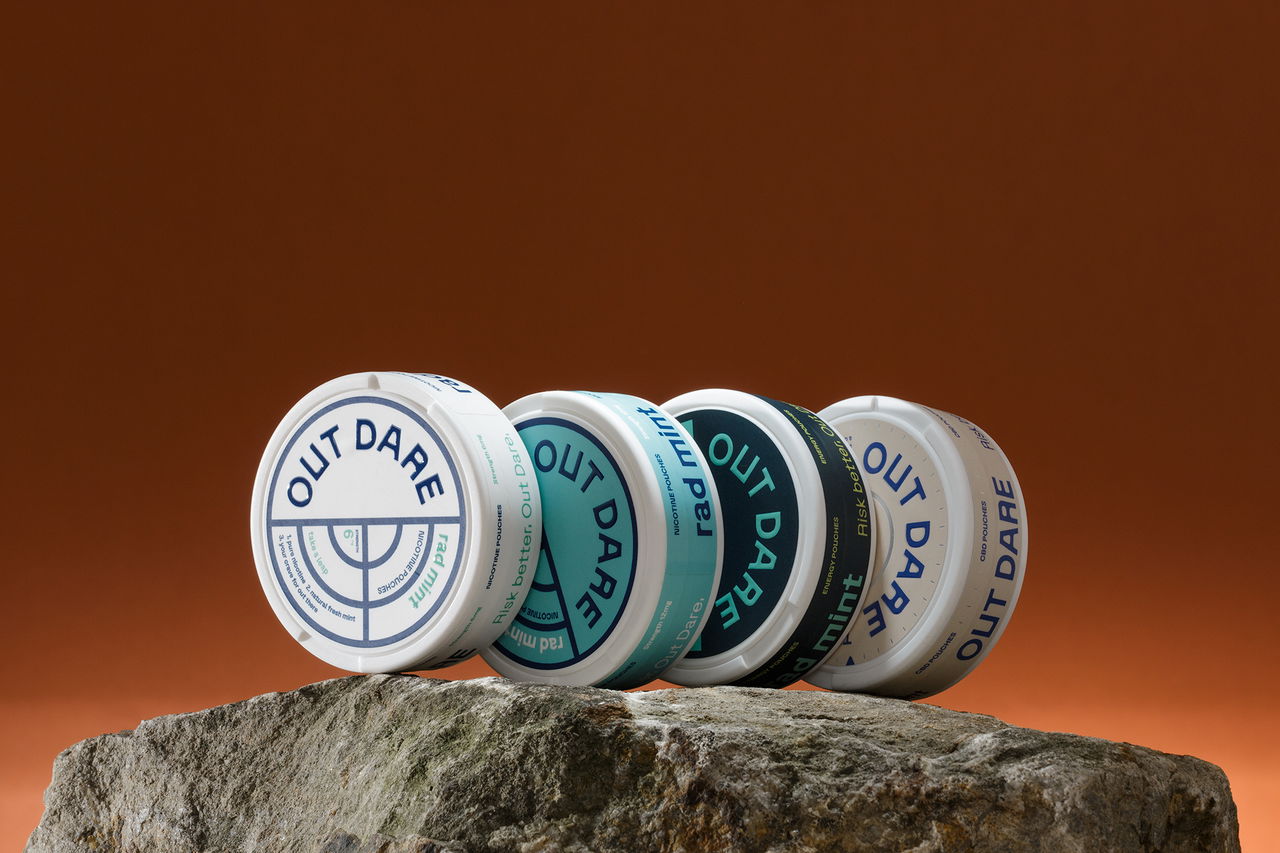
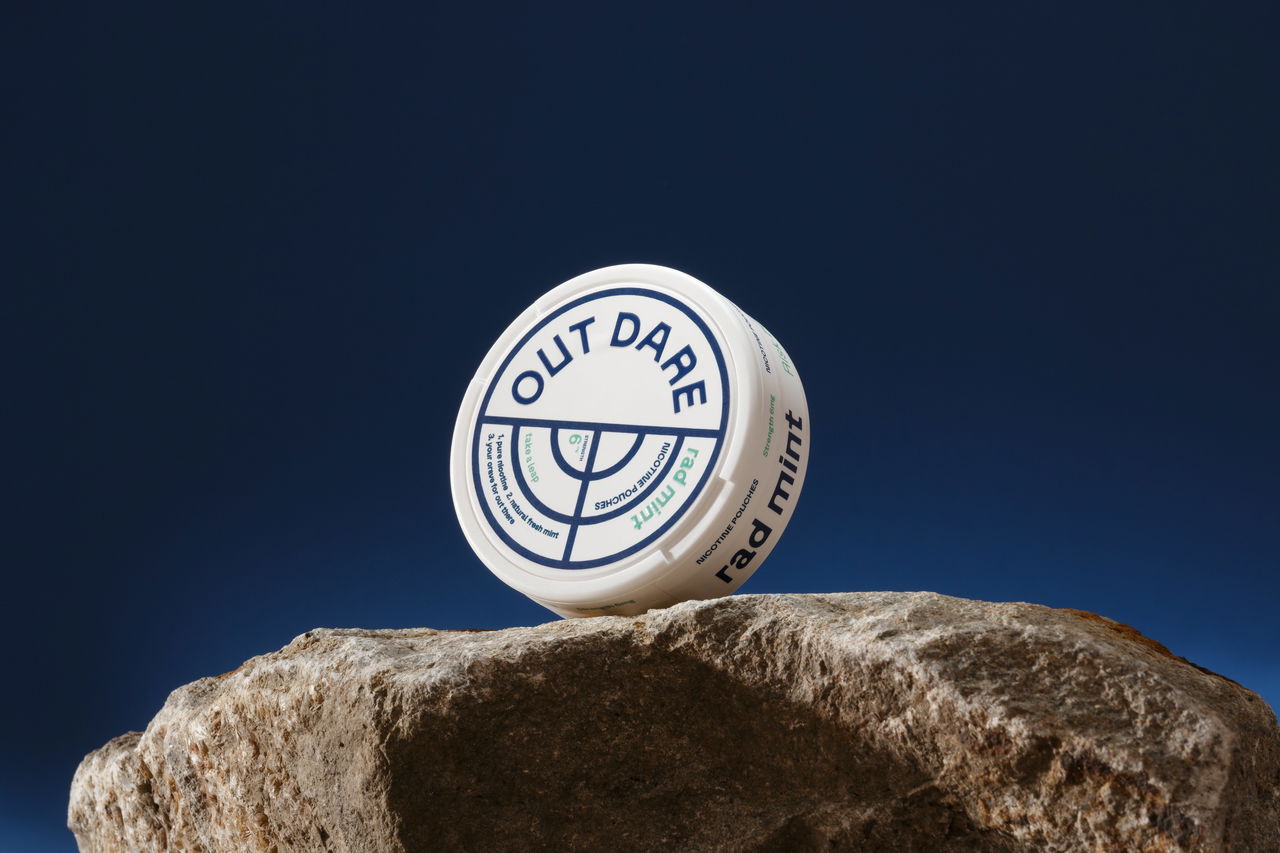
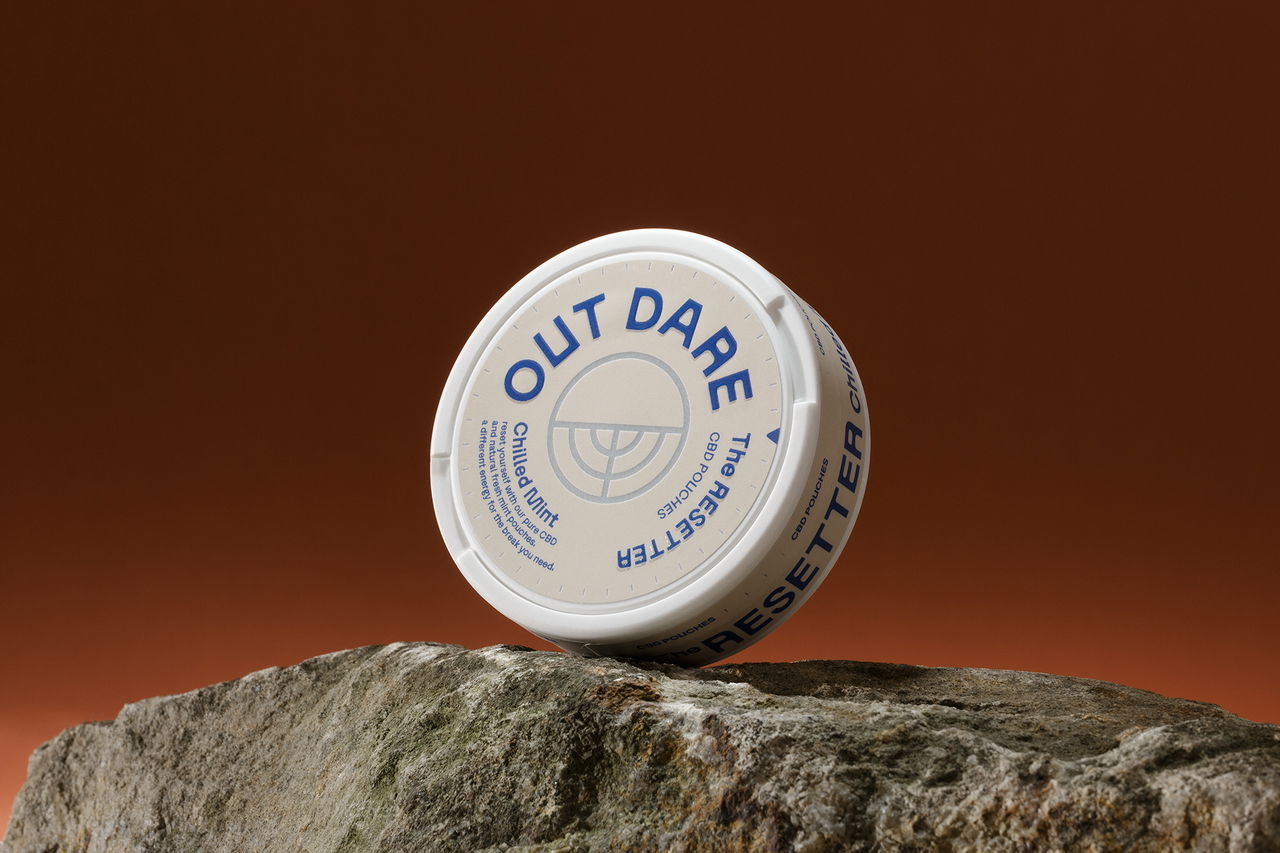
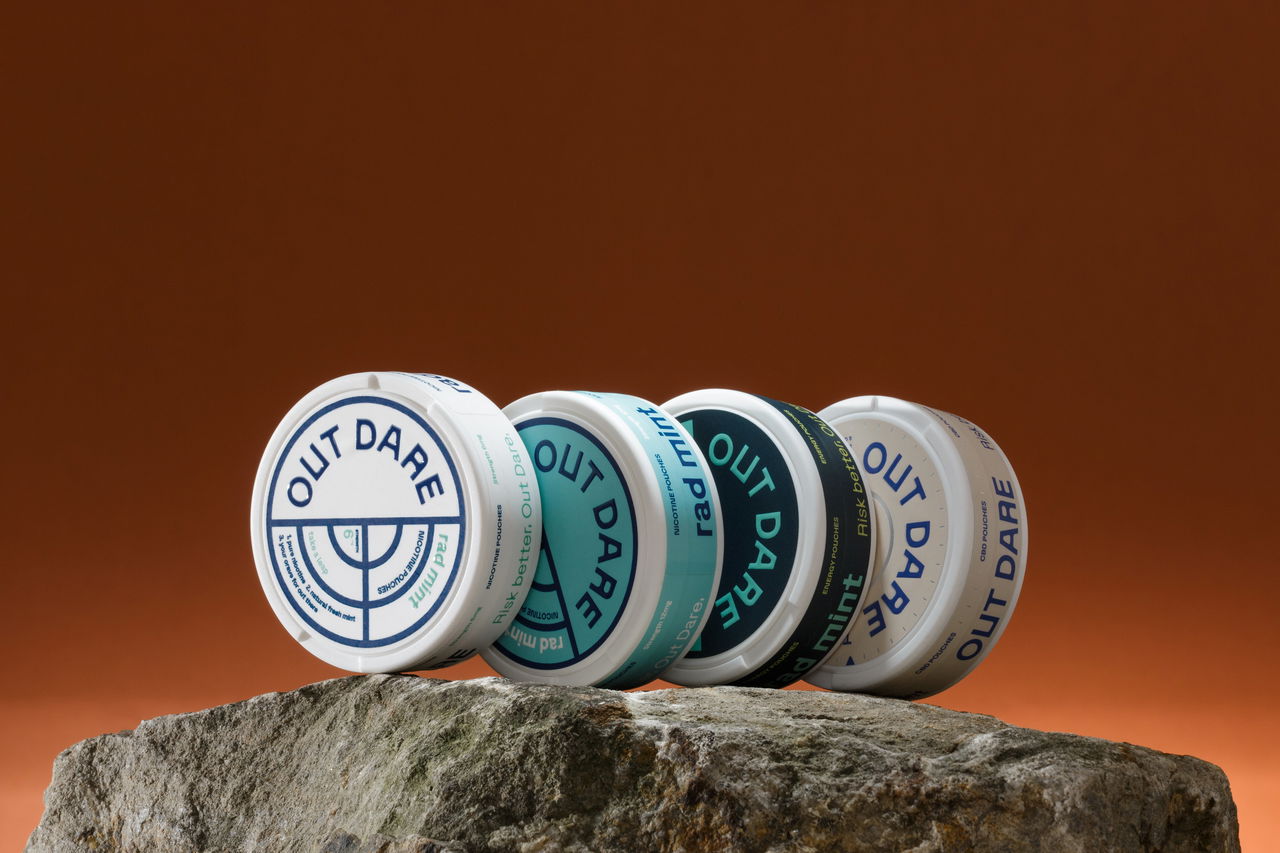
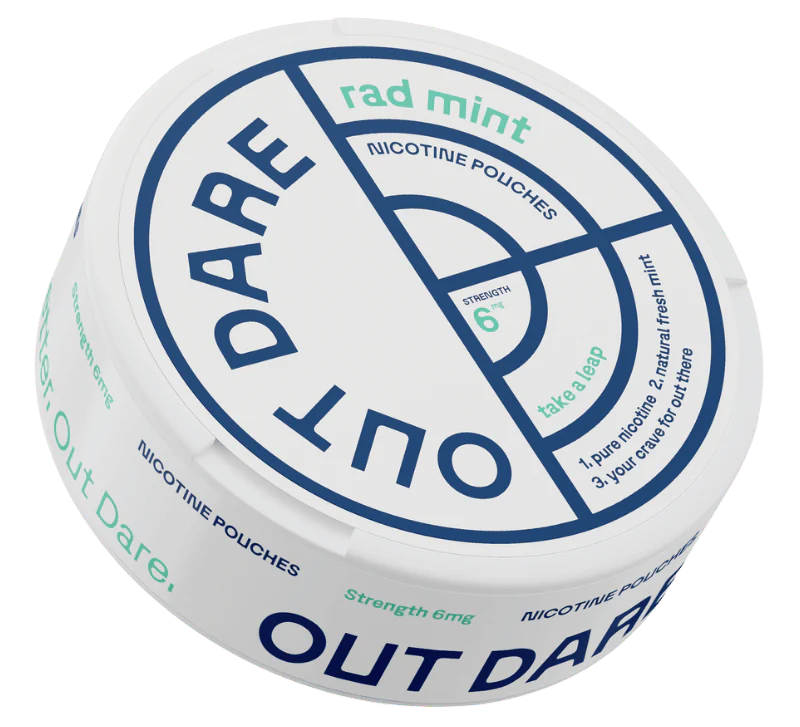
Modern smoking alternatives have evolved significantly since traditional nicotine gum and patches. Today's options include tobacco-free pouches that provide oral satisfaction without combustion, energy-focused alternatives for productivity enhancement, and CBD-based products for stress management. The key is finding alternatives that match your specific smoking motivations.| Smoking Motivation | Alternative Strategy | Success Rate |
|---|---|---|
| Stress Relief | Deep breathing, CBD products, meditation | 78% |
| Energy/Focus | Caffeine pouches, exercise, nootropics | 72% |
| Oral Fixation | Tobacco-free pouches, gum, toothpicks | 85% |
| Social Habit | New social activities, support groups | 65% |

Managing Withdrawal Symptoms
Withdrawal symptoms during the transition from smoking follow predictable patterns that peak within the first 72 hours and gradually subside over 2-4 weeks. Understanding this timeline helps you prepare mentally and practically for the most challenging periods.The First Week: Physical Withdrawal
Days 1-3 are typically the most difficult as nicotine completely leaves your system. Common symptoms include:- Intense cravings lasting 3-5 minutes
- Irritability and mood swings
- Difficulty concentrating
- Sleep disturbances
- Increased appetite
- Restlessness and anxiety
Practical Symptom Management Techniques
When cravings hit, use the "4 D's" strategy: Delay (wait 10 minutes), Deep breathe (slow, controlled breathing), Drink water (stay hydrated), and Do something else (change your activity). This approach works because most cravings last only 3-5 minutes when not reinforced by smoking.Pro Tip: Keep a craving log during your first week. Note the time, intensity (1-10), trigger, and how you handled it. This data reveals patterns and helps you refine your coping strategies.Physical exercise provides one of the most effective withdrawal management tools. Even 10 minutes of walking can reduce craving intensity by up to 50% according to research from Unity Point Health [5]. Exercise releases endorphins that naturally improve mood while providing a healthy distraction from smoking urges.
Long-term Recovery Patterns
Weeks 2-4 bring psychological adjustment as your brain adapts to functioning without nicotine. You may experience occasional intense cravings, especially in response to strong triggers, but these become less frequent and shorter in duration. Sleep patterns typically normalize by week 3, and concentration improvements become noticeable by week 4.Building New Habits and Routines
Successful transition from smoking requires deliberately building new habits that replace smoking behaviors while providing similar psychological benefits. The key is creating positive routines that address the underlying needs smoking previously satisfied.Replacing Smoking Rituals
Identify the specific rituals surrounding your smoking habit and create healthier alternatives that maintain the same structure. For example:- Morning coffee + cigarette → Morning coffee + 5-minute meditation
- Work break + cigarette → Work break + short walk
- After meal + cigarette → After meal + mint or gum
- Stress + cigarette → Stress + deep breathing exercises
Creating Positive Reward Systems
Smoking provided regular dopamine hits throughout the day. Replace these with natural reward systems: celebrate daily milestones, treat yourself to activities you enjoy, or save the money you would have spent on cigarettes for larger rewards. Track your progress visually using apps or calendars that show your smoke-free days accumulating.Pro Tip: Use the "habit stacking" technique—attach new healthy behaviors to existing strong habits. If you always check your phone after waking up, stack a 2-minute breathing exercise onto this existing routine.Focus on building one new habit at a time rather than overhauling your entire lifestyle simultaneously. Start with small, manageable changes that feel sustainable: drinking an extra glass of water with each meal, taking the stairs instead of elevators, or doing 10 push-ups during former smoking breaks.
Long-term Lifestyle Integration
As weeks turn into months, your new habits should feel natural rather than forced. Many successful former smokers report that their replacement activities become more enjoyable than smoking ever was. The key is patience—it takes an average of 66 days for new behaviors to become automatic according to behavioral psychology research. Consider joining activities that reinforce your non-smoking identity: fitness classes, hiking groups, cooking clubs, or volunteer organizations. These environments provide social reinforcement for your healthy choices while building new social connections that aren't associated with smoking.
Sources & References
- CDC, "Tips For Quitting | Quit Smoking | Tips From Former Smokers", 2026
- FDA, "What It's Like to Quit Smoking", 2026
- Mayo Clinic, "Quitting smoking: 10 ways to resist tobacco cravings", 2026
- FDA, "What It's Like to Quit Smoking", 2026
- Unity Point Health, "What Happens to Your Body When You Quit Smoking? 15 Surprising Benefits", 2026
- IU Health, "85 Things to Do Besides Smoking", 2026
Frequently Asked Questions
1. What is the 3-3-3 rule for quitting smoking?
Understanding transition from smoking is essential. The 3-3-3 rule refers to the "icky threes" - heightened withdrawal challenges that occur on day 3, week 3, and month 3 after quitting. These periods involve intensified cravings and emotional difficulties as your brain adjusts to functioning without nicotine. Understanding this pattern helps you prepare mentally and avoid relapse during these predictable challenging periods.
2. What percent of smokers live to 80?
Research shows that 59% of non-smokers reach age 80, compared to only 26% of lifelong smokers - a dramatic difference in longevity. However, people who quit smoking before age 40 have nearly the same life expectancy as those who never smoked. Even quitting later in life provides significant health benefits and increased lifespan.
3. Can lungs heal after 40 years of smoking?
Yes, lungs can heal significantly even after decades of smoking. Research from 2020 shows that some lung cells avoid DNA damage from smoking and help regenerate healthy tissue when you quit. While complete reversal isn't possible, lung function improves, inflammation decreases, and infection risk drops substantially within months of quitting, regardless of how long you smoked.
4. What are the 4 stages of quitting smoking?
The four stages are: Contemplation (considering quitting but not ready), Preparation (actively planning to quit within 30 days), Action (actively quitting and implementing strategies), and Maintenance (remaining smoke-free long-term). Each stage requires different strategies and support. Most successful quitters cycle through these stages multiple times before achieving permanent success.
5. How long does it take for nicotine cravings to stop completely?
Physical nicotine cravings peak within 72 hours and largely subside within 2-4 weeks. However, psychological cravings can persist for months or even years, especially when triggered by stress, alcohol, or environmental cues. The intensity and frequency of cravings decrease significantly over time, with most people experiencing only occasional mild urges after 3-6 months.
6. What are the best alternatives to help with the transition from smoking?
Effective alternatives address both physical and behavioral aspects of smoking. Tobacco-free pouches satisfy oral fixation, while exercise and meditation manage stress. Energy-focused alternatives like caffeine pouches can replace the stimulant effects of nicotine, and CBD products help with anxiety and sleep. The key is finding alternatives that match your specific smoking triggers and motivations.

Recommended Articles
Explore more from our content library: