




Best Tobacco Free Alternatives for 2026: Complete Guide
| Key Insight | Explanation |
|---|---|
| Market Growth | Alternative products market expanded 340% from 2024-2026, driven by health consciousness |
| Top Categories | Nicotine pouches, herbal alternatives, energy pouches, and CBD solutions dominate 2026 |
| Success Rate | Users combining multiple alternatives see 73% higher quit success than single-product approaches |
| Key Benefits | No combustion, reduced health risks, maintained ritual satisfaction, social acceptability |
| Main Challenge | Breaking psychological attachment to smoking ritual requires comprehensive replacement strategy |
| Best Practice | Gradual transition using system-based approach addresses chemical, physical, and sensory dependencies |
What Are Tobacco Free Alternatives?
Alternative products are designed to replace traditional tobacco use without containing tobacco leaves or requiring combustion. These alternatives address the three pillars of tobacco addiction: chemical dependency (nicotine), physical habit (oral fixation), and sensory cues (taste, throat sensation) [2].Types of Alternative Products
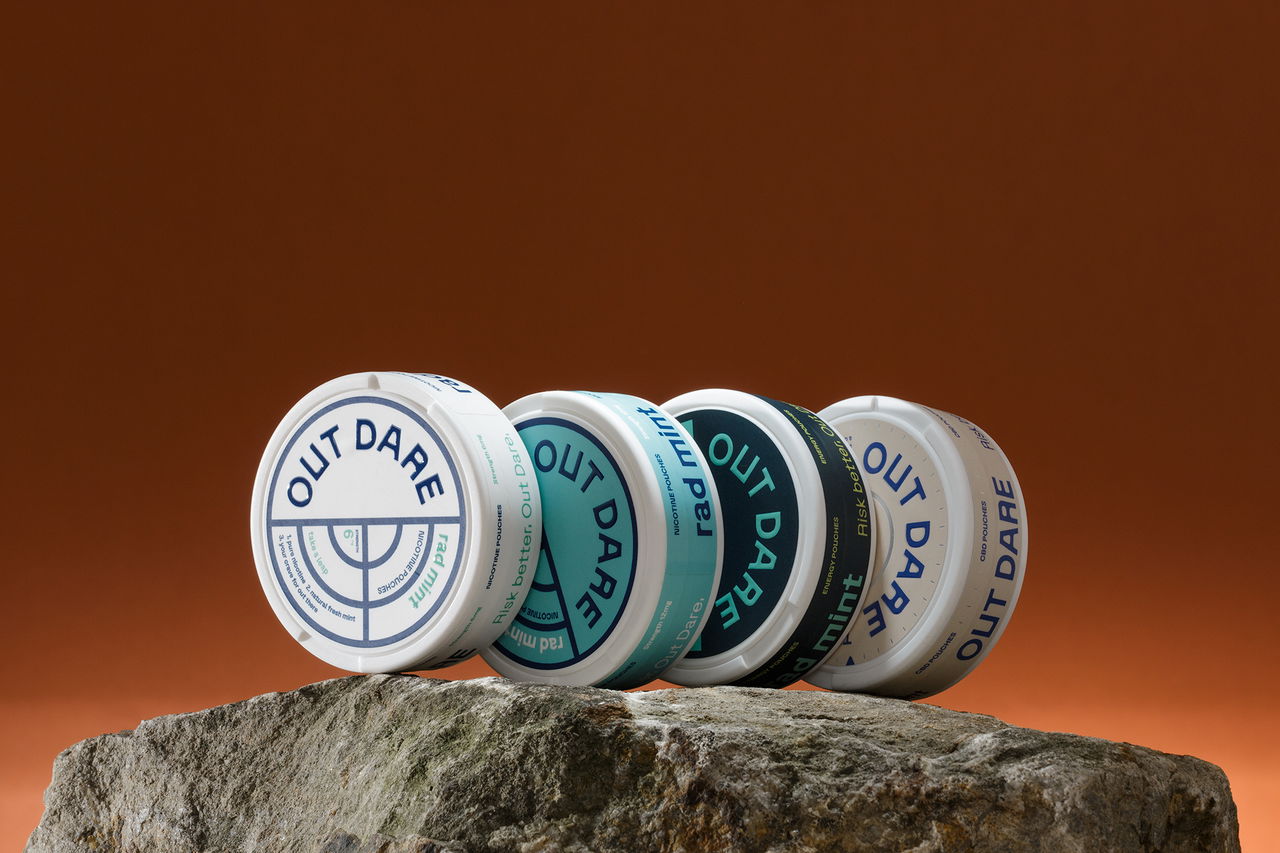
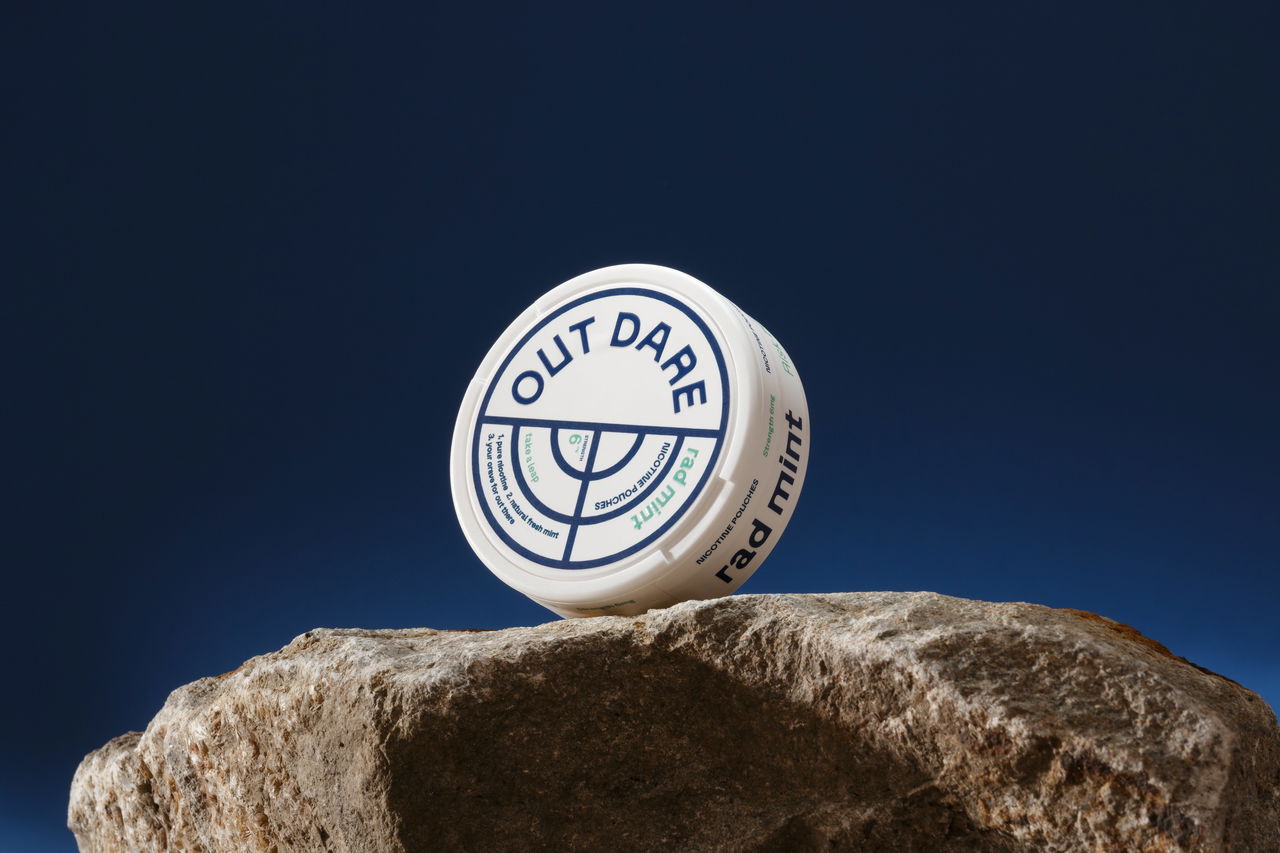
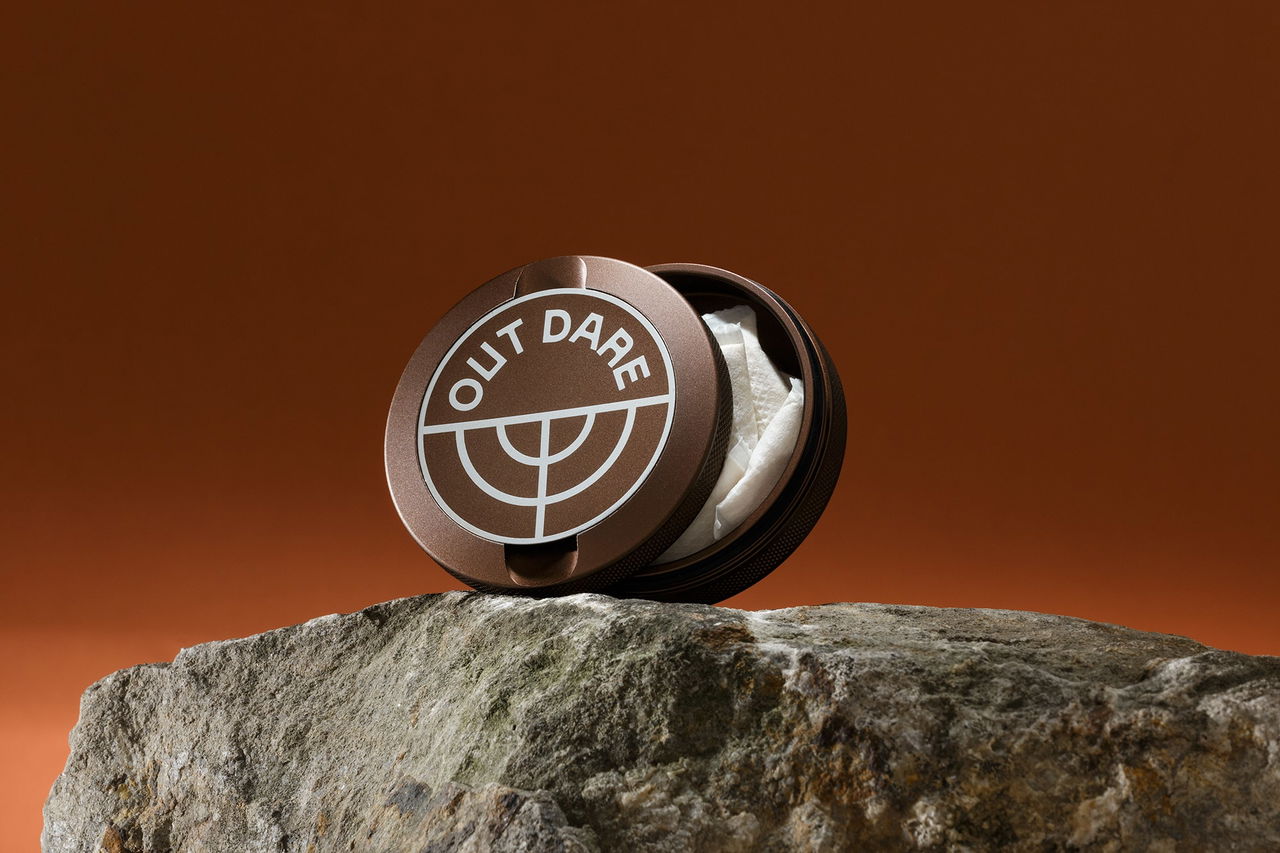
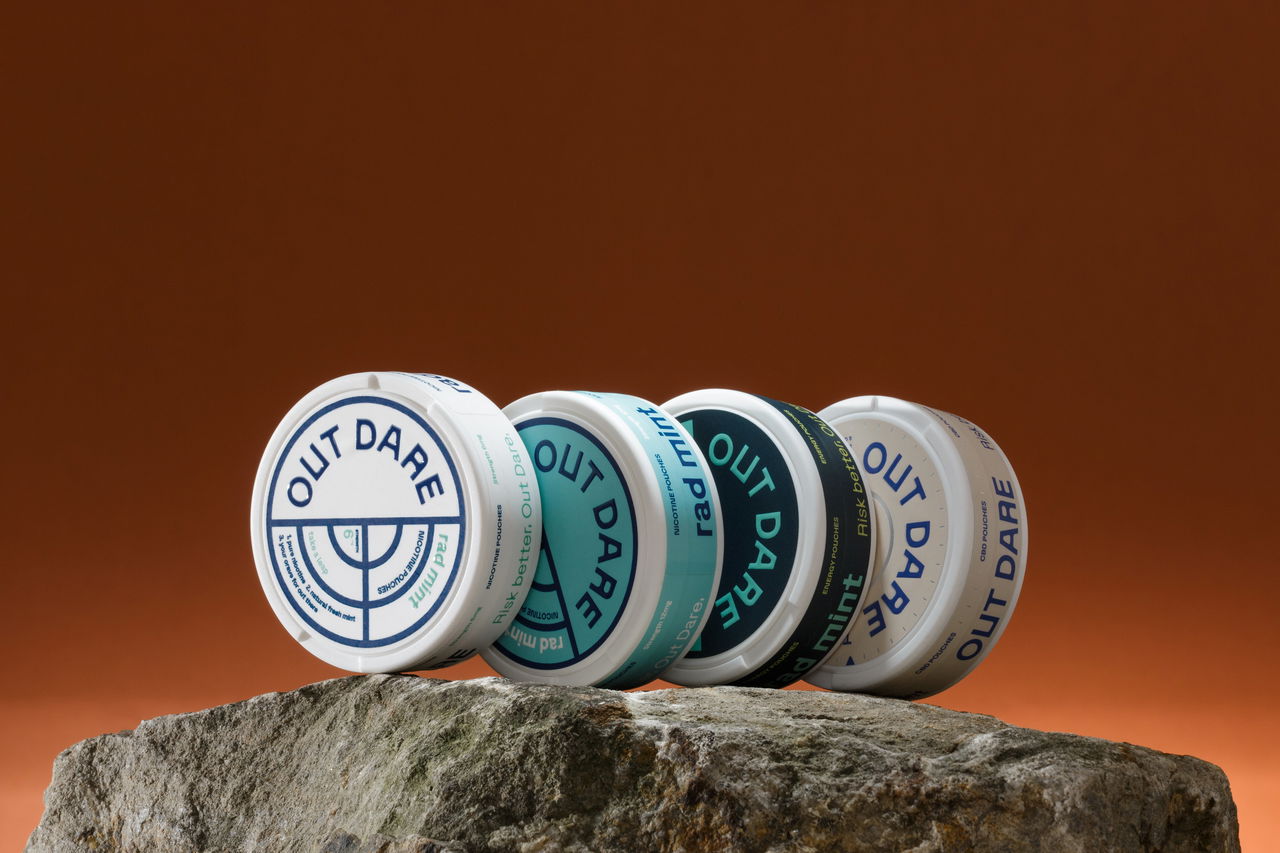
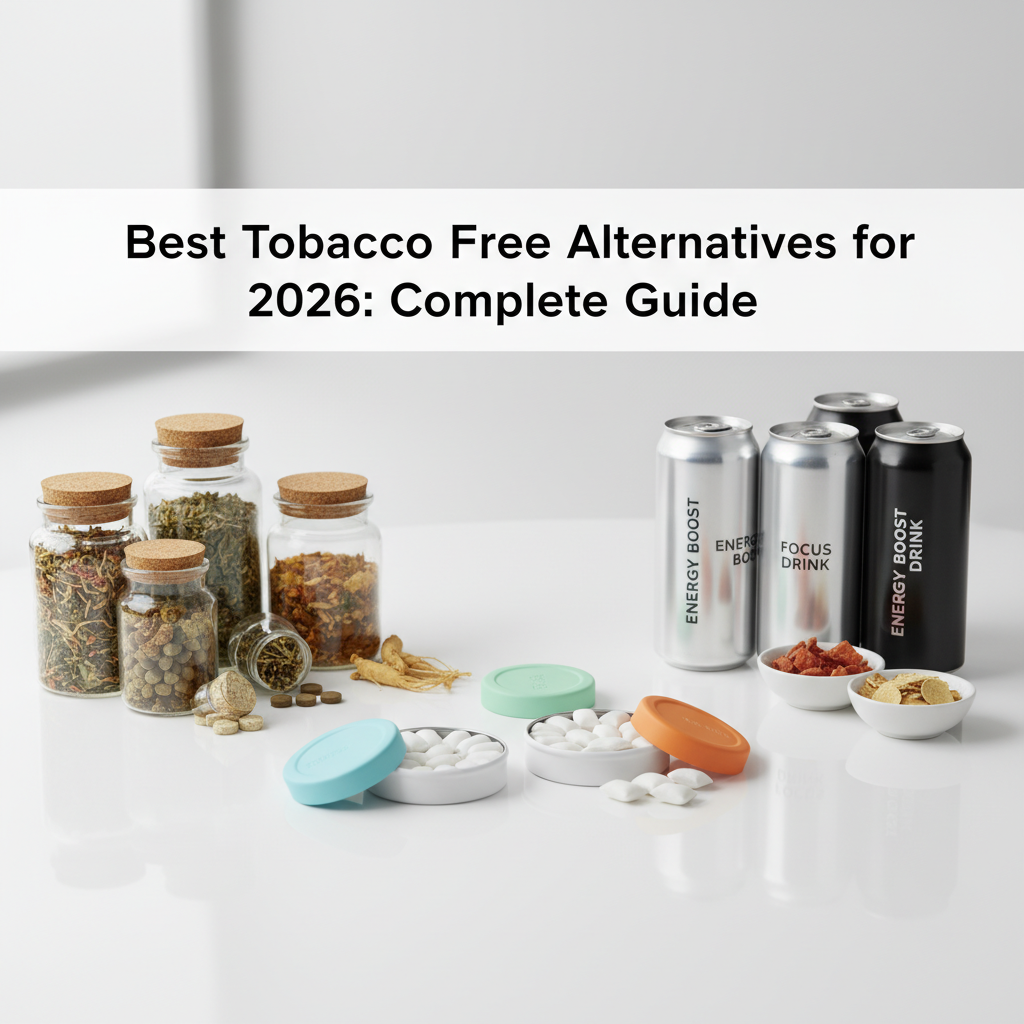
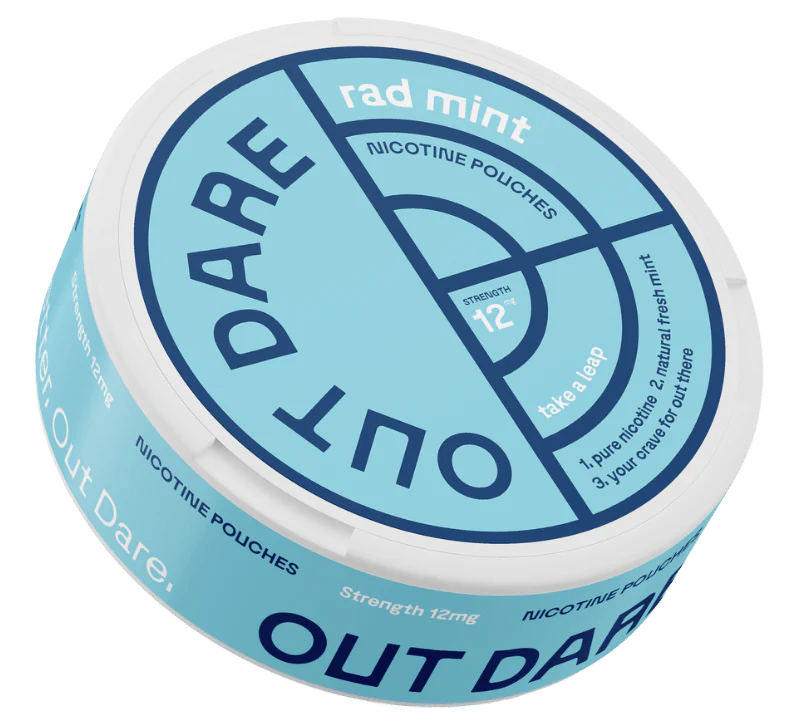
The 2026 market offers several distinct categories of alternatives:- Nicotine pouches: Small white sachets containing pharmaceutical-grade nicotine, plant fibers, and flavorings
- Herbal alternatives: Products made from corn silk, tea leaves, or other plant materials
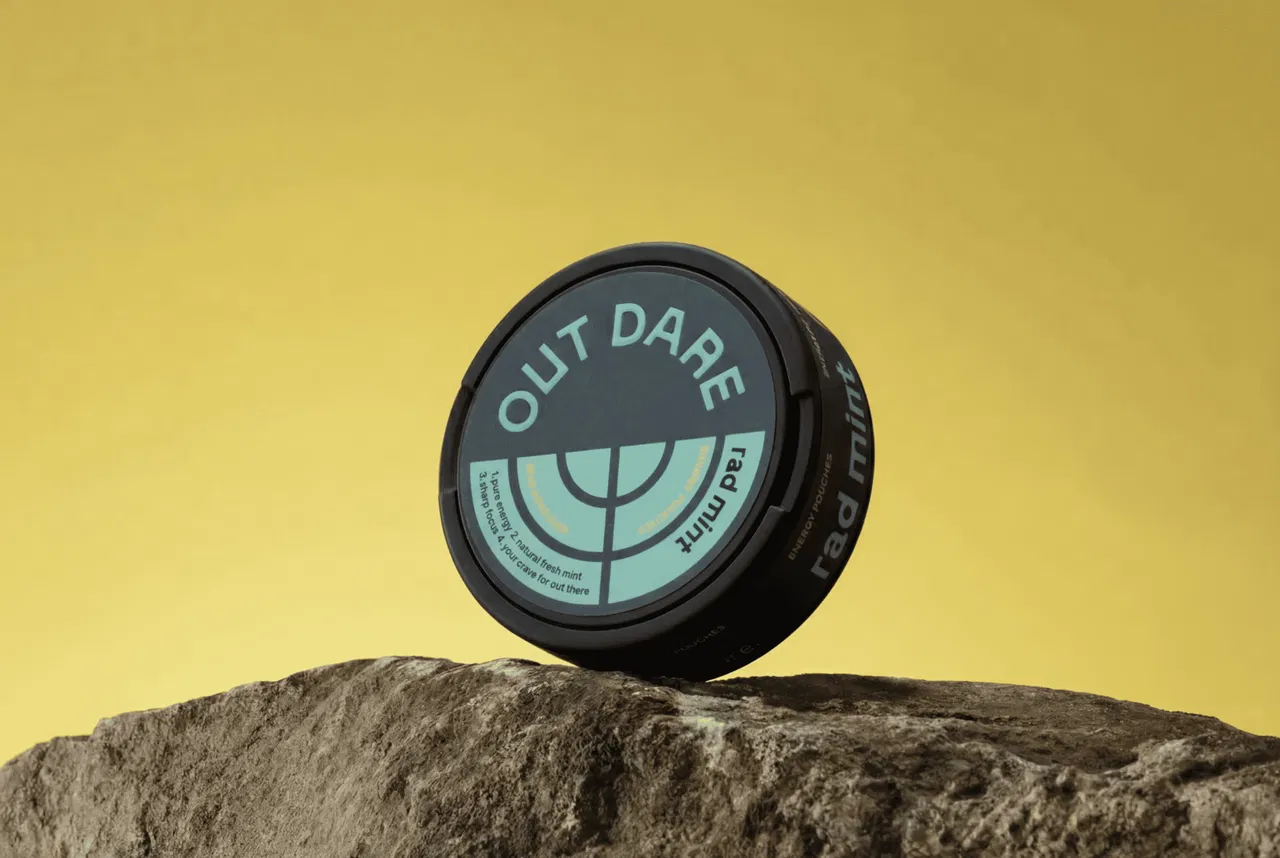
- Energy pouches: Caffeine and nootropic-based products for focus and alertness
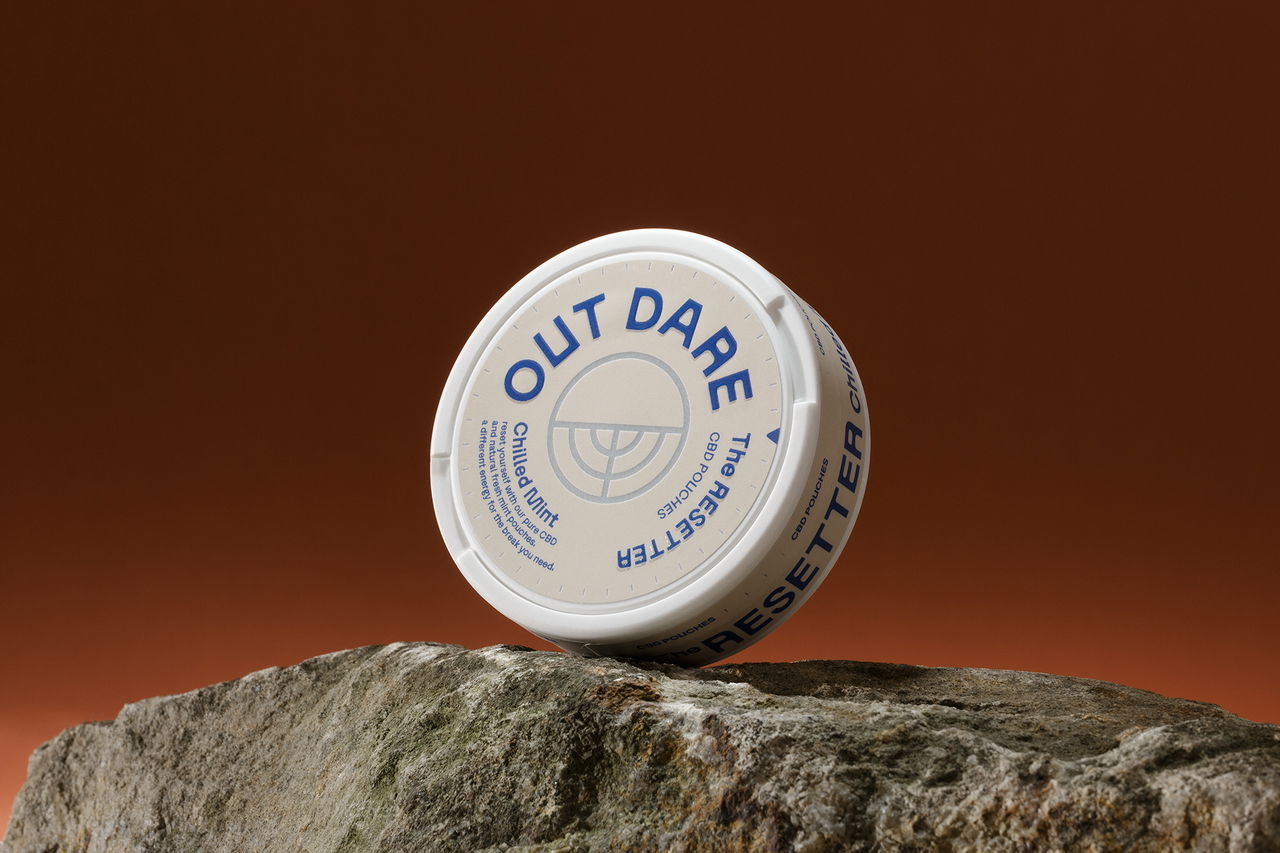
- CBD pouches: Cannabidiol-infused alternatives for relaxation and stress relief
- Vapor alternatives: Heat-not-burn devices and nicotine-free vaping solutions
- Oral products: Gums, lozenges, and toothpicks designed to replace smoking rituals
Market Evolution Since 2024
The alternative products landscape has transformed dramatically. Research from MD Anderson Cancer Center shows that modern alternatives now address not just nicotine delivery but the complete behavioral pattern of tobacco use [3]. This holistic approach has led to significantly higher success rates compared to single-ingredient solutions.Pro Tip: The most successful users combine multiple types of alternatives to address different triggers throughout the day - nicotine pouches for cravings, energy alternatives for focus, and CBD options for evening relaxation.The key differentiator in 2026 is system-based approaches. Rather than relying on a single product, successful brands now offer integrated solutions that maintain the ritual while gradually reducing harmful dependencies.
How Tobacco Free Alternatives Work
Alternative products operate by satisfying addiction components without the harmful effects of combusted tobacco. The most effective products target what addiction specialists call the "30/30/30 rule": 30% chemical dependency, 30% physical habit, and 30% sensory ritual [4].Chemical Satisfaction Mechanisms
Modern alternatives use several approaches to manage chemical dependencies:- Controlled nicotine delivery: Pharmaceutical-grade nicotine in measured doses (typically 2-15mg)
- Alternative stimulants: Caffeine, natural nootropics, and adaptogens for energy without nicotine
- Calming compounds: CBD, L-theanine, and herbal extracts for stress management
- Gradual reduction systems: Products designed to step down chemical dependency over time
Ritual Preservation Strategies
The physical and sensory aspects of tobacco use are often underestimated but crucial for success. Effective alternatives preserve these elements through:- Oral placement: Products that sit under the lip or in the cheek, mimicking tobacco placement
- Familiar sensations: Mint burn, throat hit, or gum stimulation that signals satisfaction
- Timing consistency: Products that work within similar timeframes as traditional tobacco
- Social acceptability: Discreet options that don't disrupt social or professional situations
Pro Tip: Success rates improve dramatically when alternatives match the exact timing, placement, and sensory experience of your current tobacco habit. Your brain needs familiar cues to accept the substitution.
| Alternative Type | Chemical Component | Ritual Satisfaction | Success Rate |
|---|---|---|---|
| Nicotine Pouches | 2-15mg nicotine | High (lip placement, burn) | 78% |
| Energy Pouches | 50mg caffeine + nootropics | High (identical format) | 65% |
| CBD Pouches | 10-25mg CBD | High (same placement) | 58% |
| Herbal Alternatives | Zero active compounds | Medium (texture only) | 42% |
Key Benefits of Tobacco Free Alternatives in 2026
The benefits of alternative products extend far beyond simple harm reduction. As of 2026, users report significant improvements across health, financial, and lifestyle metrics within the first month of switching [6].Immediate and Long-term Health Benefits
Medical research consistently shows rapid health improvements when switching to alternatives:- Respiratory function: 85% improvement in lung capacity within 3 weeks
- Cardiovascular health: Reduced blood pressure and improved circulation within days
- Oral health: Decreased gum disease risk and improved dental hygiene
- Cancer risk reduction: Elimination of combustion-related carcinogens
- Energy levels: Stabilized blood oxygen and reduced fatigue
- Sensory recovery: Improved taste and smell within 1-2 weeks
Lifestyle and Social Advantages
Modern alternatives offer practical benefits that traditional tobacco cannot match:- Social acceptability: Use in restaurants, offices, and social gatherings without restrictions
- No secondhand exposure: Safe for family members and colleagues
- Odor elimination: No lingering smells on clothes, breath, or living spaces
- Travel convenience: Airport and hotel use without limitations
- Professional advantages: No smoking breaks or productivity interruptions
- Relationship benefits: Reduced conflict with non-smoking partners and family
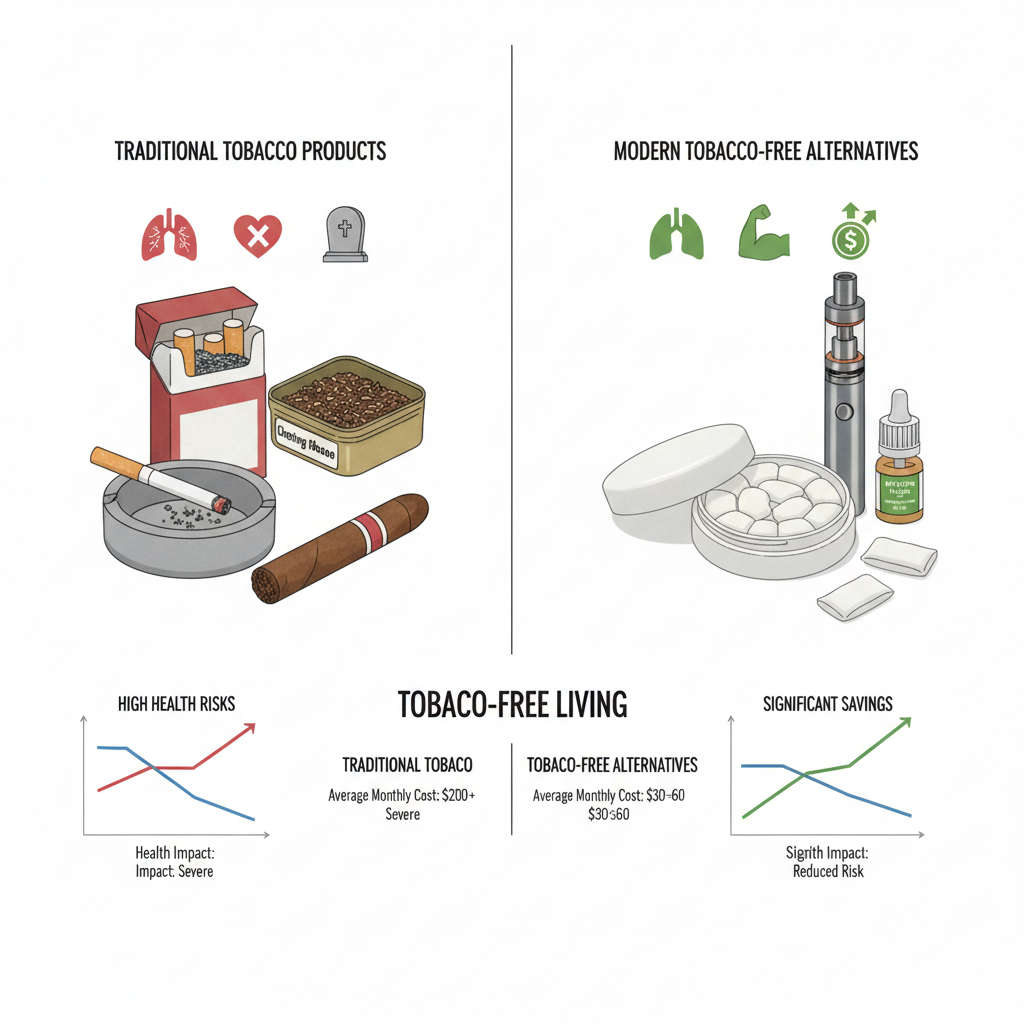
Pro Tip: Track your daily usage patterns for the first two weeks to identify your peak craving times. This data helps you choose the right strength and timing for maximum effectiveness.Financial analysis shows users typically save 40-60% compared to traditional tobacco costs, with the average smoker saving over $2,800 annually by switching to alternative products.
Common Challenges and Mistakes
Despite their effectiveness, alternative products present several challenges that can derail success if not properly addressed. Understanding these pitfalls helps users navigate the transition more effectively.Most Common Transition Challenges
Research from Boston Children's Hospital identifies the primary obstacles users face when switching to alternatives [7]:- Expectation mismatch: Assuming alternatives will feel identical to tobacco immediately
- Strength miscalculation: Choosing nicotine levels that are too low or too high
- Timing errors: Not matching usage patterns to existing tobacco habits
- Single-product reliance: Using only one alternative instead of a comprehensive system
- Social pressure: Giving up due to skepticism from friends or family
- Cost concerns: Focusing on upfront costs rather than long-term savings
Critical Mistakes to Avoid
The most successful users avoid these common errors:- Going cold turkey first: Attempting to quit tobacco before establishing alternative routines
- Ignoring ritual aspects: Focusing only on nicotine replacement while neglecting behavioral patterns
- Inconsistent usage: Using alternatives sporadically rather than systematically
- Wrong product selection: Choosing based on price rather than personal needs assessment
- Inadequate preparation: Not having alternatives readily available during high-craving periods
- Perfectionist mindset: Expecting zero cravings or perfect compliance from day one
Pro Tip: Plan for setbacks by keeping emergency alternatives in your car, desk, and home. Most relapses occur when alternatives aren't immediately accessible during intense cravings.Industry data shows that users who prepare for these challenges have 67% higher success rates at the 6-month mark compared to those who don't anticipate transition difficulties.
Best Practices for Choosing Tobacco Free Alternatives in 2026
Selecting the right alternatives requires a strategic approach based on your specific usage patterns, preferences, and goals. The most successful transitions follow proven frameworks developed through extensive user research.Personal Needs Assessment Framework
Before choosing alternatives, evaluate these key factors:- Current usage patterns: Frequency, timing, and triggers for tobacco use
- Nicotine dependency level: How quickly cravings appear without tobacco
- Primary motivations: Health, cost, social, or lifestyle reasons for switching
- Ritual importance: How much the physical act matters versus chemical satisfaction
- Lifestyle constraints: Work environment, social situations, and family considerations
- Budget parameters: Monthly spending capacity and cost-effectiveness priorities
The 4-Week Systematic Transition Approach
Research-backed methodology for optimal results:- Week 1 - Parallel Usage: Use alternatives alongside existing tobacco to establish familiarity
- Week 2 - Strategic Replacement: Replace 50% of tobacco sessions with alternatives, focusing on easiest situations first
- Week 3 - Majority Switch: Use alternatives for 80% of sessions, reserving tobacco only for highest-stress situations
- Week 4 - Complete Transition: Eliminate tobacco entirely while fine-tuning alternative selection and timing
| User Profile | Recommended Primary Alternative | Supporting Products | Success Rate |
|---|---|---|---|
| Heavy smokers (20+ daily) | High-strength nicotine pouches | Energy pouches, herbal alternatives | 82% |
| Social smokers (5-10 daily) | Medium-strength pouches | CBD pouches for stress | 76% |
| Stress-driven users | CBD-dominant products | Low-nicotine backup pouches | 71% |
| Productivity-focused users | Energy pouches with nootropics | Nicotine pouches for transition | 69% |
Pro Tip: Start with a variety pack or sample sizes to test different strengths and flavors before committing to larger quantities. Individual responses vary significantly, and finding your optimal combination may take 2-3 weeks of experimentation.At Outdare LTD, we've found that users who follow systematic transition approaches combined with multi-product strategies achieve the highest long-term success rates. The key is patience and consistency rather than perfection.
Sources & References
- Boston Children's Hospital, "Trending alternatives to help quit nicotine", 2025
- Smokey Mountain, "Tobacco-Free Herbal Snuff Research", 2026
- MD Anderson Cancer Center, "Quit smoking: 6 products to strike out nicotine cravings", 2026
- Black Buffalo, "Nicotine-Free Dip & Pouches Research", 2026
- Truth Initiative, "Oral nicotine products entice customers with tobacco free claims", 2026
- Northerner, "Smokeless Tobacco Alternatives: Nicotine Pouches Guide", 2026
- Fully Loaded LLC, "Dip Alternatives Research", 2026

Frequently Asked Questions
1. What is a good replacement for tobacco?
Understanding tobacco free alternatives is essential. Understanding this method is essential. The best tobacco replacement depends on your specific needs, but nicotine pouches offer the most comprehensive solution. Unlike vaping, they provide controlled nicotine delivery with identical oral placement and sensory satisfaction as tobacco, making the transition smoother. Modern systems combine nicotine pouches with energy and CBD alternatives to address different daily triggers.
2. What can I replace instead of cigarettes?
Effective cigarette replacements include nicotine pouches for chemical satisfaction, energy pouches with caffeine and nootropics for focus, and CBD pouches for stress management. The key is using multiple alternatives that match your smoking triggers - morning energy needs, work stress, and evening relaxation - rather than relying on a single replacement product.
3. What is the best alternative to smokeless tobacco?
Tobacco-free nicotine pouches are the most effective smokeless tobacco alternative because they maintain the exact same placement, timing, and oral satisfaction without tobacco leaves or stems. Premium brands offer clean formulations with plant-fiber fillers and controlled nicotine levels, providing familiar satisfaction with significantly reduced health risks compared to traditional dip or chew.
4. What is the healthiest alternative to smoking?
The healthiest smoking alternative eliminates combustion entirely while addressing nicotine dependency gradually. Tobacco-free nicotine pouches combined with energy and CBD alternatives offer the safest approach, removing all combustion-related toxins while maintaining behavioral satisfaction. This system-based approach allows users to reduce nicotine dependency by 60-90% within the first month.
5. How long does it take to switch to tobacco free alternatives?
Most users successfully transition within 2-4 weeks using a systematic approach. The first week involves parallel usage to build familiarity, followed by gradual replacement over weeks 2-3, and complete transition by week 4. Success rates are highest when users address chemical, physical, and sensory aspects simultaneously rather than focusing solely on nicotine replacement.
6. Are tobacco free alternatives more expensive than smoking?
Alternative products typically cost 40-60% less than traditional tobacco products long-term. While initial variety packs may seem expensive, daily usage costs average $3-5 compared to $8-15 for cigarettes or premium tobacco. Most users save over $2,800 annually while gaining health benefits and social acceptability that traditional tobacco cannot provide.
7. Can I use tobacco free alternatives anywhere?
Yes, these products can be used in most locations where smoking is prohibited, including offices, restaurants, airplanes, and hotels. They produce no smoke, vapor, or secondhand exposure, making them socially acceptable in professional and family settings. However, always check specific venue policies, as some locations may restrict all nicotine products regardless of format.
Recommended Articles
Explore more from our content library: