




Nicotine Pouches in Japan
This article delves into the intricate legal landscape surrounding nicotine pouches in Japan. As smokeless alternatives gain popularity worldwide, understanding their specific regulatory status in Japan is crucial. We aim to clarify the rules, availability, and restrictions on nicotine products, comparing them to international standards and shedding light on the unique approach Japan has adopted.
Introduction: Understanding Nicotine Pouches in Japan
Nicotine pouches are small, tobacco-free sachets that sit discreetly under the upper lip, releasing nicotine through the gum without smoke, vapour or spit. For buyers in Japan, they arrive as a modern, ready-to-use format sold online rather than through familiar convenience-store shelves. The category has grown quickly across Europe, with brands like ZYN, VELO and Nordic Spirit setting the reference points on strength and flavour, and newer names like OutDare shaping how the experience feels can-to-can. Getting to grips with what a pouch is, how strong it comes and which flavour suits you is the starting point for a confident order.
How to Buy Nicotine Pouches Online in Japan
Ordering nicotine pouches in Japan works the same way as any other online purchase: you pick a brand, choose a strength in milligrams, select a flavour and complete checkout. Strengths typically range from lighter options around 4 to 6 mg, through mid-range picks at 8 to 10 mg, up to stronger cans at 12 mg and above. Flavours span cool mint, spearmint, citrus, berry, coffee and tropical profiles, so it is worth reading the tasting notes on each can before you decide. OutDare ships from Denmark, with delivery to Japan usually landing within 2 to 5 working days once the order is placed. Pricing is set per can, with multi-can bundles offering a lower per-can rate, which is the easiest way to trial several flavours in a single order.
Nicotine Pouches Available Online in Europe
What These Pouches Are Made Of
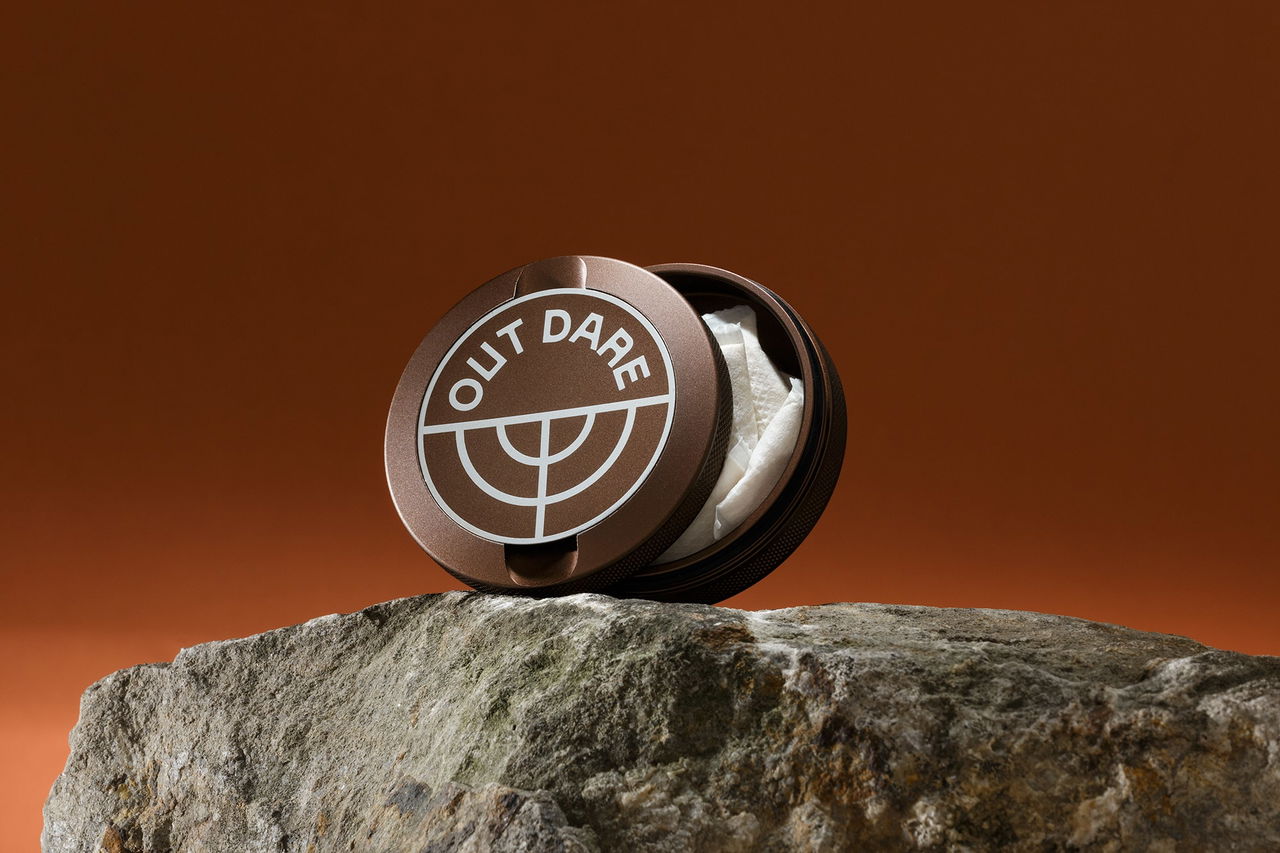
Nicotine pouches are small white bags placed under the upper lip. They contain plant fibres, a food-grade nicotine salt, water, flavourings and sweeteners. There is no tobacco leaf inside, which is what sets them apart from snus. Brands such as ZYN, VELO and Nordic Spirit follow this same basic recipe, and OutDare uses the same pouch format for The Shift, with a consistent mouthfeel across the range so the ritual stays the same from one can to the next.
Choosing a Strength and Flavour
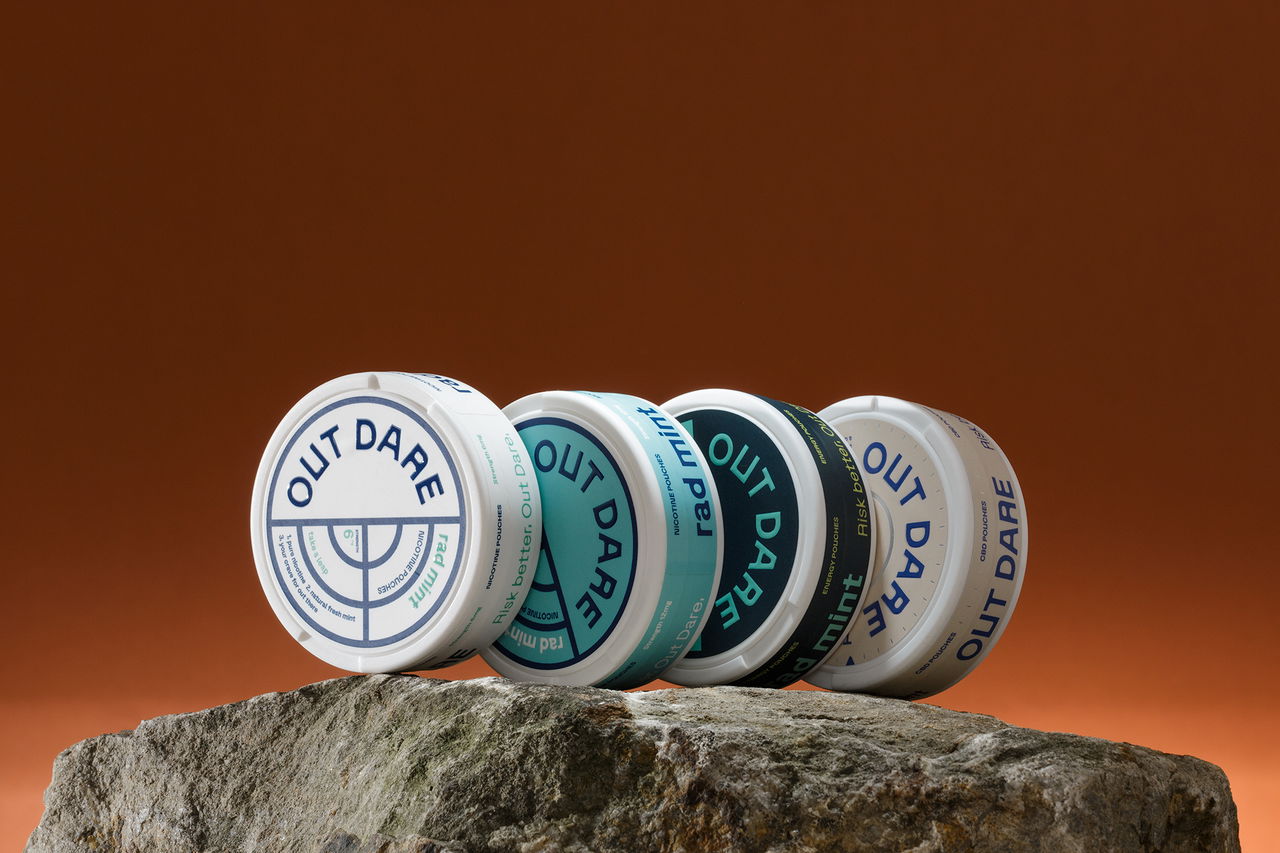
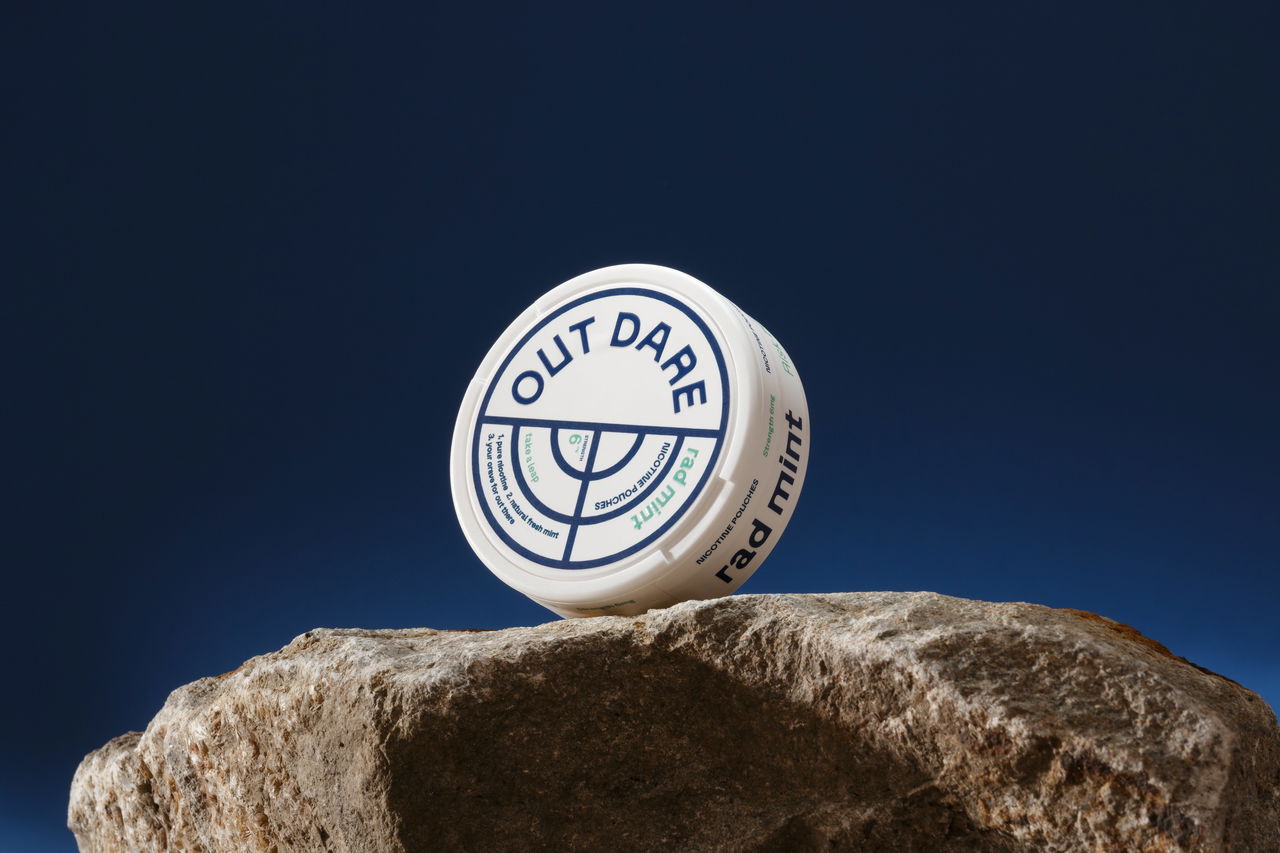
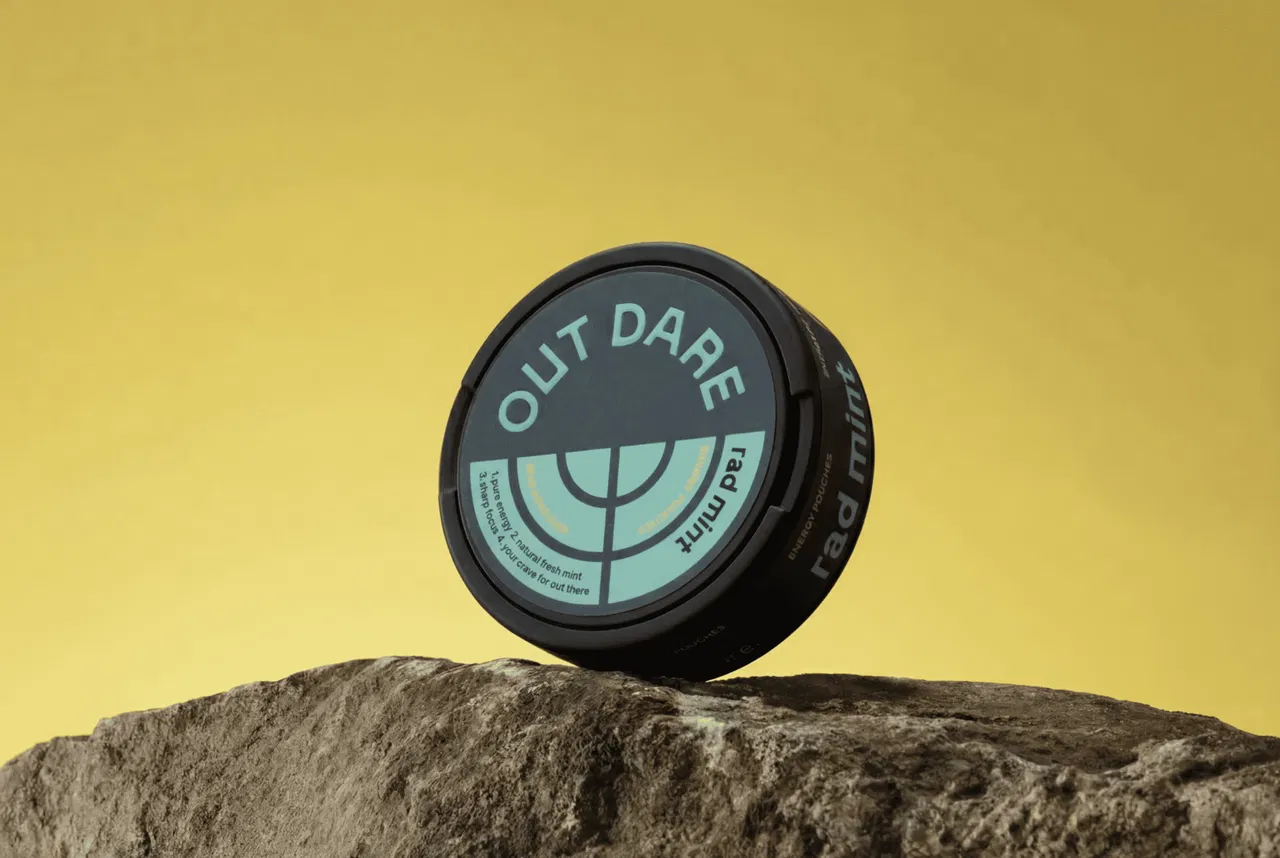
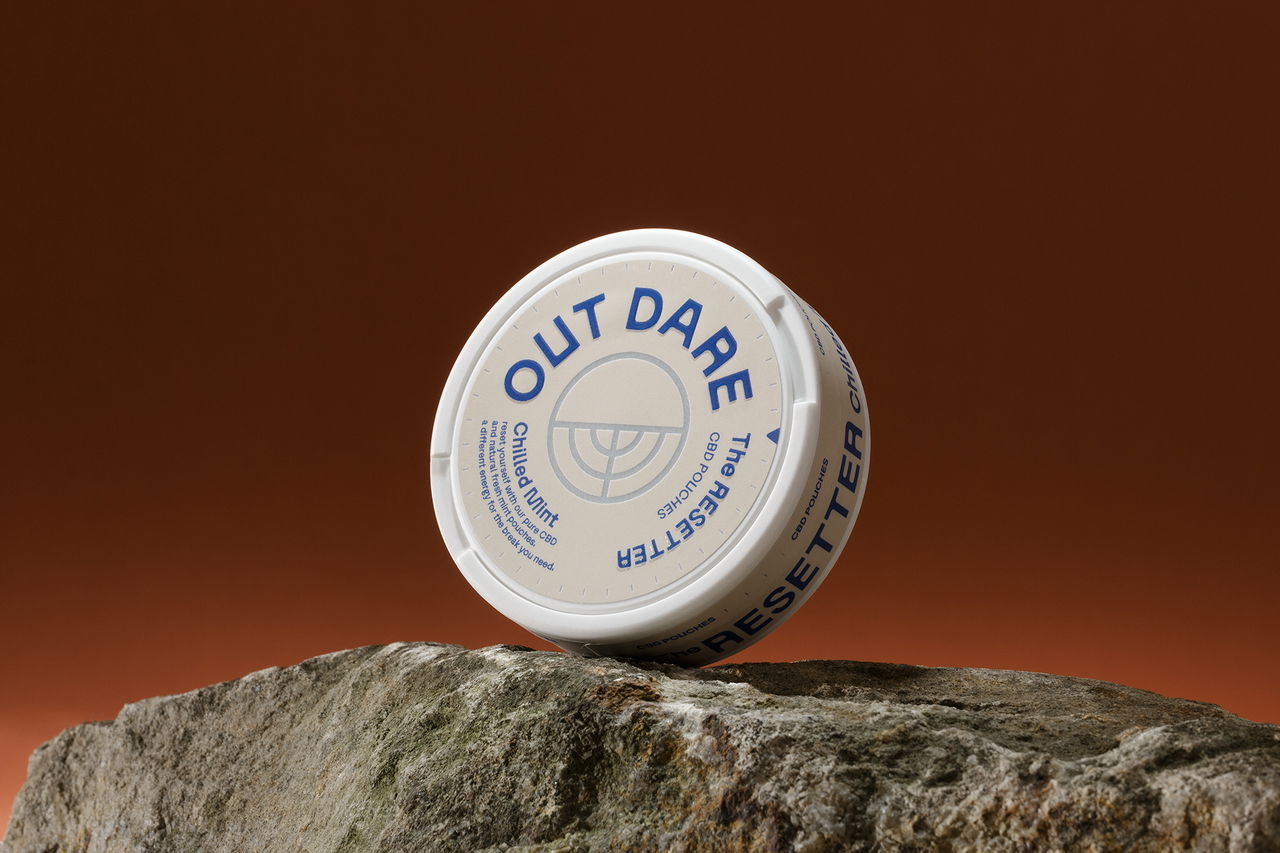
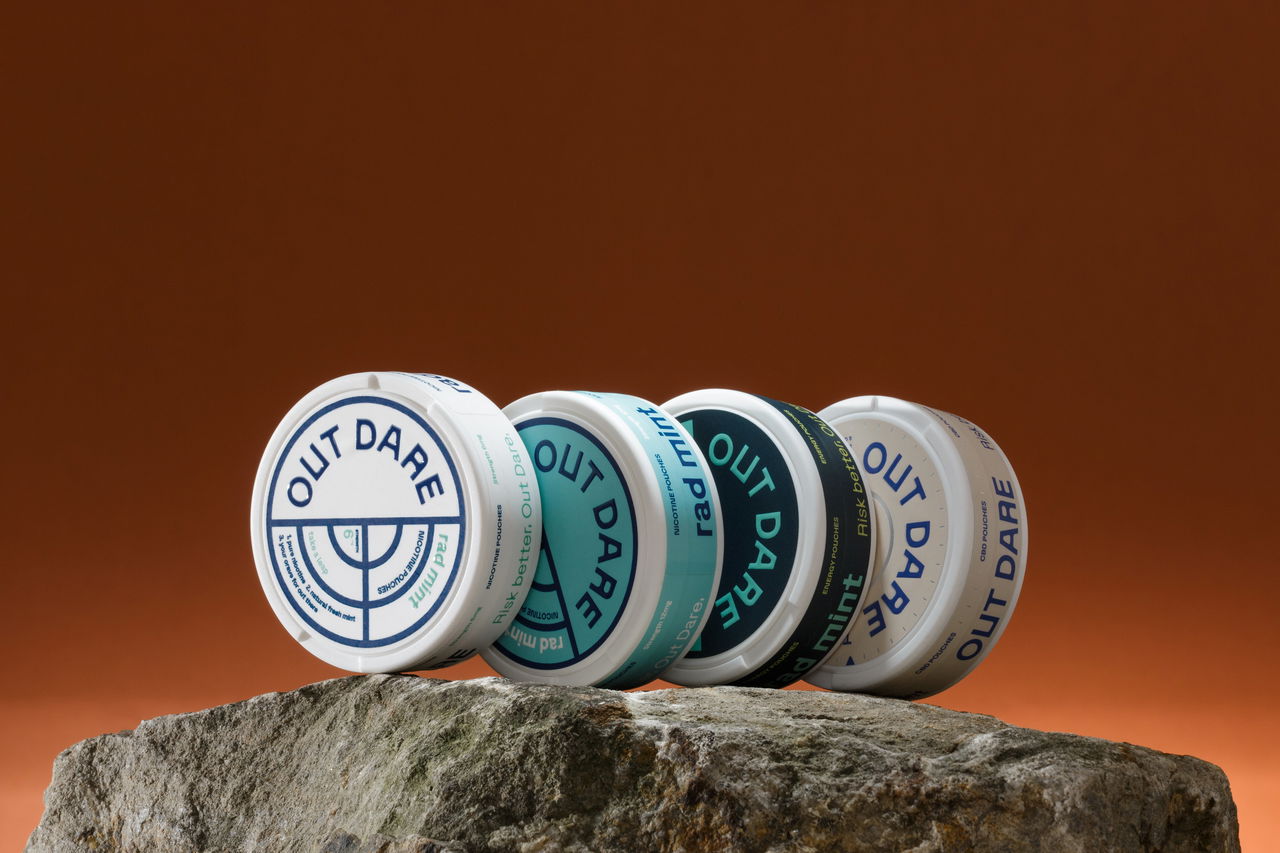
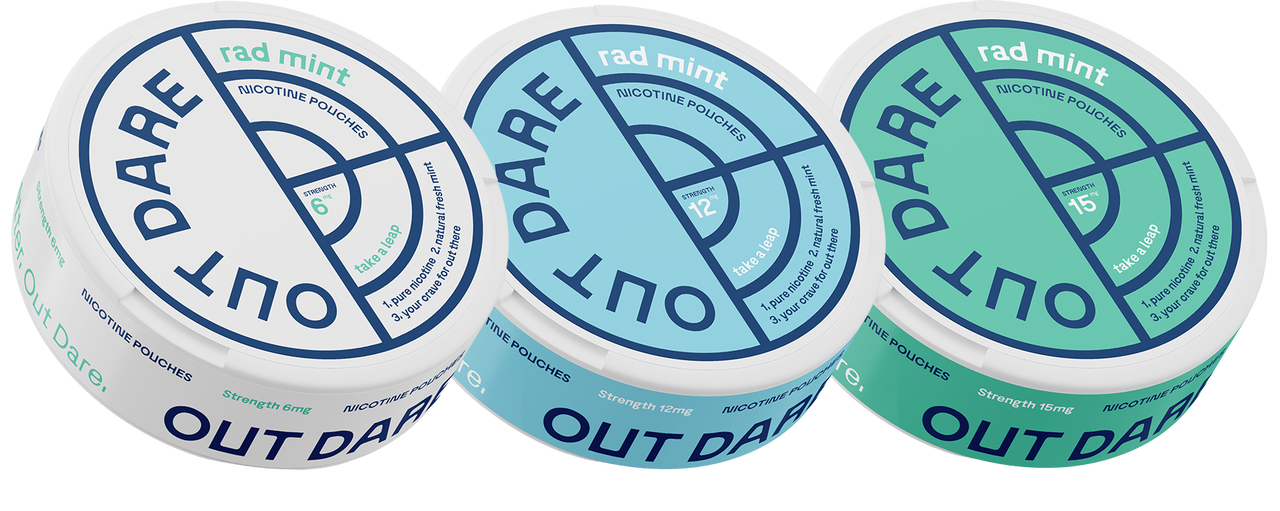
Strengths across the category typically run from around 3 mg per pouch at the lightest end up to 20 mg or more for the strongest cans. Newcomers usually start lower and adjust from there. Flavour is the other big choice: mint families (spearmint, peppermint, cool mint) dominate the shelves, with citrus, berry and coffee options widening the field. OutDare keeps a single flavour, Rad Mint, across its three pouches so the taste stays constant whether you reach for The Shift, The Resetter or the daytime can.
Cans are sold individually or in multi-packs, usually holding 20 or so pouches each.
Delivery across Europe runs 2 to 5 working days from Denmark, with tracked shipping on every order.
Ordering is done online through the OutDare site or through DarePouch, the marketplace where OutDare is the best seller alongside a wider selection of cans.
Age Limits and Compliance
Who these pouches are for
OutDare pouches are made for adults aged 18 and over who already use oral nicotine. If you are new to the category, start with a lower strength such as 6 mg or 10 mg before moving up. Ordering online is straightforward: pick your can, place the order, and delivery from Denmark takes 2 to 5 working days. Keep cans out of reach of children and pets, store them cool and dry, and treat each can as a personal product rather than something to share. This is the same approach adult users apply to ZYN, VELO or Nordic Spirit, and it works just as cleanly with OutDare, The Shift, The Resetter and Rad Mint.
Availability: How to Buy Nicotine Pouches Online
Ordering Online
Nicotine pouches are easiest to buy online, where the full range of brands and strengths sits in one place. Marketplaces like DarePouch carry the leading names side by side, so you can compare ZYN, VELO, Nordic Spirit and OutDare on flavour, mg per pouch and format before you commit. OutDare, made in Europe and shipped from Denmark, is the current best seller on DarePouch and a good starting point if you want one flavour (Rad Mint) that carries across a nicotine pouch (The Shift) and a Sleep Pouch with 20 mg of CBD per pouch (The Resetter).
Delivery and How to Order
Ordering online is straightforward, with a few things worth knowing:
Delivery runs 2 to 5 working days from Denmark.
Cans are sold singly or in multi-can packs, so you can trial a flavour before stocking up.
If you are choosing your first nicotine pouches, start with strength: 4 mg and 6 mg suit lighter use, 8 mg and 10 mg sit in the middle, and anything above tends to be for experienced users. Then pick a flavour family (mint, citrus, berry, coffee) and a format (slim for a discreet fit, larger for a fuller mouthfeel). Prices are set per can on the product page, with multi-can bundles bringing the per-can cost down.
Usage and Public Restrictions
Where You Can Use Them
If you possess nicotine pouches in Japan, understand that public usage is generally aligned with restrictions on other nicotine and tobacco products. In many public spaces, there are designated areas specifically for tobacco consumption, and these areas often apply to nicotine product use as well. The Global State of Tobacco Harm Reduction underscores this alignment, meaning you would typically use nicotine pouches in designated smoking areas rather than freely in public. Being mindful of these restrictions helps ensure compliance with local regulations while using smokeless alternatives to tobacco.
How the European Range Compares
What sits on the shelf across Europe
Across most of Europe, nicotine pouches are stocked as everyday consumer goods, with clear strength labels on the can and a wide spread of flavours to pick from. The offer online is broad, and a shopper can compare brands, mg strengths and mint or fruit profiles in a few clicks. Key things to look at:
Strength on the can, usually stated in mg per pouch (from light 4 mg options up to strong 15 mg and above).
Smokeless picks like ZYN and VELO sit next to newer names such as OutDare, so a buyer can line them up on flavour, format and price.
The practical upshot: ordering online from Denmark lands in 2 to 5 working days, and the choice on offer is what shapes the decision.