





Are Nicotine Pouches Considered Tobacco Products?
By Thomas Agaraté · Daily pouch user since 2014 · About
Editorial note: written by OutDare, the brand that makes and ships the pouches on this page. Prices are our live prices in EUR.
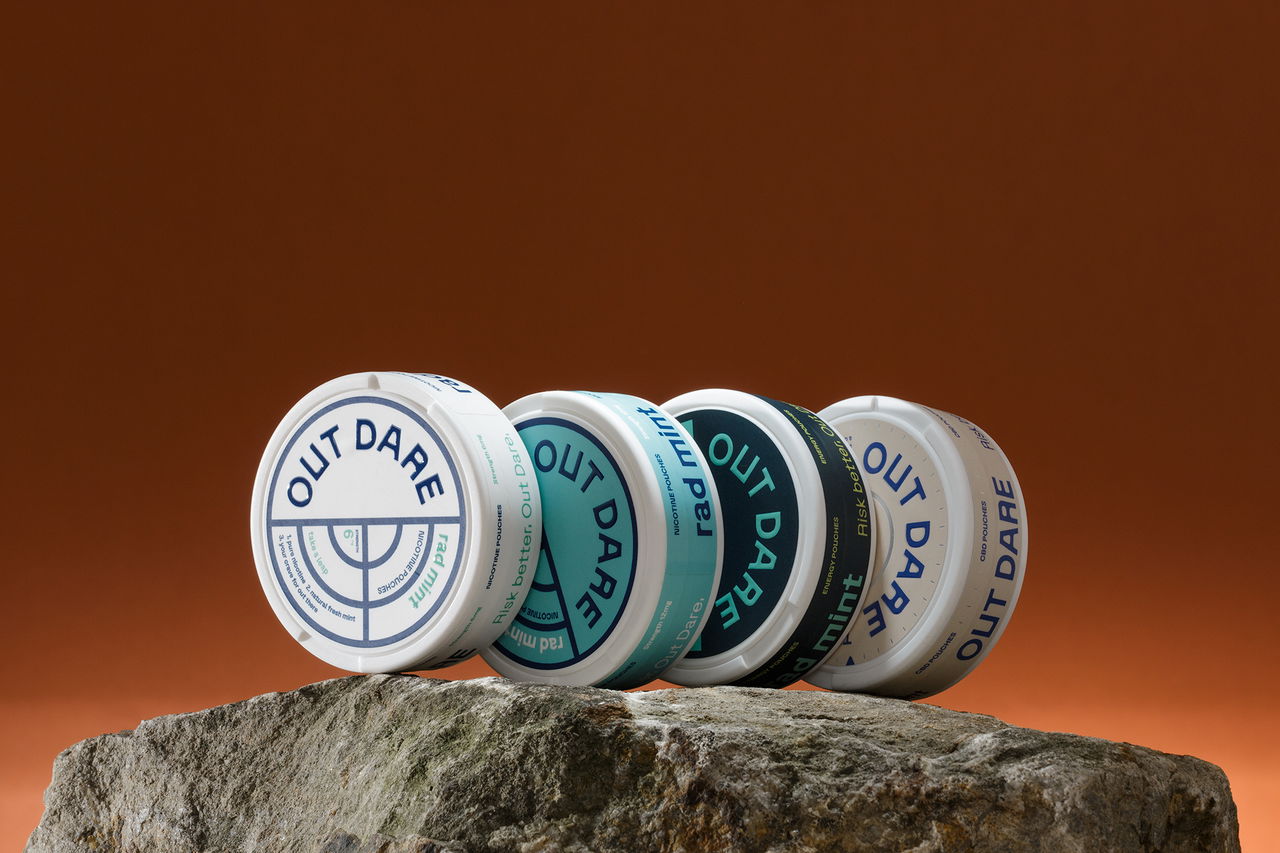
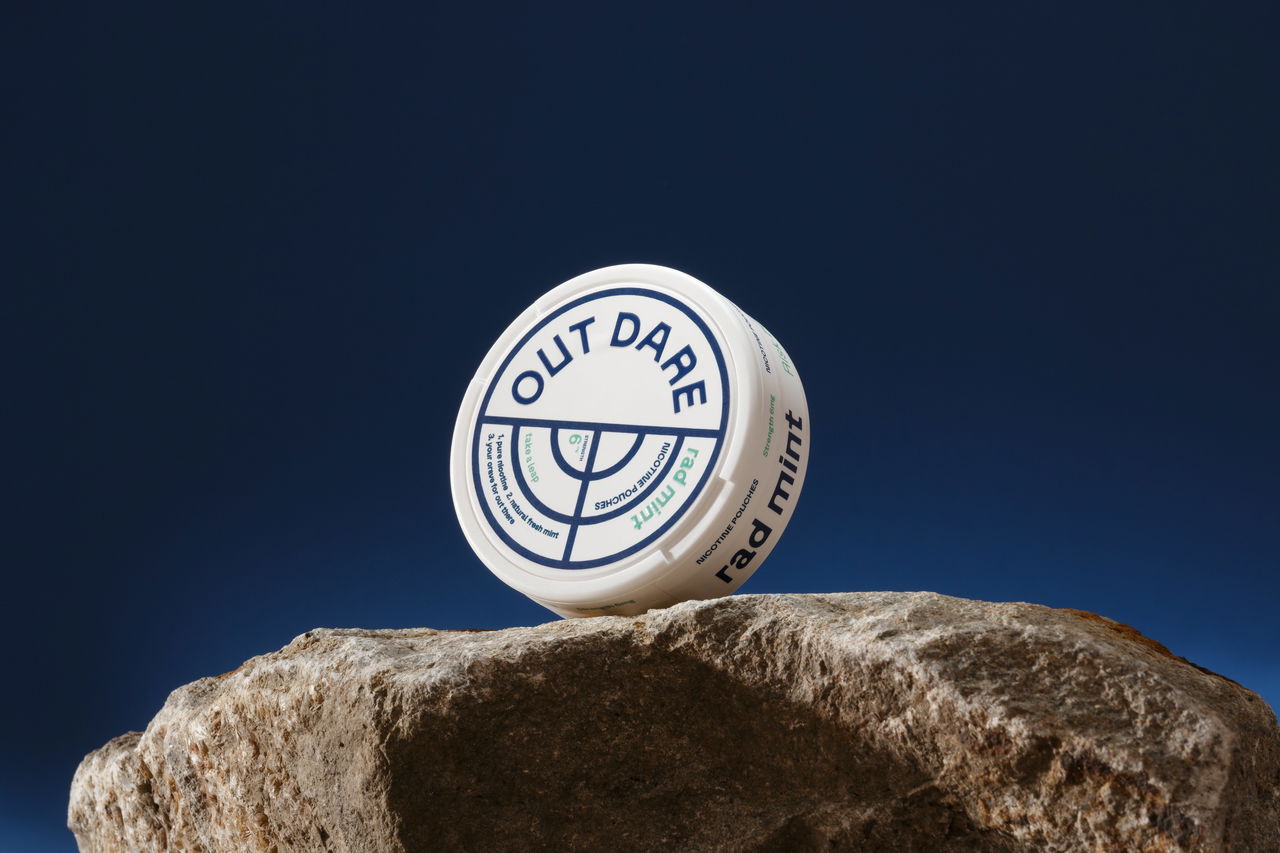
Short answer: in the United States, nicotine pouches are considered tobacco products by the FDA, even when the pouch itself contains no tobacco leaf. I ran on them for years before I built OutDare, and that double-truth confused me too. Our pouch is a plant-fibre pad with nicotine, Rad Mint and nine ingredients on the label, 6 mg or 12 mg. The US rule book still files it under tobacco. Both are true, and the article below separates one from the other. The range sits here: OutDare nicotine pouches.
- We ship from our warehouse in Denmark
- Shipping from €9.45
- Prices are charged in euros.
- 18+ only. Age is verified at checkout.
- Rules on nicotine products vary by country and can change, check what applies where you live.
| Key Insight | Explanation |
|---|---|
| No tobacco leaf inside the pouch | A nicotine pouch is a white pad of plant fibre carrying nicotine, flavour and sweetener, with no ground tobacco in the mix. |
| US law groups them with tobacco | The FDA regulates nicotine pouches as tobacco products, whether the nicotine comes from tobacco or is made synthetically. |
| Pouches are not snus | Snus contains ground tobacco in a pouch; a nicotine pouch does not, so the format is shared but the composition is not. |
| Classification is not composition | What a regulator files a product under and what the pouch actually contains are two separate facts, and both apply here at the same time. |
- Are nicotine pouches considered tobacco products?
- Why do people assume there is tobacco in them?
- What the FDA actually says about nicotine pouches
- What the classification changes if you want to try one
The range, same burn, same ritual, three chemistries
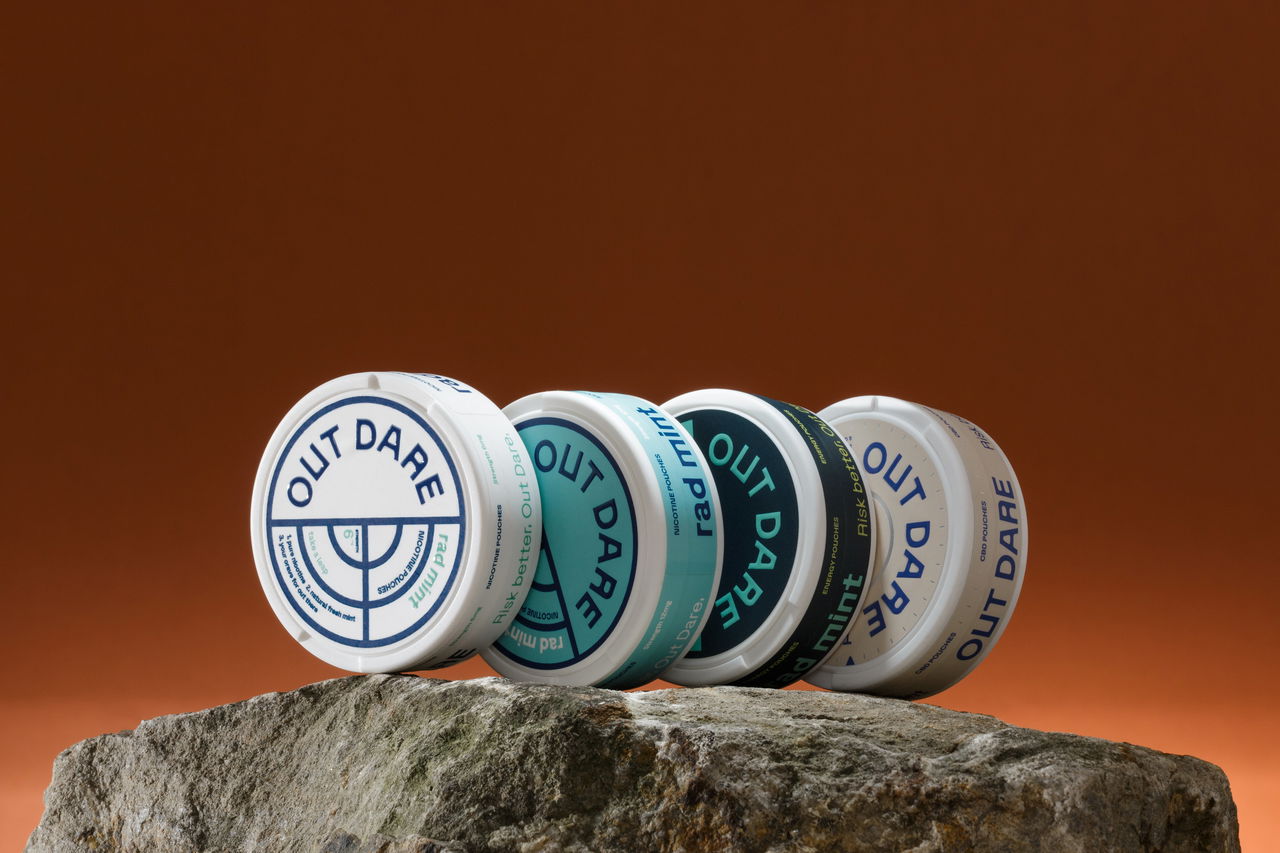
| Pouch | Strength | Best for | Flavour | Price | |
|---|---|---|---|---|---|
| Nicotine Pouches | 6 mg | when you need control (start here) | Rad Mint | €7.00 | |
| Nicotine Pouches | 12 mg | when you need control (when 6 mg does not hold the morning) | Rad Mint | €7.00 | |
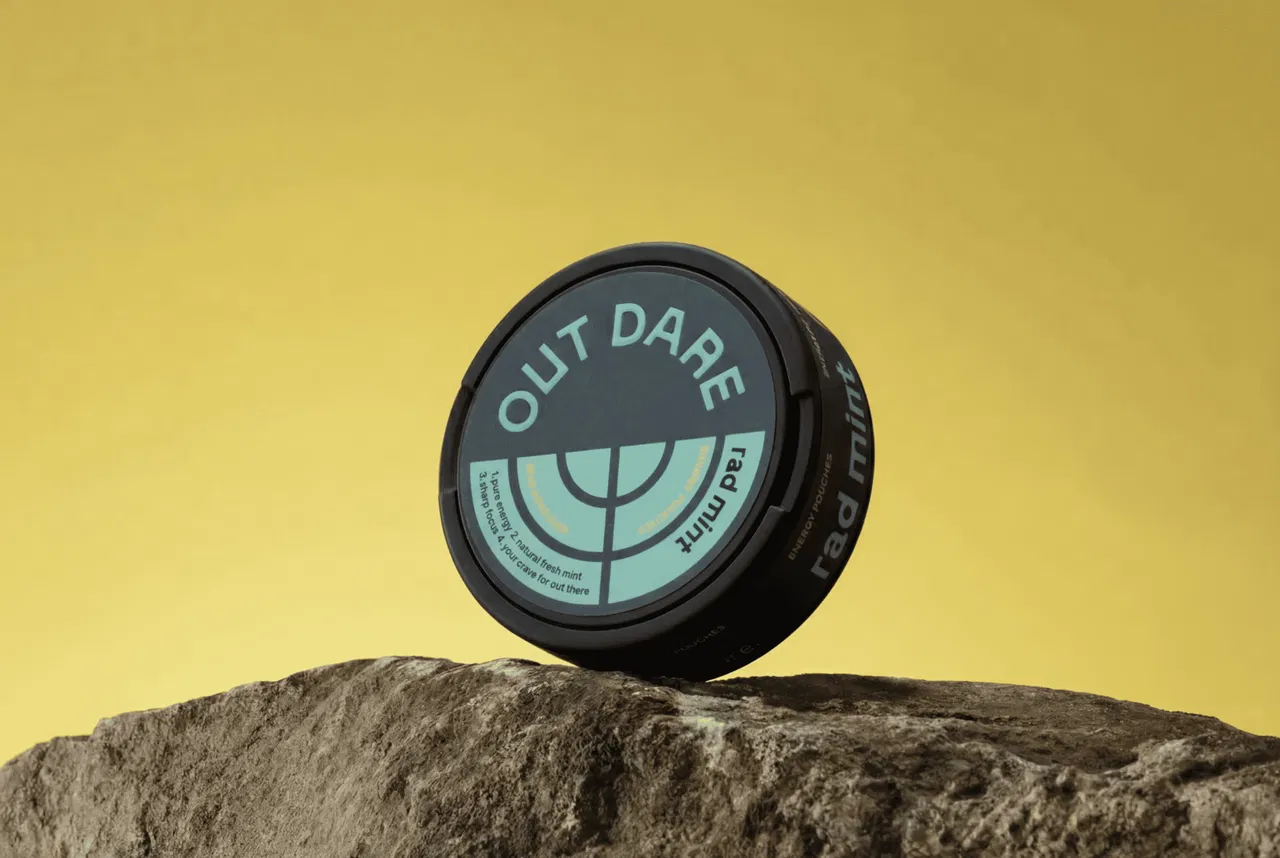
| Energy Pouches | 75 mg | for daytime focus | Rad Mint | €7.00 | |
| Sleep Pouches | 20 mg CBD | for the evening, the last pouch of the day | Mint Terpene | €9.90 |


Shipped from Denmark by PostNord Express · Trustpilot 4.6
Three pouches, one ritual · Shipped from Denmark · 210+ countries · Trustpilot 4.6
Are nicotine pouches considered tobacco products?
Yes and no, and both answers are true at the same time. No, there is no tobacco leaf, stem or dust inside a modern nicotine pouch: the white cushion you place under your lip is a plant-fibre pad with nicotine on it, not shredded tobacco. Yes, in the United States the category is still filed as "tobacco products" by the regulator, because that is where the law puts anything containing nicotine, regardless of where the nicotine came from.
That double answer is why the shelves confuse people. A reader looking at a can expects the ingredient list and the category label to agree. Here they do not. The pouch itself is tobacco-free. The paperwork around it uses the word tobacco anyway.
What OutDare actually puts inside the pouch
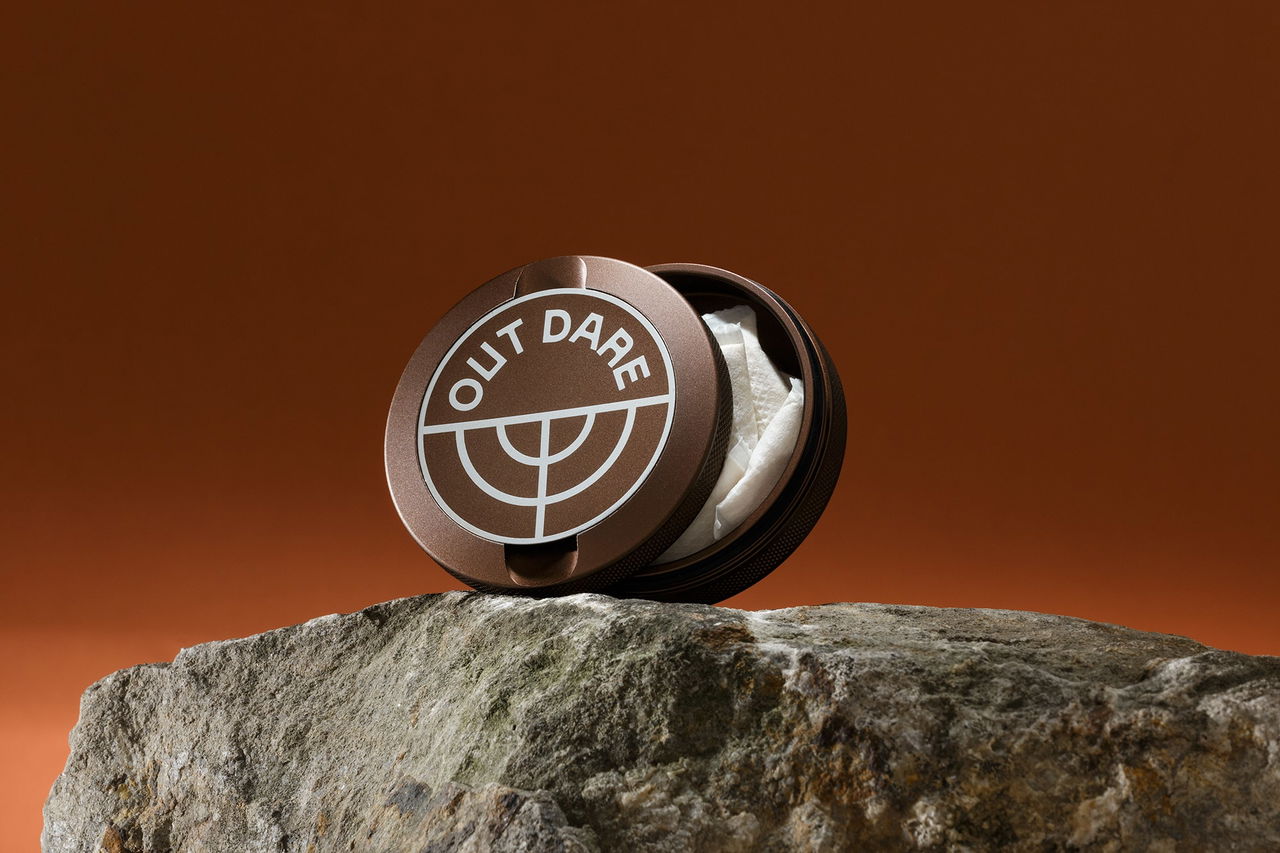
Our nicotine pouch is built on a plant-fibre pad, not cut leaf. Nicotine sits on the pad at 6 mg for the everyday can and 12 mg for when 6 mg does not hold the morning. The ingredient list is short, the pouch paper is a food-grade non-woven, and the thing you put under your lip is dry to the touch and ready to use.
- What is inside the pouch: plant-fibre pad, nicotine, mint flavouring, sweeteners, pH buffers.
- What is not inside: tobacco leaf, stem or dust of any kind.
- What the US category still calls it: a tobacco product.
So if you are reading the back of the can and the storefront label at the same time, the honest answer is this: the thing you put under your lip is tobacco-free, and the regulatory bucket that holds the category is labelled tobacco. Both sentences are correct. The rest of this article walks through why those two things do not line up, and what the FDA actually says in its own words.
Why do people assume there is tobacco in them?

Because every other signal in the room tells you it is tobacco. The can looks like a dip can, it sits on the shelf behind the counter next to the chew and the traditional Swedish snus, the clerk rings it up under the same category code, and the word on the front says nicotine. If you have never used one, you join the dots the way the shop makes you join them.
The four signals that fuse the categories
- Shelf neighbours. In US convenience stores the cans sit next to dip, chew and traditional pouch tobacco. Shoppers read the aisle, not the ingredient list, and the aisle has one name.
- The word nicotine. For a generation of adults, nicotine meant one thing: cigarettes. The brain hears nicotine and files tobacco, by default.
- The ritual itself. A soft white sachet, lip and gum, a slow release that fades over twenty to forty minutes. That is the format Scandinavia built around tobacco a century ago. The hand already knows the move.
- The ZYN wave. ZYN went from niche to meme in a couple of years, and the coverage lumped it in with every white can behind the counter. If one brand is called "the new tobacco", the whole shelf gets painted the same colour.
None of those signals are about what is actually inside the pouch. They are about where it lives and how it is used. The pouch category that ZYN, VELO, Nordic Spirit and we at OutDare share a shelf with is a product history, not a product ingredient. A reader who has used dip or snus will tell you the move is the same under the lip, and they are right about the move. They are only wrong if they then assume the content is the same.
Pro Tip: If a can is tobacco-free, the ingredient list will say so and the base will read as plant fibre or microcrystalline cellulose. If the base is cut tobacco leaf, you are holding a different product, no matter how similar the can looks on the shelf.
Shipped from Denmark by PostNord Express · Trustpilot 4.6
What the FDA actually says about nicotine pouches
The FDA puts nicotine pouches inside the "tobacco products" category, and it says why in its own words. Under the Family Smoking Prevention and Tobacco Control Act, signed in 2009, the agency was given authority over products "made or derived from tobacco". A nicotine pouch sold at that time still used nicotine extracted from the tobacco plant, so the category fitted without argument.
Then the chemistry moved. Brands started using synthetic nicotine, built in a lab rather than pulled from a leaf. For a short window that put those products outside the FDA's reach. In 2022 Congress closed the gap with an amendment that extended the agency's tobacco-product authority to nicotine "from any source". From that moment forward, every nicotine pouch sold in the US sits inside the tobacco-product category, whether the molecule came from a plant or a reactor.
Category label versus ingredient list
So "tobacco product" at the FDA is a regulatory address, not a recipe. It says: this is how we oversee it. It does not say: this contains leaf. Set that against what is actually printed on our can.
| Where it sits | What that means |
|---|---|
| FDA category | Tobacco product, under the 2009 Act plus the 2022 synthetic-nicotine amendment. |
| OutDare pouch base | Microcrystalline cellulose, a plant-fibre cushion. |
| Active ingredient | Nicotine, 6 mg or 12 mg per pouch. |
| Flavour | Rad Mint. |
| Ingredient count on the label | Nine. |
| Tobacco leaf, stem or dust | None. |
That is why a careful reader keeps the two words apart. "Tobacco product" is the shelf the US regulator uses to see the category. "Tobacco-free" is a claim about what is physically inside the pouch. An OutDare nicotine pouch is both at once: filed under tobacco products in the US, with no tobacco inside it. Everything the next section covers, how you choose a strength and what it changes under your lip, flows from that single distinction.
What the classification changes if you want to try one

Classified as a tobacco-derived product in the US, a nicotine pouch meets you with the same checkpoints as a vape at retail: an age gate at purchase, a nicotine warning printed on the can, and sale limited to adults. What is inside the pouch does not change because of the label on the shelf. What changes is what you have to do to get one, and what the pack tells you when it lands on the table.
What you meet at checkout
Ordering online, you confirm you are of legal age before the order goes through. The pack arrives sealed, carrying the warning that this product contains nicotine, a chemical known to be addictive. None of that is cosmetic. It is the practical consequence of the category the pouch sits in, not a food or a cosmetic.
What you meet under the lip
Here the category stops dictating the experience. There is:
- no smoke, so no ashtray and no cloud in the room,
- no combustion, so no burnt leaf on the tongue,
- no spit, because the pouch holds the moisture that a wet dip releases,
- nothing visible in the mouth, since the cushion sits between the upper lip and the gum.
The ritual is a white pouch, a short burn that tells you it has landed, and a hold that lasts the session. That is the same thing a reader finds in a can of ZYN or VELO: the classification covers the shelf, not the format.
Picking a strength the first time
Start on the 6 mg if you have never had a pouch under the lip, or if you are coming from a light cigarette or an occasional vape. Move to 12 mg only when 6 mg does not hold the morning: a heavier smoker's first coffee is usually the test. Two strengths exist on purpose. One picks up a lighter habit, the other picks up a stronger one.
Pro Tip: Sit with the first pouch for the whole session instead of swapping up a strength early. The burn softens after about a minute, the cushion stays, and by the end you will know whether 6 mg is your can or whether 12 mg is next.
Sources & References
- Nicotine Pouches: Regulation and Oversight · U.S. Food and Drug Administration (2024)
- Family Smoking Prevention and Tobacco Control Act (Public Law 111-31) · U.S. Congress (2009)
- Smokeless Tobacco: Products and Marketing · Centers for Disease Control and Prevention (2024)
- Rules for Products Containing Non-Tobacco Nicotine · U.S. Food and Drug Administration (2022)
Frequently Asked Questions
Do nicotine pouches contain tobacco leaf?
No. The pouch is a small pad of plant fibre carrying nicotine, flavour and sweetener. There is no ground tobacco, no stems and no leaf inside. OutDare's label lists microcrystalline cellulose, nicotine, Rad Mint and six other ingredients, nine in total.
Why does the FDA call them tobacco products if there is no tobacco?
US law defines a tobacco product by what it delivers, not by what it is made of. In 2022 Congress extended that definition to cover nicotine made synthetically, so pouches without any leaf still fall inside the FDA's tobacco-product category.
Are nicotine pouches the same as snus?
No. Snus contains moist, ground tobacco inside the pouch. A nicotine pouch uses a tobacco-free fibre pad with nicotine added. The format under the lip looks the same; the contents are not. OutDare pouches are tobacco-free, 6 mg or 12 mg per pouch.
Is the nicotine in OutDare pouches synthetic or from tobacco?
OutDare pouches are tobacco-free, which means no tobacco plant material in the pouch itself. The nicotine is pharmaceutical-grade. The label lists it plainly alongside microcrystalline cellulose, Rad Mint and the rest of the nine ingredients printed on every can.
Are nicotine pouches smokeless tobacco?
US regulators often group them under smokeless tobacco for paperwork, because there is no combustion and the format sits with dip and chew historically. The pouch itself still contains no tobacco leaf. Two separate facts, both true, and both worth knowing.
Can adults in the US order OutDare nicotine pouches?
OutDare sells online only, ships from Denmark, charges every order in euros and gates the checkout at 18+. The availability box on the product page shows the shipping cost to your address. Rules around nicotine products differ from country to country and they change: check what applies where you live before you order.
So the pouch has no tobacco leaf, and US rules still file it under tobacco products. Both facts are true, and once you hold them side by side the category stops being a riddle. OutDare makes two strengths, 6 mg and 12 mg, Rad Mint, nine ingredients printed on the can, shipped from Denmark, charged in euros, adults only. If you want to try one, start with 6 mg and move to 12 mg if the morning does not hold. The range sits at nicotine pouches.
Related guides
Published 17 October 2026 · Last updated 17 October 2026