





Why Footballers Use Nicotine Pouches
By Thomas Agaraté · Daily pouch user since 2014 · About
Editorial note: written by OutDare, the brand that makes and ships the pouches on this page. Prices are our live prices in EUR.
Footballers use nicotine pouches because the ritual lands fast on the touchline bench: a cushion under the lip, a burn, nicotine without smoke, nothing to spit. I ran on brown snus for years, then on an all-white brand that scorched my gum and left an aftertaste, which is why I built the OutDare nicotine pouch on high-grade paper that stays shut, plant-fibre filling, and six months on the mint.
- We ship from our warehouse in Denmark
- Shipping from €7.50
- Prices are charged in euros.
- 18+ only. Age is verified at checkout.
- Rules on nicotine products vary by country and can change, check what applies where you live.
| Key Insight | Explanation |
|---|---|
| Ritual, not a goal boost | Players describe nicotine pouches as a between-training routine for the lip buzz, not a documented on-pitch performance tool. |
| Snus and pouches are not the same | Brown snus contains tobacco; all-white nicotine pouches use tobacco-free nicotine on a plant-fibre base, which changes the colour, the drip and the aftertaste. |
| UK press documented dressing-room use | The Guardian and BBC Sport have reported widespread use among Premier League and EFL squads since the mid-2010s. |
| Nicotine sits on WADA's monitoring programme | The World Anti-Doping Agency includes nicotine in its monitoring programme rather than its prohibited list, so use is tracked, not sanctioned. |
| The all-white format changed the hold | White pouches sit dry under the lip, so there is no brown drip and no visible stain, which is why players moved from snus to pouches on the bench. |
- Why do footballers use nicotine pouches?
- Where did the footballer reputation come from?
- What WADA and the published reporting actually say
- What it changes for someone coming off brown snus
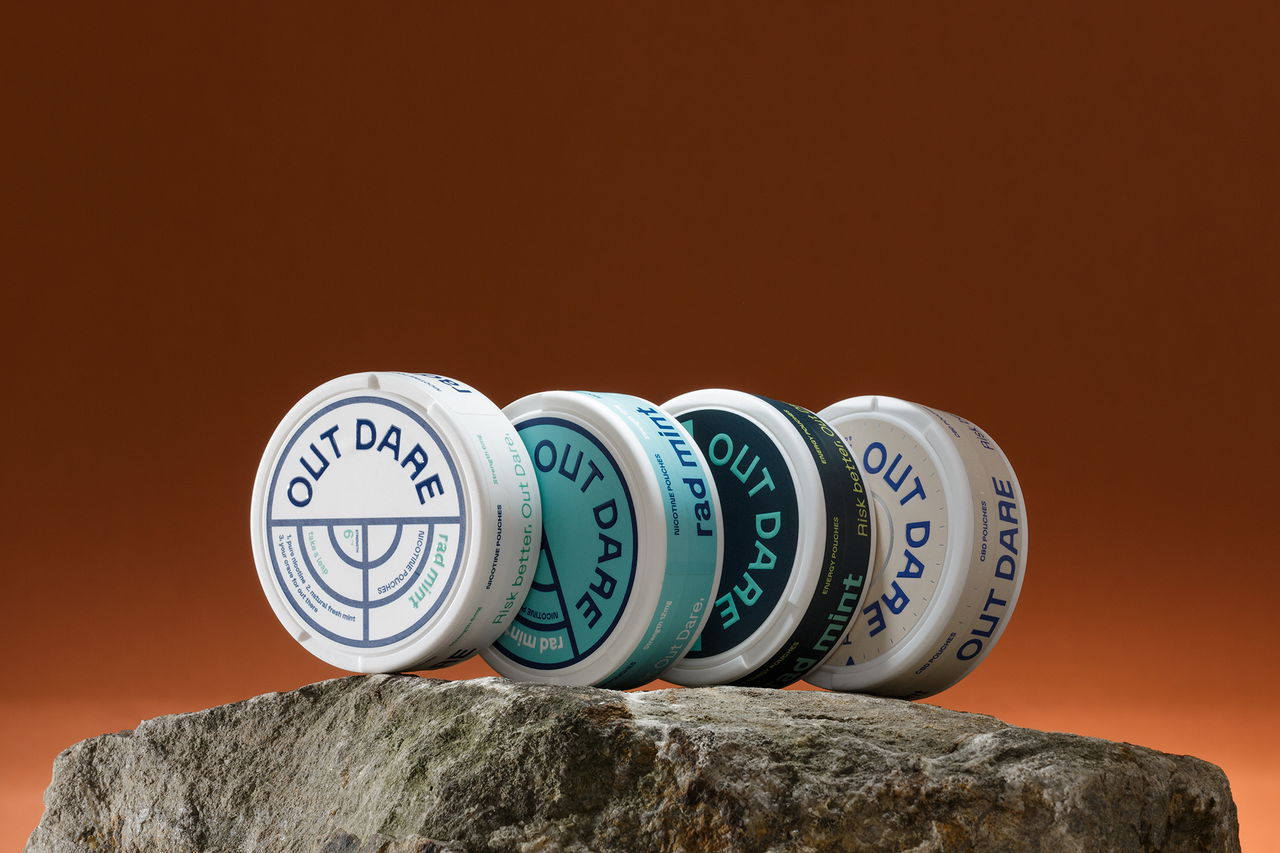
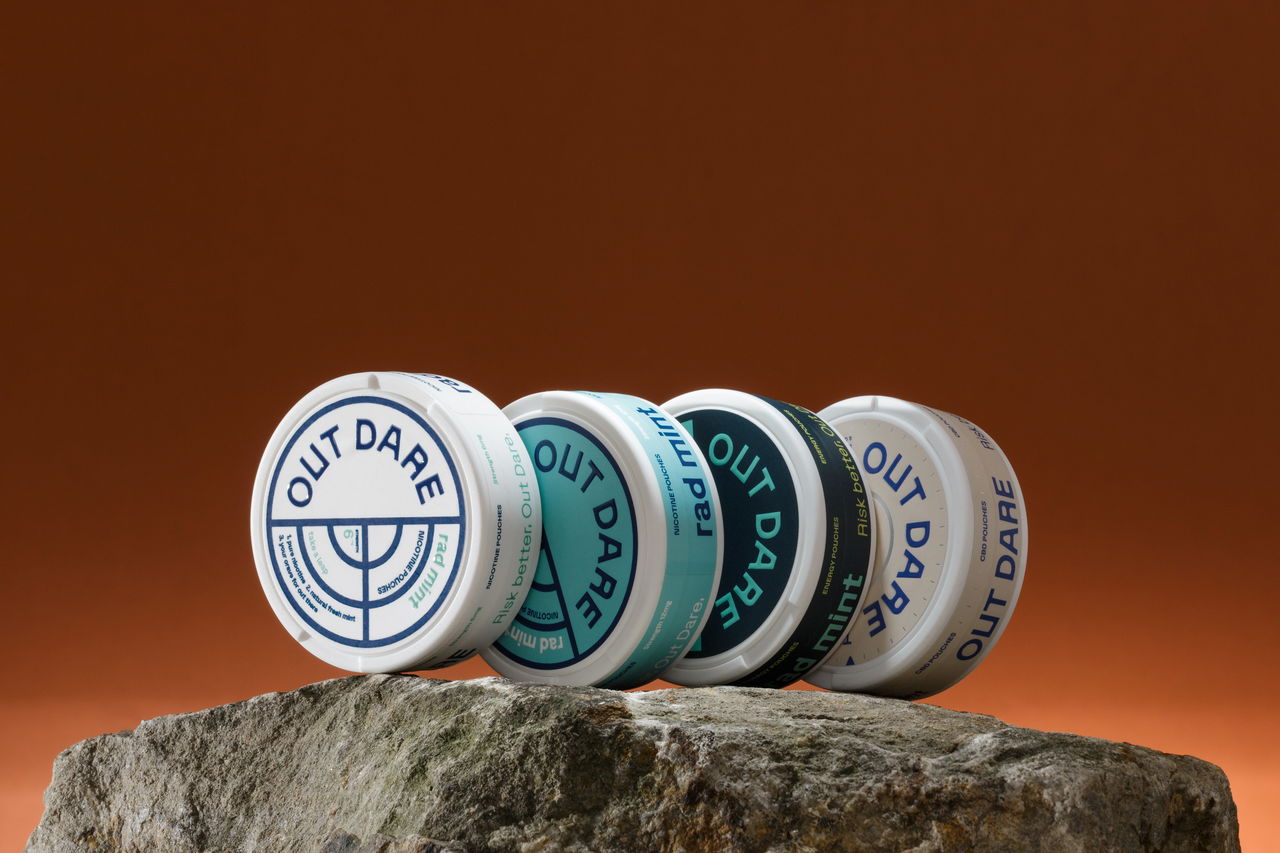
The range, same burn, same ritual, three chemistries
| Pouch | Strength | Best for | Flavour | Price | |
|---|---|---|---|---|---|
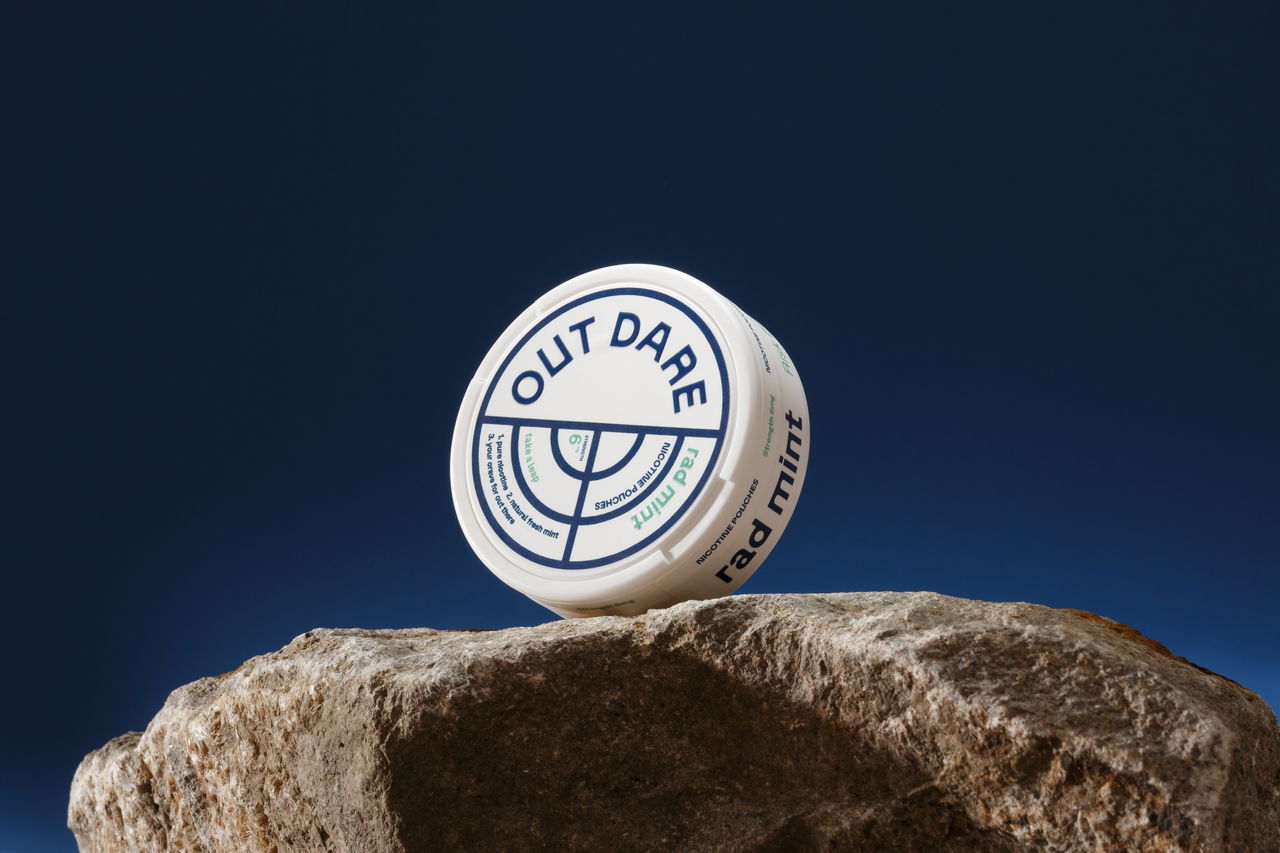
| Nicotine Pouches | 6 mg | when you need control (start here) | Rad Mint | €7.00 | |
| Nicotine Pouches | 12 mg | when you need control (when 6 mg does not hold the morning) | Rad Mint | €7.00 | |
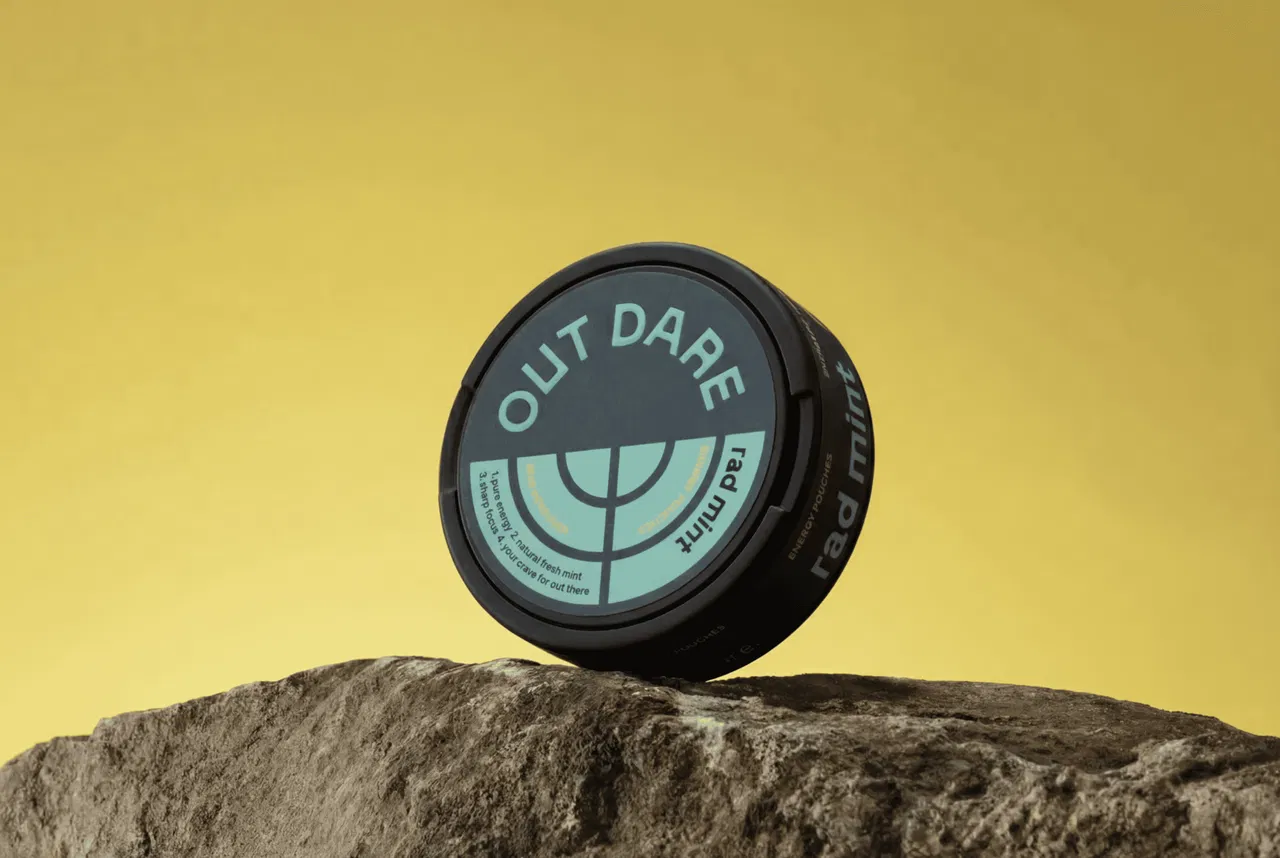
| Energy Pouches | 75 mg | for daytime focus | Rad Mint | €7.00 | |
| Sleep Pouches | 20 mg CBD | for the evening, the last pouch of the day | Mint Terpene | €9.90 |


Shipped from Denmark by PostNord Express · Trustpilot 4.6
Three pouches, one ritual · Shipped from Denmark · 210+ countries · Trustpilot 4.6
Why do footballers use nicotine pouches?
Because the ritual fits the dressing room, the bench and the tunnel: a pouch sits under the lip, it is dry, it is smokeless, and nobody around you has to know. That is the plain answer. A footballer cannot light up before kick-off, cannot vape in the technical area, cannot chew gum through the national anthem without a television camera finding it. A pouch does none of those things. You park it under the top lip, you forget about it for twenty-odd minutes, and the hold does its work without a cloud, a lighter or a spit cup.
What makes the format work on a match day
Three things, and they are mechanical rather than magical. One, discretion: an all-white pouch under the lip is invisible on television. Two, consistency: the burn tells you the pouch has landed, so the ritual feels the same every time, and a professional wants a routine he does not have to think about. Three, no residue: no brown drip down the lip, no stain on the gum, no ashtray smell on the kit.
For a reader coming off brown snus, the shift is a product one before it is anything else. The paper is high-grade and does not open under the lip, the filling is plant fibre, xylitol stands in for most of the sucralose in the sweetening, and we spent six months on the mint before signing it off. On our nicotine pouches page, 6 mg Rad Mint is the everyday can for when you need control; 12 mg Rad Mint is for the mornings 6 mg does not hold.
Pro Tip: if you have come from brown, start on 6 mg and give it two days before you judge it. Your lip is used to a heavier hit, and the fair comparison is between a 6 mg all-white and the second half of a brown portion, not the first.
- Under-lip hold: a cushion that stays put, no drip, no bulge the pitch-side cameras can catch.
- No smoke, no flame, no device.
- A dry, fresh mint that does not linger between warm-up and whistle.
Where did the footballer reputation come from?

The reputation came from Scandinavia, through the dressing room, into the back pages of the English tabloids. Swedish and Norwegian players arrived at Premier League clubs with brown snus in their top lip because it was what they had used at home since their teens. Teammates copied the ritual, often starting on brown and then drifting to all-white pouches as those became easier to find in the UK. The story moved from the training ground to the news cycle in the late 2010s, when a run of tabloid photographs and candid dressing-room quotes put specific players, and specific cans, on the front pages.
Three waves, not one
- The Scandinavian import, late 2000s onwards. Brown snus crossed the North Sea with the players who grew up on it, and spread quietly inside squads before anyone outside the training ground was paying attention.
- The tabloid moment, late 2010s. Dressing-room photos and interviews in the national press named Premier League names, which is when the general public first heard the word in a football context.
- The all-white shift, 2019 onwards. As tobacco-free pouches became widely available, the format players were photographed with changed. The cans in the kit bag went from brown and damp to white and dry, and public discussion caught up a few years behind it.
That last wave is the one that matters for a reader coming off brown. The footballers you picture when you hear the question have, for the most part, already made the move you are considering: off the brown, onto an all-white pouch, for reasons that are at least partly cosmetic: no drip, no stain, no tobacco smell on the kit, no visible lump at the lip when a camera finds you.
None of this was invented by a marketing team, and none of it is secret. The journalists who covered it did not frame it as a performance story. They framed it as a culture story, a habit a generation of players had quietly carried in from one league to another, long before the brands they bought came up in any boardroom.
Shipped from Denmark by PostNord Express · Trustpilot 4.6
What WADA and the published reporting actually say
No major source presents nicotine as a proven on-pitch performance enhancer, and the picture reporters paint is one of prevalence inside squads rather than victories on the pitch. The World Anti-Doping Agency keeps nicotine on its Monitoring Programme, which means WADA watches use patterns in sport without prohibiting the substance in competition. The Guardian and BBC Sport have both reported on how common pouch use has become inside Premier League squads, citing players and club staff rather than laboratory results. Read together, those sources describe a widespread habit, not a measured edge.
What each source actually says
| Source | What it reports about nicotine in football |
|---|---|
| WADA Monitoring Programme | Nicotine is carried on the Monitoring Programme; the status is reviewed year on year. |
| The Guardian, football desk | Features and interviews describing pouch use as widespread inside Premier League dressing rooms. |
| BBC Sport | Reporting on footballers and nicotine pouches, with players and club staff quoted on how common the habit has become. |
Two honest conclusions follow. First, the ritual is popular with players because it fits a professional environment: no smoke, no device, no visible bulge, a hold that lasts a half. The reporting is consistent on that, and so is what you can see on the touchline. Second, the body of published work does not say the ritual wins matches. If you came to this article hoping a top-flight footballer had scored a hat-trick because of a 6 mg pouch, that claim is not in the sources, and you will not read it here either.
What this means for the category
Nicotine pouches are a format: tobacco-free nicotine on a plant-fibre carrier, worn under the top lip. The reasons they travel well through a football squad, discretion, dryness, a ritual that fits the schedule, are the same reasons they travel well through a long shift, a long drive or a long meeting. The category point stops there. Anything beyond it is a promise the published reporting does not back, and this brand is not going to back it either.
What it changes for someone coming off brown snus

The honest translation for a reader coming off brown snus: the ritual stays, the mess leaves. Same cushion under the lip, same burn when it lands, no brown liquid down the back of your throat, no stain on the gum when you lift the pouch out.
Brown snus is tobacco leaf, salt and water inside a pouch. OutDare Nicotine Pouches are all-white: plant-fibre filling (microcrystalline cellulose), nicotine and the Rad Mint flavour system on the inside, high-grade pouch paper on the outside. The paper is the detail most switchers notice first. A seam that opens mid-session is how a bad evening starts; here the paper holds, so what you put under the lip stays there until you pull it out.
What actually changes at the lip
- All-white fibre: no brown, no colour running into saliva, no streak on the sink.
- No drip: nothing to spit, nothing to swallow, no residue on the teeth after an hour.
- No tobacco aftertaste: natural flavours, six months spent on the mint, xylitol reducing most of the sucralose.
- Paper that stays shut: the seam holds through a full session, so the pouch comes out intact.
- The burn without the throat scrape: a clean cold at the gum, not a sting that lingers past the pouch.
Picking your rung on the ladder
Brown snus labels its strength in grams of tobacco more often than in milligrams of nicotine, so a straight swap is guesswork. The honest route is to use the two rungs we make and let your morning tell you which one you are on. 6 mg Rad Mint is where most brown-snus switchers land: enough to hold a session, light enough that your gum reads the burn as cold rather than bite. 12 mg Rad Mint is for the morning 6 mg does not cover, usually the first pouch of the day or the one after a heavy lunch when the body wants more.
Pro Tip: Order a can of 6 mg first and keep it under the lip for the length of a normal brown-snus session. If the hold fades before you would have swapped pouches, that is your signal to try 12 mg for the morning only, and leave 6 mg for the rest of the day.
One door, one place to start: the Rad Mint ladder runs 6 mg and 12 mg in the same can format, same burn, same ritual.
Sources & References
- Monitoring Programme · World Anti-Doping Agency (2024)
- Snus use in English football coverage · The Guardian (2019)
- Snus in professional football reporting · BBC Sport (2018)
- Research on smokeless tobacco and nicotine pouches · BMJ (2022)
- Nicotine products information · Action on Smoking and Health (2024)
Frequently Asked Questions
Do all footballers use nicotine pouches?
No. UK press reporting suggests use is common inside dressing rooms, especially among younger players, but it is not universal and clubs rarely publish numbers. Treat any share quoted by a single journalist as directional, not a league census.
Is snus the same as a nicotine pouch?
No. Snus is a Swedish tobacco product and the pouch is brown. An all-white nicotine pouch contains no tobacco: the nicotine sits on a plant-fibre base, usually microcrystalline cellulose. Different ingredients, different colour, different drip, different aftertaste.
Does nicotine actually improve football performance?
The evidence is contested and the World Anti-Doping Agency keeps nicotine on its monitoring programme rather than its prohibited list. No major governing body currently treats nicotine as a proven ergogenic aid for football, so the honest answer is: unclear.
What strength do players reportedly reach for?
Press interviews mention a wide spread, from mild pouches around 4 mg to heavy strengths above 15 mg. For most adult users new to pouches, 6 mg is a sensible everyday pick, with 12 mg kept for mornings when 6 mg does not hold.
Why does my lip burn with some pouch brands?
Three usual culprits: nicotine strength set higher than you are used to, dry filling that pulls moisture from the gum, and low-grade paper that abrades the lining. An all-white pouch on high-grade paper and plant-fibre filling lands softer in that spot.
How are OutDare nicotine pouches different from the ones footballers were photographed with?
OutDare is one brand of all-white, tobacco-free pouches. The paper is high-grade so it does not open under the lip, the filling is plant fibre, the flavour is Rad Mint, and the range is 6 mg and 12 mg. No brown drip, no tobacco.
Can I order nicotine pouches to the UK from OutDare?
Yes. OutDare ships from our warehouse in Denmark, adults only, charged in EUR at checkout regardless of your local currency. Delivery cost and timing depend on the postcode and sit in the availability box on the product page.
So that is the honest version. Footballers reach for nicotine pouches because the format works between training: a cushion, a burn, no smoke, no spit. The UK press named it, WADA's stance on nicotine is set out in its published monitoring programme documentation, and nobody has turned the pouch into a magic goal. If you are coming off brown snus or a pouch that scorches your gum, start at 6 mg Rad Mint and step to 12 mg if the morning asks for it, on the OutDare nicotine pouch page.
Related guides
Published 23 October 2026 · Last updated 23 October 2026