





Do Nicotine Pouches Have Fiberglass? Straight Answer
By Thomas Agaraté · Daily pouch user since 2014 · About
Editorial note: written by OutDare, the brand that makes and ships the pouches on this page. Prices are our live prices in EUR.
No, nicotine pouches do not contain fiberglass, and OutDare pouches do not contain it either: the tingle under your lip is nicotine and food-grade pH salts on plant fibre, not tiny glass shards. I have used pouches daily for years and I chased this rumour down before I ever put my name on a can. Here is where the story came from, what a named lab actually reported, and what sits inside the paper. If you already know and just want to order, the range is on nicotine pouches.
- We ship from our warehouse in Denmark
- Shipping from €9.45
- Prices are charged in euros.
- 18+ only. Age is verified at checkout.
- Rules on nicotine products vary by country and can change, check what applies where you live.
| Key Insight | Explanation |
|---|---|
| Fiberglass claim is unfounded | Independent lab teardowns of major nicotine pouch brands have not identified fibreglass fibres inside the pouch material. |
| Rumour traces to TikTok videos | The belief spread from social videos showing a tingling sensation, which users wrongly attributed to microscopic glass rather than nicotine and pH salts. |
| Pouch paper is food-grade cellulose | The white pouch is non-woven cellulose fibre, the same family of material used in tea bags, not spun glass. |
| Ingredients are short and listed | A typical tobacco-free pouch holds nicotine, plant fibre, pH adjusters, flavour, sweetener and humectant, all printed on the can. |
| Formaldehyde talk misreads the science | Formaldehyde is not an added ingredient; the traces some studies report are far lower than what appears in smoke from a cigarette. |
- Do nicotine pouches have fiberglass? The short answer
- Where did the fiberglass rumour come from?
- What a named third-party source actually says
- What do nicotine pouches actually contain?
- Do nicotine pouches have microplastics?
- Why do people say nicotine pouches contain formaldehyde?
- What this changes when you buy a can
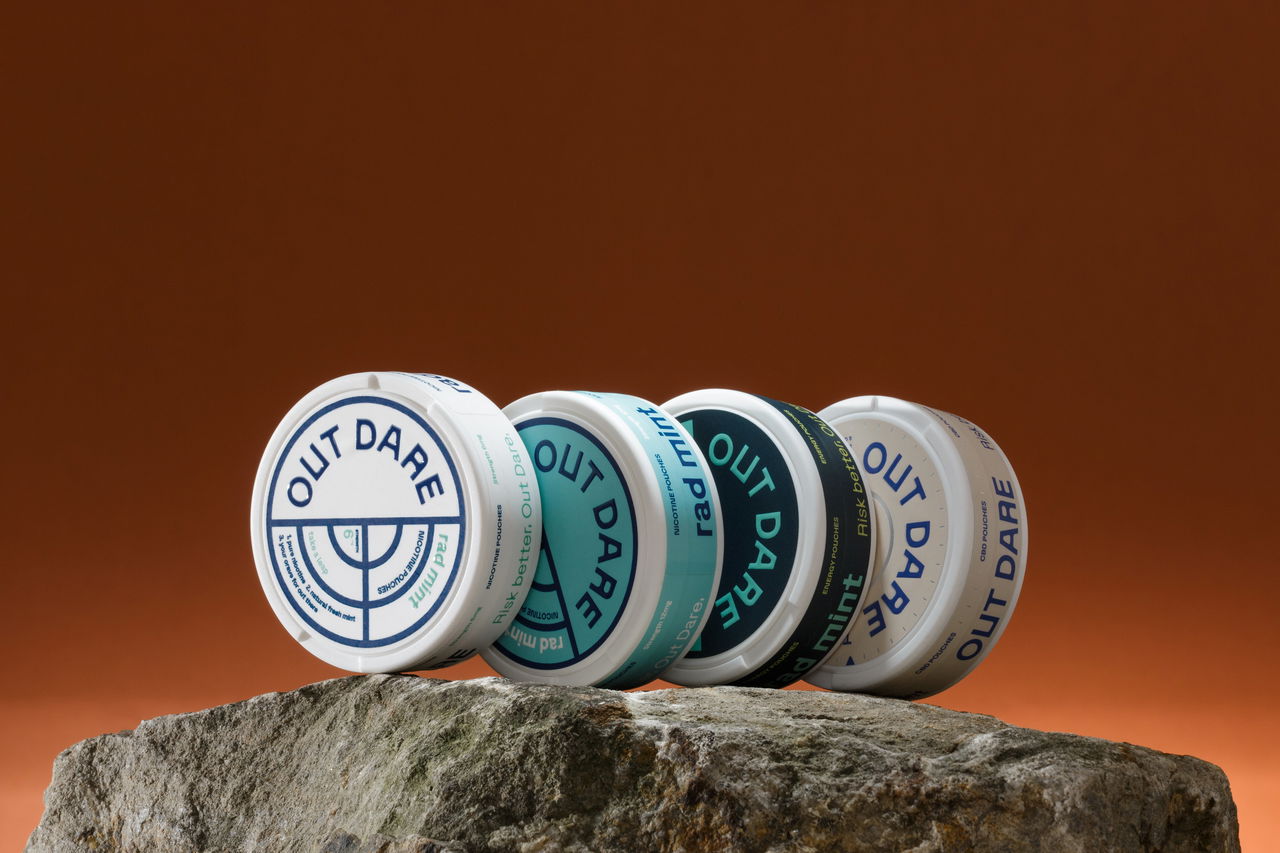
The range, same burn, same ritual, three chemistries
| Pouch | Strength | Best for | Flavour | Price | |
|---|---|---|---|---|---|
| Nicotine Pouches | 6 mg | when you need control (start here) | Rad Mint | €7.00 | |
| Nicotine Pouches | 12 mg | when you need control (when 6 mg does not hold the morning) | Rad Mint | €7.00 | |
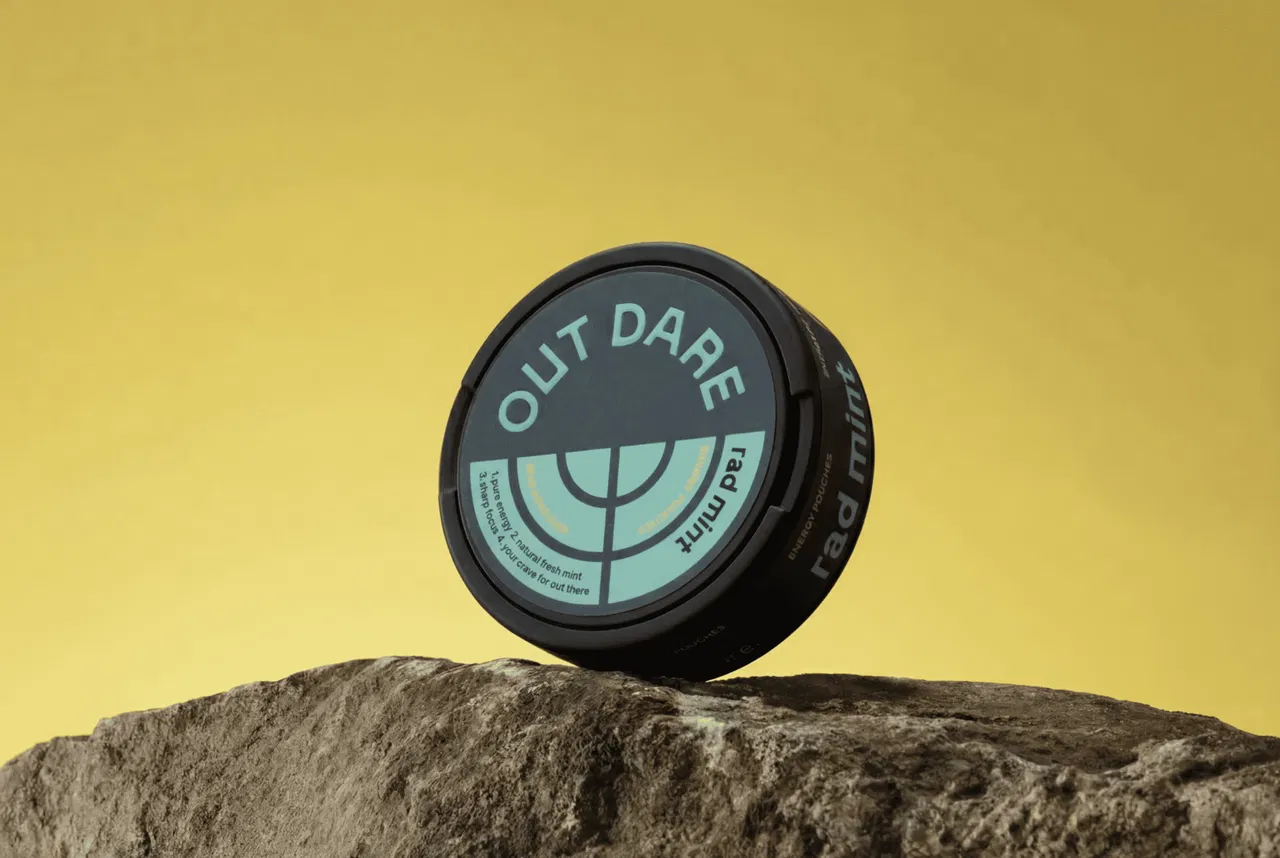
| Energy Pouches | 75 mg | for daytime focus | Rad Mint | €7.00 | |
| Sleep Pouches | 20 mg CBD | for the evening, the last pouch of the day | Mint Terpene | €9.90 |


Shipped from Denmark by PostNord Express · Trustpilot 4.6
Three pouches, one ritual · Shipped from Denmark · 210+ countries · Trustpilot 4.6
Do nicotine pouches have fiberglass? The short answer
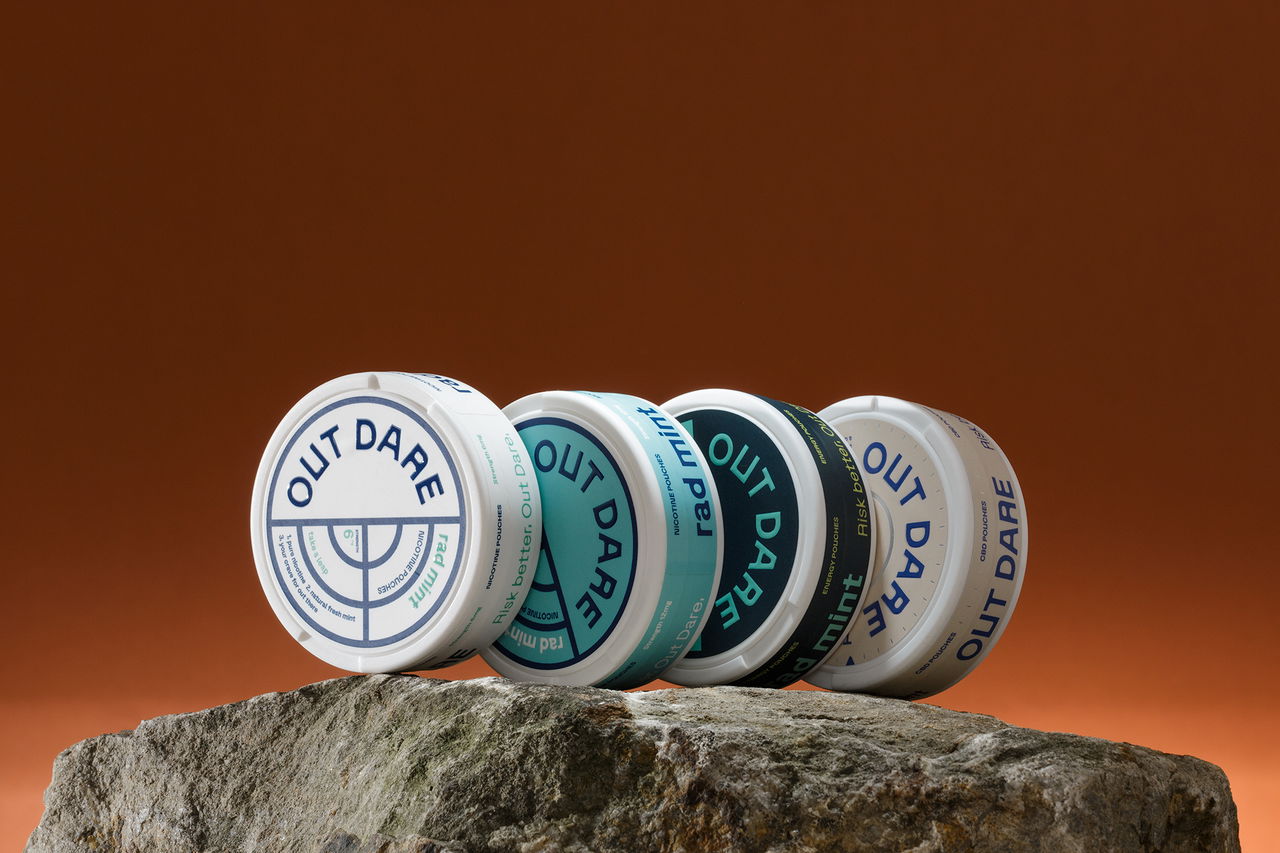
No. No credible teardown of a nicotine pouch has ever identified fibreglass, and that includes the two we make: OutDare 6 mg and 12 mg Rad Mint. What you feel under your lip is not glass. It is a short, sharp tingle from nicotine and the pH salts that carry it, sitting on a bed of plant fibre (microcrystalline cellulose). That is the sensation people describe as splinters. It is chemistry, not shards.
The sensation people mistake for glass
Three things happen in the first minute after you seat a fresh pouch:
- The pH salts raise the local pH so nicotine can cross the gum. That shift alone stings.
- Free-base nicotine hits nerve endings in the mucosa. Your body reads that signal as heat and prickle.
- Menthol from the mint drops the perceived temperature and sharpens every other sensation on the lip.
Stack those three and the opening seconds can feel like something is scraping the gum. It is not. The fibres in the pouch are soft plant cellulose, the same family of material used in food-grade filter papers, and you can crush a fresh pouch flat with a fingernail.
What is actually pressed into the paper
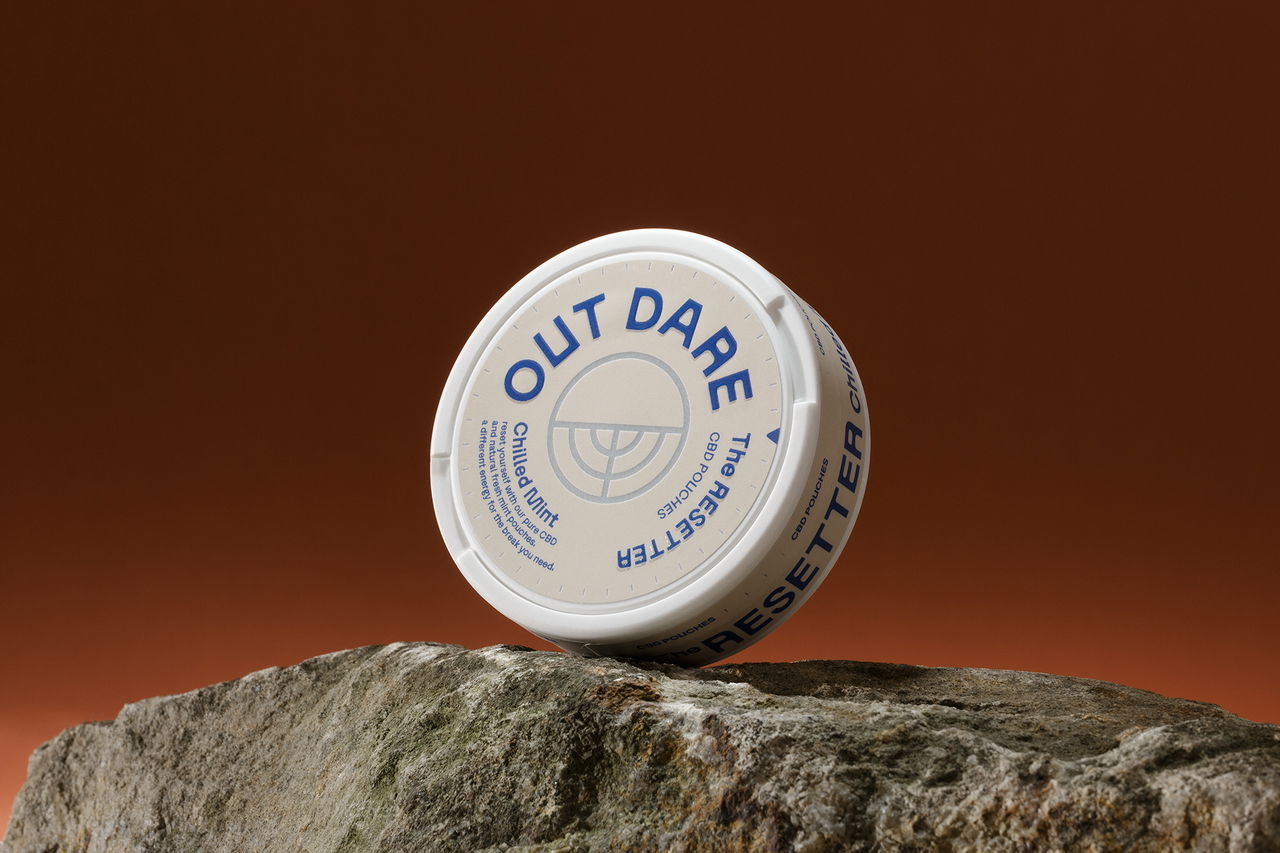
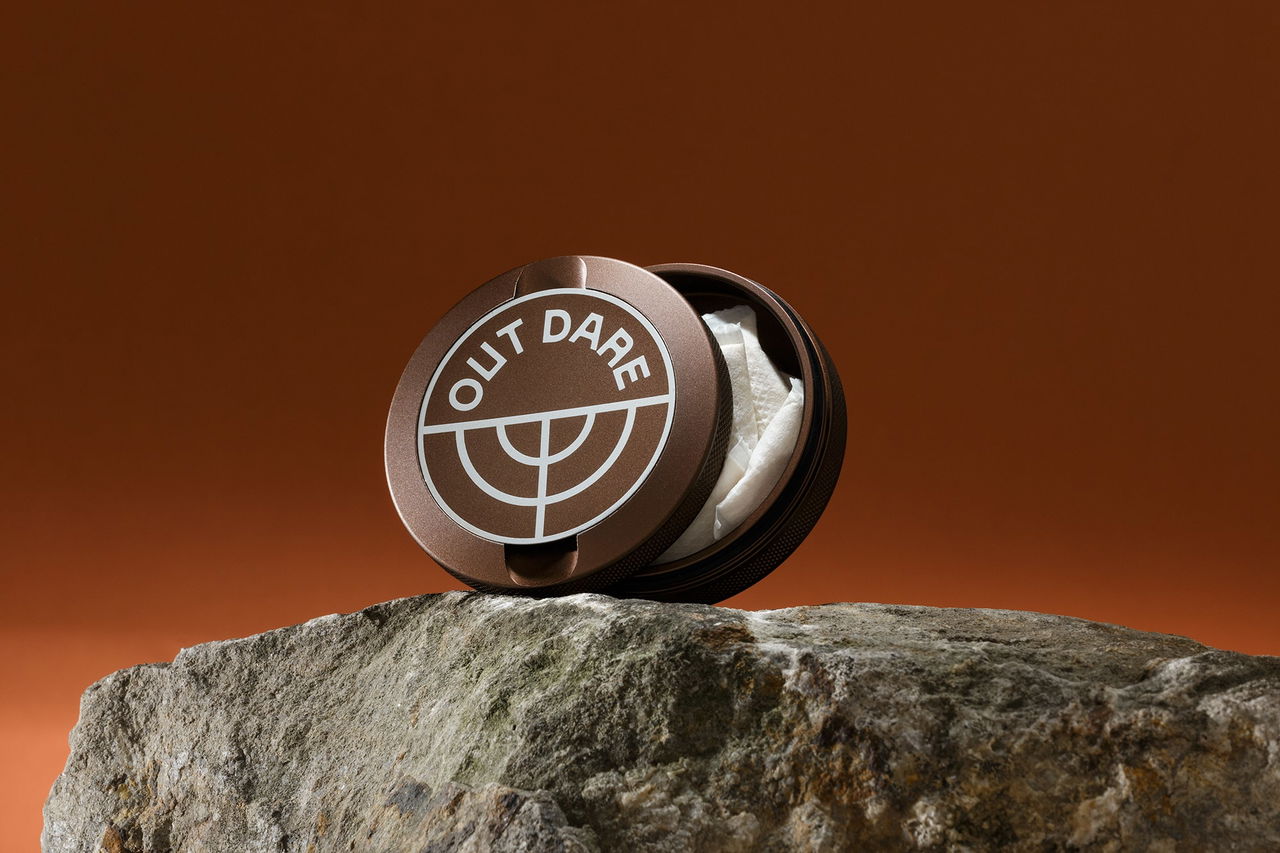
Nine ingredients, all printed on the can. Plant fibre for the cushion, nicotine at 6 mg or 12 mg, pH regulators, flavour (Rad Mint), sweeteners (xylitol reduced most of the sucralose), a humectant to keep the pouch from drying out. No tobacco, no combustion, no smoke, no spit. The pouch paper itself is high-grade cellulose, sealed at the seam so the contents stay put while you wear it.
Pro Tip: If the first-minute tingle is too much, park a fresh pouch behind your front teeth for twenty seconds before pushing it up under the lip. That short delay lets the flavour bloom and softens the opening hit, without changing how the nicotine releases across the rest of the session.
Where did the fiberglass rumour come from?

The fibreglass rumour spread on TikTok and Reddit between 2021 and 2023, when new users started describing the first-minute burn as "glass under my lip" and speculating that manufacturers were adding tiny fibres on purpose to speed absorption. The claim was intuitive, viral and wrong. Nothing has ever been cut open on camera and turned out to be glass.
Why the burn feels sharp
Nicotine is an alkaloid. To move it from a dry paper cushion into your bloodstream in a few minutes, the formula has to open the mucosa. That is the job of the pH salts, and they burn the way an unripe pineapple burns the tongue: a real chemical prickle that has nothing to do with a physical splinter. Anyone stepping up a strength feels it hardest, because more nicotine and more salt means more signal in the same minute.
Three factors stack the sensation:
- Strength. 12 mg lands sharper than 6 mg on the same lip, same person, same day.
- Placement. A pouch pressed hard against thin tissue at the front of the mouth burns more than one seated in the natural fold at the side.
- Freshness. A pouch straight from the can, still dry, releases faster than one that has already been in the mouth for a minute.
How a rumour becomes common sense
The pattern is easy to trace. A creator posts a stitched video: "Guys, there is literal fibreglass in these things." A commenter says they cut one open and saw shiny strands. Screenshots migrate into Facebook groups and news blogs. A local station picks it up on a slow day. By 2023 the phrase was sitting in Google autocomplete as "do nicotine pouches have fiberglass", which is very likely why you are on this page.
The shiny strands, when anyone actually looked under a microscope, were plant fibres catching the ring light. Cellulose can look glassy at a certain angle, especially wet. That is the whole trick behind the myth.
Shipped from Denmark by PostNord Express · Trustpilot 4.6
What a named third-party source actually says
Reuters Fact Check and researchers referenced by the Rutgers Center for Tobacco Studies have both examined the fibreglass claim and reported the same conclusion: no fibreglass was identified in the nicotine pouches they looked at. These are category-level findings across the mainstream products on the bench, not a certificate for any single brand, ours included.
What Reuters Fact Check reported
Reuters ran a fact-check response to the viral claim that ZYN and comparable pouches contained glass fibres. The desk reviewed the published ingredient lists and the material of the pouch itself, and concluded the claim was unsupported: what people had identified as glass fibres was plant cellulose. The article framed the rumour as a misidentification of the pouch material, not as an ongoing open question.
What Rutgers researchers have said
Analyses referenced by the Rutgers Center for Tobacco Studies, which tracks the nicotine-pouch category in the US market, have likewise reported no fibreglass in the products examined. Rutgers publishes on ingredient profiles, marketing and youth uptake rather than on any individual brand's formulation, so their view is at the level of the whole category. In that literature the fibreglass claim shows up as a rumour without evidence, not as a live scientific dispute.
What that does and does not prove
- The claim has been checked by independent third parties and did not survive the check.
- The finding applies to the pouches those reviewers had on the bench. Every brand still owes the reader an honest ingredient list on the can.
- The absence of fibreglass does not turn a pouch into a health product. Nicotine is an active substance and these pouches are for adults only.
For OutDare, that ingredient list runs to nine items and it is printed on the can. Whichever brand you are checking, the label is the document to read: everything past that is marketing, or a rumour that grew a life of its own.
What do nicotine pouches actually contain?
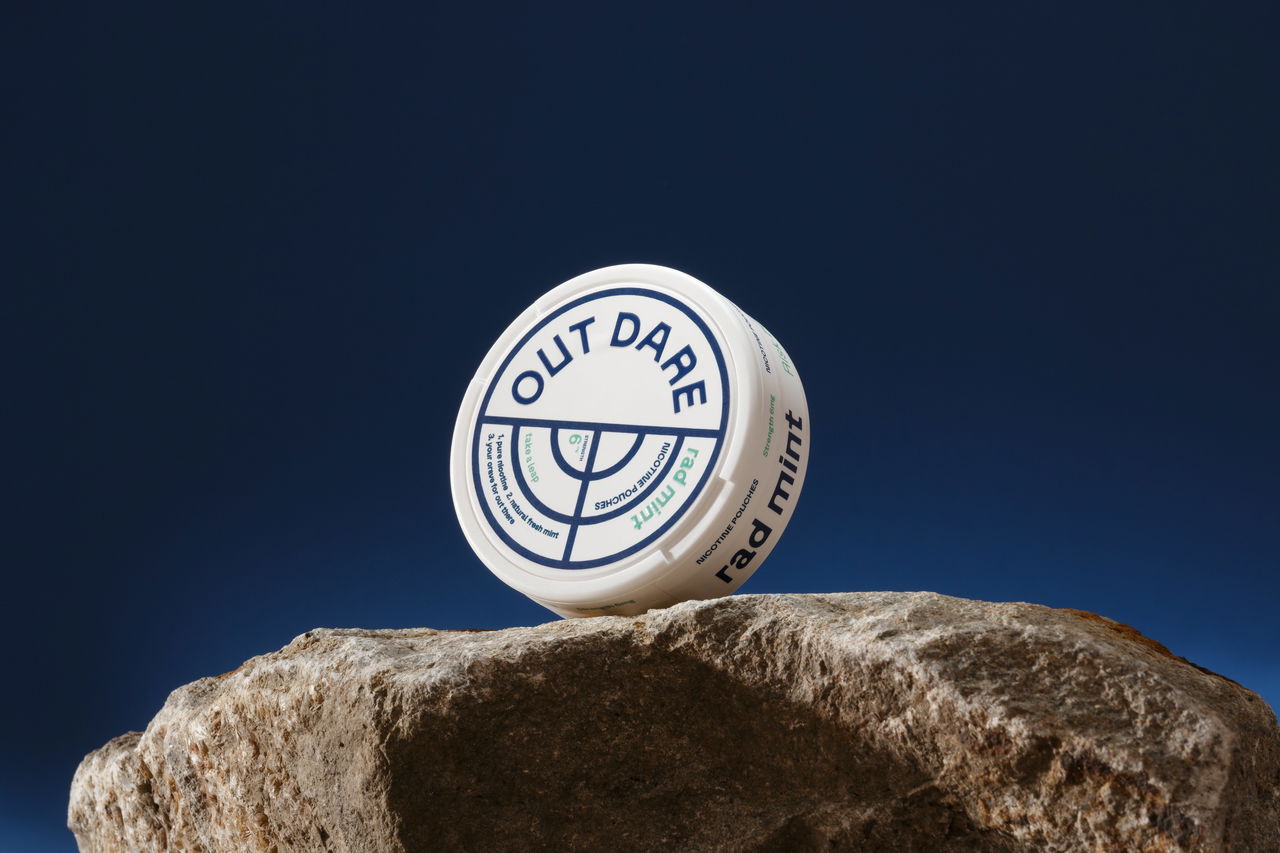
A can of OutDare Rad Mint nicotine pouches lists nine ingredients on the label, and that is the whole recipe. Nine, not more, and every one of them printed on the back of the can before it gets into your hand.
The nine on the label
- Microcrystalline cellulose: the white plant-fibre cushion that sits under your lip.
- Water: the base the rest of the mix is carried in.
- Tobacco-free nicotine, dosed at 6 mg or 12 mg per pouch depending on the can you pick.
- pH adjuster (sodium carbonate).
- pH adjuster (sodium bicarbonate).
- Natural flavouring: the mint that gives Rad Mint its name.
- Xylitol, a plant-derived sweetener that carries most of the sweetness on the label.
- Sucralose, in a reduced amount after xylitol took over the bulk of the job.
- Humectant, so the pouch stays soft under the lip until you spit it.
The pouch bag around all of that is food-grade non-woven cellulose paper. No tobacco leaf. No glass fibre. No mystery filler.
Why this matters if you have used snus
Traditional Swedish snus is a wet tobacco product: ground tobacco leaf, water, sodium chloride, humectant and flavour. It is a tobacco product and it is regulated as one. A nicotine pouch shares the format and the mouthfeel, but the fibre is plant cellulose and the nicotine sits on that fibre without the leaf. Tobacco itself is not on the ingredient list. That is what the words "tobacco-free" on the front of the can are pointing at, and it is the single biggest difference on paper for anyone coming off years of the daily snus can.
On the sweetening: xylitol carries the bulk of the sweetness now, and its inclusion reduced how much sucralose we needed. A small amount of sucralose still sits on the label. Nine ingredients, all listed, none hidden. If you want to check, the panel is on the back of every can, in the same order as the list above.
Do nicotine pouches have microplastics?
No, the OutDare pouch is not made of plastic. The outer bag (what people call the fleece) is a non-woven cellulose paper, and the cushion inside it is microcrystalline cellulose. Both layers are plant fibre. The reason the microplastics question keeps circling this category is that "OutDare" and "every pouch on every shelf" are not the same sentence, and the honest answer has to acknowledge that.
What is actually against your lip
A pouch has two layers a reader can point at:
- The outer bag, the fleece paper you feel with your tongue. On our cans this is a food-grade non-woven cellulose.
- The filling inside the bag, where the nicotine and the flavour live. On our cans this is microcrystalline cellulose, which is a highly refined plant fibre.
Neither of those is a plastic polymer. That is a manufacturing choice made at the European factory that produces our range, and it is the plain answer to "am I chewing on plastic under the lip".
Where the doubt is legitimate
Two things are true at the same time in this category, and pretending otherwise is what erodes trust:
- Pouch materials vary between makers. Some producers use pure cellulose, some have historically used partly synthetic non-wovens for the outer bag, and the label does not always spell this out in plain language on the front.
- Independent, peer-reviewed testing across the whole category is still thin compared with the decades of published work on cigarettes or e-liquids. So the honest category-wide answer is: less has been measured than a careful reader would like.
What you can do as a buyer is small and practical. Read the ingredient list on the back of the can, not the marketing on the front. If a brand tells you the pouch and the fill are cellulose and prints that on the pack, you have written proof of the material touching your lip. If neither the fleece nor the filling is named in plain words, that is a question worth asking the seller before you buy.
Pro Tip: the words to hunt for on any pouch label are "microcrystalline cellulose" or "plant fibre" against BOTH the bag and the fill. If neither phrase appears anywhere on the can, that brand has not answered the microplastics question in writing.
Why do people say nicotine pouches contain formaldehyde?
Formaldehyde is not an added ingredient in nicotine pouches, and it is not on the OutDare label. The word turns up online because peer-reviewed chemical testing has detected formaldehyde at trace levels in some pouches on the market, alongside other everyday volatile compounds that occur naturally in plant material, flavourings and the air around you as you read this.
What "trace" actually means here
Formaldehyde is one of the most common simple organic molecules on the planet. It is present in fruit, in wood, in cooked food and in human breath. It turns up in trace amounts across a lot of consumer products whenever analytical chemistry is sensitive enough to look for it. Detecting a compound at parts per billion is not the same as adding it to a recipe, and it is not the same as a defined dose. That distinction is where most of the noise around "chemicals in nicotine pouches" gets muddled.
The named source
Chemical characterisation work on the pouch category, including analyses published in Drug and Alcohol Dependence, has measured trace-level carbonyls (formaldehyde among them) across a range of pouch products. The authors described these levels as low relative to combustible tobacco reference points, and framed the finding as characteristic of the category rather than of any single can. What they did not do is issue a harm verdict on any brand, and neither will I.
What you actually take away
- Formaldehyde is not listed on the OutDare ingredient panel because it is not added: the nine ingredients on the label are the recipe, in full.
- Trace-level detection in a study is not proof of intentional inclusion, and it is not the same measurement as a dose.
- Nothing burns with a pouch under the lip. No smoke, no ash, no combustion temperature: the chemistry involved is completely different from a cigarette.
If you want to read the underlying studies yourself instead of the headlines about them, the search terms are "carbonyls" and "nicotine pouches" in Drug and Alcohol Dependence and the peer-reviewed toxicology journals that sit alongside it. The papers are dry, but they are far more honest than the summaries.
What this changes when you buy a can

What changes is small and it is practical: you read the back of the can before you pay, and you pick a strength that matches the way your day actually runs. Fiberglass, microplastics and formaldehyde live on the rumour side of this category. The label is where the honest answer sits, and every serious maker prints one.
Read the label before you pay
A pouch is a small object with a short ingredient list. If a can hides that list, or if the back of it reads like a brochure instead of a specification, put it down. Here is what I look at, in order, on any can I have not tried before:
- The nicotine strength in mg per pouch, printed on the front.
- What holds the powder together: plant fibre or microcrystalline cellulose, not glass fibres.
- The flavour and sweetener block: a short list beats a long one.
- The pouch material itself, which should be food-grade pouch paper.
- Where the pouch was made and by whom.
If those five lines are clean and specific, the rumours have nowhere to sit. If any of them is missing, the brand is asking you to trust it without evidence, and there is enough choice in this category that you never have to.
Pick the strength that fits your day
The right strength is the one that holds without shouting. Start low, step up only if low does not do the job, and step back down when the day is quieter. For our range that means 6 mg first, and 12 mg only when 6 mg does not hold the first hour after waking. Two strengths, one mint, the same burn under the lip, so the only thing that changes between them is the load you are asking the pouch to carry.
Pro Tip: Buy one can before you buy five. Fifteen minutes under the lip tells you more about whether a pouch works for you than any review thread or influencer clip.
When you are ready, the ingredient list, the strengths and the mint profile all sit on the product page for our nicotine pouches, in plain words, on the label, with nothing to unpick.
Sources & References
- Fact Check: No evidence nicotine pouches contain fiberglass · Reuters (2023)
- Rutgers Center for Tobacco Studies research on oral nicotine products · Rutgers University (2024)
- Chemical characterisation of oral nicotine pouch products · U.S. Food and Drug Administration (2023)
- Nicotine pouches: what we know about the new products · Action on Smoking and Health (2024)
Frequently Asked Questions
Do ZYN pouches contain fiberglass?
No. Independent fact-checks by Reuters and lab teardowns cited in US press reporting found no fibreglass in ZYN or in comparable tobacco-free pouches. The tingling sensation users described in viral videos comes from nicotine and pH-adjusting salts, not from glass fibres.
What is the white pouch made of?
The pouch fleece is non-woven cellulose, a plant fibre from the same family as tea-bag paper. Inside sits a powder of microcrystalline cellulose carrying nicotine, flavour, sweetener and pH salts. No tobacco leaf, no spun glass, no plastic mesh.
Are there microplastics in nicotine pouches?
OutDare pouch paper is cellulose, not plastic, so it is not a source of microplastics. Some rival brands use synthetic fibres in parts of the pouch. Independent testing of the category is still limited, so check the ingredient list on any can before you buy.
Why do some studies mention formaldehyde in pouches?
Formaldehyde occurs naturally at trace levels in many foods and materials, and lab studies have reported very small amounts in some nicotine pouches. It is not an added ingredient. The levels reported are far below what appears in cigarette smoke.
What chemicals are in a nicotine pouch?
A typical tobacco-free pouch contains nicotine, plant-fibre filler, pH adjusters such as sodium carbonate, natural and artificial flavour, a sweetener like xylitol or sucralose, and a humectant to keep the pouch moist. OutDare Rad Mint lists nine ingredients on the can.
Is a nicotine pouch the same as snus?
No. Snus contains tobacco leaf. A nicotine pouch uses tobacco-free nicotine on a plant-fibre base, so there is no leaf and no spit. The ritual under the lip is similar, the contents are not.
How long does a pouch last under the lip?
Most users keep a pouch in for 30 to 60 minutes. The burn arrives in the first couple of minutes, plateaus, then fades. When the tingle drops off, take it out and bin it in the lid compartment on the can.
How is a can of OutDare priced and shipped to the US?
OutDare ships worldwide from Denmark and charges every order in EUR, including US orders, so your bank converts on the day. Import VAT or duty may apply on arrival. The availability box on the product page shows the current shipping cost.
So: no fibreglass, no tobacco leaf, no spun glass under the lip. Just plant fibre, nicotine, pH salts, flavour and sweetener, printed on the label of every can. The tingle people mistook for glass on TikTok is the burn landing, and that burn is the point. If you have read the ingredient list and you want to try one, start on 6 mg Rad Mint and move to 12 mg only when the morning stops holding. The whole range sits on OutDare Nicotine Pouches, shipped from Denmark, charged in EUR, adults only.
Related guides
Published 19 September 2026 · Last updated 19 September 2026