


Nicotine Withdrawal Symptoms: The Method
By Thomas Agaraté · Daily pouch user since 2014 · About
Nicotine withdrawal symptoms show up mostly as restlessness, a bad headache around day three, poor sleep and the reach for a can before you've decided to have one. I've been under the top lip for six years, and the step down that worked wasn't cold turkey. It was one variable a week, keeping the ritual and stepping down the strength using OutDare Nicotine Pouches.
- We ship to the United States from Denmark
- Shipping from €9.45
- Prices are charged in euros.
- 18+ only. Age is verified at checkout.
| Key Insight | Explanation |
|---|---|
| Symptoms peak around day three | Most reports place the sharpest headache, irritability and cravings between 48 and 72 hours after the last pouch. |
| Cold turkey rarely holds | Third-party research on unaided nicotine quit attempts across formats puts single-attempt success in low single digits. |
| A pouch has three points of hold | Roughly a third is the nicotine, a third is the cushion under the lip, a third is the burn that tells you it landed. |
| Two variables at once fails | When people drop strength, format and ritual in the same week, the reach for a can returns within days. |
| The evening slot is the hardest | The pouch after dinner has replaced a drink, a scroll or a smoke, so it carries more than the nicotine. |
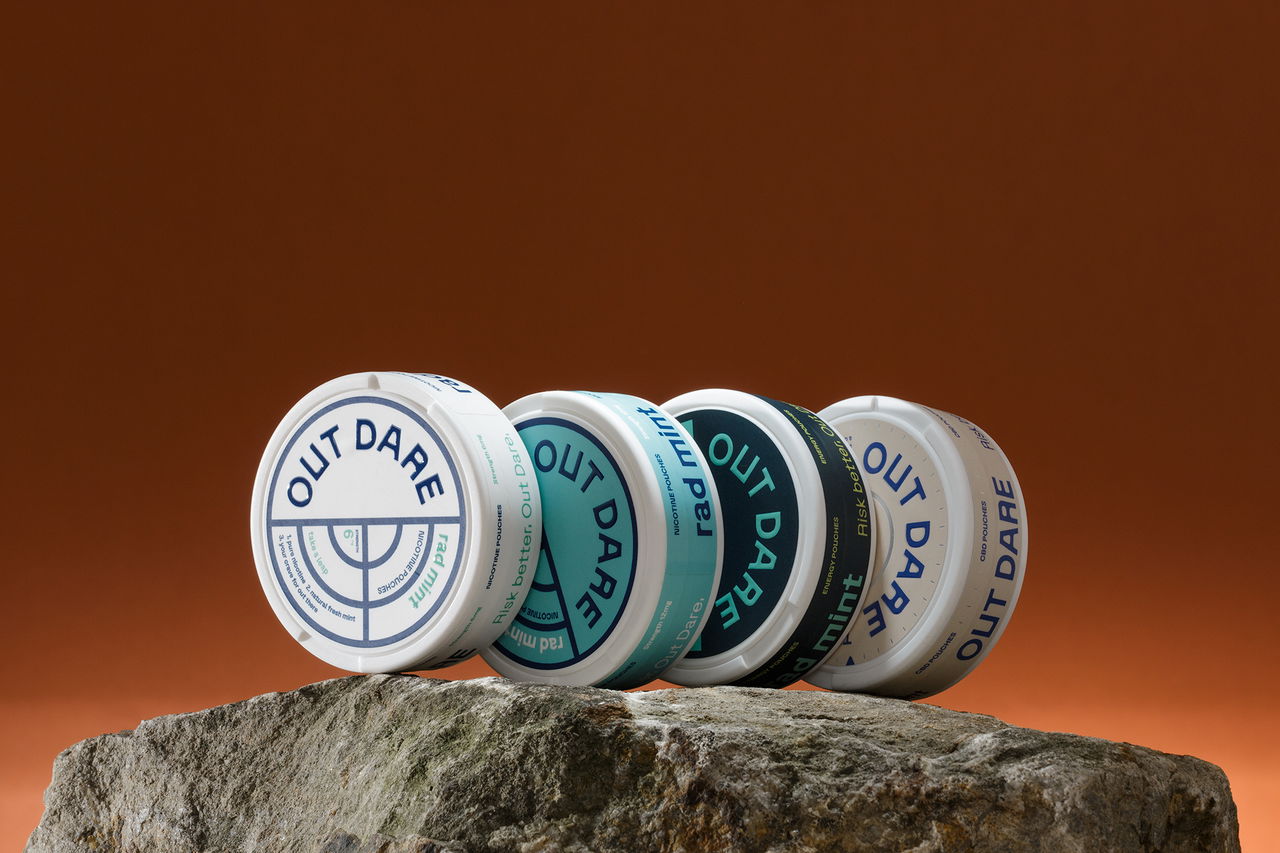
| One flavour and burn across three pouches | OutDare's nicotine and energy cans run Rad Mint; the sleep can runs Chilled Mint, so the ritual stays while the chemistry moves. |
| Reduction is a valid destination | Going from 12 mg to 6 mg while keeping the ritual is one variable moved, and many readers stop there. |
- What does nicotine withdrawal actually feel like on pouches?
- How long do nicotine pouch withdrawal symptoms last?
- Why does the nicotine withdrawal headache hit hardest around day three?
- What are the side effects of quitting nicotine pouches?
- Why does cold turkey usually fail, and what does Reddit get right?
- The three thirds of the hold: chemistry, ritual and burn
- The four-week protocol: one variable per week
- What does week four look like, and what decision does it force?
- What do OutDare pouches do, and what won't they do?
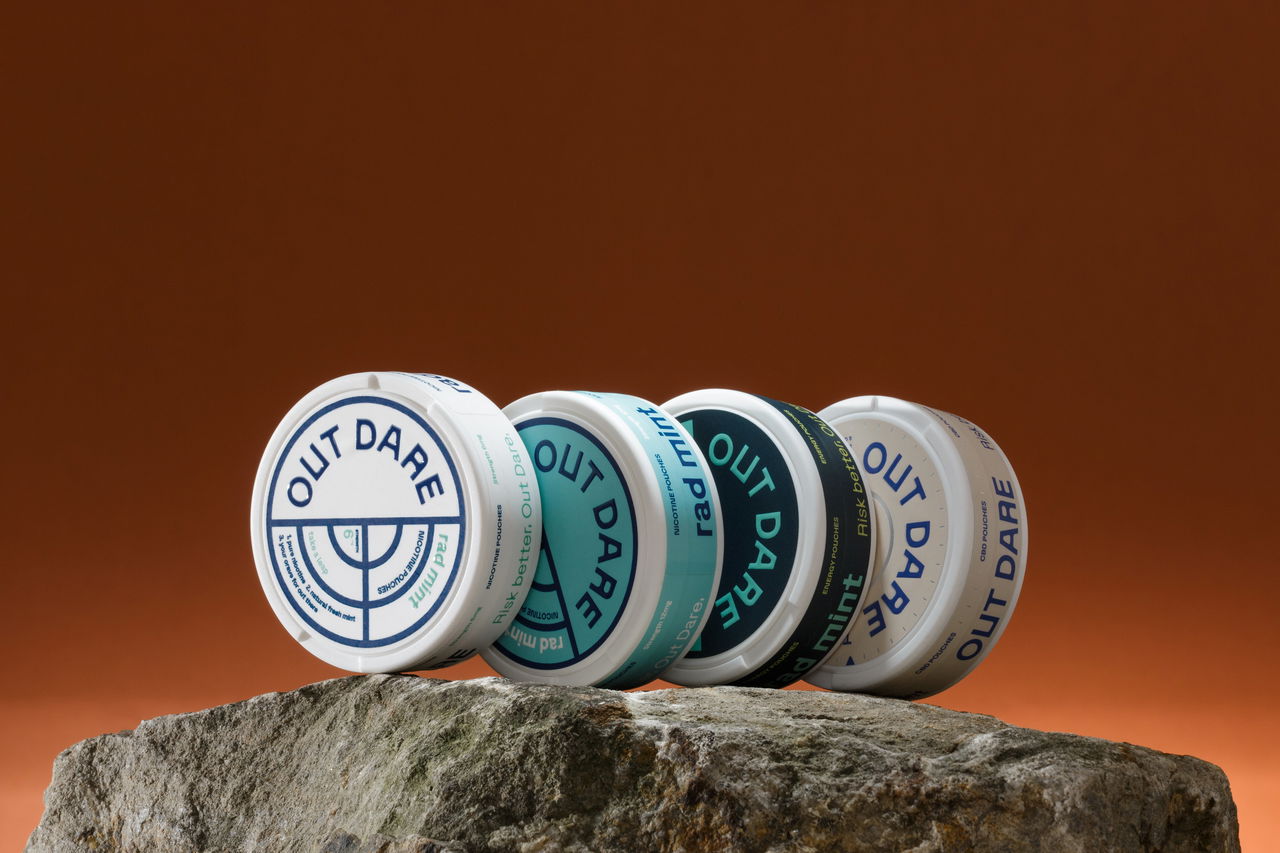
The range, same flavour, same burn, three chemistries
| Pouch | Strength | Best for | Flavour | Price | |
|---|---|---|---|---|---|
| Nicotine Pouches | 6 mg | when you need control | Rad Mint | €7.00 | |
| Nicotine Pouches | 12 mg | when you need control | Rad Mint | €7.00 | |
| Energy Pouches | 75 mg | for daytime focus | Rad Mint | €7.00 | |
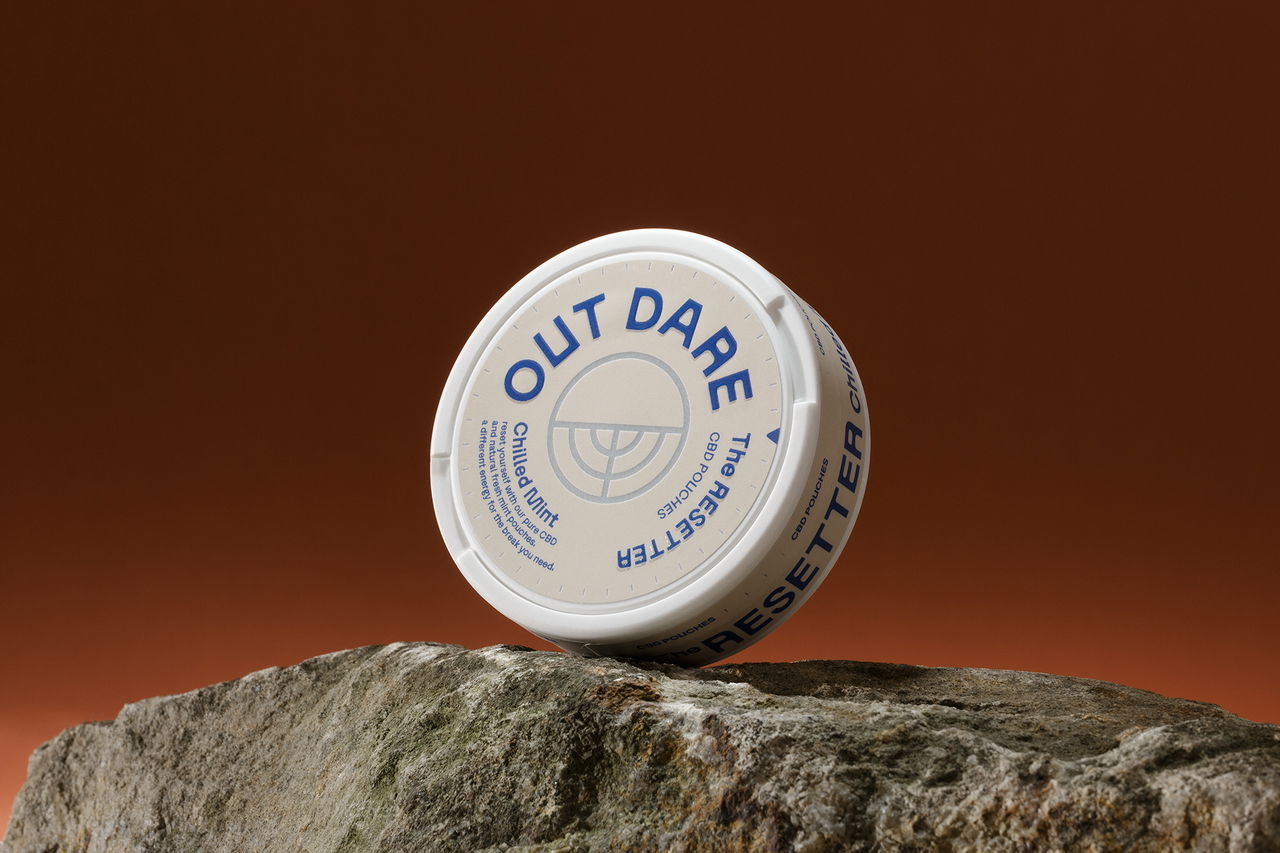
| Sleep Pouches (The Resetter) | 20 mg | for the evening reset | Chilled Mint | €10.00 |


Shipped from Denmark by PostNord Express · Trustpilot 4.6
Three pouches, one ritual · Shipped from Denmark · 210+ countries · Trustpilot 4.6
What does nicotine withdrawal actually feel like on pouches?
Withdrawal on pouches shows up quieter than a smoker describes it, and it moves faster. You are already reaching for the can before you have decided you want one. The top lip is where you notice the empty space first, and the count in the can tells you the rest.
The first 24 hours after a stronger daily habit tend to run the same way for most people: a low, dull irritation about four hours after the last pouch, then a sense that something is missing from the mouth and the head at the same time. It arrives on the schedule the body was expecting the next pouch.
The signs, named
- Headache: a dull band across the forehead, worst mid-morning and again in the late afternoon.
- Restlessness: a fidget in the hands, the jaw, the tongue. You keep swallowing.
- Broken sleep: you fall asleep fine and wake at 3 or 4 a.m., wired.
- Jaw ache: from where you used to park the pouch. It settles inside a few days.
- Low mood: a flatness, not sadness. Ordinary things feel further away.
- Hunger and thirst: both, in equal measure. Nicotine dulls both signals in the mouth.
None of that is a surprise. It is what a steady daily stimulant does when it stops arriving on schedule. What makes it feel loud on pouches specifically is the format: you have been running a dose under the lip for most of your waking hours, and the body has built a clock around it.
Why the strength matters more than the willpower
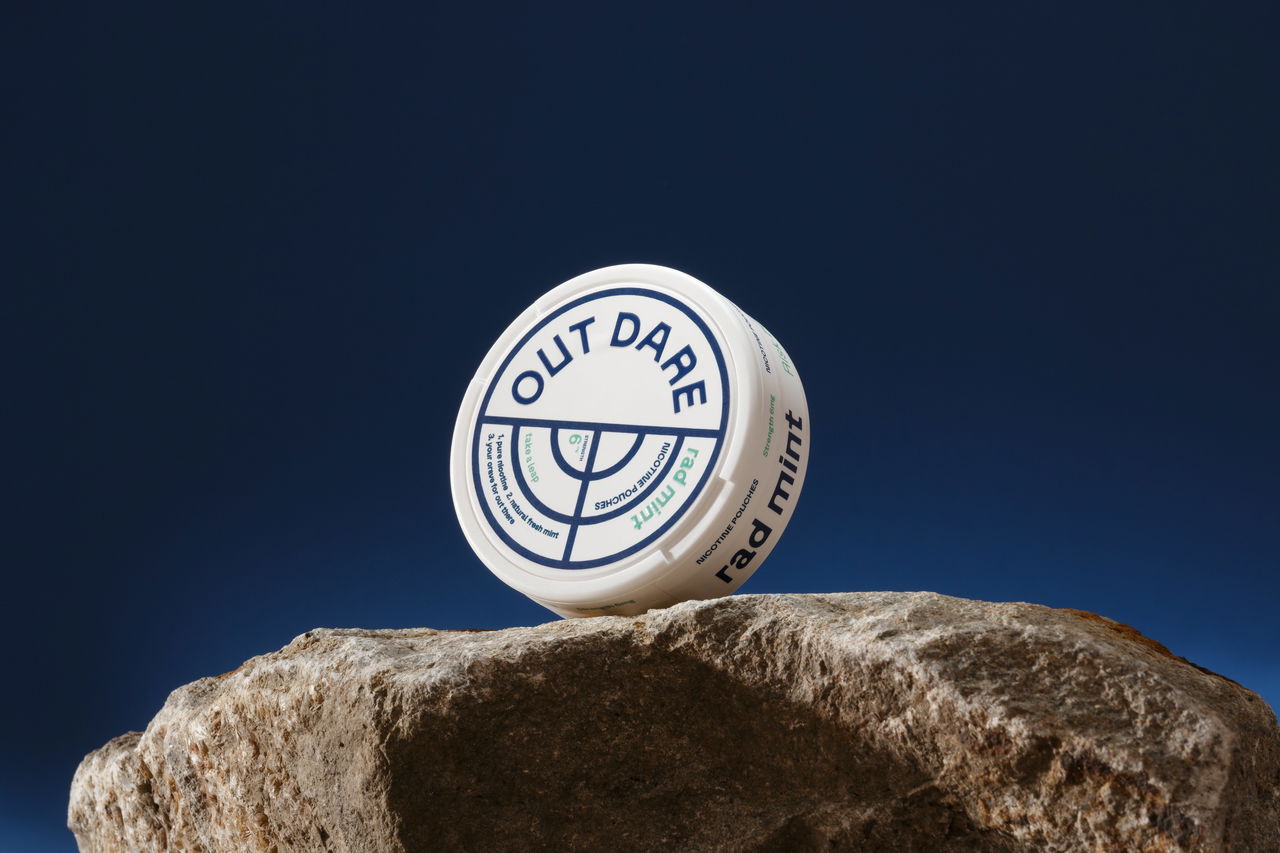
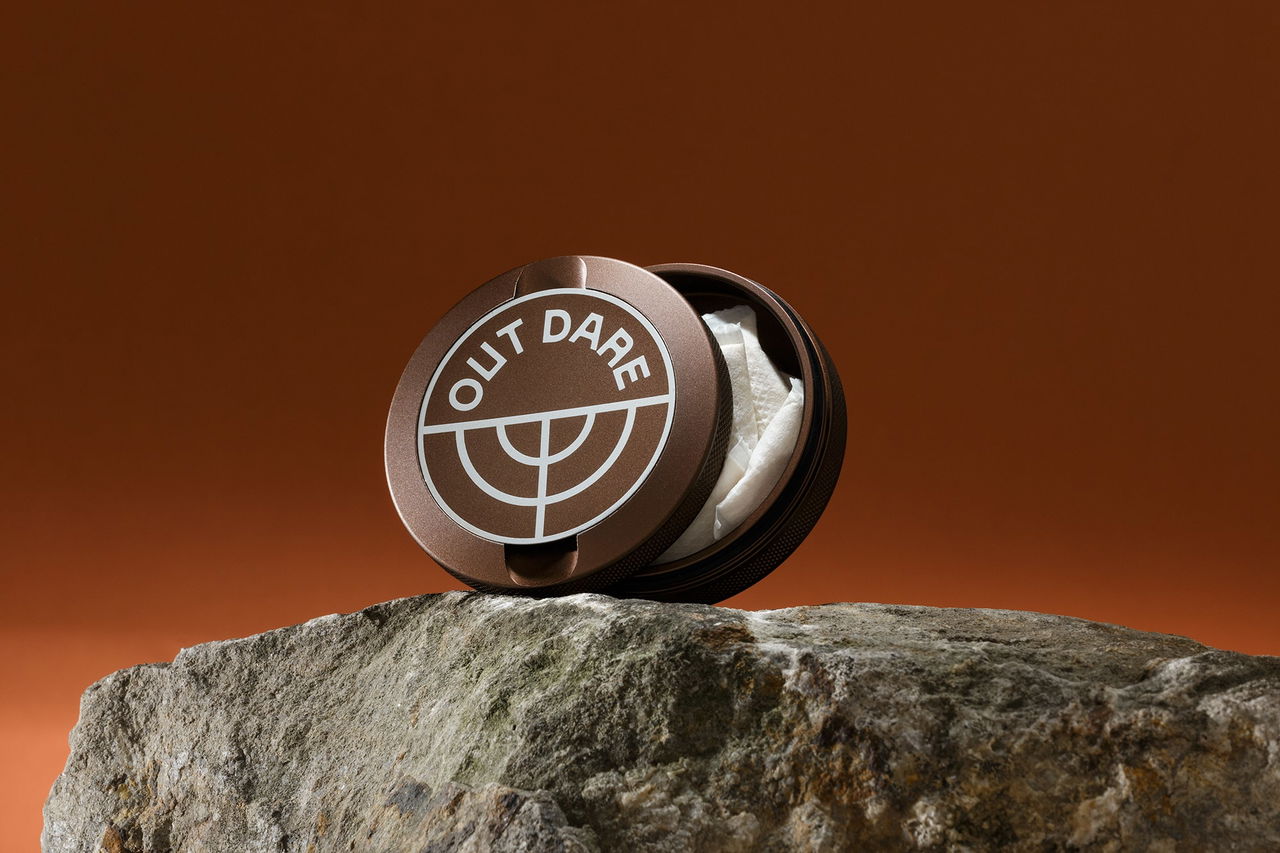
If you are on a 20 mg or 22 mg pouch and you drop straight to zero, you are asking the nervous system to absorb the whole change in one week. That is where most attempts unravel, and it is why the reader who wants to reduce, not necessarily stop, tends to have more room in steps. OutDare Nicotine Pouches come in two strengths, 6 mg and 12 mg, in a Rad Mint flavour, at €7.00 per can. The 12 mg sits under the lip like your current pouch and reads similarly on the burn. The 6 mg is where the next move goes when the 12 mg feels routine. You keep the ritual the same and change only the chemistry.
How long do nicotine pouch withdrawal symptoms last?
The honest range is four to six weeks for the full reset, but the sharpest edge is short: the peak sits in the first three days, most of the physical signs ease inside two weeks, and sleep and mood are the last to come back into line. Third-party sources vary on the exact numbers, and none of them measured you specifically.
A working timeline
| Window | What tends to happen |
|---|---|
| 4 to 24 hours after your last pouch | First noticeable pull. Irritability, low-grade headache, hands looking for something to do. |
| Day 2 to day 3 | The peak. Headache is loudest. Sleep breaks. Cravings hit in waves rather than a steady hum. |
| Day 4 to day 7 | Physical signs start to ease. Mood is still flat. The evening is the hardest hour. |
| Week 2 | Most body signals quiet down. Cravings become situational: after coffee, after a meal, in the car. |
| Week 3 to week 6 | Sleep and mood come back into balance. The habit of reaching disappears last. |
Materials published by the American Cancer Society and reviews in the Cochrane Database describe similar ranges for nicotine withdrawal drawn from smoking cessation research: peak intensity inside 72 hours, most symptoms eased by the end of week two, a longer tail for sleep and mood that can run four to six weeks. Those are ranges for the category, not a promise for the reader in front of the can.
Why a step lands softer than a cliff
The steeper the drop, the sharper the peak. Going from a 20 mg or 22 mg pouch to zero in one week piles every symptom into the same 72-hour window. Going from that starting strength to OutDare Nicotine Pouches at 12 mg for a week, then to the 6 mg for the week after, spreads the chemistry change out and keeps the ritual identical. You are still parking a Rad Mint pouch under the lip. The burn reads the same. The number on the can is what moves. The price is €7.00 either way, so the decision is about intensity, not budget.
Reset does not mean rebuilt. It means the body is no longer running the schedule for you.
Shipped from Denmark by PostNord Express · Trustpilot 4.6
Why does the nicotine withdrawal headache hit hardest around day three?
Because day three is when the nervous system stops waiting for the next dose and starts reorganising around its absence. The headache is not the crisis; it is the sign that the drop has landed. It usually shows up as a dull band across the forehead and the temples, worst mid-morning and again in the late afternoon, and it eases inside four to seven days.
What actually helps on the day
- Water, on a schedule: not a bottle at the desk, a glass every hour. Nicotine dulls thirst and the mouth is drier than you notice.
- Salt and food together: a proper breakfast with salt on it. Low blood sugar makes the headache twice as loud.
- Sleep before midnight: the second night is the one that decides how bad day three feels.
- Coffee, but earlier: caffeine after 2 p.m. breaks the sleep that would otherwise carry you through day four.
- Movement: a walk of 20 to 30 minutes moves the headache faster than sitting through it.
Pro Tip: if you were running six or seven caffeinated drinks a day on top of a strong pouch, halve the coffee in the same week and the headache halves with it. Two variables that used to prop each other up are now both moving, and the body reads it as one very large change instead of one manageable one.
Where the energy pouch fits
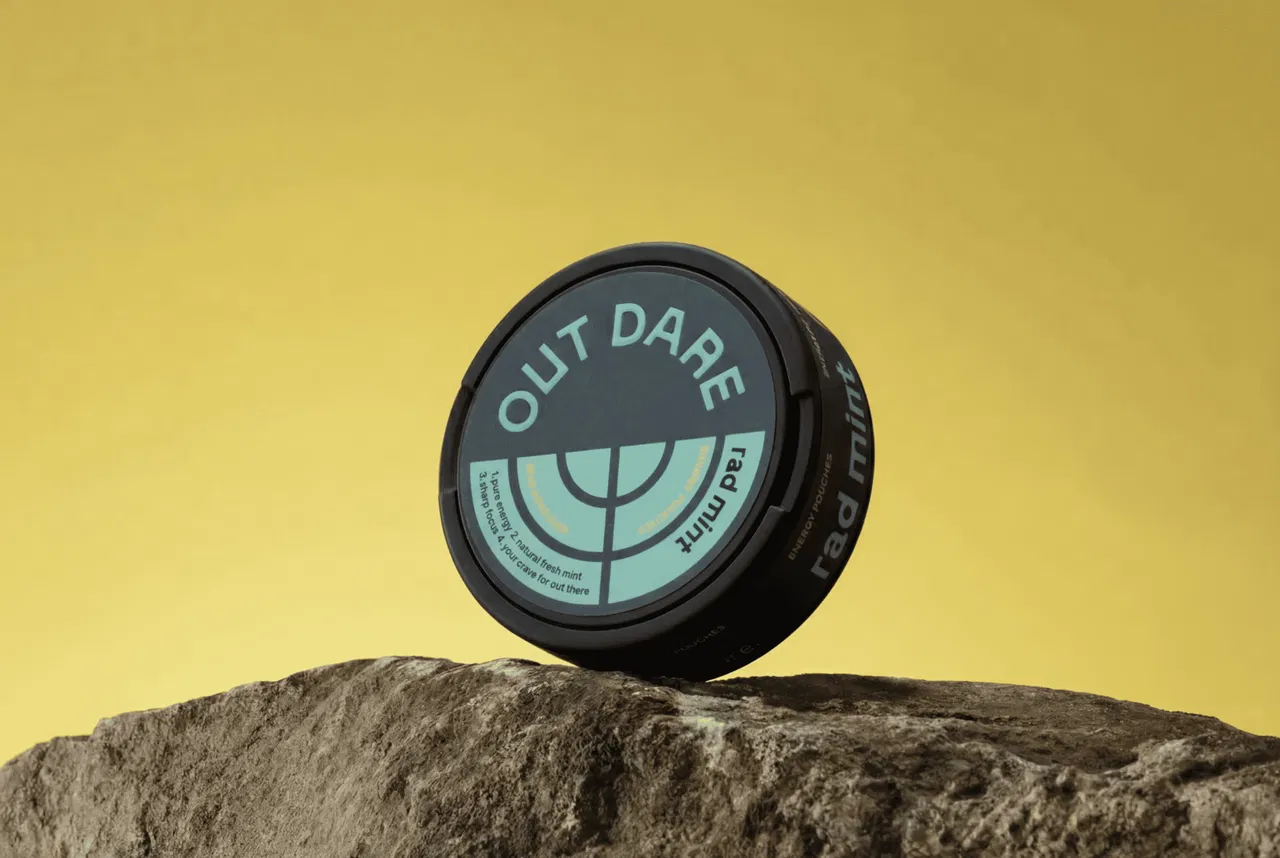
If you use caffeine to steady the day and want to avoid stacking another cup on a raw nervous system, OutDare Energy Pouches carry 75 mg of caffeine per pouch in Rad Mint, at €7.00 per can. It is roughly the caffeine of a small espresso, delivered under the lip rather than through the stomach, without the acidity that some people notice as its own trigger. The point is not to replace nicotine with caffeine, and the pouch does not do that. It replaces one cup of coffee with something that sits in the same ritual as the pouch you already know, so the format stays constant while the chemistry underneath shifts.
If the headache runs past a week, gets worse rather than easier, or arrives with vision changes or vomiting, that is not withdrawal and it is worth a doctor rather than a guess.
What are the side effects of quitting nicotine pouches?
Cutting back on nicotine has a physical bill, and it is worth knowing what has been reported before you decide anything so you do not mistake a normal three-day slump for a personal failure. Users posting on r/quittingzyn and in Reddit's broader stop-smoking threads describe a fairly consistent list, and clinicians working on nicotine dependence describe roughly the same one.
What people report in the first week
- Mouth soreness and gum irritation. If you have been parking a pouch under the same lip for months, the tissue is inflamed. Reddit threads mention it fading within a week or two once the pouch stops going in.
- Disrupted sleep. Waking at 3am, thin busy dreams, a restless first hour. The Mayo Clinic lists sleep disturbance among nicotine withdrawal effects; users describe the same pattern.
- Hunger spikes. A can under the lip suppresses appetite. When it goes, the appetite comes back sharper for a fortnight, and users report a real jump on the scale in the first month if they do not watch it.
- Mood dips and irritability. Users describe a short fuse, a flat afternoon, a sense that the day drags around 4pm.
- Concentration lapses. Losing the thread mid-sentence, rereading the same paragraph. NHS smoking cessation guidance lists this too.
Where the evening ritual goes
The 9pm reach is the one that catches most people. It is a habit as much as it is chemistry: you sit down, the day is done, your hand goes to the can. The OutDare Sleep Pouches (The Resetter) carry 20 mg of CBD in a Chilled Mint pouch at €10.00/can. Same cushion under the lip, same fresh-mint family as the Rad Mint range, no nicotine. The ritual is intact, the chemistry is different. That is what the pouch IS; what you do with it is your call.
Pro Tip: Track the reported symptoms in a note on your phone for the first week. When you can see the pattern (mouth is fine by day 5, sleep settles by day 10, mood lifts around day 14), you stop treating each rough hour as evidence you should give up on cutting down.
If a symptom persists or worries you, speak to a clinician who knows your history.
Why does cold turkey usually fail, and what does Reddit get right?

Cold turkey fails for most people because it is not one fight, it is three at once: the nicotine leaving your bloodstream, the ritual of having a cushion under your lip disappearing, and the burn that told you the pouch had landed suddenly gone. Reddit's r/quittingzyn and r/stopsmoking are full of people who tried it, held two or three days, and reached for a can on day four not because they wanted the nicotine but because they wanted the hand-to-mouth motion.
What the Reddit threads keep getting right
- Day three is the worst. Posted so often it has become a running joke on the sub. The headache peaks, sleep is thin, the fuse is short. Clinical descriptions of nicotine withdrawal put the acute phase in the same window.
- Boredom is the trigger, not the craving. Users describe reaching for a can in the pause between tasks, not in a moment of stress. The empty five minutes is more dangerous than the meeting that ran late.
- Counting matters. Threads that track cans per day and shrink the number weekly beat threads that swear off cold and relapse in silence.
- Everything tastes different for a while. Coffee, food, toothpaste. Users report it settling by the end of week two.
What the threads keep getting wrong
The flavour swap. Moving from a mint ZYN to a citrus VELO at the same strength changes the taste and does nothing to the chemistry. The pouch still delivers the same milligrams to the same lip, the ritual is unchanged, and by week two most people are back on the mint anyway. If the only variable you change is flavour, you have not changed a variable that matters.
The other common miss is the just-push-through post. Two days of white-knuckling, then a can on day three, then a shame spiral. Cutting down is not a test of willpower; it is a sequence of one small change at a time. The reader on their fourth attempt at cold turkey is not weaker than the one who did it in four weeks. They tried to fight three things at once. The protocol that runs below fights them one at a time, and it starts with keeping the ritual in place while the chemistry moves.
The three thirds of the hold: chemistry, ritual and burn
The hold of a nicotine pouch is not just the nicotine. Anyone who has used them daily for a year knows this without having to be told: a third of what keeps you reaching for a can is the nicotine, a third is the ritual of having a cushion under your lip, and a third is the burn that tells you it landed. Those are estimates from lived experience, not a study, and writing them as percentages would flatter a measurement no one has made. Words for the thirds, then. Digits for the mg.
What each third actually does
- The chemistry. The nicotine itself: 6 mg when you want control, 12 mg when the day is a fight, both in Rad Mint at €7.00/can. It is the part most people talk about, and the smallest part of the hold to actually shift once the other two are handled.
- The ritual. The cushion under the lip, the small weight of it, the hand moving to the can without your permission. This is the part that catches people who go cold turkey on day three: the nicotine is gone, but the hand keeps reaching.
- The burn. The fresh-mint hit that tells you the pouch is active. Take that away and even a full-strength pouch feels flat. It is why users who switch from a mint brand to a fruit one at the same mg usually drift back to mint within a fortnight.
Why the three pouches share a burn
The three OutDare pouches are built to match on mouthfeel and on burn. The nicotine range and the 75 mg caffeine energy pouch share the Rad Mint profile at €7.00/can; the evening pouch, The Resetter, uses a Chilled Mint at €10.00/can, cut from the same fresh-mint family. That is a fact about how the range is made, not a promise about what happens to you. What it means in practice: when you move from the 12 mg nicotine pouch to the caffeine pouch for a morning, only the chemistry has changed. The cushion is the same, the burn is the same. One variable moves; the other two hold steady. That is the whole reason the four-week protocol below works the way it does, and it is why the range is built as three products, not thirty. If you want to see them side by side, they sit on one page: the full range.
The four-week protocol: one variable per week

Change one thing at a time. That is the whole protocol, and it is the reason it holds when cold turkey does not.
You are running four consecutive weeks. Each week, one variable moves. Everything else stays where it is: same times of day, same lip, same burn, same fresh mint on your breath. If you change two variables at once, you are fighting two withdrawals at once, and you will lose the week.
Week 1: swap the brand, hold the strength
If you are on a 12 mg pouch of another brand today, you move to OutDare Nicotine Pouches at 12 mg, Rad Mint, €7.00 a can. That is all. Same milligrams, same slot under the lip, same reach for a can at the same times. The only thing that changes is what is in the pouch: plant fibre filling, xylitol instead of most of the sucralose, a mint profile built by a former mixologist. Your body still gets the nicotine it expects. Your ritual is intact. What you are doing this week is calibrating: you learn what the OutDare burn feels like and what the mint tastes like, so that when we start moving other things next week, the burn and the flavour are the constant, not the variable.
Week 2: replace one daytime slot
Pick your worst pouch. Not the morning one, not the after-lunch one. The one you take without noticing. In week 2, that slot becomes OutDare Energy Pouches: 75 mg of caffeine per pouch, Rad Mint, €7.00 a can. Same lip, same burn, same mint. The chemistry is different. Every other slot in your day stays on the 12 mg nicotine pouch. Do this for the whole week before you touch anything else.
Week 3: the evening becomes the reset
After dinner, the pouch changes again. This time to the Sleep Pouches (The Resetter): 20 mg of CBD per pouch, Chilled Mint, €10.00 a can. The daytime nicotine slots are still nicotine. The one energy slot from week 2 is still energy. Only the evening has moved. You now have three cans in your day, and each one lives in a specific window.
Pro Tip: If a week feels shaky, do NOT move to the next week. Repeat it. The protocol is one variable per week, or slower. Never faster.
Week 4: the decision
Week 4 is not another swap. It is where you look at what has actually happened over three weeks and choose a direction. The section that follows walks through that choice.
What does week four look like, and what decision does it force?
Your day now has three cans in it, and each one has a specific job. That is the ground you are standing on when the decision comes.
What the day actually looks like
The morning and the early afternoon are still the 12 mg nicotine pouch, Rad Mint. Somewhere around mid-morning, or the after-lunch slump, the pouch is the 75 mg energy one instead. After dinner, the evening pouch is the 20 mg CBD Sleep one, Chilled Mint. Three cans on the shelf, one flavour family across the range, one burn you already know. You have moved one variable per week for three weeks. Nothing about the ritual has changed: same lip, same reach, same fresh mint.
The decision week 4 forces
Week 4 is not a fourth swap. It is where you look at what has actually happened and pick a direction. There are two, and both are legitimate.
- Drop the strength. Move the 12 mg can down to the 6 mg OutDare Nicotine Pouches, same Rad Mint, same €7.00 a can. Same slots, same times, half the milligrams per pouch. You keep the ritual. You reduce the chemistry.
- Uncouple the nicotine from the ritual. Keep the 12 mg pouch on the shelf. Use it only in the slot where you actively want it, not by default. The other daytime slot is energy. The evening is the reset. Nicotine becomes a choice you make, not a reflex you obey.
One is not more advanced than the other. Some readers want to keep the milligrams and take the ritual back. Others want to keep the reflex and cut the milligrams. What you do NOT do in week 4 is drop the nicotine to zero and pretend it is done. The whole point of the four weeks was to stop stacking withdrawals on top of each other, and that is still the rule.
What you have actually done
You have changed one thing per week, four times. You have replaced the brand, the daytime slot, the evening slot, and the nicotine load. The ritual you started with, cushion under the lip at fixed times of day, is still there. What lives inside the pouch is now something you decide, week by week. If you want the full ladder in a single pack, the Shift offer is the same protocol as a starter kit: the three cans, in the order this article lays out.
What do OutDare pouches do, and what won't they do?
OutDare pouches are tobacco-free, produce no smoke and no combustion, and share the same fresh mint profile and the same burn across the three cans. That is what they ARE. Below is what they do, and equally what they will not do.
What the product is
- Tobacco-free. Plant fibre filling. No tobacco leaf in any of the three cans.
- No smoke, no combustion. Nothing burns. The pouch sits under the lip.
- Matching flavour family and burn. The nicotine and energy cans are Rad Mint; the Sleep pouch is Chilled Mint. Same mint family, same mouthfeel, same tingle, so moving from one can to another does not feel like starting over.
- Made in a European factory. Natural flavours developed by a former mixologist, xylitol instead of most of the sucralose, high-grade pouch paper.
- Three cans, three jobs. Nicotine at 6 mg or 12 mg for control. Energy at 75 mg of caffeine for daytime focus. Sleep at 20 mg of CBD for the evening reset. Prices: €7.00 for the nicotine and energy cans, €10.00 for the sleep can.
What the product will not do
The pouch does not decide for you. It will not stop you reaching for a can at 3pm because 3pm is when you always reach. It will not push the count down on its own. The four-week protocol is a way of changing one variable at a time so that you are not fighting three withdrawals at once. The pouches are the tool that makes the protocol possible, because the burn and the flavour stay steady while the chemistry changes. That is the whole of it, and it is the honest of it.
What the research on the category actually says
On the wider question of what changes when people stop nicotine, the evidence lives with third parties, not with us. The 2020 U.S. Surgeon General report on smoking cessation observed cardiovascular and pulmonary improvements at the population level over the months and years that follow the last cigarette. Independent researchers looking at gradual reduction rather than abrupt stopping have described directionally similar patterns. Those are findings about the category, reported by named institutions. They are not statements about the OutDare range, and we do not repeat them as ours.
You now have the mechanism, the protocol and the three cans that make it run. The rest is a choice you make one week at a time. If you want the whole ladder in a single pack, the Shift offer puts the three cans together in the order the protocol calls for.
Sources & References
- Smoking & Tobacco Use · Centers for Disease Control and Prevention (2024)
- Tobacco / Nicotine and E-Cigarettes · National Institute on Drug Abuse (2024)
- Tobacco Fact Sheets · World Health Organization (2025)
- Tobacco Addiction Group Reviews · Cochrane (2024)
- Center for Tobacco Studies Research · Rutgers University (2024)
Frequently Asked Questions
What are the first signs of nicotine withdrawal?
Restlessness, a low mood, a headache building at the temples and a strong reach for the can arrive within 4 to 24 hours of the last pouch. Sleep disruption and a short temper follow the same day for most heavy users.
How long do nicotine pouch withdrawal symptoms last?
Physical symptoms peak between 48 and 72 hours and ease over the following two weeks. Sleep and mood take longer, often four to six weeks to reset. Craving triggers tied to specific moments, like after a meal, can persist for months.
Can you quit nicotine pouches cold turkey?
You can, but reported success rates for unaided nicotine quit attempts across formats are in low single digits. Stepping the strength down over a few weeks while keeping the ritual moves one variable at a time, which is what most Reddit threads describe as workable.
Why does day three feel the worst?
Nicotine clears the body inside 24 to 48 hours, but the receptor readjustment peaks a day later. That is when the headache, low focus and short temper stack. Hydration, sleep and steady caffeine timing carry the day; a lower-strength pouch removes the crash.
What do people report after stepping off nicotine pouches?
Reported changes include steadier sleep after two weeks, less jaw tension, no morning gum soreness and food tasting sharper. Studies on nicotine cessation report similar effects across formats. Individual experience varies and no product delivers these outcomes on its own.
Do I have to quit, or can I just reduce?
Reduction is a choice on its own. Going from 12 mg to 6 mg while keeping the same flavour and burn is one variable moved. Many readers stop there, having taken back the decision of when to reach for a pouch.
Can I order OutDare in the United States?
OutDare ships to the United States from Denmark by PostNord Express, adults only. Orders are placed in EUR at checkout, so your card is charged in euros regardless of your local currency. Import VAT or duty may apply on arrival, as with any incoming parcel.
Which strength should I start on for a step down?
If your current pouch sits above 10 mg, start on OutDare Nicotine Pouches at 12 mg to hold the same intensity while you change the brand. If you are already below that, start at 6 mg. Change one variable per week, never two.
Nicotine withdrawal symptoms are real and predictable: a headache around day three, poor sleep for a week or two, mood dips, and the reach for a can before you've decided to have one. Cold turkey is three fights at once. One variable a week is one. If you want to walk through the step down using pouches that share the same burn and flavour, start on the plan at the Shift.
Related guides
Published 09 August 2026 · Last updated 09 August 2026