


How to Quit Smoking Cold Turkey: A Step-by-Step Guide
| Key Insight | Explanation |
|---|---|
| Cold turkey can outperform gradual cutting | Research published in PMC found that abrupt cessation produces higher long-term abstinence rates than gradual reduction in some populations [3]. |
| Withdrawal peaks within 72 hours | The most intense cravings and symptoms typically hit days 1-3 and ease significantly by week two for most people. |
| Nicotine is only 30% of the addiction | The 30/30/30 Addiction Rule shows that habit and sensory cues account for 60% of dependency — managing these is as critical as cutting the chemical. |
| Triggers are the #1 relapse driver | Identifying and pre-empting your personal trigger moments — stress, boredom, after meals — is the single highest-leverage preparation step. |
| Ritual substitution reduces relapse risk | Replacing the physical act of smoking with a structured alternative (pouch, gum, breath work) keeps the habit loop intact while removing the chemical. |
| Support doubles your odds | The American Lung Association notes that combining behavioral support with a quit method significantly improves success rates compared to willpower alone [5]. |
Quitting smoking cold turkey means stopping all cigarette use immediately, with no gradual taper and no nicotine replacement products — and it's one of the most effective methods available if you execute it correctly. Knowing how to quit smoking cold turkey isn't just about willpower; it's about preparation, trigger management, and replacing the ritual so your brain doesn't go haywire the moment a craving hits. This guide walks you through every step, from setting your quit date to surviving the first brutal 72 hours and building habits that actually stick. Difficulty: moderate to hard. Timeline: first 30 days are critical, with the sharpest withdrawal window in days 1-3.
What Quitting Cold Turkey Actually Means
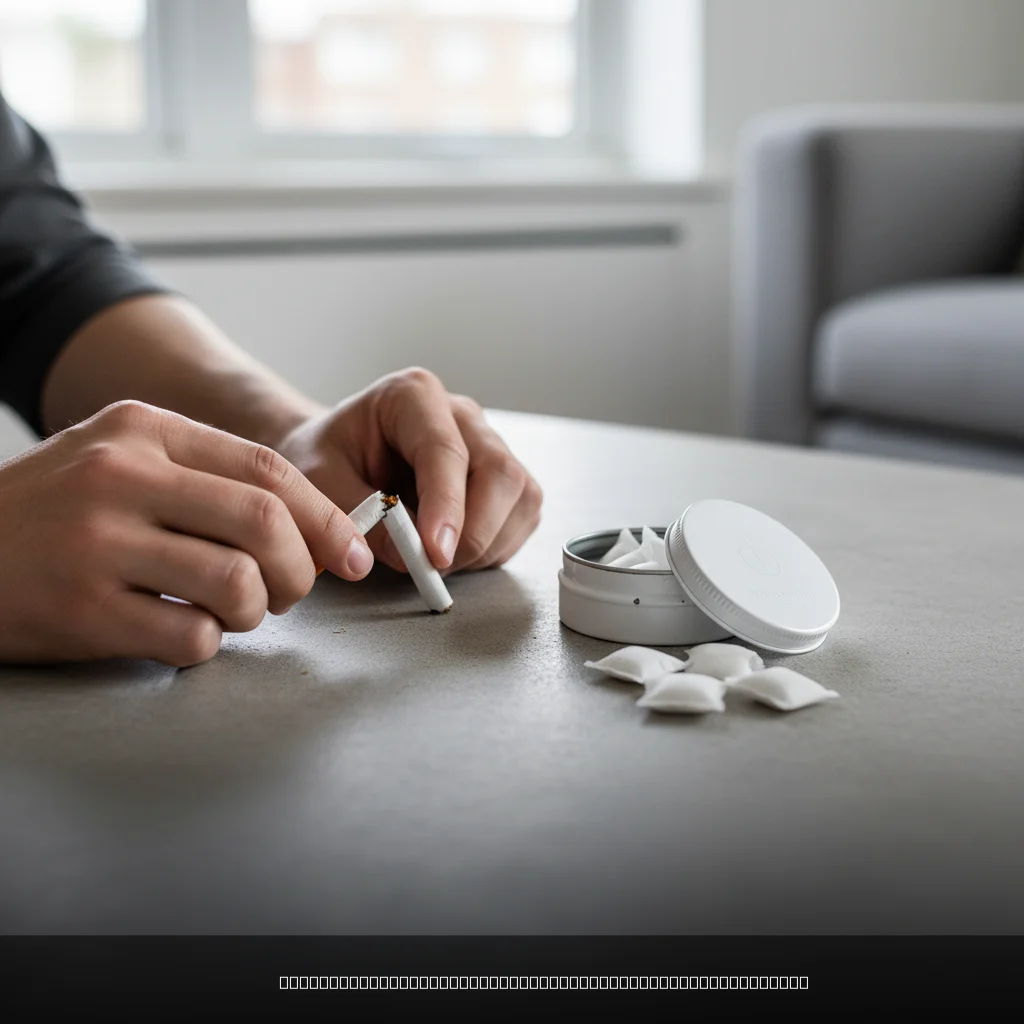
Quitting cold turkey means stopping all nicotine and tobacco use on a single chosen day, with no weaning period. It's the most direct approach to smoking cessation, and the data behind it is stronger than most people expect. This is particularly relevant for how to quit smoking cold turkey.
A landmark study published in PMC found that abrupt cessation produced higher rates of long-term abstinence compared to gradual reduction [3]. That's a meaningful finding, because most smokers assume cutting down slowly is the "easier" path. In practice, gradual reduction often prolongs the psychological grip of the habit without delivering a clean break.
Why Cold Turkey Is Harder Than It Sounds
Here's the problem nobody tells you upfront. Nicotine is only part of what you're hooked on. Based on the 30/30/30 Addiction Rule, addiction to smoking or any nicotine ritual breaks down like this:
- 30% chemical dependency — the actual nicotine your brain craves
- 30% physical habit — the hand-to-mouth motion, the oral fixation, the ritual of lighting up
- 30% sensory cue — the throat hit, the burn, the smell, the feeling of "doing something"
Cold turkey removes all three simultaneously. That's why the first few days feel so overwhelming. Your brain is losing the chemical AND the ritual AND the sensory anchor all at once.
Who Cold Turkey Works Best For
Cold turkey isn't the right fit for everyone. Results may vary significantly depending on your dependency level, mental health history, and support system. That said, research suggests it tends to work best for:
- Smokers with a strong, clear motivation (a health scare, a pregnancy, a serious personal commitment)
- People who have identified their triggers and prepared substitutes in advance
- Those with at least one accountability partner or support structure in place
- Individuals who find gradual reduction mentally exhausting and prefer a clean break
One limitation of this article: it doesn't cover pharmacological aids like varenicline (Champix) or bupropion. If you have a severe dependency, consult a physician before going cold turkey without medical support.
What You'll Need Before Your Quit Date
Preparation is the single biggest predictor of cold turkey success — going in without a plan is the most common reason people fail within the first 48 hours.
Essential Tools and Resources
- A quit date on the calendar — a specific day, not "sometime soon"
- A written trigger map — the situations, times, and emotions that make you reach for a cigarette
- Oral substitutes — sugarless gum, raw vegetables, tobacco-free pouches, or anything that satisfies the hand-to-mouth urge
- A craving response plan — a 5-minute activity you'll do every time a craving hits (walk, breath work, cold water)
- An accountability contact — one person who knows your quit date and is available to text or call
- A cleared environment — no cigarettes, lighters, or ashtrays in your home, car, or workspace
Knowledge Prerequisites
Before your quit date, you should understand two things clearly. First, cravings are time-limited. According to the Mayo Clinic, most cravings last only 5-10 minutes — if you can outlast that window, the urge passes [4]. Second, the withdrawal timeline is predictable. Knowing that day 3 is typically the worst, and that symptoms ease meaningfully by day 10-14, gives you a psychological roadmap instead of a fog. When considering how to quit smoking cold turkey, this point stands out.
Pro Tip: Write your quit reason on a card and keep it in your wallet where your cigarette pack used to live. In the heat of a craving, reading a single sentence you wrote to yourself is more powerful than any app notification.
Step 1: Set a Firm Quit Date
Choose a specific quit date no more than 30 days from today — and treat it as non-negotiable from the moment you pick it. Hackensack Meridian Health recommends selecting a date close enough to maintain urgency but far enough to allow proper preparation [2].
How to Choose the Right Date
- Avoid high-stress periods. Don't schedule your quit date during a work deadline, a family event, or any week you know will be emotionally demanding.
- Pick a Monday or the first of the month. Research on habit formation suggests that "temporal landmarks" — fresh starts on the calendar — increase follow-through on behavioral commitments.
- Tell at least two people. Public commitment is a proven accountability mechanism. Send a text, post it, or say it out loud to someone who will check in on you.
- Mark the night before as prep night. Use the evening before your quit date to remove all smoking paraphernalia from your environment. Don't leave a single cigarette "just in case."
From experience, one of the most common mistakes people make at this stage is choosing a vague "quit week" instead of a specific day. Vagueness is the enemy of commitment. Pick a date. Write it down. Own it.
Pro Tip: Use your quit date as a hard deadline to also order any oral substitutes or support tools you plan to use. Having them arrive before the date removes the excuse of "I wasn't ready."
Step 2: Map Your Triggers and Remove Temptation
Identify every situation, emotion, and environment that makes you want to smoke — then build a specific response plan for each one before your quit date arrives.
Common Trigger Categories
Triggers fall into four main buckets. Most smokers have at least two or three that dominate their habit pattern:
- Situational triggers — after meals, with coffee, during work breaks, in the car
- Emotional triggers — stress, boredom, anxiety, frustration, loneliness
- Social triggers — being around other smokers, drinking alcohol, parties
- Habitual triggers — waking up, finishing a task, transitioning between activities
Building Your Trigger Response Plan
- List your top five triggers in order of how often they occur.
- Assign a specific substitute action to each one — not a generic "I'll distract myself" but a precise behavior (e.g., "After meals, I'll take a 5-minute walk around the block").
- Avoid high-risk environments in the first two weeks wherever possible. The Australian Department of Health recommends steering clear of situations that will trigger a desire to smoke, particularly in the early days [6].
- Prepare a social script. If someone offers you a cigarette, you need a one-line response ready: "I quit" is sufficient. Rehearsing it removes the moment of hesitation that leads to relapse.
According to the Truth Initiative, nicotine replacement therapy (NRT) — such as patches, gum, or lozenges — can improve quit odds when used alongside behavioral strategies [8]. But if you're going fully cold turkey without NRT, your trigger response plan is doing the job that NRT would otherwise assist with. Make it detailed.
Step 3: Survive the First 72 Hours of How to Quit Smoking Cold Turkey
The first 72 hours after your last cigarette are the hardest — nicotine clears your bloodstream within 48-72 hours, and your brain reacts with a full suite of withdrawal symptoms before it begins to recalibrate.

What to Expect Hour by Hour
The CDC identifies the most common withdrawal symptoms you'll face in this window [1]: For those exploring how to quit smoking cold turkey, this matters.
- Intense cravings — peaking at 20-30 minutes per episode, typically 4-6 times per day in the first 48 hours
- Irritability and mood swings — your dopamine system is recalibrating without nicotine's input
- Difficulty concentrating — brain fog is real and temporary; it usually clears by day 5-7
- Headaches — caused by increased blood flow to the brain as vessels dilate
- Increased appetite — nicotine suppresses appetite; expect hunger to spike
- Sleep disruption — vivid dreams and insomnia are common in the first week
- Anxiety and restlessness — the oral habit is gone and your nervous system notices
Hour-by-Hour Survival Protocol
- Hydrate aggressively. Drink water constantly. It keeps your mouth busy, flushes metabolites, and reduces headache intensity.
- Use the 5-minute rule. When a craving hits, set a timer for 5 minutes and do anything else — walk, do push-ups, call someone. The craving will pass before the timer ends.
- Replace the oral habit immediately. Sugarless gum, raw vegetables, or a tobacco-free oral pouch keeps the hand-to-mouth ritual intact without feeding the chemical dependency.
- Sleep as much as possible on day 1. Sleep is the fastest way to burn through the hardest hours.
- Avoid alcohol entirely in week one. Alcohol is the single most reliable social trigger and dramatically weakens resolve.
Step 4: Manage Week One Without Relapsing
Days 4-7 are psychologically tricky — the acute physical withdrawal is easing, but the habit loop is still screaming for its cue. This is when most relapses happen, not because of physical need but because of routine.
Restructure Your Daily Routine
Your smoking habit was woven into a daily schedule. After meals, with your morning coffee, on your commute. Each of those moments now has a gap. Fill them deliberately:
- Replace the morning cigarette with a structured 5-minute ritual — stretching, cold water, a tobacco-free pouch, or a short walk
- Change your lunch route so you don't pass your usual smoking spot
- Keep your hands occupied during work breaks — a stress ball, a pen, anything tactile
- Restructure your after-dinner routine completely; even changing where you sit breaks the association
Track Your Progress
Use a simple habit tracker — a phone app or a paper calendar. Mark each smoke-free day with an X. The visual chain of X's becomes its own motivation. Missing a day "breaks the chain," which is psychologically powerful.
The American Lung Association recommends reaching out to a friend or leaving a triggering situation physically when an urge hits [5]. Don't underestimate the power of changing your physical location during a craving. Moving your body changes your mental state faster than any thought exercise.
Pro Tip: Calculate what you spent on cigarettes per month and set up an automatic transfer of that exact amount into a savings account on your quit date. Watching that fund grow is a concrete, daily reminder of what quitting is worth.
Step 5: Build a Long-Term Ritual Replacement
Surviving the first week is a milestone, but the ritual gap — the absence of something to do with your hands, your mouth, and your break time — can pull you back weeks or months later if you don't fill it intentionally.
Why Ritual Matters More Than Willpower
Here's what most quit-smoking guides miss entirely. The chemical dependency (nicotine) clears your system within two weeks. But the behavioral addiction — the ritual, the sensory cue, the habit loop — can persist for months. This is why so many people relapse not in the first week, but at the three-month mark when stress hits and the old pattern re-emerges.
At Outdare LTD, we've found that the most durable quit attempts are the ones that replace the ritual, not just the chemical. The 30/30/30 Addiction Rule makes this concrete: 60% of what you're addicted to is the habit and the burn, not the nicotine. Address that 60% and quitting becomes manageable. Ignore it and you're white-knuckling forever. This directly impacts how to quit smoking cold turkey outcomes.
Practical Ritual Replacements
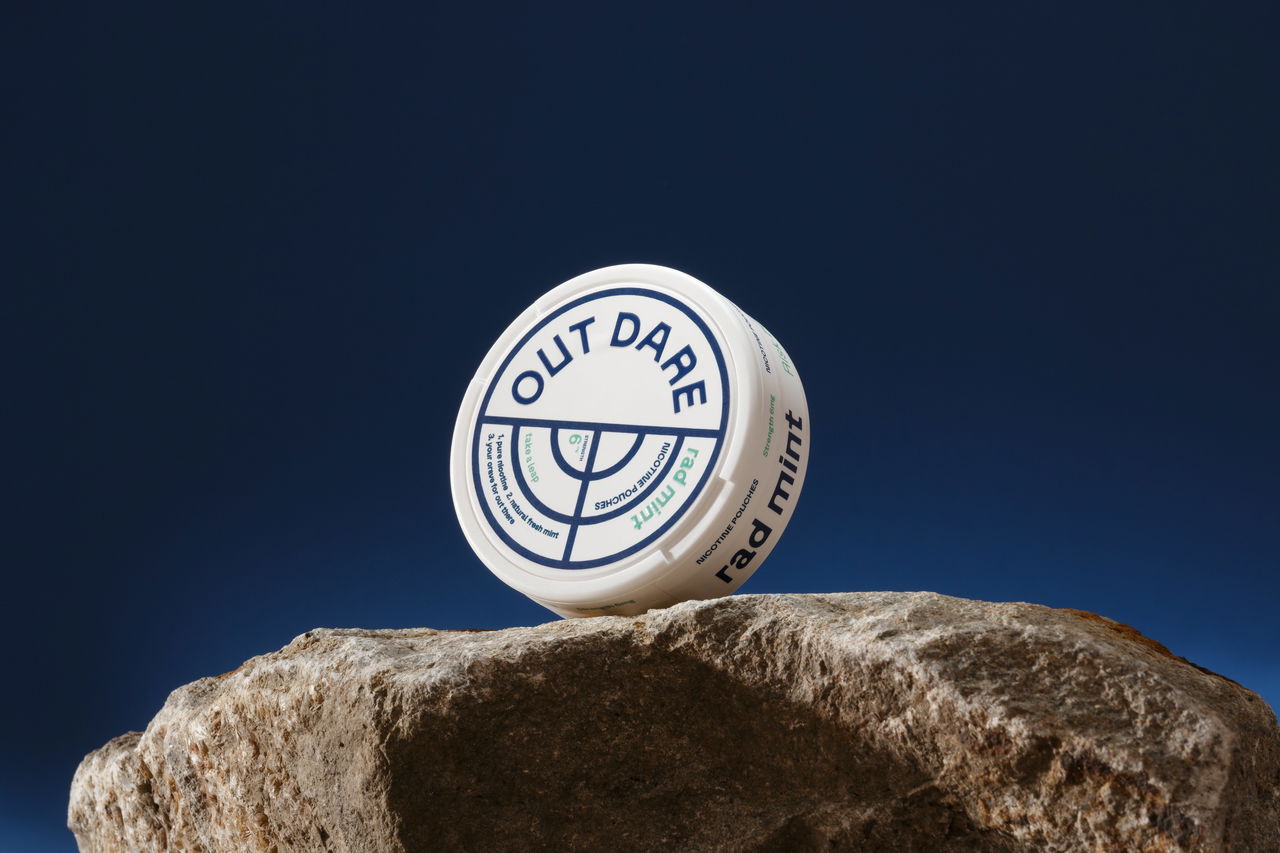
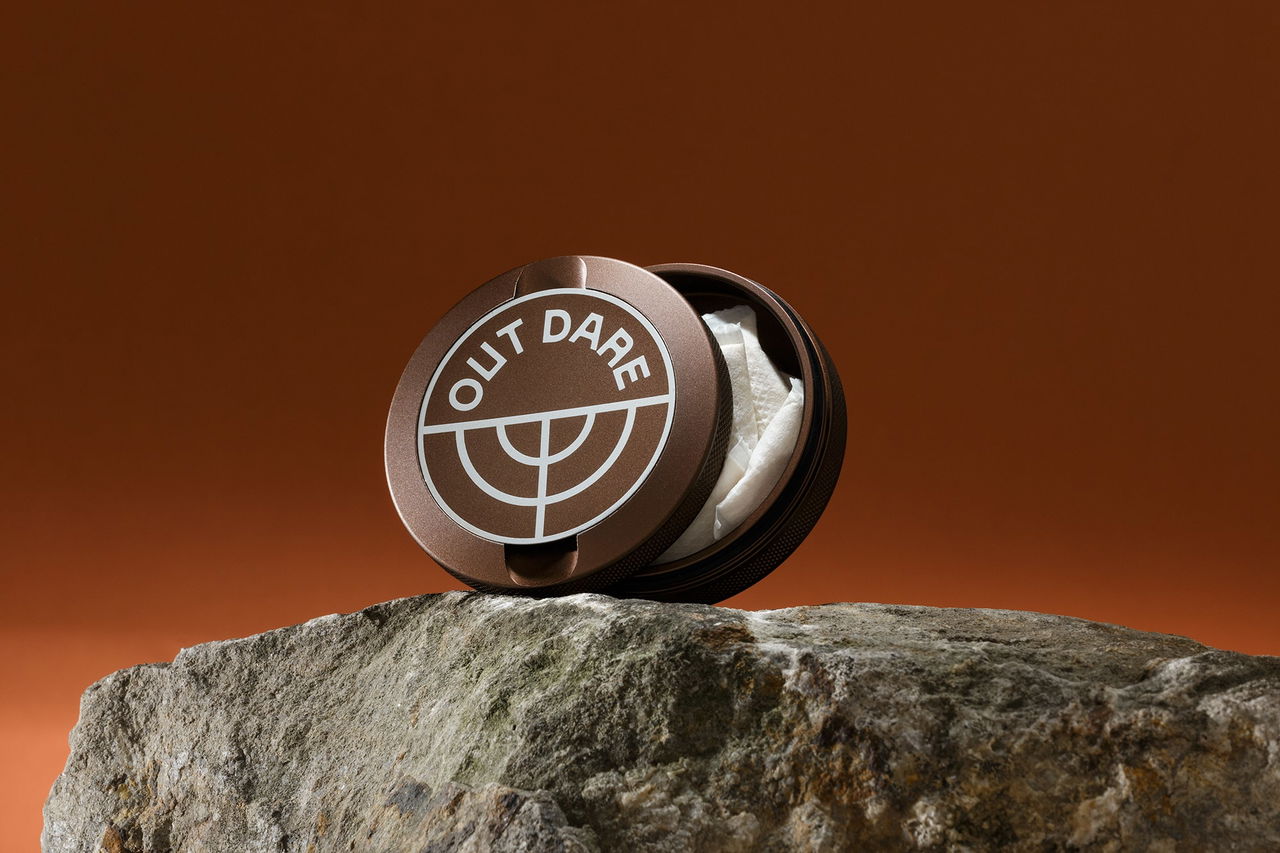
- Tobacco-free oral pouches — deliver the same pillow sensation and mint burn without nicotine; the brain keeps the ritual, the chemical is gone
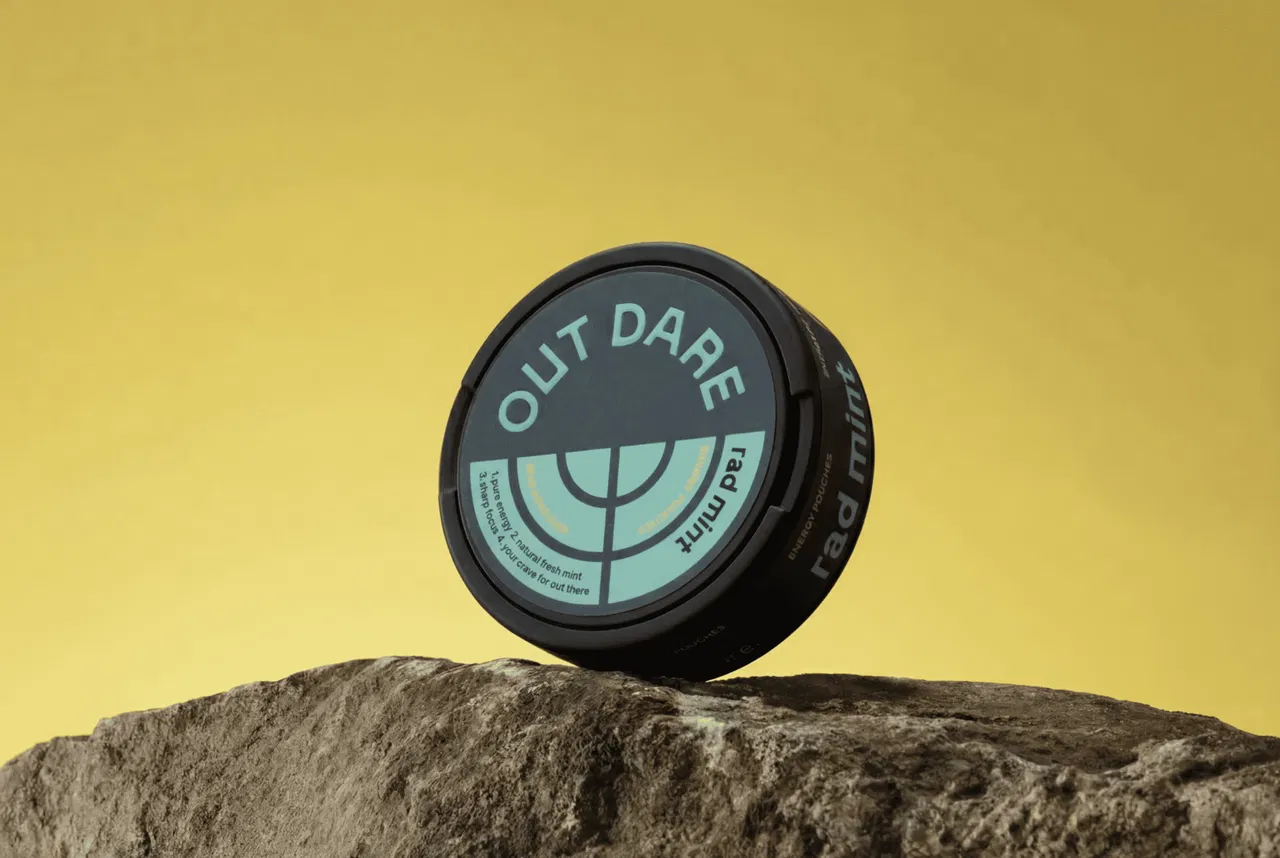
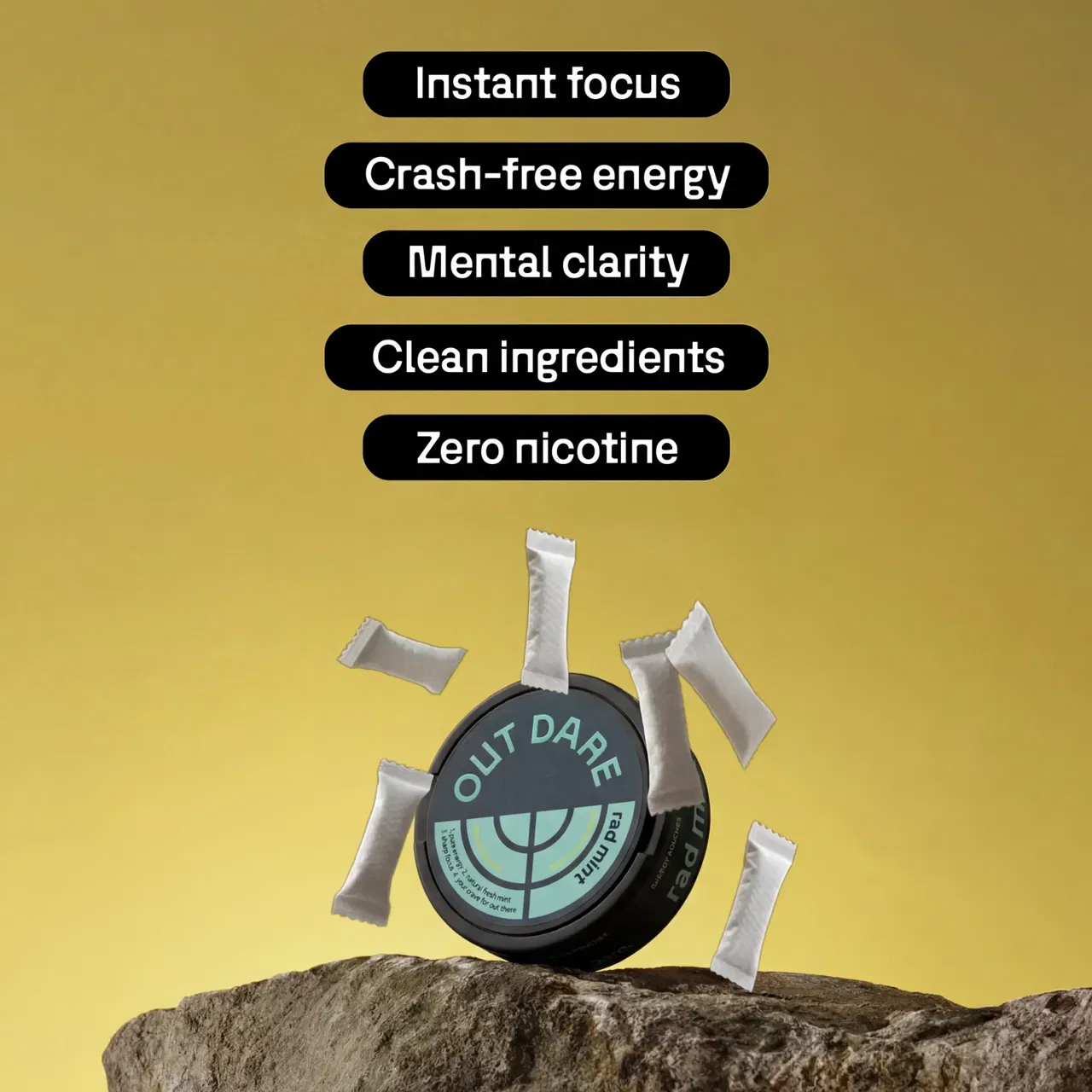
- Functional energy pouches — for the moments you used to reach for a cigarette to "focus," a caffeine-plus-nootropics pouch delivers the cognitive lift without feeding dependency
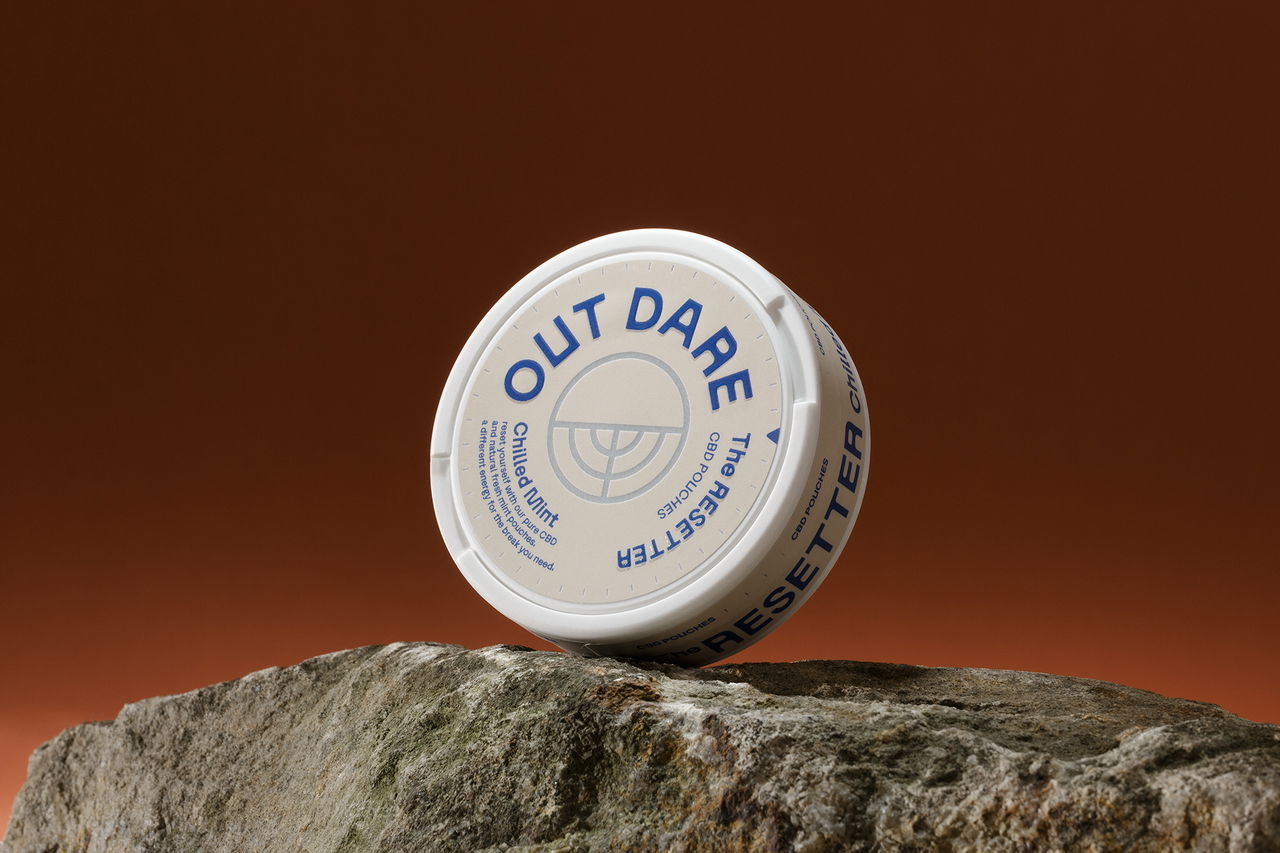
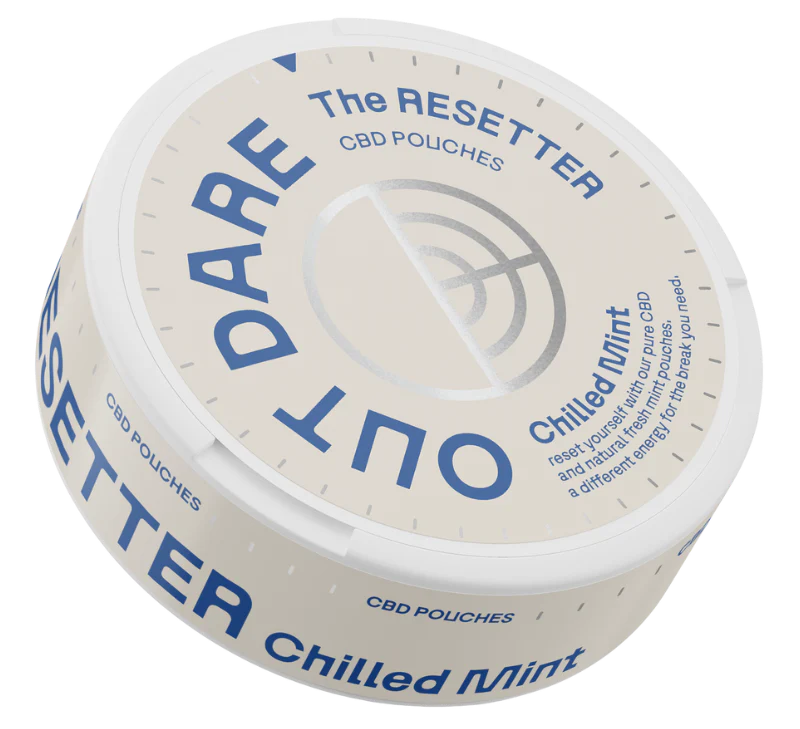
- CBD pouches — for the stress and wind-down moments that used to trigger smoking, a CBD oral pouch provides calm without the chemical hook
- Breath work routines — the deep inhale-exhale pattern of smoking is itself calming; a structured breathing exercise mimics that physiological response
- Physical activity anchors — a short walk, a set of push-ups, or a stretch sequence at the times you'd normally smoke redirects the energy and changes your body chemistry
Common Mistakes to Avoid
Most cold turkey quit attempts fail for predictable, avoidable reasons — and knowing them in advance is half the battle.
The Biggest Pitfalls
- "Just one" thinking. The most dangerous phrase in any quit attempt. One cigarette after two weeks of abstinence doesn't "reset" your progress — it reactivates the neurological reward pathway at full strength. There is no such thing as a controlled relapse.
- Going cold turkey on willpower alone without a plan. Willpower is a finite resource. It depletes under stress, fatigue, and hunger. A plan is what works when willpower runs out.
- Keeping cigarettes "for emergencies." This is self-sabotage dressed as pragmatism. Remove all tobacco products from your environment completely on prep night.
- Ignoring the oral habit. Quitting nicotine without replacing the mouth-feel and hand-to-mouth ritual leaves a gap your brain will try to fill — usually with the original habit.
- Treating a slip as a failure. Research shows that most successful quitters made multiple attempts before achieving long-term abstinence. A slip is data, not a verdict. Identify what triggered it and adjust the plan.
- Underestimating social triggers. Declining a cigarette from a friend feels awkward. Prepare your response in advance and avoid high-risk social situations in the first two weeks.
What Can Go Wrong in Practice
From experience working with habitual nicotine users, the most common failure point isn't day 1 or day 3. It's day 10-14. The acute withdrawal has passed, you feel confident, and then a stressful situation hits and the old pattern re-emerges because the ritual replacement wasn't solid enough. Build your ritual substitute before you need it, not after.
How to Quit Smoking Cold Turkey vs. Gradual Reduction: A Comparison
Both methods have legitimate evidence behind them, and the right choice depends on your dependency level, lifestyle, and psychological profile.
| Factor | Cold Turkey | Gradual Reduction |
|---|---|---|
| Long-term abstinence rate | Higher in some studies [3] | Lower in direct comparisons |
| Withdrawal intensity | High (days 1-3) | Lower but prolonged |
| Psychological clarity | Clean break, clear rules | Ambiguous, easier to negotiate with yourself |
| Ritual disruption | Total and immediate | Gradual, habit loop persists longer |
| Best suited for | High-motivation, plan-ready quitters | Lower dependency, less acute withdrawal |
| Ritual replacement needed | Critical — all three habit components removed at once | Important but less urgent initially |
According to the Australian Department of Health, both methods benefit from support structures — avoiding triggers, building new activities, and leaning on social accountability [6]. The method matters less than the preparation and support system surrounding it.
Sources & References
- CDC, "7 Common Withdrawal Symptoms | Quit Smoking," 2024
- Hackensack Meridian Health, "Tips to Help You Quit Smoking Cold Turkey," 2023
- PMC / NCBI, "PURLs: 'Cold Turkey' Works Best for Smoking Cessation," 2017
- Mayo Clinic, "Quitting Smoking: 10 Ways to Resist Tobacco Cravings," 2024
- American Lung Association, "What to Expect When Quitting," 2024
- Australian Department of Health, "Quitting Methods," 2024
- Truth Initiative, "Why the 'Cold Turkey' Method of Quitting Vaping or Smoking Doesn't Work," 2023
- Corona Regional Medical Center, "How to Quit Smoking Gradually," 2023
Frequently Asked Questions
1. Is it safe to quit smoking cold turkey?
Yes, for most people quitting cold turkey is physically safe. Unlike alcohol or benzodiazepines, nicotine withdrawal is not medically dangerous — though it's uncomfortable. If you have cardiovascular disease, severe anxiety disorders, or a history of depression, consult your doctor before stopping abruptly, as withdrawal stress can temporarily affect heart rate and mood.
2. What is the hardest day when quitting smoking cold turkey?
Day 3 is widely reported as the peak of cold turkey withdrawal. Nicotine has fully cleared the bloodstream by this point, and the brain's dopamine system is at its most disrupted. Cravings are most intense, irritability peaks, and concentration is hardest. The good news: if you get through day 3, the physical symptoms drop off sharply in the days that follow.
3. What is the success rate of quitting smoking cold turkey?
Cold turkey success rates without any support are often cited at 3-5% for long-term abstinence in unassisted attempts. However, when combined with preparation, trigger management, behavioral support, and ritual substitution, success rates improve substantially. The PMC study found abrupt cessation outperformed gradual reduction even in controlled conditions [3], suggesting the method itself is sound — the preparation is what makes the difference. This is particularly relevant for how to quit smoking cold turkey.
4. Can quitting cigarettes cold turkey cause serious side effects?
The side effects of quitting smoking suddenly are real but not dangerous for most people. Expect headaches, irritability, difficulty concentrating, increased appetite, sleep disruption, and intense cravings — all driven by your brain recalibrating without nicotine. These symptoms typically peak at 48-72 hours and resolve significantly within two weeks. Knowing this timeline in advance reduces the psychological shock considerably.
5. How do you handle cravings when quitting cold turkey?
The Mayo Clinic recommends keeping your mouth busy — sugarless gum, raw vegetables, or mints — and using physical activity to interrupt cravings [4]. Most cravings last only 5-10 minutes, so the goal is to outlast them with a specific activity, not just resist them mentally. Tobacco-free oral pouches are particularly effective because they replicate the mouth-feel and burn of the original habit without the chemical dependency.
6. Does the "cold turkey" method work better than nicotine replacement therapy?
It depends on the individual. The Truth Initiative notes that NRT — patches, gum, lozenges — can improve quit odds by addressing chemical withdrawal [7]. Cold turkey without NRT relies entirely on behavioral preparation and ritual substitution to compensate. Neither approach is universally superior; the best method is the one you'll actually execute with full commitment and a solid support plan.
7. How long does it take for smoking cravings to stop after quitting cold turkey?
Acute physical cravings typically peak in the first 72 hours and become significantly more manageable by week two. Psychological cravings — triggered by situations, emotions, or habits — can persist for weeks or months, particularly around the triggers that were most strongly associated with smoking. This is why ritual replacement is as important as surviving the initial withdrawal window. Most people report cravings becoming rare by the three-month mark.
8. What should I do if I relapse when trying to quit smoking cold turkey?
Don't treat a relapse as the end of the attempt. Most successful long-term quitters made multiple attempts before achieving lasting abstinence. Identify the specific trigger that caused the slip, update your response plan for that trigger, and set a new quit date within 24-48 hours. The data and the habit knowledge you built in your first attempt make every subsequent attempt more informed and more likely to succeed.
Conclusion
Knowing how to quit smoking cold turkey is genuinely useful — but knowing it isn't enough on its own. The method works when you pair the abrupt stop with a clear quit date, a detailed trigger map, a craving response plan, and a ritual replacement that fills the 60% of addiction that has nothing to do with nicotine. Cold turkey removes the chemical. Your preparation handles everything else.
The 30/30/30 framework changes how you think about this. You're not just fighting a chemical. You're managing a habit loop, a sensory cue, and a behavioral ritual that your brain has run thousands of times. Address all three and the quit becomes sustainable. Ignore two of them and willpower alone won't hold.
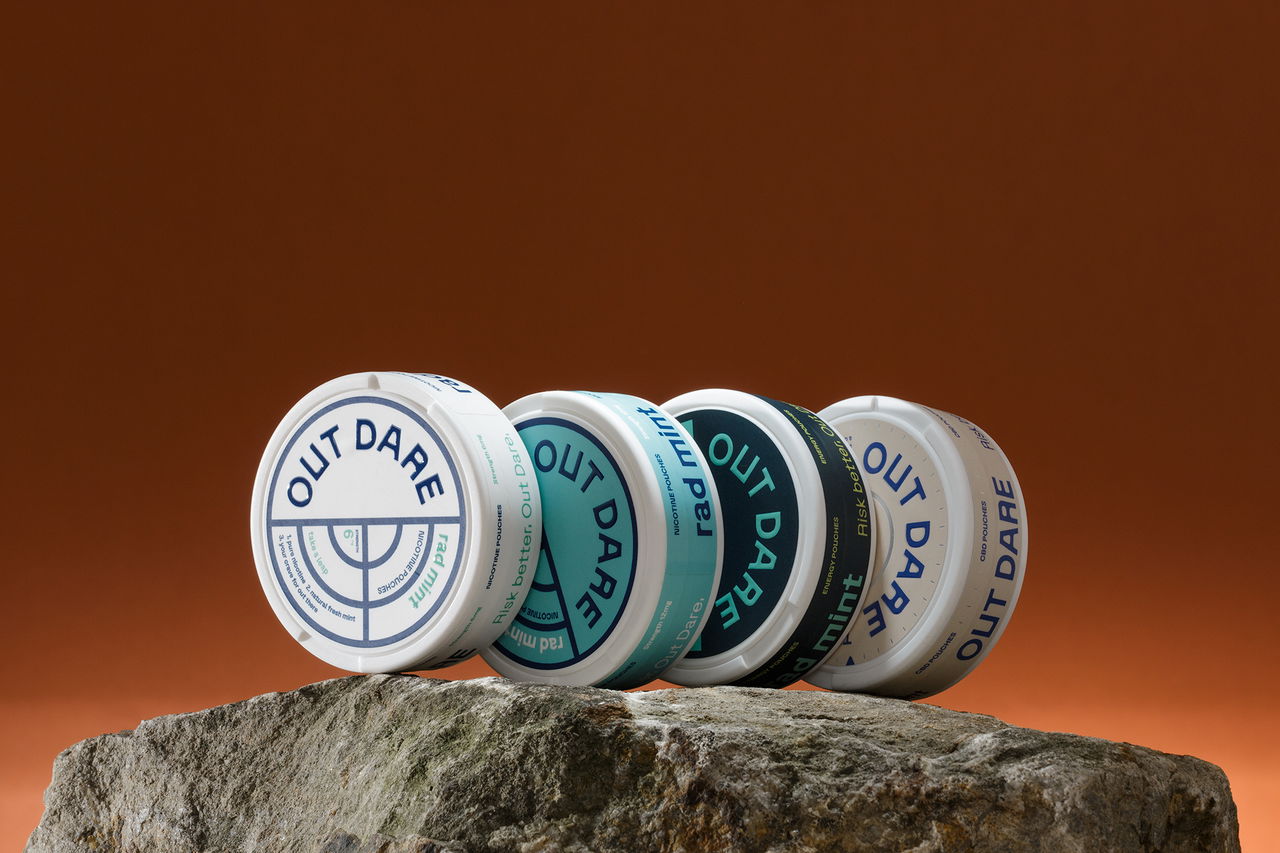
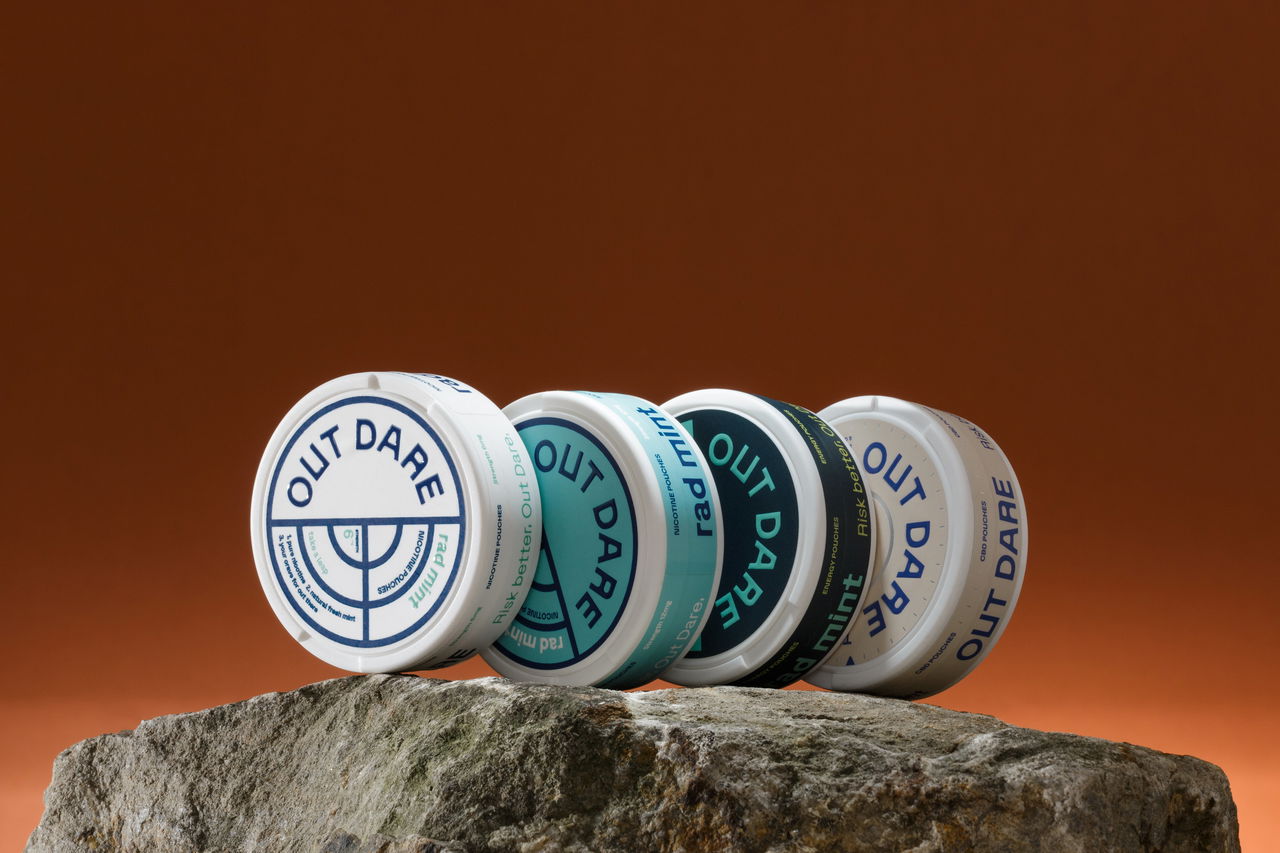
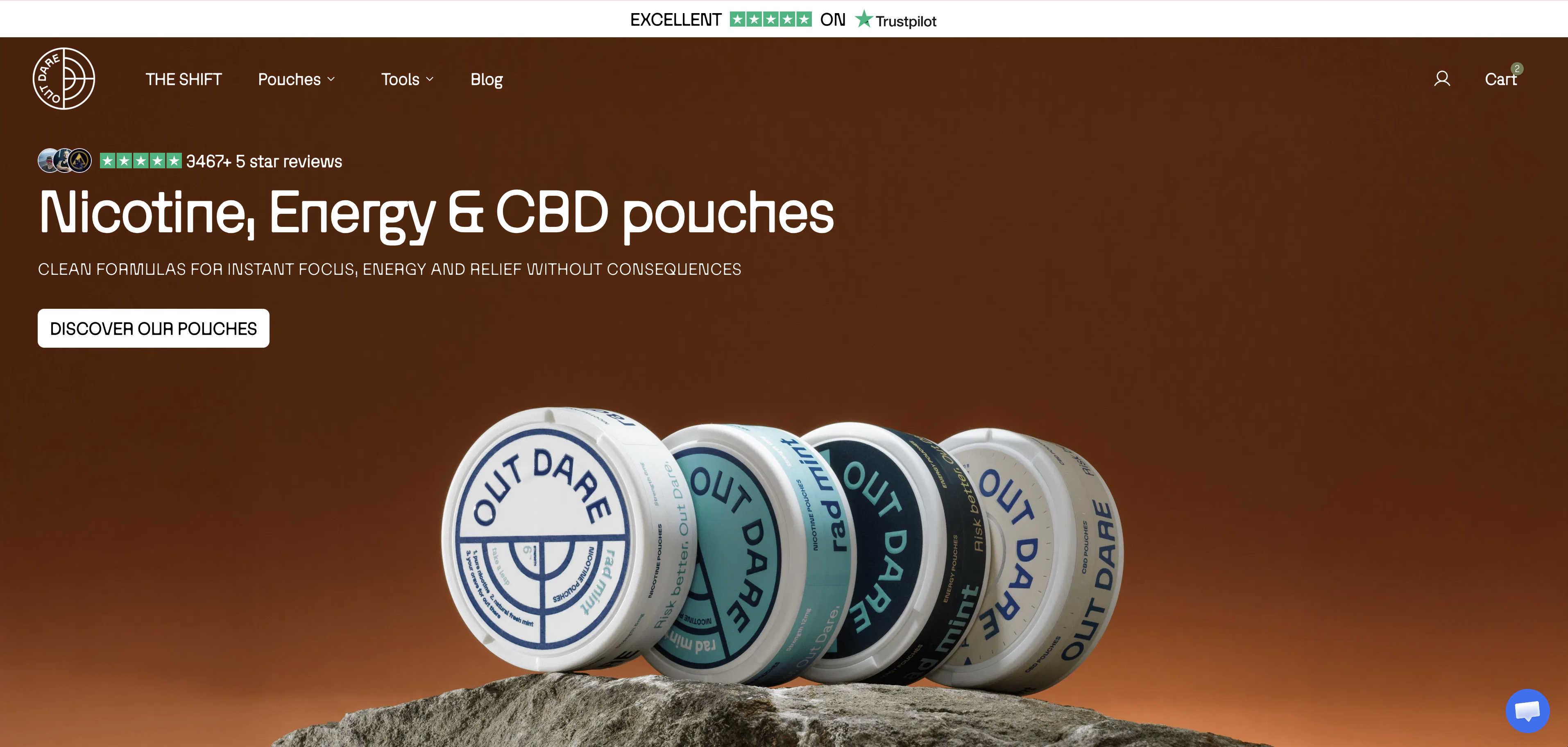
At Outdare LTD, we built the three-pouch system specifically for people in this position — the ones who've tried cold turkey, survived the first week, and then relapsed at month two because the ritual gap was never filled. The Energy pouch handles the focus moments. The CBD Resetter handles the stress and wind-down moments. The Nicotine pouch is there when you actually choose it. Same mint taste, same burn, same mouthfeel across all three. Your brain keeps the ritual. You control what's inside it. That's not a workaround — it's how quitting actually works for most people.
Recommended Articles
Explore more from our content library: