






Plant-Based Wellness Products: A Complete Guide
| Key Insight | Explanation |
|---|---|
| Plant-based wellness is broader than diet | It spans supplements, functional pouches, adaptogens, and topicals — any product derived from botanicals that supports physical or mental health. |
| The market is growing fast | The global plant-based wellness sector is expanding rapidly, driven by consumer demand for clean labels, tobacco-free alternatives, and natural energy sources. |
| Functional ingredients matter most | Nootropics (cognitive enhancers), adaptogens, and plant-fiber matrices are the active drivers behind the category's health claims. |
| Oral delivery formats are emerging | Functional pouches delivering caffeine, CBD, and clean nicotine represent a discreet, fast-acting frontier in plant-based wellness. |
| 60% of pouch addiction is non-chemical | The 30/30/30 Addiction Rule shows that ritual and sensory cues drive most dependency — plant-based alternatives can satisfy these without nicotine. |
| Clean formulas build consumer trust | Xylitol bases, plant-fiber fillers, and natural flavors are the benchmarks consumers now expect from credible plant-based wellness brands. |
Plant-based wellness products are health-supporting goods derived entirely from botanical, fungal, or plant-mineral sources — no tobacco, no synthetic fillers, no animal derivatives. They include supplements, functional foods, adaptogens, and increasingly, oral delivery formats like caffeine and CBD pouches. The category exists because consumers want results without the chemical baggage of conventional products. Whether you're trying to cut nicotine, sharpen focus, or sleep better, plant-derived formulas are becoming the default starting point for health-conscious adults across Europe and beyond.
This guide covers what plant-based wellness products actually are, how they work at a physiological level, which formats deliver the best results in 2026, and how to avoid the most common mistakes buyers make. You'll also find a practical comparison table and actionable tips drawn from real-world experience in the tobacco-free wellness space.
What Is Plant-Based Wellness?
Plant-based wellness is a health philosophy and product category centered on using botanically derived ingredients — rather than synthetic chemicals or animal products — to support physical performance, mental clarity, stress resilience, and recovery. It covers everything from whole-food diets to concentrated supplement formats and functional oral delivery systems.
Defining the Category
The term "plant-based" gets applied loosely, so precision matters. At its core, a plant-based wellness product must derive its active ingredients from botanical sources: roots, leaves, seeds, fungi, algae, or plant-extracted compounds like cannabidiol (CBD, the non-psychoactive compound found in hemp) and caffeine from green tea or coffee beans.
According to Bayhealth Medical Center, a plant-based approach centers on items that come from plants — fruits, vegetables, grains, seeds, nuts, and legumes — with the emphasis on minimizing processed and synthetic inputs [1]. That same principle now extends well beyond diet into functional products designed for specific outcomes: energy, calm, cognitive performance, and harm reduction.
Northern Michigan University's Plant-Based Wellness program describes the field as a rapidly growing industry requiring specialized skills in formulation, consumer education, and evidence-based application [2]. That framing is accurate. This isn't a niche anymore.
Why It Matters in 2026
Consumer behavior has shifted decisively. Adults aged 18–40 are actively scrutinizing ingredient lists, rejecting tobacco-derived products, and demanding clean-label alternatives that actually do something. The global plant-based wellness sector is expanding at a compound annual growth rate (CAGR) that outpaces most consumer goods categories, driven by three converging forces:
- Tightening EU regulations on vaping and tobacco products
- Rising awareness of long-term side effects from synthetic stimulants and nicotine dependency
- Growing demand for discreet, portable wellness formats that fit modern work and lifestyle patterns
The result is a market where plant-based wellness products are no longer positioned as alternatives to conventional options. For a significant and growing segment of consumers, they're the first choice.
How Plant-Based Wellness Products Work
Plant-based wellness products work by delivering bioactive compounds — natural molecules that interact with the body's existing physiological systems — without the toxic byproducts associated with tobacco, synthetic stimulants, or pharmaceutical interventions.
The Bioactive Compound Framework
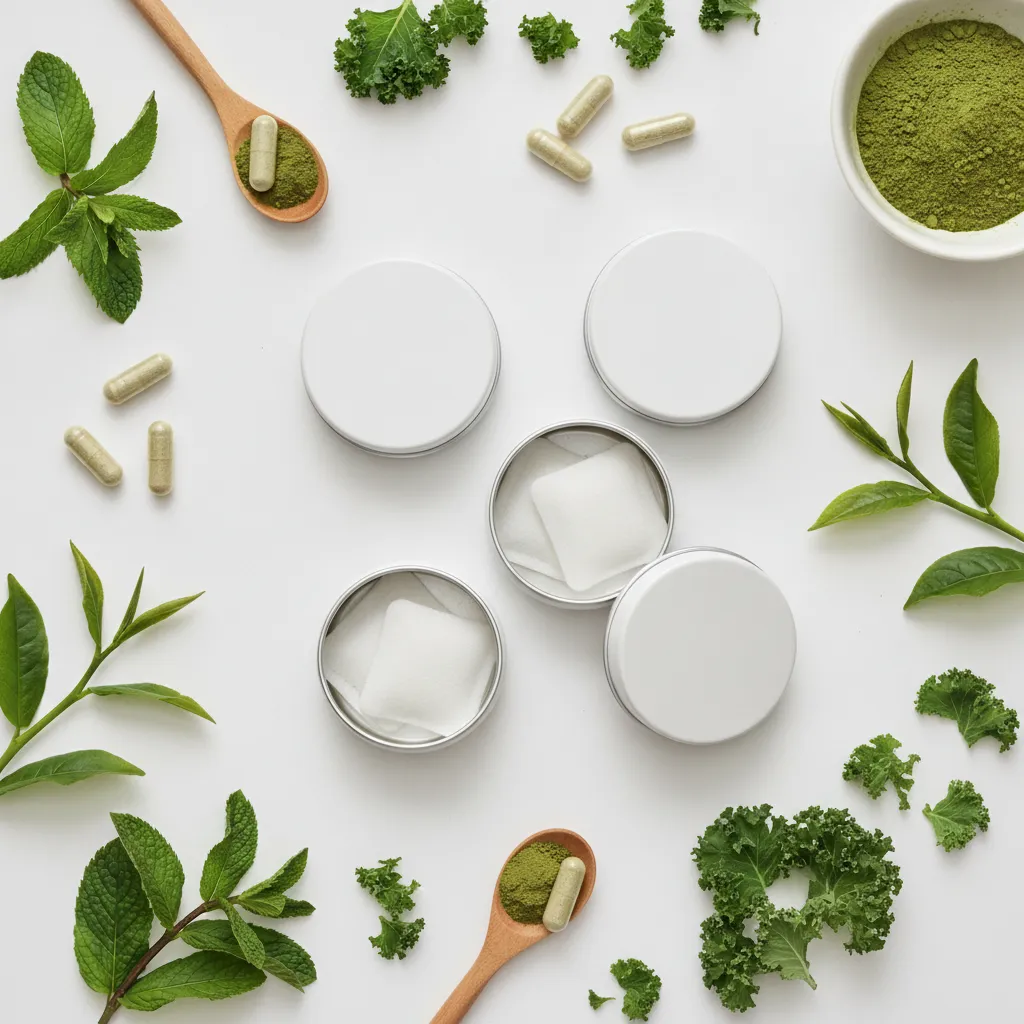
Every effective plant-based wellness product is built around one or more bioactive compounds (naturally occurring substances in plants that produce measurable effects on human biology). The most relevant categories include:
- Adaptogens: Plant compounds like ashwagandha and rhodiola that modulate the body's stress response by regulating cortisol — the primary stress hormone — without sedation or stimulation
- Nootropics: Cognitive enhancers derived from plant or fungal sources, including L-Theanine (from green tea) and Alpha-GPC (from soy or sunflower lecithin), which support focus, working memory, and mental clarity
- Cannabidiol (CBD): A non-psychoactive phytocannabinoid (plant-derived cannabinoid) extracted from hemp that interacts with the endocannabinoid system to support relaxation and sleep quality
- Plant-sourced caffeine: Derived from green coffee, guarana, or green tea, delivering stimulation without the acidity and crash profile of synthetic caffeine
- Xylitol: A plant-derived sugar alcohol used as a base in oral wellness products — it doesn't spike blood sugar and actively supports dental health, making it the preferred filler in tobacco-free oral pouches
Research published in PubMed Central confirms that plant-derived formulas can deliver meaningful nutritional and functional outcomes when bioavailability (the proportion of an ingredient that enters circulation and produces an active effect) is optimized through delivery format and ingredient pairing [3].
Delivery Formats and Absorption Rates
How a plant-based compound enters the body determines how fast it works and how long it lasts. The main formats in 2026 include:
| Format | Onset Time | Duration | Best For |
|---|---|---|---|
| Oral pouch (sublingual) | 5–15 minutes | 30–60 minutes | Fast-acting energy, focus, or calm on the go |
| Capsule / tablet | 20–45 minutes | 2–4 hours | Daily supplementation, consistent dosing |
| Protein powder | 30–60 minutes | 3–5 hours | Muscle recovery, satiety, post-workout |
| Whole food / functional snack | 45–90 minutes | 3–6 hours | Sustained energy, gut health, micronutrient intake |
| Topical / transdermal | 15–30 minutes | 2–4 hours | Localized recovery, skin health |
The oral pouch format stands out for speed and discretion. Sublingual absorption (absorption through the mucous membranes under the lip) bypasses the digestive system entirely, delivering compounds directly into the bloodstream faster than any pill or powder. For consumers who want clean energy or calm without a shaker bottle or a smoke break, this format is hard to beat.
Key Benefits of Plant-Based Wellness Products in 2026
Plant-based wellness products deliver measurable advantages over synthetic alternatives across three core dimensions: physiological safety, functional performance, and behavioral sustainability.
Health and Safety Advantages
The most documented benefit is what plant-based products don't contain. No tobacco. No synthetic dyes. No artificial stimulants with unpredictable half-lives. According to MultiCare Health System, plant-based eating and supplementation patterns are associated with reduced risk of cardiovascular disease, type 2 diabetes, and certain inflammatory conditions [4].
For consumers transitioning away from nicotine pouches or vaping, this matters enormously. Brain fog, receding gums, gut disruption, and energy crashes are well-documented side effects of sustained nicotine use. Plant-based alternatives — particularly those using xylitol bases and plant-fiber fillers instead of synthetic binders — eliminate these inputs entirely.
Key health advantages include:
- No tobacco-derived nitrosamines (carcinogenic compounds found in tobacco products)
- Xylitol actively supports oral pH balance and reduces cavity-causing bacteria
- Plant-fiber matrices are gentler on gut mucosa than synthetic fillers
- Natural flavors avoid the artificial sweetener load linked to metabolic disruption
- Zero smoke or vapor means no respiratory impact
Functional Performance Benefits
Beyond safety, the best plant-based wellness products actually work. Industry analysts and registered dietitians consistently highlight several high-performing categories. Forbes Vetted's 2026 review of plant-based protein powders confirms that pea, hemp, and chia-sourced proteins now match whey for amino acid completeness in many formulations [5].
For the performance-oriented consumer, the most relevant plant-based functional ingredients in 2026 are:
- L-Theanine + caffeine: The most studied nootropic stack — L-Theanine (from green tea) smooths caffeine's stimulant curve, producing focused calm without jitters or crash
- Alpha-GPC: A choline precursor that supports acetylcholine production, the neurotransmitter most associated with learning, memory, and sustained attention
- CBD: Supports parasympathetic nervous system activation (the "rest and digest" state), making it effective for evening wind-down and sleep quality improvement
- Ashwagandha (KSM-66 extract): Clinically studied for cortisol reduction and improved stress resilience in adults under chronic pressure
- Pea and hemp protein: Complete amino acid profiles supporting muscle protein synthesis without the digestive discomfort associated with whey for lactose-sensitive individuals
Pro Tip: If you're using plant-based wellness products for cognitive performance, pair L-Theanine with caffeine at a 2:1 ratio (e.g., 100mg L-Theanine with 50mg caffeine). Research consistently shows this combination produces cleaner focus than caffeine alone — less anxiety, no crash, and better sustained attention across a 3–4 hour window.
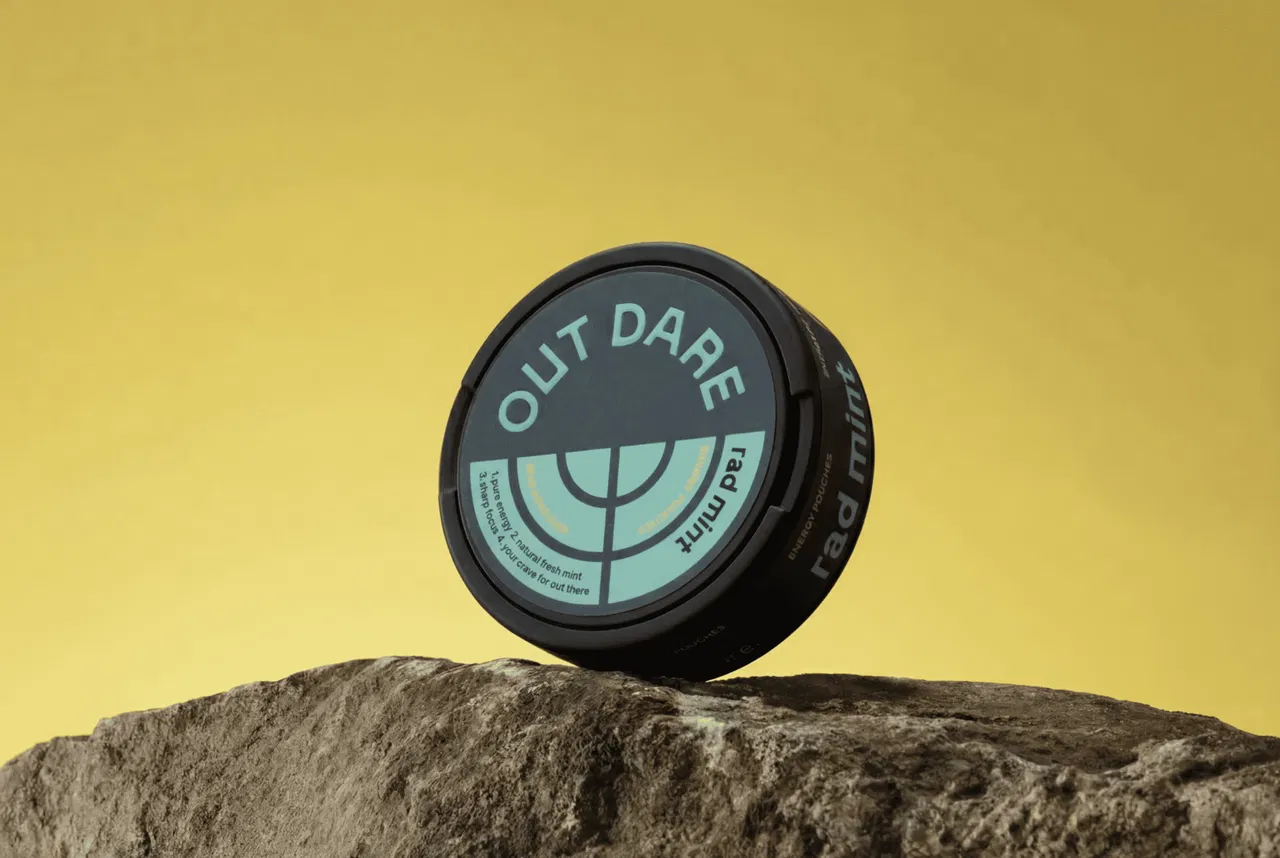
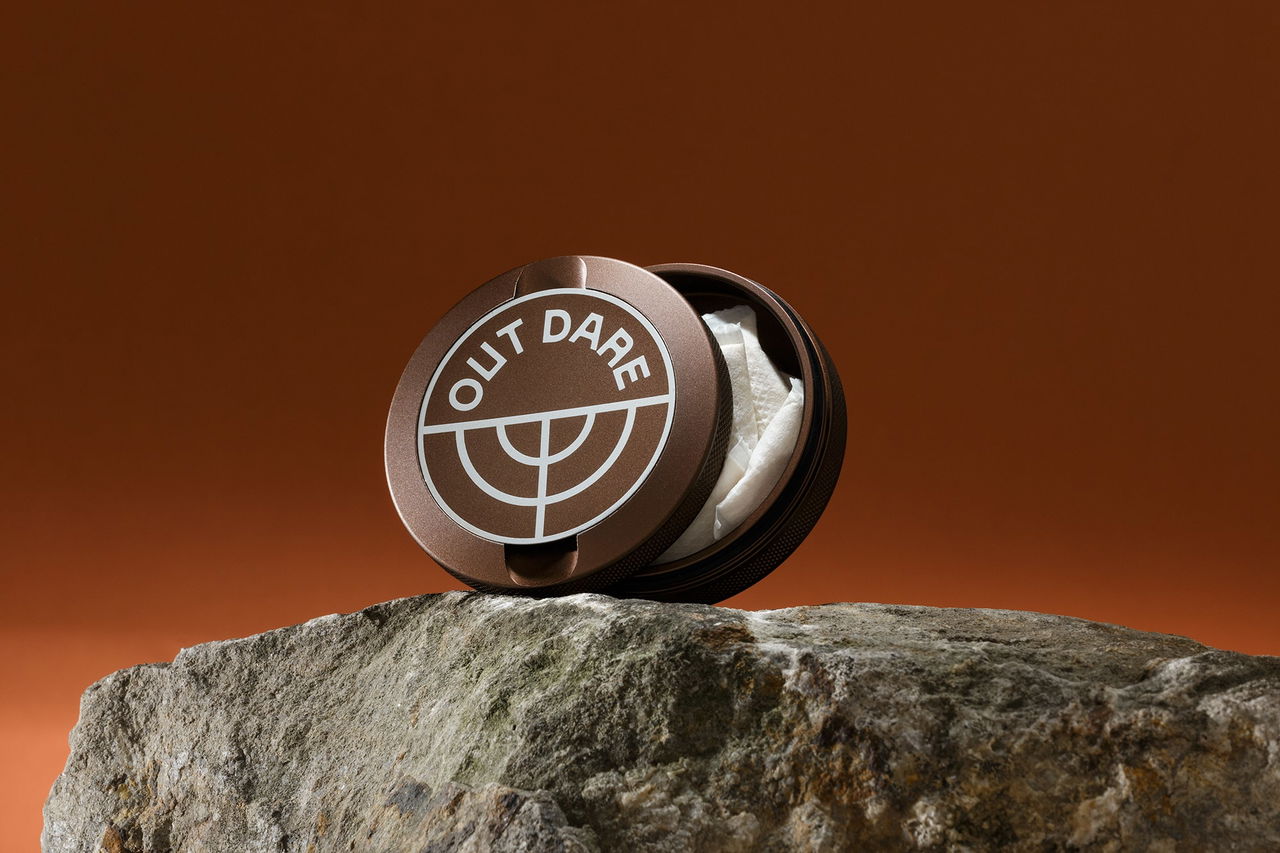
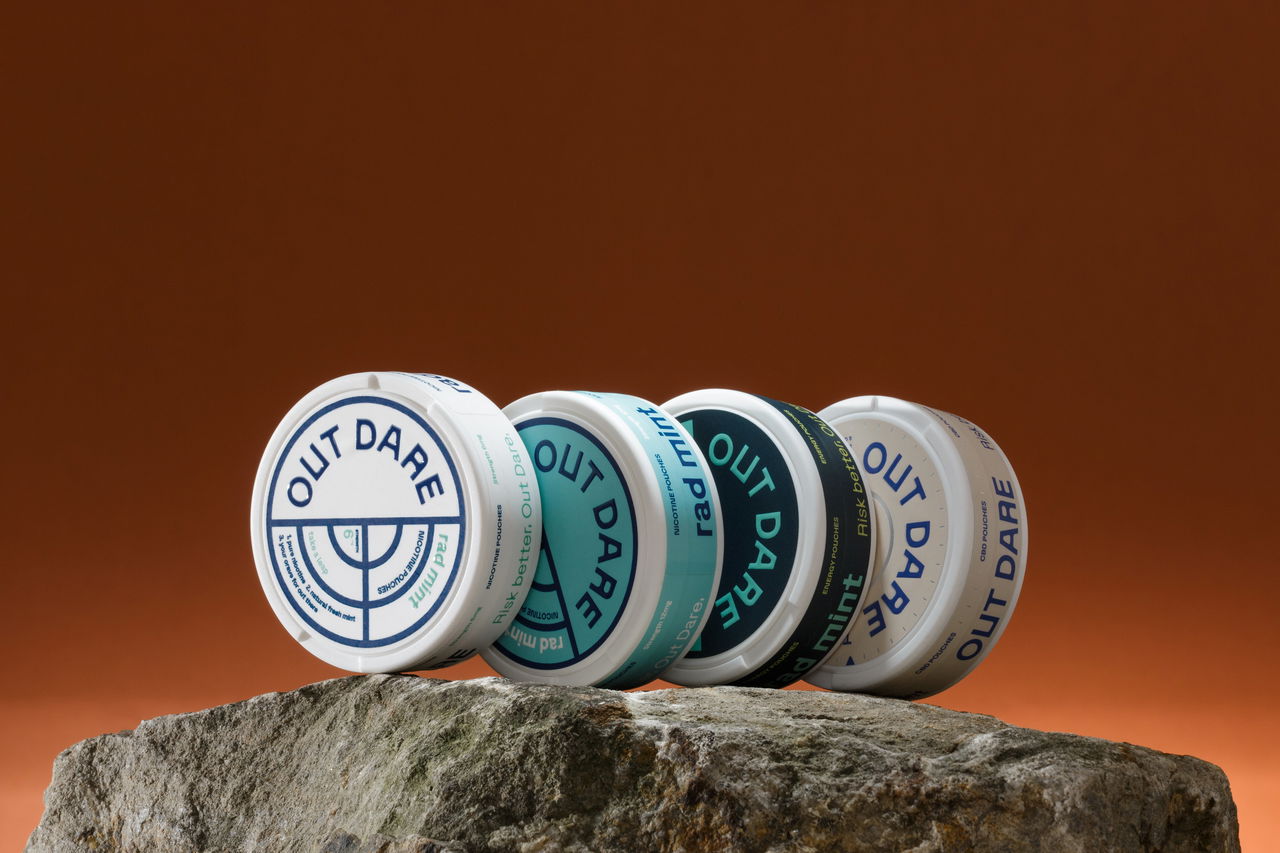
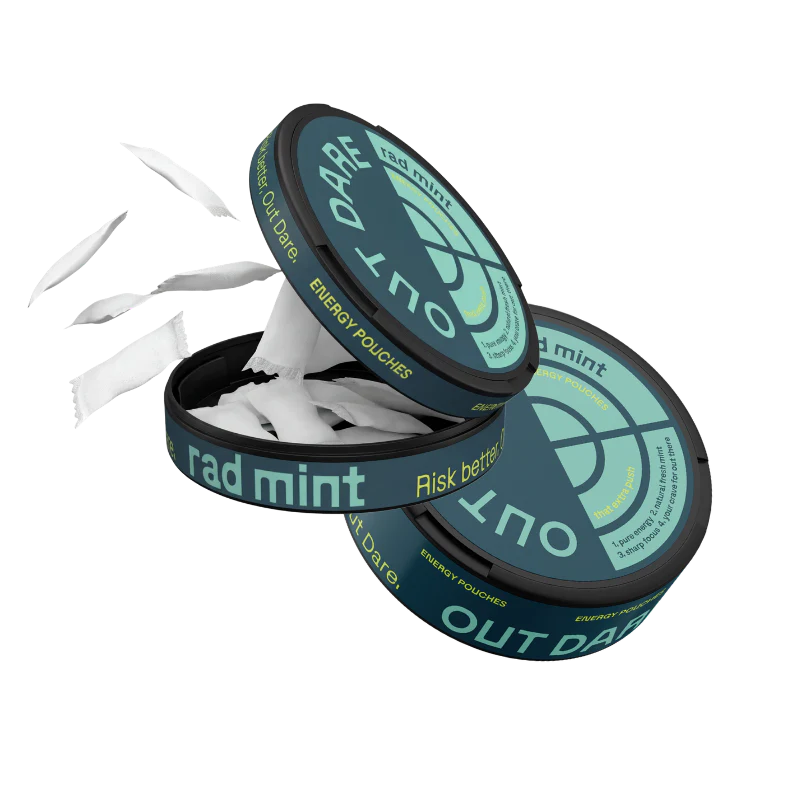
At Outdare LTD, we've found that the oral pouch format is uniquely suited to this nootropic stack. The Energy Pouch delivers 50mg caffeine alongside nootropics in a sublingual format that activates within minutes — no liquid required, no sugar spike, no mid-afternoon crash. It's the plant-based energy delivery system that productivity-focused consumers have been looking for.
Common Challenges and Mistakes to Avoid
The plant-based wellness space has real pitfalls. Knowing them in advance saves money, time, and health outcomes — especially for consumers who are simultaneously trying to reduce chemical dependencies.
Label Confusion and Greenwashing
The biggest mistake consumers make is equating "plant-based" with "effective" or even "safe." The label is unregulated in most markets. A product can use plant-derived ingredients and still be loaded with artificial sweeteners, synthetic binders, or underdosed active compounds that produce no measurable effect.
Common greenwashing (misleading environmental or health marketing) tactics to watch for:
- Proprietary blends that hide individual ingredient doses behind a collective weight
- "Natural flavor" listings that mask synthetic flavor enhancers
- Token amounts of headline ingredients (e.g., 5mg of ashwagandha when clinical doses start at 300mg)
- Vague claims like "supports wellness" with no mechanism or dosage transparency
- Certifications from unrecognized or self-issued bodies
DR.VEGAN, one of the UK's more transparent plant-based supplement brands, publishes full ingredient doses for all products — a practice that should be the industry standard but remains the exception [6].
Habit Substitution Errors
A common mistake in the tobacco-free wellness space is treating plant-based alternatives as a cold-turkey replacement. They're not. Dependency has three components: chemical (the molecule), physical (the ritual), and sensory (the burn or mouthfeel). Removing the chemical without addressing the other two is why most quit attempts fail.
Research in behavioral addiction consistently shows that the ritual component of habitual behavior is as powerful as the chemical component. The 30/30/30 Addiction Rule quantifies this: roughly 30% of pouch addiction is chemical (nicotine), 30% is the physical habit (the pillow sensation under the lip), and 30% is the sensory cue (the gum burn and mint flavor). That means 60% of what keeps you reaching for a pouch has nothing to do with nicotine.
Plant-based wellness products that replicate the sensory and physical experience of the original habit — while replacing the chemical — are dramatically more effective at supporting long-term behavior change than those that simply remove the stimulus entirely.
Pro Tip: Don't try to replace all three components of a habit simultaneously. Tackle the chemical dependency last, after you've established a sensory-identical plant-based alternative that satisfies the ritual. Your brain needs the ritual intact to avoid the panic response that triggers relapse.
Best Practices for Choosing Plant-Based Wellness Products in 2026
Choosing the right plant-based wellness product comes down to matching the format, dosage, and ingredient profile to your specific outcome — not to marketing claims or packaging aesthetics.
The Outcome-First Selection Framework
Start with the outcome, not the ingredient. Most consumers do it backwards — they see "ashwagandha" trending and buy it without knowing whether they need cortisol regulation or whether their primary issue is sleep, focus, or energy. Here's a practical framework:
- Define the outcome: Is this for focus, energy, calm, recovery, or habit replacement?
- Match the delivery format: Fast-acting needs (pre-meeting focus, pre-workout energy) require sublingual or fast-absorbing formats. Sustained needs (daily gut health, protein synthesis) suit capsules or whole-food sources.
- Verify the dose: Check that the active ingredient is present at a clinically studied dose — not a trace amount added for label appeal.
- Check the filler matrix: Plant-fiber fillers and xylitol bases are the gold standard for oral products. Avoid maltodextrin-heavy or synthetic-binder-heavy formulas.
- Confirm manufacturing origin: European GMP (Good Manufacturing Practice) certification is the benchmark for quality control in oral wellness products sold in the EU.
Industry analysts at Plant People note that doctor-formulated, zero-sugar plant-based supplements with functional ingredients consistently outperform generic wellness products in consumer satisfaction and repeat purchase rates [7].
Building a Plant-Based Wellness Stack for 2026
For consumers who are performance-oriented or actively managing a habit transition, a multi-product stack (a coordinated set of wellness products addressing different needs at different times of day) outperforms any single product. Our team at Outdare LTD recommends structuring your stack around three functional windows:
- Morning / Focus window (6am–12pm): Caffeine + L-Theanine + Alpha-GPC via fast-acting oral format. Clean energy without the cortisol spike of strong coffee on an empty stomach.
- Afternoon / Maintenance window (12pm–6pm): Adaptogen support (ashwagandha or rhodiola) to manage the cortisol dip that causes the 3pm crash. This is also the window where nicotine cravings peak for most transitioning users.
- Evening / Recovery window (6pm–sleep): CBD-based oral format for parasympathetic activation, stress processing, and sleep quality improvement. No THC, no sedation — just a clean botanical signal to wind down.
This three-window approach mirrors the structure of a well-designed pouch system. Same ritual, different chemistry at each stage. Your brain keeps the habit loop. You control what's inside it.
Pro Tip: If you're transitioning from nicotine pouches, use the 4-week step-down method: Week 1 — replace one nicotine pouch per day with an energy or CBD pouch. Week 2 — replace two. Week 3 — replace three. Week 4 — nicotine only when you consciously choose it. Most users reduce intake by 60–90% by the end of week four without white-knuckling a single craving.
For product sourcing, Thrive Market's vegan wellness brand guide and PlantX's health and wellness collection are useful starting points for identifying credible brands across supplement categories [8][9]. For oral functional pouches specifically, prioritize brands with transparent ingredient sourcing, European manufacturing, and a clear harm-reduction mission.
Registered dietitians at Health.com consistently emphasize that the best plant-based wellness products in 2026 are those with verified third-party testing, disclosed ingredient doses, and formulations built around peer-reviewed research rather than trend cycles [10].
Sources & References
- Bayhealth Medical Center, "Health Benefits of Plant-Based Eating," 2020
- Northern Michigan University, "Plant-Based Wellness — Career and Technical Education," 2024
- PubMed Central, "Foods for Plant-Based Diets: Challenges and Innovations," 2021
- MultiCare Health System, "Your Guide to Going Vegetarian or Following a Plant-Based Diet," 2023
- Forbes Vetted, "Best Plant-Based Protein Powders 2026," 2026
- DR.VEGAN, "Award Winning Vegan Vitamins & Plant-Based Supplements," 2026
- Plant People, "Science-Backed, Zero Sugar Supplements," 2026
- Thrive Market, "Top Vegan Wellness Brands, Bloggers & Products," 2025
- PlantX, "Plant-Based Health and Wellness Essentials," 2026
- Health.com, "The 10 Best Vegan Protein Powders of 2026, According to RDs," 2026
Frequently Asked Questions
1. What is plant-based wellness?
Plant-based wellness is a health approach that uses products derived from botanical, fungal, or plant-mineral sources to support physical and mental wellbeing. It goes beyond diet to include supplements, functional pouches, adaptogens, and topicals. Unlike pharmaceutical interventions, plant-based wellness products work with the body's existing systems using naturally occurring bioactive compounds — making them suitable for long-term, daily use without the dependency risks associated with synthetic stimulants or tobacco-derived nicotine.
2. What are the best plant-based supplements?
The best plant-based supplements in 2026 depend on your specific goal, but the most evidence-backed options include: pea or hemp protein for muscle recovery and satiety; L-Theanine paired with plant-sourced caffeine for clean cognitive focus; KSM-66 ashwagandha extract for cortisol management and stress resilience; algae-derived Omega-3s (DHA and EPA) as a vegan alternative to fish oil; and CBD from hemp for sleep quality and anxiety reduction. Prioritize products with disclosed dosages, third-party testing, and European GMP manufacturing — not just a "plant-based" label.
3. Can plant-based wellness products help with nicotine reduction?
Yes — but only if they address the full structure of nicotine dependency, not just the chemical component. The 30/30/30 Addiction Rule shows that 60% of pouch addiction is driven by the physical ritual and sensory cues, not nicotine itself. Plant-based wellness products that replicate the mouthfeel, burn, and flavor of nicotine pouches while delivering caffeine, nootropics, or CBD allow users to satisfy the 60% non-chemical dependency while progressively reducing nicotine intake. Most users following a structured 4-week step-down method reduce nicotine consumption by 60–90% within the first month.
4. Are plant-based energy products better than energy drinks?
For most consumers, yes. Standard energy drinks typically combine high doses of synthetic caffeine (150–300mg per can) with artificial sweeteners, taurine, and sugar loads that produce a rapid spike followed by a hard crash. Plant-based energy formats — particularly oral pouches delivering 50mg of plant-sourced caffeine alongside L-Theanine and nootropics — provide cleaner, more sustained stimulation without the sugar spike, the jitters, or the crash. They're also portable, discreet, and zero-liquid, making them practical for work, training, or travel in a way that a can simply isn't.
5. What should I look for on a plant-based wellness product label?
Look for full ingredient transparency — every active compound listed with its individual dose, not hidden inside a proprietary blend. Confirm that active ingredients are present at clinically studied doses (e.g., ashwagandha at 300mg+, not 50mg). Check the filler matrix: plant-fiber fillers and xylitol bases are preferable to maltodextrin or synthetic binders. Verify manufacturing origin — European GMP certification is the gold standard for EU consumers. Finally, look for third-party testing verification, which confirms the product contains what it claims and nothing it doesn't.
6. Do plant-based CBD products actually work for anxiety and sleep?
The evidence is growing. CBD interacts with the endocannabinoid system — a regulatory network involved in stress response, mood, and sleep-wake cycles — without the psychoactive effects of THC. For anxiety reduction and sleep quality improvement, the most consistent results come from sublingual formats (under-the-lip delivery) at doses of 25–75mg, taken 30–60 minutes before the desired effect. Results vary depending on individual metabolism, stress load, and baseline sleep quality. Plant-based wellness products in this category are not a substitute for clinical treatment of anxiety disorders, but they're a meaningful tool for everyday stress management and evening wind-down.

Conclusion
Plant-based wellness products have moved from the margins to the mainstream — and for good reason. They deliver real functional outcomes without the chemical baggage of tobacco, synthetic stimulants, or pharmaceutical interventions. The best ones are built around transparent ingredient dosing, clinically studied bioactive compounds, and delivery formats that match the speed and discretion modern consumers actually need.
For anyone navigating nicotine dependency, the plant-based wellness category offers something genuinely different: a way to keep the ritual intact while replacing the chemistry. That's not a minor distinction. It's the difference between white-knuckling withdrawal and actually succeeding.
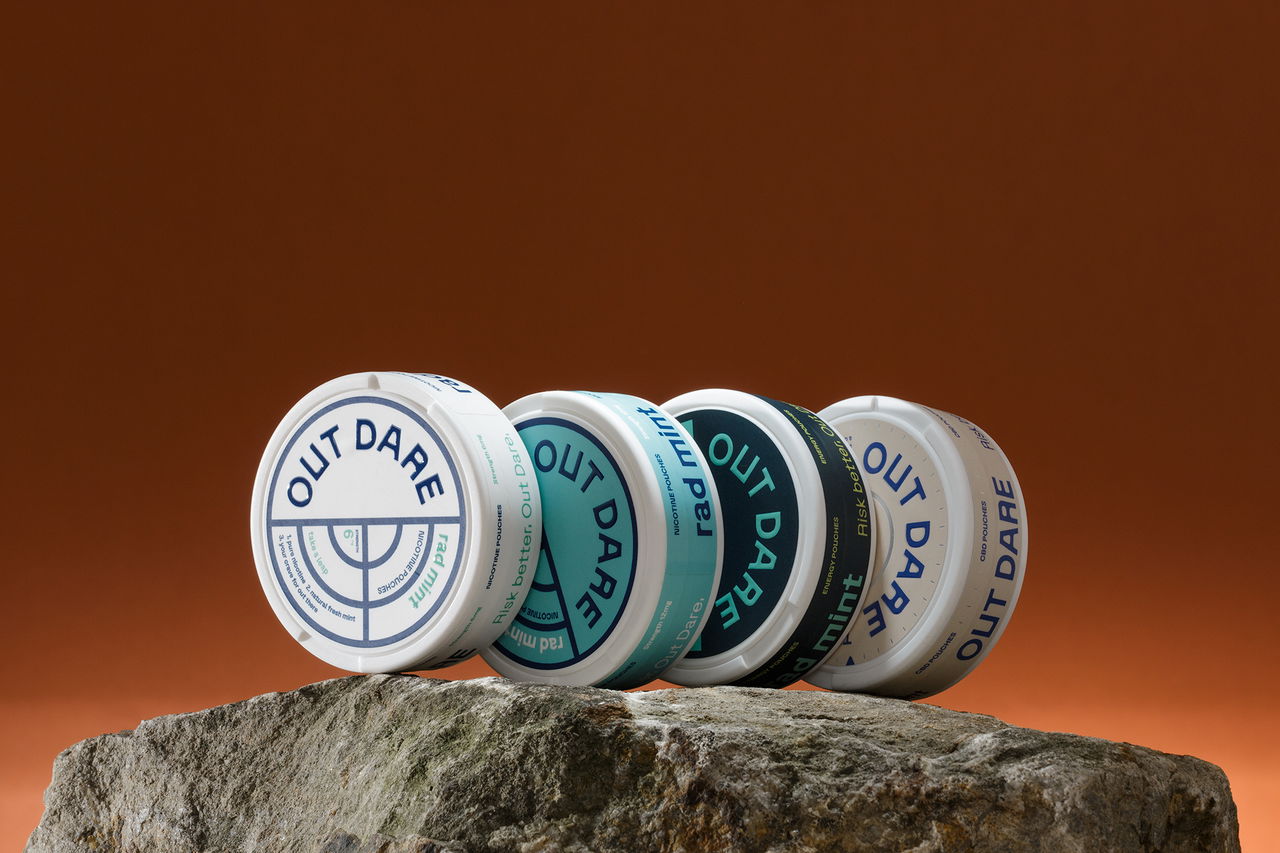
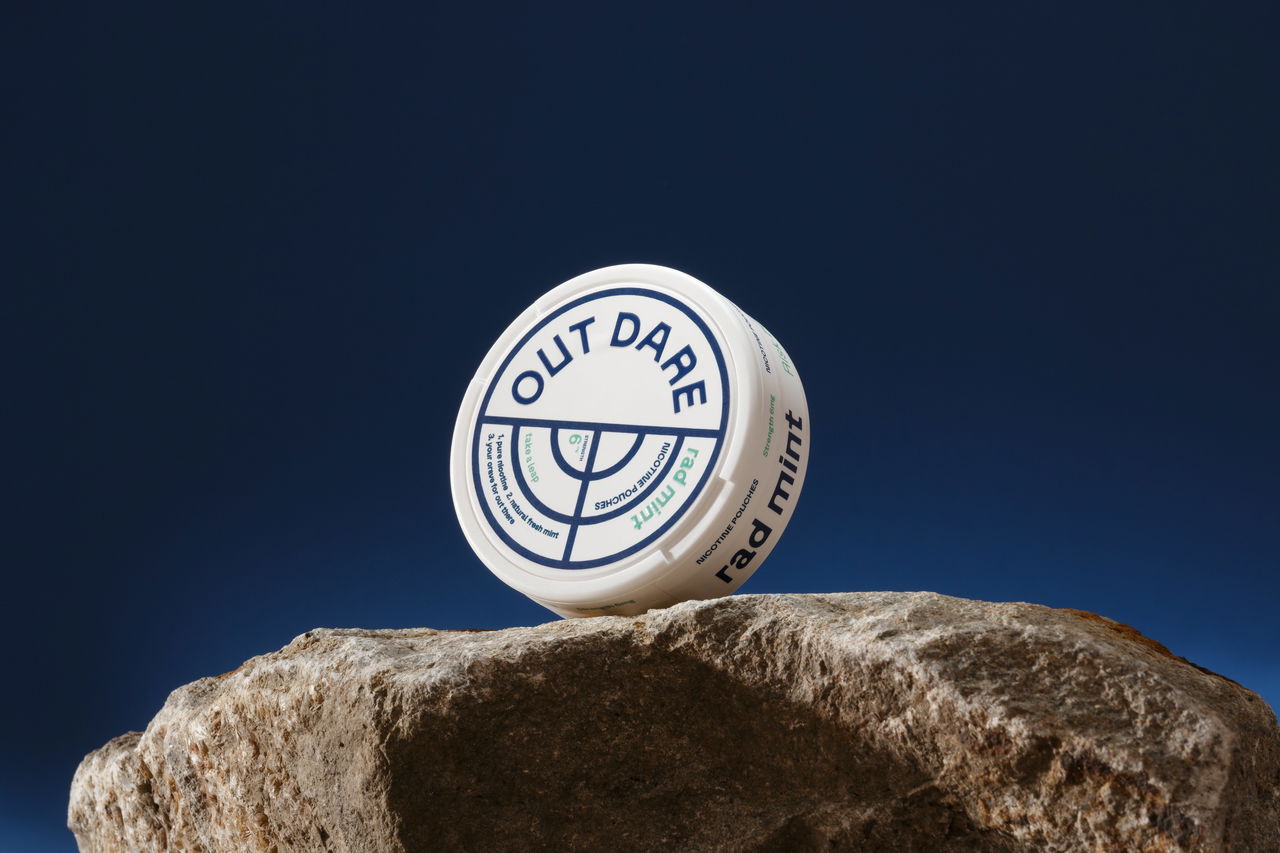
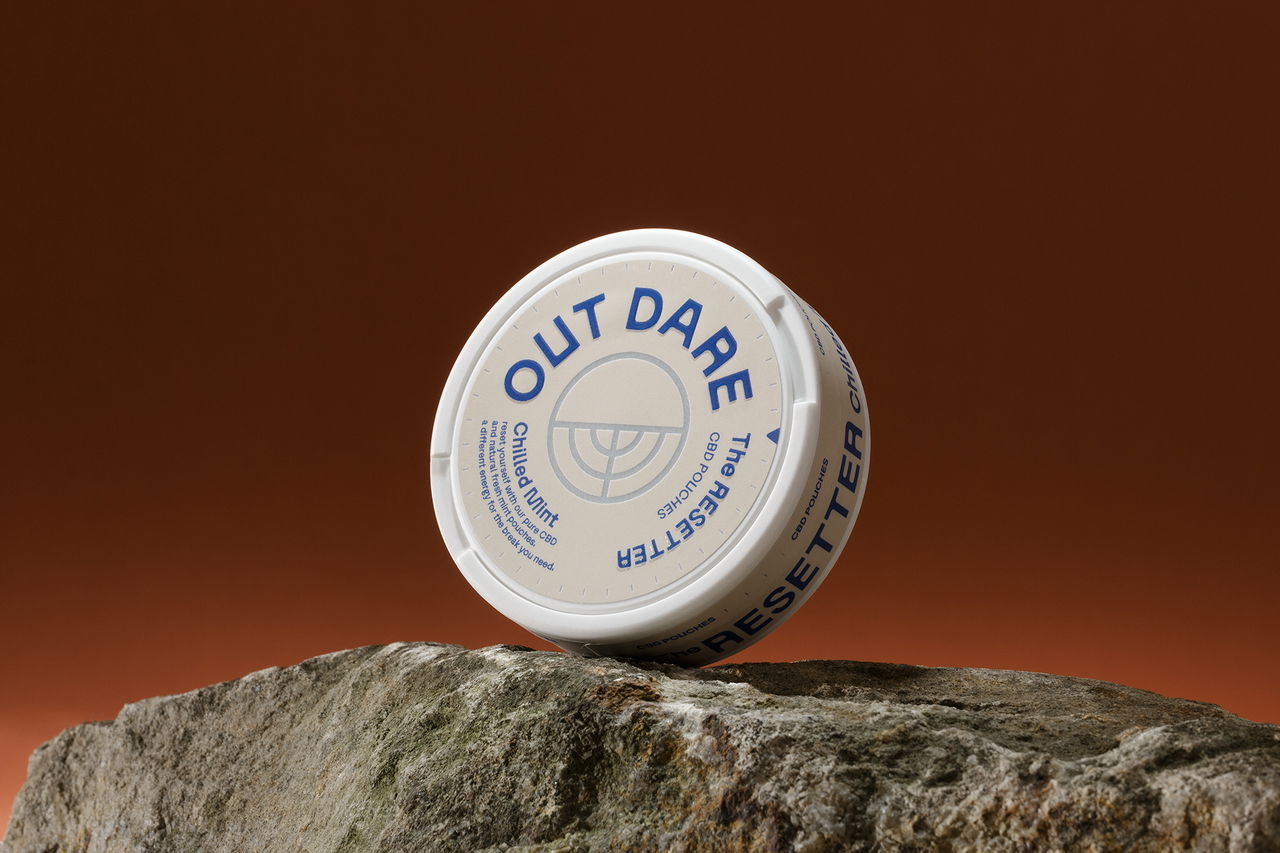
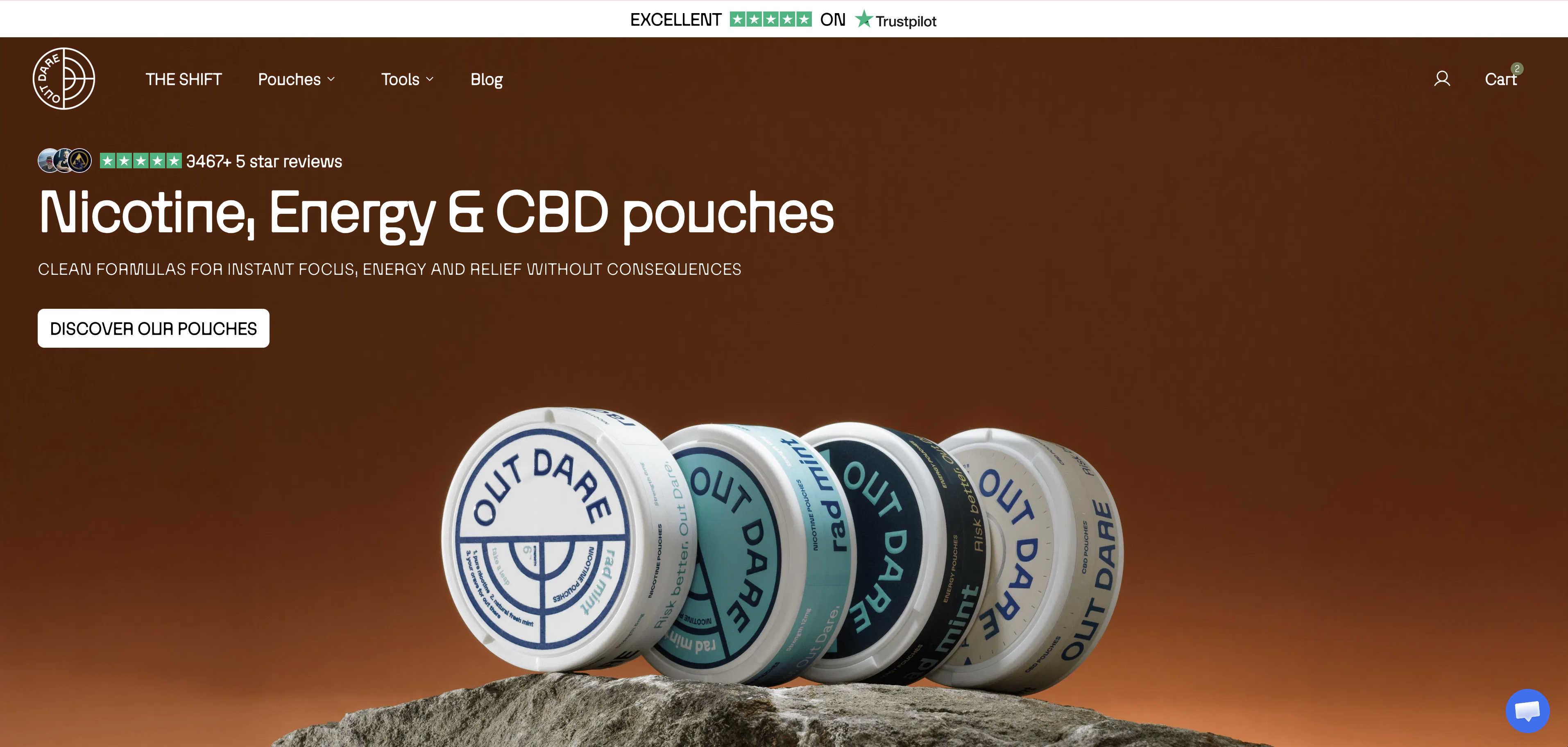
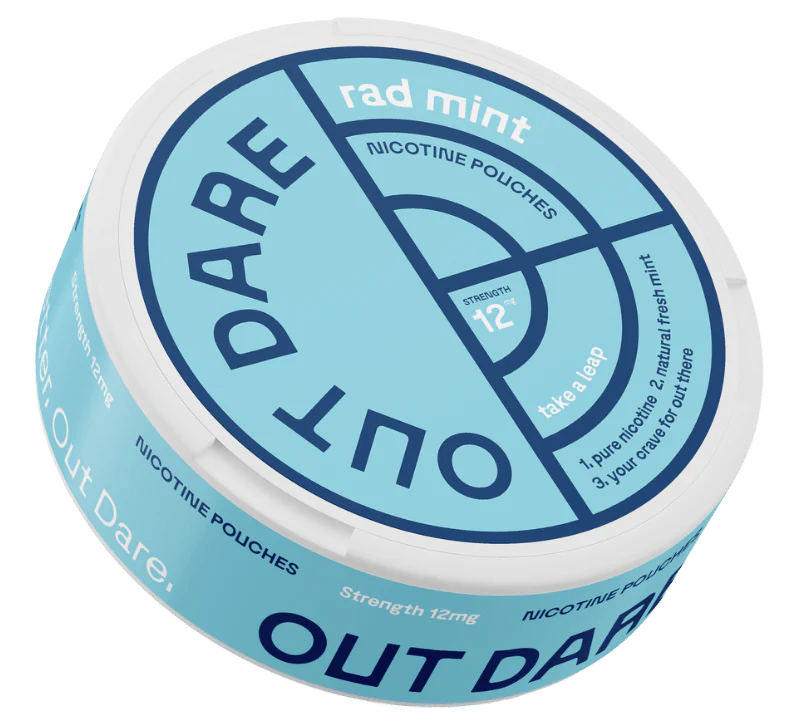
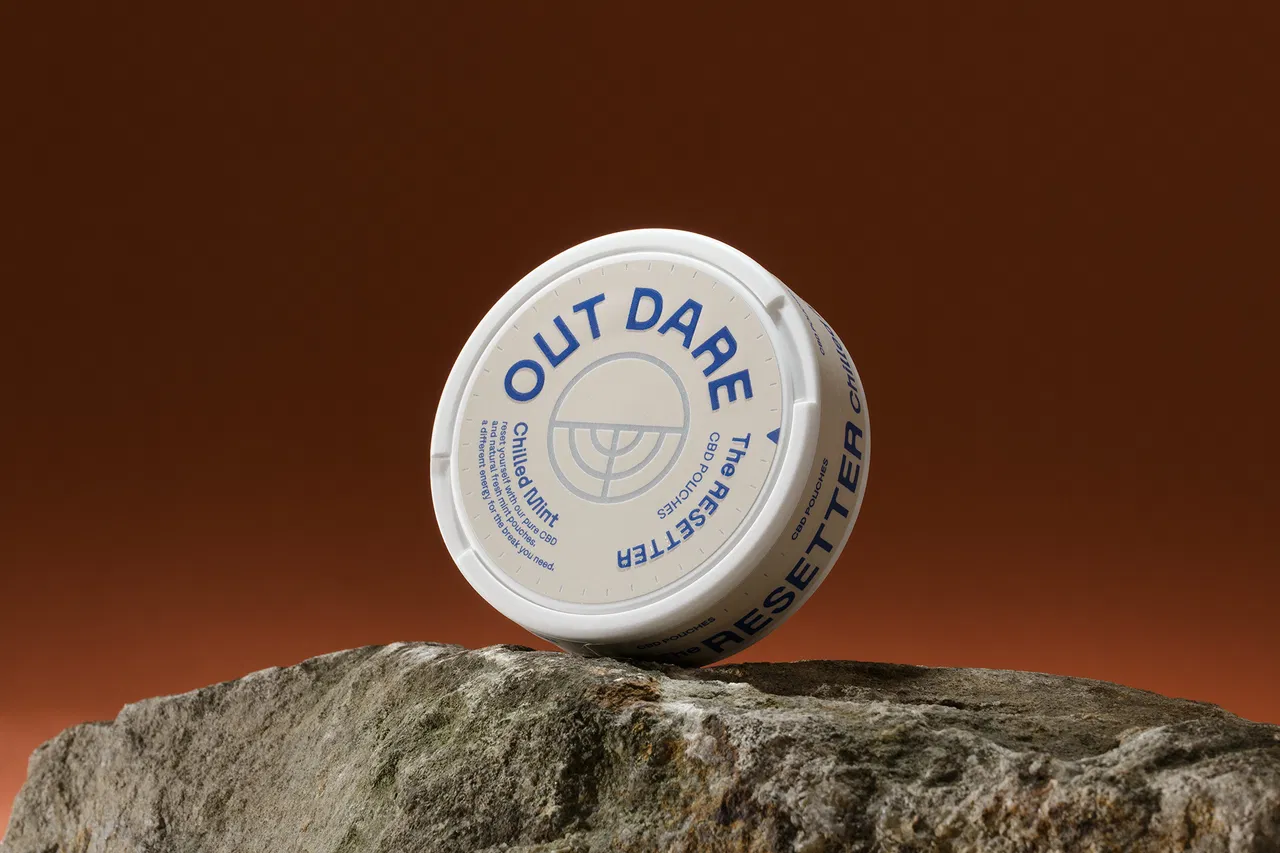
At Outdare LTD, every pouch in the three-product system — Clean Nicotine, Energy, and CBD — is built on exactly this principle. Plant-fiber fillers. Xylitol base. Natural mint flavor. European manufacturing. No tobacco, no smoke, no shame. Just plant-based wellness products designed around how dependency actually works, not how the industry wishes it did. Risk Better. Out Dare.
Recommended Articles
Explore more from our content library: