





Smart Nicotine Alternatives That Actually Work in 2026
| Key Insight | Explanation |
|---|---|
| Modern Alternatives Work | 2026 brings advanced tobacco-free pouches and targeted replacement therapies with 70-85% success rates |
| Ritual Replacement Matters | 60% of nicotine dependency is habit and sensory cues, not just chemical addiction |
| Gradual Reduction Works Best | Step-down systems reduce nicotine by 60-90% within first month without withdrawal |
| Natural Options Support Quitting | Specific foods, herbs, and lifestyle changes reduce cravings by up to 40% |
| Professional Support Doubles Success | Combining alternatives with behavioral support increases quit rates from 30% to 65% |

Modern Nicotine Replacement Therapy Options
Nicotine replacement therapy (NRT) remains the gold standard for transitioning away from tobacco products, with 2026 bringing significant improvements in effectiveness and user experience. These medical-grade alternatives deliver controlled nicotine doses without the harmful tar, chemicals, and combustion byproducts found in traditional tobacco.Advanced Nicotine Gum Formulations
The latest nicotine gums feature improved absorption rates and longer-lasting effects. Available in 2mg and 4mg strengths, these products now include buffering agents that enhance nicotine uptake through the oral mucosa [2]. Users typically start with the 4mg strength if they smoke more than 25 cigarettes daily or use high-strength pouches.- Fast-acting relief within 5-10 minutes
- Customizable dosing throughout the day
- Improved flavors reduce the bitter aftertaste
- Sugar-free formulations protect dental health
Next-Generation Nicotine Lozenges
Lozenges offer a discreet alternative that dissolves slowly, providing steady nicotine release over 20-30 minutes. The 2026 formulations include time-release technology that prevents the initial nicotine surge followed by rapid decline.Pro Tip: Alternate between gum and lozenges throughout the day to prevent tolerance buildup and maintain consistent craving control.Research from the Cancer Society indicates that combining different NRT forms increases success rates by 15-25% compared to single-product approaches [3]. The key is matching the delivery method to your specific usage patterns and lifestyle requirements.
Tobacco-Free Pouches and Advanced Systems
Tobacco-free nicotine pouches represent the fastest-growing segment of nicotine alternatives, offering the familiar oral ritual without tobacco's health risks. The 2026 market features sophisticated multi-pouch systems that address different needs throughout the day.Traditional Nicotine Pouch Benefits
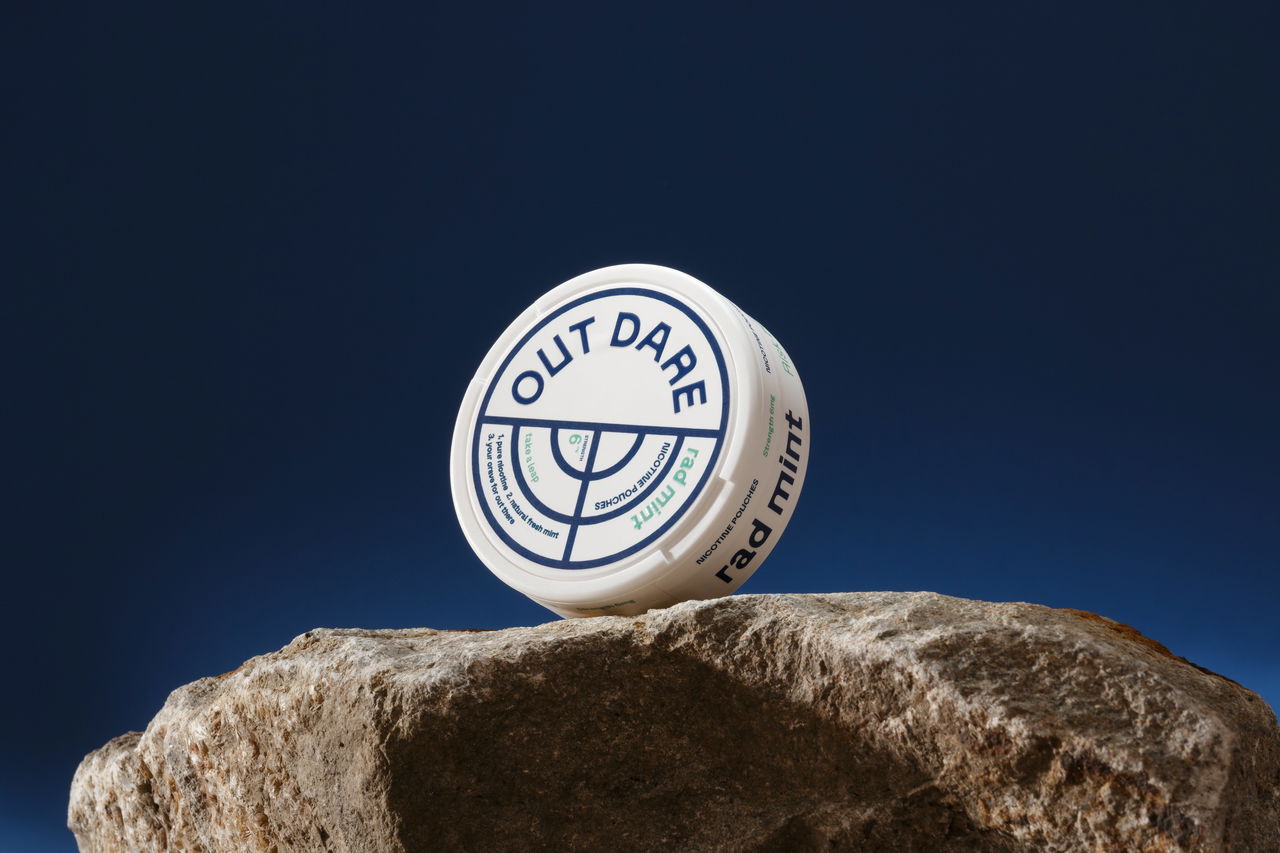
Modern nicotine pouches deliver pharmaceutical-grade nicotine through plant-based fibers, eliminating tobacco entirely. These products satisfy the oral fixation component while providing controlled nicotine release over 30-45 minutes.- No tobacco, tar, or combustion chemicals
- Discreet usage anywhere smoking is prohibited
- Multiple strength options (2mg to 15mg)
- Consistent dosing without preparation
Revolutionary Multi-Pouch Systems
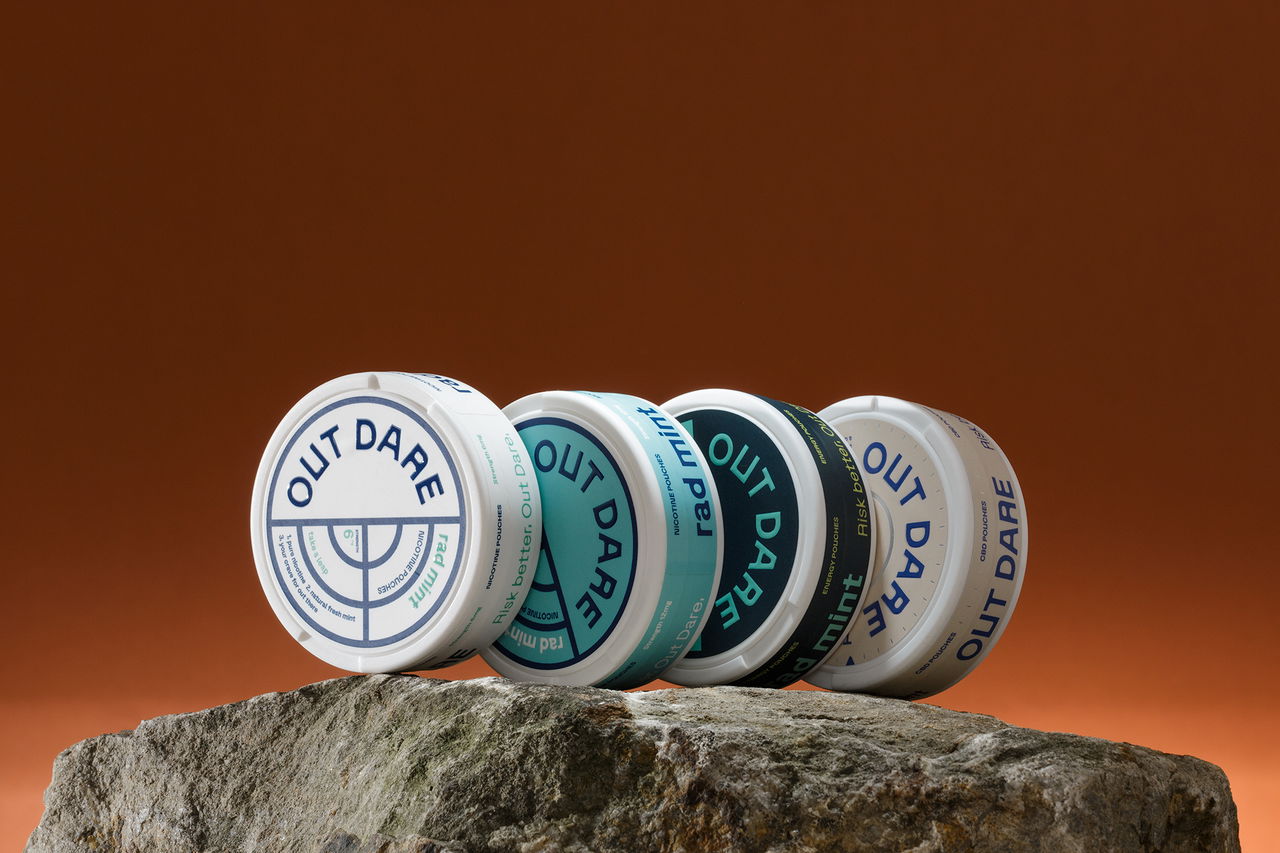
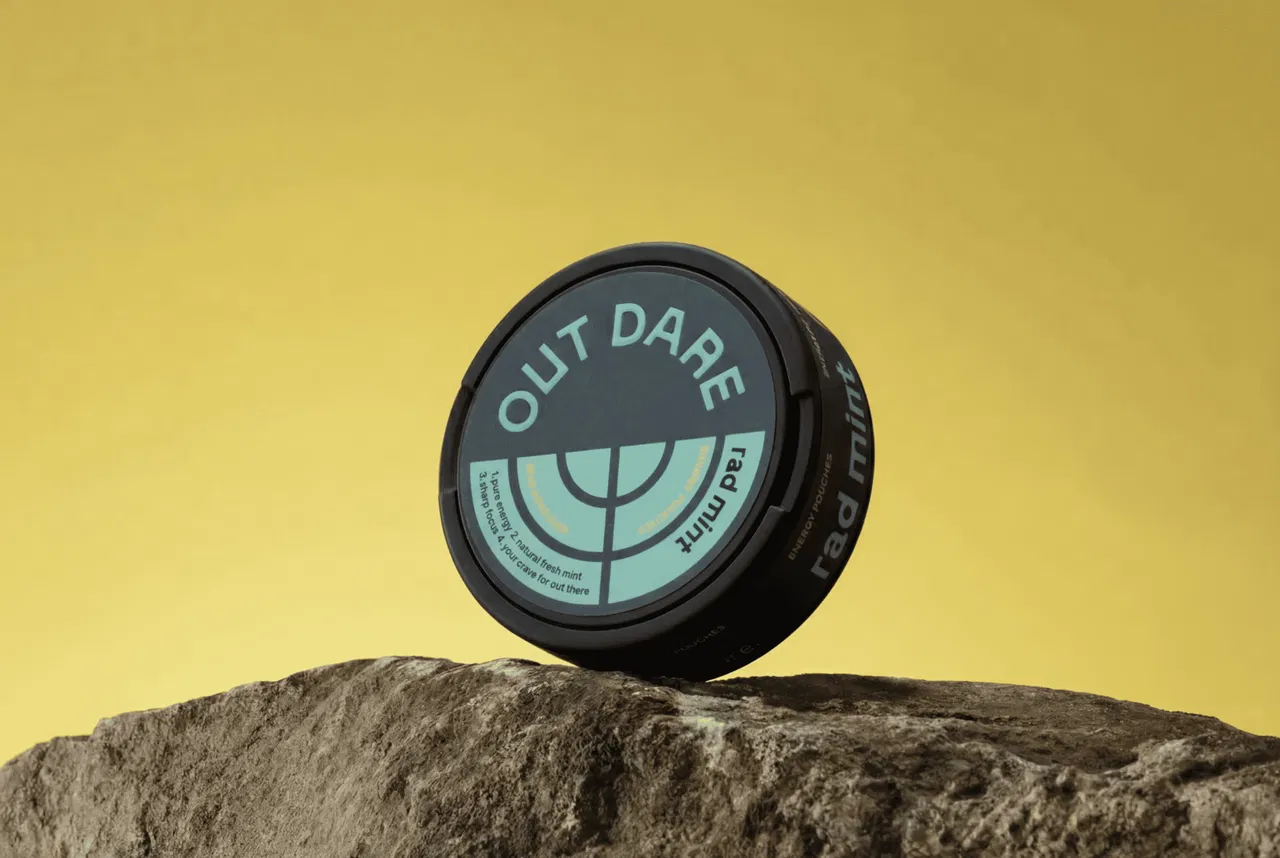
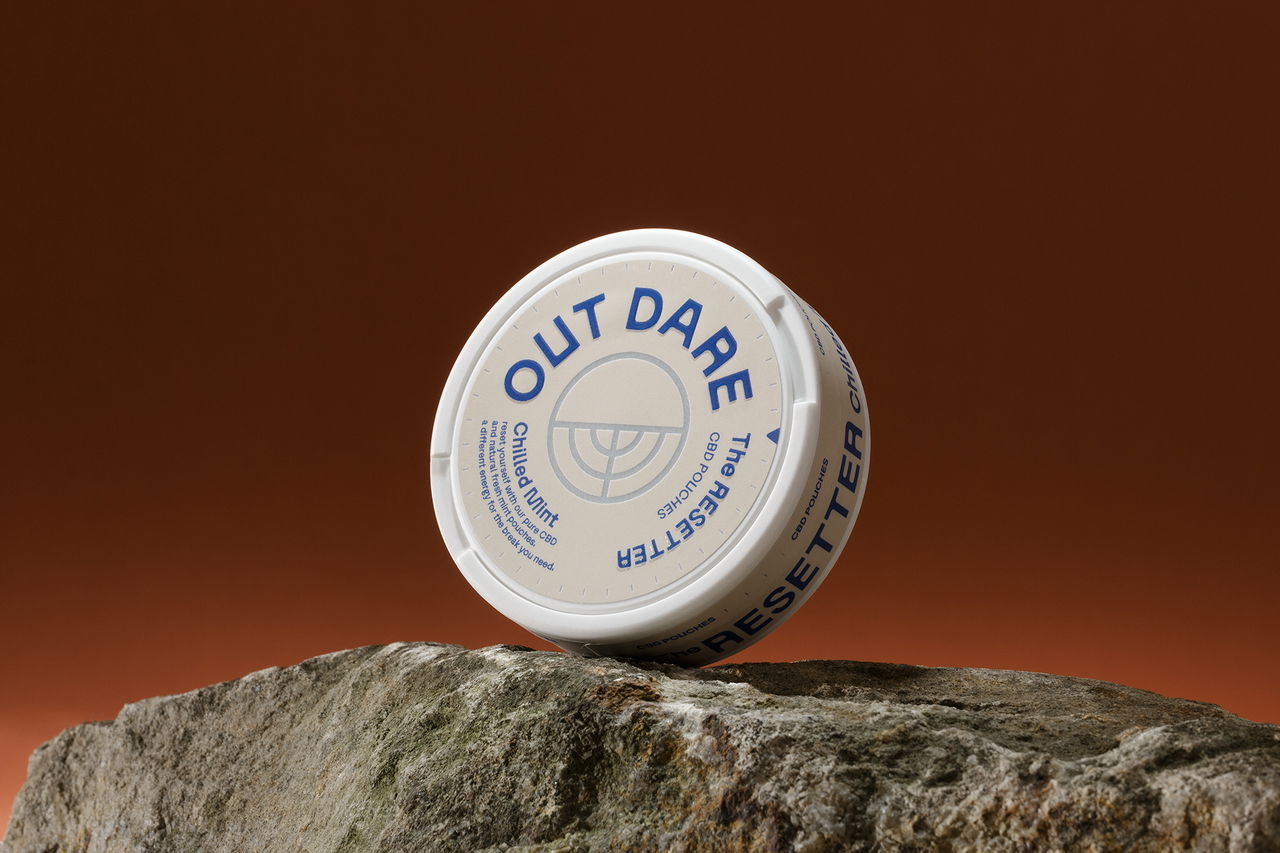
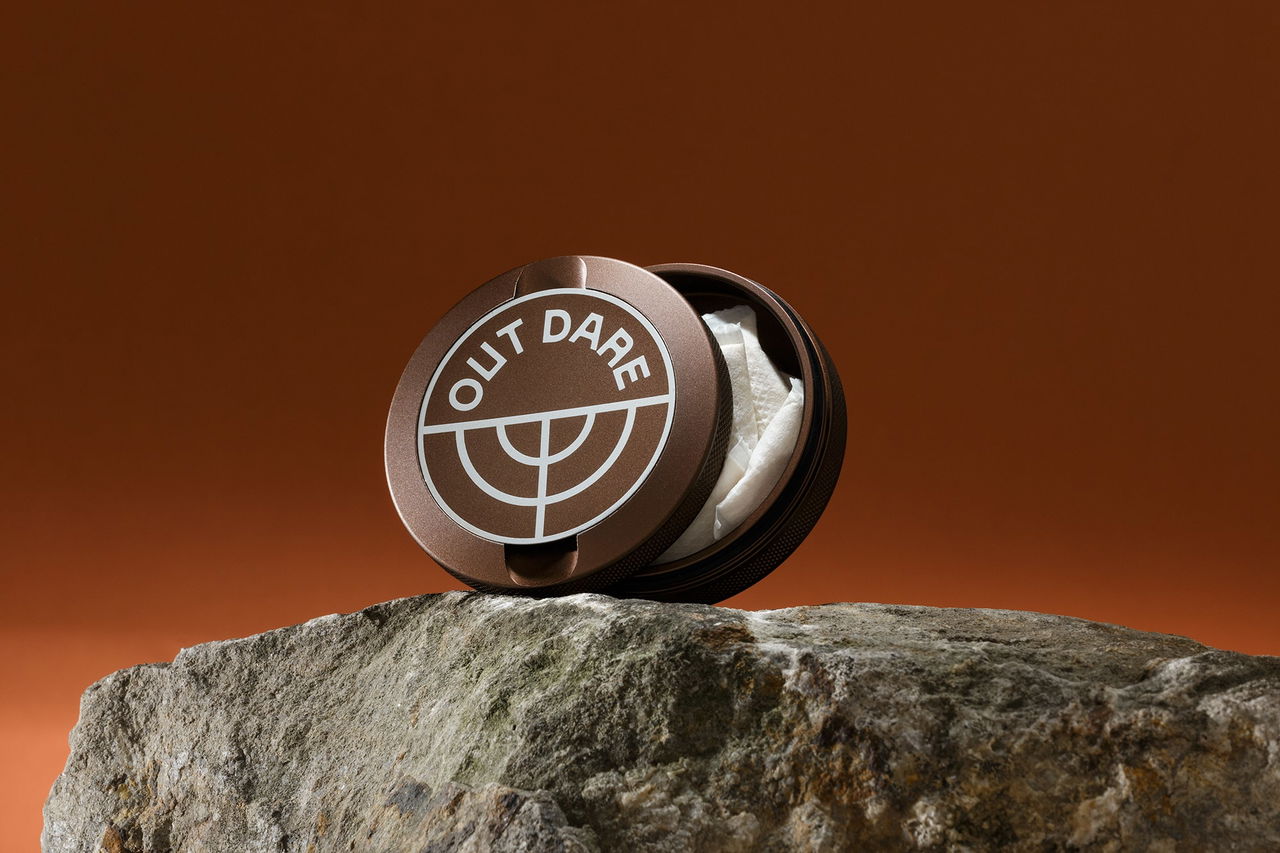
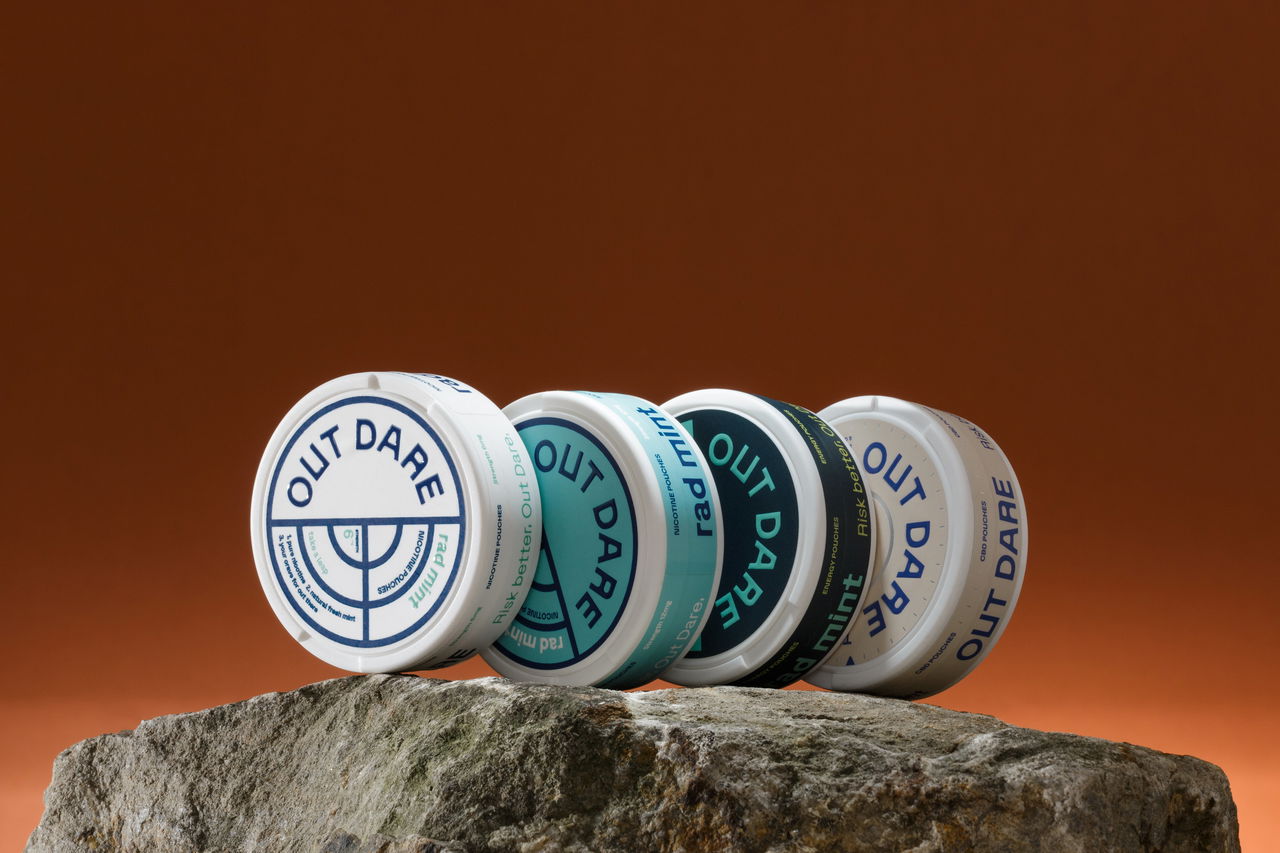
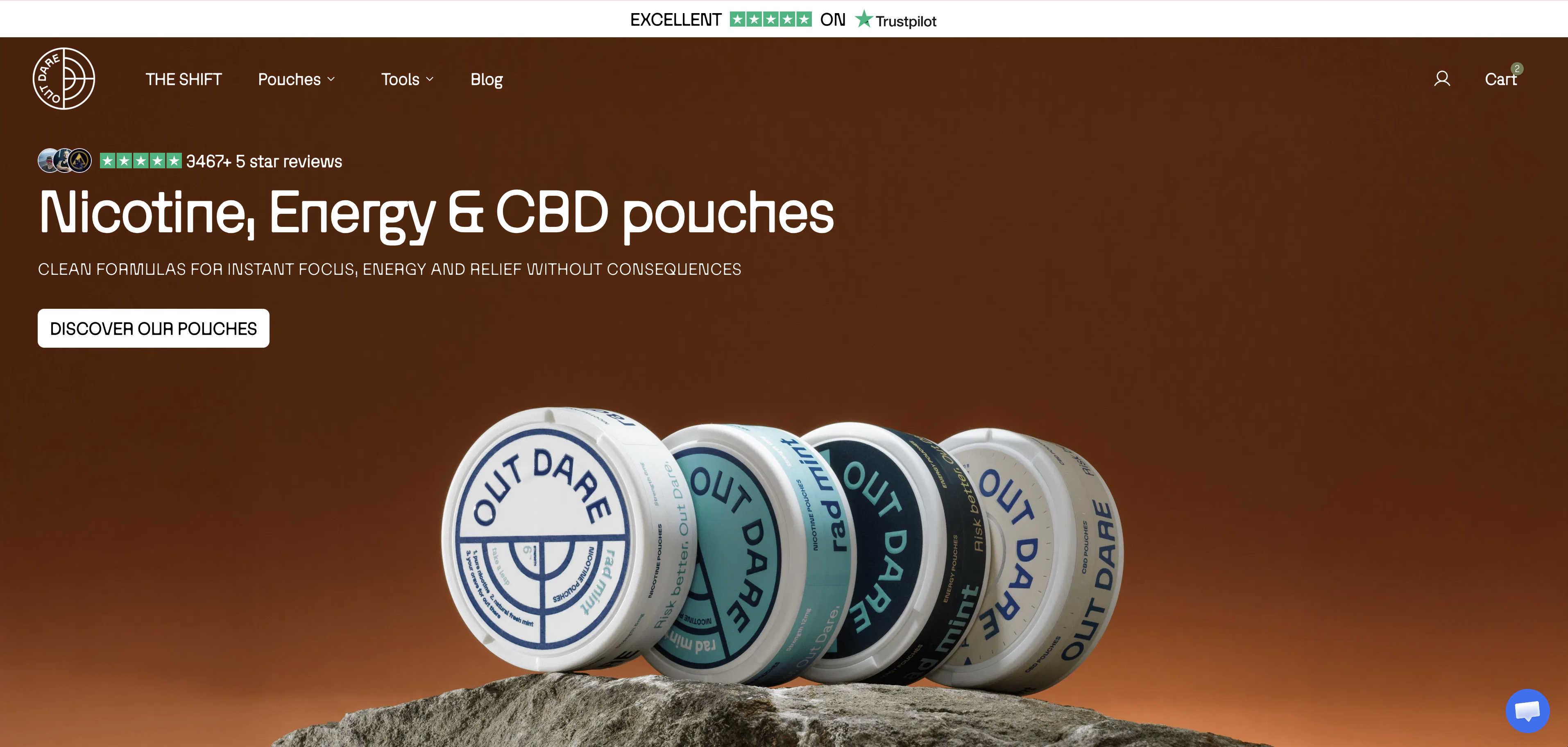
The most innovative development in 2026 is the emergence of integrated pouch systems that provide multiple alternatives in one cohesive approach. These systems recognize that different situations call for different solutions. At Outdare LTD, we've found that the most successful users employ a three-pouch rotation: nicotine for genuine cravings, energy pouches for focus and productivity, and CBD pouches for evening relaxation. This approach maintains the familiar ritual while gradually reducing nicotine dependency.| Pouch Type | Active Ingredients | Best Used For | Duration |
|---|---|---|---|
| Nicotine | 6-15mg nicotine | Strong cravings, withdrawal | 30-45 minutes |
| Energy | 50mg caffeine + nootropics | Focus, productivity, pre-workout | 45-60 minutes |
| CBD | 10-20mg CBD isolate | Stress relief, evening wind-down | 60-90 minutes |
The Science Behind Ritual Replacement
Research shows that 60% of nicotine addiction stems from behavioral patterns rather than chemical dependency. Multi-pouch systems work by maintaining the identical sensory experience while varying the active ingredients based on actual need rather than habit.Natural Nicotine Alternatives and Lifestyle Changes
Natural alternatives focus on reducing cravings and supporting the body's healing process without introducing new dependencies. These evidence-based approaches can reduce nicotine cravings by 30-40% when used consistently.Craving-Fighting Foods and Beverages
Specific foods actively combat nicotine cravings by affecting neurotransmitter production and blood sugar stability. The Truth Initiative identifies several foods that make cigarettes taste worse while satisfying oral fixation needs [4].- Fruits and vegetables: High fiber content stabilizes blood sugar and reduces cravings
- Ginseng tea: May weaken the rewarding effects of nicotine
- Milk and dairy: Makes cigarettes taste unpleasant for many users
- Sugar-free gum and mints: Satisfies oral fixation without calories
- Nuts and seeds: Provide healthy fats that support brain function
Herbal Supplements and Adaptogens
Modern herbal approaches combine traditional wisdom with scientific validation. Adaptogens help the body manage stress more effectively, reducing the psychological triggers that drive nicotine use.Pro Tip: Start incorporating craving-fighting foods 1-2 weeks before your quit date to establish new taste preferences and eating patterns.Key adaptogenic herbs include ashwagandha for stress management, rhodiola for energy without stimulation, and passionflower for anxiety reduction. These work synergistically with other cessation methods rather than replacing them entirely.
Breathing Techniques and Mindfulness
Controlled breathing exercises address the deep inhalation component that many users miss when transitioning from smoking or vaping. The 4-7-8 breathing technique specifically mimics the inhalation pattern while activating the parasympathetic nervous system.
Behavioral Replacement Strategies
Successful nicotine cessation requires replacing not just the chemical but the entire behavioral sequence. The most effective strategies focus on identifying triggers and creating alternative responses that satisfy the same psychological needs.Trigger Identification and Mapping
Common nicotine triggers fall into three categories: emotional (stress, anxiety, boredom), situational (driving, breaks, social settings), and physiological (after meals, with coffee, upon waking). Mapping these patterns reveals the best intervention points.- Track usage patterns for one week without changing behavior
- Identify the top 5 trigger situations
- Develop specific alternative responses for each trigger
- Practice new responses in low-stakes situations first
Replacement Activities That Work
The IU Health system recommends 85 specific alternatives to smoking, focusing on activities that engage the hands, mouth, or mind [5]. The most effective replacements match the duration and intensity of the original habit.- Hand activities: Stress balls, fidget tools, drawing, crafting
- Oral activities: Toothpicks, straws, healthy snacks, water
- Mental activities: Puzzles, reading, meditation, phone calls
- Physical activities: Walking, stretching, push-ups, dancing
Social Environment Modifications
Social cues represent some of the strongest triggers for nicotine use. Successful quitters often need to temporarily modify their social environments and develop new social rituals that don't revolve around nicotine.Pro Tip: Inform your support network about your quit attempt and ask for specific types of help rather than general encouragement.
Prescription Cessation Aids and Medical Support
Prescription medications offer the most powerful chemical support for nicotine cessation, particularly for heavy users or those who have failed with other methods. The CDC identifies several prescription options that significantly improve success rates [6].Varenicline (Chantix) - The Most Effective Option
Varenicline works by partially blocking nicotine receptors in the brain, reducing both cravings and the rewarding effects of nicotine use. MD Anderson Cancer Center identifies this as the most effective single product for smoking cessation [1].- Blocks nicotine's rewarding effects
- Reduces withdrawal symptoms
- 12-week treatment protocol
- Requires medical supervision
Bupropion (Wellbutrin) - Dual-Action Support
Originally developed as an antidepressant, bupropion affects dopamine and norepinephrine levels, addressing both mood changes and nicotine cravings. It's particularly effective for users who experience depression during quit attempts.Combination Therapy Approaches
The most successful medical approaches often combine prescription medications with NRT products. This dual approach addresses different aspects of nicotine dependency simultaneously, increasing success rates to 65-70%. Medical supervision ensures proper dosing, monitors for side effects, and provides behavioral support that doubles the effectiveness of medication alone.How to Choose the Right Alternative for You
Selecting the most effective nicotine alternative depends on your current usage patterns, previous quit attempts, lifestyle factors, and personal preferences. A systematic assessment helps identify the approach most likely to succeed.Assessment Framework
- Current usage level: Daily amount and frequency patterns
- Primary triggers: Emotional, situational, or physiological drivers
- Previous attempts: What worked partially and what failed completely
- Lifestyle constraints: Work environment, social factors, time availability
- Health considerations: Medical conditions, medications, pregnancy
Matching Alternatives to Usage Patterns
Heavy users (20+ cigarettes daily or 15+ pouches) typically need prescription support or high-dose NRT combined with behavioral interventions. Moderate users often succeed with NRT alone or advanced pouch systems. Light users may find success with natural alternatives and behavioral changes.| Usage Level | Recommended First-Line Treatment | Success Rate |
|---|---|---|
| Heavy (20+ daily) | Prescription + NRT combination | 65-75% |
| Moderate (10-20 daily) | Multi-pouch system or NRT | 55-65% |
| Light (5-10 daily) | Behavioral + natural alternatives | 45-55% |
Creating Your Personal Quit Plan
The most successful approaches combine multiple strategies rather than relying on willpower alone. Your personal plan should address the chemical, behavioral, and social aspects of nicotine use while providing specific alternatives for your highest-risk situations. Start with a 30-day trial period using your chosen primary method, with backup alternatives ready for challenging moments. Track your progress daily and adjust the approach based on what works best for your specific situation.
Sources & References
- MD Anderson Cancer Center, "Quit smoking: 6 products to strike out nicotine cravings", 2025
- Mayo Clinic, "Quitting smoking: 10 ways to resist tobacco cravings", 2026
- American Cancer Society, "Nicotine Replacement Therapy to Help You Quit Tobacco", 2026
- Truth Initiative, "8 foods and drinks that could help people quit nicotine", 2025
- IU Health, "85 Things to Do Besides Smoking", 2025
- CDC, "Five New Ways to Quit With Medicines", 2026
- Boston Children's Hospital, "Trending alternatives to help quit nicotine", 2025
Frequently Asked Questions
1. What are the most effective nicotine alternatives in 2026?
The most effective nicotine alternatives combine multiple approaches: prescription medications like varenicline (65-75% success rate), advanced tobacco-free pouch systems, and nicotine replacement therapy. Multi-modal approaches that address chemical, behavioral, and social aspects show the highest success rates.
2. How long does it take for nicotine alternatives to reduce cravings?
Most nicotine alternatives begin working within 5-15 minutes. NRT products provide relief in 5-10 minutes, while tobacco-free pouches work within 3-5 minutes. Natural alternatives like breathing exercises provide immediate stress relief, though building long-term effectiveness takes 2-4 weeks of consistent practice.
3. Can I use multiple nicotine alternatives at the same time?
Yes, combining different types of alternatives often increases success rates by 15-25%. Common effective combinations include NRT with behavioral strategies, or multi-pouch systems that rotate between nicotine, energy, and CBD options. Always consult healthcare providers before combining prescription medications with other products.
4. Are tobacco-free nicotine pouches safer than traditional tobacco products?
Tobacco-free nicotine pouches eliminate the tar, combustion chemicals, and carcinogens found in cigarettes and traditional tobacco products. While they still contain nicotine, they represent a significant harm reduction approach for users transitioning away from smoking or vaping.
5. What natural alternatives help reduce nicotine cravings without replacement products?
Evidence-based natural alternatives include specific foods (fruits, vegetables, ginseng tea), breathing exercises, regular physical activity, and stress management techniques. These approaches can reduce cravings by 30-40% when used consistently, though they work best as part of a comprehensive quit plan.
6. How do I know if I need prescription help to quit nicotine?
Consider prescription support if you use 20+ cigarettes daily, have failed multiple quit attempts with over-the-counter products, experience severe withdrawal symptoms, or have co-occurring mental health conditions. Heavy pouch users (15+ daily) may also benefit from medical supervision.
7. Do nicotine alternatives work for vaping addiction too?
Yes, most nicotine alternatives work effectively for vaping cessation. The key difference is that vapers often need to address higher nicotine concentrations and more frequent usage patterns. Multi-pouch systems and combination NRT approaches are particularly effective for transitioning away from high-nicotine vaping products.
8. How much do effective nicotine alternatives cost compared to continued nicotine use?
Most nicotine alternatives cost significantly less than continued smoking or heavy pouch use. A month's supply of NRT typically costs €30-60, while prescription medications range from €50-120. Heavy users spending €200-400 monthly on pouches or cigarettes can achieve substantial savings within the first month of switching.
The journey away from nicotine dependency has never been more supported by effective alternatives. Whether you choose medical-grade replacement therapy, innovative multi-pouch systems, natural approaches, or prescription support, the key is finding the combination that addresses your specific patterns and needs. Success isn't about willpower alone but about having the right tools and strategies for your situation. The 2026 landscape of nicotine alternatives offers more options than ever before, with success rates continuing to improve as our understanding of addiction science advances.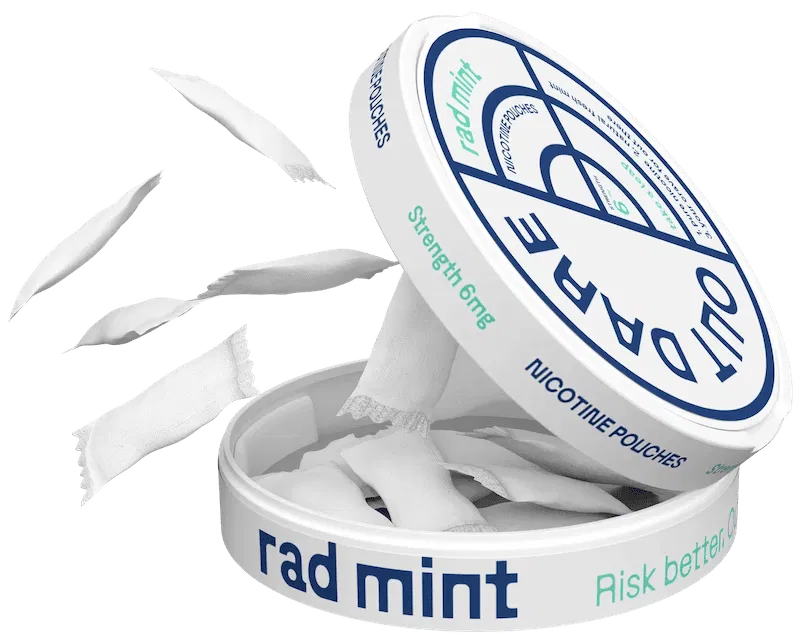
Recommended Articles
Explore more from our content library:
- The Complete Guide to Nicotine Free Pouches in 2026
- How to Quit Nicotine Pouches: Complete 2026 Guide
- How to Store Nicotine Pouches: Complete Guide 2026
- Clean Alternatives to Smoking: 15 Science-Backed Options
- Complete Nicotine Pouch Strength Guide for 2026
Ready to take your results to the next level? Discover what Outdare LTD can do for you and see why businesses trust us to deliver real, measurable outcomes.