



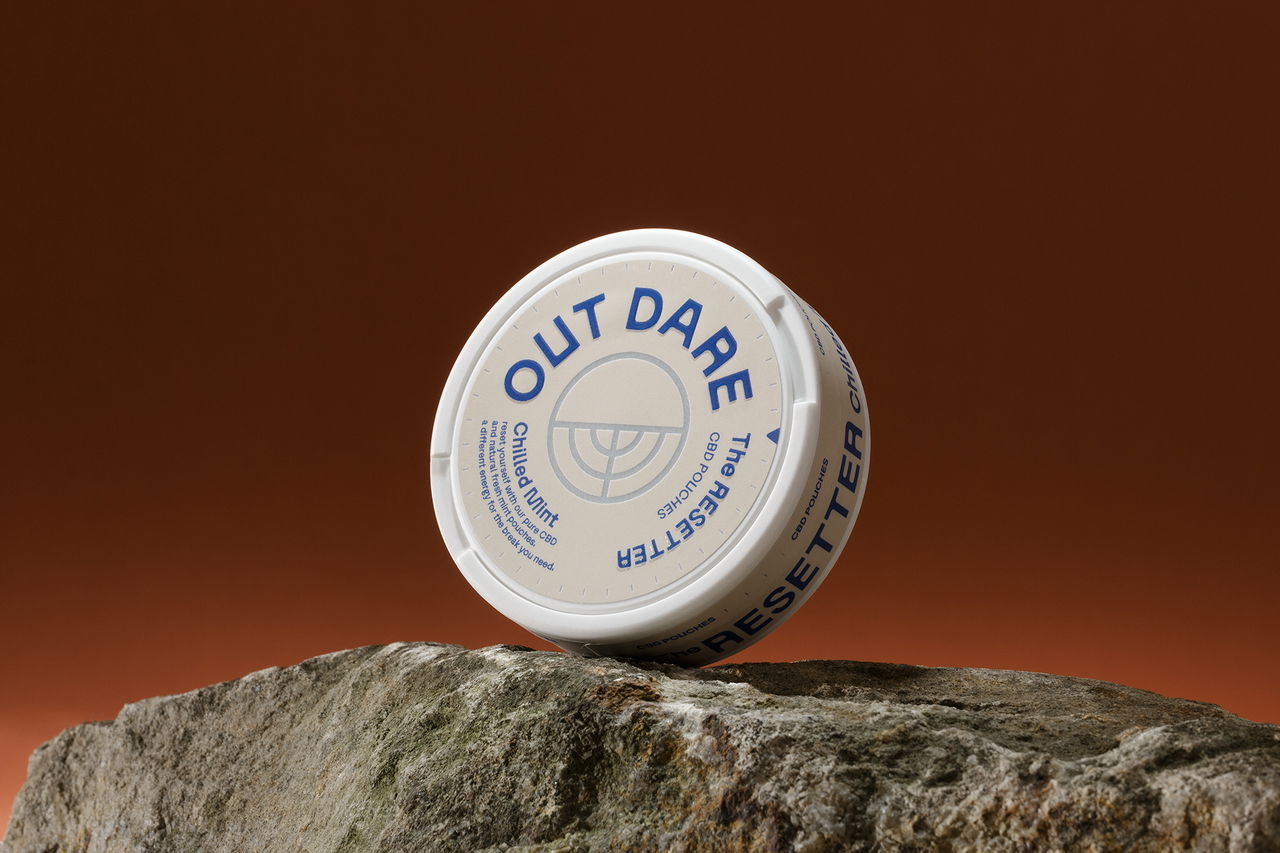
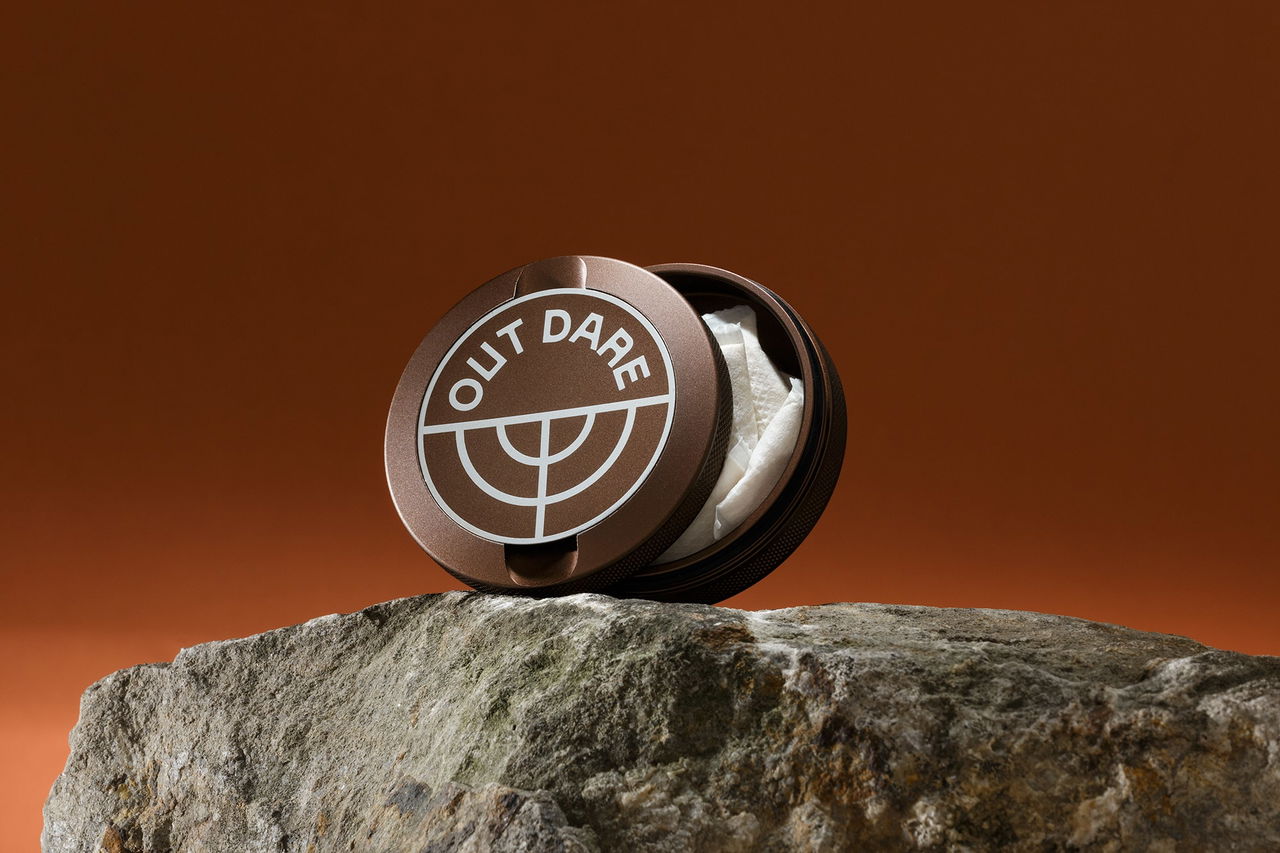

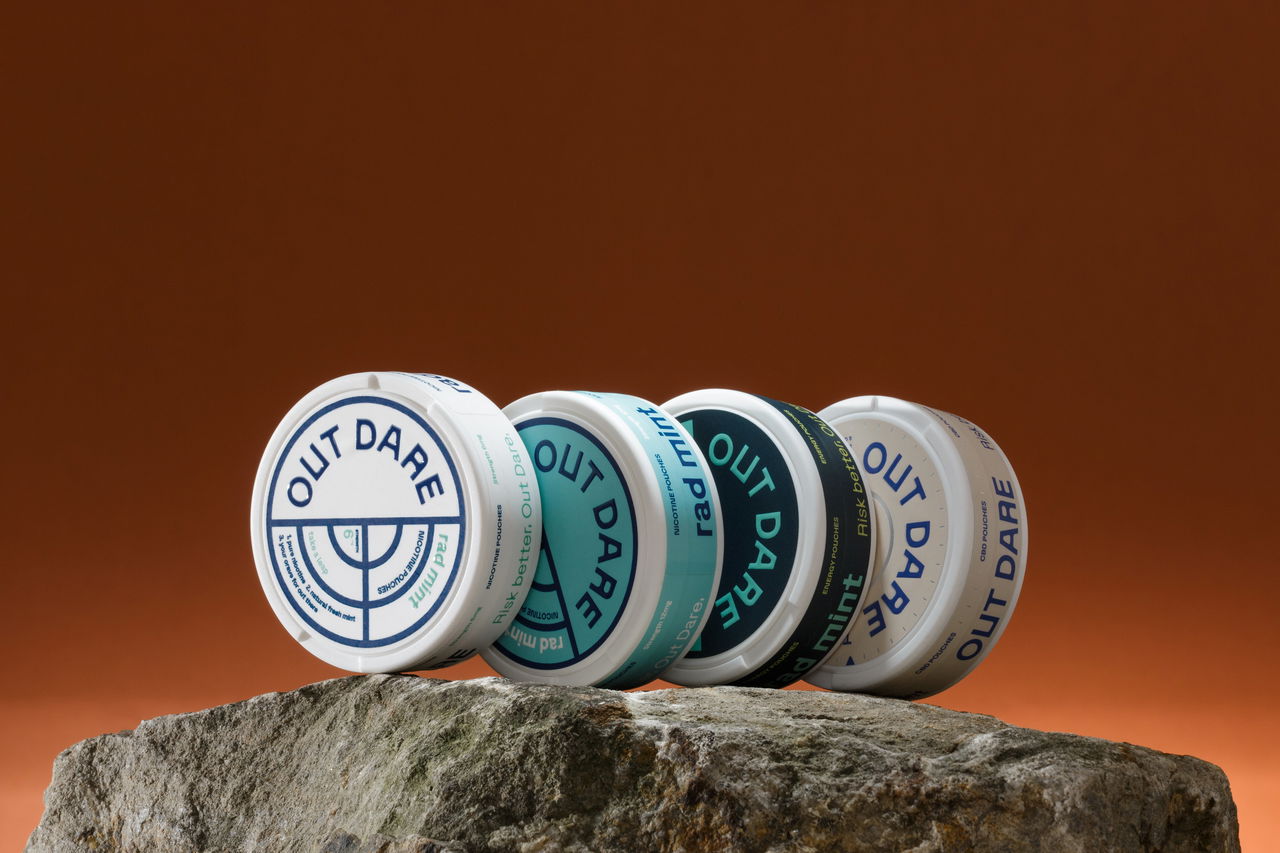

Best Nicotine Pouch Alternatives That Work in 2026
| Key Insight | Explanation |
|---|---|
| Nicotine is only 30% of the addiction | The 30/30/30 Addiction Rule shows that habit and sensory cues account for 60% of pouch dependency — meaning the ritual matters as much as the chemical. |
| Cold turkey rarely works | Most quit attempts fail because they remove the ritual entirely. Keeping the oral habit intact while reducing nicotine dramatically improves success rates. |
| Energy and CBD pouches are leading alternatives | Functional pouches with caffeine, nootropics, or CBD deliver a real sensory substitute — same burn, same pillow feel — without feeding chemical dependency. |
| Sensory parity is the critical design factor | Alternatives that replicate the exact mouthfeel, burn, and taste of nicotine pouches are significantly more effective at preventing relapse than those that don't. |
| Nicotine carries real health risks | Research links chronic nicotine use to elevated liver enzymes, gut disruption, cardiovascular strain, and cognitive fog — motivating the switch to cleaner formats. |
| A structured 4-week method outperforms willpower alone | Systematic substitution using matched alternatives leads most users to reduce nicotine intake by 60–90% within the first month, without white-knuckling cravings. |
The search for effective nicotine pouch alternatives has never been more urgent. As of 2026, the global nicotine pouch market is valued at over USD 3.2 billion and growing at a compound annual rate above 35% (Grand View Research) — yet the vast majority of products on the market offer only one thing: more nicotine in different strengths. That's a problem if you're trying to reduce your dependency, not deepen it. If you've been burning through a can a day, waking up foggy, and reaching for a pouch every 45 minutes without it feeling like a choice anymore, you're not alone. This guide breaks down the best nicotine pouch alternatives available right now — what they are, how they work, who they're best for, and why the ritual matters more than most people realize.
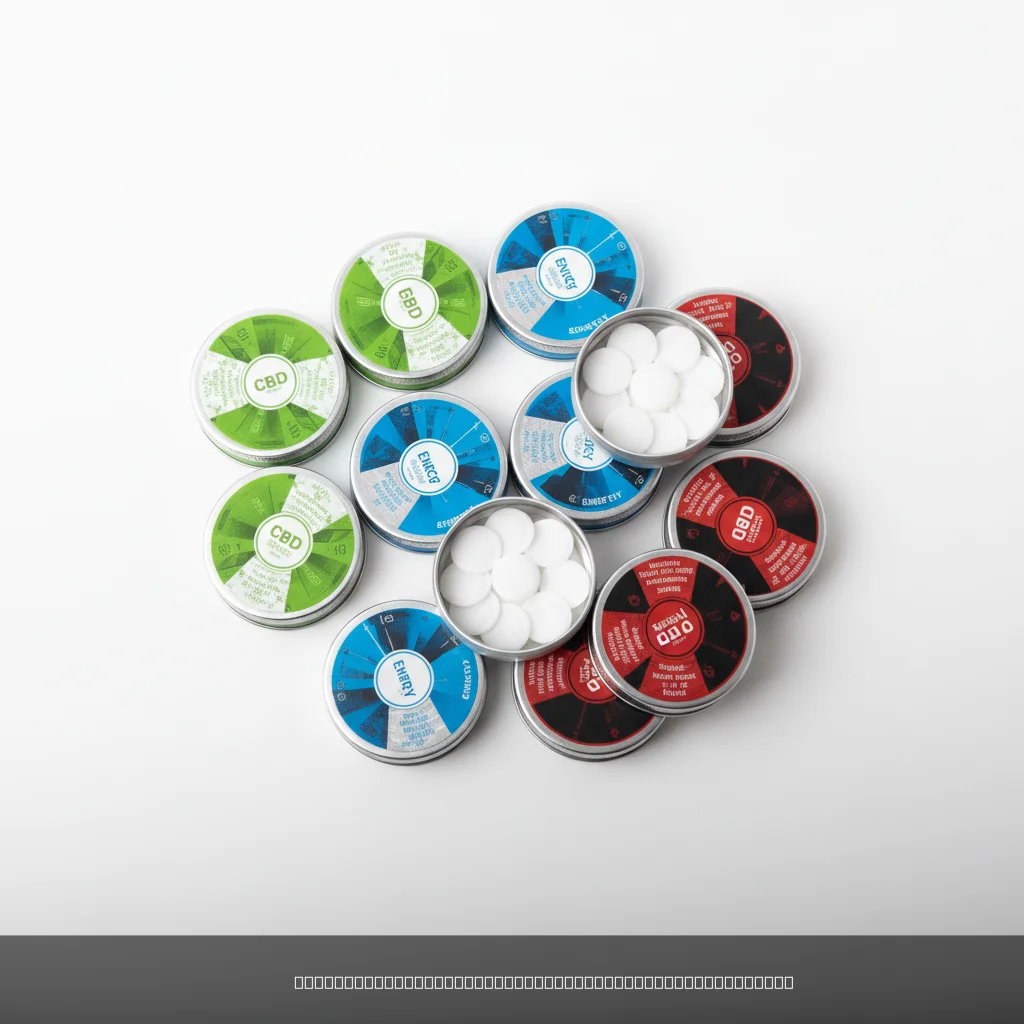
Why People Look for Nicotine Pouch Alternatives
People seek nicotine pouch alternatives primarily because chronic nicotine use produces side effects — brain fog, receding gums, gut problems, and energy crashes — that accumulate over months and years of daily use. According to the Truth Initiative, oral nicotine pouches have become the second most popular smokeless tobacco-adjacent product in several markets, with usage skewing heavily toward young adults [1]. The problem isn't just health. It's the feeling of being trapped.
The Real Cost of Staying on Nicotine Pouches
Most heavy users spend €150 to €400 per month on pouches. That's before accounting for the less visible costs: the afternoon energy crash that sends you reaching for your fourth pouch before 3pm, the gum sensitivity your dentist keeps mentioning, and the creeping awareness that you're not choosing the pouch anymore — it's choosing you.
- Brain fog: Chronic nicotine use disrupts dopamine regulation, leading to cognitive dulling between doses [2]
- Gum recession: Prolonged pouch placement causes localized gum irritation and tissue damage over time
- Gut disruption: Swallowed nicotine metabolites contribute to nausea, acid reflux, and gut motility issues
- Sleep degradation: Nicotine is a stimulant — evening use fragments sleep architecture and reduces REM quality
- Dependency creep: Tolerance builds steadily, pushing users from 6mg to 12mg to 15mg pouches over months
Why Cold Turkey Keeps Failing
Research consistently shows that abrupt cessation fails for most people because it removes the entire ritual — not just the chemical. The American Lung Association notes that nicotine addiction involves both physiological dependency and deeply conditioned behavioral patterns [2]. Removing the pouch without replacing the ritual leaves a behavioral void that cravings rush to fill. That's why the most effective nicotine pouch alternatives don't just cut nicotine — they preserve the habit loop while changing what's inside it.
Best Nicotine Pouch Alternatives for 2026
The best nicotine pouch alternatives in 2026 fall into several distinct categories, each addressing different aspects of the habit — from the chemical dependency to the sensory ritual to the functional need for focus or calm. Here are the top options, ranked by their ability to address the full picture of pouch addiction.
1. Energy Pouches (Caffeine + Nootropics)
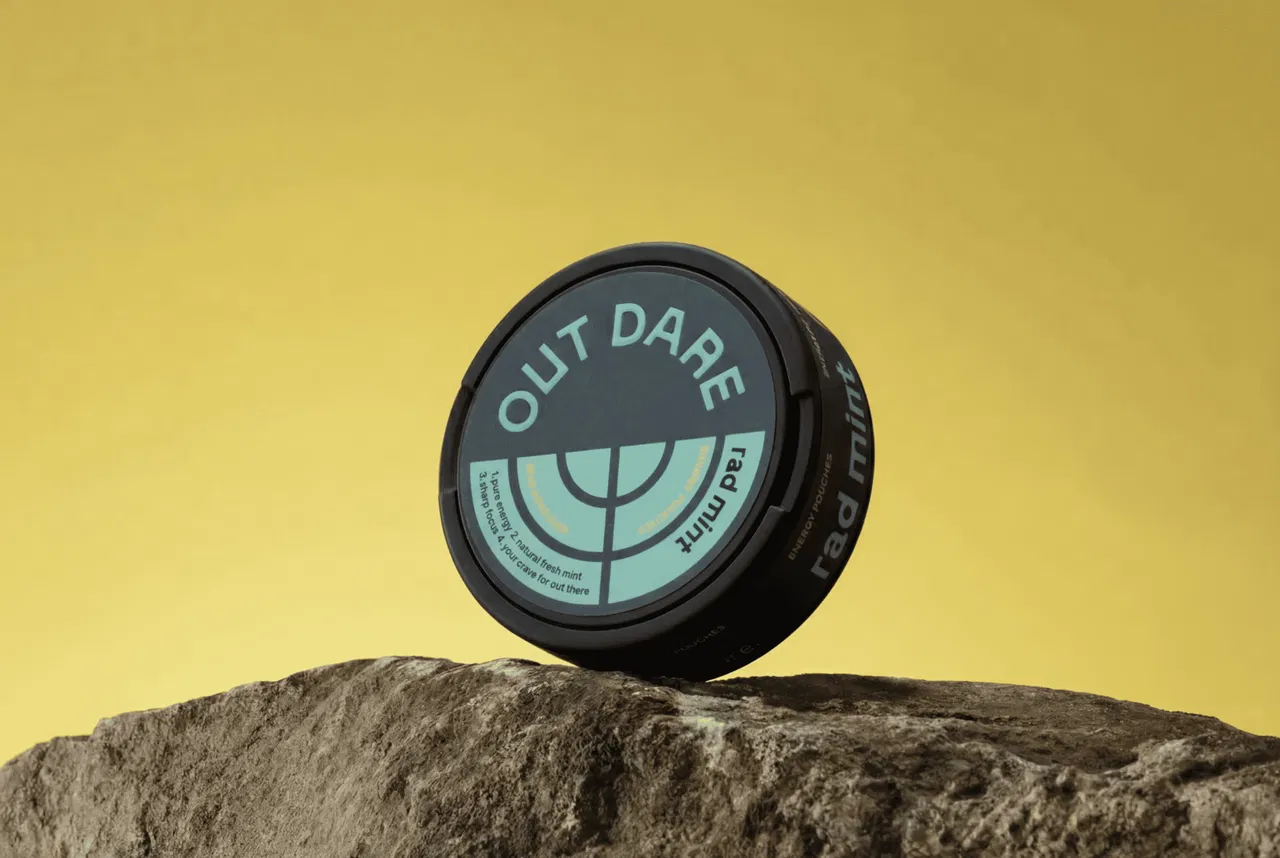
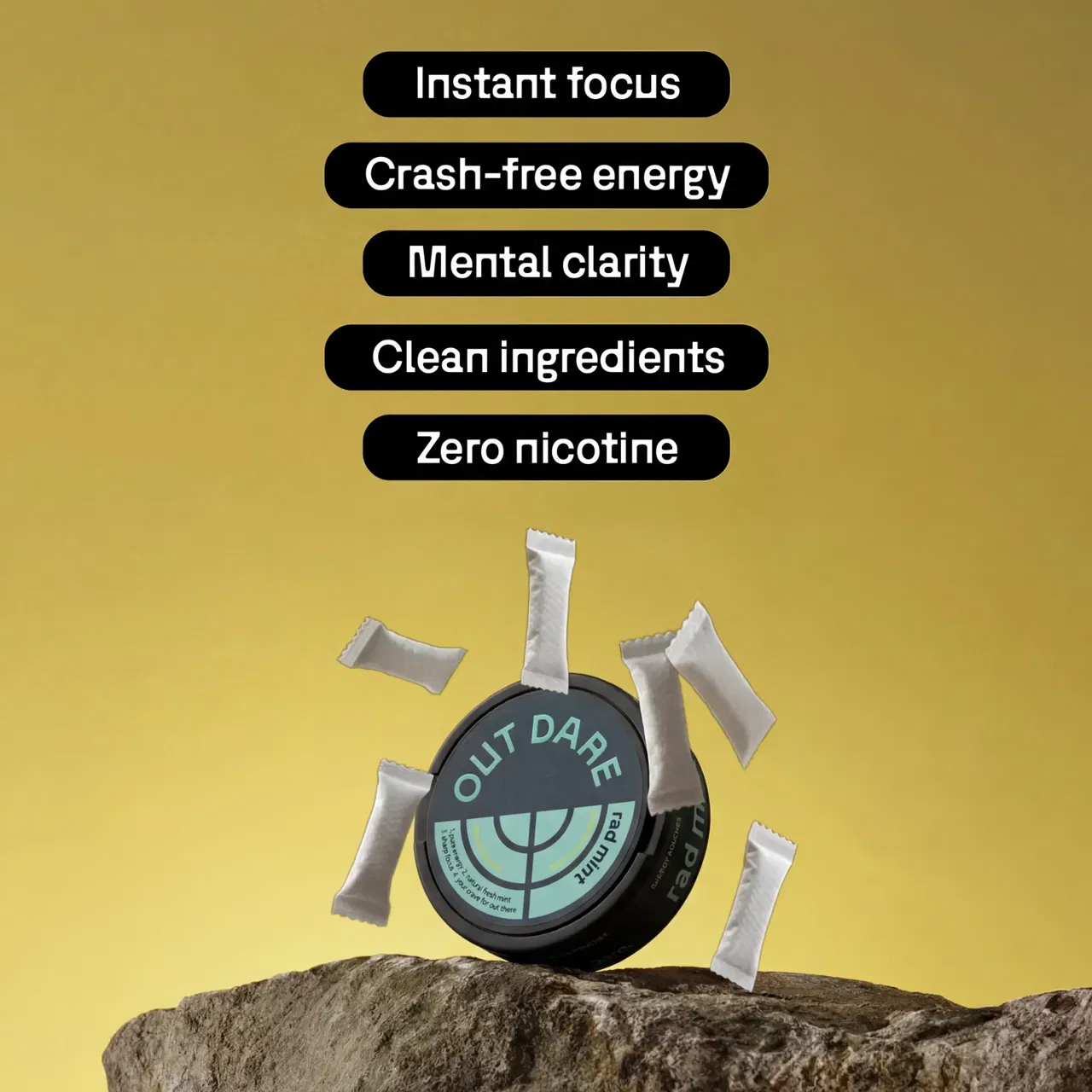
Energy pouches are the most structurally similar alternative to nicotine pouches. They sit under the lip exactly the same way, deliver a gum burn, and produce a real functional effect — increased alertness and focus — without any nicotine. The best formulations combine 50mg of caffeine with nootropics (cognitive enhancers such as L-Theanine and Alpha-GPC) that sharpen focus without the jitter spike you'd get from a double espresso.
- Best for: Productivity-focused users who want the "edge" of a pouch without nicotine dependency
- Pros: Real functional benefit, same oral ritual, no nicotine, no sugar, portable
- Cons: Caffeine sensitivity in some users; not suitable as a late-evening substitute
- Key ingredient to look for: L-Theanine paired with caffeine for a smooth, sustained focus curve
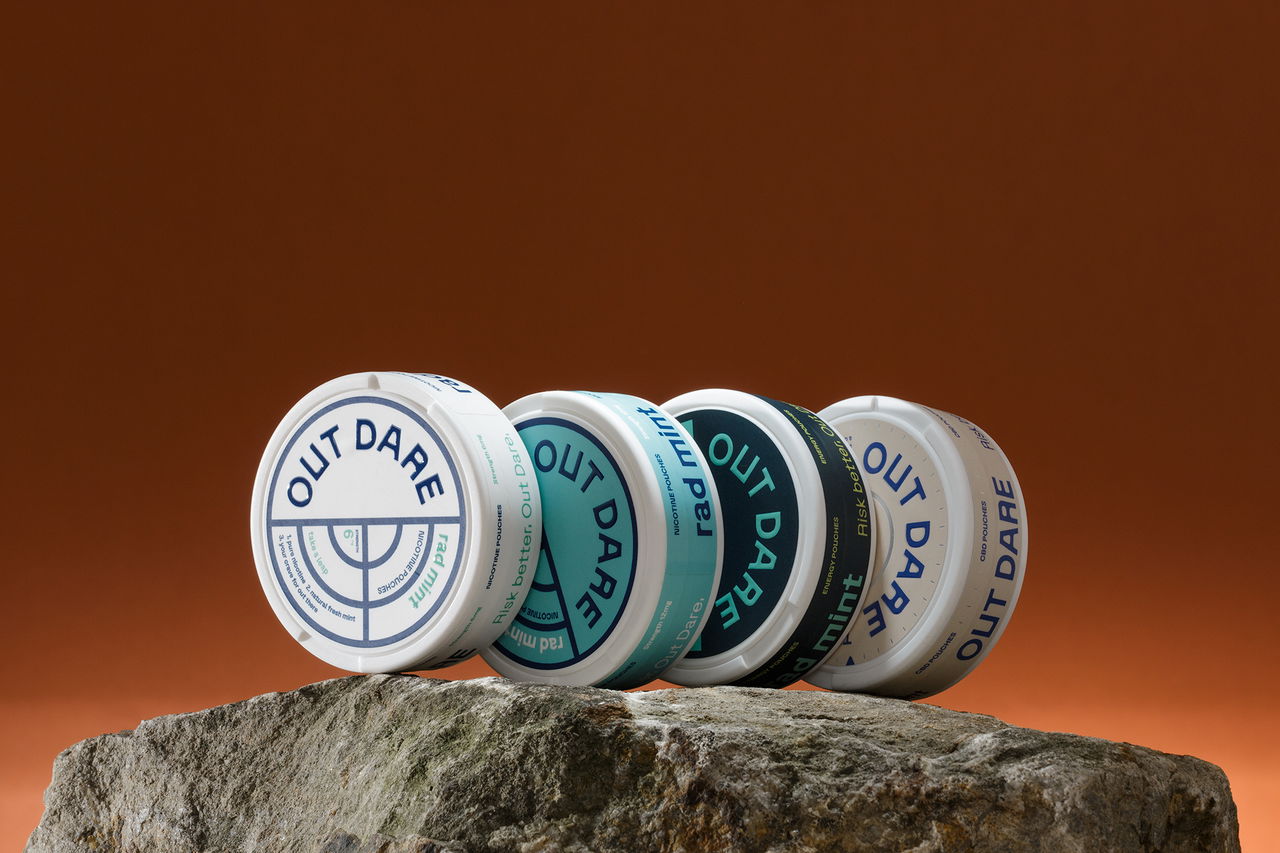
At Outdare LTD, we've found that users who switch to energy pouches during their morning and afternoon windows — keeping nicotine only for deliberate, chosen moments — reduce their total nicotine intake by over 60% within the first two weeks alone.
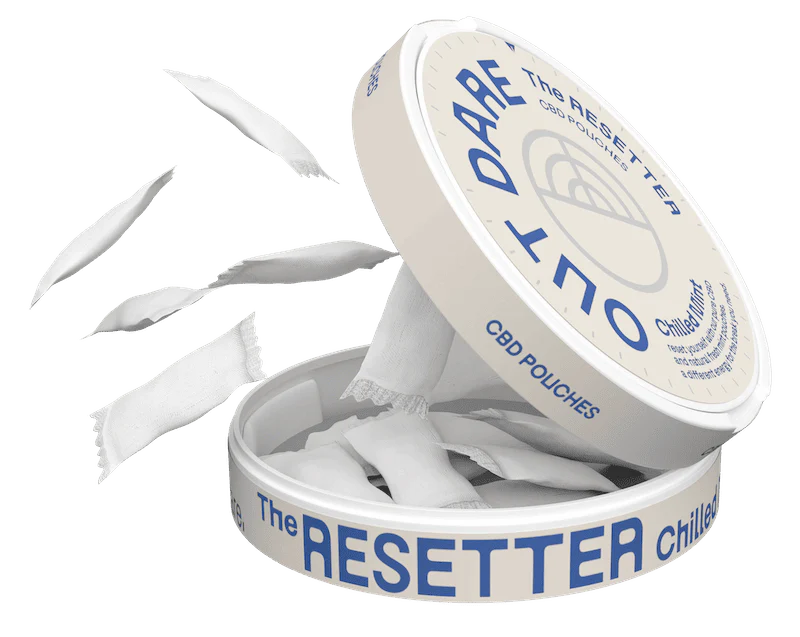
2. CBD Pouches
CBD pouches (cannabidiol, a non-psychoactive compound derived from hemp) serve a completely different functional role: calm, reset, and stress relief. They're particularly effective as an evening substitute, replacing the habitual "wind-down" pouch that many users reach for after dinner or before bed. A Boston Children's Hospital review of emerging nicotine alternatives noted growing interest in CBD-based oral formats as a behavioral substitute for nicotine rituals [3].
- Best for: Evening use, anxiety management, sleep improvement, replacing the "stress pouch"
- Pros: Zero nicotine, zero caffeine, promotes calm, maintains the oral ritual
- Cons: CBD regulatory status varies by EU country; effects are subtle and may take several days to feel consistent
3. Herbal Pouches (Plant-Fiber Based)
Herbal pouches use plant-fiber fillers, corn silk, or other botanical bases to replicate the physical feel of a pouch without any active compounds. They're the most minimal option — no nicotine, no caffeine, no CBD. Users on Reddit's r/QuittingZyn community have reported mixed results, with some finding them useful as a pure behavioral placeholder and others finding the lack of any functional effect makes them hard to stick with [4].
- Best for: Users who want zero active compounds and are primarily managing the physical habit
- Pros: Completely inert, no dependency risk, widely available
- Cons: No functional payoff; many users find them unsatisfying without any effect
4. Nicotine Replacement Therapy (NRT): Patches, Gum, and Lozenges
Traditional NRT products — patches, gum, and lozenges — are clinically validated and widely recommended by healthcare providers. Harvard Medical School notes that NRT options provide controlled nicotine dosing that can be stepped down systematically [5]. The limitation is clear, though: they don't replicate the oral ritual. There's no pillow under the lip, no gum burn, no tactile satisfaction.
- Best for: Users who want medically supported cessation and are less attached to the physical ritual
- Pros: Clinically proven, controlled dosing, widely available without prescription
- Cons: No oral ritual replication; gum requires active chewing; patches are passive and invisible
5. Tobacco-Free Chew and Dip Alternatives
Brands like Fully Loaded and Black Buffalo Zero offer tobacco-free, nicotine-free long-cut and pouch formats that replicate the texture and ritual of dipping without tobacco or nicotine [6][7]. These are particularly relevant for users transitioning from dip or chew rather than modern oral pouches.
- Best for: Former dippers and chewers who want the closest sensory match to their original habit
- Pros: Strong ritual replication, widely available in the US market
- Cons: Less relevant for European pouch users; limited functional benefit beyond habit maintenance
6. Caffeinated Herbal Pouches
Brands like Smokey Mountain and TeaZA Energy offer herbal pouches with added caffeine and vitamins — a middle ground between pure herbal and full nootropic energy pouches [8][9]. They deliver a mild functional lift without nicotine and are positioned as smokeless alternatives for tobacco users.
- Best for: Users who want a light energy effect without committing to a full nootropic stack
- Pros: Mild stimulation, tobacco-free, widely available online
- Cons: Lower caffeine dose than dedicated energy pouches; limited sensory parity with nicotine pouches
7. Nootropic Pouches
Nootropic pouches (oral pouches containing cognitive enhancers such as Alpha-GPC, Lion's Mane, or L-Theanine) are an emerging category gaining traction in biohacking and productivity communities. Users in r/Nootropics and r/Biohackers have noted that mushroom-based and adaptogen-based pouches provide a calmer, more sustained cognitive lift compared to caffeine-only formats [4].
- Best for: Productivity-obsessed users seeking flow state and deep work without stimulant side effects
- Pros: No stimulant crash, supports cognitive performance, no nicotine
- Cons: Effects are subtle; quality and dosing vary significantly between brands

The 30/30/30 Rule: Why Most Alternatives Fail
The 30/30/30 Addiction Rule explains that pouch dependency has three equal components: 30% chemical (nicotine), 30% physical habit (the pillow sensation under the lip), and 30% sensory cue (the gum burn and mint taste). Most nicotine pouch alternatives only address one of these three layers — which is why they feel unsatisfying and users relapse.
What the Rule Means in Practice
Think about it this way. You reach for a pouch at 10am not just because your body craves nicotine. You reach for it because you always do at 10am. Because you like the feeling of something sitting under your lip. Because the burn signals to your brain that focus is coming. That's 60% of the addiction right there — and it has nothing to do with the chemical.
- Chemical dependency (30%): The nicotine itself — the dopamine hit, the tolerance build-up, the withdrawal symptoms
- Physical habit (30%): The oral fixation, the ritual of placing the pouch, the pillow sensation under the lip
- Sensory cue (30%): The mint flavor, the gum burn, the tingle that tells your brain "this is working"
An alternative that replicates all three — same taste, same burn, same mouthfeel — but removes the nicotine addresses 60% of the addiction immediately. That's why sensory parity is the single most important design factor in any effective nicotine pouch alternative.
The 4-Week Substitution Method
Our team at Outdare LTD recommends a structured 4-week approach rather than an abrupt switch. The method works by progressively replacing nicotine pouches with energy or CBD alternatives while maintaining the exact same ritual:
- Week 1: Replace one nicotine pouch per day with an energy pouch — ideally the mid-morning session
- Week 2: Replace two to three pouches per day, adding an evening CBD pouch to replace the wind-down nicotine
- Week 3: Use nicotine pouches only for deliberate, chosen moments — not out of habit or schedule
- Week 4: Nicotine use drops to one to three pouches per day or less; energy and CBD pouches cover the rest
Most users who follow this method reduce their nicotine intake by 60 to 90% within the first month — not through willpower, but through substitution. The brain keeps the ritual; you quietly change what's inside it.
Pro Tip: Start your substitution with the pouch you use most automatically — not the one you enjoy most. The habitual, unconscious pouches are the ones driven by the 60% ritual component, not the nicotine. Replacing those first makes the process feel effortless.
How to Choose the Right Alternative for You
Choosing the right nicotine pouch alternative depends on three factors: your primary reason for switching, how attached you are to the physical ritual, and what functional benefit you need the pouch to deliver. There's no single best answer — but there is a best answer for your specific situation.
Decision Framework by User Type
- You want focus without nicotine: Energy pouches with caffeine and nootropics (L-Theanine, Alpha-GPC) are your best match. Same ritual, real cognitive benefit, zero dependency risk.
- You want to calm down and sleep better: CBD pouches are the evening substitute. They replace the habitual "stress pouch" without stimulating your nervous system further.
- You want a medically supported step-down: Combine NRT (nicotine patches for baseline dosing) with energy pouches to maintain the oral ritual while reducing chemical exposure.
- You want zero active compounds: Herbal pouches work as a pure behavioral placeholder. Expect limited satisfaction unless you pair them with another habit change strategy.
- You want a complete system: A three-pouch approach — nicotine for deliberate use, energy for focus moments, CBD for evenings — gives you full control over what you're putting in your body and when.
What to Look for in Any Alternative
- Sensory parity: Does it replicate the burn, the pillow feel, and the taste? If not, the ritual replacement will feel hollow.
- Clean ingredients: Look for plant-fiber fillers, xylitol-based formulas, and natural flavorings. Avoid artificial sweeteners and undisclosed "proprietary blends."
- European manufacturing: EU-manufactured products are subject to stricter ingredient and safety standards than imports from outside the bloc.
- Functional payoff: The best alternatives deliver a real effect — energy, calm, or focus — not just a physical placeholder.
- Transparent dosing: Whether it's 50mg caffeine or a specific CBD concentration, you should know exactly what you're getting per pouch.
Pro Tip: If you're evaluating energy pouches, look specifically for L-Theanine in the formula. It smooths the caffeine curve, eliminates the jitter spike, and extends focus duration — making it significantly more effective than caffeine alone for sustained deep work sessions.
Alternatives Compared: A Quick Reference
Not all nicotine pouch alternatives are built the same. Here's a structured comparison of the main categories to help you identify which format fits your situation best.
| Alternative Type | Nicotine-Free | Ritual Match | Functional Benefit | Best Use Case |
|---|---|---|---|---|
| Energy Pouches (caffeine + nootropics) | Yes | High | Focus, alertness, cognitive performance | Morning, work sessions, pre-training |
| CBD Pouches | Yes | High | Calm, stress relief, sleep support | Evening, post-work wind-down |
| Herbal Pouches (plant fiber) | Yes | Medium | None (behavioral placeholder only) | Pure habit replacement, no active compounds |
| NRT (patches, gum, lozenges) | No (contains nicotine) | Low | Controlled nicotine delivery, step-down dosing | Medically supervised cessation programs |
| Tobacco-free chew/dip alternatives | Yes | Medium-High (for dip users) | None to mild | Former dippers transitioning away from tobacco |
| Caffeinated herbal pouches | Yes | Medium | Mild energy lift | Light users wanting a gentle caffeine substitute |
| Nootropic pouches | Yes | Medium | Cognitive enhancement, calm focus | Biohackers, flow state seekers |
Pro Tip: A common mistake is choosing a nicotine pouch alternative based on ingredient list alone. In practice, ritual match — how closely the alternative replicates the physical and sensory experience — predicts long-term adherence far better than any single ingredient. Test your alternative during a low-stress day first, not during a high-craving moment.
Sources & References
- Truth Initiative, "What is Zyn and what are oral nicotine pouches?", 2024
- American Lung Association, "ZYN 101: What to Know About Big Tobacco's Latest Addiction", 2024
- Boston Children's Hospital, "Trending alternatives to help quit nicotine. Do they work? Are they safe?", 2025
- Reddit r/QuittingZyn, "Tried several non-nicotine pouch alternatives and ended up caring…", 2025
- Harvard Medical School (MEEI), "Alternatives To Zyn", 2024
- Fully Loaded LLC, "Dip Alternatives — Buy Tobacco-Free Chew Online", 2026
- Black Buffalo, "Buy Nicotine Free ZERO — Pouches & Long Cut", 2026
- Smokey Mountain, "Caffeinated Pouches & Herbal Long Cut", 2026
- Amazon, "TeaZA Energy Pouches, Smokeless Alternative Snuff Nicotine Free", 2026
- Pouch Daddy, "Best Nicotine Pouch Alternatives – Top Zero and Caffeine Options!", 2025

Frequently Asked Questions
1. Can nicotine raise AST levels?
Yes, chronic nicotine exposure has been shown to elevate liver enzymes including AST (aspartate aminotransferase) and ALT (alanine aminotransferase), which are markers of liver stress or damage. Research indicates that nicotine administration significantly increases ALT, AST, and blood glucose while reducing albumin and total protein — suggesting that long-term pouch use may place measurable strain on liver function. This is one of the less-discussed reasons users seek nicotine pouch alternatives, particularly those who use high-strength pouches (12mg–15mg) multiple times daily. Results vary depending on dosage, frequency, and individual metabolism, so consult a healthcare provider if you have concerns about your liver enzyme levels.
2. How many cigarettes is 1 Zyn equal to?
A single 6mg Zyn pouch delivers roughly the same nicotine as 1 to 1.5 cigarettes, though the absorption rate differs significantly — nicotine from oral pouches is absorbed more slowly through the gum tissue than from cigarette smoke through the lungs. A heavy user consuming 8 to 12 pouches of 6mg per day is taking in nicotine equivalent to approximately one to two packs of cigarettes. Higher-strength pouches (12mg or 15mg) can push that equivalence considerably higher. This context matters when choosing nicotine pouch alternatives, because the step-down dosing strategy needs to account for your actual daily nicotine load — not just the number of pouches.
3. What are the best nicotine pouch alternatives for quitting?
The most effective nicotine pouch alternatives for quitting are those that replicate the full sensory ritual — the gum burn, the pillow sensation, the mint taste — while removing the nicotine. Energy pouches (caffeine + nootropics) and CBD pouches are the strongest options because they deliver a real functional effect while keeping the habit loop intact. Pure herbal pouches work as a behavioral placeholder but lack the functional payoff that makes substitution feel worthwhile. A structured three-pouch system that uses nicotine only intentionally, while covering focus moments with energy pouches and evenings with CBD, is the most comprehensive approach available as of 2026.
4. Are nicotine-free pouches safe?
Nicotine-free pouches are generally considered significantly safer than nicotine-containing products, as they eliminate the cardiovascular, neurological, and dependency risks associated with nicotine. However, "safe" depends on the specific formula. Look for plant-fiber fillers, xylitol-based formulas, and natural flavorings — and avoid products with undisclosed artificial sweeteners or unverified "proprietary blends." European-manufactured products are subject to stricter ingredient and safety regulations than imports, which provides an additional layer of assurance. As the Boston Children's Hospital notes, not all "nicotine-free" alternatives have been rigorously studied, so ingredient transparency is essential [3].
5. Can energy pouches replace nicotine pouches for focus?
Yes — and for many users, they do so more effectively over time. Nicotine feels like a focus tool because it triggers a dopamine and adrenaline response, but that response diminishes with tolerance, requiring more nicotine for the same effect. Energy pouches with 50mg caffeine and nootropics like L-Theanine and Alpha-GPC deliver a cleaner, more sustained cognitive lift without tolerance build-up or dependency risk. Users who make the switch typically report that the energy pouch covers 80 to 90% of their focus-related nicotine use within the first two weeks.
6. What are pouches without nicotine or caffeine?
Pouches without nicotine or caffeine are typically herbal or CBD-based formats. Herbal pouches use plant-fiber bases (such as corn silk or cellulose) with flavoring to replicate the physical sensation of a pouch without any active compounds. CBD pouches add cannabidiol for a calming effect without stimulation. These are the most appropriate options for users who want to maintain the oral ritual with zero stimulant exposure — particularly useful in the evening or for users who are highly sensitive to caffeine. They're also the safest choice for anyone managing anxiety or sleep issues exacerbated by stimulants.
Conclusion
Here's the honest truth about nicotine pouch alternatives: most of them fail not because the ingredients are wrong, but because they ignore the ritual. You're not just addicted to nicotine. You're addicted to the burn, the pillow, the mint, the moment of placing a pouch and signaling to your brain that focus or calm is on the way. The most effective alternatives understand that — and replicate it.
The options available in 2026 are genuinely better than anything that existed even three years ago. Energy pouches with nootropics, CBD pouches for evening calm, and structured substitution systems give you real tools to reduce nicotine by 60 to 90% without white-knuckling a single craving. The key is choosing an alternative that matches your ritual as closely as possible, delivers a real functional benefit, and fits into a systematic approach rather than a cold-turkey attempt.
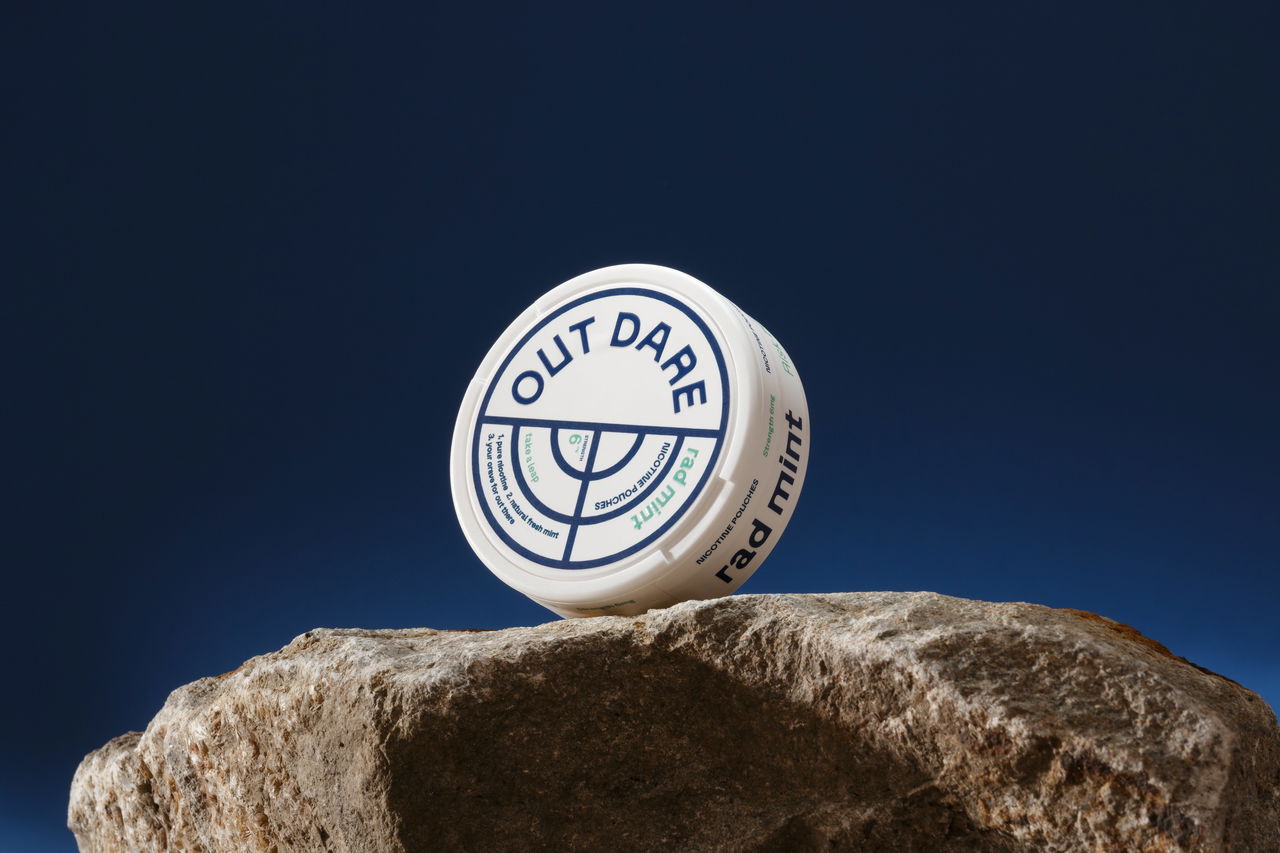
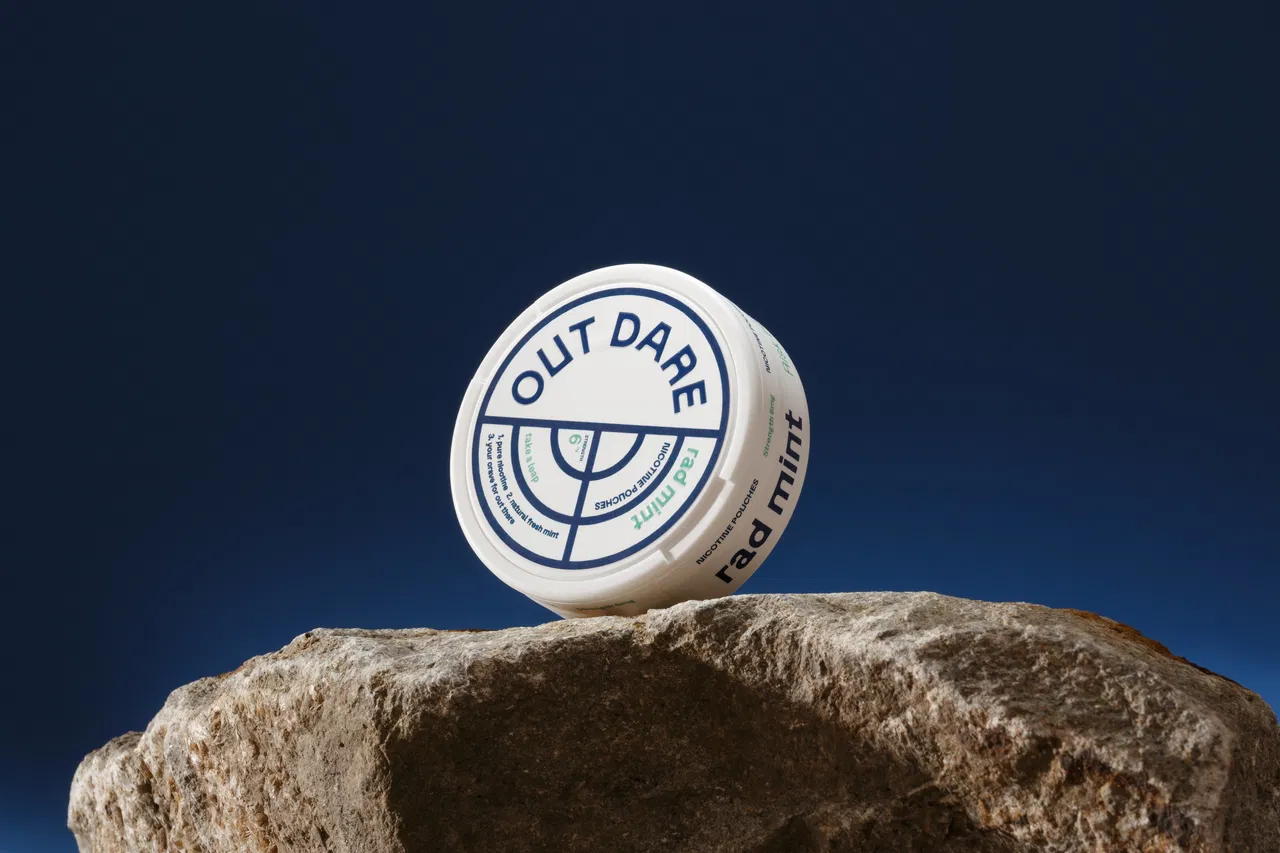
Outdare LTD was built specifically to solve this problem — by a founder who spent ten years on nicotine pouches and experienced every side effect on this list firsthand. The three-pouch system (Clean Nicotine, Energy, CBD) shares the exact same mint taste, mouthfeel, and gum burn, so your brain stays satisfied while you quietly take back control. If you're ready to stop letting the pouch choose for you, that's where to start.
Recommended Articles
Explore more from our content library: