




Caffeine Pouches for Focus: Do They Actually Work?
| Key Insight | Explanation |
|---|---|
| Caffeine pouches deliver faster than coffee | Buccal absorption through the gum tissue bypasses digestion, getting caffeine into your bloodstream in minutes rather than 20-45 minutes via a drink. |
| Nootropic stacking amplifies focus | Pairing caffeine with L-Theanine, Alpha-GPC, or citicoline smooths the stimulant curve and adds cognitive clarity that caffeine alone can't deliver. |
| No nicotine required for the ritual | The physical habit — the pillow under the lip, the mint burn — is 60% of what pouch users are actually addicted to. Energy pouches satisfy that without chemical dependency. |
| Dose matters more than format | Most focus-oriented caffeine pouches deliver 30-80mg per pouch. Staying in the 50-80mg range tends to optimize alertness without triggering anxiety or a post-peak crash. |
| They're a legitimate nicotine exit tool | For nicotine pouch users, swapping one or two daily pouches for an energy variant keeps the ritual intact while cutting chemical dependency — the core of Outdare's 4-week method. |
| Quality and safety vary widely | Not all caffeine pouches are created equal. Ingredient transparency, manufacturing standards, and third-party testing separate credible products from sketchy ones. |
Caffeine pouches for focus are small, tobacco-free oral pouches placed under the lip that deliver caffeine (and often nootropics) directly through the gum tissue, producing faster, cleaner mental stimulation than coffee or energy drinks. They contain no tobacco, no smoke, and no sugar. They're discreet, portable, and increasingly popular among professionals, students, and athletes who want a sharper edge without the ritual of brewing anything or cracking open a can.
Here's the honest picture. Most people reaching for a caffeine pouch are already pouch users — nicotine pouch users, specifically — who've started to notice that their "focus tool" has become a dependency. Brain fog by afternoon. Energy crashes. Receding gums. A can a day before they even realized it. Caffeine pouches offer something different: the same ritual, the same burn, the same mouthfeel — but with a functional ingredient that doesn't hook you chemically the way nicotine does.
This article covers exactly how caffeine pouches work, what the research says about their focus benefits, what to look for in a quality product, and how to use them strategically — whether you're a productivity-focused professional, a current nicotine user looking to reduce, or simply curious about what the category actually delivers.
What Are Caffeine Pouches for Focus?
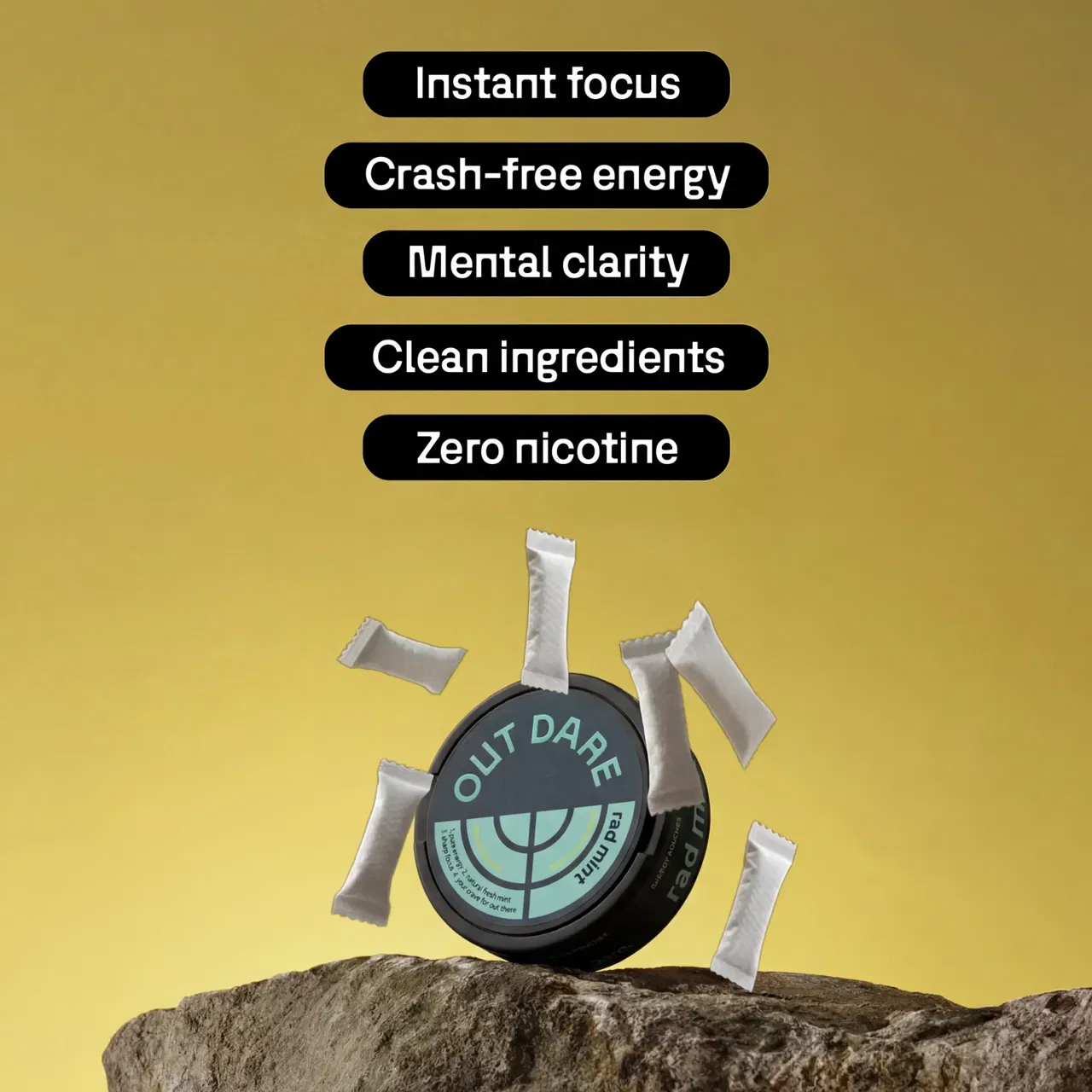
Caffeine pouches for focus are tobacco-free oral pouches that deliver caffeine (typically 30-80mg per pouch) via buccal absorption — meaning through the soft tissue of the gum — often combined with nootropics like L-Theanine, Alpha-GPC, or citicoline to enhance cognitive performance without jitteriness or crash.
The Basic Format
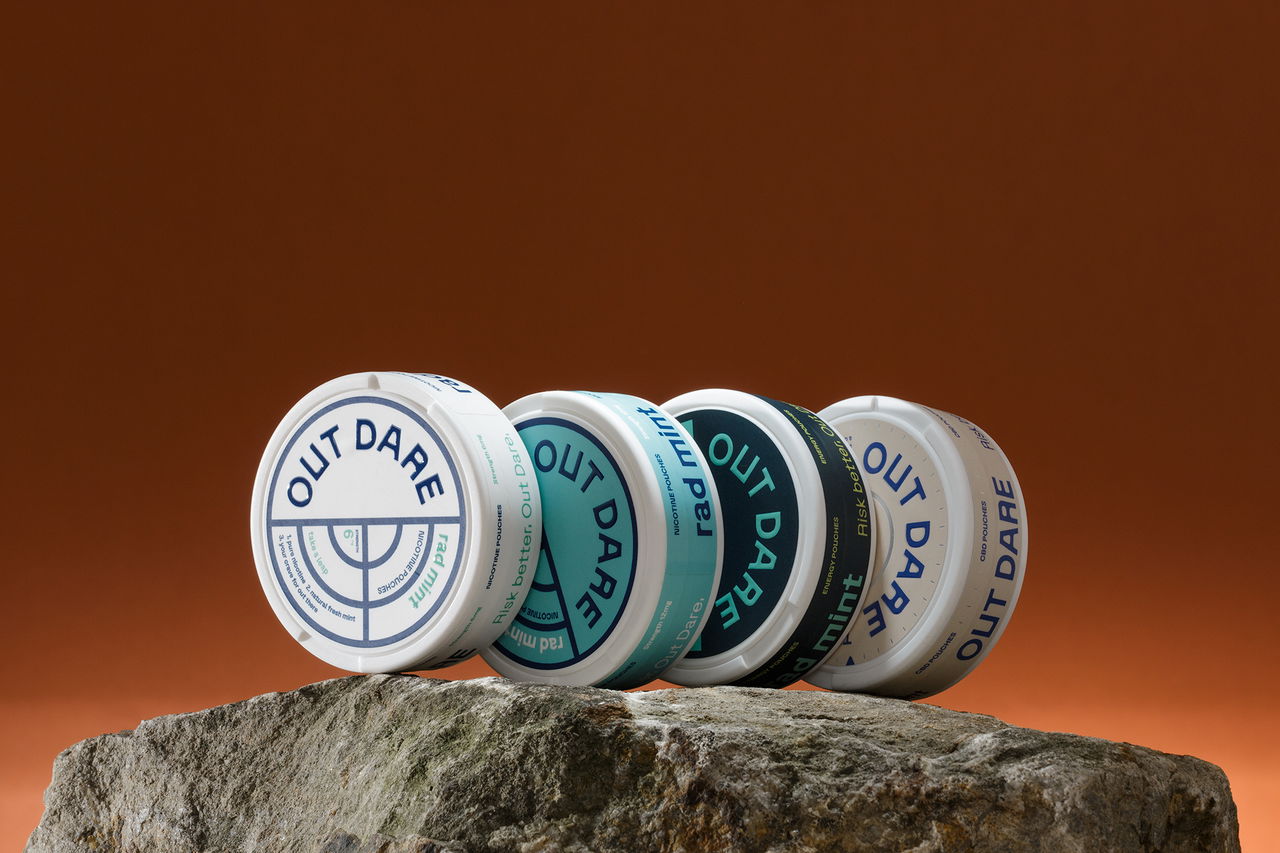
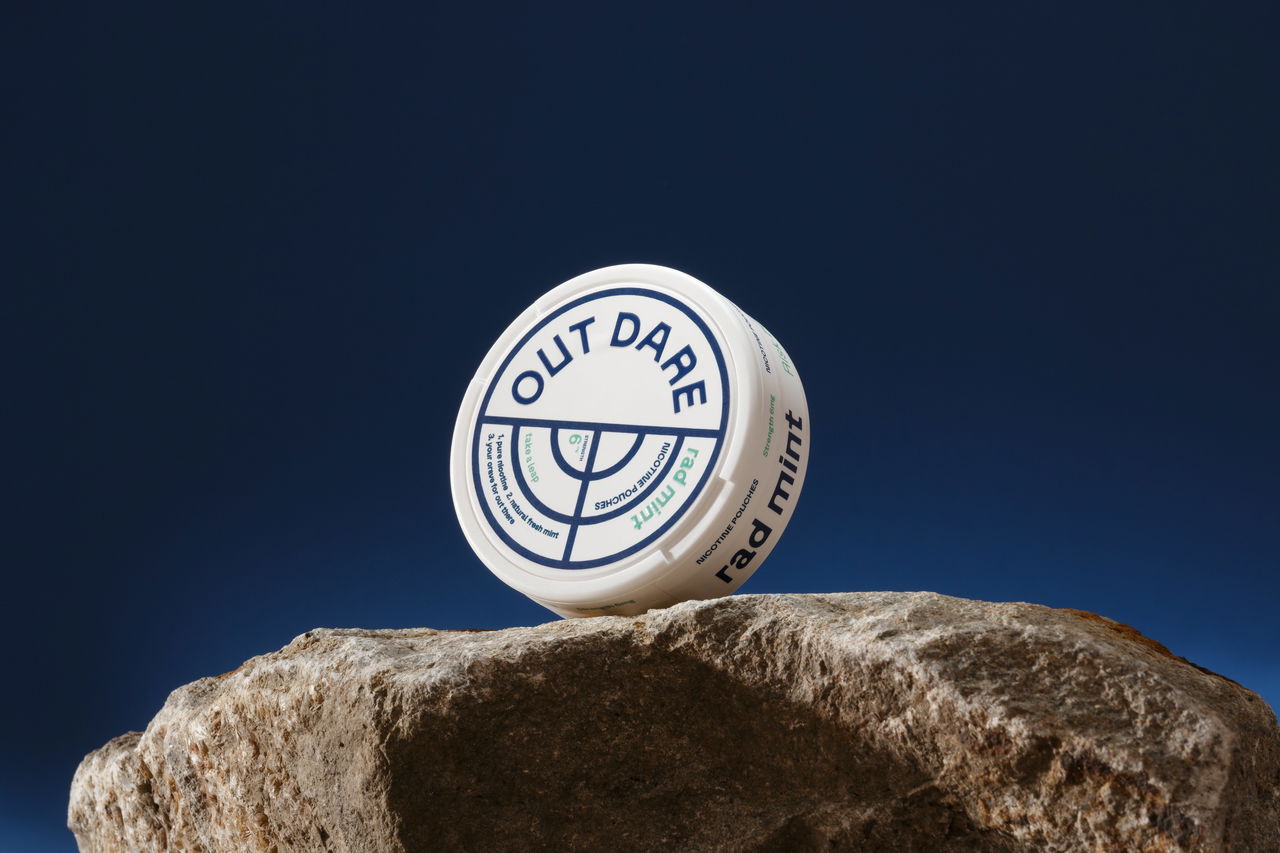
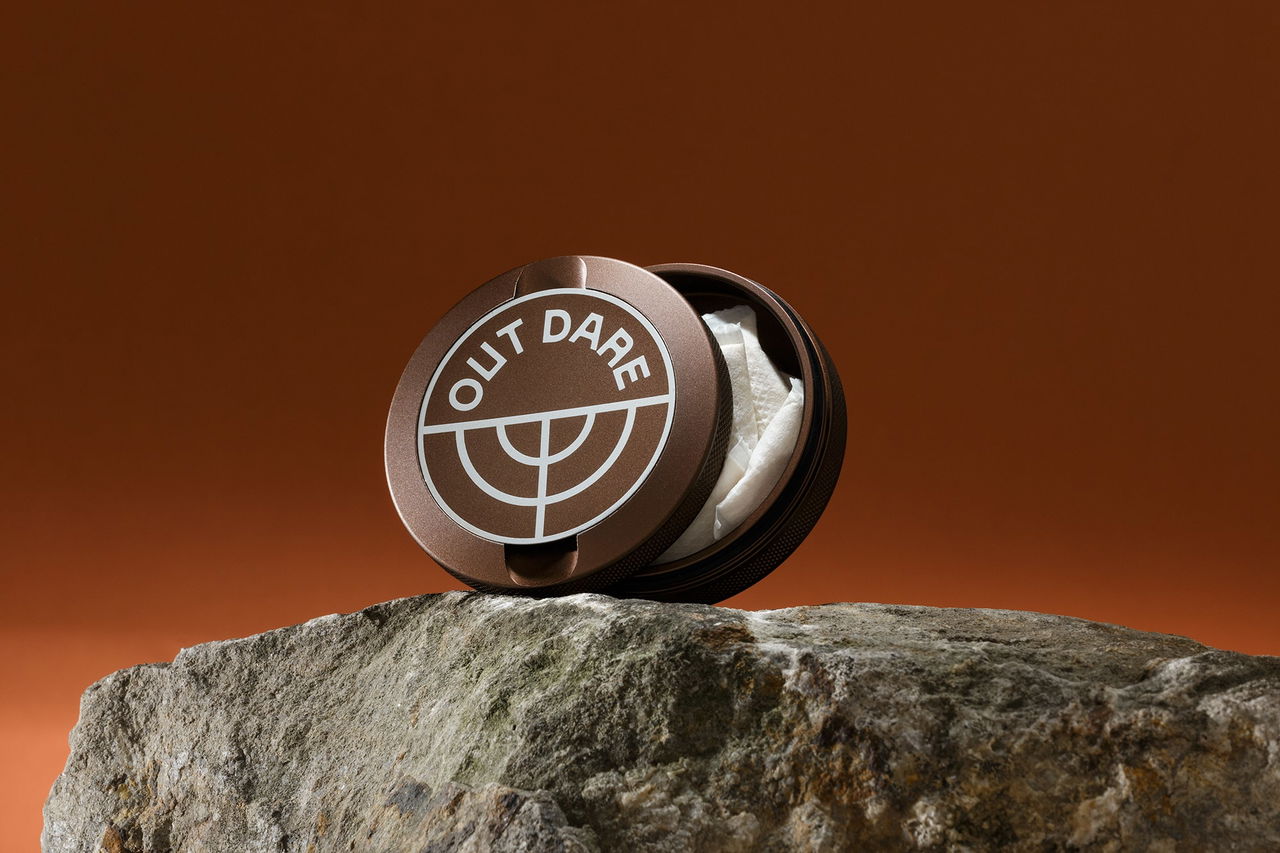
The physical format is identical to a nicotine pouch. A small, soft sachet — about the size of a large postage stamp — sits comfortably between your upper lip and gum. You don't chew it. You don't swallow it. You just let it sit there for 20-40 minutes while the active ingredients absorb.
The category has grown sharply in 2024-2026 as consumers look for alternatives to energy drinks and coffee that don't involve liquid, sugar, or the social awkwardness of pulling out a thermos in a meeting. According to Ashley Addiction Treatment, users commonly reach for them during long study sessions, focus-demanding work blocks, and athletic performance [1].
How They Differ From Nicotine Pouches
The critical difference is the active ingredient. Nicotine pouches deliver nicotine — a stimulant, yes, but also a highly addictive compound that creates chemical dependency with regular use. Caffeine pouches deliver caffeine, which carries a much lower dependency profile and no tobacco-related health risks.
- Nicotine pouches: stimulant effect, high addiction potential, gum recession risk with heavy use
- Caffeine pouches: stimulant effect, low addiction potential, no tobacco or nicotine content
- Nootropic pouches: cognitive enhancement focus, often caffeine-free or caffeine-light, paired with compounds like Alpha-GPC or L-Theanine
For nicotine pouch users specifically, this distinction matters enormously. The ritual — the pillow sensation under the lip, the mint burn, the act of placing the pouch — accounts for roughly 60% of the addiction experience, according to Outdare's 30/30/30 Addiction Rule framework. Switching to a caffeine pouch preserves that 60% entirely while removing the chemical dependency driver.
Pro Tip: If you're currently using nicotine pouches and want to test caffeine pouches, start by replacing just one pouch per day — ideally the mid-morning one when you reach for focus rather than craving relief. Your brain won't notice the swap if the taste and burn are identical.
How Caffeine Pouches Work for Focus
Caffeine pouches work by absorbing caffeine through the buccal mucosa (the soft tissue lining of the cheek and gum), which delivers the compound into the bloodstream significantly faster than oral ingestion through the digestive system.
The Absorption Mechanism
When you drink coffee, caffeine has to travel through your stomach and small intestine before it reaches your bloodstream. That process takes 20-45 minutes. With a pouch, the caffeine diffuses directly through the thin mucosal tissue into the capillary network underneath. Onset is typically 5-15 minutes for most users.
This faster absorption curve matters for focus work. You're not waiting half an hour for a cognitive effect — you place the pouch, open your laptop, and the sharpening starts almost immediately. According to BSCG's analysis of nootropic pouches, buccal delivery also tends to produce a smoother concentration curve than drinking caffeine, which can spike blood levels more abruptly [2].
The Nootropic Stack: What Actually Drives Focus
Caffeine alone is a blunt instrument. It blocks adenosine receptors (the receptors that signal tiredness to your brain), which increases alertness. But it doesn't inherently improve working memory, attention switching, or the kind of deep focus needed for complex cognitive tasks.
That's where the nootropic stack comes in. The most common pairings found in quality caffeine pouches as of 2026 include:
- L-Theanine: An amino acid found in green tea that promotes alpha brainwave activity — the mental state associated with relaxed alertness. Paired with caffeine, it reduces jitteriness and extends the focus window.
- Alpha-GPC: A choline precursor that supports acetylcholine production, the neurotransmitter central to attention and memory encoding. Products like Grinds Focus Pouches use 40mg Alpha-GPC per pouch [3].
- Citicoline (Cognizin®): A bioavailable form of choline with research support for attention and cognitive endurance. Nectr Energy pairs 30mg caffeine with 62.5mg of Cognizin® per pouch [4].
- L-Tyrosine: A precursor to dopamine and norepinephrine that supports sustained focus under stress or fatigue.
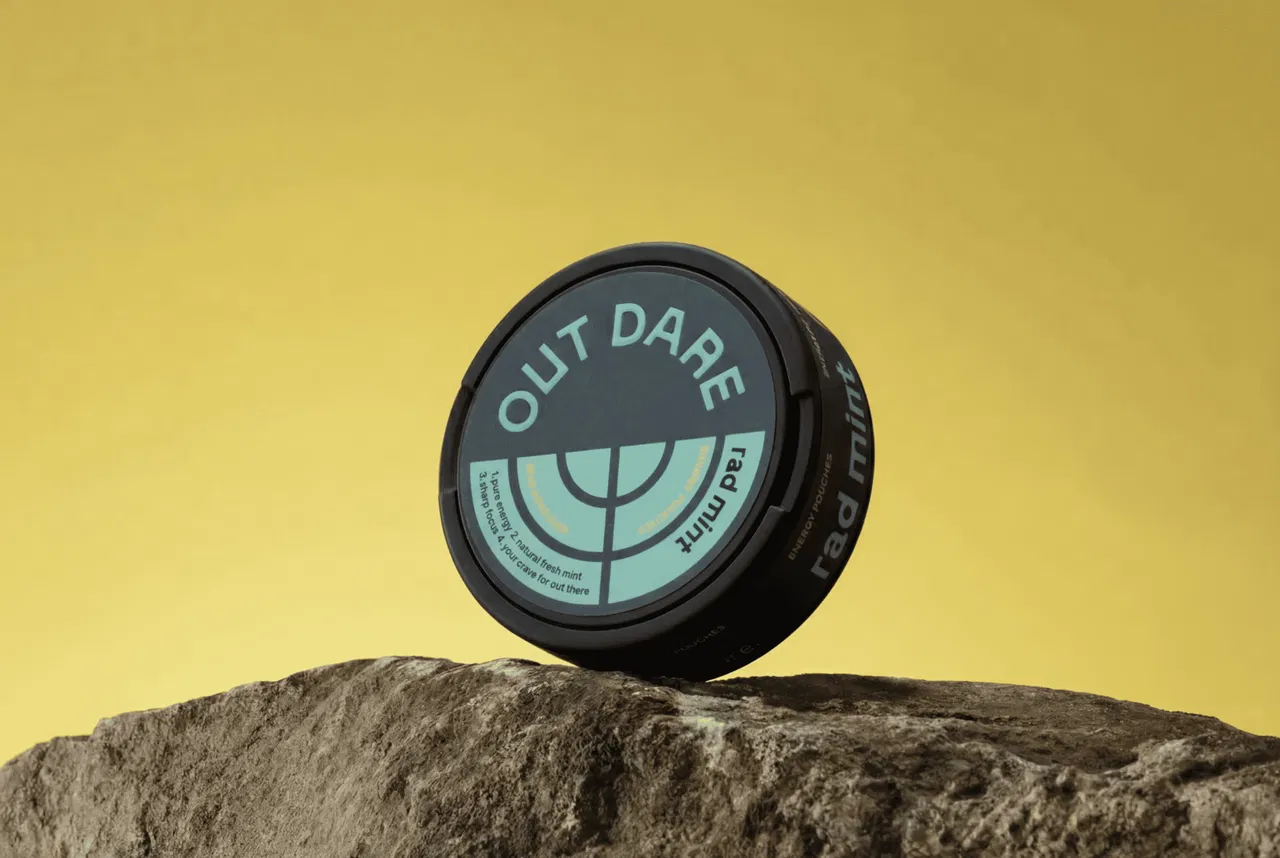
At Outdare LTD, we've found that the 50mg caffeine dose in our Energy Pouch sits in the sweet spot for most users — enough to produce measurable alertness without triggering the anxiety spike that comes with higher doses. Combined with the sensory ritual of the pouch itself, the cognitive effect is clean and controllable.
Key Benefits of Caffeine Pouches for Focus in 2026
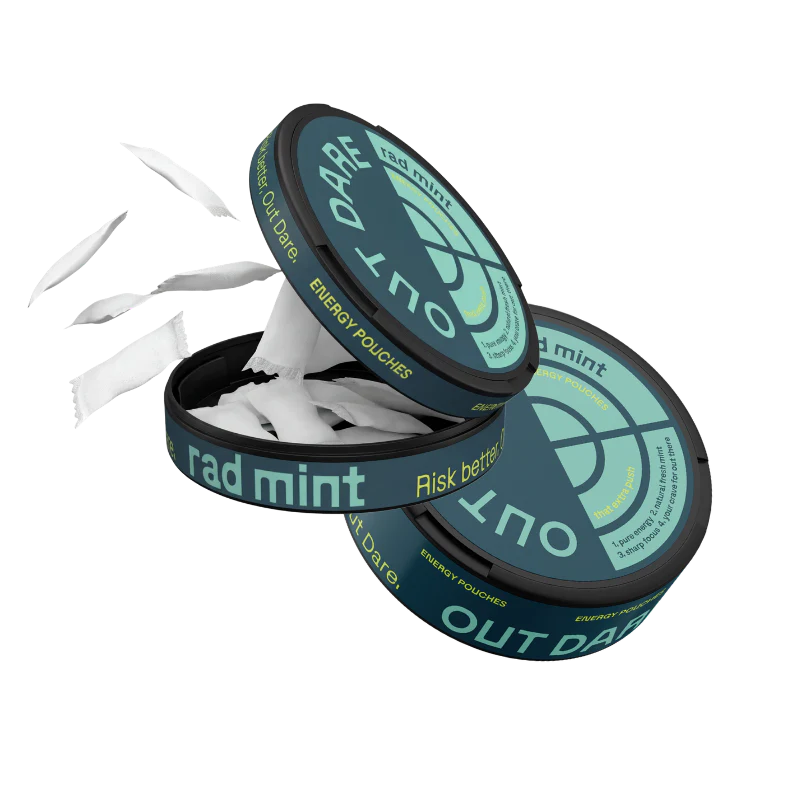
Caffeine pouches for focus offer several practical advantages over traditional stimulant formats — particularly for users who need clean, discreet, fast-acting cognitive support without the downsides of coffee, energy drinks, or nicotine.
Performance and Productivity Benefits
The primary appeal is speed and precision. You get a targeted dose of caffeine delivered fast, without the preparation time, the liquid volume, the sugar, or the smell. For deep work sessions, this matters.
- Faster onset: 5-15 minutes vs. 20-45 minutes for coffee [2]
- Controlled dosing: Each pouch contains a fixed caffeine amount — no guessing how strong your brew is
- Zero crash (at appropriate doses): The 50mg range avoids the sharp blood-level drop that follows high-caffeine energy drinks
- Discreet and portable: No cup, no bottle, no smell — use it in a meeting, on a flight, or mid-workout
- No sugar or artificial sweeteners: Quality formulas use xylitol-based bases that are tooth-friendly and metabolically neutral
A review in Men's Health noted that energy pouches with combined caffeine, taurine, and B-vitamins produced measurable improvements in alertness during extended testing periods [5]. The format's convenience was cited as a significant factor in sustained use.
Benefits for Nicotine Pouch Users Specifically
This is where caffeine pouches for focus have an underappreciated advantage. For someone currently using nicotine pouches — burning through a can a day, spending €200+ per month, dealing with the 3pm energy crash — switching some of those pouches to a caffeine variant isn't just a focus upgrade. It's a harm-reduction strategy.
| Factor | Nicotine Pouches | Caffeine Energy Pouches |
|---|---|---|
| Addiction potential | High (chemical dependency) | Low (mild habituation) |
| Focus effect | Yes (stimulant) | Yes (stimulant + nootropics) |
| Ritual satisfaction | Full | Full (identical mouthfeel) |
| Gum recession risk | Yes (with heavy use) | Minimal |
| Monthly cost (heavy user) | €150-400 | Significantly lower |
| Tobacco content | None (modern pouches) | None |
According to the New York Center for Living, the brain's tendency to link a physical ritual with a cognitive reward is a key mechanism in habitual stimulant use — which is precisely why maintaining the ritual while changing the active ingredient is such an effective behavioral strategy [6].
Common Mistakes and Challenges
Caffeine pouches for focus don't work well when used carelessly. The format is simple, but the way you use it determines whether you get clean, sustained focus or a jittery spike followed by a slump.
Dosing and Timing Errors
The most common mistake is treating caffeine pouches like nicotine pouches in terms of frequency. With nicotine, the craving drives the timing. With caffeine, you need to be intentional — your body has a natural adenosine cycle that caffeine interrupts, and disrupting it too often or too late in the day creates more problems than it solves.
- Using them too late: Caffeine has a half-life of approximately 5-6 hours. A pouch at 4pm means measurable caffeine in your system at 10pm, which disrupts sleep quality even if you don't feel wired.
- Stacking too many pouches: More isn't better. Two 50mg pouches back-to-back is 100mg of caffeine absorbed faster than your system expects — anxiety, elevated heart rate, and a harder crash follow.
- Ignoring the nootropic quality: Not all caffeine pouches are formulated equally. Some contain only caffeine with no supporting compounds, which delivers a blunter, shorter effect. As BSCG notes, caffeine-only products support alertness but lack the cognitive depth that a proper nootropic stack provides [2].
Product Quality Pitfalls
A common mistake in this category is buying based on price or packaging alone. The caffeine pouch market as of 2026 includes products ranging from rigorously formulated, third-party tested options to poorly dosed, unlabeled products with no transparency on sourcing.
- Check for declared caffeine content per pouch — if it's not listed, don't buy it
- Look for European manufacturing if you're buying in the EU, where ingredient standards are stricter
- Avoid products with artificial sweeteners like aspartame or acesulfame-K if gut sensitivity is a concern
- Xylitol-based formulas are preferable — they're tooth-friendly and don't cause insulin spikes
Pro Tip: If you're transitioning from nicotine pouches, don't try to replace all of them with caffeine pouches immediately. Start with a 1-for-1 swap on your most "habit-driven" pouches — the ones you reach for out of routine, not out of craving. That's where caffeine pouches win cleanly.
One consumer health practitioner working with habitual pouch users noted that the biggest challenge isn't the caffeine itself — it's the expectation mismatch. Users expect the same sharp nicotine hit and feel disappointed when caffeine delivers something more diffuse and cognitive. The fix is reframing: caffeine pouches aren't a nicotine substitute. They're a focus tool that happens to use the same delivery format.
Best Practices for Using Caffeine Pouches for Focus in 2026
Getting the most from caffeine pouches for focus comes down to timing, stacking strategy, and integrating them into a deliberate daily routine rather than using them reactively.
A Strategic Daily Framework
The most effective approach treats caffeine pouches as scheduled cognitive tools, not on-demand stimulants. Here's a practical framework:
- Morning anchor (9-10am): Use one pouch 15-20 minutes before your first deep work block. Let it absorb fully before you start — don't place it and immediately open a distracting app.
- Midday top-up (12-1pm): Optional second pouch before an afternoon focus session. Pair with a meal to slow absorption slightly and extend the effect window.
- Hard cutoff at 2pm: No caffeine pouches after early afternoon. Protect your sleep — it's the single biggest factor in next-day cognitive performance.
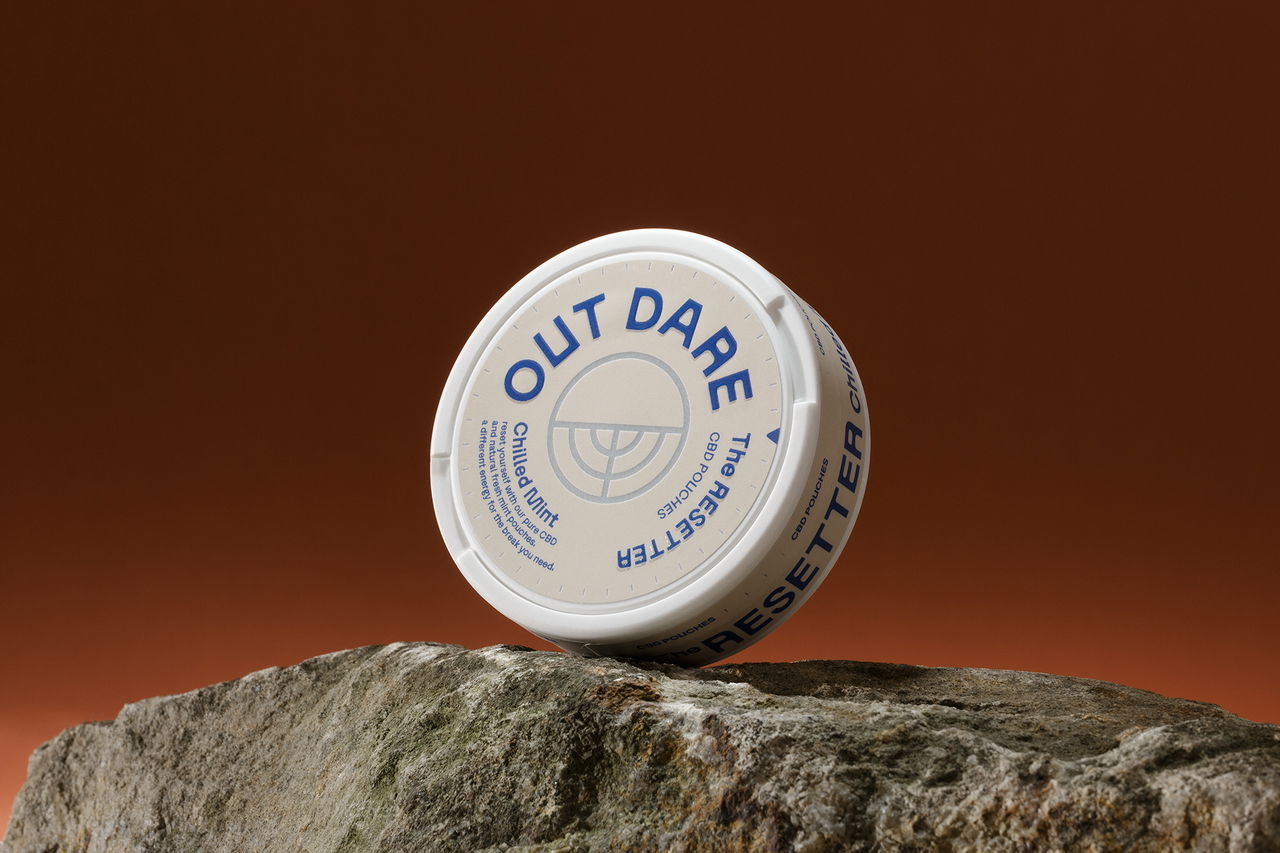
- Evening wind-down: If you're a pouch user who needs something for the evening ritual, this is where a CBD pouch replaces the caffeine variant entirely. Same format, zero stimulant, genuine relaxation support.
Ingredient Combinations That Work
Industry analysts and product formulators consistently point to a few combinations that outperform caffeine alone for sustained focus:
- Caffeine + L-Theanine (2:1 ratio): The most studied nootropic pairing. 50mg caffeine with 100mg L-Theanine produces alertness without the edge. This is the gold standard for focus-without-anxiety.
- Caffeine + Alpha-GPC: Best for tasks requiring working memory and attention switching — coding, writing, detailed analysis.
- Caffeine + Citicoline: Research-backed for cognitive endurance. Useful for long sessions where you need sustained attention, not just an initial spike.
Products like NZE Caffeine Nootropic Pouches combine 50mg caffeine with L-Theanine, Alpha-GPC, and L-Tyrosine in a single pouch [7], while Xendurance Focus Pouches use a lighter 30mg caffeine dose to target alertness without overstimulation [8].
Pro Tip: Track your focus sessions for one week using a simple 1-10 self-rating at the end of each deep work block. Note which pouch you used, when, and what you ate beforehand. Most users find a clear pattern within 5-7 days that lets them dial in their optimal timing and dose.
Our team at Outdare LTD recommends thinking of the Energy Pouch not as a replacement for your morning coffee, but as a precision instrument for specific 90-minute focus blocks. The 50mg caffeine dose is calibrated for that window — enough to sharpen attention, not enough to spike anxiety or disrupt your afternoon sleep pressure.
Sources & References
- Ashley Addiction Treatment, "What Are Caffeine Pouches?", 2024
- BSCG, "Use, Ingredients, Safety of Nootropic Pouches Explained", 2024
- Grinds, "Focus Nootropic Pouches — Blue Raspberry", 2025
- Nectr Energy, "Focus Pouches — Nootropic + Cognizin®", 2025
- Men's Health, "Some Energy Pouches Are Sketchy. But These Three Actually Work.", 2024
- New York Center For Living, "Caffeine Pouches on the Rise", 2024
- Amazon, "NZE Caffeine Nootropic Pouches (Variety Pack)", 2025
- Xendurance, "Focus Pouches", 2025
Frequently Asked Questions
1. Do caffeine pouches help focus?
Yes, caffeine pouches for focus work by delivering caffeine through the gum tissue directly into the bloodstream, producing faster onset than coffee (typically 5-15 minutes). When combined with nootropics like L-Theanine or Alpha-GPC, they don't just increase alertness — they support working memory, reduce mental fatigue, and extend the quality of a focus session without the jitteriness associated with high-dose caffeine drinks. Results depend on the specific formulation, your caffeine tolerance, and timing.
2. How much caffeine is in a focus pouch?
Most caffeine pouches on the market in 2026 contain between 30mg and 80mg of caffeine per pouch. Lighter options like Xendurance's Focus Pouch use 30mg for gentle alertness. Mid-range products like Outdare's Energy Pouch use 50mg — roughly half a strong espresso — which sits in the optimal zone for focus without anxiety. Higher-dose products (80mg+) are available but carry a greater risk of overstimulation, particularly for caffeine-sensitive users.
3. Are caffeine pouches safer than nicotine pouches?
From a dependency standpoint, caffeine pouches carry significantly lower risk than nicotine pouches. Nicotine is a highly addictive compound that creates chemical dependency with regular use, while caffeine has a much milder habituation profile and no tobacco-related health risks. That said, excessive caffeine intake from any source — pouches included — can cause elevated heart rate, anxiety, and sleep disruption. For nicotine pouch users, switching some daily pouches to caffeine variants is a meaningful harm-reduction step.
4. Can caffeine pouches help me quit nicotine pouches?
They can be a highly effective part of a structured reduction plan. The key insight from Outdare's 30/30/30 Addiction Rule is that 60% of pouch addiction is driven by the physical habit and sensory ritual — not the nicotine itself. Caffeine pouches that share the same mouthfeel, mint flavor, and gum burn as nicotine pouches satisfy that 60%, making it much easier to reduce nicotine intake gradually without feeling deprived. Most users following a structured swap method reduce nicotine intake by 60-90% within the first month.
5. What nootropics are typically in caffeine focus pouches?
The most common nootropics paired with caffeine in focus pouches include L-Theanine (for calm alertness and reduced jitter), Alpha-GPC (for working memory and attention), L-Tyrosine (for focus under stress), and citicoline or Cognizin® (for cognitive endurance). Not all products include all of these — check the label carefully. A well-formulated pouch will list exact milligram amounts for each ingredient, not just vague "proprietary blend" language.
6. When is the best time to use a caffeine pouch for focus?
The optimal window is 15-20 minutes before a planned deep work session, typically between 9am and 1pm. Using caffeine pouches too early (before your cortisol peak at 8-9am) wastes the effect. Using them after 2pm risks disrupting sleep quality, which undermines next-day cognitive performance. The sweet spot for most users is one pouch mid-morning and an optional second pouch before a post-lunch focus block, with a hard cutoff in early afternoon.
Conclusion
Caffeine pouches for focus are one of the most practical cognitive tools available in 2026 — discreet, fast-acting, precisely dosed, and genuinely effective when formulated well. For productivity-focused professionals and athletes, they offer something coffee and energy drinks simply can't: a clean, portable, no-liquid, no-sugar stimulant that fits into any context without disruption.
For nicotine pouch users, the case is even stronger. The ritual isn't the problem. The chemical is. Caffeine pouches that replicate the exact same sensory experience — the burn, the pillow, the mint — let you keep the habit intact while quietly reducing the dependency. That's not a compromise. That's the smarter risk.
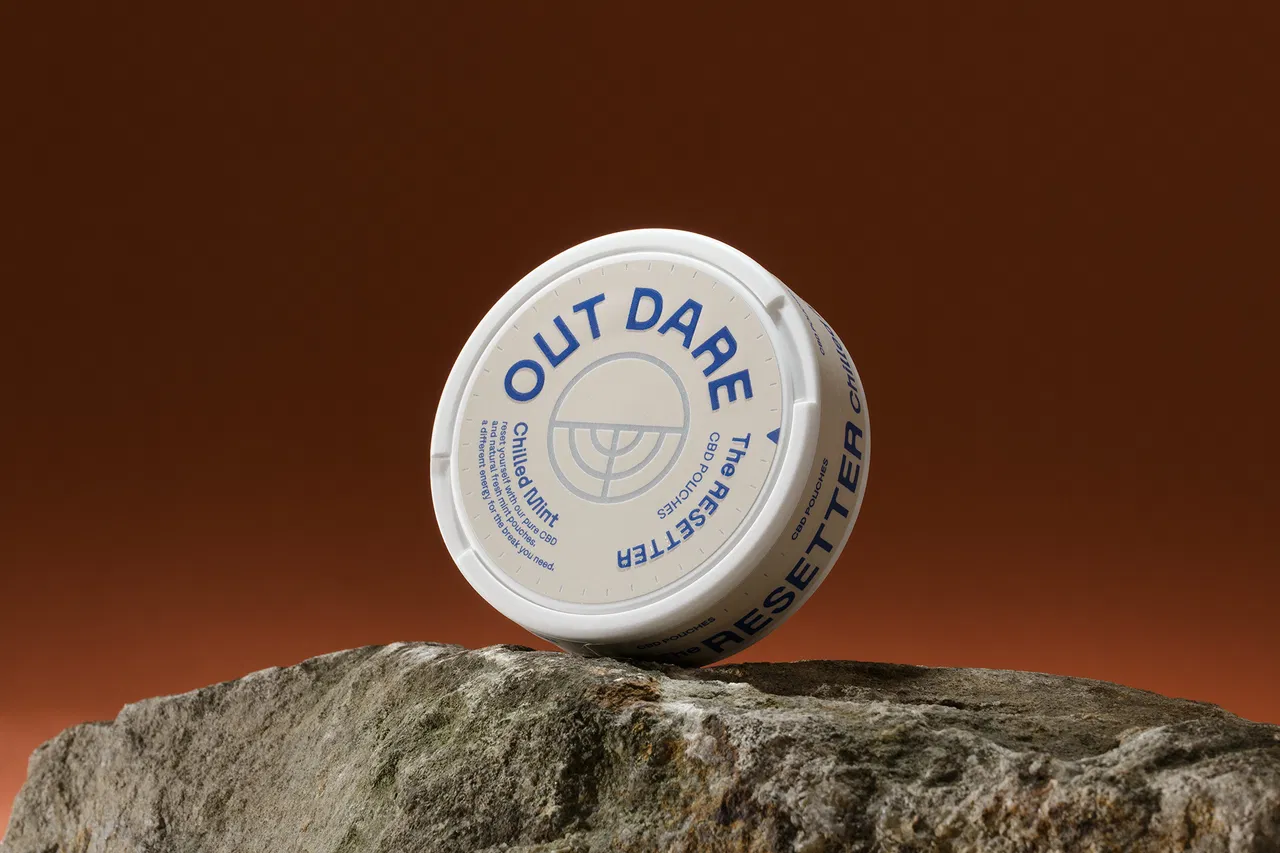
Outdare LTD built its Energy Pouch specifically around this insight: 50mg of caffeine paired with nootropics, in a formula that's sensorially indistinguishable from a nicotine pouch. Same taste. Same burn. Same ritual. Different outcome. If you're ready to stop burning through €200 a month on something that's working against you, caffeine pouches for focus are where the switch starts.
Note: This article covers the use of caffeine pouches in adult consumers. It does not address medical treatment for nicotine addiction, which should be discussed with a qualified healthcare professional. Individual results vary based on caffeine tolerance, health status, and usage patterns.
Recommended Articles
Explore more from our content library: