




Energy Pouches for Focus: The Complete 2026 Guide
| Key Insight | Explanation |
|---|---|
| Energy pouches deliver focus via buccal absorption | Active ingredients like caffeine and L-Theanine absorb through the gum tissue, bypassing the digestive system for faster onset than capsules or drinks. |
| Nootropics amplify the effect without jitters | Compounds like Alpha-GPC and L-Tyrosine work alongside caffeine to sharpen focus and support dopamine pathways — without the spike-and-crash of energy drinks. |
| They're a genuine nicotine alternative | For people using nicotine pouches for the "edge," energy pouches replicate the ritual and the burn without chemical dependency. |
| The 30/30/30 Rule explains why they work | Only 30% of pouch addiction is chemical. The other 60% is habit and sensory cue — which energy pouches satisfy completely. |
| Clean formulas beat energy drinks on portability | No liquid, no sugar, no smell. Energy pouches are discreet, portable, and zero-waste — ideal for deep work, meetings, or training. |
| Not all energy pouches are equal | Formula quality, ingredient transparency, and caffeine dose vary widely. Knowing what to look for separates effective products from gimmicks. |
Energy pouches for focus are tobacco-free, nicotine-free oral pouches containing caffeine and nootropics — compounds that support cognitive performance. You place one under your lip, and the active ingredients absorb directly through the gum tissue. No liquid, no smoke, no sugar crash.
Here's the problem with how most people get their focus fix. Coffee spills. Energy drinks are loaded with sugar and make your hands shake. Nicotine pouches work, but they come with a dependency you didn't sign up for. And by 3pm, the crash hits harder than the focus ever did.
Energy pouches for focus solve that. They give you the cognitive edge — clean, portable, discreet — without feeding a chemical habit. This guide covers exactly how they work, what ingredients actually matter, who they're for, and what to avoid when buying them as of 2026.
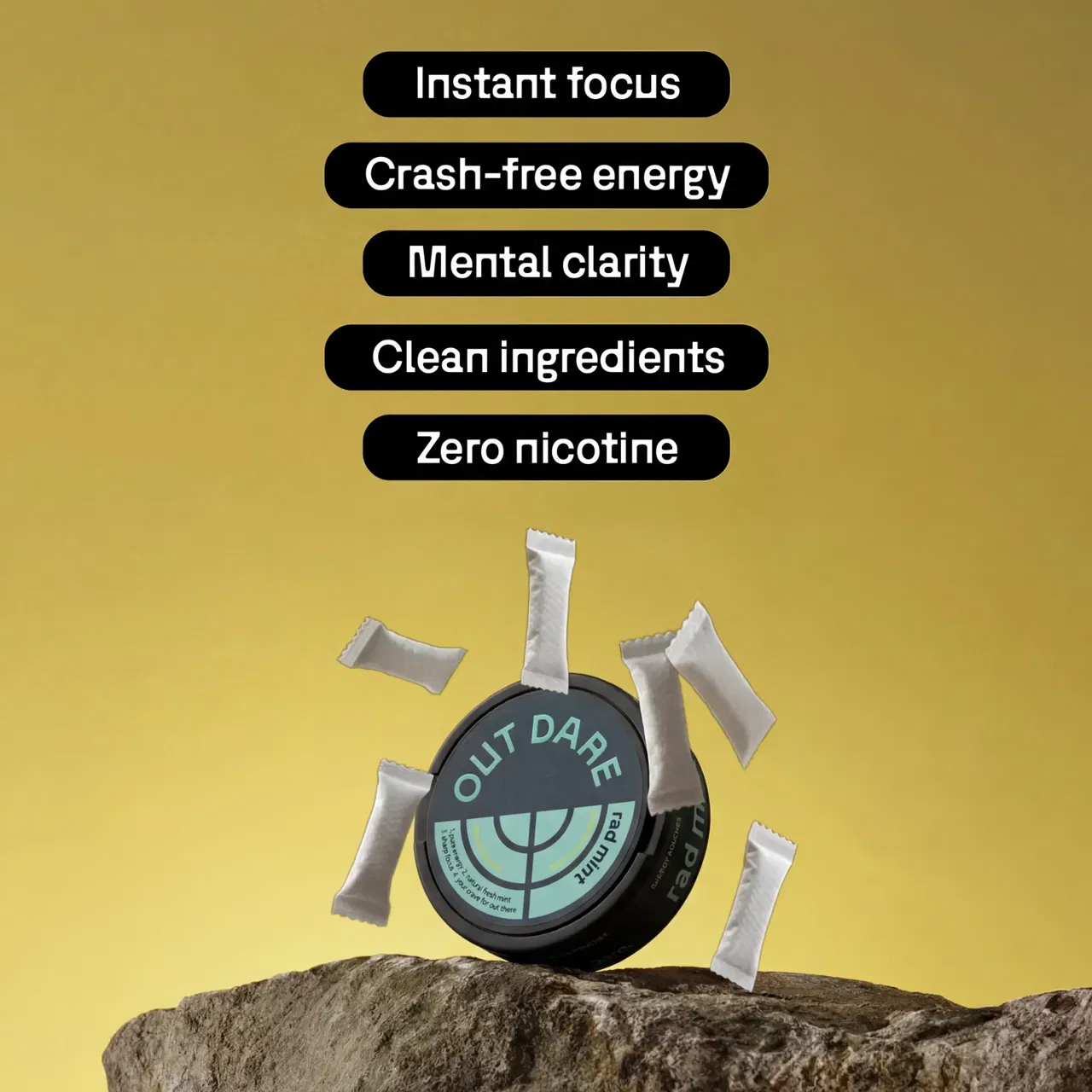
What Are Energy Pouches for Focus?
Energy pouches for focus are small, tobacco-free oral pouches that deliver caffeine and cognitive-support compounds through the gum lining, designed to sharpen mental clarity without nicotine or stimulant drinks.
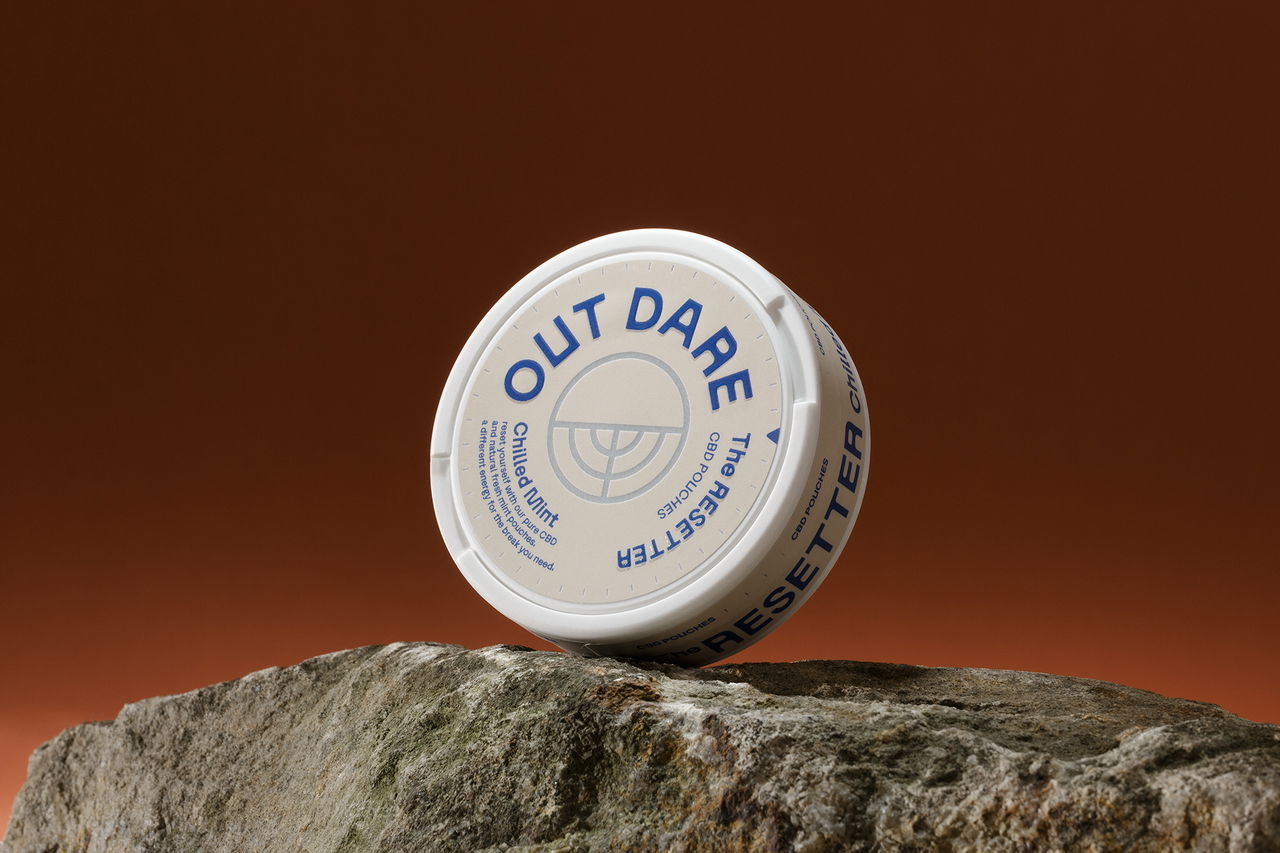
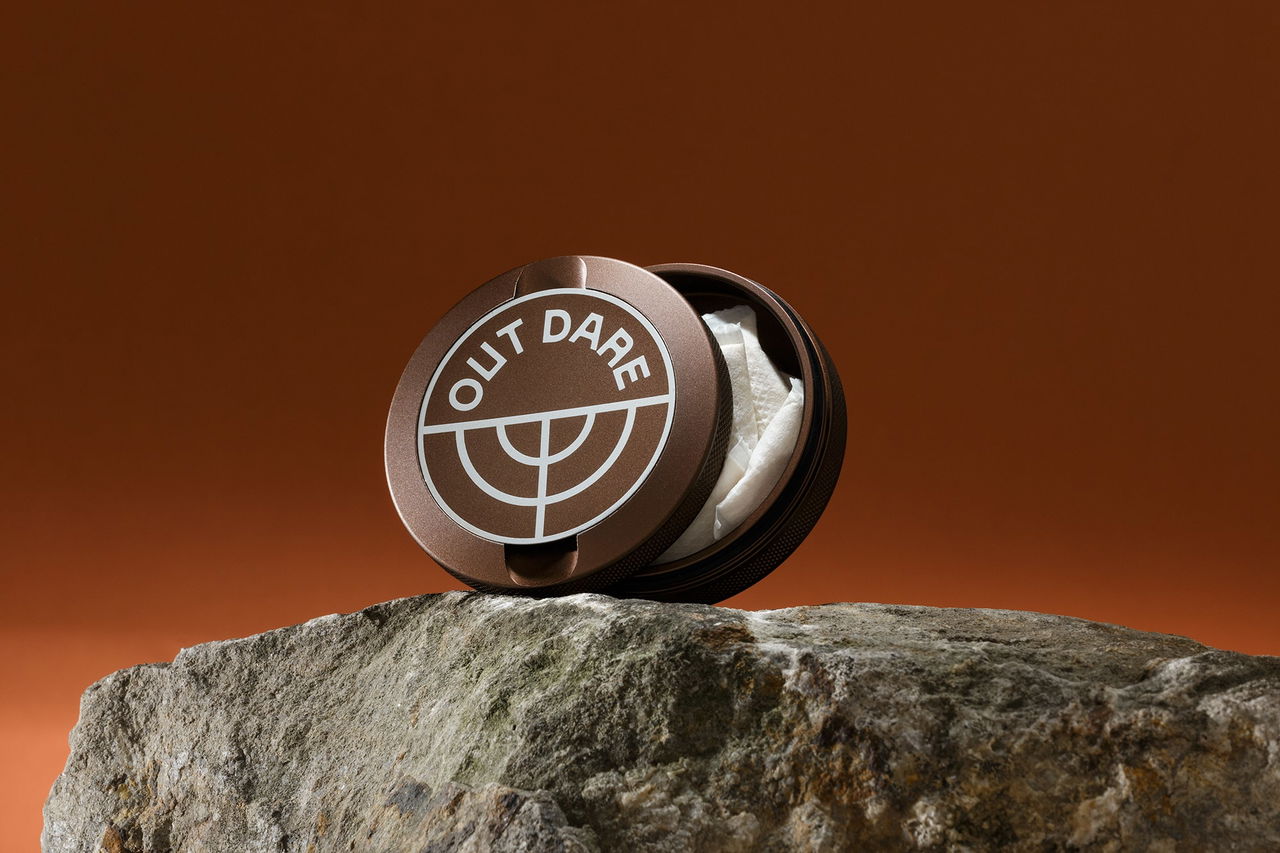
The format is borrowed from the nicotine pouch world — same white sachet, same under-lip placement, same gum tingle. But instead of nicotine, the active payload is a blend of caffeine, nootropics (cognitive-support compounds), and sometimes adaptogens. You get the ritual. You skip the dependency.
The Nootropic Ingredient Stack Explained
Nootropics (cognitive-enhancement compounds that support focus, memory, or mental clarity without harsh stimulation) are what separate a real energy pouch from a glorified caffeine tablet. The most evidence-backed ingredients you'll find in quality formulas include:
- Caffeine (40-80mg per pouch): The primary stimulant. Blocks adenosine receptors in the brain to reduce perceived fatigue and increase alertness [1].
- L-Theanine: An amino acid found in green tea that smooths out caffeine's edge. The caffeine + L-Theanine stack is one of the most studied combinations for sustained focus without jitters [2].
- Alpha-GPC: A choline precursor that supports acetylcholine production — the neurotransmitter most directly tied to learning and working memory [3].
- L-Tyrosine: An amino acid that supports dopamine and norepinephrine synthesis, particularly useful under stress or cognitive load [3].
- Vitamin B-complex: Supports neurological energy metabolism, often included to round out the formula.
According to BSCG's analysis of nootropic pouches, the buccal absorption route (through the gum tissue) offers faster bioavailability than oral ingestion for many of these compounds — which is a meaningful advantage over capsules or drinks [1].
Who They're Actually For
The audience for energy pouches for focus has expanded significantly in 2026. In practice, three groups use them most:
- Productivity-obsessed professionals who track their cognitive output, already use caffeine strategically, and want a cleaner, more portable option than a pre-workout or espresso shot.
- Nicotine pouch users trying to quit who need something that replicates the ritual, the burn, and the "edge" — without feeding the chemical dependency.
- Athletes and active males 20-35 who want a clean pre-training focus boost with no sugar, no liquid, and no artificial junk on the label.
The category sits at the intersection of harm reduction and performance optimization — and that's exactly what makes it interesting.
How Energy Pouches for Focus Work
Energy pouches for focus work through buccal absorption: ingredients pass through the mucous membrane under your lip directly into the bloodstream, bypassing the digestive system for faster onset than pills or drinks.
Place the pouch under your lip. Within 5-10 minutes, you'll feel the gum tingle — that's the formula activating. Active compounds begin absorbing almost immediately. Most users report a noticeable shift in alertness within 10-15 minutes, with peak effect around 20-30 minutes in.
The Absorption Advantage Over Drinks and Pills
This is the part most people don't realize. When you drink a coffee or take a caffeine capsule, it has to clear your stomach, enter your small intestine, and then absorb into the bloodstream. That process takes 30-60 minutes and is affected by what you ate, your gut health, and your metabolism.
Buccal absorption skips all of that. The gum lining is highly vascularized — rich in blood vessels — so compounds cross directly into circulation. Research reviewed by FlowBlend notes that this delivery method can meaningfully shorten onset time for caffeine and related compounds compared to oral ingestion [4].
The practical result: you get your focus faster, with more predictable timing, and without needing to be near a kitchen or a blender.
The 30/30/30 Rule: Why the Ritual Matters as Much as the Chemistry
At Outdare LTD, we've found that the ritual of placing a pouch is itself a powerful cognitive cue — and that's not an accident. The 30/30/30 Addiction Rule describes how pouch dependency breaks down:
- 30% chemical dependency (nicotine or stimulant craving)
- 30% physical habit (the pillow sensation under the lip)
- 30% sensory cue (the mint flavor and gum burn)
Energy pouches satisfy the 60% that's habit and sensory — completely. That's why they work so well as a nicotine replacement: your brain gets the ritual signal it's been trained to associate with focus, and the nootropic formula delivers the cognitive payload. No withdrawal. No white-knuckling. Just a system that works with how your brain actually operates.
Pro Tip: If you're switching from nicotine pouches to energy pouches, match the same placement position and hold time you're used to. Your brain's ritual cue fires on the physical sensation first — keep that consistent, and the cognitive shift feels seamless.
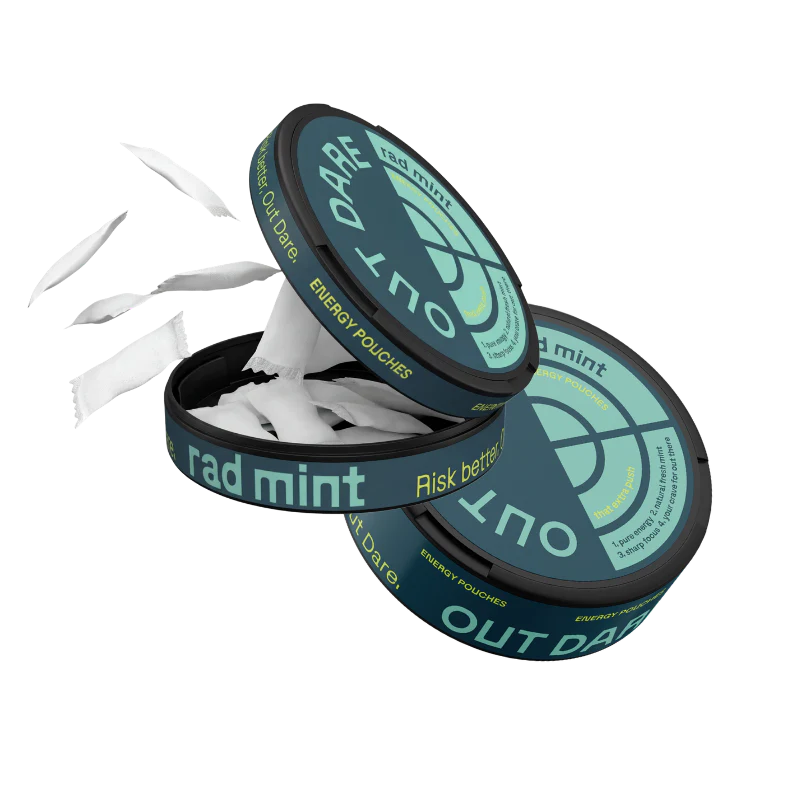
Key Benefits of Energy Pouches for Focus in 2026
The primary benefits of energy pouches for focus are faster cognitive activation, zero nicotine dependency, and a discreet format that fits into any environment without drinks, smell, or preparation.
The market has matured significantly. As of 2026, the global nicotine pouch and functional oral pouch market is tracking at a CAGR of over 35% (Grand View Research, 2023 baseline), driven by vaping regulation tightening across the EU and rising demand for cleaner stimulant formats. Energy pouches are the fastest-growing sub-segment within that trend.
Clean Energy Without the Crash
This is the headline benefit, and it's real — but it depends heavily on the formula. The caffeine + L-Theanine combination is the key. L-Theanine promotes alpha brain wave activity (associated with relaxed alertness) while blunting caffeine's cortisol spike. The result is focused energy that doesn't feel wired, and that doesn't crater two hours later [2].
According to Ashley Addiction Treatment's review of caffeine pouches, users report improved alertness and concentration during demanding cognitive tasks — with fewer side effects than equivalent caffeine doses from energy drinks [5].
Compare the key delivery formats side by side:
| Format | Onset Time | Crash Risk | Portability | Nicotine-Free | Sugar-Free |
|---|---|---|---|---|---|
| Energy Pouch | 10-20 min | Low | Excellent | Yes | Yes |
| Energy Drink | 20-40 min | High | Moderate | Yes | Often No |
| Coffee | 30-60 min | Moderate | Low | Yes | Depends |
| Nicotine Pouch | 5-10 min | Moderate | Excellent | No | Yes |
| Caffeine Capsule | 30-60 min | Moderate | Good | Yes | Yes |
The Zero-Dependency Advantage
This is the benefit that matters most for the growing segment of former nicotine pouch users. Energy pouches for focus satisfy the ritual, the burn, and the sensory cue — the 60% of the habit that isn't chemistry. You're not white-knuckling cravings. You're feeding the habit loop with a clean signal instead of a chemical one.
Industry analysts following the EU harm-reduction market note that this substitution model is gaining traction as vaping regulations tighten across France, Denmark, and the Netherlands. The demand for functional, non-nicotine alternatives that respect the ritual is real and accelerating.
Additional benefits worth noting:
- No tobacco, no smoke, no smell — fully discreet in any professional setting
- Zero gum recession risk associated with nicotine's vasoconstrictive effects
- No gut disruption from high-dose nicotine that many long-term pouch users report
- Xylitol-based formulas (like Outdare's) are tooth-friendly and pH-neutral
- European-manufactured options offer clean-label transparency for health-conscious buyers
Common Mistakes When Choosing Energy Pouches
The most common mistake when choosing energy pouches for focus is prioritizing caffeine dose over formula balance — a high-mg pouch with no L-Theanine or nootropic support will feel jittery and short-lived, not focused.
The category has grown fast, and that growth has attracted some genuinely poor products. Men's Health's 2026 review of energy pouches noted that several brands in the market delivered inconsistent effects, with reviewers flagging underdosed nootropics and misleading label claims as the main issues [6].
Formula Red Flags to Watch For
A common mistake is buying based on branding alone. The pouch market has no shortage of slick packaging hiding weak formulas. Here's what to check before you commit:
- No L-Theanine in the stack: Caffeine alone without L-Theanine increases cortisol and anxiety in sensitive users. If it's not listed, the formula is incomplete.
- Proprietary blends with no dosage disclosure: If the label says "nootropic blend 200mg" without breaking down individual ingredients, you have no idea what you're actually getting.
- Caffeine above 80mg per pouch: More isn't better. Above 80mg per pouch, you're increasing the risk of jitteriness and disrupted sleep — especially if you use multiple pouches per session [1].
- Artificial sweeteners and synthetic fillers: Plant-fiber fillers and xylitol-based formulas are the cleaner standard. Avoid pouches with propylene glycol or synthetic cellulose compounds if you're using them daily.
- No country of manufacture listed: European manufacturing standards are stricter. If a brand doesn't disclose where their pouches are made, that's a transparency issue.
Behavioral Mistakes That Undermine Results
One pitfall to watch for: using energy pouches as a volume replacement for nicotine. If you were using 10-15 nicotine pouches a day, switching to 10-15 energy pouches isn't the goal. The point is to reduce total pouch frequency while maintaining the ritual for the moments it actually matters.
From experience working with users transitioning off nicotine, the most effective approach is intentional placement — using the energy pouch before specific tasks (deep work, a meeting, a training session) rather than reflexively every 45 minutes. That's how you rebuild a conscious relationship with the ritual instead of running on autopilot.
Pro Tip: Stack your energy pouch use with a specific environmental cue — sitting down at your desk, putting on headphones, starting a Pomodoro timer. Pairing the pouch with a deliberate focus trigger amplifies the cognitive effect through conditioned response, not just chemistry.
Best Practices for Using Energy Pouches for Focus in 2026
The most effective approach to this method combines strategic timing, formula-matched dosing, and a clear use-case framework — not reflexive, all-day consumption.
Think of the energy pouch as a precision tool, not a tap you leave running. The users who get the most out of them treat each pouch as a deliberate input: placed with intention, at a specific moment, for a specific output.
The 4-Week Integration Method
For anyone transitioning from nicotine pouches, Our team at Outdare LTD recommends a structured 4-week approach based on the 30/30/30 framework:
- Week 1: Replace 2-3 of your daily nicotine pouches with energy pouches. Choose the moments where you're reaching for focus (morning work block, pre-meeting) rather than habit or stress. Keep the same placement position and hold time.
- Week 2: Increase the swap ratio to 50/50. On days when you'd normally use 8 pouches, aim for 4 nicotine and 4 energy. Notice that your brain doesn't register the difference in ritual satisfaction.
- Week 3: Shift to 70% energy pouches. Use nicotine only at the moments you consciously choose it — not by default. Add a CBD pouch in the evening to manage the cortisol dip that often triggers nighttime cravings.
- Week 4: Target 90% energy and CBD pouches. Most users following this method report a 60-90% reduction in nicotine intake by end of week 4, without experiencing the withdrawal intensity of cold-turkey attempts.
This framework works because it doesn't ask your brain to abandon the ritual. It asks your brain to keep the ritual while quietly changing what's inside the pouch. That's a fundamentally different ask — and a much easier one.
Optimizing for Flow State and Deep Work
For productivity-focused users who aren't coming from nicotine, the best practices look slightly different. The goal here is entering and sustaining a flow state (a state of deep, effortless cognitive engagement described by psychologist Mihaly Csikszentmihalyi) during demanding tasks.
- Timing: Place the pouch 10-15 minutes before your planned focus session begins, not after you've already started. Let the absorption curve align with your task onset.
- Environment: Pair the pouch with a consistent physical environment — the same desk, the same headphones setup. Contextual cues reinforce the cognitive priming effect.
- Hydration: Caffeine is mildly diuretic. Drink 300-400ml of water alongside your pouch session to avoid the headache that can undercut focus in the second hour.
- Cutoff time: Given a 5-6 hour caffeine half-life, avoid energy pouches after 3pm if you're targeting quality sleep. Nectr Energy's 2026 focus pouch guide recommends an evening switch to CBD or nootropic-only pouches for users who need late-day support without disrupting sleep [7].
- Dose cycling: Avoid using energy pouches every single day without breaks. Cycling off for 1-2 days per week prevents adenosine receptor downregulation and keeps caffeine sensitivity high.
Pro Tip: The caffeine + L-Theanine ratio matters more than the total caffeine dose. A 50mg caffeine pouch with 100mg L-Theanine will produce cleaner, more sustained focus than a 100mg caffeine pouch with no L-Theanine. When evaluating formulas, always check the ratio, not just the headline number.
Sources & References
- BSCG, "Use, Ingredients, Safety of Nootropic Pouches Explained," 2024
- FlowBlend, "Nootropic Pouches for Focus Without the Crash," 2025
- Amazon / NZE, "NZE Caffeine Nootropic Pouches (Variety Pack)," 2026
- SJH Research Africa, "Exploring Nootropic Pouch: Cognitive Enhancements On The Go," 2024
- Ashley Addiction Treatment, "What Are Caffeine Pouches?," 2024
- Men's Health, "Some 'Energy Pouches' Are Sketchy. But These Three Actually Work.," 2026
- Nectr Energy, "Focus Pouches: How They Work & Best Picks for 2026," 2026
- JCDR Online, "Alpha Nootropic Pouches: Elevating Brain Function With Every Dose," 2024
Frequently Asked Questions
1. Do caffeine pouches help focus?
Yes — this strategy deliver caffeine through buccal absorption (directly through the gum lining), which produces faster onset than coffee or capsules. When combined with L-Theanine, the effect is sustained, jitter-free alertness rather than a spike. Research on the caffeine + L-Theanine combination consistently shows improvements in sustained attention, reaction time, and working memory during demanding cognitive tasks [2]. Results depend on formula quality and individual caffeine sensitivity.
2. Are energy pouches safe to use daily?
For most healthy adults, energy pouches used within recommended guidelines (1-3 per day, under 200mg total caffeine) are considered low-risk. The main considerations are caffeine tolerance buildup over time and potential gum irritation from prolonged pouch contact. Cycling off 1-2 days per week helps maintain sensitivity. Anyone with cardiovascular conditions, anxiety disorders, or caffeine sensitivity should consult a physician before use. This article does not constitute medical advice.
3. What's the difference between energy pouches and nicotine pouches?
Nicotine pouches contain nicotine, a stimulant that creates chemical dependency over time. Energy pouches contain caffeine and nootropics — no nicotine, no tobacco, no chemical addiction risk. Both share the same format (under-lip placement, gum burn, pillow sensation), which is precisely why energy pouches work as a nicotine substitute. You keep the ritual; you remove the dependency. The sensory experience is nearly identical when formulas are matched correctly [1].
4. How long does an energy pouch take to work?
Most users feel the initial gum activation within 5-10 minutes of placement. Peak cognitive effect typically arrives 15-25 minutes in, as caffeine and nootropic compounds reach therapeutic concentration in the bloodstream via buccal absorption. This is meaningfully faster than swallowing a capsule or drinking coffee, which both require gastric processing. Duration of effect ranges from 1.5 to 3 hours depending on the formula and individual metabolism [4].
5. Can energy pouches replace nicotine pouches for quitting?
They can be a highly effective substitution tool, especially within a structured reduction method. The reason most cold-turkey quit attempts fail is that they remove the ritual entirely — not just the chemical. Energy pouches preserve the physical habit (the pillow feeling, the burn, the placement) while eliminating nicotine. The Outdare 4-Week Method uses this principle, with most users reporting a 60-90% reduction in nicotine intake within the first month without the withdrawal intensity of abrupt cessation.
6. What ingredients should I look for in a quality energy pouch?
Look for a transparent label that lists individual ingredient doses — not just a "proprietary blend" total. The core stack for a reliable focus pouch includes caffeine (40-80mg), L-Theanine (ideally at a 1:2 caffeine-to-theanine ratio), and at least one cholinergic compound like Alpha-GPC or CDP-Choline. Plant-fiber fillers, xylitol base, and natural flavoring are markers of a cleaner formula. Avoid pouches with undisclosed synthetic fillers or caffeine doses above 80mg per pouch for daily use [8].
7. Are energy pouches legal in Europe?
As of 2026, tobacco-free, nicotine-free energy pouches are legal across EU member states and are not subject to the tobacco product regulations that govern nicotine pouches under the EU Tobacco Products Directive (TPD). They fall under general food supplement or consumer product regulations, which vary by country. Brands selling across France, Denmark, Slovenia, Finland, Ireland, and the Netherlands operate within this framework. Always verify current national regulations, as the regulatory environment for functional pouches is evolving.
Conclusion
this approach aren't a trend. They're a direct response to a real problem: the old tools for cognitive performance (coffee, energy drinks, nicotine) all come with costs that compound over time. Jitters. Dependency. Gut issues. Afternoon crashes. The ritual that started as a choice becomes a compulsion.
The energy pouch format solves this cleanly. Faster absorption than drinks, zero chemical dependency, and a discreet form factor that works in any context — a boardroom, a gym, a deep work session at 7am. When the formula is right (caffeine + L-Theanine + Alpha-GPC, clean plant-fiber base, transparent dosing), the cognitive effect is real and repeatable.
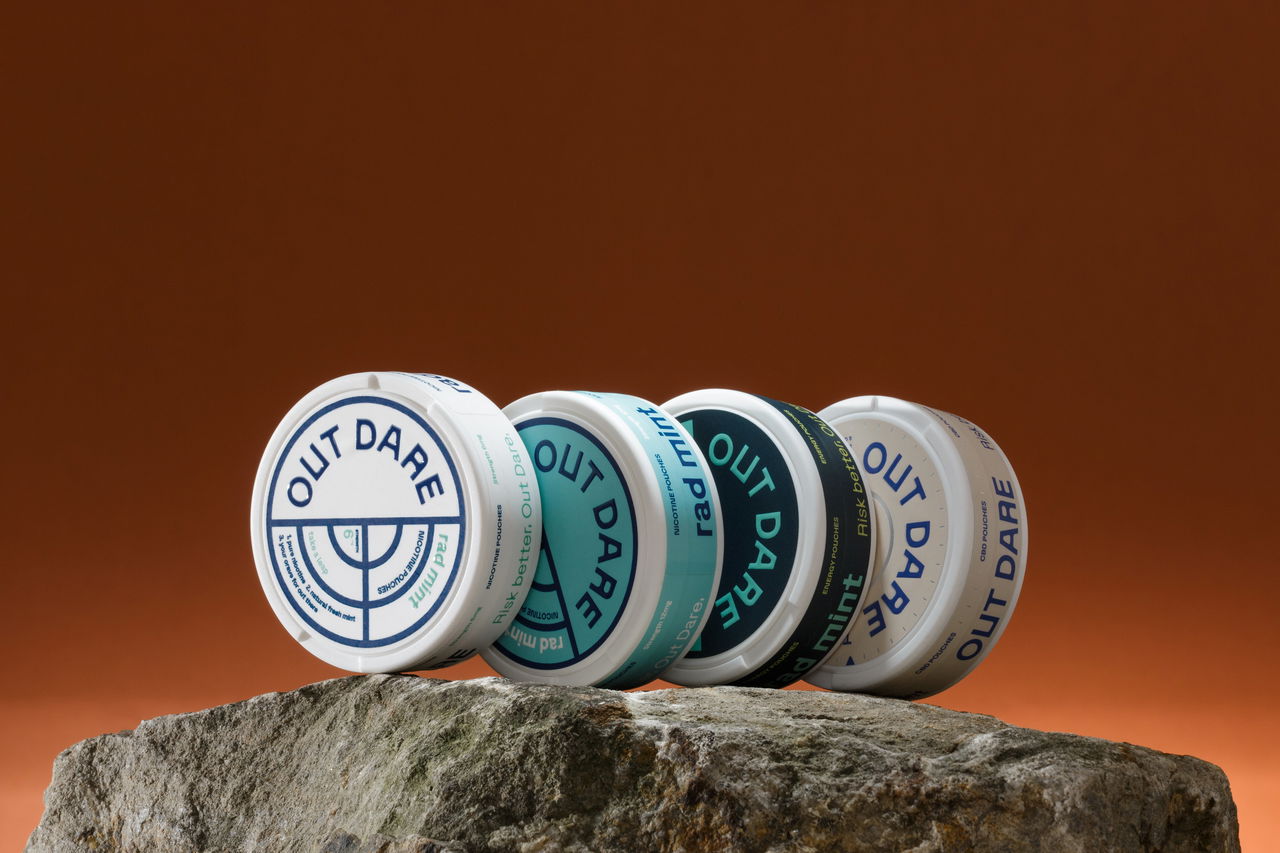
For nicotine pouch users specifically, the substitution case is even stronger. You don't have to quit the ritual. You just have to change what's inside the pouch. That's the insight behind Outdare LTD's three-pouch system — and it's why the 4-Week Method produces 60-90% nicotine reduction rates that cold turkey never could.
The category is growing fast, the science is solid, and the best products are getting cleaner every year. If you're still reaching for a nicotine pouch every 45 minutes and calling it focus, there's a better option. Risk Better.
Recommended Articles
Explore more from our content library: