





Xylitol and Oral Health: Benefits You Should Know
| Key Insight | Explanation |
|---|---|
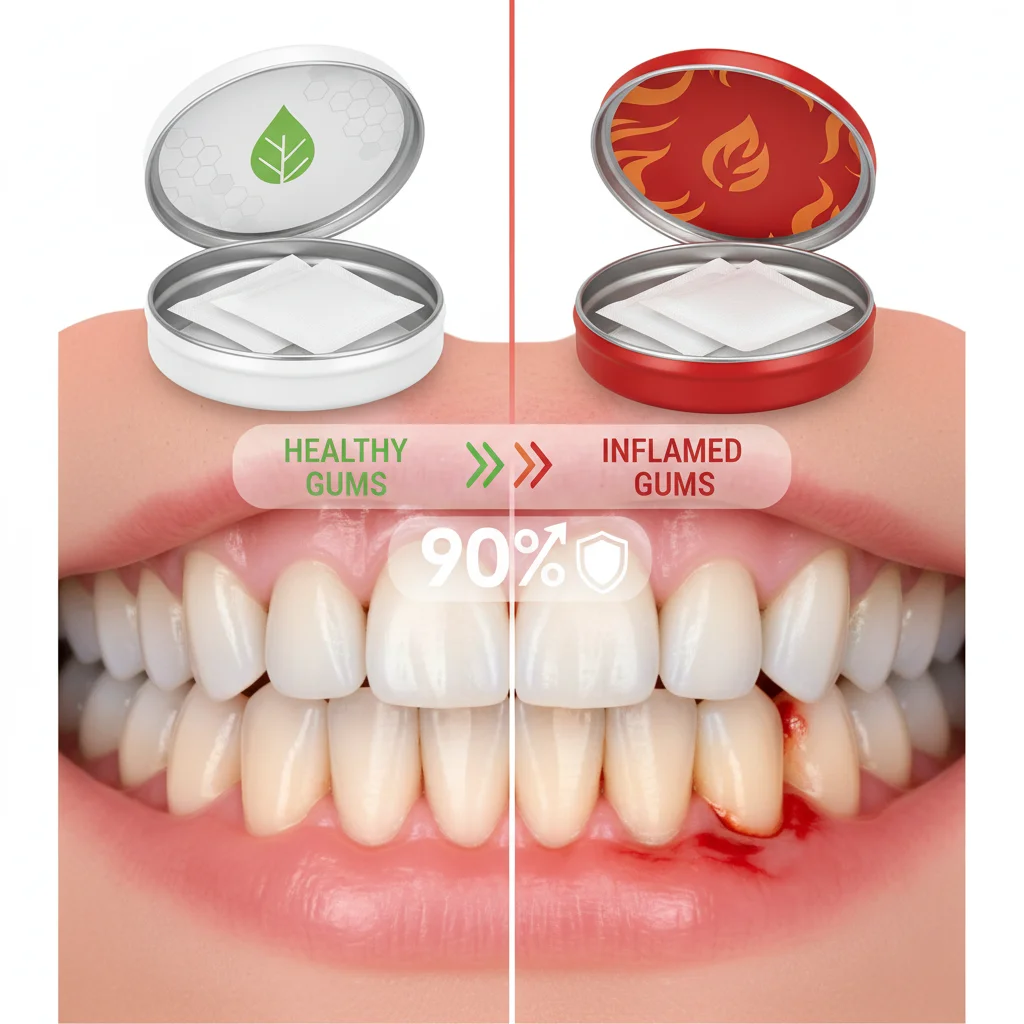
| Xylitol starves cavity-causing bacteria | Streptococcus mutans can't metabolize xylitol, so acid production drops sharply — by up to 90% in some studies. |
| It's not just sugar-free — it's actively protective | Xylitol stimulates saliva flow, raises oral pH, and helps remineralize enamel — three mechanisms that go beyond simply avoiding sugar. |
| Nicotine pouches can damage oral tissue | Heavy pouch users often experience gum recession, dry mouth, and enamel erosion — xylitol-based formulas can partially offset these effects. |
| Dose matters — 5–10g per day is the evidence-backed range | Clinical studies show meaningful caries reduction at 5–10g of xylitol daily, spread across multiple exposures rather than one large dose. |
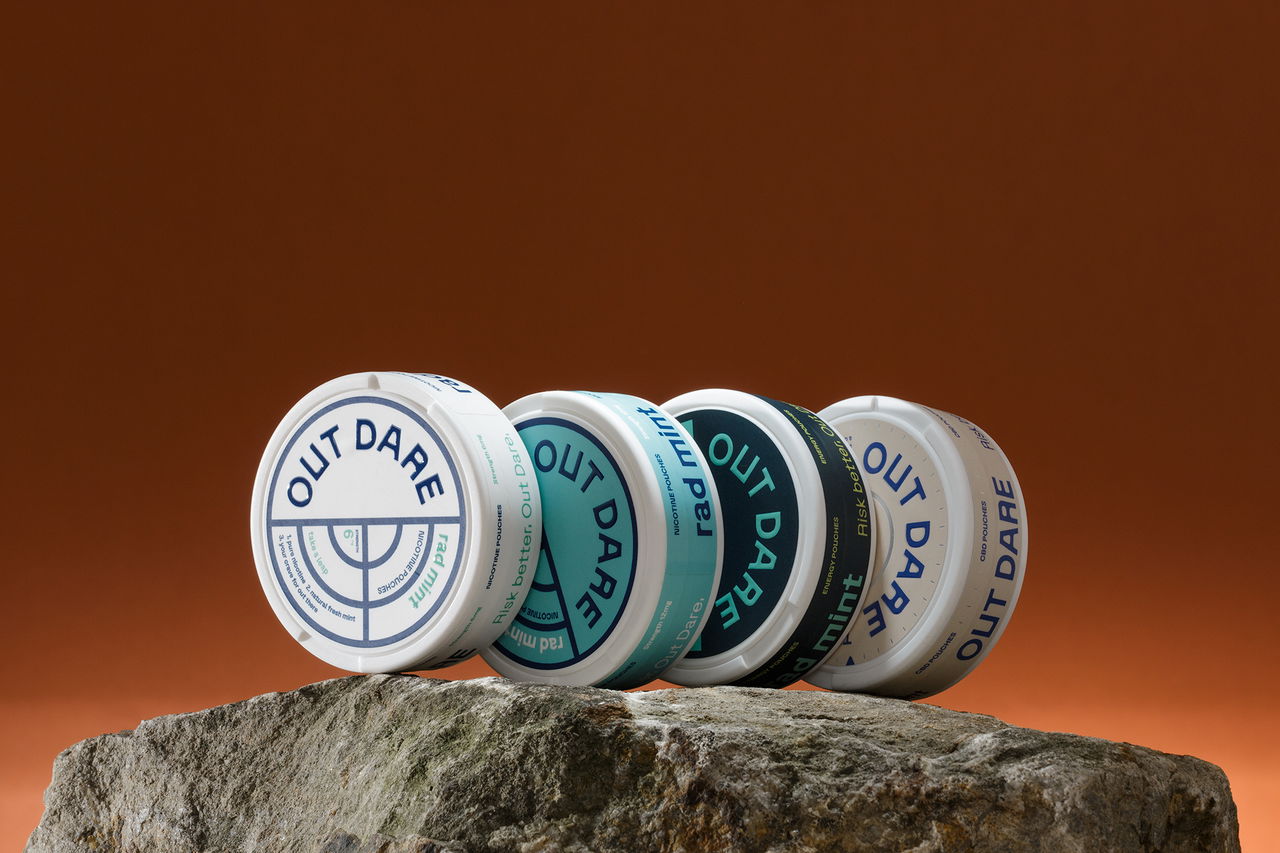
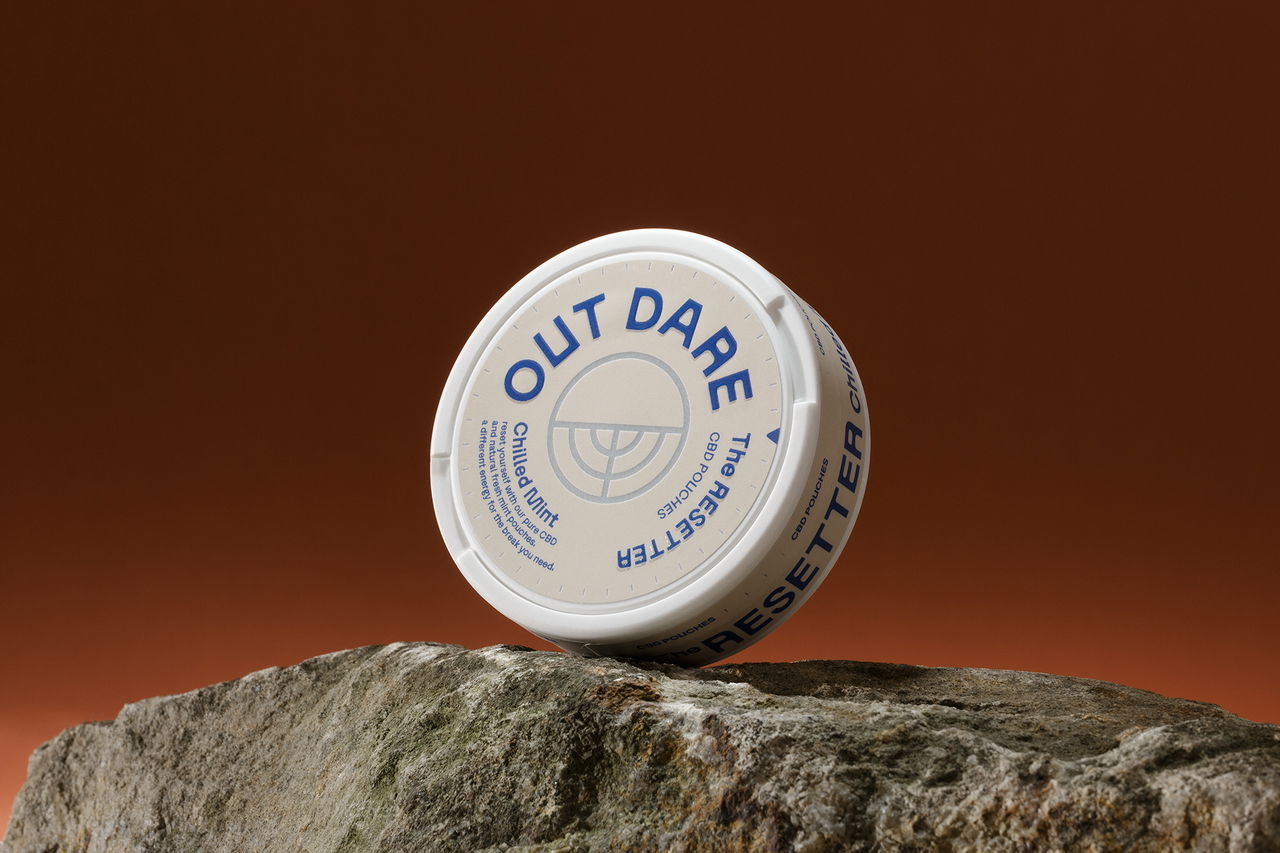
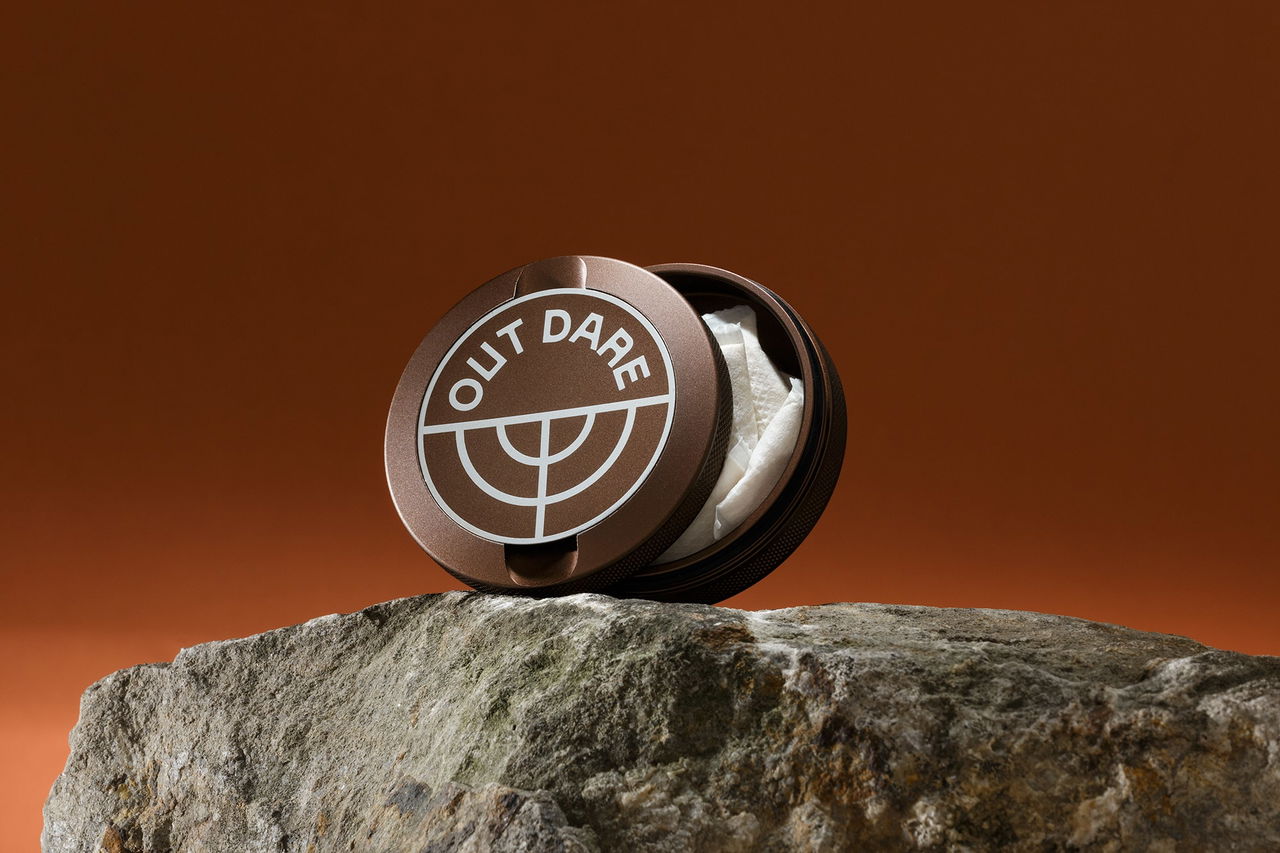
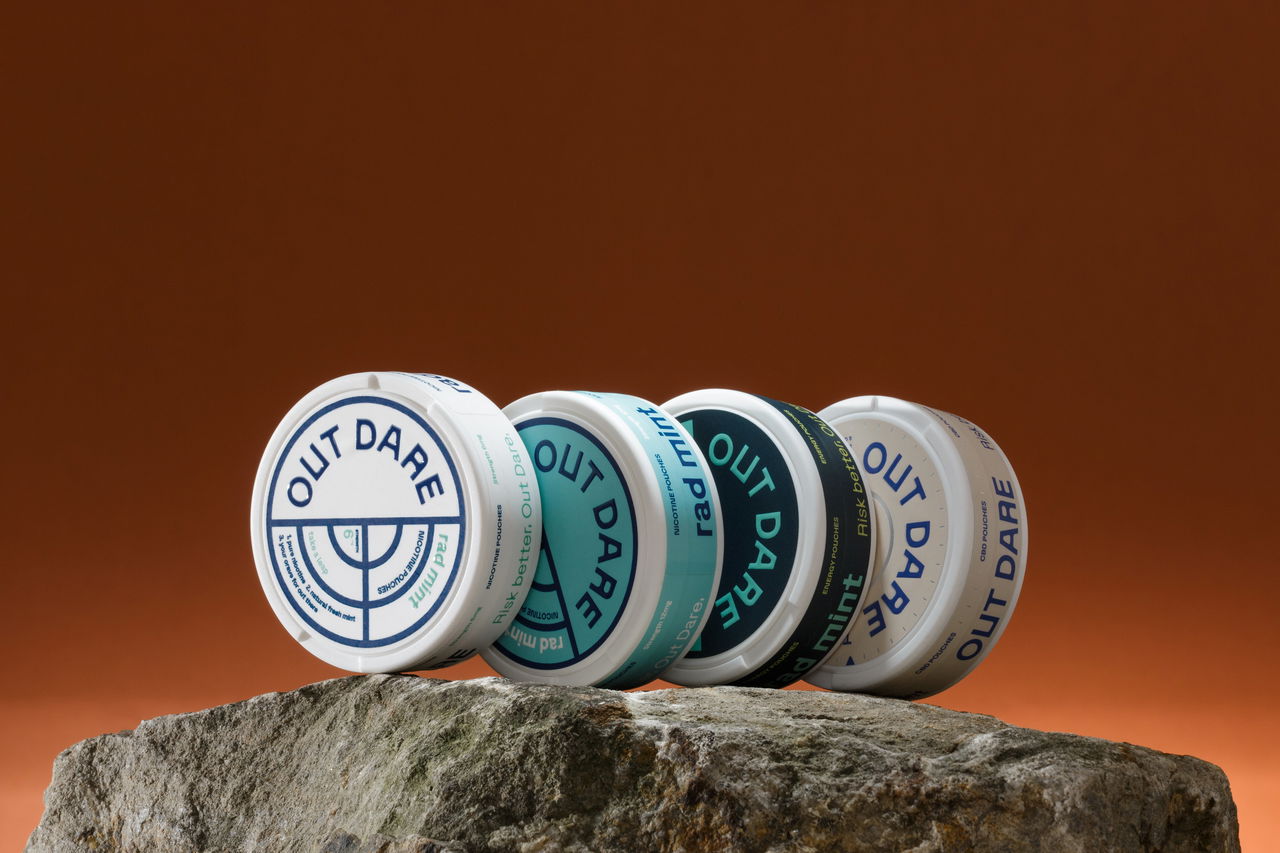
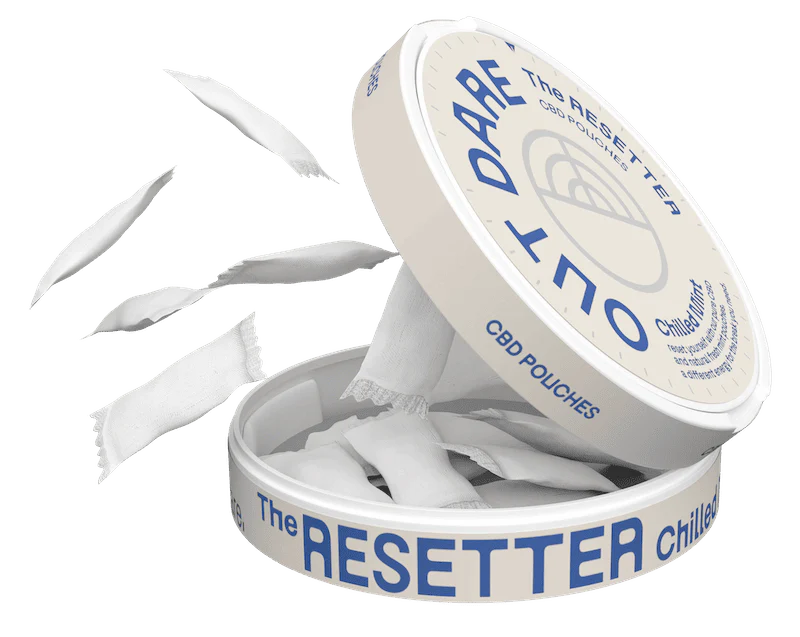
| Outdare uses a xylitol-based formula across all three pouches | Every Outdare pouch — Nicotine, Energy, and CBD — uses xylitol as a base, so oral health protection is built into the ritual, not bolted on. |
| It supports remineralization, not just prevention | Research published in PMC indicates xylitol can help reverse early-stage caries by encouraging calcium absorption into weakened enamel. |
Xylitol oral health benefits are some of the most well-documented findings in modern preventive dentistry. Xylitol is a naturally occurring sugar alcohol found in birch bark, corn cobs, and many fruits and vegetables. Unlike regular sugar, it can't be fermented by the bacteria that cause tooth decay — which makes it a genuinely protective ingredient, not just a neutral sweetener. Research published in PMC confirms that xylitol reduces dental caries and can even help reverse early-stage enamel damage [1].
Here's the part that matters if you're a heavy pouch user: most nicotine pouches on the market use fillers and sweeteners that do nothing for your gum tissue. Some actively dry out your mouth. Dry mouth raises oral acidity, which accelerates enamel erosion. You're already dealing with gum recession from the nicotine. The last thing your mouth needs is a formula that makes things worse. This is particularly relevant for xylitol oral health benefits.
This article covers exactly how xylitol protects your teeth and gums, what the clinical evidence actually says (not the marketing version), and why the ingredient choice inside your pouch matters more than most brands want to admit.
What Is Xylitol and Why Does It Matter for Your Mouth?
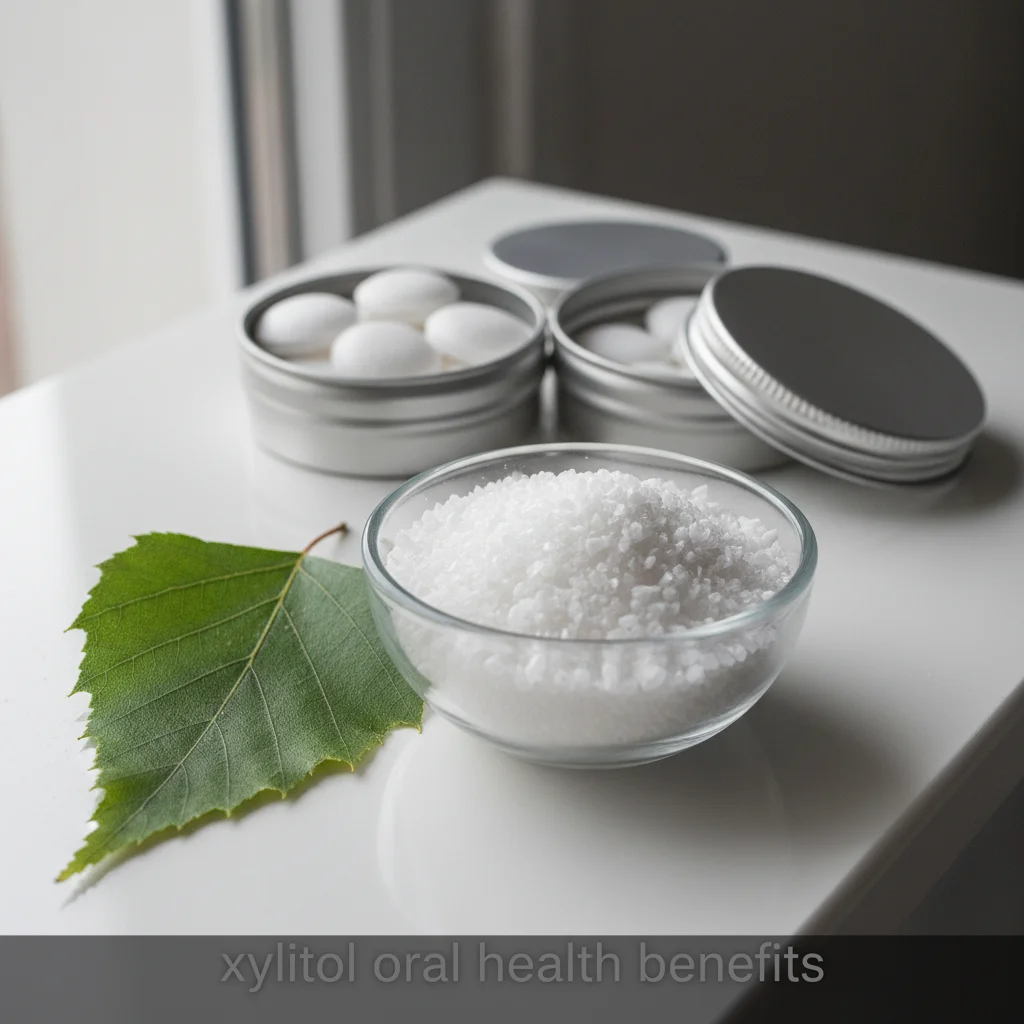
Xylitol is a five-carbon sugar alcohol that looks and tastes like sugar but behaves completely differently inside your mouth. It occurs naturally in small amounts in many fruits and vegetables, and commercially it's extracted primarily from birch wood or corn cobs. Because it has the same sweetness as sucrose but roughly 40% fewer calories, it's widely used in sugar-free gums, mints, toothpastes, and oral care products.
The Biochemical Difference That Changes Everything
Regular sugars — sucrose, glucose, fructose — feed the bacteria in your mouth. Specifically, they feed Streptococcus mutans (the primary cavity-causing bacterium), which ferments those sugars into lactic acid. That acid attacks enamel. Xylitol looks enough like glucose that bacteria try to absorb it, but they can't metabolize it. The result: they starve, they can't produce acid, and their ability to stick to tooth surfaces drops dramatically [2].
Research from the University of Colorado Anschutz Medical Campus notes that xylitol decreases acid-producing bacteria in the mouth by up to 90% [3]. That's not a marginal improvement. That's a near-complete shutdown of the primary mechanism behind cavities.
Why This Matters Beyond Cavity Prevention
Oral health is a downstream indicator of systemic health. Chronic oral inflammation is linked to cardiovascular disease, metabolic disorders, and compromised immune function. Keeping bacterial load low in the mouth isn't just about avoiding fillings — it's a meaningful lever for overall wellbeing. The American Academy of Pediatric Dentistry has recognized xylitol's role in reducing tooth decay, and dental professionals across Europe increasingly recommend it as part of preventive care protocols [4]. When considering xylitol oral health benefits, this point stands out.
For pouch users specifically, the stakes are higher. Nicotine reduces salivary flow, which normally acts as the mouth's natural defense system. Less saliva means higher acidity, more bacterial adhesion, and faster enamel wear. Choosing a pouch with a xylitol-based formula isn't a minor detail. It's a meaningful harm-reduction decision.
How Xylitol Works in the Mouth
Xylitol works through three distinct mechanisms: it disrupts bacterial metabolism, it stimulates protective saliva production, and it creates conditions that support enamel remineralization. Understanding all three helps explain why it outperforms simply "avoiding sugar."
Mechanism 1: Disrupting the Bacterial Cycle
When S. mutans absorbs xylitol, it expends energy trying to process it — and gets nothing back. This futile cycle depletes the bacterium's energy reserves and ultimately reduces its population in the oral biofilm (the thin bacterial layer on teeth also known as plaque). Over time, regular xylitol exposure shifts the oral microbiome toward less harmful bacterial species [1].
The disruption isn't instantaneous. Studies suggest that consistent daily exposure over several weeks is needed to meaningfully alter bacterial populations. This is why frequency of exposure matters more than a single large dose.
Mechanism 2: Saliva Stimulation and pH Buffering
Xylitol stimulates saliva production. More saliva means better buffering of oral acids, faster clearance of food debris, and higher concentrations of calcium and phosphate ions — the building blocks of enamel. Delta Dental notes that this increase in protective saliva is one of xylitol's most clinically relevant effects [5]. For those exploring xylitol oral health benefits, this matters.
A neutral or slightly alkaline oral pH (above 7.0) is where remineralization can occur. Below 5.5, enamel starts to dissolve. Xylitol helps keep the mouth on the right side of that threshold, especially after eating or after using a product that might otherwise dry out the oral environment.
Mechanism 3: Enamel Remineralization Support
This is the mechanism most people don't know about. Xylitol doesn't just prevent damage — it can help reverse early-stage damage. By facilitating calcium absorption into weakened enamel (a process called remineralization), it can harden early "white spot" lesions before they become full cavities [1].
Research published in PMC confirms that xylitol's benefits extend beyond dental health, with anti-inflammatory and microbiome-modulating effects that support broader oral tissue health [6]. For anyone whose gums are already under stress from nicotine exposure, this is a meaningful protective mechanism.
Pro Tip: The remineralization effect of xylitol is most active when saliva calcium levels are high. Pairing xylitol-containing products with adequate hydration maximizes this benefit — dry mouth cancels out the advantage.
Xylitol Oral Health Benefits: The Full Picture
The xylitol oral health benefits go well beyond cavity prevention — they span bacterial control, gum protection, enamel repair, and even breath freshness. Here's the complete breakdown of what the evidence supports as of 2026.
Documented Clinical Benefits
- Cavity reduction: Multiple clinical trials show 30–60% reductions in new caries formation with regular xylitol use [1].
- Bacterial population reduction: Consistent use reduces S. mutans counts by up to 90%, directly lowering acid production in the oral environment [3].
- Enamel remineralization: Xylitol supports calcium uptake into early-stage lesions, potentially reversing pre-cavity damage before it becomes irreversible [1].
- Saliva stimulation: Increases salivary flow, improving the mouth's natural buffering capacity and reducing dry-mouth symptoms [5].
- Gum health support: Reduced bacterial load and lower inflammation markers in periodontal tissue have been observed with regular xylitol exposure [6].
- Plaque reduction: Xylitol disrupts biofilm formation, making it harder for plaque to adhere to tooth surfaces and gum margins [2].
- Breath improvement: By reducing the bacterial populations responsible for volatile sulfur compounds, xylitol contributes to fresher breath over time [5].
Comparing Xylitol to Other Common Sweeteners in Oral Products
| Sweetener | Effect on S. mutans | Saliva Stimulation | Remineralization Support | Caries Risk |
|---|---|---|---|---|
| Sucrose (table sugar) | Feeds bacteria, promotes growth | Minimal | None | High |
| Sorbitol | Neutral (not fermented by S. mutans) | Moderate | None | Low |
| Stevia | Neutral | Minimal | None documented | Low |
| Xylitol | Actively disrupts and reduces | Strong | Documented | Very low |
| Artificial sweeteners (aspartame, saccharin) | Neutral | Minimal | None | Low |
The table makes the case plainly: xylitol is the only common sweetener that actively works against cavity-causing bacteria rather than simply avoiding harm. That distinction is what makes it the gold standard in preventive oral care formulations.
Xylitol and Nicotine Pouches: Why Ingredient Choice Matters
Most nicotine pouch brands don't talk about what's in the filler. That silence should tell you something. Nicotine is the headline ingredient, and everything else — the carrier material, the sweetener, the pH modifier — gets treated as irrelevant background detail. This directly impacts xylitol oral health benefits outcomes.
What Nicotine Actually Does to Your Oral Environment
Nicotine is a vasoconstrictor. It reduces blood flow to gum tissue, which slows healing and accelerates recession. It also reduces saliva production, which means less natural buffering, more bacterial adhesion, and faster enamel wear. Heavy pouch users — people burning through a can a day at 12mg or 15mg — are placing a pouch against the same patch of gum tissue dozens of times every day.
The cumulative effect isn't subtle. Receding gums, increased sensitivity, and higher cavity rates are well-documented among long-term nicotine pouch users. The gum tissue that's supposed to protect your teeth is literally pulling back from the fight.
How a Xylitol-Based Formula Changes the Equation
Here's the honest version of what a xylitol-based pouch formula does: it doesn't undo nicotine's vasoconstrictive effects, but it actively counteracts the secondary damage. By reducing bacterial load, stimulating saliva, and supporting remineralization, it creates a more protective oral environment around the pouch site.
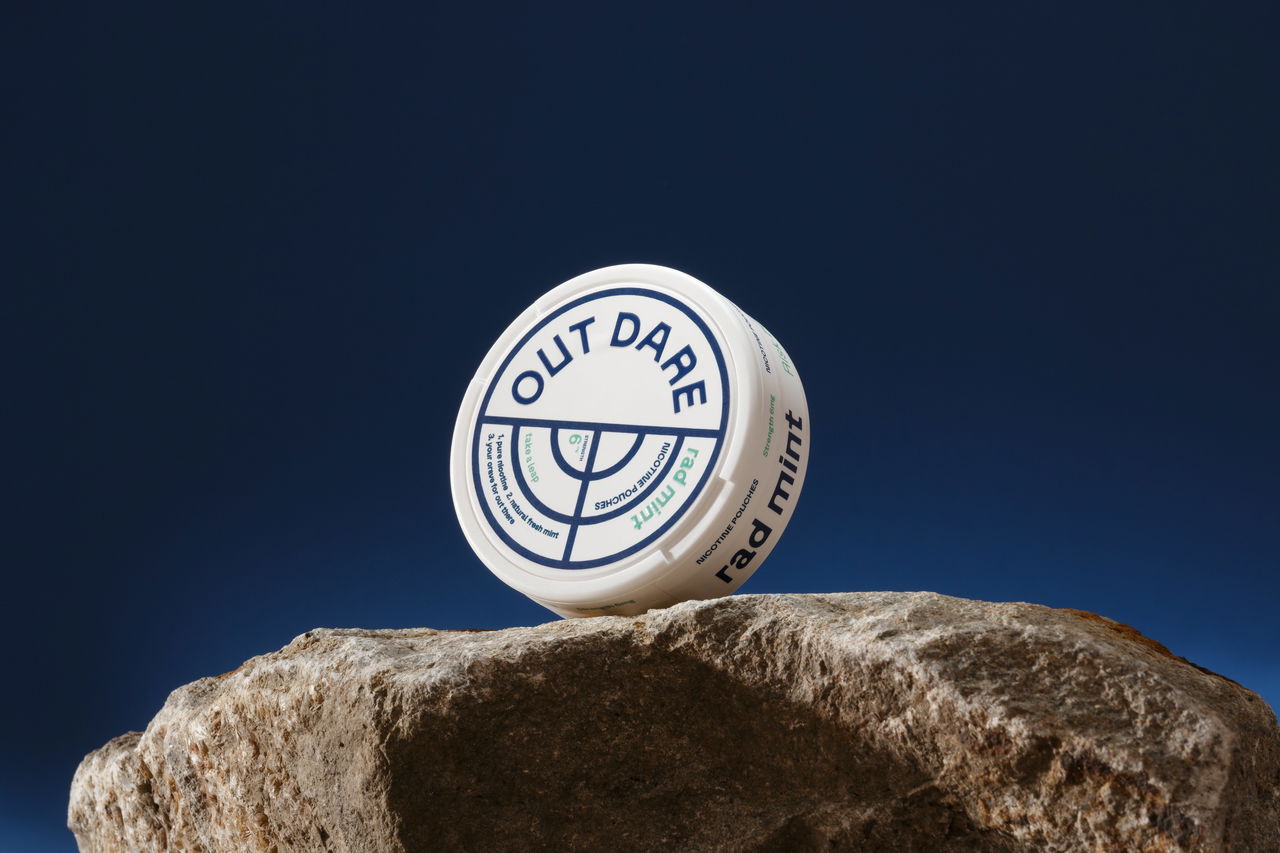
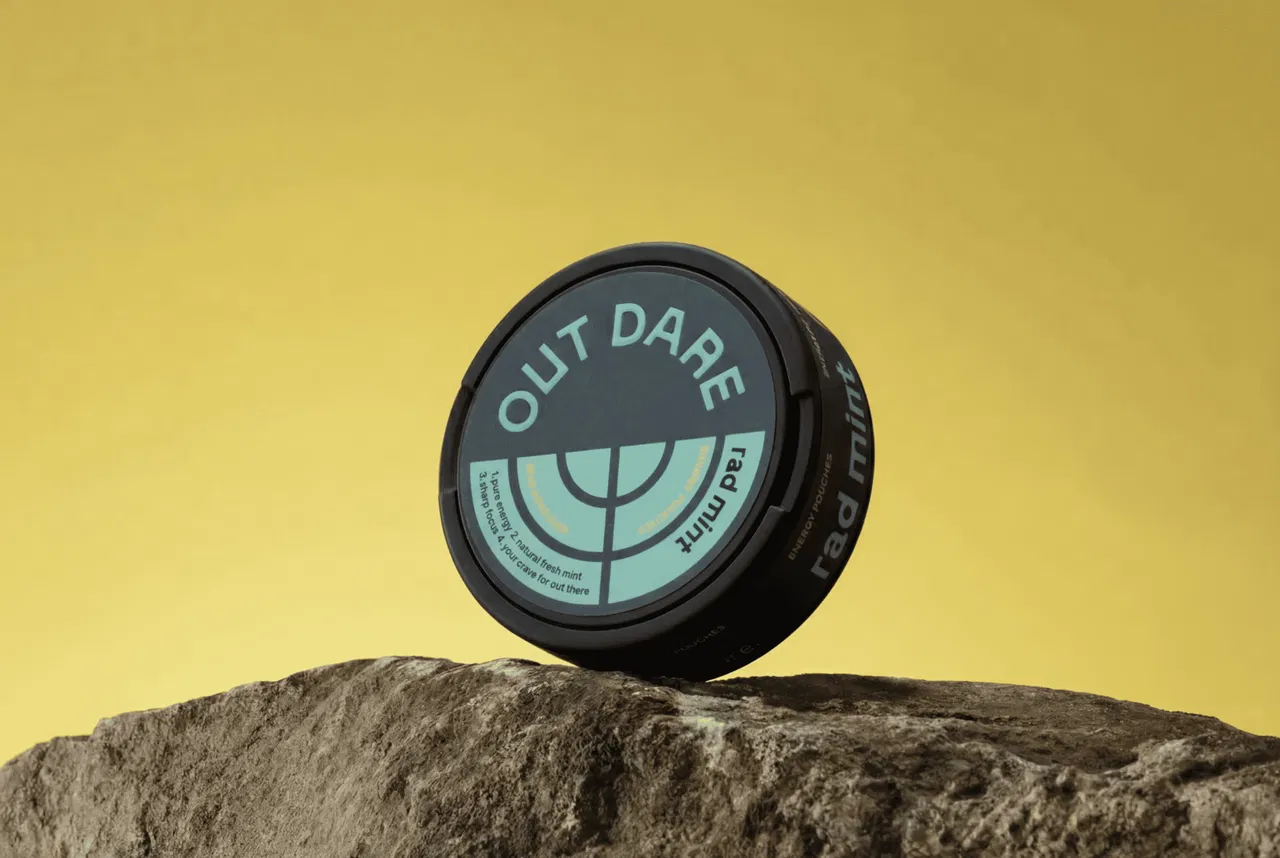
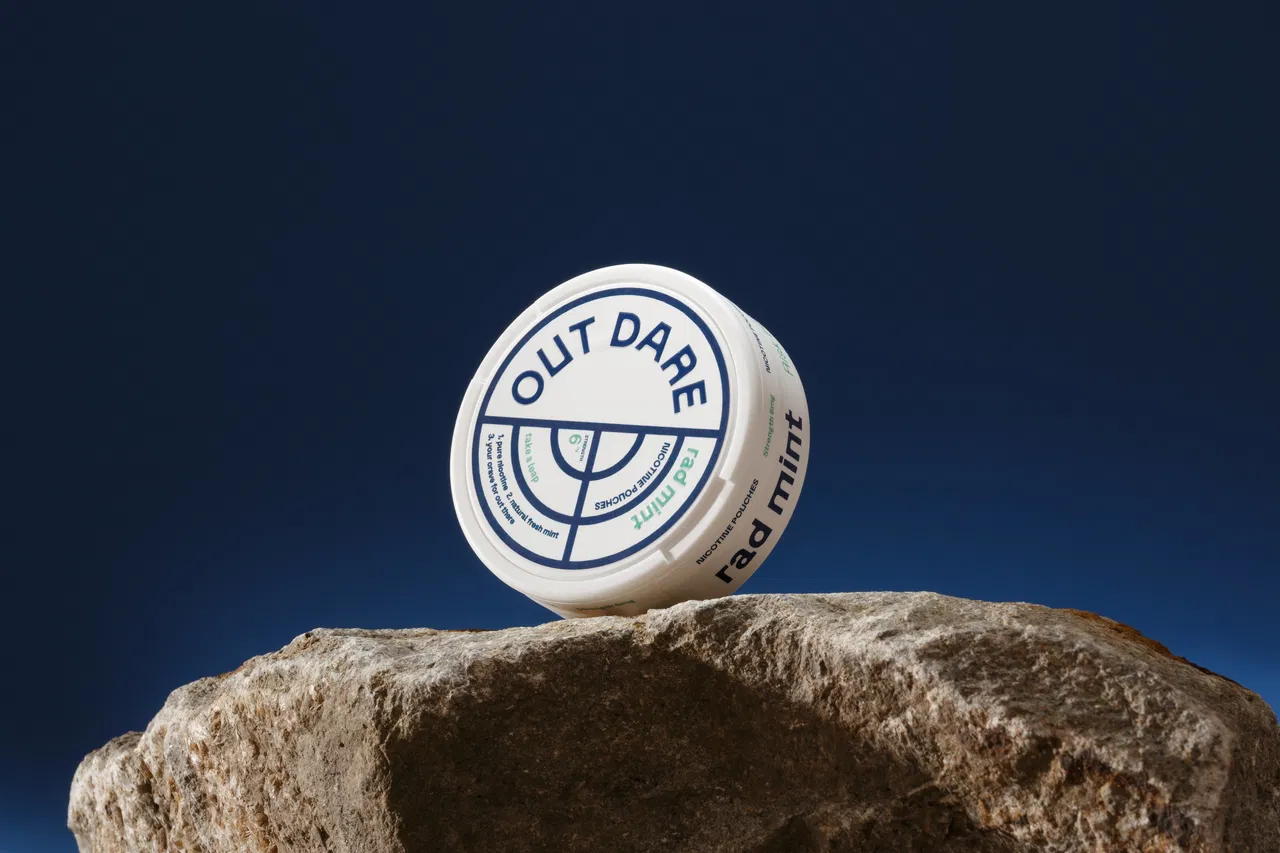
At Outdare LTD, we've found that this isn't a marginal benefit for our users — it's a meaningful one. Every Outdare pouch, whether it's the Clean Nicotine, the Energy, or the CBD variant, uses a xylitol-based formula with plant-fiber fillers and natural mint flavor. The formula was developed with oral health in mind from the start, not retrofitted as a marketing claim.
The practical implication for someone reducing their nicotine intake using the 4-Week Method: as you shift from Nicotine pouches to Energy and CBD pouches, the xylitol-based formula stays constant. Your oral environment gets the same protective benefit regardless of which pouch you're using. That consistency matters when you're placing something against your gum tissue for 30–45 minutes at a time, multiple times a day. This is particularly relevant for xylitol oral health benefits.
Pro Tip: If you're a heavy pouch user experiencing gum sensitivity, check the ingredient list on your current brand. If xylitol isn't listed as a base ingredient — and most mass-market pouches don't include it — you're getting none of the oral protective benefits documented in clinical research.
Best Practices for Using Xylitol in 2026
Knowing xylitol is beneficial is one thing. Using it effectively is another. The clinical evidence points to specific patterns of use that maximize protection, and a few common mistakes that cancel out the benefits entirely.
How to Get the Most from Xylitol
- Aim for 5–10g per day: This is the evidence-backed daily dose range for meaningful caries reduction. Below 5g, the effects are modest. Above 10g, you may experience digestive discomfort without additional oral benefit [1].
- Spread exposure across the day: Multiple smaller exposures are more effective than one large dose. Three to five separate xylitol exposures per day is the target — this aligns with how pouch users naturally space their sessions.
- Time it after meals: Using a xylitol-containing product 20 minutes after eating catches the window when bacterial acid production is highest. Delta Dental specifically recommends this timing for sugar-free gum, and the same logic applies to pouches [5].
- Stay hydrated: Xylitol's remineralization support depends on adequate saliva. If you're dehydrated, the benefit is blunted. Drink water consistently throughout the day, especially if you're using nicotine pouches that reduce salivary flow.
- Don't rely on xylitol alone: It's a powerful tool, not a complete oral care regimen. Brushing twice daily, flossing, and regular dental checkups remain non-negotiable — xylitol works best as a complement to these habits, not a replacement.
Common Mistakes to Avoid
- Assuming "sugar-free" means xylitol: Many sugar-free products use sorbitol or artificial sweeteners, which don't deliver the same active protection. Check the label specifically for xylitol.
- Using xylitol inconsistently: The bacterial population shift takes weeks of consistent exposure. Using a xylitol product occasionally won't meaningfully alter your oral microbiome.
- Ignoring the rest of your diet: Xylitol can't outwork a diet high in fermentable sugars. If you're consuming sugary drinks or snacks regularly, you're fighting uphill.
- Giving xylitol products to pets: This is a critical safety note. Xylitol is highly toxic to dogs, causing rapid insulin release and potentially fatal hypoglycemia. Keep all xylitol-containing products stored safely away from animals [6].
Pro Tip: For pouch users specifically, the natural spacing of pouch sessions (every 45–90 minutes for most heavy users) actually mirrors the optimal exposure frequency for xylitol. If your pouch formula contains xylitol, you're getting oral health protection built into a habit you're already maintaining.
Sources & References
- PMC / NIH, "The effect of xylitol on dental caries and oral flora," 2014
- Rector Pediatric Dentistry, "Xylitol: A significant factor for improving your oral health," 2024
- University of Colorado Anschutz Medical Campus, "Xylitol for Your Teeth: Sweet Trend or True Cavity Blocker?"
- Kids Dental Online, "Xylitol Dental Benefits," 2024
- Delta Dental of Michigan, "Xylitol Explained"
- PMC / NIH, "Xylitol's Health Benefits beyond Dental Health," 2019
- Green Bay Periodontics, "Improve your oral health with xylitol!," 2025
- Dr. Andrew Huberman, "The Benefits of Xylitol for Oral Health," YouTube
- TRICARE Dental Program, "Xylitol Gum"
Frequently Asked Questions
1. What do dentists think of xylitol?
Most dentists view xylitol positively, and for good reason. Unlike other sugar substitutes that are simply neutral, xylitol actively disrupts the metabolism of Streptococcus mutans — the primary cavity-causing bacterium — reducing its ability to produce acid and adhere to tooth surfaces. The American Academy of Pediatric Dentistry has formally recognized xylitol's role in reducing tooth decay [4]. Many periodontists now recommend xylitol-containing products as part of daily preventive care, particularly for patients with high caries risk or reduced salivary flow.
2. Does xylitol actually remineralize teeth?
Yes, with an important caveat. Xylitol supports remineralization by stimulating saliva production, which delivers calcium and phosphate ions to weakened enamel. It also raises oral pH into the range where remineralization can occur. Clinical research confirms it can help reverse early "white spot" lesions — the precursor to full cavities — but it works best when combined with fluoride and adequate hydration [1]. It's a meaningful tool in the remineralization toolkit, not a standalone fix.
3. How much xylitol do you need per day for oral health benefits?
The evidence-backed range is 5–10 grams per day, spread across multiple exposures rather than consumed all at once. Research shows that frequency of contact matters as much as total dose — three to five separate xylitol exposures throughout the day produce better bacterial population shifts than a single large dose. Above 10g daily, you're unlikely to gain additional oral health benefit, and digestive discomfort (bloating, loose stools) becomes more likely [1][6].
4. Is xylitol safe for long-term daily use?
Yes, for humans. Xylitol has been used in clinical and consumer products for decades, and no credible evidence links it to cancer or serious long-term harm in humans [6]. The main side effect at high doses is gastrointestinal discomfort — xylitol is a sugar alcohol and can cause bloating or loose stools if consumed in large quantities. At the 5–10g daily range used for oral health, most adults tolerate it well. The critical safety exception is dogs: xylitol is highly toxic to canines and should be kept away from pets entirely. When considering xylitol oral health benefits, this point stands out.
5. Can xylitol pouches help with the oral side effects of nicotine use?
Partially, yes. Nicotine reduces salivary flow and constricts blood vessels in gum tissue, accelerating recession and enamel erosion. A xylitol-based pouch formula can't reverse nicotine's vasoconstrictive effects, but it actively counteracts the secondary damage: it restores some saliva stimulation, reduces bacterial adhesion at the pouch site, and supports enamel remineralization. The xylitol oral health benefits built into a formula like Outdare's mean that every pouch session — whether it's Nicotine, Energy, or CBD — delivers protective oral action alongside its primary function.
6. Does xylitol whiten teeth?
Not directly. Xylitol doesn't bleach or chemically alter tooth color. However, by reducing plaque formation and bacterial adhesion, it can help prevent the surface staining that accumulates on plaque over time. Some users notice their teeth look cleaner and brighter after consistent xylitol use — but this is a secondary effect of reduced plaque buildup, not active whitening. For actual whitening, you'd need peroxide-based treatments. Xylitol's value is in protection and prevention, not cosmetic alteration [3][7].
7. What's the best way to use xylitol for teeth?
The most practical approach is to incorporate xylitol into habits you're already maintaining. Chewing xylitol gum or using xylitol-containing pouches after meals is the most evidence-backed delivery method — it catches the post-meal acid spike when bacterial activity is highest. Using a xylitol mouthwash before bed adds another protective layer. If you're a pouch user, switching to a brand that uses a xylitol-based formula means you're getting oral health protection passively, built into a ritual you're already doing multiple times a day [5][8].
The Bottom Line
The xylitol oral health benefits aren't marketing noise. They're backed by decades of clinical research and endorsed by dental professionals worldwide. Xylitol starves cavity-causing bacteria, stimulates protective saliva, and helps remineralize early enamel damage. For most people, incorporating it into daily habits is straightforward. For pouch users, it's even simpler — the ingredient choice in your pouch formula does the work for you.
Here's the honest reality for heavy pouch users: you're placing something against your gum tissue dozens of times a day. The formula inside that pouch matters. Most brands treat the filler as an afterthought. Outdare LTD doesn't. Every pouch in the three-pouch system — Clean Nicotine, Energy, and CBD — uses a xylitol-based formula with plant-fiber fillers and natural mint, so oral health protection is baked into the ritual, not bolted on as a claim.
If you're already using pouches, you might as well use ones that work with your mouth rather than against it. And if you're trying to reduce your nicotine intake while keeping the ritual intact, the 4-Week Method gives you a structured path to do exactly that — with the same xylitol-based formula across every step of the transition. Risk Better. Out Dare.
Recommended Articles
Explore more from our content library: