












Why Do Nicotine Pouches Cause Headaches: Causes & Solutions
Understanding why do nicotine pouches cause headaches is essential. Nicotine pouches cause headaches primarily by triggering vasoconstriction, nicotine narrows blood vessels, reducing cerebral blood flow and spiking blood pressure, which strains pain-sensitive structures in the head. High-strength pouches amplify this effect, and dehydration from nicotine's diuretic action compounds it. New users and those exceeding their tolerance threshold are most at risk, with headaches typically appearing within 20–60 minutes of use.

Why Do Nicotine Pouches Cause Headaches: The Real Mechanisms
Nicotine pouches cause headaches through four distinct but overlapping mechanisms: vasoconstriction, blood pressure elevation, dehydration, and nicotine overdose.
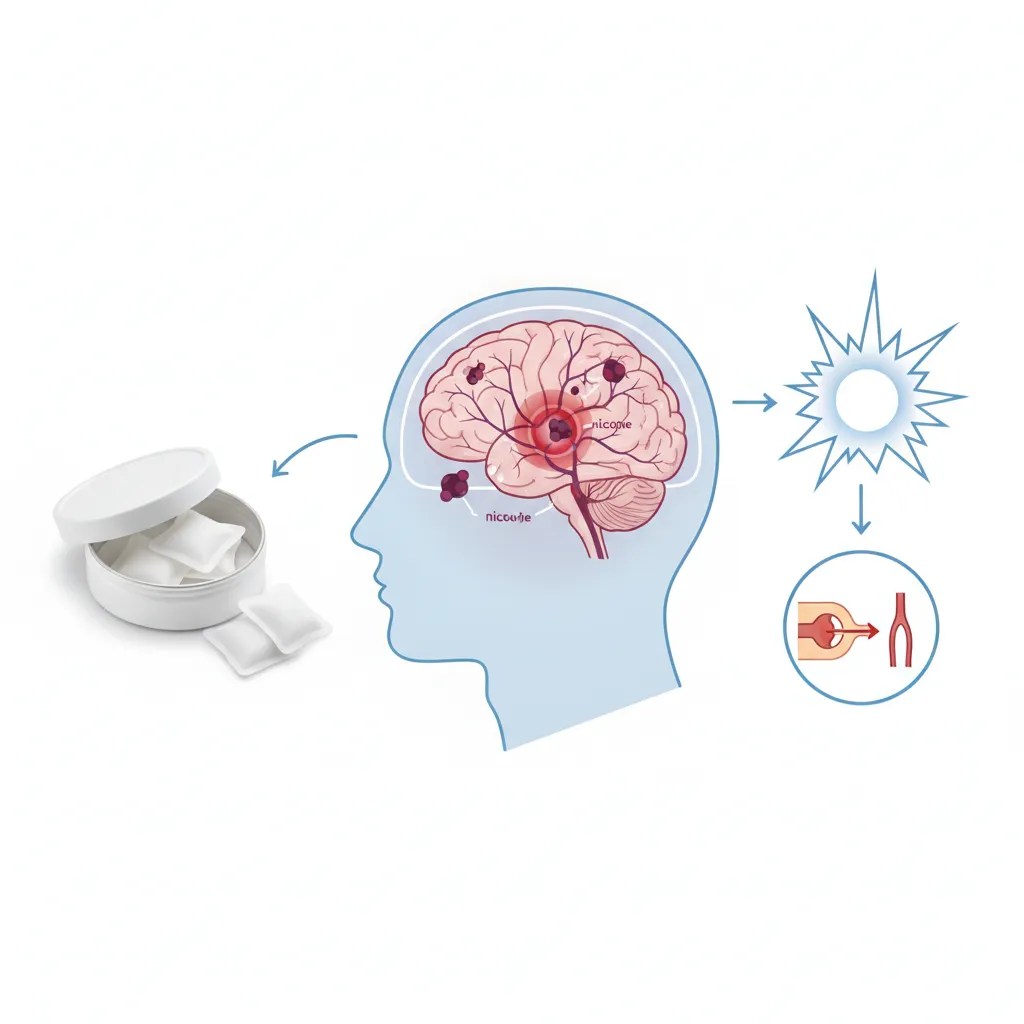
Nicotine is absorbed through the oral mucosa within minutes of placing a pouch under your lip. Once in the bloodstream, it binds to nicotinic acetylcholine receptors and triggers the release of adrenaline, which immediately narrows blood vessels. This vasoconstriction reduces cerebral blood flow and activates pain-sensitive receptors in the meningeal tissue surrounding the brain. That activation is the primary driver of a nicotine-induced headache. According to the Cleveland Clinic's overview of nicotine headaches, this vascular mechanism is well-established in clinical literature [1].
Blood pressure compounds the problem. Nicotine raises systolic blood pressure by an average of 5–10 mmHg acutely [1]. For most users that spike is transient, but for anyone with pre-existing hypertension or cardiovascular sensitivity, even a brief pressure surge can trigger tension-type or vascular headaches within 20–60 minutes of use.
Dehydration is the mechanism most users miss entirely. Nicotine has a mild diuretic effect, it reduces the body's ability to retain fluid. Most pouch users don't connect thirst or a dry mouth to their headache. They reach for another pouch instead of a glass of water, which makes the vascular constriction worse.
Nicotine overdose produces a distinct symptom cluster: headache paired with nausea, dizziness, and sometimes a racing heart. This differs from a tolerance-related headache, which tends to be a dull, pressure-type pain that builds gradually. An overdose headache hits faster and harder, typically within 15–30 minutes, and is almost always linked to using a strength that exceeds your current tolerance, such as jumping straight to a 15mg pouch when your body is accustomed to 6mg.
"Nicotine causes blood vessels to constrict, which can reduce blood flow to the brain and trigger headache pain — particularly in users who are new to nicotine or who use high-strength products." — Cleveland Clinic Medical Staff, Department of Neurology, Cleveland Clinic
What Does Medical Research Say About the Nicotine-Headache Connection?
Research shows nicotine is both a headache trigger and, paradoxically, a short-term pain reliever at low doses [1]. At low concentrations, nicotine stimulates dopamine release and may briefly suppress pain signals in the prefrontal cortex [2]. At higher concentrations, or as blood levels drop between pouches, the opposite happens: blood vessels dilate rapidly, and that rebound dilation pulls on meningeal pain receptors.
This rebound cycle is clinically significant. Regular users who space their pouches more than an hour apart often report withdrawal-pattern headaches, not from the pouch itself, but from the drop in nicotine levels between doses [1]. The brain has been conditioned to expect vasoconstriction; when it lifts, the pain follows.
"Nicotine withdrawal headaches occur because the brain's blood vessels, which have adapted to nicotine-induced constriction, dilate rapidly when nicotine levels fall — creating the same rebound effect seen with caffeine withdrawal." — Dr. Anne MacGregor, Professor of Clinical Pharmacology, Barts and The London School of Medicine
What Individual Risk Factors Make Some Users More Susceptible to Nicotine Headaches?
Not every pouch user gets headaches, and the difference comes down to a handful of identifiable variables.
- Tolerance level: New users and those who have recently lowered their intake are most vulnerable. The body hasn't adapted to nicotine's vascular effects yet.
- Pouch strength relative to habit: Using a 12mg or 15mg pouch when your baseline is lower, common when switching brands, pushes nicotine blood levels into overdose territory faster than most users expect.
- Pre-existing hypertension: Even a 5–10 mmHg blood pressure spike [1] is clinically meaningful for someone whose resting systolic is already elevated.
- Hydration habits: Chronic under-hydration, common in office workers and heavy caffeine consumers, amplifies nicotine's diuretic effect and raises headache frequency.
- Migraine history: Vasoconstriction is a known migraine trigger. Users with a migraine diagnosis face a higher baseline risk from any nicotine product [1].
Understanding why do nicotine pouches cause headaches in your specific case matters, because the fix depends on the mechanism. A dehydration headache resolves with water and a lower-frequency dosing schedule. An overdose headache requires stepping down to a lower strength. A rebound headache points to dependency that a structured reduction method, like the 4-week protocol Outdare builds around its Nicotine, Energy, and CBD pouches, is designed to address directly.
What Are Nicotine Pouches and How Does Their Composition Affect Headache Risk?
Nicotine pouches absorb through the gum mucosa, reaching peak plasma levels in 20–30 minutes, the same window when most headaches begin.
That timing is not coincidental. Unlike nicotine gum, which requires active chewing to release nicotine, a pouch delivers a passive, continuous dose directly into the bloodstream via the oral mucosa. The absorption is faster than gum but slower than vaping, which means blood nicotine levels climb steadily rather than spiking instantly. For users asking why do nicotine pouches cause headaches, that 20–30 minute absorption curve is the first place to look. Learn more about how these products work in our guide to what are nicotine pouches and tobacco-free alternatives.
What's the difference between synthetic and tobacco-derived nicotine in pouches?
Synthetic nicotine, used in several major pouch brands, is chemically identical to tobacco-derived nicotine but contains no tobacco-specific nitrosamines or co-alkaloids [2]. Those additional compounds found in tobacco-derived nicotine may independently trigger headaches in sensitive users, making synthetic formulations a lower-risk option for that subset of people.
How does nicotine pouch composition affect headache occurrence?
pH is the variable most users never consider. Pouch manufacturers add buffering agents like sodium carbonate to raise the pH of the formula, which accelerates nicotine absorption through the mucosa [2]. A faster absorption rate produces a sharper blood pressure spike, and that spike is a direct headache trigger.
The filler ingredients themselves are not the problem. Plant fiber and cellulose are inert carriers. Xylitol and mint flavoring compounds are not known headache triggers [2]. The nicotine dose and the speed at which it enters the bloodstream, shaped by pH and pouch strength, determine the risk, not the carrier material.
How Different Nicotine Strengths and Brands Compare in Headache Risk
Higher nicotine strength directly increases headache risk, 6mg+ pouches cause noticeably more vasoconstriction than 2–4mg options, and anything above 8mg is high-risk for new users.
Do higher nicotine strength pouches cause more frequent or severe headaches?
The pattern is consistent: headache risk scales with strength tier. Pouches in the 2–4mg range are reported as low-risk for most users [2]. Move into the 6–8mg tier and vasoconstriction intensity increases significantly, the nicotine spike is sharper, blood vessels constrict harder, and the window for triggering a headache narrows. Anything above 8mg, including products marketed as "extra strong," is high-risk territory for anyone new to pouches or with lower nicotine tolerance.
Ex-smokers switching from cigarettes often misjudge this. The oral delivery route feels milder than inhaling smoke, so they reach for a second or third pouch within an hour, stacking nicotine doses and pushing themselves into overdose-range blood levels. That's one of the most common reasons why nicotine pouches cause headaches in people who assumed they had high tolerance. According to CDC tobacco use data, approximately 13% of U.S. adults currently use some form of tobacco or nicotine product, and the rate of switching to oral nicotine alternatives has grown significantly in recent years.
If you're comparing delivery methods and headache risk more broadly, our breakdown of nicotine pouches vs vaping covers how absorption speed differs between formats and what that means for side effects.
Which brands have higher or lower headache reports compared to competitors?
Brand formulation matters as much as the number on the label. Zyn uses a buffered pH formula that accelerates nicotine absorption through the gum lining [2], a Zyn 6mg can deliver a sharper blood-nicotine spike than a competitor's 6mg pouch with a lower pH formulation, even though both state the same strength. Users comparing brands at identical milligram levels frequently report this discrepancy.
Across Reddit communities and harm-reduction forums, user-reported headache rates cluster around "strong" and "extra strong" products regardless of brand, this real-world signal is consistent enough to treat as meaningful, even without clinical trial data to back it. Products in the 2–4mg range, by contrast, generate far fewer headache complaints in the same communities [2].
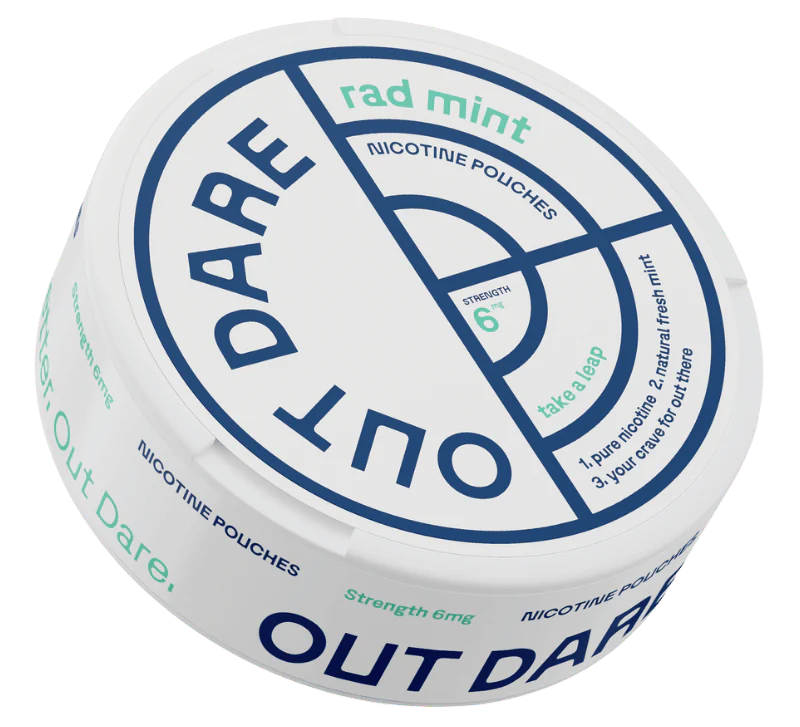
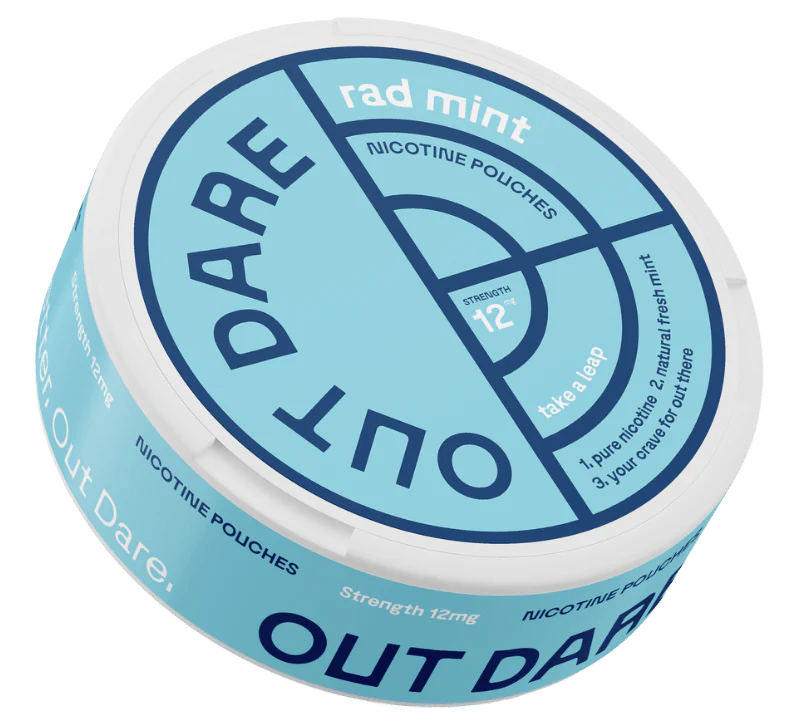
Outdare's Clean Nicotine pouches are available at 6mg, 12mg, and 15mg, and the 4-week reduction method is built specifically to help users step down through strength tiers systematically, rather than staying at a level that keeps triggering side effects.
The Timeline of Nicotine Pouch Headaches: Acute, Rebound, and Chronic
Nicotine pouch headaches follow three distinct phases, acute, rebound, and chronic, each driven by a different physiological mechanism and appearing at a predictable point in the day.
How long do nicotine-induced headaches typically last?
The answer depends entirely on which phase you're in. Understanding why do nicotine pouches cause headaches at different times requires mapping each stage separately.
Acute headache hits 20–60 minutes after placing a pouch, peaks around the 45-minute mark, and typically clears within 1–3 hours. The driver is vasoconstriction, nicotine narrows blood vessels and spikes blood pressure, forcing the brain to adapt fast. First-time users bear the brunt: an estimated 30–40% of new nicotine users report a headache during or after their first few sessions [2]. Tolerance builds within 1–2 weeks of consistent use, which reduces how often acute headaches occur, but that's not the end of the story.
Rebound headache appears 4–8 hours after the last pouch, when nicotine clears the bloodstream and blood vessels dilate rapidly in response. This vasodilation is the same mechanism behind caffeine withdrawal headache, and most users misread it, they assume a new headache is starting rather than recognizing it as a withdrawal symptom. That misread is dangerous, because reaching for another pouch to relieve the pain is exactly how the rebound cycle begins.
Chronic headache is the end state of that cycle. Heavy users who rely on nicotine's short-term analgesic effect, using a pouch to kill a headache, train their brain to expect chemical relief. The result mirrors medication-overuse headache: daily or near-daily pain that only temporarily resolves with the next pouch. Research suggests that individuals who use nicotine products more than 10–15 days per month are at significantly elevated risk of developing chronic daily headache patterns linked to substance overuse.
What's the difference between acute headaches and chronic headaches from nicotine use?
Acute headaches are a direct pharmacological response, too much nicotine, too fast, for a system that hasn't adapted. They're self-limiting and fade as the dose clears. Chronic headaches are a dependency response, the brain has restructured its pain threshold around a regular nicotine supply, and any gap triggers pain.
The shift from acute to chronic typically happens in heavy long-term users who have unconsciously started using pouches as a headache remedy. If you recognize this pattern, the Brain Fog from Nicotine: Causes, Timeline & Fixes piece on this site maps a similar progression for cognitive symptoms, and the same graduated reduction logic applies here. Outdare's 4-week reduction method, which progressively replaces nicotine pouches with sensorially identical Energy or CBD pouches, is built precisely to break this kind of rebound cycle without triggering the withdrawal headaches that cold turkey almost always causes.
How to Prevent and Treat Headaches from Nicotine Pouch Use
Stepping down one nicotine strength tier and drinking 250ml of water before and after each session eliminates most pouch-related headaches within a week.
What Practical Strategies Can Reduce Headache Risk While Using Nicotine Pouches?
The single most effective intervention is reducing pouch strength by one tier, for example, moving from 6mg to 4mg. Most users report headache elimination within 3–5 days of making that switch, because lower plasma nicotine peaks mean less vasoconstriction pressure on cerebral blood vessels.
Hydration matters more than most users expect. Nicotine's diuretic effect is mild in isolation, but across a day of heavy use it compounds. Drink at least 250ml of water before and after each pouch session, staying ahead of dehydration cuts headache frequency significantly without requiring any change to your pouch routine.
Pouch duration and daily volume also drive headache risk. Limit each pouch to 20–30 minutes and stay within the manufacturer's recommended daily maximum. Exceeding that stacks nicotine plasma levels and dramatically increases vasoconstriction intensity, which is one of the core reasons why do nicotine pouches cause headaches in heavier users [2].
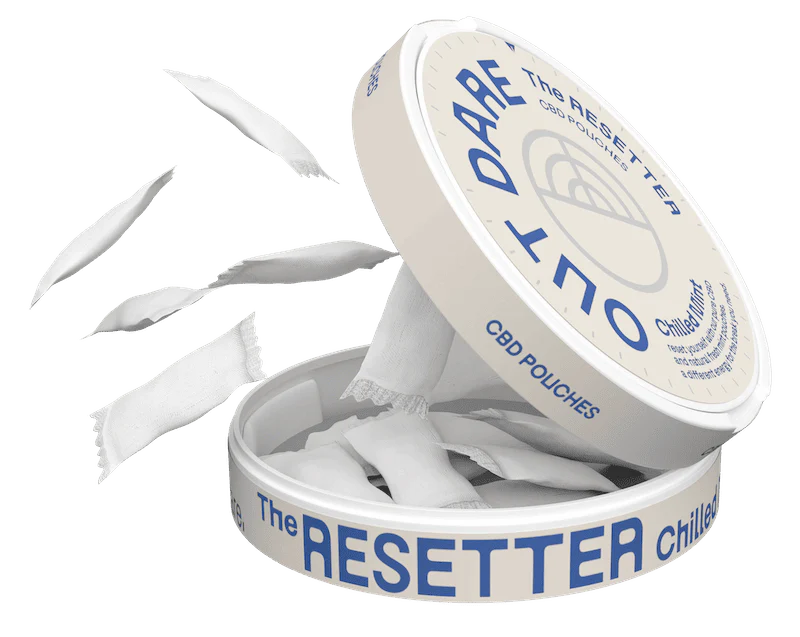
If you want to reduce nicotine intake more systematically, replacing some daily pouches with a caffeine and L-theanine pouch delivers focus without the vasoconstriction load. Outdare's Energy pouch, 50mg caffeine paired with nootropics, zero nicotine, is designed exactly for this substitution. For a broader view of your options, the tobacco-free alternatives page covers the full category.
"For patients experiencing recurrent headaches linked to nicotine use, the most evidence-based approach is a structured step-down in nicotine dose combined with adequate hydration — abrupt cessation often worsens headache frequency in the short term due to rebound vasodilation." — Dr. Rami Burstein, Professor of Anesthesia, Harvard Medical School
What Evidence-Based Treatments Work Beyond Quitting or Reducing Usage?
For acute relief, ibuprofen outperforms paracetamol for nicotine-induced headaches. Because these headaches have a vascular, inflammatory component, triggered by vasoconstriction and subsequent rebound dilation, an NSAID like ibuprofen or aspirin addresses the underlying mechanism more directly than a simple analgesic [1]. Note that both aspirin and ibuprofen carry contraindications for users with hypertension or cardiovascular risk factors; consult a pharmacist before using them regularly alongside nicotine.
Paracetamol remains a reasonable first-line option if NSAIDs aren't suitable, but expect slower and less complete relief for vascular-type headaches specifically.

Frequently Asked Questions
Can nicotine pouches cause migraines, not just regular headaches?
Yes, nicotine can trigger full migraines in people who are already susceptible to them, not just tension-type headaches [1]. Nicotine causes rapid changes in cerebral blood flow and stimulates trigeminal nerve pathways, both of which are known migraine triggers. If your headaches are one-sided, accompanied by nausea or light sensitivity, and last several hours, that's a migraine pattern worth discussing with a doctor. Reducing your nicotine strength or switching to a zero-nicotine pouch on high-risk days is a practical first step.
Why does my head hurt after I stop using a nicotine pouch, not while I'm using it?
That post-pouch headache is a withdrawal symptom, your brain's nicotine receptors are signaling for more [1]. Nicotine narrows blood vessels while it's active; when levels drop, those vessels dilate rapidly, and that rebound dilation is what produces the throbbing pain. It's the same mechanism behind caffeine withdrawal headaches. The shorter your gap between pouches, the more pronounced this rebound becomes, which is one reason dependency tends to escalate over time.
Do nicotine-free pouches cause headaches?
Nicotine-free pouches are unlikely to cause headaches on their own. The primary headache mechanism in standard pouches is nicotine itself, its vascular and neurochemical effects [1]. A caffeine-based energy pouch can cause headaches if you're caffeine-sensitive or already over-caffeinated, but a CBD pouch with no stimulants carries minimal headache risk. Outdare's Energy pouches contain 50mg of caffeine per pouch, so staying within one or two per session is sensible if you're caffeine-sensitive.
How many nicotine pouches per day is too many before headaches become likely?
There's no universal threshold, it depends on your body weight, nicotine tolerance, and the strength of the pouch you're using [2]. That said, headaches become significantly more likely once you exceed your established tolerance, particularly with pouches at 12mg or above. Exceeding around 20–30mg of nicotine in a short window is where overstimulation symptoms, headache, nausea, dizziness, tend to appear [2]. If you're reaching for a pouch every 30–45 minutes, that's a signal your intake has outpaced your tolerance.
Can switching pouch brands reduce headache frequency even at the same nicotine strength?
Yes, brand formulation can meaningfully affect headache frequency even when the stated milligram strength is identical. Differences in pH buffering agents alter how quickly nicotine is absorbed through the oral mucosa — a sharper absorption spike produces greater vasoconstriction and a higher headache risk. If you're experiencing regular headaches at a given strength, switching to a brand with a lower-pH formula or a slower-release pouch design may reduce symptoms without requiring you to step down in nicotine dose. Tracking headache occurrence across a 7-day trial with a new brand is a practical way to test this.



Conclusion
Nicotine pouch headaches have three distinct causes, nicotine's direct vascular effects, overstimulation from using a strength that exceeds your tolerance, and withdrawal rebound when levels drop between pouches. Knowing which type you're experiencing changes how you respond: a headache during use points to too much nicotine; a headache after use points to dependency creep.
The most actionable step is to match your pouch strength to your actual tolerance, not your habit. If you're using a 12mg or 15mg pouch and experiencing regular headaches, step down one strength level and track whether the pattern changes over seven days. If you want a structured way to do that, without losing the ritual that makes pouches feel worth keeping, Outdare's 4-week reduction method is built exactly for that transition.
Sources & References
- Nicotine Headache: What It Is & Causes — Cleveland Clinic
- Does Nicotine Pouches Cause Headaches? The Facts & Science
- CDC Tobacco Use Data & Statistics
Recommended Articles
Explore more from our content library: