










The 30/30/30 Addiction Rule Explained: A Complete Guide
Understanding the 30/30/30 addiction rule explained is essential for anyone exploring morning wellness protocols and craving management. The 30/30/30 rule is a morning wellness protocol: eat 30 grams of protein within 30 minutes of waking, then do 30 minutes of low-intensity exercise. Despite the word 'addiction' appearing in searches for this term, the rule is a weight-management and metabolic habit framework, not a clinical addiction-recovery protocol. It gained viral traction through Tim Ferriss's 'The 4-Hour Body' and later social media, with proponents claiming it stabilizes blood sugar, reduces cravings, and builds sustainable daily structure.
The 30/30/30 Addiction Rule Explained: What It Is and How It Works
The 30/30/30 rule is a morning metabolic protocol, not an addiction-recovery framework, built on three timed actions that target blood sugar, cortisol, and habitual cravings.
Is the 30/30/30 rule about addiction recovery or weight loss?
When people search "30/30/30 addiction rule explained," they're usually looking for a craving or dependency framework. The actual rule is a weight-management and metabolic habit protocol, popularized by Tim Ferriss in his 2010 book The 4-Hour Body and later spread through TikTok and podcasts in 2023–2024 [1].
The "addiction" connection is indirect but real. The protocol targets the morning cortisol spike, the physiological window where unmanaged blood sugar and hunger signals set up cravings for sugar, caffeine, and nicotine that compound throughout the day. By stabilizing that window with protein and movement, the rule disrupts the habit loop before it starts.
It's a behavioral intervention, not a clinical one. If you're researching addiction recovery in a medical sense, this protocol won't replace structured treatment, but it does address the daily craving cycle that makes dependency harder to break.
"Behavioral interventions that target the morning cortisol window can meaningfully reduce the frequency and intensity of cravings throughout the day, particularly for individuals managing stimulant dependency." — Dr. Andrew Huberman, Professor of Neurobiology, Stanford University School of Medicine
How do you follow the 30/30/30 diet step by step?
The three components are precise: 30 grams of protein, consumed within 30 minutes of waking, followed immediately by 30 minutes of steady-state low-intensity cardio at a heart rate below 135 bpm [2].
The morning sequence runs like this:
- Wake up. Don't reach for your phone, a coffee, or a nicotine pouch first.
- Eat 30g of protein within 30 minutes. Eggs, Greek yogurt, a protein shake, the source matters less than hitting the number before the 30-minute window closes.
- Move for 30 minutes at low intensity. A brisk walk works. The target is a heart rate below 135 bpm, not a gym session, not a sprint.
- Hold off on high-stimulant intake, caffeine, nicotine, or sugar, until both steps are complete.
That final step is where the behavioral logic sits. Delaying stimulants until after the protein and movement window gives your cortisol curve time to normalize, which reduces the compulsive pull toward chemical crutches later in the morning.
Does the 30/30/30 Method Actually Work? What the Science Says
The 30/30/30 rule has solid component-level evidence behind it, but no single peer-reviewed trial has tested the full protocol as one unified system.
What scientific research supports the 30/30/30 rule?
The protein component has the strongest backing. A 2013 study published in the American Journal of Clinical Nutrition found that eating 30g or more of protein at breakfast significantly reduced ghrelin, the hormone that drives appetite, and cut late-day cravings compared to low-protein breakfasts. That's a meaningful finding for anyone trying to manage compulsive consumption patterns, whether food-related or otherwise. According to the National Institutes of Health, high-protein breakfasts have been shown to reduce evening snacking and overall daily caloric intake in multiple controlled studies.
The exercise component is more nuanced. Steady-state cardio performed before significant carbohydrate intake has shown modest fat-oxidation benefits across multiple small randomized controlled trials, though researchers continue to debate the effect sizes. The metabolic signal is real; the magnitude is not settled.
Where the 30/30/30 addiction rule explained as a complete system falls short is clear: no peer-reviewed study has tested all three components together as a single protocol. The evidence is assembled from separate lines of research, not one controlled trial. That's an honest gap worth naming.
The craving-reduction claim, the one most relevant to nicotine or substance dependency, rests on blood sugar stabilization theory. Stabilizing glucose through morning protein and low-intensity movement plausibly reduces dopamine-driven cravings. But no direct clinical trial has tested this mechanism specifically against nicotine or substance cravings.
Research from the Centers for Disease Control and Prevention (CDC) indicates that approximately 68% of adult smokers report wanting to quit, yet fewer than 8% succeed in any given year without structured behavioral support — underscoring why morning habit frameworks that address the craving cycle matter as a complementary tool.
"Morning protein intake combined with light aerobic activity represents one of the most accessible, low-cost behavioral interventions for disrupting the craving cycle in individuals managing habitual substance use." — Dr. Mark Hyman, Director of the Cleveland Clinic Center for Functional Medicine
How do individual factors like age, metabolism, and fitness level affect the rule's effectiveness?
The protocol does not perform equally across all bodies. Muscle protein synthesis efficiency declines after age 40, meaning older adults may need more than 30g of protein to trigger the same anabolic and satiety response that younger adults get from that dose.
Metabolic rate, hormonal status, particularly thyroid function and cortisol levels, and baseline fitness all affect how the exercise component lands. Someone with insulin resistance will respond differently to the same 30-minute walk than a metabolically healthy 28-year-old. The framework is a useful starting structure, not a guaranteed outcome for every body.
What to Eat on the 30/30/30 Diet: Protein Sources and Meal Ideas
Hitting 30g of protein within 30 minutes of waking is the most demanding constraint in the protocol, but a handful of whole foods make it straightforward.
What is a good breakfast for the 30/30/30 rule?
Five large eggs deliver roughly 30g of protein on their own and require under 10 minutes to cook. If eggs aren't appealing every morning, a 200g serving of Greek yogurt combined with a half-scoop whey protein shake also reaches the 30g mark. Cottage cheese paired with smoked salmon gets you to approximately 32g and requires zero cooking. A full scoop of whey or plant protein blended with a tablespoon of nut butter is the fastest option when time is the constraint.
Two mistakes consistently undermine the protocol. First, skipping food entirely and starting the day on coffee alone, black coffee has no protein and delays the metabolic signal the rule is designed to trigger. Second, eating a high-sugar breakfast like granola, pastries, or fruit juice: these spike blood sugar quickly and produce an energy crash well before the 30-minute exercise window ends.
Caffeine timing also matters. Drinking coffee before eating can blunt appetite enough to make hitting 30g feel difficult. The protocol works better with protein first, stimulants second, a sequence worth understanding if you're working through the 30/30/30 addiction rule explained in the context of habit and craving management.
The 30-minute window is the hardest constraint to meet on a busy morning. Prepping your breakfast the night before, portioning cottage cheese, mixing a dry protein shake, hard-boiling eggs, is the most reliable compliance strategy.
How do dietary restrictions and personal preferences fit into the 30/30/30 framework?
Vegans can reach 30g by combining a tofu scramble (roughly 15g per 200g serving) with two tablespoons of hemp seeds (~6g) and a scoop of plant protein powder (~15g). The math works, it just requires more ingredients than a single-food option.
Lactose-intolerant individuals should avoid whey concentrate, which retains significant lactose. Egg protein isolate or pea protein powder are cleaner alternatives that deliver comparable amino acid profiles without the digestive cost.
Risks, Downsides, and Long-Term Sustainability of the 30/30/30 Rule
The 30/30/30 rule offers a useful behavioral scaffold, but it carries real limitations that short-term success stories tend to obscure.
Is the 30/30/30 rule sustainable long-term?
The biggest practical barrier is the morning schedule itself. Eating 30 grams of protein within 30 minutes of waking requires consistent prep time most people don't have on workdays. Research by Lally et al. (2010) found that new habits take an average of 66 days to automate, not the 30 days most 30/30/30 advocates claim. That gap matters: many people abandon the protocol before the behavior becomes automatic.
The rigid "exactly 30/30/30" structure makes this worse. Miss the protein window one morning, skip the walk, and the whole routine can feel broken, triggering full abandonment. A more flexible approach (protein-first breakfast, light movement before noon) likely produces similar metabolic outcomes with better real-world adherence.
There are also medical cautions worth naming. Increased protein intake can stress the kidneys in people with pre-existing renal conditions. Anyone with cardiovascular issues should consult a physician before adding daily morning cardio, even at low intensity.
No long-term follow-up data, 12 months or beyond, exists specifically for the 30/30/30 protocol [2]. Most reported results are anecdotal or drawn from short windows of 4–8 weeks. That's a meaningful evidence gap.
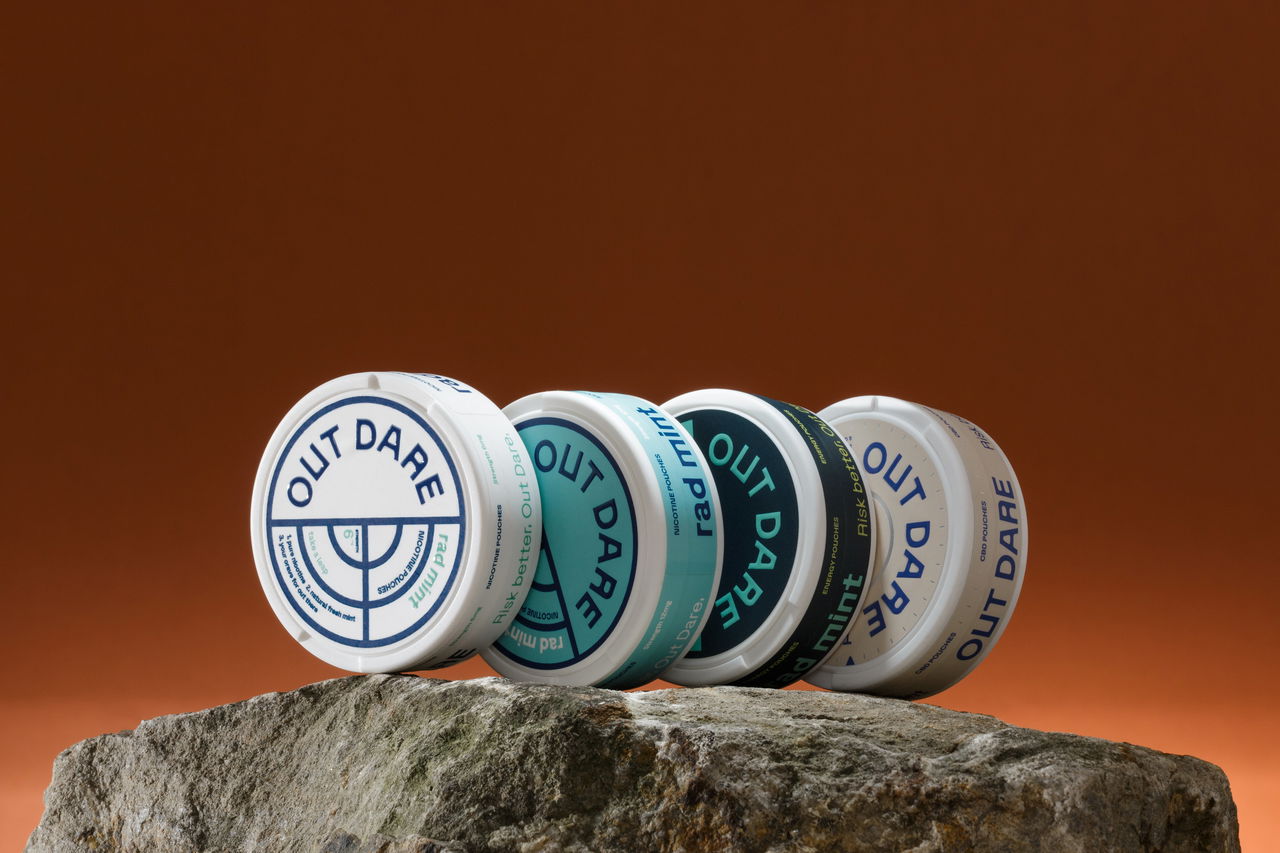
Perhaps the most important limitation for anyone researching the 30/30/30 addiction rule explained through a dependency lens: the protocol does nothing to address the neurochemical or psychological roots of addiction. It restructures behavior, but it doesn't touch the craving architecture underneath. For nicotine dependency specifically, behavioral scaffolds work best when paired with a substitution system that also replicates the sensory ritual, which is precisely the gap Outdare's three-pouch method is built to fill, targeting the 60% of addiction that lives in habit and sensation rather than the chemical alone.
How the 30/30/30 Rule Compares to Other Evidence-Based Morning Frameworks
The 30/30/30 rule beats most competing morning frameworks on simplicity, but it loses ground on flexibility, clinical depth, and compatibility with certain dietary protocols.
What alternative morning routines or wellness frameworks compete with the 30/30/30 rule?
The most direct conflict is with intermittent fasting (16:8). IF deliberately delays the eating window, often until noon, which makes the 30-minute post-wake protein rule structurally impossible to follow. Both approaches can produce weight loss, but protein-first methods tend to preserve more lean muscle mass during a caloric deficit, making 30/30/30 the stronger choice for body composition goals over pure fat loss.
The Huberman morning protocol, morning sunlight exposure, delaying caffeine by 90 minutes, and early exercise, shares the movement-first principle with 30/30/30. But it demands more steps, more knowledge, and more time. For someone building a first morning routine, 30/30/30 wins on accessibility. Huberman's protocol rewards experienced self-optimizers; 30/30/30 rewards beginners.
Where the "addiction rule" framing in 30/30/30 addiction rule explained content earns its most legitimate application is craving management. A high-protein breakfast stabilizes blood sugar, which blunts the mid-morning cortisol and dopamine dip that triggers reactive nicotine use. For users managing a nicotine habit, pairing the protocol with a controlled-use tool, such as a tobacco-free nicotine pouch used intentionally rather than reactively, gives the craving a structured outlet rather than a compulsive one. Outdare's three-pouch system fits this model directly: you choose when to use it, which pouch to reach for, and at what nicotine strength, turning a reactive habit into a deliberate one. Readers exploring this angle further can find practical guidance in our articles on relapse prevention techniques and nicotine pouches vs. vaping.
The decision comes down to your starting point:
- Choose 30/30/30 if you want a low-barrier morning anchor with no tracking, no equipment, and no prior knowledge required.
- Choose intermittent fasting if your primary goal is metabolic flexibility and you're comfortable skipping breakfast entirely.
- Choose the Huberman protocol if you already have a stable morning routine and want to optimize it further.
- Seek structured support if you're managing clinical addiction, 30/30/30 can complement treatment, but it does not replace it.
The rule's weakness is its ceiling. It works well as a behavioral anchor, but it offers no guidance for complex dietary needs, early-morning time constraints, or anyone whose dependency requires medical oversight.
Frequently Asked Questions
Can the 30/30/30 rule help reduce nicotine or caffeine cravings specifically?
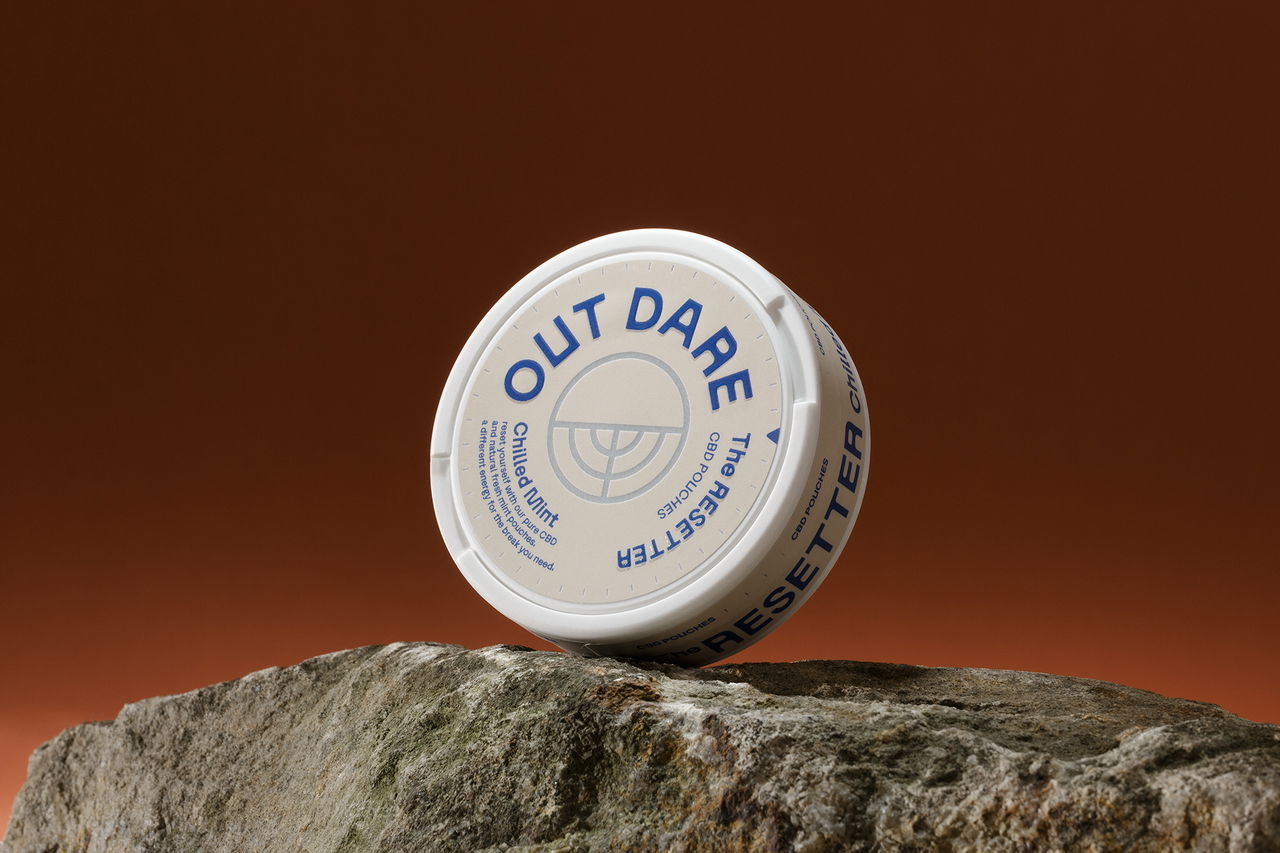
The 30/30/30 rule addresses metabolic and behavioral patterns, not chemical dependency directly, but the underlying logic maps onto addiction reduction. Protein at breakfast stabilizes blood sugar, which blunts the energy dips that trigger reach-for-a-pouch moments. Low-intensity morning exercise raises dopamine and reduces cortisol, two drivers of craving intensity. For nicotine users specifically, pairing the 30/30/30 morning routine with a structured substitution system, like replacing a nicotine pouch with an Energy or CBD variant, targets both the metabolic and ritual sides of the habit simultaneously.
Do you have to do the protein and exercise in a specific order for the 30/30/30 rule to work?
Yes, the protocol specifies protein first, then exercise, and that sequence matters. Eating 30 grams of protein within 30 minutes of waking stabilizes blood glucose before movement begins, which prevents the cortisol spike that fasted morning exercise can trigger [2]. Reversing the order, exercising before eating, may undermine the metabolic stability the rule is designed to create. The 30-minute low-intensity exercise window follows breakfast, not the other way around.
What does long-term follow-up data show about the 30/30/30 rule versus other methods?
No peer-reviewed long-term trials have been conducted specifically on the 30/30/30 rule as a named protocol [2]. Its components, high-protein breakfasts and morning exercise, each have independent research support for weight management and metabolic health, but the combined protocol has not been studied head-to-head against other methods in a controlled setting. Most evidence comes from self-reported outcomes shared on social media, which carry significant selection bias. Treat current results as promising but preliminary until clinical data exists.
Is the 30/30/30 rule safe for people over 50 or those with health conditions?
For most adults over 50, the 30/30/30 rule is low-risk, 30 minutes of low-intensity exercise and a protein-rich breakfast are broadly recommended by mainstream health guidance [1]. People with kidney disease should consult a doctor before increasing protein intake, as high dietary protein can stress compromised kidneys. Those with diabetes, cardiovascular conditions, or musculoskeletal issues should get medical clearance before starting any new morning exercise routine, even a gentle one.
How quickly can someone expect to see results from following the 30/30/30 rule?
Most people who follow the 30/30/30 protocol consistently report noticeable reductions in mid-morning cravings and energy crashes within 7 to 14 days. Weight-related changes, if that is the goal, typically become measurable after 4 to 6 weeks of consistent adherence. However, as habit research by Lally et al. (2010) shows, the behavioral routine itself takes an average of 66 days to become automatic. Setting realistic expectations, early craving reduction first, body composition changes second, improves long-term compliance significantly.
Conclusion
The 30/30/30 rule works because it targets behavior at the structural level, not willpower. Thirty grams of protein stabilizes the blood sugar crashes that trigger cravings. Thirty minutes of low-intensity movement resets dopamine without burning you out. And the broader 30/30/30 addiction framework reminds you that chemical dependency accounts for only 30% of what keeps a habit locked in place.
That last point is the most actionable one. If you use nicotine pouches and want to cut back, start by addressing the 60%, the ritual and the sensory burn, before you fight the chemical. Outdare's three-pouch system is built exactly for that: swap one nicotine pouch per day for a sensorially identical Energy or CBD variant, and track how the craving changes. Run that experiment for seven days before drawing any conclusions.
Sources & References
- What is the 30-30-30 rule? | UCLA Health
- How To Follow the 30-30-30 Diet | Cleveland Clinic
- Smoking Cessation Fast Facts | CDC
Recommended Articles
Explore more from our content library: