










How to Improve Focus Naturally: 10 Proven Methods That Work
| Key Insight | Explanation |
|---|---|
| Sleep is the foundation | Even mild sleep deprivation measurably impairs attention, working memory, and decision-making — no supplement can compensate for poor sleep. |
| Exercise boosts brain chemistry | Aerobic activity increases BDNF (brain-derived neurotrophic factor), which promotes new neural connections and directly sharpens sustained attention. |
| Nicotine dependency harms focus long-term | Short-term stimulation from nicotine is followed by brain fog, energy crashes, and reduced baseline cognitive performance — a net negative over time. |
| Nootropics offer a cleaner edge | Compounds like L-Theanine, caffeine, and Alpha-GPC improve focus without the dependency cycle or crash associated with nicotine or high-sugar energy drinks. |
| The ritual matters as much as the substance | Cognitive priming through consistent pre-work rituals conditions the brain to enter focus states faster — the habit loop is a tool, not just a side effect. |
| Diet and hydration are underrated | Blood sugar spikes, dehydration, and processed food consumption are among the most common — and most fixable — causes of poor concentration in adults. |
Introduction: Why Natural Focus Matters: how to improve focus naturally
The most effective way to improve focus naturally is to address its root causes: sleep debt, poor nutrition, chronic stimulant dependency, and a chaotic environment. These aren't abstract wellness tips — they're the specific variables that determine whether your prefrontal cortex (the brain region responsible for sustained attention and decision-making) operates at full capacity or runs on fumes. This guide covers 10 evidence-backed methods for how to improve focus naturally, with honest assessments of what works, what's overhyped, and what's quietly destroying your concentration without you realizing it.
Poor focus isn't a character flaw. For most adults, it's the predictable output of a lifestyle that's stacked against deep work: fragmented sleep, ultra-processed food, constant notifications, and stimulants that create dependency faster than they create clarity. The good news is that most of these variables are fixable — without a prescription. This is particularly relevant for how to improve focus naturally.

1. Prioritize Sleep and Recovery
Sleep is the single most powerful lever for improving focus naturally — no supplement, nootropic, or productivity system can compensate for chronic sleep deprivation.
What Sleep Actually Does for Focus
During sleep, the brain's glymphatic system (a waste-clearance network that activates during deep sleep) flushes out metabolic byproducts including beta-amyloid, a protein associated with cognitive decline [1]. Even one night of poor sleep measurably degrades working memory, reaction time, and the ability to filter distractions — the core skills of focused work.
Research from Harvard Health confirms that adults who consistently get 7-9 hours of sleep show significantly better sustained attention than those sleeping under 6 hours [1]. The effect isn't subtle. Six hours of sleep for two weeks produces cognitive impairment equivalent to two full nights of total sleep deprivation.
Practical Steps to Protect Sleep Quality
- Set a consistent wake time — even on weekends — to anchor your circadian rhythm
- Eliminate screens for 45-60 minutes before bed; blue light suppresses melatonin production
- Keep your bedroom below 19°C (66°F); core body temperature drop triggers sleep onset
- Avoid caffeine after 1pm — its half-life of 5-7 hours means a 3pm coffee still has 25mg active at 10pm
- If you use nicotine pouches, be aware that nicotine is a stimulant that measurably disrupts REM sleep architecture
One common mistake is treating sleep as the variable you cut when life gets busy. In practice, that's the exact moment focus collapses. Protect sleep first, then optimize everything else around it.
Pro Tip: Track your sleep with a wearable for two weeks before making any other focus changes. Most people discover their "focus problem" is actually a sleep problem in disguise — fix the sleep, and concentration often improves without any other intervention.
2. Exercise and Movement
Regular aerobic exercise is one of the most well-documented natural methods for improving focus, with measurable effects on brain chemistry within a single session. When considering how to improve focus naturally, this point stands out.
The BDNF Connection
Exercise increases production of BDNF (brain-derived neurotrophic factor), a protein that supports the growth of new neurons and strengthens synaptic connections — particularly in the hippocampus and prefrontal cortex, the regions most critical for attention and working memory [2]. According to Healthline, there is a direct, dose-dependent relationship between cardiovascular exercise and cognitive performance [2].
A 20-minute brisk walk before a work session produces measurable improvements in executive function that last 2-3 hours. You don't need a full gym session to get the benefit — though longer sessions do produce stronger effects.
Exercise Formats That Work Best for Focus
- Aerobic exercise (running, cycling, swimming): Best for BDNF production and sustained attention gains
- Resistance training: Improves processing speed and working memory, particularly in adults over 30
- Yoga and mobility work: Reduces cortisol (the stress hormone that fragments attention) and improves interoceptive awareness
- Short movement breaks: Even 5-minute walks between work blocks reduce mental fatigue and reset focus capacity
The timing matters too. Morning exercise tends to prime the brain for focused work throughout the day, while evening exercise can interfere with sleep if done within 2-3 hours of bedtime. Manage your energy, not just your schedule — as James Clear notes in his focus framework, scheduling cognitively demanding tasks when your energy is highest is more effective than trying to force focus through willpower alone [6].
3. Diet, Hydration, and Brain Foods
What you eat directly affects your brain's ability to sustain attention — blood sugar instability, dehydration, and nutritional deficiencies are among the most common and most overlooked causes of poor focus in adults.
Foods That Support Concentration
Research consistently points to a Mediterranean-style diet as the most evidence-backed nutritional pattern for cognitive performance [1]. This means prioritizing: For those exploring how to improve focus naturally, this matters.
- Fatty fish (salmon, mackerel, sardines): Rich in omega-3 DHA, which forms the structural backbone of neuronal membranes
- Berries: Anthocyanins in blueberries and strawberries reduce oxidative stress in the brain and improve memory consolidation
- Nuts and seeds: Walnuts in particular contain ALA (alpha-linolenic acid), a plant-based omega-3 linked to better cognitive function
- Leafy greens: Spinach, kale, and broccoli provide folate, vitamin K, and lutein — all associated with slower cognitive decline
- Whole grains: Provide steady glucose release, avoiding the blood sugar spikes and crashes that fragment attention [8]
Hydration: The Most Underrated Focus Variable
Even mild dehydration — as little as 1-2% of body weight — impairs short-term memory, attention, and psychomotor speed. A 70kg adult loses this amount through normal daily activity without any notable thirst signal. The practical fix is simple: drink water consistently throughout the day, not reactively when thirsty.

| Food / Nutrient | Key Benefit for Focus | Best Source |
|---|---|---|
| Omega-3 DHA | Neuronal membrane integrity, anti-inflammatory | Fatty fish, algae oil |
| Anthocyanins | Reduces oxidative stress, improves memory | Blueberries, blackcurrants |
| Magnesium | Regulates NMDA receptors; supports calm focus | Pumpkin seeds, dark chocolate |
| B Vitamins (B6, B12, Folate) | Neurotransmitter synthesis; reduces brain fog | Eggs, legumes, leafy greens |
| Complex carbohydrates | Stable glucose for sustained attention | Oats, sweet potato, brown rice |
4. Mindfulness and Meditation
Mindfulness meditation directly trains the attentional circuits of the brain, producing measurable structural changes in the prefrontal cortex after as few as 8 weeks of regular practice.
What the Research Shows
A landmark study from Harvard found that participants in an 8-week mindfulness-based stress reduction (MBSR) program showed increased gray matter density in the hippocampus and prefrontal cortex — regions central to focus and emotional regulation [1]. The American Association of Naturopathic Medical Colleges also cites mindfulness as one of the most evidence-supported natural interventions for improving sustained attention in adults [3].
The mechanism is straightforward. Meditation trains what psychologists call "meta-attention" — the ability to notice when your mind has wandered and redirect it without frustration. This is exactly the skill that separates people who can do deep work from those who can't.
How to Start Without the Fluff
- Start with 5 minutes daily — not 20. Consistency beats duration at the beginning.
- Use a simple breath-focus technique: count each exhale from 1 to 10, then restart.
- When your mind wanders (it will), simply return to the count. That redirection IS the practice.
- Add 2 minutes per week until you reach 15-20 minutes daily.
- Practice at the same time each day to build the habit anchor.
Apps like Waking Up or Headspace can help in the early stages, but they're training wheels — the goal is to internalize the skill, not depend on guided audio indefinitely. This directly impacts how to improve focus naturally outcomes.
Pro Tip: Try a 2-minute "focus reset" between work blocks — close your eyes, take 5 slow breaths, and set a single intention for the next session. This micro-practice primes attentional circuits more effectively than scrolling your phone during a break.
5. Nootropics and Clean Energy Tools
Nootropics — cognitive-enhancing compounds that improve memory, focus, or mental clarity without significant side effects — offer a practical, natural route to better concentration when used correctly.
The Most Evidence-Backed Nootropics for Focus
The term "nootropic" (from the Greek for "mind-turning") covers a wide spectrum, from well-researched compounds to marketing fluff. The ones with genuine evidence behind them include:
- Caffeine (50-100mg): The most studied cognitive enhancer in the world. Blocks adenosine receptors to reduce perceived fatigue and sharpen attention. Dose matters — lower doses (50mg) often produce cleaner focus than high doses (200mg+) which can trigger anxiety and impair fine motor control.
- L-Theanine: An amino acid found in green tea that promotes calm alertness by modulating GABA and increasing alpha brain wave activity. Paired with caffeine in a 2:1 ratio (L-Theanine:caffeine), it smooths out the stimulant edge and extends focus duration without jitters.
- Alpha-GPC: A choline precursor that supports acetylcholine synthesis — the neurotransmitter most directly linked to attention and learning. Research suggests 300-600mg doses improve cognitive performance, particularly under mental fatigue.
- Lion's Mane mushroom: Stimulates NGF (nerve growth factor) production, supporting neuroplasticity. Effects are cumulative rather than immediate — expect 4-6 weeks of consistent use before noticing changes.
Clean Delivery Formats: Why the Medium Matters
Energy drinks typically deliver caffeine alongside 25-50g of sugar, artificial colors, and doses high enough to cause cortisol spikes that ultimately fragment focus. Coffee works, but the liquid volume, preparation time, and inconsistent caffeine content make precise dosing difficult.
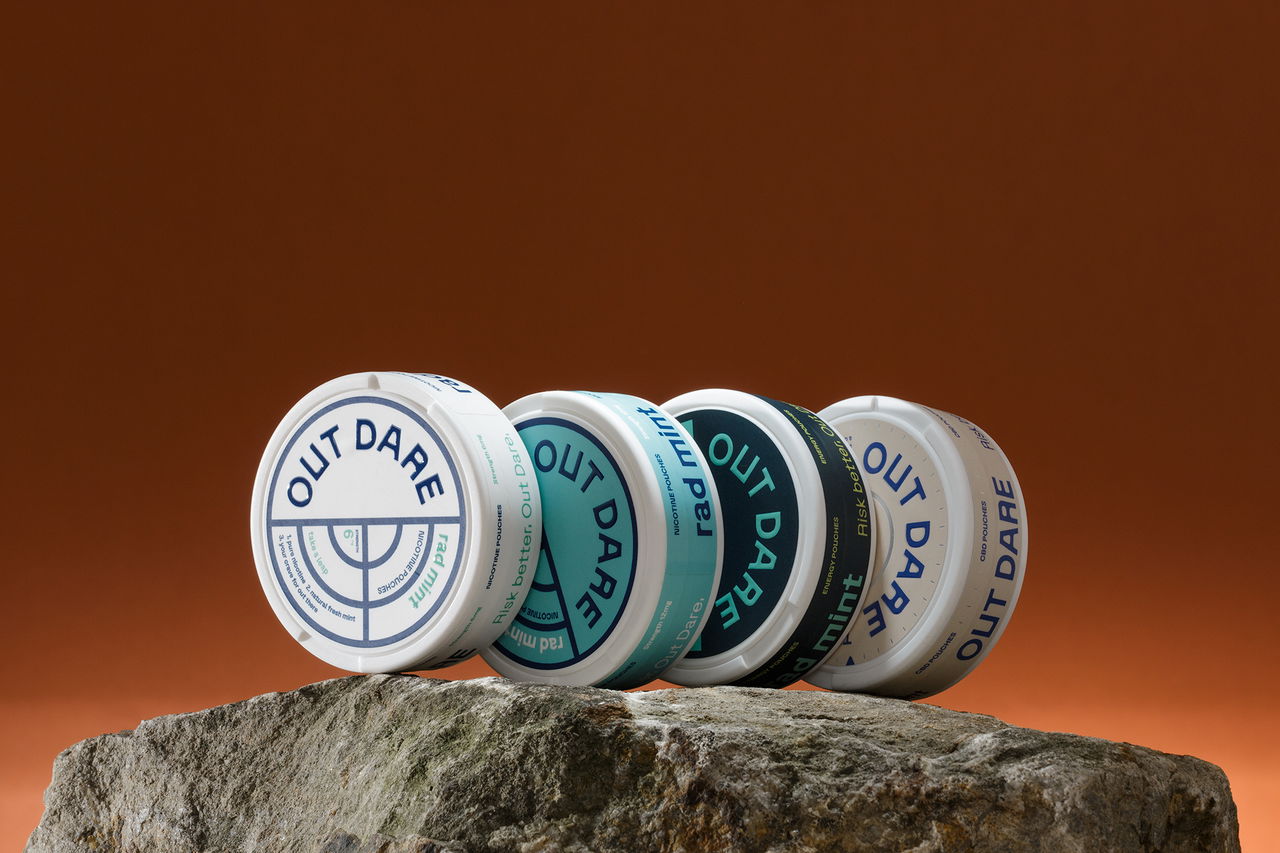
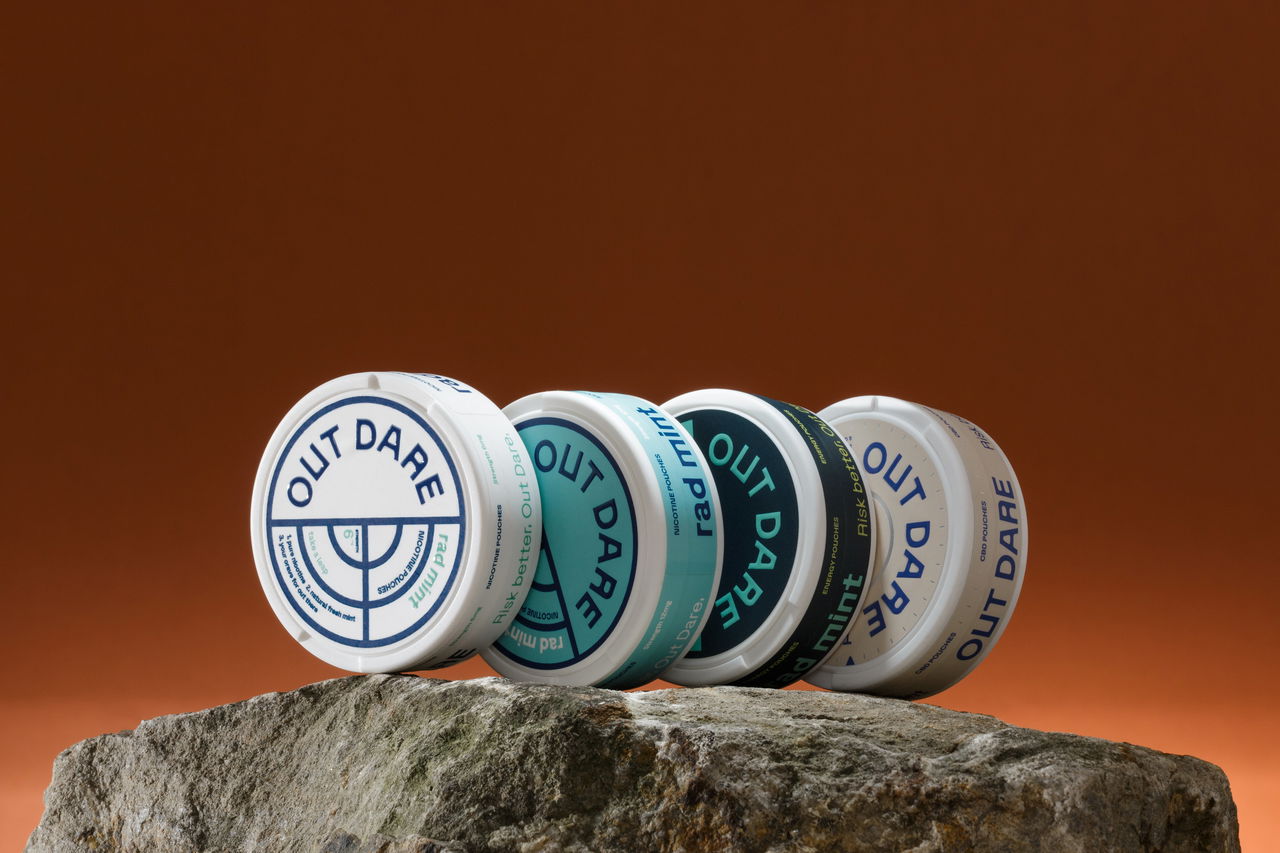
At Outdare LTD, we've found that a discreet, portable format — specifically an oral pouch delivering 50mg caffeine alongside nootropics, with zero nicotine and zero sugar — addresses a real gap in the market for productivity-focused adults who want clean, fast-acting cognitive support without a shaker bottle or a coffee machine. The Outdare Energy pouch uses a plant-fiber matrix with a xylitol-based formula and natural mint flavor, developed by a former mixologist to deliver the same sensory experience as a nicotine pouch — without the chemical dependency.
This matters especially for people who've been using nicotine pouches as a focus tool. If you recognize yourself in that description, the article on Harvard Health's concentration tips is worth reading alongside a harder look at whether nicotine is actually helping your focus — or just masking its own withdrawal [1]. This is particularly relevant for how to improve focus naturally.
6. Manage Your Environment
Your physical and digital environment shapes your ability to focus more than most people realize — attention is largely a function of what competes for it.
The Distraction Architecture Problem
The average knowledge worker is interrupted every 11 minutes, and it takes an average of 23 minutes to fully regain deep focus after an interruption. That's not a willpower problem. It's an environment design problem. According to research cited by the AANMC, structuring your environment to reduce friction for focused work is one of the highest-leverage natural interventions available [3].
- Put your phone in another room during deep work blocks — not face-down on the desk
- Use browser extensions (like Freedom or Cold Turkey) to block social media during work sessions
- Establish a dedicated work surface that's used only for focused tasks — context conditioning trains the brain to enter focus mode faster
- Use ambient sound (brown noise, lo-fi music, or nature sounds) to mask unpredictable auditory distractions
- Declutter your physical workspace — visual complexity competes for attentional resources
Digital Environment Hygiene
Notifications are the single biggest structural threat to focused work in 2026. Turn off all non-essential push notifications at the OS level — not app by app, but system-wide. Check email and messages in designated windows (twice daily is sufficient for most roles) rather than reactively. This single change, implemented consistently, produces more focus improvement than most supplements or techniques.
7. Time-Blocking and Focus Rituals
Structured time management and consistent pre-work rituals condition the brain to enter focused states faster and sustain them longer.
The Time-Blocking Method
Time-blocking — scheduling specific tasks into dedicated calendar blocks rather than working from an open to-do list — is a framework used by high-performers from Cal Newport (author of "Deep Work") to Bill Gates. The cognitive benefit is that it removes the micro-decisions about what to work on next, which deplete prefrontal resources and interrupt flow state (the psychological state of effortless, absorbed concentration). When considering how to improve focus naturally, this point stands out.
- At the end of each workday, plan tomorrow's blocks — don't start the day without a plan
- Schedule your highest-cognitive-demand tasks in your peak energy window (typically 9-11am for most chronotypes)
- Block 90-minute deep work sessions maximum — sustained focus degrades significantly beyond this window
- Schedule genuine recovery time between blocks — not email, not social media, but actual rest
- Review and adjust weekly; the system only works if it reflects reality
Why Rituals Work: Cognitive Priming
Cognitive priming refers to the process by which consistent pre-task behaviors condition the brain to activate associated neural networks. A consistent pre-work ritual — the same sequence of actions before each focus session — trains the brain to associate those cues with deep concentration. Over time, the ritual itself triggers the focus state, reducing the "warm-up" time needed to get into flow.
This is exactly why the oral pouch ritual is so psychologically powerful for many users — the act of placing something under the lip has become a conditioned focus trigger. The problem is when that trigger is tied to nicotine dependency rather than a clean alternative. Redirecting the same ritual toward a nootropic energy pouch preserves the cognitive priming effect without the chemical cost.
Pro Tip: Design a 3-step focus ritual and use it consistently before every deep work session. It could be as simple as: make a drink, clear your desk, put in your earphones. The content matters less than the consistency — repetition is what builds the neural association.
8. Address Nicotine Dependency — The Hidden Focus Killer
Nicotine feels like a focus enhancer in the short term, but chronic dependency actively degrades baseline cognitive performance — and most heavy pouch users don't realize it until they start reducing.
How Nicotine Undermines Natural Focus
Nicotine does produce short-term improvements in alertness and attention by stimulating acetylcholine and dopamine pathways. But here's the problem: over time, the brain downregulates its own production of these neurotransmitters, becoming dependent on nicotine to reach what was previously its normal baseline. The result is that heavy users aren't getting a boost — they're just temporarily relieving withdrawal.
The brain fog, afternoon energy crashes, and poor sleep that many pouch users report aren't separate problems. They're symptoms of the same dependency cycle. If you've been using nicotine pouches (6mg, 12mg, or 15mg) multiple times a day and notice your focus deteriorating between doses, that's the dependency talking — not your natural cognitive baseline. For those exploring how to improve focus naturally, this matters.
The 30/30/30 Addiction Framework
Understanding addiction through the 30/30/30 framework helps explain why cold turkey so rarely works for focus-seeking pouch users. The framework breaks pouch addiction into three roughly equal components:
- 30% chemical dependency — the nicotine itself
- 30% physical habit — the pillow sensation under the lip, the ritual of opening the can
- 30% sensory cue — the mint flavor, the gum burn, the immediate sensory feedback
Cold turkey removes all three simultaneously, which is why it fails so often. A smarter approach addresses the 60% (habit and sensory cue) while gradually reducing the 30% (chemical). This is the logic behind using sensorially identical Energy and CBD pouches to replace nicotine pouches progressively — the brain keeps its ritual intact while the chemical load decreases. Most users who follow this approach report reducing nicotine intake by 60-90% within the first month.
For more detail on the physical side effects of long-term pouch use, our guide on concentration and focus covers how stimulant dependency affects cognitive performance over time [2]. You may also want to read about the relationship between gum health and pouch use, which is a related but distinct topic we cover separately.
9. Spend Time in Nature and Take Real Breaks
Exposure to natural environments measurably restores directed attention capacity — and genuine rest between work sessions is as important as the work itself.
Attention Restoration Theory
Attention Restoration Theory (ART), developed by psychologists Rachel and Stephen Kaplan, proposes that natural environments restore depleted attentional resources by engaging "involuntary attention" — the effortless, non-directed awareness we experience in nature — which allows the directed attention system to recover. Multiple studies confirm that even 20 minutes in a park or natural setting significantly improves performance on attention tasks compared to urban environments [5]. This directly impacts how to improve focus naturally outcomes.
You don't need wilderness access. A park, a garden, or even a tree-lined street produces measurable recovery. The key is genuine disengagement — no phone, no podcast, no agenda.
The Science of Real Breaks
Not all breaks are restorative. Switching from work to social media keeps the prefrontal cortex engaged in reactive processing, which doesn't allow recovery. Genuine breaks involve:
- Physical movement away from your workspace
- No screens or content consumption
- Unstructured time — let your mind wander
- Ideally, some exposure to natural light and outdoor air
The Pomodoro Technique (25-minute focused work blocks followed by 5-minute breaks) is a well-known framework for structuring this rhythm — but the break quality matters as much as the break duration.
10. Brain Training and Cognitive Challenges
Deliberate cognitive challenges — learning new skills, solving complex problems, and strategic games — strengthen the neural networks underlying sustained attention.
What Actually Works
The brain training app market is largely overhyped. Most apps improve performance on the specific tasks they train without meaningful transfer to real-world focus. What does transfer is learning genuinely new, complex skills that require sustained effort [4]. This is particularly relevant for how to improve focus naturally.
- Learning a musical instrument: One of the most cognitively demanding activities available, engaging motor control, auditory processing, and working memory simultaneously
- Strategic games (chess, Go, bridge): Build planning, pattern recognition, and sustained concentration — particularly effective when played without time pressure
- Language learning: Requires sustained attention and frequent retrieval practice, both of which strengthen attentional circuits
- Reading long-form text: In an era of fragmented content, sustained reading is itself a focus training exercise — start with 20 minutes daily and build from there
The Transfer Problem and How to Solve It
The key is choosing challenges that require the same type of attention you want to improve in your work. If your job requires sustained analytical focus, reading complex non-fiction or playing chess is more transferable than a reaction-time app. Match the cognitive demand to your actual goal.
From experience working with productivity-focused adults, the most common mistake is choosing activities that feel effortful but don't actually challenge the right cognitive systems. Scrolling Reddit feels mentally tiring — but it trains reactive, fragmented attention, not sustained focus. Choose deliberately.
How to Choose the Right Focus Strategy for You
The right combination of focus strategies depends on your specific situation — there's no universal protocol, and results will vary based on your baseline habits, health status, and work demands.
Decision Framework: Where to Start
Use this framework to prioritize:
- Fix the foundations first: If you're sleeping under 7 hours or not exercising regularly, start there. No other intervention will produce meaningful results on a broken foundation.
- Audit your stimulant use: If you're using nicotine pouches, caffeine in excess of 300mg/day, or other stimulants, assess whether they're genuinely helping or just masking withdrawal. This is often the highest-leverage change available.
- Clean up your environment: Distraction architecture changes produce immediate, measurable results. Do these before adding supplements or complex protocols.
- Add nootropics strategically: Once foundations are solid, targeted nootropic support (caffeine + L-Theanine, Alpha-GPC) can provide a meaningful edge without dependency risk.
- Build rituals around your best strategies: Consistency compounds. A mediocre strategy done daily outperforms an optimal strategy done occasionally.
| Focus Problem | Most Likely Cause | First Intervention |
|---|---|---|
| Afternoon brain fog | Blood sugar crash, nicotine withdrawal, or poor sleep | Stabilize lunch, audit stimulant use |
| Can't start tasks | Decision fatigue, no focus ritual, or dopamine dysregulation | Time-blocking + pre-work ritual |
| Easily distracted | Environment design, phone access, or anxiety | Environment audit + mindfulness practice |
| Mental fatigue by midday | Sleep debt, dehydration, or overwork | Sleep protocol + hydration + real breaks |
| Focus works but not sustained | Attentional endurance deficit | Meditation + brain training + nootropics |
Sources & References
- Harvard Health, "Tips to Improve Concentration," 2023
- Healthline, "How to Improve Concentration: 14 Tips to Help You Focus," 2023
- AANMC, "Boost Focus & Concentrate Better," 2023
- ADDitude Magazine, "Buffer Your ADHD Brain for Greater Clarity and Focus," 2023
- FMOLHS Health, "Natural Focus: 7 Healthy Ways to Boost Your Concentration While Studying," 2023
- James Clear, "Focus: A Brief Guide on How to Improve Focus and Concentration," 2023
- WebMD, "Brain Foods That Help You Concentrate," 2023
- Reddit r/productivity, "How to get your brain to focus, no bullshit guide," 2022


Frequently Asked Questions
1. What naturally increases focus?
Sleep, exercise, and diet form the non-negotiable foundation. Beyond these, consistent mindfulness practice trains the meta-attentional skills that allow you to sustain focus under distraction. Strategic use of evidence-backed nootropics — caffeine paired with L-Theanine, Alpha-GPC, or Lion's Mane — can provide a meaningful edge once the basics are in place. The most overlooked natural focus booster is addressing stimulant dependency: if you're using nicotine regularly, your baseline focus is likely suppressed by withdrawal cycles rather than genuinely enhanced by the nicotine. When considering how to improve focus naturally, this point stands out.
2. How can I improve focus and concentration while studying?
Use time-blocked study sessions of 45-90 minutes with genuine breaks in between. Eliminate your phone from your study environment entirely — not just silenced, but physically absent. Study in a consistent location to build context conditioning. Review material using active recall (testing yourself) rather than passive re-reading, which is far more effective for both retention and sustained attention. Eat a protein-rich meal before long sessions and stay hydrated throughout.
3. How can I improve focus and memory at the same time?
Sleep is the most powerful intervention for both simultaneously — memory consolidation happens during deep sleep, and sleep deprivation impairs both encoding and retrieval. Exercise is second: BDNF produced during aerobic activity supports neuroplasticity in the hippocampus, which is central to both attention and memory formation. Omega-3 supplementation (particularly DHA) supports the structural integrity of neurons involved in both functions. Reducing chronic stress — which elevates cortisol and physically shrinks the hippocampus over time — is also critical.
4. How can I improve focus naturally if I have ADHD?
Natural strategies are most effective as adjuncts to professional treatment, not replacements. That said, exercise has the strongest evidence base for ADHD-related attention deficits — it produces dopamine and norepinephrine increases that partially mimic the mechanism of stimulant medications [4]. Consistent sleep schedules, protein-rich breakfasts, and structured time-blocking reduce the executive function demands that ADHD makes particularly difficult. Environmental design (removing distractions at the source) is often more effective than willpower-based strategies for ADHD brains. Always consult a qualified healthcare provider for personalized guidance.
5. Do nicotine pouches help with focus?
In the short term, nicotine does stimulate acetylcholine and dopamine pathways that support attention. But this is largely the relief of nicotine withdrawal rather than a genuine cognitive enhancement. Over time, chronic nicotine use downregulates the brain's natural production of these neurotransmitters, meaning heavy users need nicotine just to reach their former baseline. The net effect on long-term focus is negative. A cleaner alternative is a nootropic energy pouch delivering caffeine and compounds like L-Theanine — the same ritual, the same oral habit, but without the chemical dependency cycle.
6. How long does it take to improve focus naturally?
Results depend on which interventions you implement and your starting point. Sleep improvements produce noticeable cognitive benefits within 2-3 days of consistent 7-9 hour nights. Exercise effects on attention are measurable after a single session and compound significantly over 4-6 weeks of regular training. Mindfulness meditation produces structural brain changes after 8 weeks of daily practice. Dietary changes typically take 2-4 weeks to show cognitive effects. If you're reducing nicotine dependency, most users report clearer baseline focus within 3-4 weeks as neurotransmitter systems recalibrate. For those exploring how to improve focus naturally, this matters.
Conclusion
Learning how to improve focus naturally isn't about finding one magic intervention. It's about stacking the right variables in the right order: fix your sleep, move your body, clean up your diet, manage your environment, and build rituals that prime your brain for deep work. These aren't optional extras — they're the operating conditions your prefrontal cortex requires to function at capacity.
The hidden variable that most focus guides ignore is stimulant dependency. If you're using nicotine pouches as a focus tool, you're likely managing withdrawal more than you're enhancing cognition. Addressing that dependency — through a structured, ritual-preserving system rather than cold turkey — is often the highest-leverage change available.
At Outdare LTD, we've built a three-pouch system specifically for this situation: the same mint taste, the same gum burn, the same pillow feel — but you choose what's inside. Energy for focus. CBD for reset. Nicotine only when you actually choose it. That's what focus tools should look like in 2026. Risk Better.
Recommended Articles
Explore more from our content library: