


How to Stop Energy Drink Addiction: A Step-by-Step Guide
| Key Insight | Explanation |
|---|---|
| Energy drink addiction is primarily caffeine dependency | The chemical hook is caffeine, but the ritual of cracking a can, the cold rush, and the afternoon "pick-me-up" habit account for a significant portion of the compulsion. |
| Cold turkey rarely works | Abrupt cessation triggers headaches, fatigue, and irritability. A gradual 10-25% weekly reduction is clinically preferred to minimize withdrawal symptoms. |
| Withdrawal peaks at days 2-3 | Most people experience peak symptoms 24-48 hours after their last drink. Symptoms typically resolve within 7-10 days for moderate users. |
| The ritual matters as much as the substance | Replacing the habit loop — the trigger, the action, and the reward — is as important as managing the chemical dependency itself. |
| Clean energy alternatives reduce relapse risk | Substituting energy drinks with lower-caffeine, sugar-free alternatives (green tea, functional pouches, black coffee) preserves the energy-seeking behavior while reducing harm. |
| Sleep and hydration are the two biggest recovery levers | Most energy drink users are in a cycle of poor sleep driving more caffeine. Fixing sleep architecture breaks the cycle faster than willpower alone. |
Knowing how to stop energy drink addiction starts with understanding that you're dealing with two separate problems: a chemical dependency on caffeine and a deeply ingrained behavioral habit. Most quit attempts fail because they only address one of those. A standard 500ml energy drink delivers 160mg of caffeine plus sugar, taurine, and B-vitamins [1] — enough to create a genuine physical dependency in daily users. But the cold can in your hand at 2pm, the ritual of cracking it open, the psychological association between that drink and "getting things done" — that's the other half of the problem. This guide gives you a practical, step-by-step method to address both. You'll learn how to taper your intake, manage withdrawal without suffering, replace the habit loop, and build the kind of daily structure that makes relapse unlikely. Most people who follow a structured reduction plan feel significantly better within two to three weeks. Difficult? Yes. Impossible? Not even close.
What You Need to Know Before You Start: how to stop energy drink addiction
Energy drink addiction involves caffeine dependency (a recognized substance use pattern) combined with habitual and psychological triggers that make the behavior hard to break without a structured approach. This is particularly relevant for how to stop energy drink addiction.
Understanding What You're Actually Addicted To
Energy drinks aren't just caffeine delivery systems. A comprehensive review published in Nutrients found that popular 500ml drinks contain an average of 160mg of caffeine, up to 54g of sugar, and a cocktail of stimulants including taurine and guarana [1]. That combination hits harder than a standard cup of coffee, and it hits faster.
Caffeine works by blocking adenosine receptors — the receptors that signal tiredness to your brain. Over time, your brain compensates by growing more adenosine receptors. That's why you need more and more to feel the same effect. According to the Mayo Clinic, this receptor adaptation is the core mechanism behind caffeine withdrawal symptoms like headaches, fatigue, and difficulty concentrating [2].
But there's a second layer. The ritual itself becomes a trigger. The sound of a can opening. The cold hit at the back of your throat. The association between your afternoon slump and reaching for a drink. These behavioral cues operate independently of the chemical dependency — which is exactly why white-knuckling it through cravings without replacing the ritual almost always fails.
The scale of energy drink consumption makes this a widespread issue: the global energy drink market was valued at approximately $86 billion in 2023 and is projected to reach $186 billion by 2032, according to industry research from Fortune Business Insights — reflecting just how deeply these products have embedded themselves into daily routines worldwide.
Tools and Prerequisites
Before you begin, gather these:
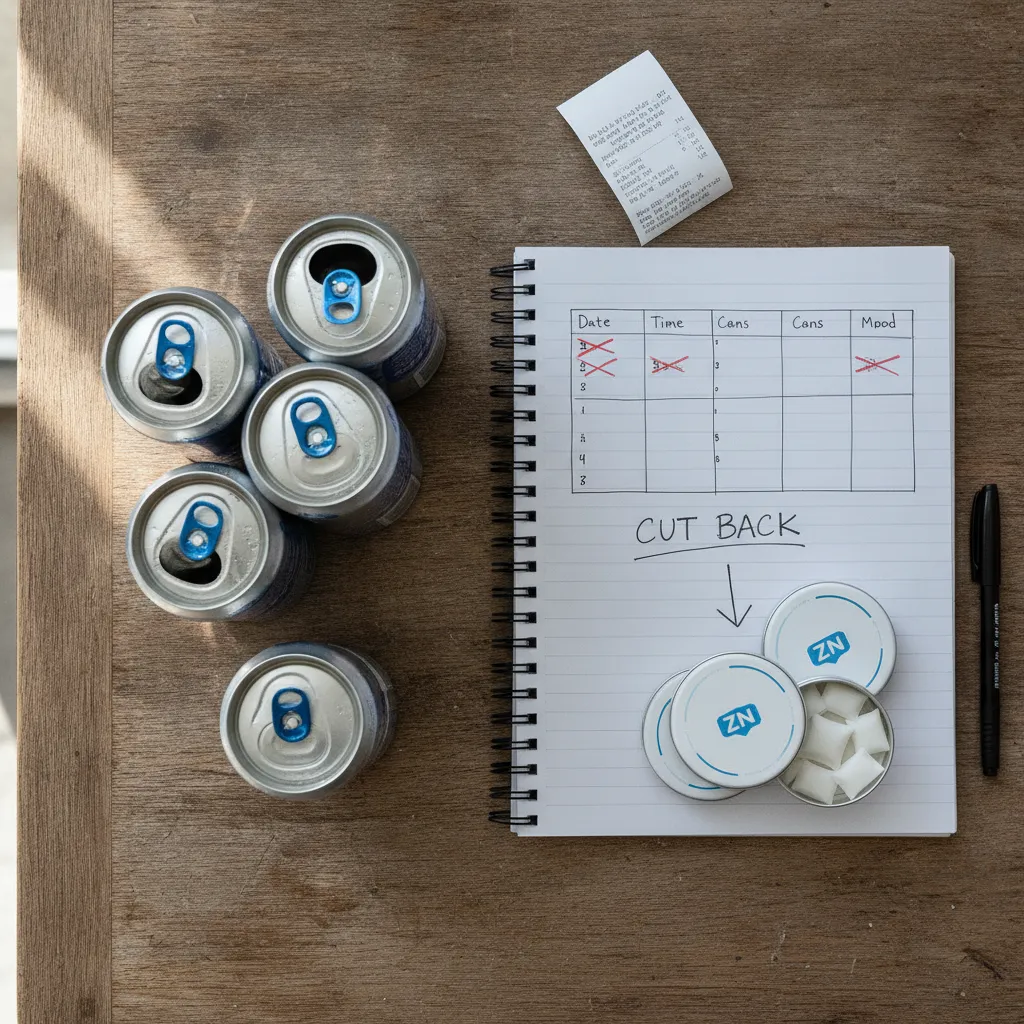
- A consumption log (a notes app or a simple notebook works fine)
- A baseline count of how many energy drinks you consume per day and when
- An alternative beverage to substitute (green tea, black coffee, or a functional alternative — more on this in Step 4)
- A realistic 4-week timeline — results won't come in 48 hours
- Basic knowledge of your current caffeine intake in milligrams
| Dependency Level | Daily Consumption | Estimated Caffeine (mg) | Recommended Taper Duration |
|---|---|---|---|
| Mild | 1 can/day | ~160mg | 2 weeks |
| Moderate | 2-3 cans/day | 320-480mg | 3-4 weeks |
| Heavy | 4+ cans/day | 640mg+ | 5-8 weeks |
Step 1: Audit Your Consumption Honestly
Map every energy drink you consume for 5-7 days — the time, the trigger, and the quantity — before attempting to change anything. This baseline data is the foundation of your entire reduction strategy.
Why the Audit Matters
Most people underestimate how much they consume. One Reddit thread on quitting energy drinks found that users routinely discovered they were drinking 30-50% more than they thought once they started tracking [3]. That gap between perceived and actual intake is why generic advice ("just drink less") rarely works. When considering how to stop energy drink addiction, this point stands out.
The audit also reveals your trigger patterns. Most heavy users have 2-3 predictable consumption windows: morning (to start the day), early afternoon (post-lunch slump), and evening (to power through late work or social commitments). Each of those windows represents a separate habit loop that needs its own replacement strategy.
How to Conduct Your Audit
- Log every drink for 7 days. Note the time, the size, and what you were doing or feeling right before you reached for it.
- Calculate your daily caffeine total. Check the label — most 500ml cans contain 150-200mg. Add any coffee, tea, or pre-workout you also consume.
- Identify your top 2 trigger windows. These are the times where the pull feels automatic, not deliberate.
- Note any emotional triggers. Stress, boredom, and fatigue are the three most common non-physical drivers of energy drink consumption, according to research cited by Healthline [4].
- Write down your "why." What do you want to feel different in 30 days? Concrete motivation — better sleep, less anxiety, saving €100/month — keeps you on track when cravings hit.
Pro Tip: Don't try to change your behavior during the audit week. Just observe. Attempting to reduce while tracking simultaneously skews your baseline data and makes it harder to design an effective taper schedule.
Step 2: Reduce Gradually, Not Abruptly
A structured taper — reducing your caffeine intake by 10-25% per week — is the most effective way to stop energy drink addiction without triggering severe withdrawal symptoms.
The Taper Framework
Cleveland Clinic registered dietitian Beth Czerwony recommends a gradual reduction approach specifically because it allows your adenosine receptor count to normalize slowly, preventing the "caffeine crash" that sends most people straight back to the vending machine [5]. Abrupt cessation, by contrast, can trigger headaches within 12-24 hours and peak withdrawal symptoms by day 2-3.
The taper framework works like this:
- Week 1: Reduce by one serving every other day. If you drink 3 cans daily, drop to 2.5 on alternating days.
- Week 2: Cut the weakest trigger window entirely. Replace it with your chosen alternative (see Step 4).
- Week 3: Drop another serving. By this point, most moderate users are at 1 can per day or less.
- Week 4: Eliminate the final can. Replace it with a zero or very-low-caffeine alternative.
If you're a heavy user (4+ cans daily), extend each phase by a week. There's no prize for suffering through this faster than your body can adapt.
Switching to Lower-Caffeine Formats
Switching from a 500ml energy drink (160mg caffeine) to a smaller 250ml format (80mg) is a legitimate taper step. So is switching from an energy drink to black coffee — which delivers caffeine without the sugar spike and secondary crash. According to Catholic Health, substituting lower-caffeine beverages is one of the most practical strategies for breaking the caffeine habit loop without going cold turkey [6]. For those exploring how to stop energy drink addiction, this matters.
Pro Tip: Use a caffeine tracking app (Caffeine Tracker or similar) to monitor your daily milligram total, not just your can count. This gives you a precise reduction metric and removes the guesswork from your taper schedule.
Step 3: Manage Withdrawal Symptoms Proactively
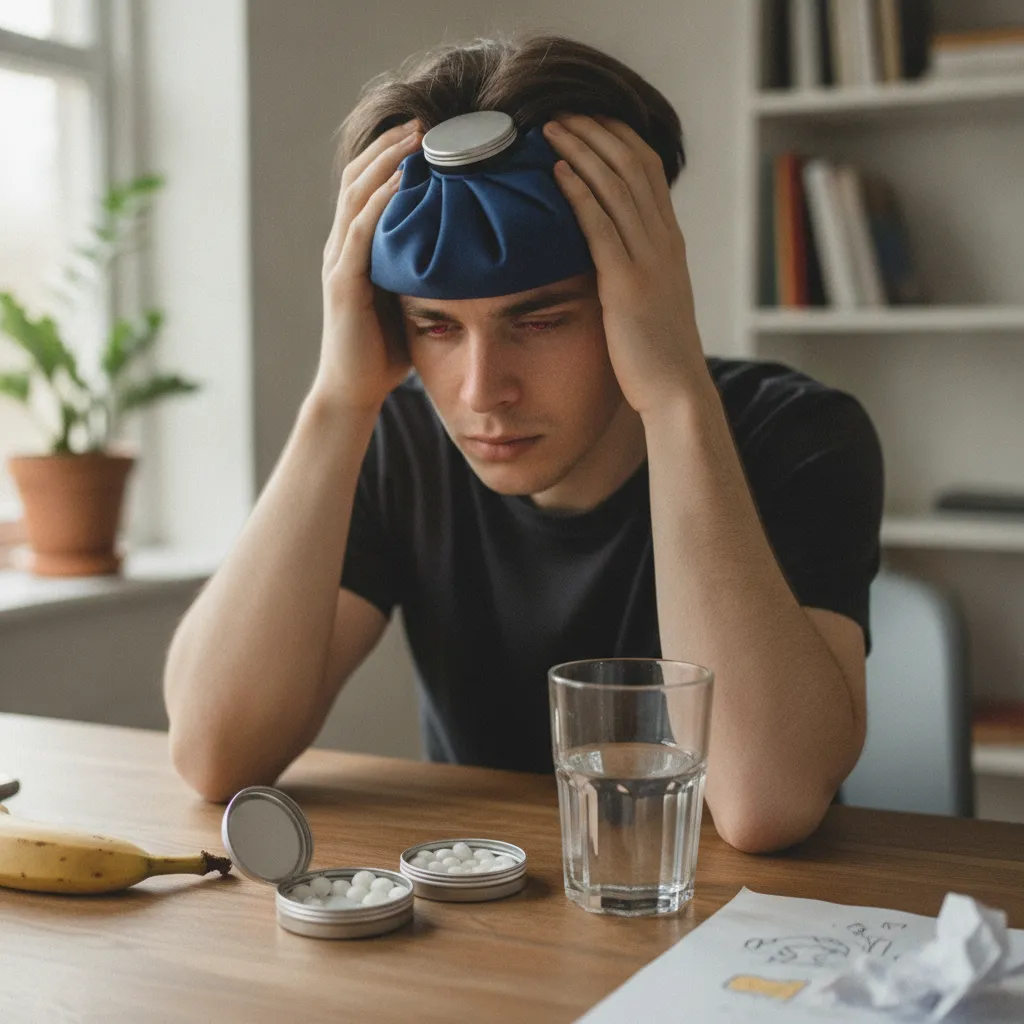
Energy drink withdrawal symptoms — primarily headaches, fatigue, irritability, and difficulty concentrating — are real, predictable, and manageable with the right preparation.
What to Expect and When
According to Northwell Health, withdrawal symptoms typically follow a predictable timeline [7]:
- Hours 12-24: First headaches appear, mild fatigue sets in
- Days 2-3: Peak symptoms — headaches, brain fog, mood dips, difficulty focusing
- Days 4-7: Gradual improvement; energy levels begin to stabilize
- Week 2 and beyond: Most symptoms resolve; natural energy patterns re-emerge
A gradual taper (Step 2) significantly blunts this timeline. Most people who taper correctly experience only mild symptoms at each reduction step rather than a single brutal withdrawal event.
Practical Symptom Management
These strategies reduce withdrawal severity without reaching for another can:
- Hydration: Drink at least 2.5-3 liters of water daily. Dehydration amplifies caffeine withdrawal headaches significantly.
- Electrolytes: Add a pinch of sea salt or an electrolyte tablet to your water. Caffeine is a mild diuretic, and your body needs time to rebalance.
- Ibuprofen or paracetamol: For severe withdrawal headaches, over-the-counter pain relief is appropriate for the first few days. Don't use caffeine-containing pain relievers — that defeats the purpose.
- Short walks: Light physical activity increases natural adenosine clearance and boosts mood through endorphin release without stimulants.
- Consistent sleep schedule: Going to bed and waking at the same time every day stabilizes your natural energy rhythm faster than any supplement.
Industry analysts studying caffeine dependency note that the psychological discomfort of withdrawal — the feeling of "not being yourself" — is often worse than the physical symptoms. Knowing that this is temporary and predictable is itself a management tool.
Step 4: Replace the Ritual With a Cleaner Alternative
Replacing the energy drink ritual — not just the substance — is the single most important factor in long-term success. Without a substitute that satisfies the behavioral loop, relapse rates are high. This directly impacts how to stop energy drink addiction outcomes.
Understanding the Habit Loop
The habit loop framework (cue, routine, reward) developed by MIT researchers and popularized by Charles Duhigg explains why energy drink dependency is so sticky. The cue is your trigger (2pm slump, stressful meeting). The routine is reaching for a can. The reward is the perceived energy boost and the ritual satisfaction of the act itself. You can't just remove the routine without replacing the reward.
From experience working with people trying to reduce stimulant dependency, the replacement has to be:
- Physically present — it needs to be as accessible as the drink was
- Sensory satisfying — cold water alone won't cut it for most people
- Functionally credible — it needs to actually do something for your energy or focus
Cleaner Alternatives Worth Considering
Here are the most effective substitutes, ranked by how well they address both the chemical and ritual components:
| Alternative | Caffeine | Sugar | Ritual Satisfaction | Best For |
|---|---|---|---|---|
| Black coffee | 80-120mg | 0g | High | Morning replacement |
| Green tea | 25-50mg | 0g | Medium | Afternoon calm focus |
| Functional energy pouch | 50mg | 0g | High (oral ritual) | On-the-go, no liquid needed |
| Sparkling water + lemon | 0mg | 0g | Medium (fizz ritual) | Final taper stage |
| Matcha latte | 30-70mg | Depends on recipe | High | Sustained focus without crash |
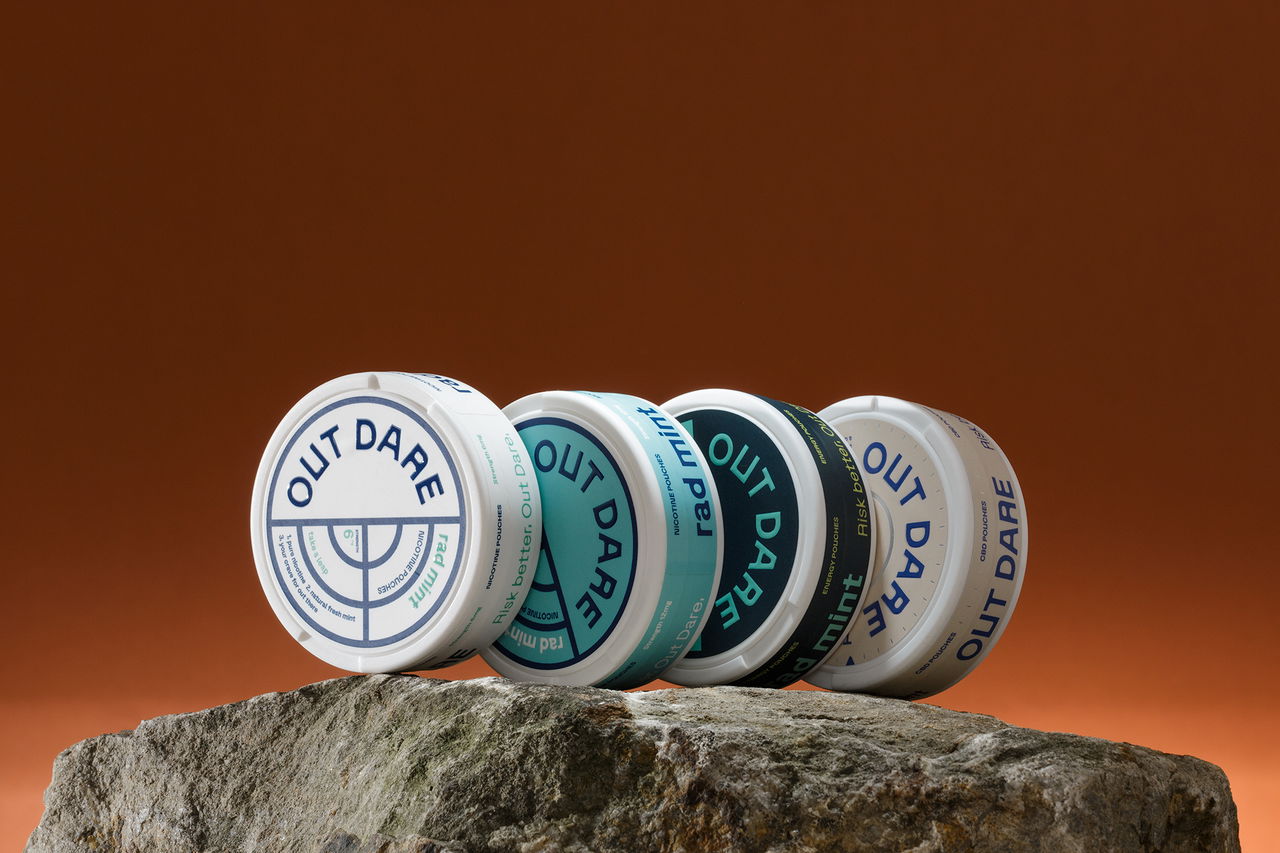
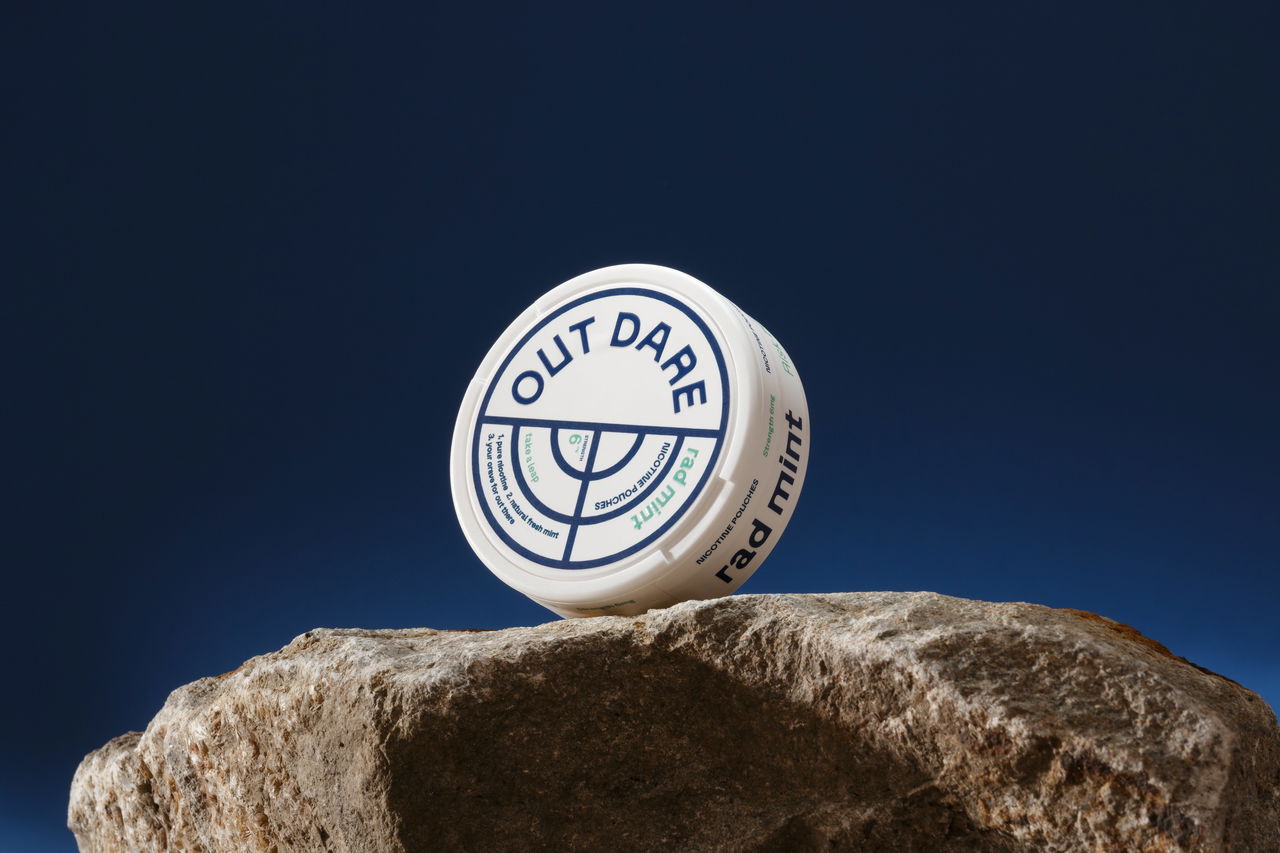
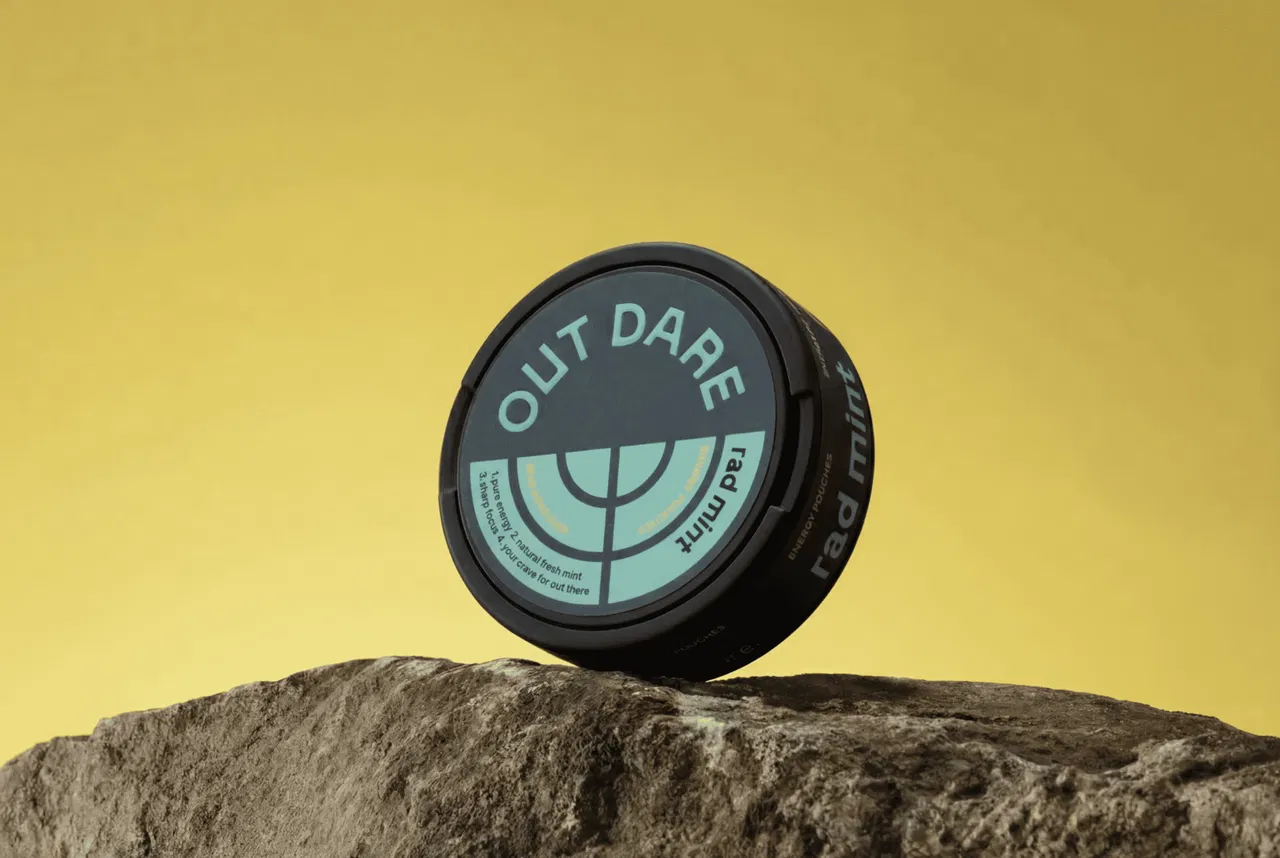
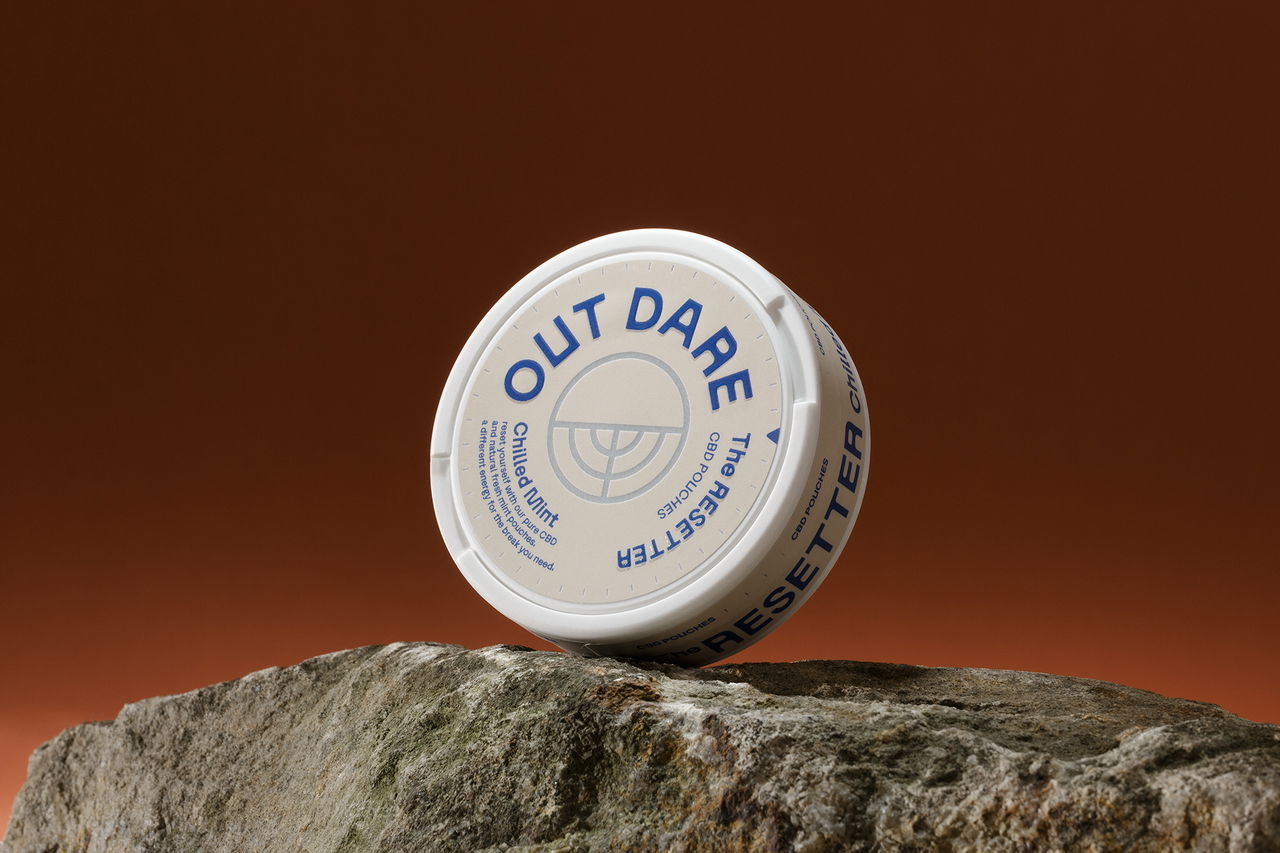
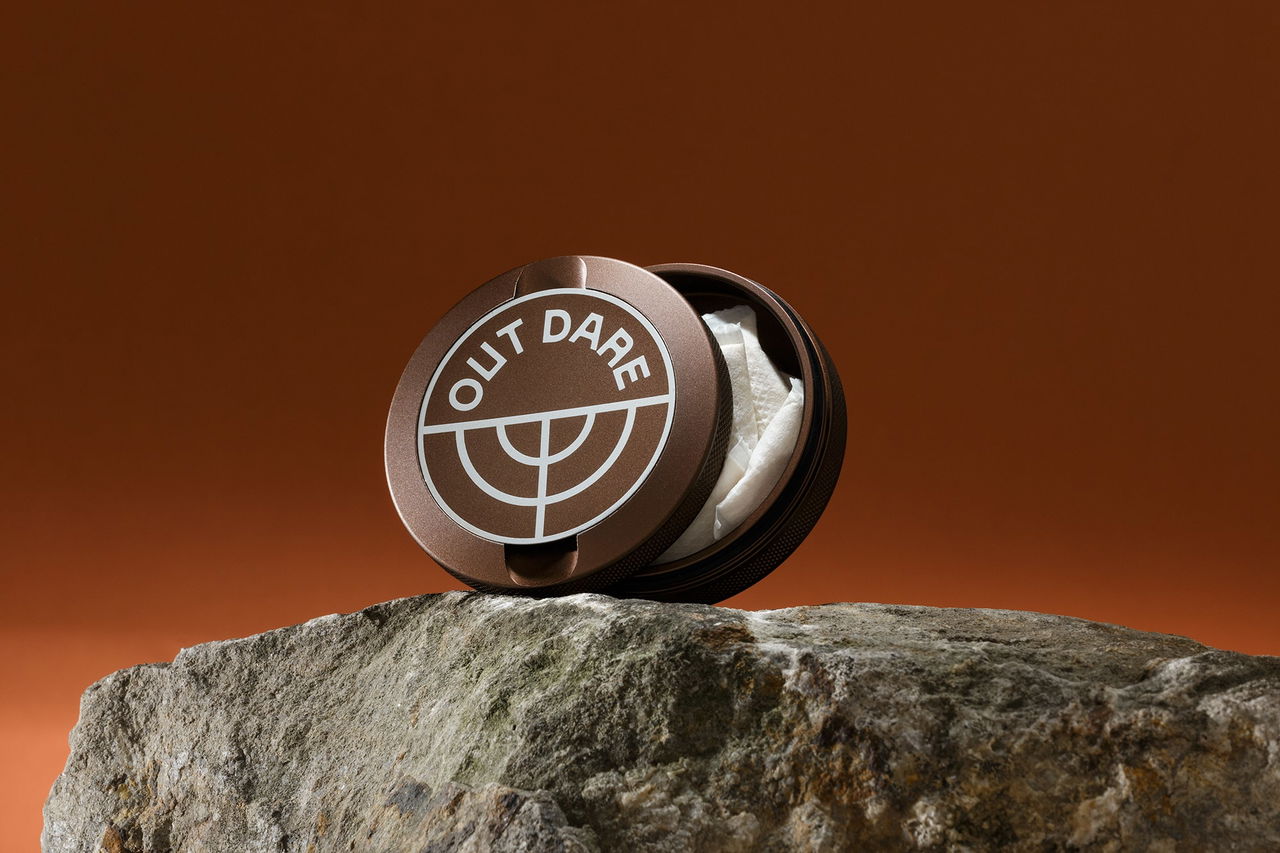
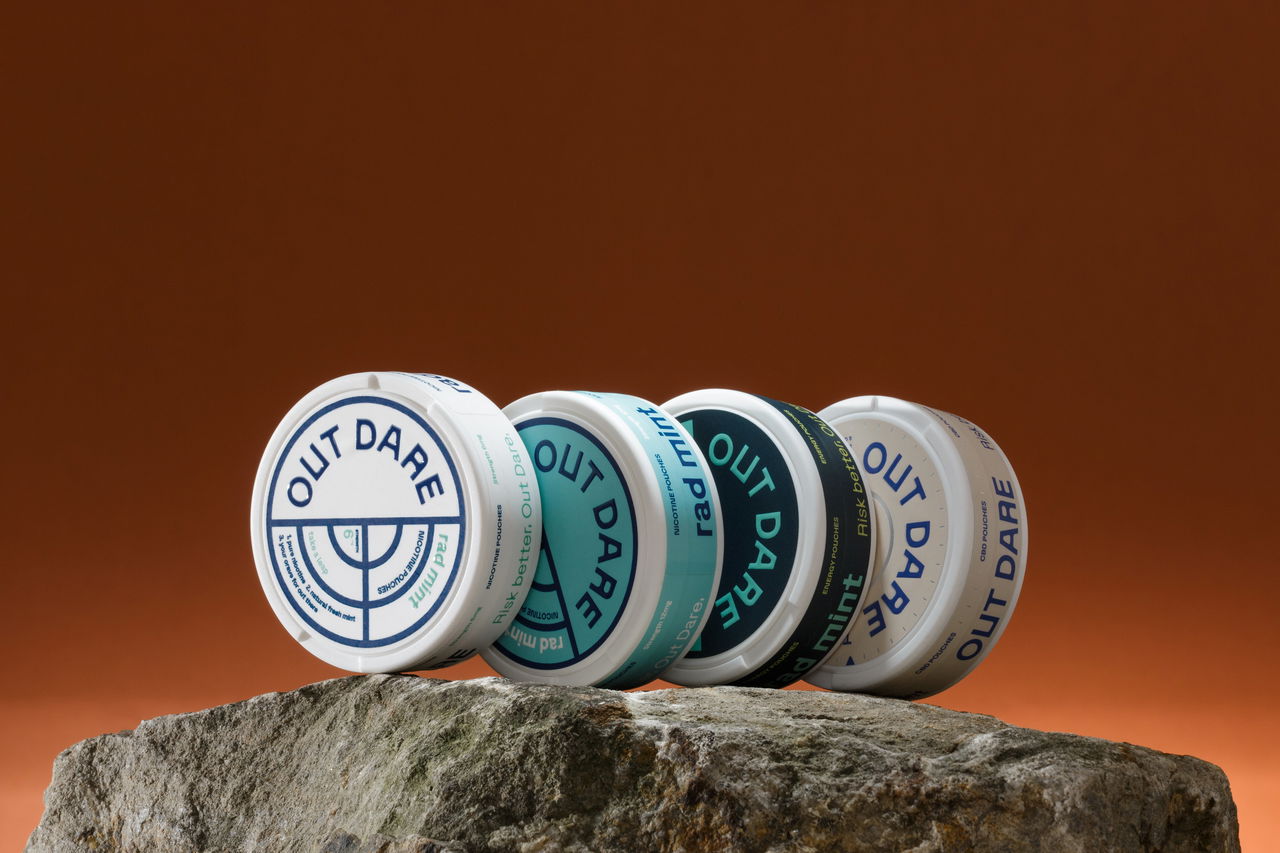
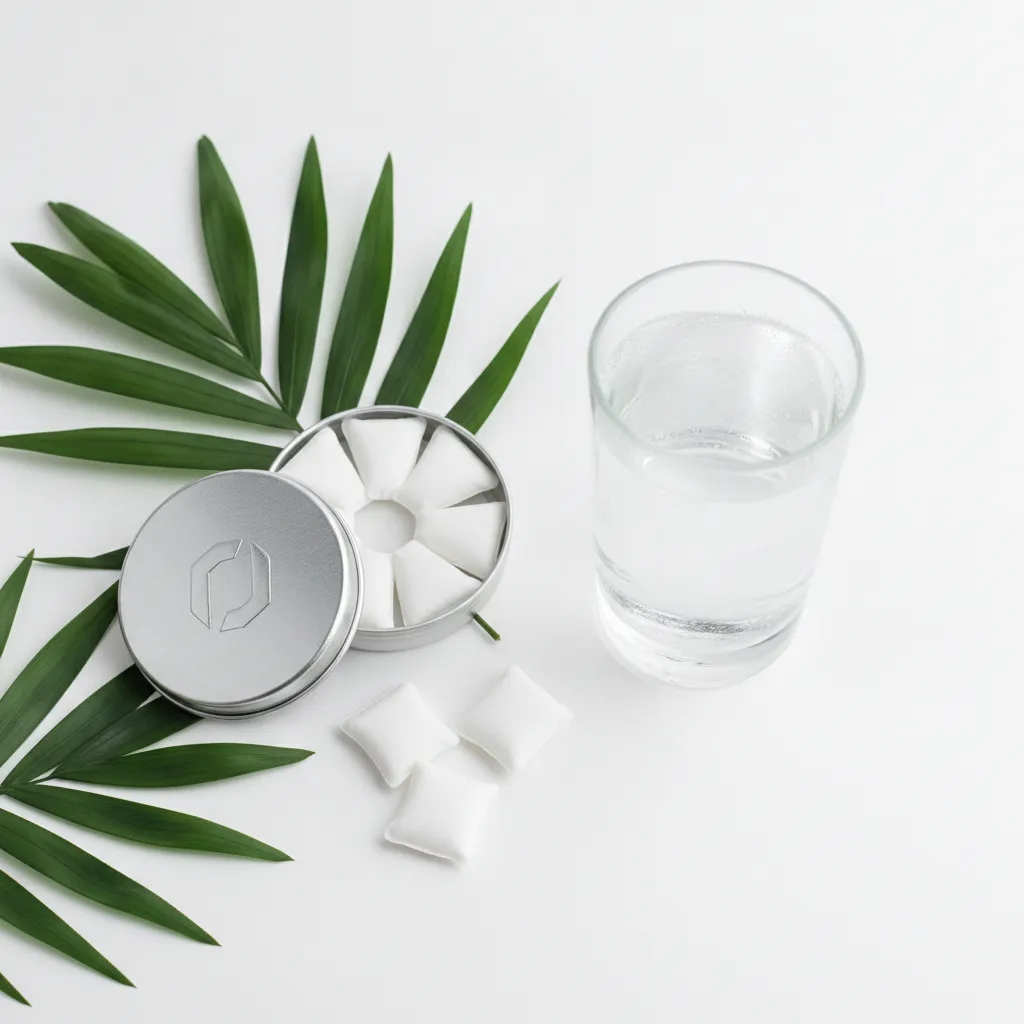
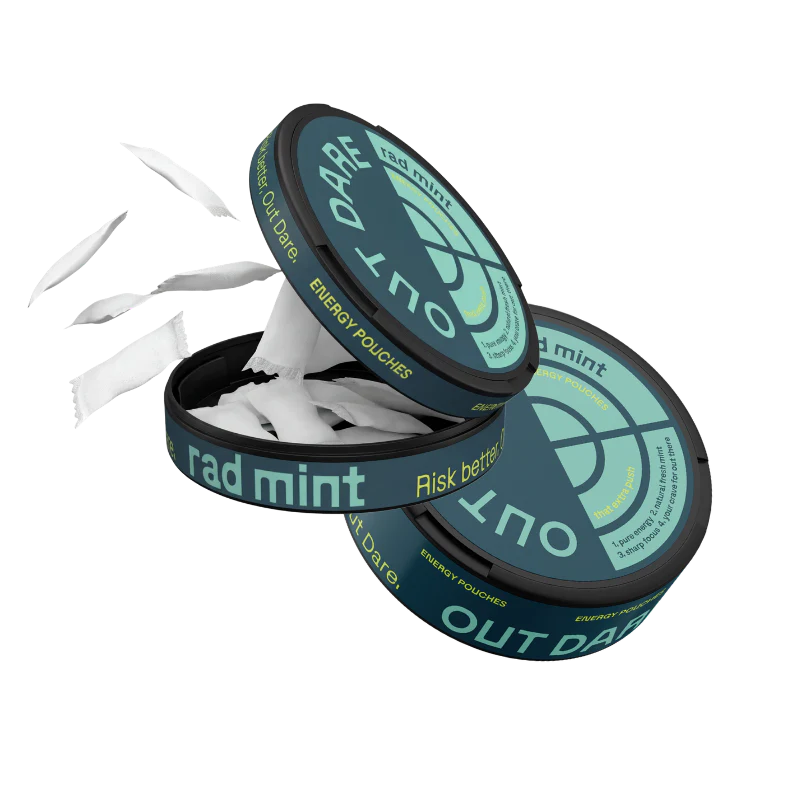
At Outdare LTD, we've found that people quitting energy drinks often struggle specifically with the on-the-go ritual — the portable, instant hit that no hot drink replicates. The Energy Pouch format addresses this directly: 50mg of caffeine combined with nootropics (compounds that support cognitive function, like L-Theanine and Alpha-GPC) in a discreet, sugar-free oral pouch. No liquid, no crash, no junk ingredients. It's a format built for people who need clean energy without the can.
Pro Tip: Pair your replacement with the same physical context as the drink it's replacing. If you always cracked a can at your desk at 2pm, have your alternative ready at your desk at 2pm. The environmental cue is part of the habit — use it to your advantage rather than trying to fight it.
Step 5: Fix Your Sleep and Nutrition to Kill the Craving at Its Root
Most energy drink dependency is driven by genuine fatigue — and most genuine fatigue is driven by poor sleep and blood sugar instability. Fix those two things, and the craving for stimulants drops dramatically.
Breaking the Fatigue-Stimulant Cycle
Here's the cycle most heavy energy drink users are stuck in: poor sleep leads to fatigue, fatigue leads to energy drinks, energy drinks (especially consumed after 2pm) disrupt sleep quality, which leads to worse fatigue the next day. Research published in Nutrients confirmed that high-caffeine energy drink consumption is significantly associated with reduced sleep duration and quality [1]. You can't break the craving without breaking the cycle. This is particularly relevant for how to stop energy drink addiction.
Practical steps to restore natural energy:
- Set a caffeine cutoff at noon. Caffeine has a half-life of 5-6 hours, meaning a 3pm drink still has half its caffeine active at 9pm.
- Eat protein and fat at breakfast. A high-carbohydrate breakfast spikes blood sugar and sets up an afternoon crash. Eggs, Greek yogurt, or nuts stabilize energy for longer.
- Avoid screens for 30 minutes before bed. Blue light suppresses melatonin production and delays sleep onset — compounding the fatigue that drives you to energy drinks the next morning.
- Aim for 7-9 hours of sleep. This isn't negotiable. No supplement or functional drink compensates for chronic sleep debt.
Nutrition Strategies That Reduce Stimulant Cravings
Blood sugar regulation is underrated in addiction recovery discussions. Many energy drink users report that cravings hit hardest 90-120 minutes after a high-carb meal — precisely when blood sugar is crashing. Stabilizing this with balanced meals (protein + complex carbs + healthy fat at every meal) significantly reduces the physiological drive to reach for a stimulant.
Magnesium deficiency is also worth addressing. Research suggests that up to 50% of adults in developed countries don't meet their daily magnesium requirement — and magnesium plays a key role in energy metabolism and sleep quality. A magnesium glycinate supplement (200-400mg before bed) is a low-risk, evidence-adjacent intervention worth discussing with your doctor.
Step 6: Build Accountability and Track Your Progress
Tracking your reduction and building external accountability — even minimally — significantly improves long-term success rates compared to relying on willpower alone.
Setting Up Your Tracking System
You don't need a complex system. A simple weekly log with three columns works:
- Cans consumed this week vs. target
- How you felt (energy, sleep quality, headaches on a 1-5 scale)
- What worked and what didn't (a single sentence)
Reviewing this log weekly reveals patterns that aren't obvious in real-time. Many people discover, for example, that their worst craving days correlate with poor sleep the night before — not with stress, which they assumed was the trigger. That insight changes the intervention. When considering how to stop energy drink addiction, this point stands out.
Using Social Accountability
Research on habit change consistently shows that external accountability — telling someone your goal and checking in regularly — improves adherence. You don't need to announce it publicly. A single trusted friend, a partner, or even an online community (the r/StopDrinking or r/QuittingCaffeine subreddits have active communities) provides enough accountability to meaningfully reduce relapse risk.
If symptoms are severe or you've tried multiple times without success, outpatient behavioral therapy is a legitimate option. The SAMHSA National Helpline (free, 24/7, confidential) can connect you with treatment resources even for substance habits that don't involve illegal drugs [8].
Common Mistakes to Avoid
These are the pitfalls that derail most quit attempts — and how to sidestep them before they become a problem.
Tactical Errors That Lead to Relapse
- Quitting cold turkey. The most common mistake. Abrupt cessation triggers severe withdrawal and almost always ends in relapse within 48-72 hours. Taper instead.
- Replacing energy drinks with excessive coffee. Switching from 3 cans to 4 cups of coffee doesn't reduce your caffeine intake — it just changes the delivery vehicle. Track milligrams, not format.
- Treating the craving as weakness. Cravings are neurological events, not character flaws. They typically peak and pass within 10-20 minutes. Having a plan for those 20 minutes (a walk, a glass of water, a functional alternative) is more effective than trying to "resist" the craving.
- Ignoring sleep. Trying to quit energy drinks while maintaining chronic sleep deprivation is like bailing water from a boat with a hole in it. Fix the sleep first, or simultaneously.
- Expecting linear progress. Most people have a bad day in week 2 or 3 and interpret it as failure. It isn't. Craving intensity is not linear — it spikes, then drops. One bad day doesn't erase two good weeks.
- Not replacing the ritual. Removing the drink without replacing the habit loop leaves a behavioral vacuum. That vacuum gets filled by the old behavior. Have a replacement ready before you need it.
A common scenario we've observed: someone cuts from 3 cans to 1 successfully in week 1, feels great, then decides to skip the taper and go to zero in week 2. The withdrawal hits hard, they feel terrible, and they interpret that as evidence that they "can't quit." The issue isn't willpower — it's the pace of reduction. Slow down, and the outcome changes.
Sources & References
- Nutrients (PMC), "The Dark Side of Energy Drinks: A Comprehensive Review," 2023
- Mayo Clinic Press, "Why Energy Drinks Are More Dangerous Than You Realize," 2023
- Reddit r/EatCheapAndHealthy, "How Do I Stop Drinking Energy Drinks?", 2023
- Healthline, "Energy Drink Addiction: All You Need to Know," 2023
- Cleveland Clinic, "How To Quit Caffeine Without a Headache," 2023
- Catholic Health, "How To Kick Your Soda and Caffeine Habits," 2023
- Northwell Health, "How to Quit Energy Drinks Without Crashing," 2023
- SAMHSA, "National Helpline for Mental Health, Drug, Alcohol Issues," 2026
Frequently Asked Questions
How do I stop being addicted to energy drinks?
The most effective method for stopping energy drink addiction combines a structured caffeine taper (reducing intake by 10-25% per week), a behavioral replacement for the ritual, and sleep optimization to address the underlying fatigue driving consumption. Don't try to quit cold turkey — the withdrawal symptoms are severe enough to cause relapse in most people. Instead, reduce one serving at a time, replace it with a lower-caffeine alternative, and give your brain 2-4 weeks to normalize its adenosine receptor levels. The chemical dependency resolves faster than most people expect; the habit loop takes longer and needs an intentional substitute.
How long does it take to detox off of energy drinks?
If you quit abruptly, withdrawal symptoms typically begin within 12-24 hours, peak at days 2-3 (headaches, fatigue, irritability, difficulty concentrating), and largely resolve by day 7-10. However, the behavioral habit — the craving for the ritual at your usual consumption times — can persist for 3-6 weeks, even after the physical dependency is gone. Using a gradual taper significantly compresses this timeline: most people who reduce by 25% per week report only mild symptoms at each step, with full resolution in 3-4 weeks rather than a single brutal 10-day withdrawal event.
How do you detox your body from energy drinks?
Detoxing from energy drinks involves three parallel tracks: reducing caffeine intake gradually (not abruptly), supporting your body's recovery with hydration, electrolytes, and sleep, and replacing the behavioral ritual with a cleaner alternative. Drink 2.5-3 liters of water daily, cut your caffeine intake by 25% each week, eat protein-forward meals to stabilize blood sugar, and set a hard caffeine cutoff at noon to restore natural sleep architecture. There's no magic supplement that accelerates the process — the body's adenosine receptor normalization takes the time it takes, and the taper just makes that time less painful.
Can you go to rehab for energy drinks?
Formal inpatient rehab isn't typically required for energy drink addiction unless severe cardiovascular symptoms, anxiety disorders, or co-occurring substance use are present. However, outpatient behavioral therapy is a legitimate and effective option — particularly cognitive behavioral therapy (CBT), which addresses the thought patterns and emotional triggers driving the habit. If you've tried to stop multiple times without success, the SAMHSA National Helpline can connect you with counselors who specialize in substance use patterns, including caffeine and stimulant dependency, at no cost.
What happens to your body when you stop drinking energy drinks?
In the short term (days 1-7), you'll likely experience caffeine withdrawal symptoms: headaches, fatigue, reduced concentration, and mood changes. These are temporary. Within 2-4 weeks, most people report meaningfully better sleep quality, more stable natural energy throughout the day, reduced anxiety and heart palpitations, and improved digestion (energy drinks are acidic and high-sugar, both of which stress the gut). Blood pressure often normalizes within 2-3 weeks in heavy users. The long-term picture is significantly better — but you have to get through the short-term discomfort first.
Are sugar-free energy drinks less addictive?
Sugar-free energy drinks remove the sugar dependency component, but the caffeine dependency remains identical. In some ways, sugar-free versions are more insidious: because they feel "healthier," users tend to consume more of them without guilt, which can actually increase caffeine intake over time. The addiction mechanism is the same — caffeine blocks adenosine receptors, the brain adapts, and dependency develops regardless of whether sugar is present. Sugar-free is a harm-reduction step, not a solution to the underlying addiction.
Is it safe to stop energy drinks suddenly if I have a heart condition?
If you have a pre-existing heart condition, you should consult your doctor before making any changes to your caffeine intake. While reducing energy drink consumption is generally beneficial for cardiovascular health — high-caffeine drinks are associated with elevated heart rate and blood pressure — abrupt cessation can cause temporary physiological stress. A medically supervised taper is the safest approach for anyone with arrhythmias, hypertension, or a history of cardiac events. Don't attempt to self-manage withdrawal in isolation if cardiovascular symptoms are part of your history.
Conclusion: You Don't Need More Willpower — You Need a Better System
Knowing how to stop energy drink addiction isn't about discipline. It's about understanding what's actually driving the behavior and replacing it intelligently. The chemical dependency on caffeine resolves within 1-2 weeks of a structured taper. The habit loop takes a bit longer. But neither one requires white-knuckling through misery — they just require a plan.
To recap the six steps:
- Audit your actual consumption before changing anything
- Taper by 10-25% per week — never cold turkey
- Manage withdrawal proactively with hydration, sleep, and light activity
- Replace the ritual with a cleaner, functionally credible alternative
- Fix sleep and blood sugar to eliminate the fatigue driving the craving
- Track your progress and build at least minimal accountability
At Outdare LTD, we built our Energy Pouch specifically for people at step 4 — those who need a portable, discreet, sugar-free energy hit that doesn't come in a can and doesn't feed the old dependency. Fifty milligrams of caffeine plus nootropics for clean focus, zero nicotine, zero sugar, and no crash. It's not a magic fix. But it's a significantly better ritual than the one you're trying to leave behind. Risk Better.
Recommended Articles
Explore more from our content library: