








How to Quit Smoking Gradually: A Step-by-Step Plan
| Key Insight | Explanation |
|---|---|
| Gradual beats cold turkey for most people | Research shows gradual reduction paired with a quit date produces higher long-term abstinence rates than abrupt cessation for many smokers [1]. |
| The ritual is 60% of the addiction | The 30/30/30 Addiction Rule identifies that physical habit and sensory cues account for 60% of dependency — only 30% is chemical nicotine. |
| Set a firm quit date within 6 weeks | Studies indicate the highest success rates occur when a quit date is set within two to six weeks of starting the reduction phase [2]. |
| Tracking triggers is non-negotiable | Identifying your personal smoking triggers — stress, boredom, social settings — is the foundation of any effective quit plan [3]. |
| Replacing the ritual prevents relapse | Substituting the physical act of smoking with a sensory equivalent (like an oral pouch) keeps the habit loop intact while eliminating tobacco smoke. |
| Most users reduce intake 60–90% in month one | Outdare's 4-Week Method, built on the 30/30/30 framework, reports most users cut nicotine consumption by 60–90% within the first 30 days. |
Knowing how to quit smoking gradually means cutting your cigarette count in a structured, week-by-week reduction while simultaneously replacing the physical ritual that keeps you reaching for the next one. It works. And it works better than white-knuckling cold turkey for the majority of smokers who have tried and failed that route before. This guide gives you a concrete, step-by-step system — not vague encouragement — so you can reduce your nicotine dependency by up to 90% in 30 days without feeling like you're depriving yourself of something essential.

What You'll Need Before You Start: how to quit smoking gradually
Before cutting a single cigarette, you need a clear picture of your current habit, a few basic tools, and an honest understanding of what's actually driving your addiction. This is particularly relevant for how to quit smoking gradually.
The Three Layers of Smoking Addiction
Most quit attempts fail because they only attack one layer of addiction. Smoking dependency actually operates on three distinct levels, and the 30/30/30 Addiction Rule captures this precisely:
- 30% chemical dependency: The nicotine itself — the molecule your brain has adapted to expect.
- 30% physical habit: The act of reaching, holding, and placing something in or near your mouth. This is pure behavioral conditioning.
- 30% sensory cue: The burn, the throat hit, the taste — the sensory feedback that signals "this worked" to your brain.
Most cessation programs only address the chemical 30%. That's why patches and gum have historically low long-term success rates — they deliver nicotine but completely abandon the ritual. You're left fighting two-thirds of your addiction with zero support.
Tools and Prerequisites
Gather these before you begin:
- A smoking diary or habit-tracking app to log every cigarette for 7 days
- A clear quit date (set it now — within 2 to 6 weeks, per Quit.org.au guidelines [2])
- A ritual substitute — something that replicates the physical and sensory act of smoking
- A support person or accountability partner
- Access to a personalized quit plan tool like the one at Smokefree.gov [3]
Pro Tip: Don't start your reduction phase on a high-stress week. Pick a week where your schedule is relatively stable — stress is the single biggest trigger for relapse during the first 14 days of cutting back.
Step 1: Audit Your Current Smoking Habit
Auditing your smoking habit means logging every cigarette you smoke for one full week — including when, where, and why you lit up — so you have real data to build your reduction plan from.
How to Run Your 7-Day Smoking Audit
This isn't journaling for its own sake. The audit gives you the map. Without it, you're guessing at which cigarettes to cut first and almost certainly cutting the wrong ones. When considering how to quit smoking gradually, this point stands out.
- Carry a small notebook or open a notes app. Every time you smoke, write down the time, location, and your emotional state (stressed, bored, social, habitual).
- Count your daily total. Don't round down. Honest data is the only data that helps.
- Identify your "automatic" cigarettes. These are the ones you barely remember lighting — the post-coffee cigarette, the one on the way to the train. These are pure habit, not craving.
- Identify your "high-value" cigarettes. The one after a meal. The one during a stressful call. These feel essential. They're the last ones you'll cut.
- Note your average daily count. This becomes your baseline for the reduction schedule in Step 2.
According to the Australian Department of Health, gradual cutting involves slowly reducing the number of cigarettes until you reach zero — but that process needs to be structured, not random [4]. The audit is what makes it structured.
From experience, most smokers are surprised to discover that 30–40% of their daily cigarettes are fully automatic — triggered by routine, not by craving. Those are the easiest to eliminate first and the ones that give you the fastest early wins.
Pro Tip: Rate each cigarette 1–10 for how much you actually wanted it. Any cigarette rated 5 or below is a prime candidate for elimination in Week 1. You'll be surprised how many fall into that category.
Step 2: Set a Firm Quit Date and Reduction Schedule
Setting a quit date means choosing a specific calendar day — within 2 to 6 weeks — on which you commit to smoking zero cigarettes, and working backward from that date to build a week-by-week reduction schedule.
Building Your Reduction Timeline
Vague intentions don't produce results. A date does. Research published in Tobacco Induced Diseases confirms that gradual reduction paired with a defined quit date is among the most evidence-supported cessation approaches available [1].
Here's a sample 4-week reduction schedule for a smoker averaging 20 cigarettes per day: For those exploring how to quit smoking gradually, this matters.
| Week | Daily Cigarette Target | Reduction from Baseline | Primary Focus |
|---|---|---|---|
| Week 1 | 14 | 30% | Eliminate automatic cigarettes |
| Week 2 | 8 | 60% | Replace trigger cigarettes with ritual substitutes |
| Week 3 | 3–4 | 80% | Consolidate ritual substitutes, manage high-value cigarettes |
| Week 4 (Quit Date) | 0 | 100% | Full ritual substitution, zero combustion |
Adapt the percentages to your baseline. The principle stays the same: eliminate the easiest cigarettes first, leave the high-value ones for last, and let your ritual substitute carry more and more of the load each week.
What Can Go Wrong at This Stage
The most common mistake here is setting a quit date too far out — six months from now means zero urgency. The sweet spot, backed by Quitline Australia, is two to six weeks [2]. Close enough to feel real. Far enough to reduce gradually without shock.
Step 3: Replace the Ritual, Not Just the Cigarette
Replacing the ritual means substituting the physical and sensory act of smoking — the reach, the hold, the burn — with something that satisfies those same cues without the combustion and tobacco.

Why the Ritual Is the Hardest Part to Quit
Here's what most cessation advice gets wrong. It tells you to "find something to do with your hands." That's not wrong — it's just incomplete. The ritual isn't just about hands. It's about the sensory feedback loop: the burn in the mouth, the throat hit, the taste, the physical act of placing something under your lip or between your fingers.
The NHS inform Scotland recommends identifying behavioral alternatives for each trigger situation — going for a walk instead of smoking after dinner, for example [5]. That's solid advice. But for people who've been smoking for years, the sensory component is equally powerful. This directly impacts how to quit smoking gradually outcomes.
This is exactly the gap that tobacco-free oral pouches address. A tobacco-free pouch delivers the physical pillow sensation under the lip, the mint burn, and the sensory ritual — without the combustion, the tobacco, or the smell. Your brain gets the 60% (habit and sensory cue) while you manage the 30% chemical dependency separately.
Ritual Substitutes Worth Considering
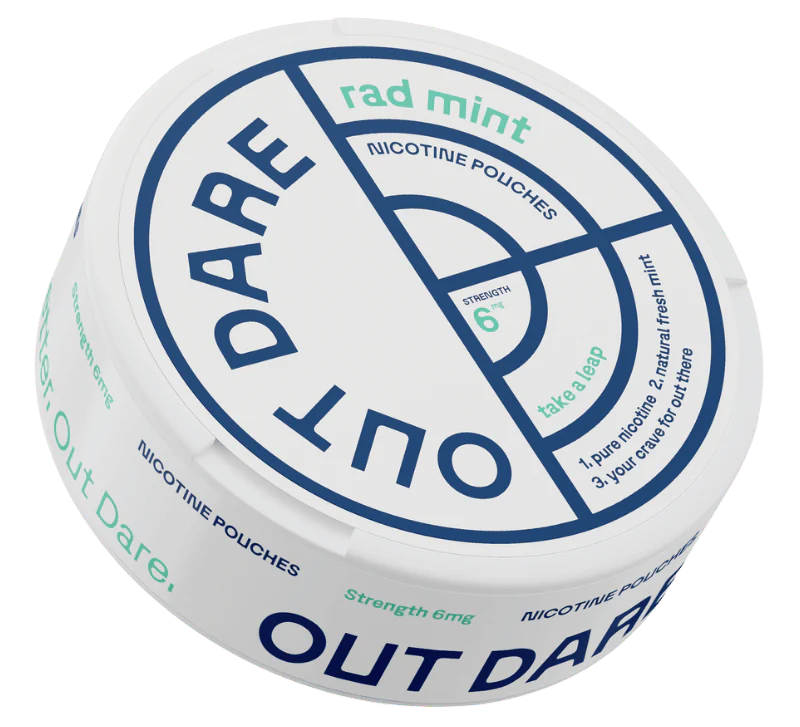
- Tobacco-free nicotine pouches: Deliver nicotine without smoke or tobacco. Available in step-down strengths (6mg, 12mg, 15mg) to mirror your reduction schedule. Good for the transitional phase.
- Energy pouches (caffeine + nootropics): Zero nicotine, same mouthfeel and burn. Ideal for replacing the "focus cigarette" — the one you reach for before a meeting or during deep work. The nootropics (compounds that support cognitive function) deliver sharper focus without the jitter or the chemical dependency.
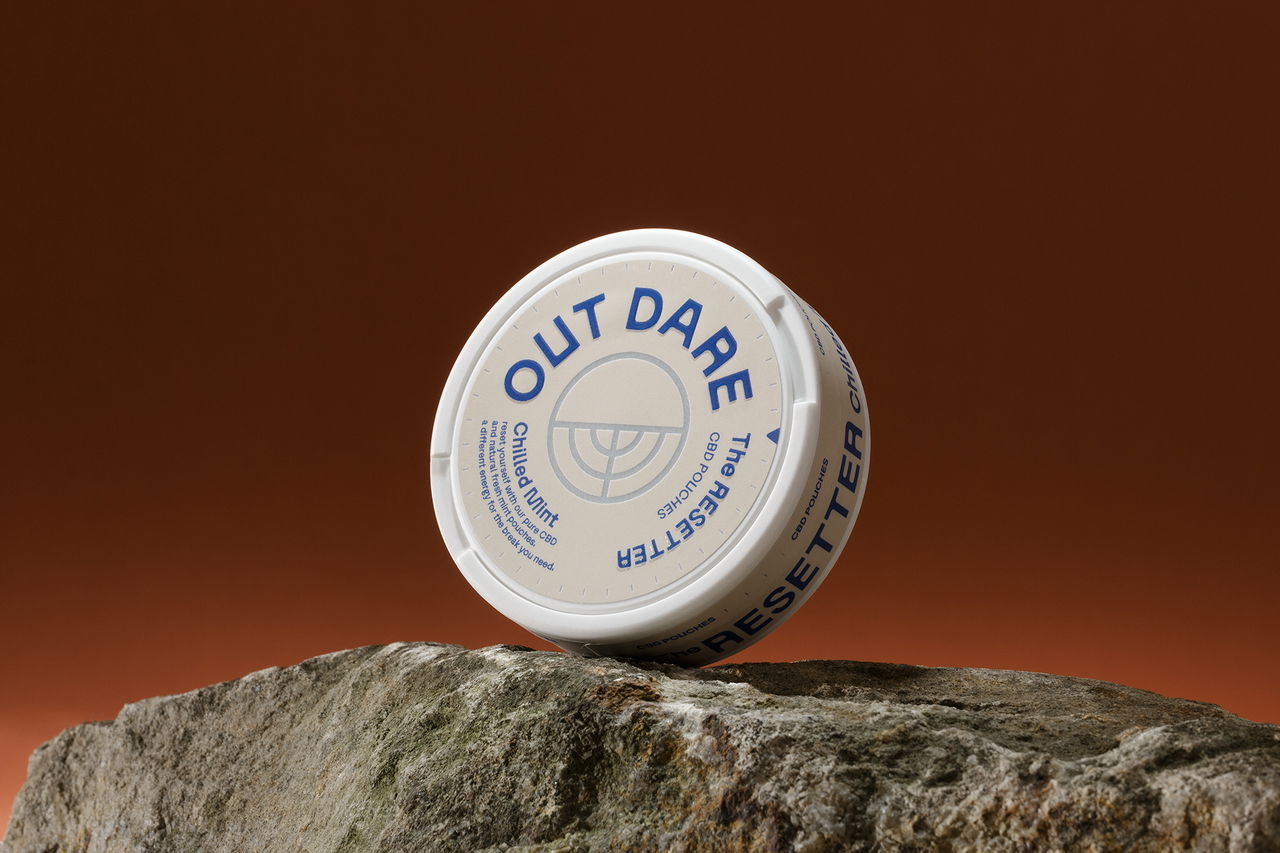
- CBD pouches: Zero nicotine, same sensory profile. Best for the evening cigarette or the stress-response smoke. CBD (cannabidiol, a non-psychoactive hemp compound) supports calm without sedation.
- Physical movement: A 5-minute walk, 10 push-ups, or even a glass of cold water can interrupt the craving cycle for 3–5 minutes — long enough for the acute urge to pass.
- Breathing exercises: The act of smoking is partly about controlled breathing. Box breathing (4 counts in, 4 hold, 4 out, 4 hold) replicates that pattern without the cigarette.
At Outdare LTD, we've found that the most successful gradual quitters are the ones who replace the ritual with something that feels premium and intentional — not medicinal. When the substitute feels like a downgrade, people relapse. When it feels like an upgrade, they stay the course.
Step 4: Manage Triggers Before They Manage You
Managing triggers means identifying the specific situations, emotions, and environments that reliably produce a craving — and building a pre-planned response for each one before you encounter them.
The Four Main Trigger Categories
According to the Mayo Clinic, knowing what triggers your urge to use nicotine and making a plan in advance is one of the ten most effective strategies for resisting cravings [6]. Triggers cluster into four main types:
- Emotional triggers: Stress, anxiety, boredom, loneliness, frustration. These are the most powerful and the hardest to manage without a sensory substitute.
- Situational triggers: Specific locations (the office stairwell, the car, the pub garden) where you've always smoked. The environment itself becomes a cue.
- Social triggers: Being around other smokers, drinking alcohol, or attending events where smoking is normalized.
- Routine triggers: Post-meal, post-coffee, first thing in the morning. Pure Pavlovian conditioning — the behavior is chained to a preceding event.
Building Your Trigger Response Plan
- List your top 5 triggers from your Week 1 audit diary.
- Assign a specific substitute response to each one. Not a vague intention — a specific action. "When I finish coffee, I will place an energy pouch instead of lighting a cigarette."
- Modify your environment. Remove lighters, ashtrays, and cigarette packs from your home and workspace. Make the trigger response easier than the smoking response.
- Plan for social situations in advance. Tell the people you'll be with that you're cutting back. Most will support you. The ones who don't are a trigger in themselves.
- Delay, don't deny. When a craving hits, tell yourself you'll wait 10 minutes. Acute nicotine cravings peak within 3–5 minutes and then subside. Most cravings pass before the 10 minutes are up.
Pro Tip: The "delay" technique is most effective when paired with a physical action — standing up, walking to a different room, or placing a ritual substitute. The movement interrupts the automatic behavior chain before it completes.
Step 5: Step Down Your Nicotine Intake Week by Week
Stepping down nicotine means systematically reducing your total daily nicotine consumption in measurable increments — not randomly smoking fewer cigarettes, but deliberately replacing specific cigarettes with lower-nicotine or zero-nicotine alternatives on a fixed schedule. This is particularly relevant for how to quit smoking gradually.
The Step-Down Method in Practice
This is where gradual quitting becomes a real system rather than wishful thinking. The Vanderbilt Health "cut down to quit" approach confirms that structured reduction is a viable and evidence-supported cessation method [7].
If you're transitioning from cigarettes to tobacco-free pouches as part of your reduction plan, a step-down nicotine strength protocol works like this:
- Weeks 1–2: Replace automatic cigarettes with a 12mg or 15mg nicotine pouch (matching your current intake level). Keep the ritual, reduce the harm.
- Weeks 3–4: Drop to 6mg pouches for half your sessions. Replace the other half with zero-nicotine energy or CBD pouches.
- Week 5 onward: Phase out the 6mg pouches entirely. Rely on energy and CBD pouches for the ritual, with nicotine only as a conscious, deliberate choice.
This approach works because your brain can't distinguish between the pouches sensorially. Same mint taste. Same gum burn. Same physical pillow sensation. The ritual stays fully intact. Only the chemical content changes — and it changes on your terms, at your pace.
Monitoring Your Progress
Track two numbers weekly: total cigarettes smoked and total nicotine mg consumed across all sources. Seeing both numbers drop simultaneously is genuinely motivating — and it tells you whether you're compensating (smoking fewer cigarettes but using more pouches at higher strength).
Our team at Outdare LTD recommends keeping a simple weekly log. Most users who follow a structured step-down protocol report reducing their nicotine intake by 60–90% within the first month — not because they white-knuckled it, but because the ritual substitute removed the deprivation feeling entirely. When considering how to quit smoking gradually, this point stands out.
Step 6: Handle Cravings Without Relapsing
Handling cravings means having a pre-loaded response ready for the moment a craving hits — because in that moment, your decision-making is compromised and willpower alone is not a reliable strategy.
The Biology of a Craving
A nicotine craving is a neurochemical event. Your brain has upregulated its nicotine receptors (nAChRs, or nicotinic acetylcholine receptors) and is signaling for the next dose. The acute peak of that signal lasts 3–5 minutes. If you can get through those minutes without smoking, the craving recedes.
The Corona Regional Medical Center recommends writing down your reasons for quitting and keeping them accessible for exactly these moments [8]. That's useful. But it's more useful when paired with a physical intervention.
Craving Response Toolkit
- Place a ritual substitute immediately. An oral pouch, a piece of gum, a toothpick — anything that gives the mouth something to do. The sensory input interrupts the craving signal faster than any mental technique.
- Use the 5-4-3-2-1 grounding technique. Name 5 things you can see, 4 you can touch, 3 you can hear, 2 you can smell, 1 you can taste. This redirects attention from the craving to the immediate environment.
- Call or text your accountability partner. Verbally committing to not smoking in the next 10 minutes is surprisingly effective — it creates a micro-contract.
- Drink a full glass of water. Slowly. The act of drinking occupies the mouth, the hands, and takes 2–3 minutes — long enough for the acute peak to pass.
- Move your body. Even 30 seconds of movement — standing up, stretching, walking to another room — disrupts the behavioral chain before it completes.
In practice, the people who relapse aren't the ones who had the worst cravings. They're the ones who had no plan when a craving hit. The craving itself is manageable. The absence of a response protocol is what kills quit attempts.
Common Mistakes to Avoid
The most damaging mistakes in gradual smoking cessation aren't dramatic — they're subtle, repeated errors that undermine progress without feeling like failures in the moment. For those exploring how to quit smoking gradually, this matters.
Mistakes That Kill Quit Attempts
- Cutting randomly instead of strategically. Eliminating whatever cigarette is most convenient in the moment, rather than following the audit-based schedule, means you'll always keep the highest-value (most addictive) cigarettes and wonder why you're not making progress.
- Relying on willpower instead of systems. Willpower is a depleting resource. By 6pm, after a stressful day, it's gone. Systems — ritual substitutes, pre-planned trigger responses, environmental changes — work when willpower doesn't.
- Treating a slip as a failure. One cigarette after 10 days of reduction is not a relapse. It's data. The "all or nothing" framing is one of the primary drivers of full relapse — the "I've already blown it" cognitive distortion.
- Skipping the ritual substitute. Using nicotine replacement therapy (NRT, meaning products like patches or gum that deliver nicotine without tobacco) without addressing the physical ritual leaves 60% of the addiction unmanaged. This is why NRT alone has historically low success rates.
- Setting a quit date too far out. Six months from now creates zero behavioral urgency. Two to six weeks is the evidence-backed window [2].
- Going it alone. Social support measurably improves quit rates. Telling one person who will check in on you doubles your accountability without requiring a formal program.
What to Do If You Slip
Recommit to the schedule immediately. Don't restart from Day 1 — that framing punishes progress. Instead, return to your last stable reduction level and hold it for 3 days before attempting the next step down again. One cigarette doesn't erase 10 days of progress. Treating it like it does is the real mistake.
Sources & References
- Tobacco Induced Diseases, "A meta-analysis of the effectiveness of gradual versus abrupt smoking cessation"
- Quitline Australia, "Cutting Down to Quit Smoking"
- Smokefree.gov, "Build My Quit Plan"
- Australian Department of Health, "Quitting Methods"
- NHS inform Scotland, "Cutting down before you quit smoking"
- Mayo Clinic, "Quitting smoking: 10 ways to resist tobacco cravings"
- Vanderbilt Health, "Quitting smoking: weaning off cigarettes vs. cold turkey"
- Corona Regional Medical Center, "How to Quit Smoking Gradually"
Frequently Asked Questions
1. Is it better to quit smoking gradually or cold turkey?
For most smokers, gradual reduction paired with a firm quit date produces better long-term outcomes than cold turkey, according to meta-analysis data published in Tobacco Induced Diseases [1]. Cold turkey works for a small subset of people — typically lighter smokers with shorter smoking histories. For heavy smokers with established rituals and high dependency, gradual reduction with a ritual substitute is significantly more sustainable. Results vary depending on individual dependency level, support systems, and consistency of the reduction plan.
2. How long does it take to quit smoking gradually?
A structured gradual quit typically takes 4 to 8 weeks from the start of reduction to the quit date. The Quitline Australia framework recommends setting a quit date within 2 to 6 weeks of beginning to cut down [2]. Some smokers extend the reduction phase to 8–12 weeks if their baseline is very high or their dependency is severe. The key variable isn't the timeline — it's whether each week's reduction target is actually met. A slower plan that's followed beats a faster plan that isn't.
3. What can I use to replace cigarettes during the gradual quitting process?
The most effective replacements address both the chemical and ritual components of smoking. Tobacco-free nicotine pouches handle the chemical dependency while preserving the oral ritual. Zero-nicotine energy pouches (with caffeine and nootropics like L-Theanine and Alpha-GPC) replace the "focus cigarette" without feeding dependency. CBD pouches address the stress-response smoke. Physical activity, water, and breathing exercises help interrupt the craving cycle during the acute 3–5 minute peak. The best substitute is the one that feels like an upgrade, not a consolation prize.
4. How do I quit smoking naturally without medication?
Quitting smoking naturally — without prescription medication like varenicline (Champix/Chantix) or bupropion — is achievable through structured behavioral methods. These include the gradual reduction schedule outlined in this guide, trigger identification and management, ritual substitution with tobacco-free alternatives, and social accountability. Tobacco-free pouches with plant-fiber fillers and xylitol-based formulas are a clean, non-pharmaceutical option that keeps the ritual intact. One limitation is that natural methods may take longer and require more active management than pharmacological support — but they carry none of the side-effect risks. This directly impacts how to quit smoking gradually outcomes.
5. What is the 30/30/30 Addiction Rule and how does it apply to quitting smoking?
The 30/30/30 Addiction Rule is a framework that breaks pouch and smoking addiction into three equal components: 30% chemical (nicotine), 30% physical habit (the act of reaching and placing), and 30% sensory cue (the burn, the taste, the throat hit). Understanding this framework reveals why most cessation methods fail — they only address the chemical 30%. A system that satisfies the habit and sensory components (60%) while gradually reducing the chemical component is far more effective than one that removes everything at once and leaves you managing three withdrawal processes simultaneously.
6. How do I stop smoking when I actually enjoy it?
This is the most honest question in the cessation space, and most quit programs dodge it. You enjoy smoking because it satisfies three distinct needs simultaneously: a chemical hit, a physical ritual, and a sensory experience. The solution isn't to suppress those needs — it's to meet them with something cleaner. When you can replace all three components of the experience with a tobacco-free alternative that delivers equivalent satisfaction, "enjoying smoking" stops being a barrier. The goal isn't to stop enjoying the ritual. It's to find a better ritual to enjoy.
7. Does cutting down on cigarettes actually help before quitting?
Yes — with an important caveat. Cutting down without a quit date and without a ritual substitute tends to produce compensatory smoking (smokers unconsciously take deeper drags or smoke more of each cigarette to maintain their nicotine intake). Cutting down with a structured schedule, a firm quit date within 6 weeks, and a ritual substitute in place produces measurable reductions in both cigarette consumption and total nicotine intake. The reduction phase is most effective when it's treated as a transition, not a destination.
8. What are the best smoking cessation methods available in 2026?
As of 2026, the most evidence-supported cessation methods include: structured gradual reduction with a quit date, combination NRT (nicotine replacement therapy using two formats simultaneously), prescription medication (varenicline), behavioral support programs, and ritual substitution with tobacco-free alternatives. Digital quit support tools like the Smokefree.gov quit plan builder [3] have also shown strong adherence rates. The most effective approach for most people combines two or more of these methods — behavioral support plus a ritual substitute consistently outperforms any single-method approach.

Conclusion
Learning how to quit smoking gradually isn't about suffering through withdrawal or relying on willpower alone. It's about understanding that your addiction has three layers — chemical, physical, and sensory — and building a system that addresses all three simultaneously, not just the one that's easiest to measure.
The six steps in this guide give you that system. Audit your habit. Set a firm quit date within six weeks. Replace the ritual with something that actually satisfies. Manage your triggers before they hit. Step down your nicotine intake on a fixed schedule. And have a craving response protocol loaded and ready before you need it.
Most people don't fail at quitting because they lack willpower. They fail because they try to remove the entire ritual at once and leave their brain with nothing. The smarter move is to keep the ritual and change what's inside it.
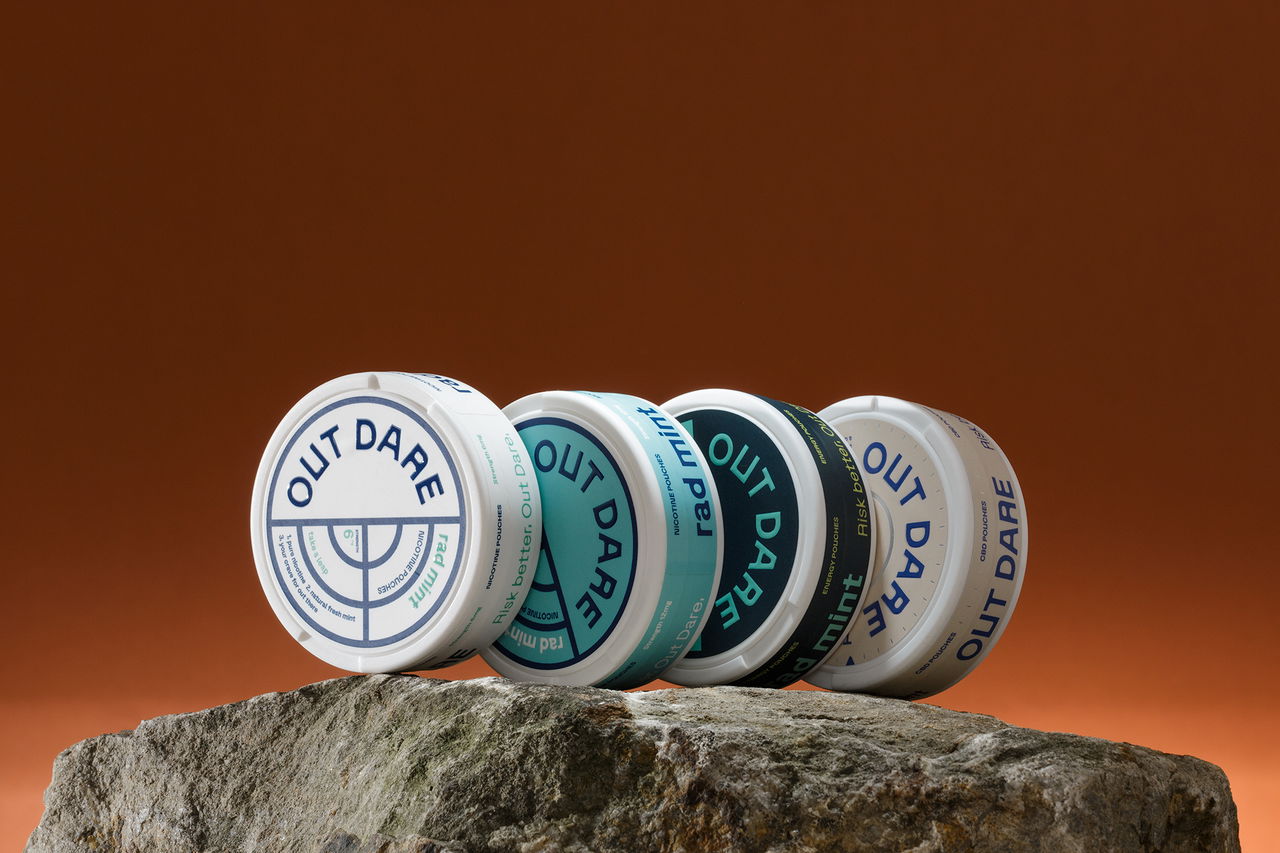
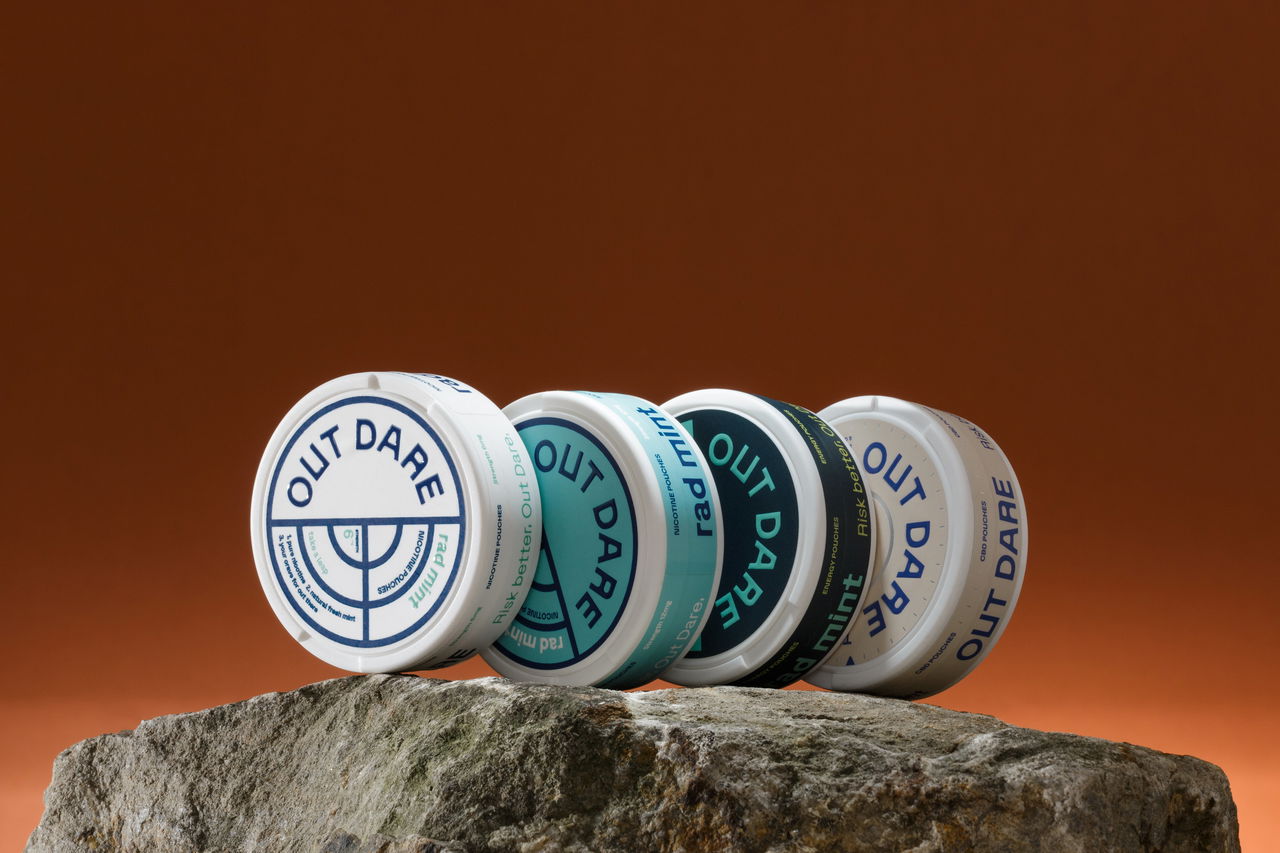
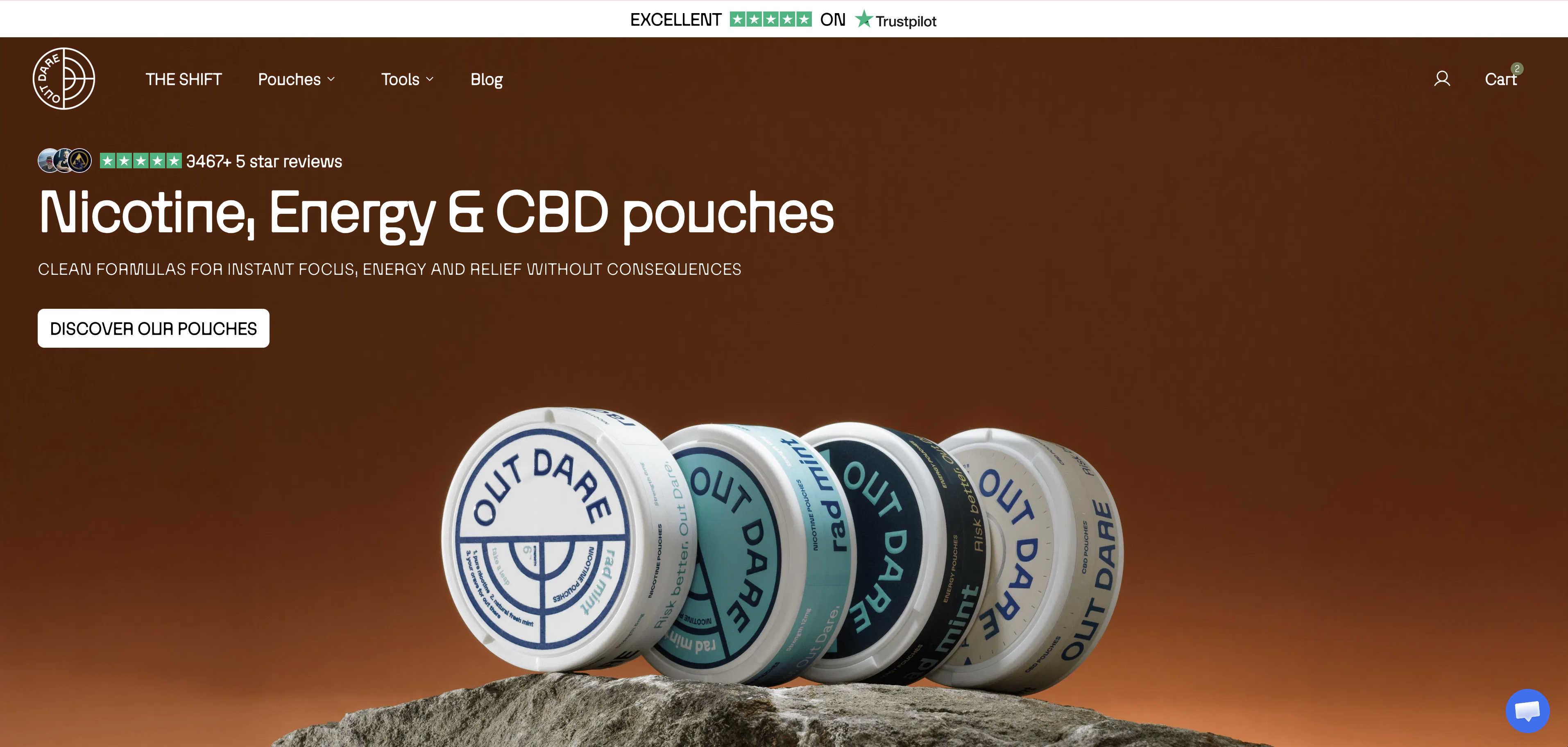
That's exactly what Outdare LTD was built to support. Three pouches — Nicotine, Energy, and CBD — sharing the same mint taste, the same gum burn, the same physical mouthfeel. Your brain can't tell the difference. So you keep the ritual, keep the focus, keep the calm — and quietly reduce the nicotine on your own terms. Risk Better. Out Dare.
Recommended Articles
Explore more from our content library: