












Brain Fog from Nicotine: Causes, Timeline & Fixes
| Key Insight | Explanation |
|---|---|
| Brain fog is a withdrawal symptom, not a permanent state | When nicotine is removed, dopamine and acetylcholine receptors temporarily underfire — causing concentration dips, memory gaps, and mental sluggishness that typically peak in days 2–5. |
| Nicotine is only 30% of the addiction | The 30/30/30 Addiction Rule shows that 60% of dependency is driven by the physical ritual and sensory cues — not the chemical. Targeting those 60% makes cutting back far more manageable. |
| Cold turkey amplifies brain fog severity | Abrupt cessation triggers the sharpest neurotransmitter drop. Gradual reduction methods consistently produce milder cognitive symptoms than quitting all at once. |
| Most fog clears within 2–4 weeks | For the majority of users, acute brain fog resolves within two to four weeks as receptor sensitivity normalizes. Some users report full clarity returning within 30 days. |
| Replacing nicotine pouches with functional alternatives preserves the ritual | Swapping nicotine pouches for energy or CBD pouches with identical taste and mouthfeel keeps the habit loop intact while reducing chemical dependency — preventing the ritual-loss relapse trigger. |
| Nootropics and caffeine can bridge the cognitive gap | Compounds like L-Theanine and Alpha-GPC support acetylcholine pathways and smooth dopaminergic activity — helping maintain focus during the withdrawal window without reintroducing nicotine. |
Brain fog from nicotine is a real, neurologically measurable cognitive impairment — not a willpower problem. It happens because nicotine has been artificially propping up your brain's dopamine and acetylcholine systems, and the moment that chemical support drops, your mental clarity drops with it. Whether you're a heavy nicotine pouch user reaching for your fourth can of the week, a vaper who can't get through a morning meeting without a hit, or someone who quit cold turkey and now can't string two thoughts together — this guide explains exactly what's happening in your brain, how long it lasts, and the most effective step-by-step system to clear the fog without losing your mind in the process.

What Is Brain Fog from Nicotine?
Brain fog from nicotine is a cluster of cognitive symptoms — including difficulty concentrating, short-term memory gaps, mental sluggishness, and reduced decision-making speed — caused by nicotine's disruption of key neurotransmitter systems in the brain.
Here's the mechanism. Nicotine binds to nicotinic acetylcholine receptors (nAChRs) — a class of receptor found throughout the brain's prefrontal cortex, hippocampus, and reward circuits. When nicotine activates these receptors, it triggers the release of dopamine, acetylcholine, and norepinephrine, producing a short-term boost in focus, alertness, and mood [1].
The problem is dependency. Over weeks and months of regular use, your brain downregulates its own natural receptor sensitivity. It stops producing adequate neurotransmitters on its own because it expects nicotine to do the job. According to research published in PMC by Beaver et al. (2011), "mild cognitive impairments such as difficulty concentrating are an established symptom of nicotine withdrawal, and may be an important trigger for smoking relapse" [1].
Two Distinct Types of Nicotine-Related Brain Fog
Not all nicotine brain fog is the same. Understanding which type you're dealing with changes how you address it.
- Withdrawal fog: Occurs when you reduce or stop nicotine intake. The brain's receptor systems are temporarily under-stimulated. This is the most common type and typically peaks in days 2–5.
- Chronic use fog: Happens even when you're actively using nicotine. Long-term heavy use can impair the prefrontal cortex, gut microbiome function, and sleep architecture — all of which degrade baseline cognition. The University of Rochester Medicine notes that "vaping and smoking can reduce mental clarity" and are associated with "higher rates of self-reported problems with concentration, memory, and decision-making" [2].
The cruel irony is this: nicotine gives you a short-term cognitive boost while slowly degrading your long-term baseline. You reach for a pouch to think clearly. The pouch is partly why you can't think clearly without one.
Who Experiences It Most Severely?
In practice, the heaviest users experience the sharpest fog during reduction. If you're burning through a can a day of a 12mg or 15mg pouch, your receptor downregulation is significant. The drop feels like someone turned the lights down in your brain. That's not metaphor — it's neurochemistry.
- Heavy pouch users (12mg–15mg, multiple cans per week)
- Dual users (nicotine pouches plus vaping or smoking)
- Users who quit cold turkey without a gradual reduction plan
- People with pre-existing sleep deficits or high-stress jobs
What You'll Need Before You Start
Before you begin reducing nicotine and clearing the fog, you need the right tools, the right mental model, and honest self-assessment — rushing in without these is the single biggest reason people relapse within the first week.
Prerequisites and Tools
- An honest usage baseline: Track how many pouches you use per day and at what strength. You can't build a reduction schedule without knowing your starting point.
- Understanding of the 30/30/30 Addiction Rule: This framework, central to how Outdare's system works, breaks pouch addiction into three equal parts: 30% chemical (nicotine), 30% physical habit (the pillow sensation under the lip), and 30% sensory cue (the burn and taste). Most quit attempts fail because they try to remove all three simultaneously. The smarter approach targets the 60% that isn't chemical first.
- A substitution strategy, not just a subtraction strategy: Removing nicotine without replacing the ritual leaves a behavioral void that almost always pulls users back. You need something to put in the same physical and sensory space.
- Nicotine-free functional alternatives: Specifically, pouches that replicate the exact same mouthfeel, burn, and taste as your current nicotine pouches. This is non-negotiable for the ritual-substitution approach to work. If the replacement feels different, your brain notices — and rejects it.
- A realistic timeline expectation: Acute brain fog typically resolves in 2–4 weeks. Receptor sensitivity normalization can take up to 90 days for heavy users. You're not broken — you're recalibrating.
| Tool / Resource | Why You Need It | Optional or Essential? |
|---|---|---|
| Usage log (notebook or app) | Establishes baseline and tracks reduction progress | Essential |
| Nicotine-free functional pouches (energy or CBD) | Preserves the ritual while reducing chemical dependency | Essential |
| Step-down nicotine pouches (lower mg) | Allows gradual receptor recalibration without full withdrawal | Essential |
| L-Theanine or Alpha-GPC supplementation | Supports acetylcholine pathways during the transition window | Recommended |
| Sleep tracking | Nicotine disrupts REM sleep; monitoring helps identify improvement | Recommended |
Step 1: Understand Your Withdrawal Timeline
Map your expected brain fog timeline before you begin — knowing what's coming prevents you from misreading a normal neurological phase as a sign that you're failing.
Brain fog from nicotine withdrawal doesn't hit everyone the same way. The severity and duration depend on how long you've used nicotine, at what strength, and how abruptly you stop. That said, there's a consistent general pattern that most users move through [3].
The Typical Nicotine Withdrawal Cognitive Timeline
- Hours 4–12 (onset): Irritability, mild difficulty concentrating, restlessness. Your brain starts noticing the absence of nicotine stimulation.
- Days 1–3 (acute phase): Fog intensifies. Working memory feels sluggish. Decision fatigue hits earlier in the day. This is the window where most cold-turkey attempts collapse.
- Days 2–5 (peak): The worst of it. Concentration is at its lowest. Many users describe it as "thinking through wet concrete." This is the phase that community discussions on Reddit's r/QuittingJUUL describe as "most common in the first week or two" [4].
- Days 6–14 (gradual lift): Fog begins to clear for most users. Sleep quality starts improving. Mood stabilizes. Dopamine baseline begins recovering.
- Weeks 2–4 (recalibration): Most acute symptoms resolve. Some users still report occasional "fuzzy" mornings, especially in high-stress situations.
- Weeks 4–12 (full normalization): Receptor sensitivity largely restored. Baseline cognition typically matches or exceeds pre-cessation levels for most users.
Pro Tip: Mark day 5 in your calendar as "peak fog day." When you hit it, you'll know you're at the worst point — not the beginning of an endless downward spiral. That single reframe keeps a lot of people from relapsing at the hardest moment.
One important caveat: if you're using the gradual substitution method rather than quitting cold turkey, this timeline compresses significantly. Users who step down gradually — replacing some nicotine pouches with functional alternatives — typically report much milder fog because the neurotransmitter drop is spread over weeks rather than days.
Step 2: Replace the Ritual, Not Just the Nicotine
The most effective way to reduce brain fog from nicotine is to preserve the physical and sensory ritual while gradually reducing the chemical component — because the ritual itself is 60% of what your brain is actually craving.
This is where most quit attempts get it completely wrong. They remove the pouch entirely. No more pillow under the lip. No more burn. No more mint hit. The brain doesn't just miss the nicotine — it misses the entire sensory-behavioral package. That missing package is what drives relapse, not weak willpower [5].
Why the Ritual Matters More Than You Think
The 30/30/30 Addiction Rule breaks pouch dependency into three equal thirds:
- 30% chemical: The actual nicotine dependency and its neurochemical effects
- 30% physical habit: The tactile sensation of a pouch under the lip — the "pillow" feeling
- 30% sensory cue: The gum burn, the mint flavor, the oral stimulation that signals "focus time" to your brain
If you only address the 30% chemical component, you're leaving 60% of the craving completely unsatisfied. That's why cold turkey has such a high failure rate. Research and community experience consistently show that the oral habit and sensory components are powerful relapse triggers in their own right [6].
The fix is substitution, not subtraction. You need a replacement that delivers the same physical and sensory experience — same burn, same pillow, same taste — while delivering zero nicotine. When the replacement is sensorially indistinguishable from the original, your brain accepts it. The ritual stays intact. The chemical dependency quietly reduces.
What a Proper Ritual Replacement Looks Like
At Outdare LTD, we've found that the single most important variable in successful ritual substitution is sensory parity. If the replacement pouch feels different, tastes different, or burns differently, the brain rejects it within days. This is why generic nicotine gum or patches fail the ritual test — they don't replicate the oral experience at all.
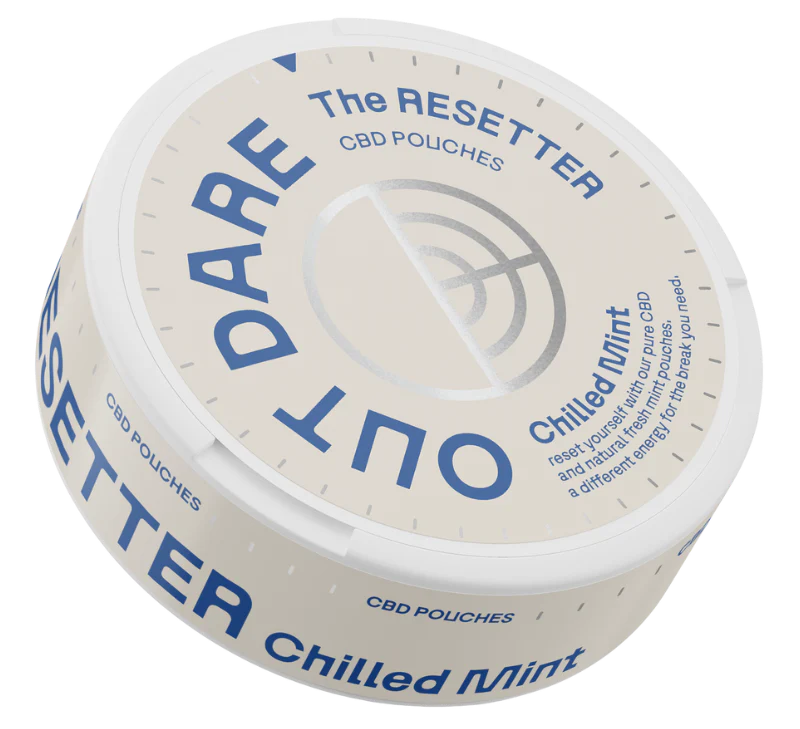
The Outdare system uses three pouches that share the exact same natural mint flavor, mouthfeel, and gum burn — developed by a former mixologist specifically to be neurologically indistinguishable. Your brain genuinely cannot tell which pouch is which. That's not a marketing claim. That's the design principle.
- The Energy Pouch (50mg caffeine + nootropics, zero nicotine) handles focus and morning routines
- The CBD Pouch (zero nicotine) handles evening wind-down and stress moments
- The Nicotine Pouch (6mg, 12mg, or 15mg) stays in the rotation — but now you're choosing it, not defaulting to it

Step 3: Support Your Neurotransmitters with Clean Inputs
During the withdrawal window, your brain's dopamine and acetylcholine systems are running below capacity — and targeted nutritional and nootropic support can meaningfully shorten the fog period by bridging the gap.
Nootropics (cognitive-enhancing compounds that support brain function without synthetic stimulants or prescription drugs) are particularly relevant here. Two are worth understanding specifically:
The Key Compounds That Help During Nicotine Withdrawal
- L-Theanine: An amino acid found in green tea that modulates GABA and glutamate activity, reducing anxiety and improving focus quality. It smooths the anxiety spike common in early withdrawal without sedating you. When combined with caffeine, it produces a clean, focused energy state — sharper thinking, no jitter, no crash.
- Alpha-GPC: A choline compound that directly supports acetylcholine production. Since nicotine withdrawal temporarily impairs cholinergic signaling (the system nicotine was stimulating), Alpha-GPC helps maintain working memory and concentration during the transition period.
- Caffeine (moderate, timed): 50mg of caffeine — roughly half a standard coffee — provides dopaminergic stimulation without the cortisol spike of a full dose. This is the level used in functional energy pouches, and it's enough to maintain alertness without worsening anxiety or disrupting sleep.
Pro Tip: Avoid high-dose caffeine (200mg+) during the first two weeks of nicotine reduction. It amplifies the anxiety and heart-rate elevation that already comes with withdrawal, making the fog feel worse. Keep caffeine moderate and consistent — 50–100mg per dose, spaced at least 4 hours apart.
According to Recovered.org's clinical overview, nicotine withdrawal produces "changes in mood, focus, and mental clarity" along with "deficits in attention, working memory, and impulse control" — precisely the functions that L-Theanine and Alpha-GPC are designed to support [3].
Diet and Hydration During the Fog Window
This part gets overlooked. Nicotine is a vasoconstrictor — it narrows blood vessels. When you reduce nicotine, blood flow to the brain actually increases. That adjustment period can itself cause temporary headaches and mild disorientation. Staying well-hydrated (2–3 liters of water daily) and maintaining stable blood sugar through regular meals reduces the severity of this vascular recalibration.
- Prioritize omega-3 fatty acids (fatty fish, walnuts, flaxseed) — they support neuroplasticity and dopamine receptor health
- Avoid alcohol during the first two weeks — it disrupts dopamine regulation and worsens cognitive recovery
- Eat protein at breakfast — amino acids are precursors to dopamine and serotonin synthesis
Step 4: Use the 4-Week Reduction Method
The 4-Week Reduction Method is a structured, week-by-week protocol that replaces nicotine pouches with functional alternatives progressively — allowing your brain to recalibrate without the shock of cold-turkey withdrawal and the brain fog that comes with it.
This method is built directly on the 30/30/30 framework. Because 60% of the addiction is non-chemical, you can swap a significant portion of your pouches before your brain notices any real deprivation. Most users reduce nicotine intake by 60–90% within the first month using this approach.
The Week-by-Week Protocol
- Week 1 — Establish the baseline and introduce the swap: Continue your normal nicotine pouch usage. Add one Energy Pouch per day in a low-craving window (mid-morning works well). The goal is to let your brain experience the ritual with zero nicotine and confirm the sensory match. Don't reduce nicotine yet — just introduce the alternative.
- Week 2 — Replace 30% of nicotine pouches: For every three pouches you'd normally use, swap one with an Energy Pouch. If you use six pouches a day, two of them are now Energy. Choose the easiest moments first — the ones where you reach for a pouch out of boredom or habit rather than genuine craving.
- Week 3 — Replace 60% of nicotine pouches: Scale the swap to roughly half or more of your daily pouches. Add the CBD Pouch for evening use — it handles the relaxation and wind-down ritual that nicotine was performing at night, without disrupting sleep architecture.
- Week 4 — Nicotine only by choice: By this point, most users are down to one or two nicotine pouches per day. The key mindset shift: you're not restricting yourself. You're choosing nicotine deliberately, for a specific reason, rather than defaulting to it every 45 minutes.
Pro Tip: If you're currently on 15mg pouches, step down to 12mg in Week 1 before starting the swap protocol. Reducing strength and frequency simultaneously is the fastest route to clearing brain fog from nicotine without the cold-turkey cognitive crash.
This approach aligns with what the research on nicotine replacement therapy consistently shows: gradual tapering produces significantly milder withdrawal symptoms — including cognitive impairment — compared to abrupt cessation [1]. The difference here is that the "replacement" is sensorially identical to the original, which removes the ritual-loss relapse trigger entirely.
Step 5: Address Sleep, Hydration, and Movement
Sleep, hydration, and physical movement are the three fastest-acting non-pharmacological levers for clearing brain fog from nicotine — and they're the most consistently ignored ones.
Nicotine is a stimulant that suppresses REM sleep. Heavy users often don't realize how badly their sleep architecture has been disrupted until they reduce their intake and suddenly start dreaming again. That REM rebound in the first two weeks can feel disorienting — vivid dreams, restless nights — but it's a sign of neurological recovery, not a problem.
Sleep Optimization During Nicotine Reduction
- Avoid nicotine pouches within 90 minutes of sleep — the stimulant effect directly delays sleep onset and suppresses deep sleep stages
- Replace the pre-sleep pouch with a CBD pouch — it delivers the same oral ritual with a calming, non-sedating effect that supports natural sleep onset
- Keep a consistent sleep schedule — even on weekends. Circadian rhythm consistency is the single highest-leverage sleep intervention during withdrawal
- Aim for 7–9 hours — the brain consolidates dopamine receptor recovery during sleep. Cutting sleep short extends the fog period.
Movement as a Dopamine Tool
Exercise is one of the most powerful natural dopamine triggers available. Even 20–30 minutes of moderate-intensity movement (a brisk walk, a short run, a gym session) produces a measurable dopamine and endorphin release that directly counters withdrawal-related mood depression and cognitive sluggishness.
In practice, users who build a morning movement routine into their reduction protocol report significantly shorter and milder brain fog windows. It's not a replacement for the system — it's a multiplier. One well-documented mechanism: aerobic exercise upregulates BDNF (brain-derived neurotrophic factor), which accelerates the neuroplasticity needed for receptor recalibration.
- Morning exercise is ideal — it front-loads dopamine for the day's most cognitively demanding hours
- Pre-workout is a natural trigger moment for an Energy Pouch substitution (replacing the pre-gym nicotine pouch)
- Even a 15-minute walk counts — consistency matters more than intensity during the fog window
Common Mistakes to Avoid
The most common mistakes in managing brain fog from nicotine aren't about willpower — they're about misunderstanding the mechanism and using the wrong tools at the wrong time.
Mistake 1: Quitting Cold Turkey Without a Ritual Replacement
This is the biggest one. Cold turkey removes all three components of the addiction simultaneously — the chemical, the physical habit, and the sensory cue. The brain experiences this as a triple withdrawal. Brain fog hits hardest and fastest. The ritual void is immediate. Most people last 3–5 days before the combination of cognitive impairment and behavioral restlessness sends them back to a full can.
The fix: never remove the ritual. Swap it. Keep the pouch under the lip. Keep the burn. Keep the mint. Just change what's inside.
Mistake 2: Replacing Nicotine with High-Dose Caffeine
A common instinct is to compensate for the lost nicotine stimulation by drinking more coffee. This backfires. High caffeine doses during withdrawal amplify anxiety, worsen cortisol spikes, and disrupt the sleep recovery that's essential to clearing brain fog. One or two cups is fine. Four or five makes the fog worse, not better.
Mistake 3: Misreading Peak Fog as Permanent Damage
Days 2–5 of cold-turkey withdrawal can feel genuinely alarming. The cognitive impairment is real enough that some users convince themselves they've permanently damaged their brain. They haven't. This is a temporary receptor recalibration. The ex-program resource notes that "foggy brain is just one of the many symptoms of nicotine withdrawal and it's often most common in the first week or two" [7].
Mistake 4: Ignoring Sleep as a Recovery Tool
Cutting sleep to "power through" the fog is counterproductive. The brain repairs dopamine receptor sensitivity primarily during deep sleep. Sleeping less extends the fog period. Every hour of lost sleep during the first two weeks adds roughly a day to the recovery timeline, from experience.
Mistake 5: Using a Replacement That Doesn't Match the Sensory Profile
Nicotine patches, gum, and lozenges all fail the ritual test. They don't replicate the pouch-under-the-lip sensation, the burn, or the mint hit. The brain rejects them as substitutes for the full experience. This is why pharmaceutical NRT products have a relapse rate of over 80% within six months — they address the chemistry but ignore the ritual entirely.

Sources & References
- Beaver JD et al., PMC / National Institutes of Health, "The Effects of Nicotine Replacement on Cognitive Brain Activity During Smoking Withdrawal," 2011
- University of Rochester Medicine, "What Causes Brain Fog?," 2023
- Recovered.org, "Nicotine, Cognition, and Risks to Brain Health," 2024
- Reddit r/QuittingJUUL, "Brain fog nicotine withdrawal," community discussion
- Quit with Jones, "What Helps Brain Fog When Quitting Nicotine?," 2024
- Reddit r/quittingsmoking, "Remedies for severe brain fog after quitting?," community discussion
- EX Program, "Why Does My Brain Feel Foggy After I Quit Vaping?," 2023
Frequently Asked Questions
1. What is the timeline for ZYN withdrawal?
ZYN withdrawal typically follows a predictable arc: symptoms begin within 4–12 hours of your last pouch, peak between days 2–5, and largely resolve within 2–4 weeks for most users. The most common cognitive symptoms — brain fog, difficulty concentrating, and irritability — are sharpest in the first week. Heavy users (12mg–15mg, multiple cans per week) may experience a longer recalibration window of up to 6–8 weeks before full cognitive baseline is restored. Gradual tapering, rather than abrupt cessation, consistently produces a shorter and milder withdrawal timeline.
2. What are the side effects of quitting smoking at 3 weeks?
At the three-week mark, most of the acute withdrawal symptoms have subsided, but a second wave of psychological effects often emerges. Brain fog from nicotine typically starts lifting around this point, but many former smokers report persistent restlessness, mood fluctuations, and a lingering sense of something "missing" — which is the behavioral and sensory ritual asserting itself. The physical craving for the hand-to-mouth habit and the oral sensation can remain strong at three weeks even when the chemical nicotine craving has largely faded. Sleep quality usually improves significantly by week three, and lung function begins measurable recovery.
3. Is it harder to stop vaping or smoking?
Both involve nicotine dependency, but vaping tends to produce a more persistent behavioral habit because the act of vaping is more continuous and discreet than smoking — users vape more frequently throughout the day, reinforcing the habit loop more intensely. Cigarette smokers are constrained by social rules and designated smoking areas, which naturally limits frequency. Vapers, by contrast, often use indoors, at desks, and in near-constant rotation. The result is a deeper behavioral entrenchment that makes the ritual component harder to break — even when the chemical dependency is addressed. That said, nicotine concentration in some vape products is very high, making the chemical dependency component significant as well.
4. What are the hardest days of quitting vaping?
Days 2, 3, and 4 are consistently reported as the hardest days of quitting vaping, both in clinical literature and in community discussions. This is when nicotine blood levels have fully dropped, withdrawal symptoms are at their peak, and the behavioral void left by the missing ritual is most acute. Brain fog from nicotine is at its worst during this window, compounded by irritability, anxiety, and difficulty sleeping. Day 5 often brings a noticeable shift — not full resolution, but a clear reduction in intensity. If you can get through days 2–4 with a ritual substitute in place, the likelihood of sustained reduction increases dramatically.
5. Is brain fog from nicotine permanent?
No. Brain fog from nicotine withdrawal is not permanent for the vast majority of users. It's a temporary state caused by the brain's nicotinic acetylcholine receptors recalibrating to function without artificial stimulation. For most users, acute fog resolves within 2–4 weeks. Full receptor sensitivity normalization can take up to 90 days for heavy long-term users, but most people report that their baseline cognitive function matches or exceeds their pre-cessation levels once the recalibration is complete. Chronic heavy use can cause longer-term cognitive effects, but these are also largely reversible with sustained abstinence.
6. Can energy pouches help with nicotine withdrawal brain fog?
Yes, when they're formulated correctly. An energy pouch containing 50mg caffeine combined with nootropics like L-Theanine and Alpha-GPC can support the acetylcholine and dopamine pathways that nicotine was artificially stimulating — without reintroducing chemical dependency. The key requirement is sensory parity: the energy pouch needs to replicate the same mouthfeel, burn, and taste as the nicotine pouch, or the brain rejects it as a ritual substitute. If those sensory conditions are met, energy pouches can meaningfully shorten the brain fog window while keeping the pouch ritual intact. Exploring nicotine-free pouches designed specifically for this purpose is worth considering as part of a structured reduction plan.
Conclusion
Brain fog from nicotine is not a character flaw or a sign of permanent damage. It's a predictable, temporary neurological response to the removal of a chemical your brain has been relying on — and it clears up, consistently, when you give it the right conditions and the right tools.
The five steps in this guide give you a complete system: understand the timeline so you don't panic at peak fog, replace the ritual (not just the nicotine) to avoid the behavioral void that drives relapse, support your neurotransmitters with targeted nootropics and clean caffeine, follow a structured 4-week reduction protocol, and optimize sleep and movement to accelerate recovery.
The core insight is this: most quit attempts fail not because people lack willpower, but because they try to remove the entire pouch ritual at once. Sixty percent of pouch addiction lives in the habit and the sensory experience — not the nicotine. Address those 60% first, and the 30% chemical dependency becomes manageable.
Outdare LTD was built specifically to solve this problem — three pouches, identical taste and burn, zero tobacco, with the Energy and CBD variants designed to hold the ritual intact while you quietly phase out the chemical. Most users who follow the 4-week method reduce their nicotine intake by 60–90% in the first month. The fog lifts. The ritual stays. You stay in control.


Recommended Articles
Explore more from our content library: