









Nicotine Pouch Gum Recession: Causes & Recovery
| Key Insight | Explanation |
|---|---|
| Gum recession is localized | Damage appears specifically at the site where you habitually place your pouch — not uniformly across the mouth. |
| Two mechanisms are at work | Nicotine's vasoconstrictive effect reduces blood flow to gum tissue, while the physical pouch itself causes mechanical irritation. |
| Early recession can be reversible | Research suggests mild gingival irritation may reverse if pouch use is reduced or stopped before significant tissue loss occurs. |
| Frequency and placement matter most | Users who rotate placement sites and limit daily sessions show significantly less localized damage than those who always use the same spot. |
| The ritual is the real driver of continued use | Per the 30/30/30 Addiction Rule, only 30% of pouch dependency is chemical. Replacing nicotine pouches with sensory-identical alternatives addresses the other 60%. |
| Switching reduces oral health risk | Zero-nicotine pouches eliminate the vasoconstrictive damage pathway while preserving the ritual — a practical harm-reduction strategy. |
Nicotine pouch gum recession is a documented oral health risk caused by two overlapping mechanisms: the vasoconstrictive (blood-vessel-narrowing) effect of nicotine on gum tissue, and the mechanical pressure of the pouch itself sitting against the gingiva for extended periods. If you use pouches daily and have noticed your gum line pulling back at a specific spot under your lip, you're not imagining it — and you're not alone. This guide explains exactly what's happening, how serious it is, and what you can do about it without giving up the ritual entirely.
What Is Nicotine Pouch Gum Recession?
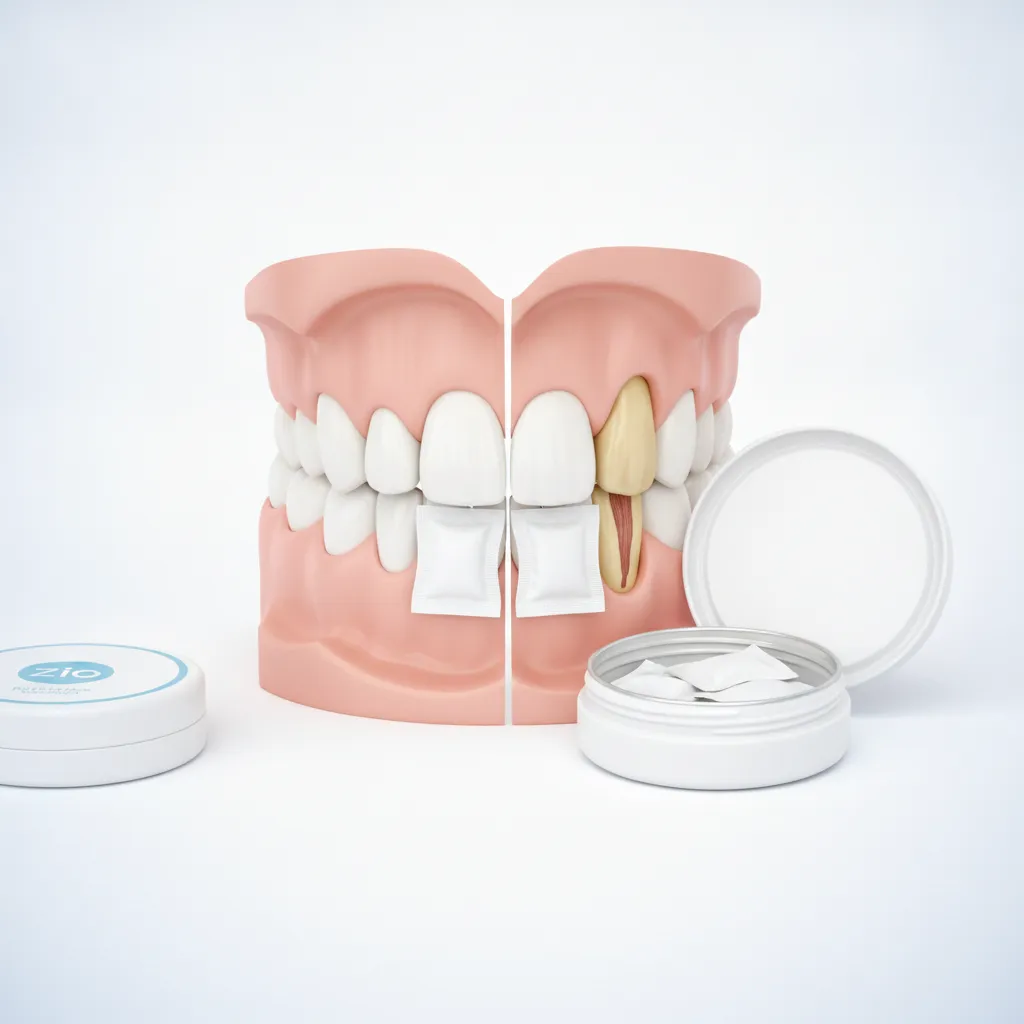
Nicotine pouch gum recession is the localized loss of gingival tissue at the exact site where a pouch is habitually placed, exposing the root surface of nearby teeth. It differs from generalized periodontal disease in that the damage is site-specific, not spread evenly across the mouth.
Defining Gingival Recession in Pouch Users
Gingival recession (the clinical term for receding gums) means the gum margin migrates apically — that is, it moves down and away from the crown of the tooth, exposing the root. In the general population, this is often caused by aggressive brushing, genetics, or periodontal disease. In nicotine pouch users, a distinct pattern emerges: the recession is confined to the labial or buccal surface (the front-facing side) of the teeth directly beneath the pouch placement zone [1].
A 2023 review published in the British Dental Journal, cited in Nature, noted that "one of the well-known side effects of these products is localised gingival recession near where the product is held" [2]. This isn't a theoretical risk. It's a consistently observed clinical finding.
Who Is Most at Risk?
Not every pouch user develops visible recession. Risk scales with several variables:
- Daily session count: Using 10+ pouches per day dramatically increases cumulative tissue exposure.
- Session duration: Holding a pouch for 60+ minutes per session prolongs mechanical and chemical stress on the gingiva.
- Placement habit: Always using the same spot concentrates damage rather than distributing it.
- Nicotine strength: Higher-strength pouches (12mg, 15mg) deliver more vasoconstrictive load per session.
- Pre-existing thin gingival tissue: Some individuals have naturally thinner gum tissue that is more vulnerable to recession.
According to research published in PMC (PubMed Central), "severe attachment loss and gum recession was found among" users who held pouches in consistent positions over extended periods [1]. Heavy users — the type burning through a can a day — face the highest cumulative risk.
Pro Tip: If you're a daily pouch user, take a photo of your gum line every 4-6 weeks. Gum recession is slow and easy to miss until it's significant. A simple monthly photo check catches early changes before they become irreversible.
How Nicotine Pouches Cause Gum Recession
Nicotine pouches cause gum recession through two distinct pathways: the pharmacological effect of nicotine on blood flow, and the physical mechanics of a foreign object pressing against gingival tissue for extended periods. Both pathways operate simultaneously during each session.
The Pharmacological Pathway: Vasoconstriction
Nicotine is a potent vasoconstrictor. When it absorbs through the oral mucosa, it triggers the narrowing of small blood vessels in the surrounding tissue. This reduces blood flow to the gingiva — and blood flow is exactly what gum tissue needs to repair itself, fight inflammation, and maintain structural integrity [3].
A Roseman University research paper on the impact of nicotine pouches on oral health documented this mechanism clearly: "Nicotine's vasoconstrictive effects reduce blood flow, impair tissue repair, and exacerbate gum recession" [3]. In practice, this means every nicotine session actively impairs your gums' ability to recover from the session before it. The damage compounds over time.
This is also why gum recession in pouch users often looks and feels different from smoking-related gum disease. Smokers tend to show more generalized inflammation; pouch users tend to show localized recession with less visible redness, because vasoconstriction masks the inflammatory signs.
The Mechanical Pathway: Physical Irritation
Even without nicotine, any object held against gum tissue for 30-60 minutes repeatedly will cause mechanical irritation. The pouch presses against the gingival sulcus (the shallow groove between the tooth and gum), creating sustained pressure on a tissue that evolved to handle chewing forces, not static compression [1].
Research published in PMC on emerging oral nicotine products noted that "holding the pouches close to the gingival tissue can cause mechanical injury and irritation" [1]. Over months of daily use, this repeated micro-trauma triggers a chronic inflammatory response. The gum tissue, unable to fully recover between sessions, eventually recedes.
| Damage Mechanism | How It Works | Tissue Effect | Reversibility |
|---|---|---|---|
| Vasoconstriction (nicotine) | Narrows blood vessels in gum tissue | Impaired healing, reduced immune response | Partially reversible if nicotine is reduced |
| Mechanical pressure (pouch) | Sustained compression against gingiva | Chronic micro-trauma, inflammation | Reversible if placement is varied or use is reduced |
| Combined chronic exposure | Both mechanisms acting simultaneously | Localized gingival recession, root exposure | Partially to minimally reversible at advanced stages |
A dental review in Nature confirmed that these mechanisms together explain why nicotine pouch users present with a "characteristic pattern of localized recession" distinct from other forms of periodontal disease [2].
How Fast Does Gum Recession Develop From Pouches?
Gum recession from nicotine pouches typically develops gradually over months to years of consistent use, though the timeline varies significantly based on daily pouch count, session length, nicotine strength, and individual gum tissue thickness.
Timeline and Progression Patterns
There's no single answer to how fast recession progresses, because it depends heavily on usage patterns. In practice, the users most likely to notice early symptoms are those using 8-15 pouches per day, always in the same spot, for 6+ months [4].
Dentists and dental hygienists report a consistent pattern in their pouch-using patients:
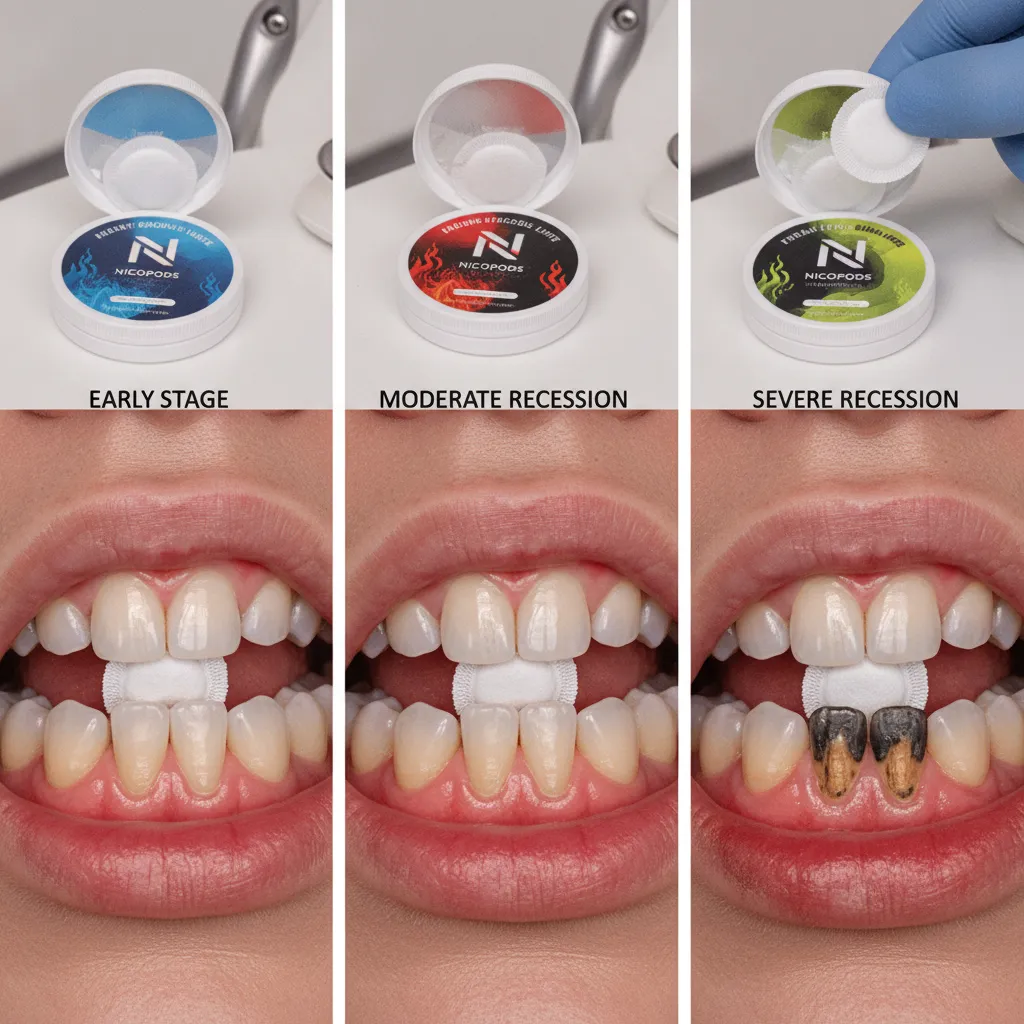
- 0-3 months: Mild tissue irritation and localized redness. Often dismissed as normal sensitivity.
- 3-6 months: Early gingival inflammation becomes visible. Slight notching of the gum margin may appear at the habitual placement site.
- 6-12 months: Measurable recession begins. Root surface may start to become visible. Sensitivity to cold or touch often increases.
- 12+ months of heavy use: Established recession that may require clinical intervention. Leukoplakia (white mucosal patches, a potentially precancerous change) can co-occur in some cases [5].
A 2026 PMC case study on localized gingival recession associated with nicotine pouch use documented cases where "nicotine pouch use may cause localized gingival recession and mucosal pathology" requiring thorough clinical evaluation [5]. The authors recommended periodontal charting for any regular pouch user presenting with unexplained localized changes.
Reddit Reports vs. Clinical Data
Community discussions on Reddit's r/DentalHygiene reflect what clinical data shows. Multiple users report noticing gum changes within 3-6 months of daily pouch use, with dental hygienists in those threads consistently confirming the mechanism: "Any nicotine pouches will cause this" [6]. The anecdotal timeline aligns with clinical observations — early changes are subtle and easy to rationalize away until they're not.
The key variable isn't just time — it's cumulative contact hours. A user placing 15 pouches per day for 45 minutes each accumulates over 11 hours of daily gum contact. Compare that to a user placing 4 pouches for 20 minutes each: under 1.5 hours. The tissue exposure difference is enormous.
Is Nicotine Pouch Gum Recession Reversible?
Mild nicotine pouch gum recession may be partially reversible if caught early and pouch use is significantly reduced or stopped. Advanced recession involving substantial root exposure is generally not self-reversing and may require surgical intervention.
What the Research Says About Recovery
This is the question most pouch users actually want answered. The honest answer: it depends on severity and how quickly you act.
Research from the Center of Excellence for the Acceleration of Harm Reduction (CoEHAR) offers some optimism for early-stage cases. A study cited by CoEHAR found that "even mild damage to the gums caused by products like nicotine pouches or snus may be reversed by switching to a new, less irritating product design" [7]. The key word is "mild." Once recession has progressed to significant root exposure, the tissue doesn't grow back on its own.
According to a dental assessment from Atlanta Sedation Dentistry, "heavy or long-term users are more likely to see recession at the specific site where they habitually place their pouch" — and by the time it's clinically significant, the window for natural recovery has often closed [4].
Reversibility by Stage
- Stage 1 (mild irritation, no measurable recession): Highly reversible. Reducing or stopping pouch use allows gum tissue to recover fully in most cases.
- Stage 2 (early recession, 1-2mm): Partially reversible with cessation and good oral hygiene. Some tissue reattachment is possible.
- Stage 3 (moderate recession, 2-4mm, root visible): Unlikely to reverse without clinical treatment. Gum grafting may be required.
- Stage 4 (severe recession, 4mm+): Surgical intervention is typically the only effective treatment. Prevention at this stage is irrelevant — treatment is necessary.
Pro Tip: If you suspect early recession, ask your dentist to take a baseline periodontal chart — a measurement of gum depth at multiple points around each tooth. This gives you a quantitative baseline to track against. Without numbers, it's impossible to know if things are stable or getting worse.
The Private Dental Group notes that while the evidence base is still developing, "there are plausible reasons why regular pouch use may contribute to local gum irritation and, in some cases, recession — particularly in heavy users" [8]. The clinical consensus as of 2026 is cautious: don't wait for definitive long-term studies before acting on early warning signs.
How to Prevent Gum Recession From Nicotine Pouches
You can significantly reduce your risk of nicotine pouch gum recession by rotating placement sites, limiting session duration, reducing daily pouch count, and progressively replacing nicotine pouches with zero-nicotine alternatives that preserve the oral ritual without the vasoconstrictive damage pathway.
Practical Harm Reduction Strategies
If you're not ready to stop using pouches entirely, harm reduction is a realistic and evidence-supported middle ground. Here's what actually moves the needle:
- Rotate placement sites: Alternate between the left upper, right upper, left lower, and right lower positions. This distributes mechanical stress across multiple sites instead of concentrating it on one.
- Limit session duration: Most nicotine absorption from a pouch occurs within the first 20-30 minutes. Sessions beyond 45 minutes add mechanical risk with diminishing nicotine return.
- Reduce daily pouch count: Moving from 15 to 8 pouches per day cuts cumulative tissue contact time nearly in half.
- Step down nicotine strength: Switching from 15mg to 6mg reduces the vasoconstrictive load per session, giving gum tissue a better chance to repair between uses.
- Replace some sessions with zero-nicotine pouches: This is the most underutilized strategy. If your pouch use is partly habit and partly chemical need (and per the 30/30/30 Addiction Rule, 60% of it is habit), then substituting nicotine pouches with sensory-identical zero-nicotine alternatives eliminates the chemical damage pathway entirely for those sessions.
A dental review published in Nature recommended that "patients using nicotine pouches should be advised to vary placement sites and limit duration of use" as a first-line harm reduction measure [2]. This is practical advice that costs nothing to implement today.
The Zero-Nicotine Substitution Approach
Here's the strategic insight most harm-reduction guides miss. The oral ritual — the pouch under the lip, the mint burn, the physical pillow sensation — is itself a large part of why you keep reaching for one. That ritual doesn't require nicotine to feel satisfying. It requires the right sensory profile.
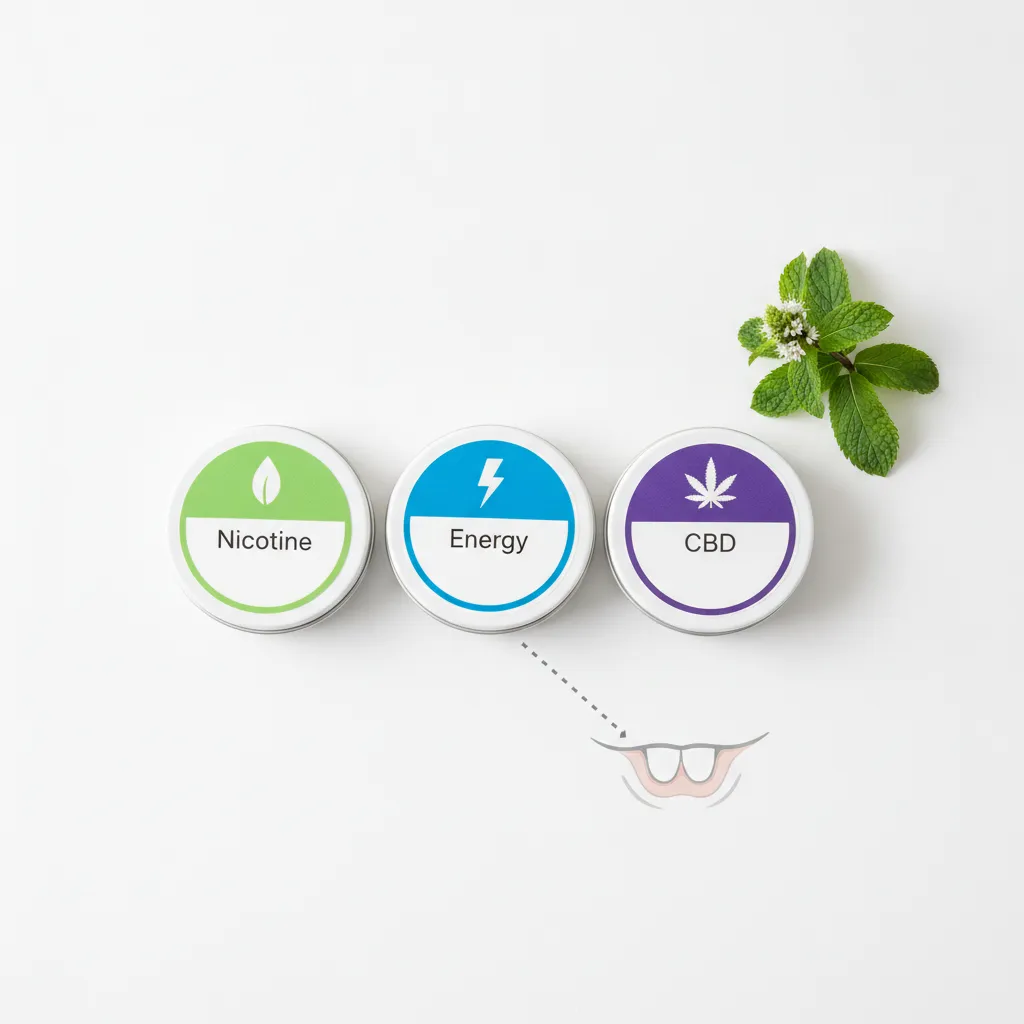
At Outdare LTD, we've found that users who replace even 40-50% of their daily nicotine sessions with sensory-identical zero-nicotine pouches (Energy or CBD variants) report meaningful reductions in gum irritation within 2-4 weeks, while maintaining the ritual that makes pouches feel like a genuine alternative to smoking or vaping. The brain keeps the habit. The gums get a break from the vasoconstriction.
This is the practical application of the 30/30/30 Addiction Rule: since only 30% of your pouch dependency is chemical, you can address the other 60% with a product that doesn't damage your gums at all.
Step-by-Step Harm Reduction Plan for 2026
This 4-week plan progressively reduces nicotine pouch gum recession risk by combining placement rotation, session limits, strength step-down, and strategic substitution with zero-nicotine alternatives. Most users who follow it consistently reduce their nicotine exposure by 60-90% within the first month.
- Assess your current baseline. Count your daily pouches for 3 days straight. Note placement site, session duration, and nicotine strength. This is your starting data — you can't manage what you don't measure.
- Book a dental check-up. Get a full periodontal chart done. This gives you a clinical baseline and flags any existing recession you may not have noticed. Early detection is the difference between reversible and irreversible.
- Implement placement rotation immediately. Starting today, never place two consecutive pouches in the same spot. Use a simple rotation: upper left, lower right, upper right, lower left. This single change reduces localized tissue stress dramatically.
- Cap session duration at 30 minutes. Set a phone timer if needed. The first 20-30 minutes deliver the bulk of nicotine; anything beyond that is mechanical damage with no chemical upside.
- Substitute 2 daily sessions with zero-nicotine pouches. In Week 1, replace your first and last pouch of the day with a sensory-identical zero-nicotine alternative. Your brain gets the ritual. Your gums get two sessions without vasoconstriction.
- Step down nicotine strength by Week 2. If you're using 15mg, move to 12mg. If you're at 12mg, move to 6mg. Reduced strength means reduced vasoconstrictive load per session, even before you reduce frequency.
- Increase zero-nicotine substitution to 50% by Week 3. Half your daily sessions should now be nicotine-free. Track any changes in gum sensitivity, irritation, or appearance. Most users notice reduced localized soreness within 2 weeks of this step.
- Re-evaluate at Week 4. Return to your baseline data. How many pouches are you using? What strength? How many are nicotine-free? Most users following this method reduce nicotine intake by 60-90% by this point — without white-knuckling a single craving.
Pro Tip: The substitution step (Step 5) works best when the zero-nicotine pouch is sensorially indistinguishable from your nicotine pouch. Same mint flavor, same burn intensity, same physical feel under the lip. If the replacement feels different, your brain notices and the craving spikes. This is exactly why sensory parity in pouch design matters — it's not a marketing detail, it's a harm-reduction mechanism.
Common Mistakes to Avoid
The most common mistakes pouch users make when trying to protect their gums are waiting too long to act, using the wrong substitution strategy, and misreading the early warning signs. Here's what to watch for.
Mistakes That Accelerate Gum Damage
- Always using the same placement spot. This is the single biggest contributor to localized recession. The damage is cumulative and site-specific. Rotating costs nothing and prevents the concentration of mechanical stress.
- Holding pouches for 60-90 minutes. There is no additional nicotine benefit after 30-45 minutes. Extended sessions are pure mechanical damage with no chemical return.
- Ignoring early sensitivity. Localized tooth sensitivity to cold at the front of the mouth, in the area where you place pouches, is often the first sign of early recession. Dismissing it delays action until the damage is harder to reverse.
- Quitting cold turkey and relapsing. A common mistake is treating this as binary — either use pouches or don't. Cold turkey attempts fail at high rates because they remove both the chemical and the ritual simultaneously. Gradual substitution is more effective and less damaging to long-term gum health.
- Switching to a "lower harm" product without changing habits. Moving from smoking to pouches is genuinely harm-reducing. But using 15 pouches per day at maximum strength, always in the same spot, for 60 minutes each, isn't low-harm behavior — it's just a different risk profile.
Mistakes in the Recovery Phase
- Assuming recession will reverse on its own. Mild irritation can resolve. Established recession does not self-repair. If you've already got measurable recession, stopping pouch use prevents further damage but doesn't regenerate lost tissue. See a dentist.
- Skipping the periodontal chart. Without a clinical baseline, you're flying blind. Recession is slow and easy to normalize. Numbers don't lie.
- Replacing nicotine pouches with products that don't match the sensory profile. Nicotine gum, patches, and lozenges don't replicate the oral ritual. They address the chemical dependency but leave the habit loop unsatisfied — which is why 60-70% of quit attempts using these methods alone relapse within a year.
Sources & References
- PMC / PubMed Central, "Emerging Oral Nicotine Products and Periodontal Diseases," 2023
- Nature / British Dental Journal, "Nicotine Pouches: A Review for the Dental Team," 2023
- Roseman University eCommons, "Impact of Nicotine Pouches on Oral Health," 2023
- Atlanta Sedation Dentistry, "How Nicotine Pouches Affect Your Gum Health," 2024
- PMC / PubMed Central, "Localized Gingival Recession and Leukoplakia Associated with Nicotine Pouch Use," 2026
- Reddit r/DentalHygiene, "Nicotine Pouches Receding Gums," 2026
- CoEHAR, "New-Technology Nicotine Pouch Design May Reverse Gum Irritation and Improve Oral Health," 2023
- The Private Dental Group, "Nicotine Pouches and Receding Gums – Risks and Advice," 2024
- 32 Teeth, "Nicotine Pouches and Your Oral Health: What You Need to Know," 2024
- Argyle Family Dental, "Are Zyns Bad for Your Gums? Your Dentist's POV," 2024
Frequently Asked Questions
1. Is gum recession from nicotine pouches permanent?
It depends on severity. Mild gingival irritation and very early-stage nicotine pouch gum recession may partially or fully reverse if you reduce or stop pouch use promptly. Once recession has progressed to measurable root exposure — typically 2mm or more — the tissue is unlikely to regenerate without clinical intervention such as a connective tissue graft. The earlier you act, the better your outcome.
2. How fast do nicotine pouches cause gum recession?
Timeline varies by usage intensity. Heavy users (10+ pouches per day, same placement site, 45+ minute sessions) may notice early signs within 3-6 months. Moderate users may not see measurable changes for 12 months or more. The key variable is cumulative contact time at a single site, not just how long you've been using pouches overall.
3. Do all nicotine pouches cause gum recession, or just high-strength ones?
Both the mechanical and chemical mechanisms are present at all nicotine strengths. Higher-strength pouches deliver a greater vasoconstrictive load per session, which accelerates tissue damage. But even low-strength pouches cause mechanical irritation if held in the same spot repeatedly. Strength reduction helps, but placement rotation and session limits matter equally.
4. Can I use nicotine pouches without damaging my gums?
You can significantly reduce your risk with consistent harm-reduction practices: rotating placement sites, capping sessions at 30 minutes, reducing daily pouch count, and stepping down nicotine strength over time. Replacing some daily sessions with zero-nicotine pouches that share the same sensory profile eliminates the vasoconstrictive damage pathway entirely for those sessions, giving your gums recovery time without breaking the oral ritual.
5. Are zero-nicotine pouches safer for gum health?
Yes, meaningfully so. Zero-nicotine pouches eliminate the vasoconstriction mechanism entirely. They still exert some mechanical pressure on gum tissue, so rotation and session limits still apply. But removing nicotine from the equation takes away the primary driver of impaired tissue repair — which is why substituting nicotine sessions with zero-nicotine alternatives is a practical harm-reduction strategy, not just a marketing claim.
6. What does early nicotine pouch gum recession feel like?
Early signs include localized sensitivity to cold or touch at the front teeth in the area where you place pouches, mild soreness or tenderness at the gum margin after sessions, and a subtle "notching" of the gum line that you might notice when running your tongue along your teeth. Many users dismiss these as normal pouch burn. They're not — they're early warning signs that warrant a dental check.
7. Is nicotine pouch gum recession the same as what snus causes?
The pattern is similar. Both snus and nicotine pouches cause localized recession at the habitual placement site through the same dual mechanisms: vasoconstriction and mechanical pressure. Nicotine pouches are tobacco-free, which removes some carcinogenic risk compared to traditional snus, but the gum recession mechanism is essentially identical. The absence of tobacco doesn't mean the absence of gum risk.
8. Should I see a dentist if I use nicotine pouches regularly?
Yes, and sooner rather than later. Dental professionals recommend that regular pouch users disclose their usage and request a full periodontal chart at each check-up. According to a 2026 PMC case report, "thorough clinical evaluation — including periodontal charting" is warranted for any regular nicotine pouch user presenting with localized oral changes [5]. A baseline chart is your best early-detection tool.

Conclusion
Nicotine pouch gum recession is real, progressive, and — in its early stages — largely preventable. The damage comes from two sources working together: nicotine's vasoconstrictive effect on gum tissue, and the mechanical pressure of a pouch held against the gingiva for extended periods. Catching it early matters. Mild changes can reverse. Established recession generally can't.
The practical path forward isn't cold turkey. It's smarter usage. Rotate your placement sites. Cap sessions at 30 minutes. Step down nicotine strength. And replace an increasing share of your daily nicotine sessions with zero-nicotine alternatives that preserve the ritual without the vasoconstriction.
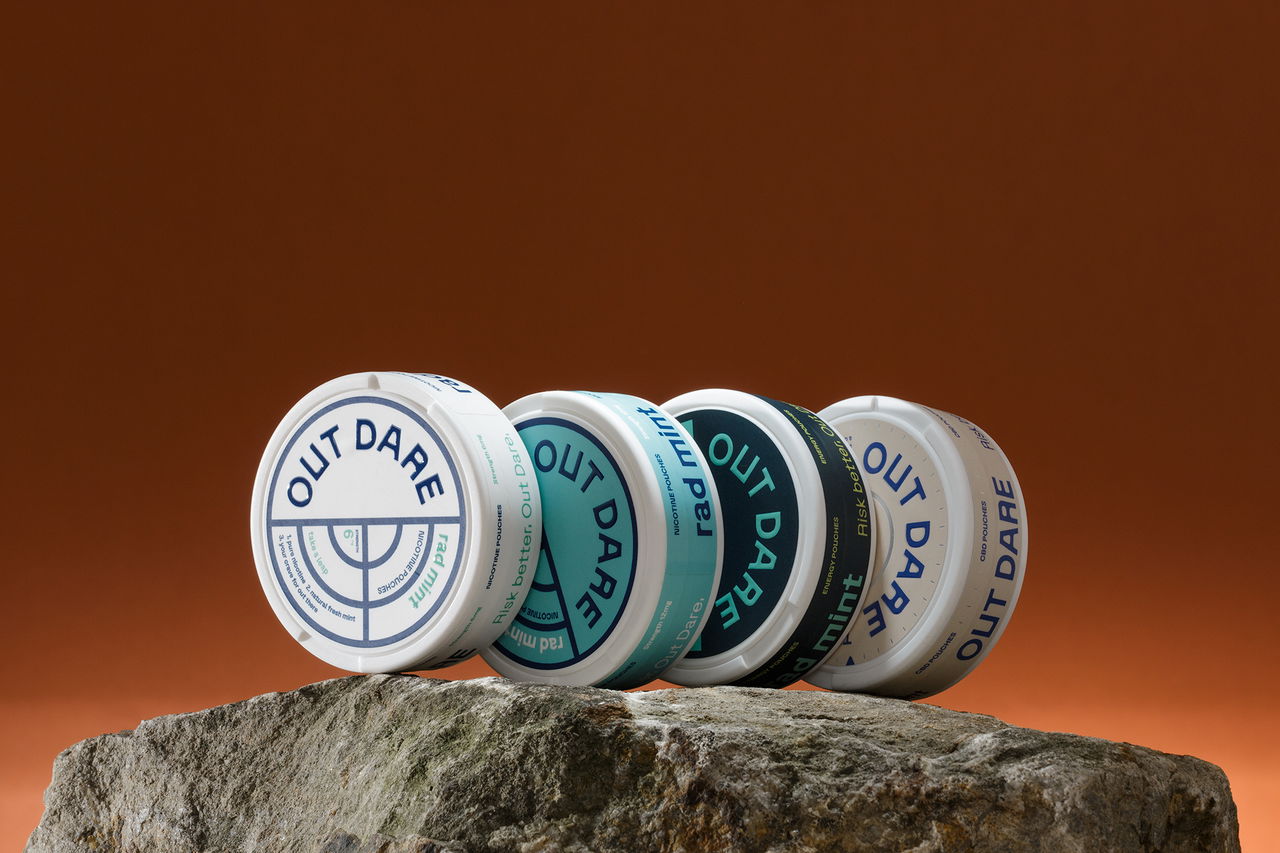
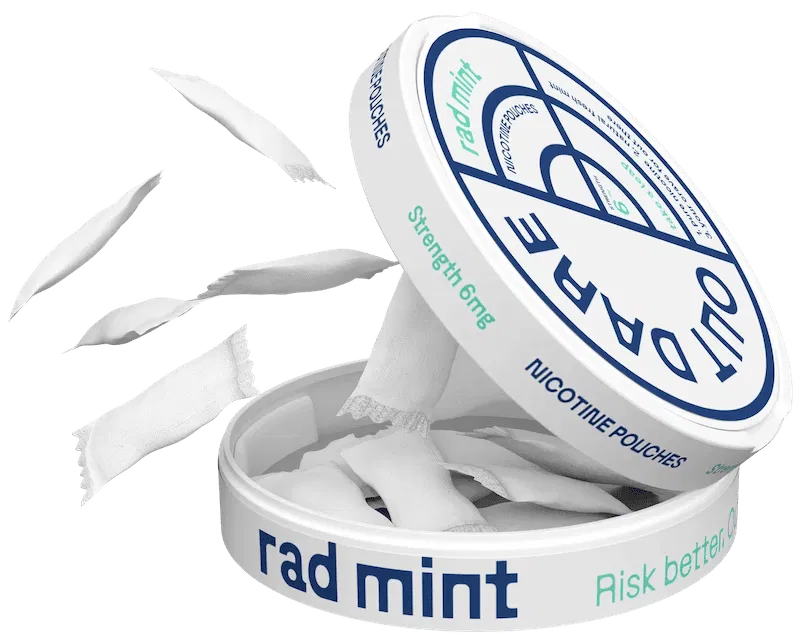
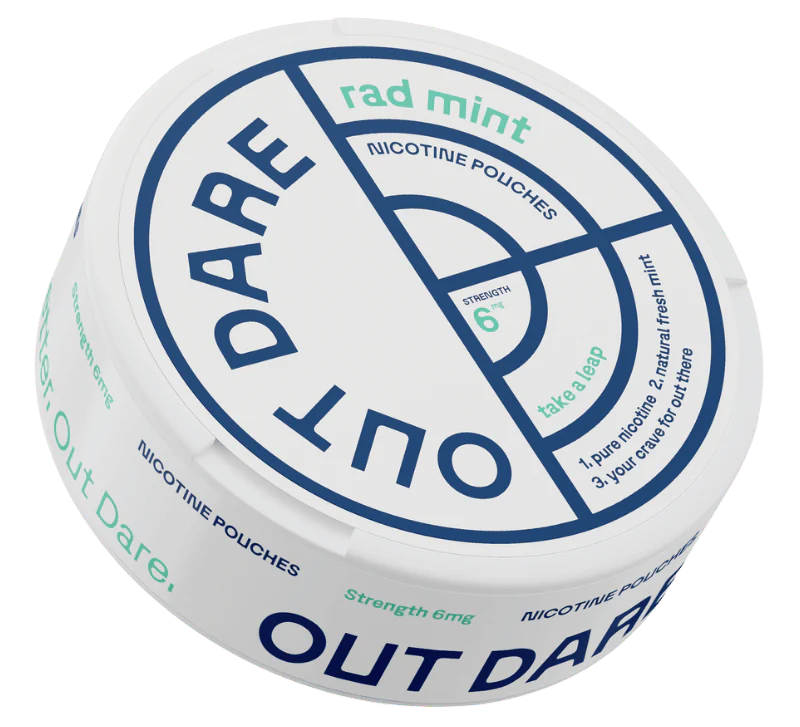
That's exactly what Outdare LTD was built to enable. The three-pouch system — Clean Nicotine, Energy, and CBD — shares the same mint taste, gum burn, and physical feel. Your brain keeps the ritual. Your gums get a break from the chemical damage. Most users following the 4-week method reduce their nicotine intake by 60-90% in the first month. That's not a quit attempt. That's a system. And your gums will notice the difference.
Recommended Articles
Explore more from our content library: