





Best Natural Pre-Workout Ingredients for Clean Energy
| Key Insight | Explanation |
|---|---|
| Caffeine is the most proven natural pre-workout ingredient | Research consistently shows caffeine improves endurance, strength output, and mental focus at doses of 3–6mg per kg of bodyweight. |
| L-Theanine pairs with caffeine to eliminate jitters | The 2:1 L-theanine to caffeine ratio is the most widely used nootropic stack for clean, focused energy without anxiety or crash. |
| Creatine monohydrate is the most studied ergogenic aid in sports science | Creatine increases phosphocreatine stores, directly boosting ATP availability for high-intensity efforts lasting under 30 seconds. |
| Beta-alanine reduces muscular acidosis during sustained effort | By raising muscle carnosine levels, beta-alanine delays the burning sensation that forces you to slow down or stop. |
| Beetroot (nitrates) improves blood flow and oxygen delivery | Dietary nitrates from beetroot convert to nitric oxide, widening blood vessels and improving endurance performance by 1–3%. |
| Format matters as much as ingredients | Oral delivery formats like pouches can absorb active ingredients faster than powders that require digestion, making timing and format a real performance variable. |
Natural pre-workout ingredients are whole-food or minimally processed compounds — caffeine, creatine, beta-alanine, L-theanine, nitrates — that measurably improve energy, endurance, and focus before exercise, without synthetic stimulants or artificial additives. They work through well-documented physiological pathways. And for fitness-minded people who read ingredient labels, they're the only kind worth considering.
Most commercial pre-workouts are a mess. Proprietary blends, underdosed actives, artificial dyes, and enough synthetic stimulants to make your heart feel like it's auditioning for a drum solo. The cleaner approach — building a stack from evidence-backed, naturally sourced compounds — gives you the same performance edge without the junk. This article breaks down which natural pre-workout ingredients actually work, how they work, what doses matter, and the mistakes most people make when putting a stack together.
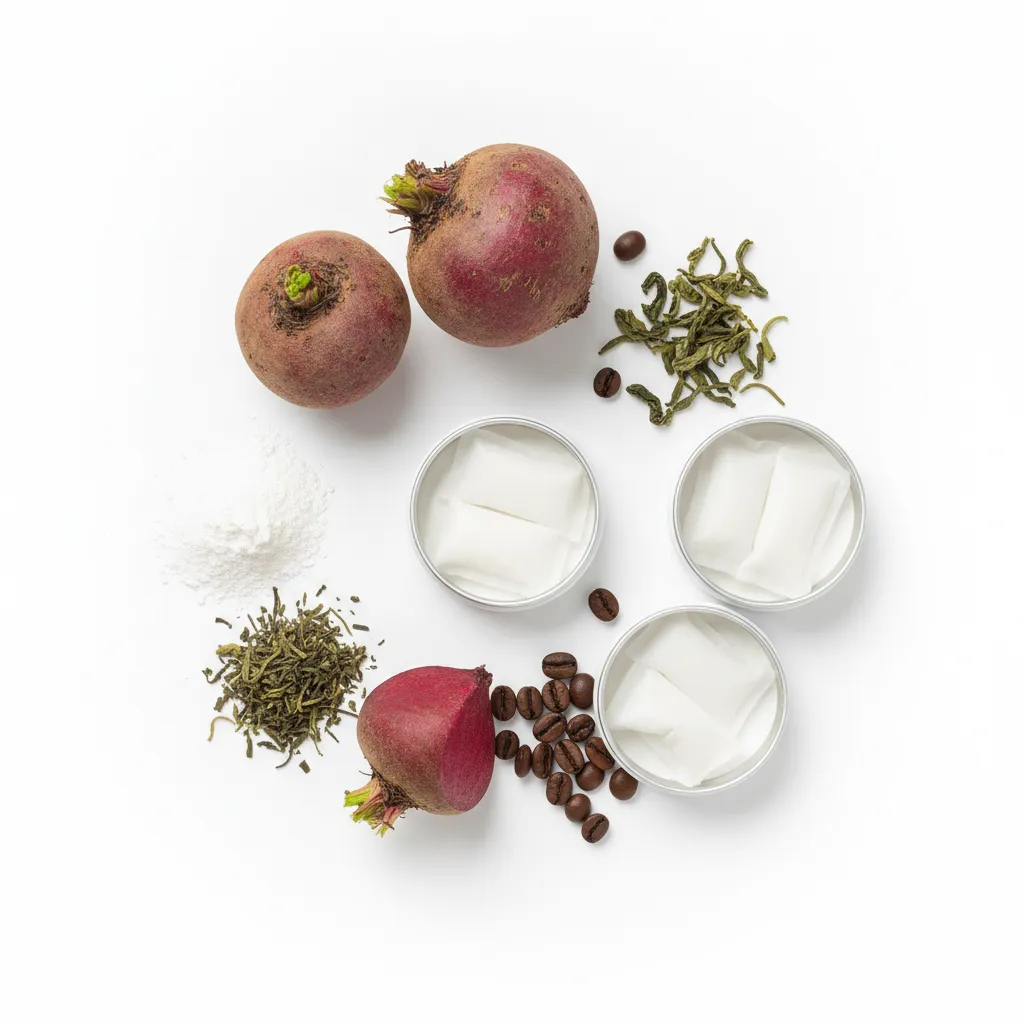
What Are Natural Pre-Workout Ingredients?
Natural pre-workout ingredients are compounds derived from whole foods, plants, or naturally occurring molecules in the body that enhance physical and cognitive performance when taken before training. They're distinct from synthetic stimulants because their mechanisms are well-understood, their safety profiles are established, and they don't rely on proprietary chemical modifications to produce an effect.
Definition and Scope
The term "natural" in this context has a specific meaning. It doesn't just mean "found in nature" — it means the compound is either extracted directly from a whole-food source (like caffeine from green coffee or nitrates from beetroot) or is a molecule the body already produces (like creatine or beta-alanine). According to a landmark review published in PMC by the National Institutes of Health, the most common core ingredients in evidence-based pre-workout formulas include caffeine, beta-alanine, creatine, and citrulline [1]. All four have clear natural origins.
What separates natural pre-workout ingredients from synthetic alternatives:
- Sourced from plants, foods, or endogenous biological molecules
- Supported by peer-reviewed human trials, not just animal studies
- No artificial chemical modifications to the base compound
- Dose-response relationships are documented and predictable
- No proprietary blends that obscure actual ingredient quantities
Why the Distinction Matters in 2026
As of 2026, regulatory scrutiny on pre-workout supplements has intensified across the EU. The European Food Safety Authority (EFSA) has tightened guidance on several synthetic stimulants previously found in pre-workouts, including DMAA and synephrine at high doses. Consumers are increasingly demanding transparency — and for good reason. Texas Health Resources notes that many pre-workout products contain ingredients with limited safety data, and that consumers should look for products with transparent labeling and clinically studied compounds [4].
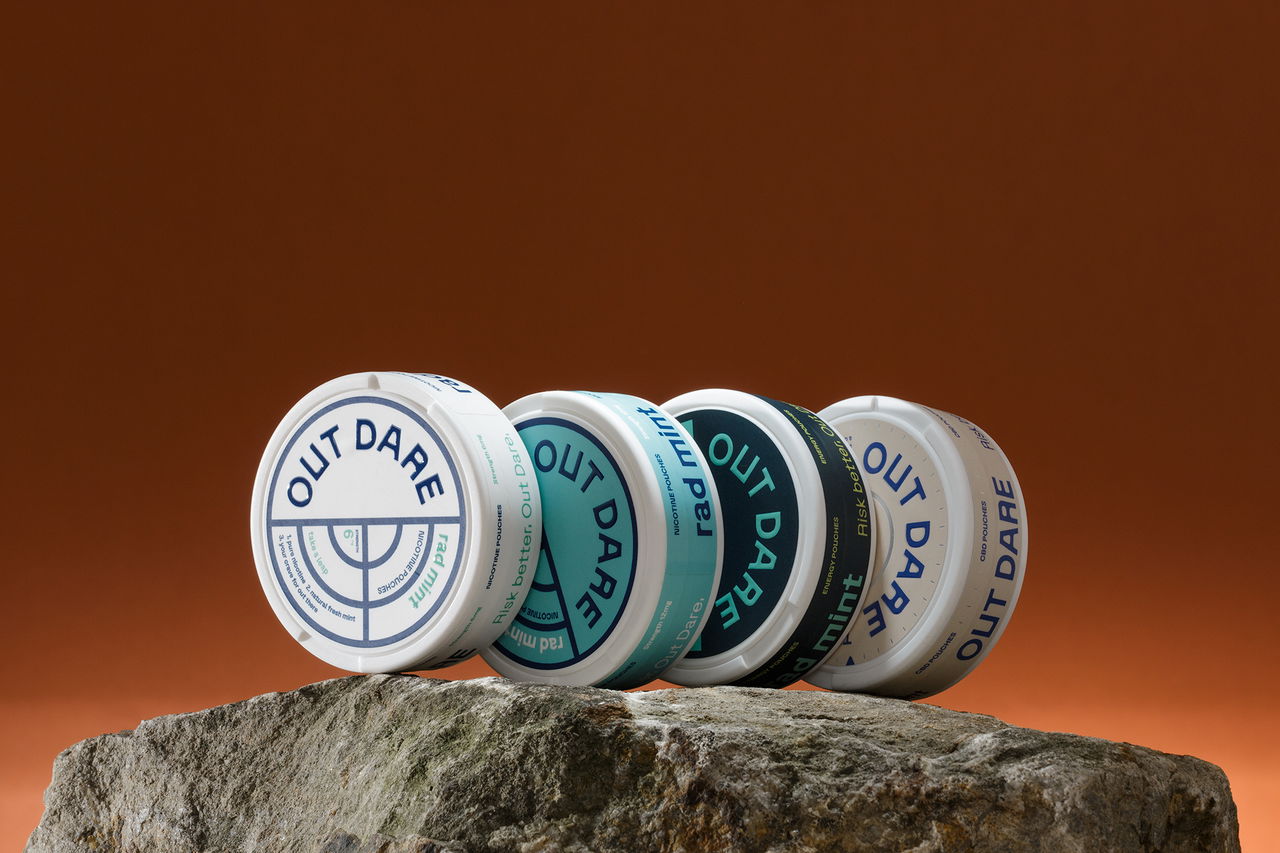
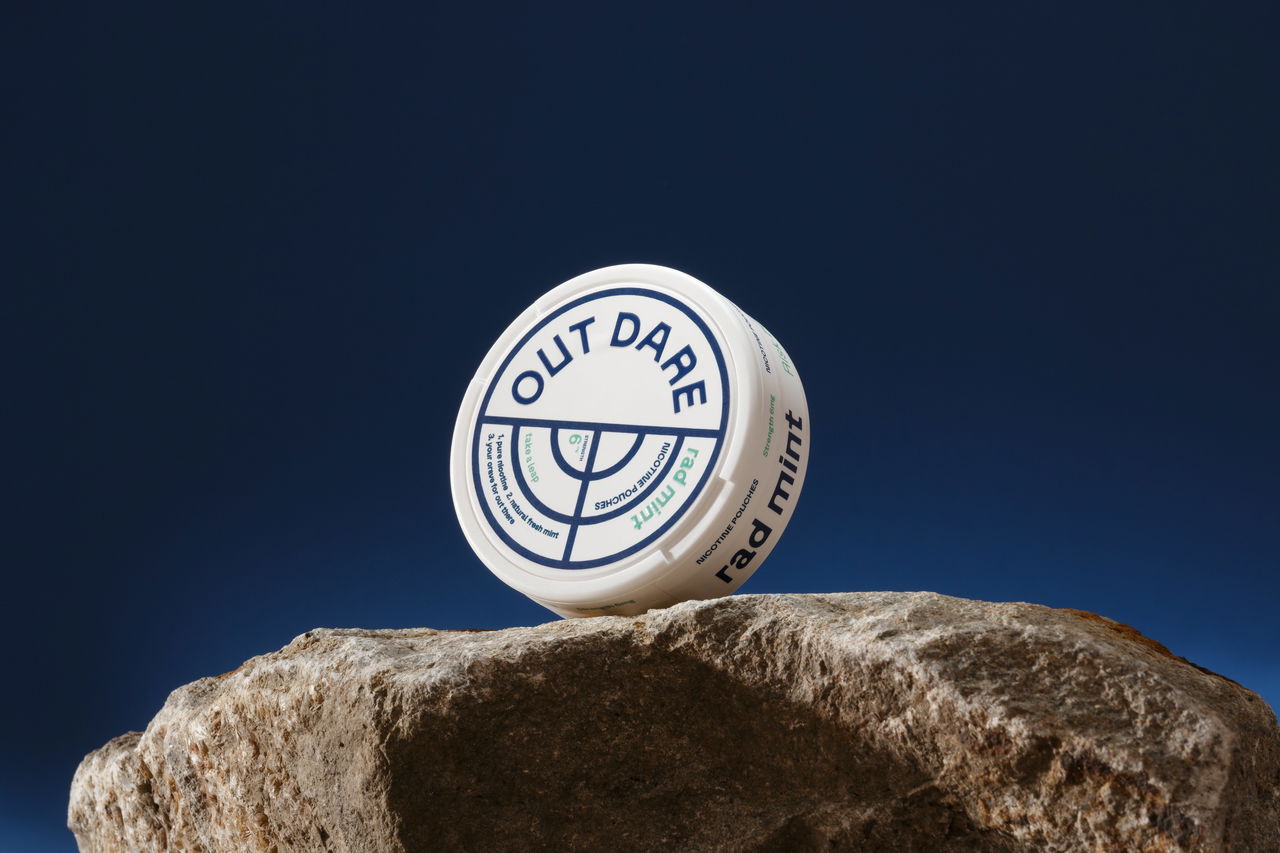
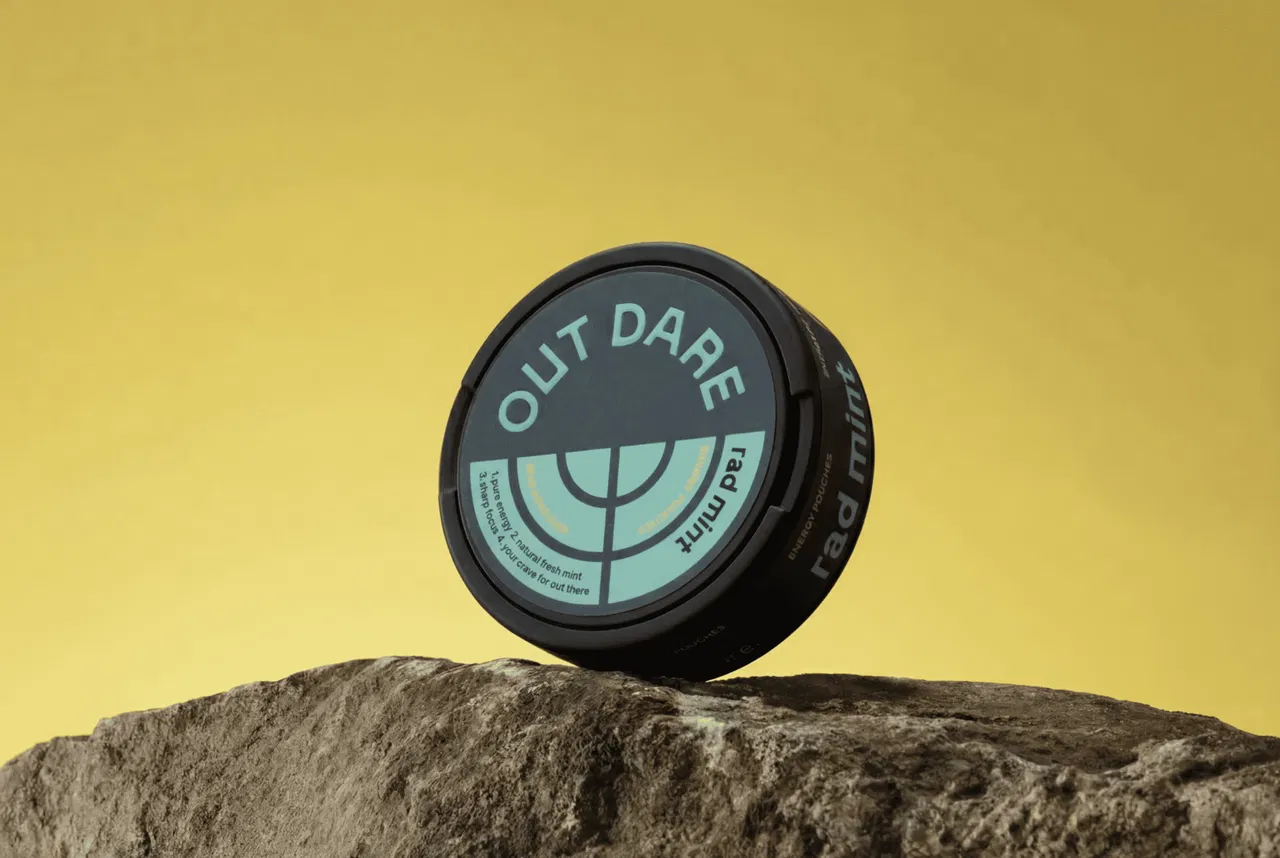
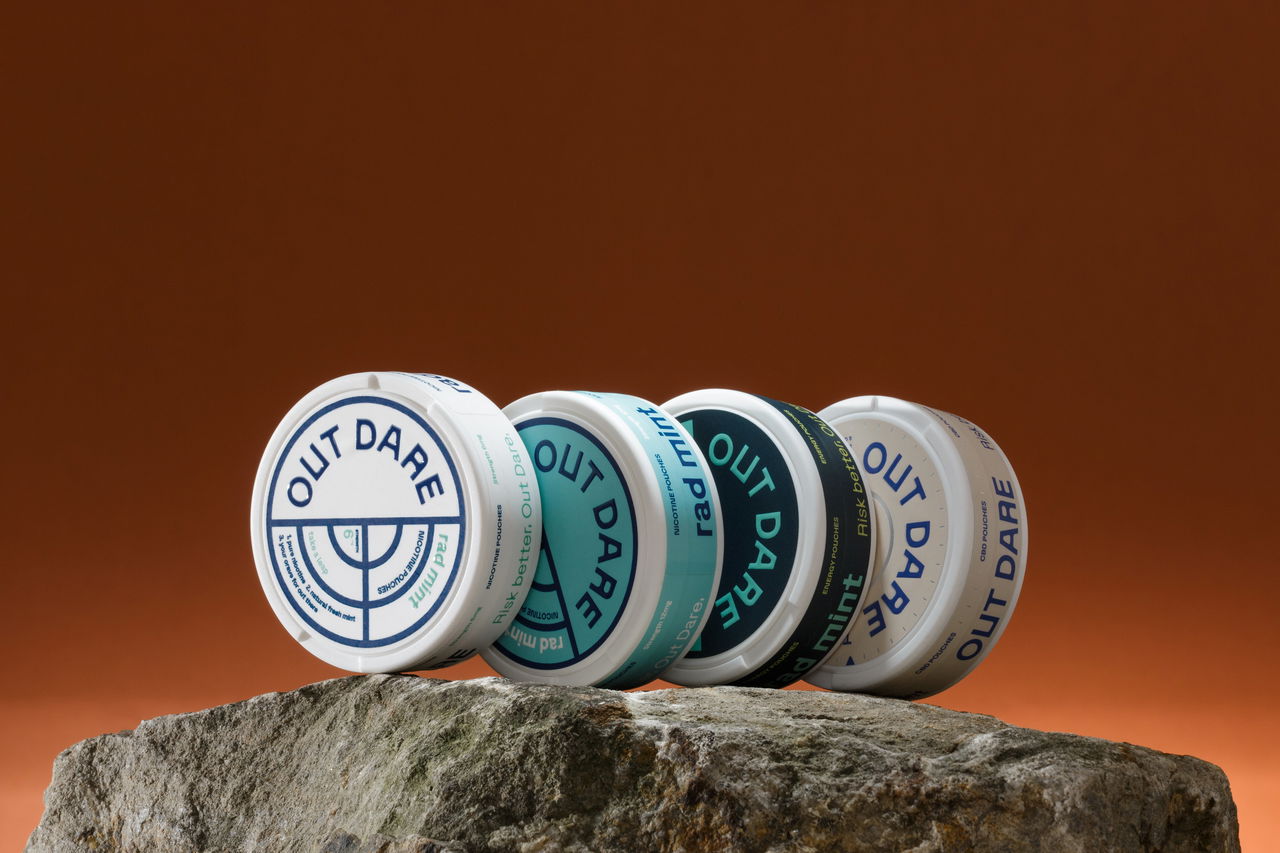
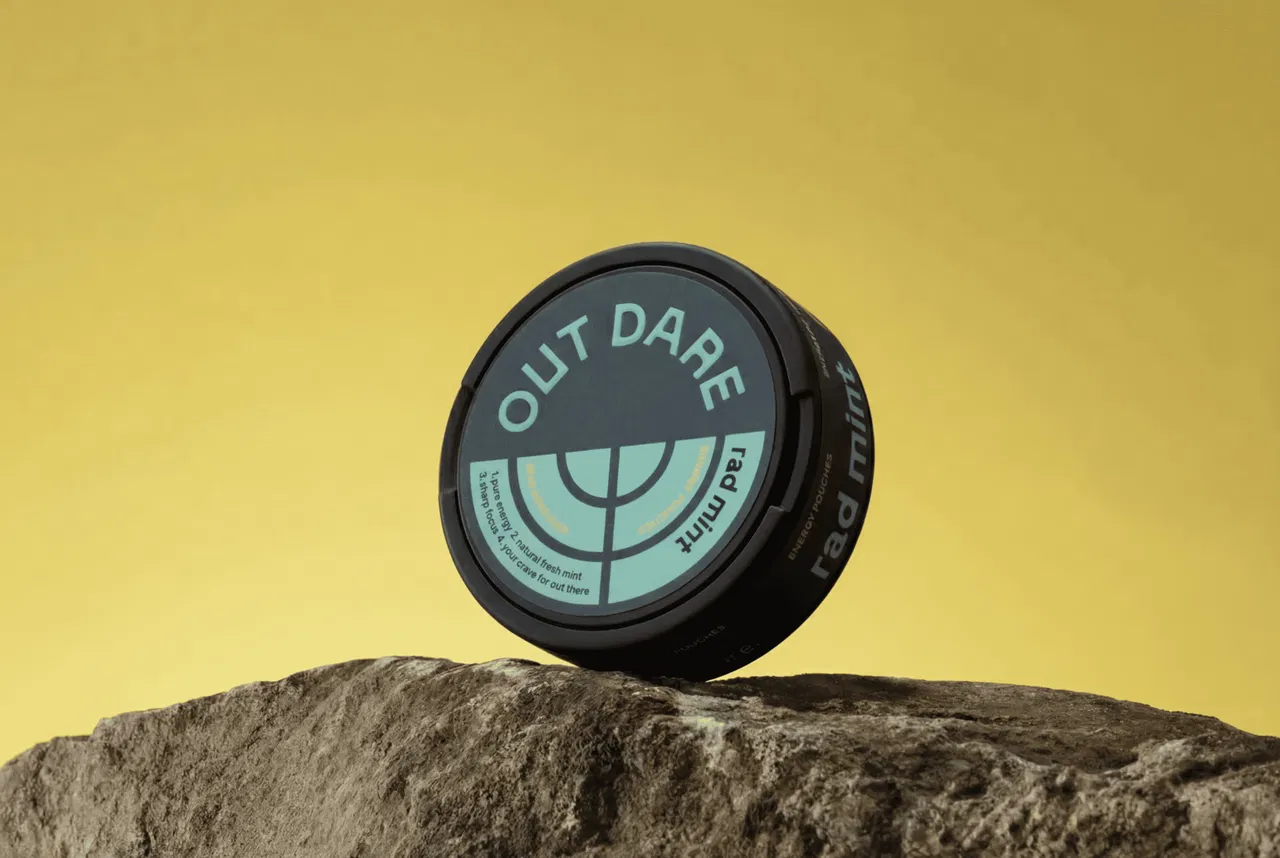
The fitness-minded consumer who avoids junk in their training shouldn't be putting junk in their body before it. That's the logic driving the shift toward natural, clean-label pre-workout stacks — and it's the same logic behind formats like the Outdare Energy Pouch, which delivers 50mg caffeine plus nootropics with zero nicotine, zero sugar, and a clean European-manufactured formula.
How Natural Pre-Workout Ingredients Work in the Body
Natural pre-workout ingredients work through three primary physiological pathways: central nervous system stimulation, muscular energy system support, and blood flow optimization. Understanding which pathway each ingredient targets helps you build a stack that covers all three bases.
The Three Performance Pathways
CNS stimulation is the most immediate pathway. Caffeine, for example, works by blocking adenosine receptors in the brain — adenosine is the molecule that makes you feel tired. By blocking it, caffeine increases alertness, reduces perceived effort, and improves reaction time. The University Hospitals system confirms that caffeine is "the most widely studied pre-workout ingredient and a proven enhancer of athletic performance, alertness and concentration" [2]. L-theanine, an amino acid found in green tea, works synergistically with caffeine by promoting alpha-wave brain activity — the state associated with calm focus rather than anxious stimulation.
Muscular energy support is where creatine and beta-alanine operate. Creatine monohydrate increases the availability of phosphocreatine in muscle cells, which is the fuel source for explosive, short-duration efforts (sprints, heavy lifts, HIIT). Beta-alanine raises muscle carnosine levels, which buffers the hydrogen ions that cause the burning sensation during sustained effort. As Mayo Clinic explains, beta-alanine and histidine combine to form carnosine, which helps buffer acid in the muscles [5].
Blood flow optimization is primarily driven by dietary nitrates (from beetroot) and L-citrulline (from watermelon). Both compounds increase nitric oxide production, which dilates blood vessels and improves oxygen and nutrient delivery to working muscles. This is the mechanism behind the "pump" that many athletes seek — and it's entirely achievable through natural sources.
Timing and Absorption
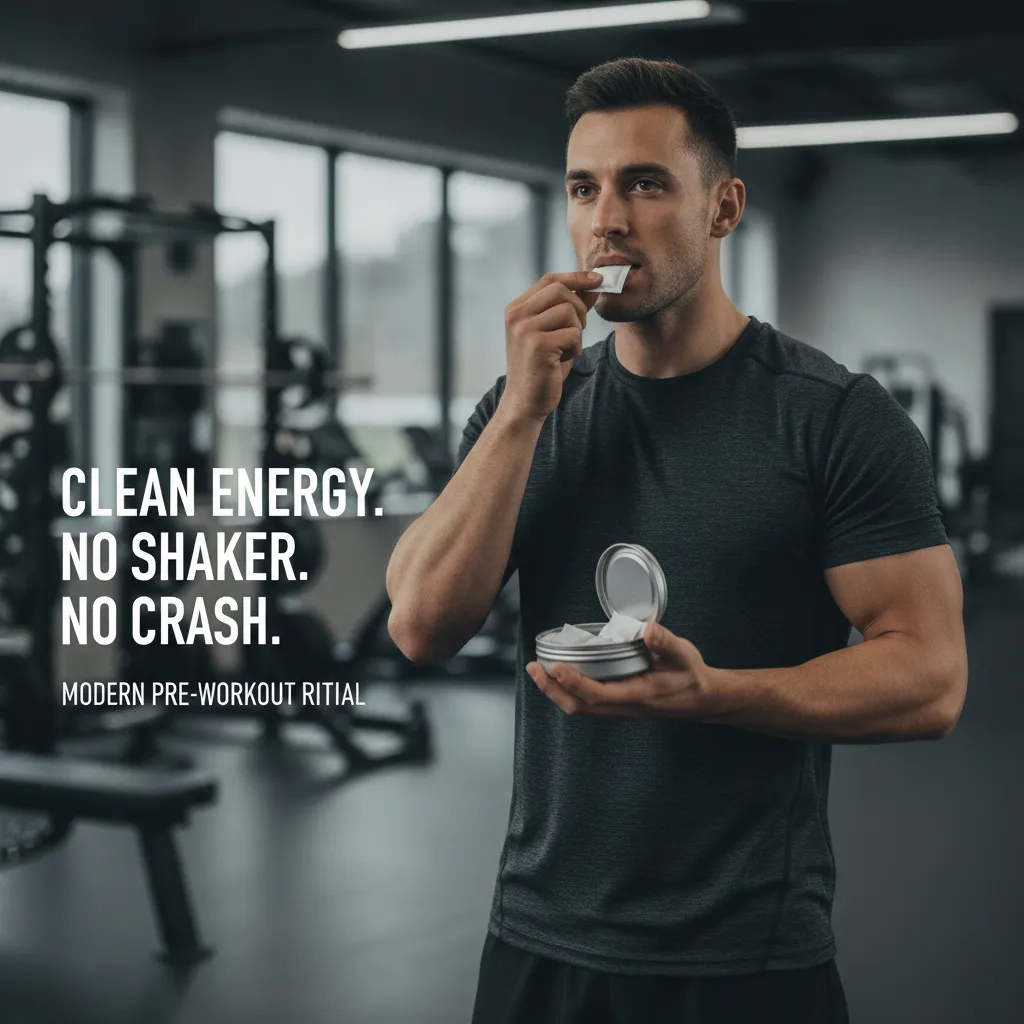
Timing matters. Most natural pre-workout ingredients reach peak plasma concentration 45–90 minutes after ingestion when taken in powder or capsule form, because they require gastric digestion. Formats that bypass digestion — sublingual delivery, buccal absorption through oral pouches — can accelerate the onset significantly. This is one reason why oral pouch delivery of caffeine and nootropics (like the format used in Outdare's Energy Pouch) is gaining traction among performance-focused consumers who want a faster, more precise onset without a shaker bottle.
Pro Tip: Stack caffeine with L-theanine at a 1:2 ratio (e.g., 50mg caffeine with 100mg L-theanine) for clean, focused energy without the jitter or crash. This is the most well-documented nootropic combination in the scientific literature and works whether you're training or doing deep work.
The Best Natural Pre-Workout Ingredients for 2026
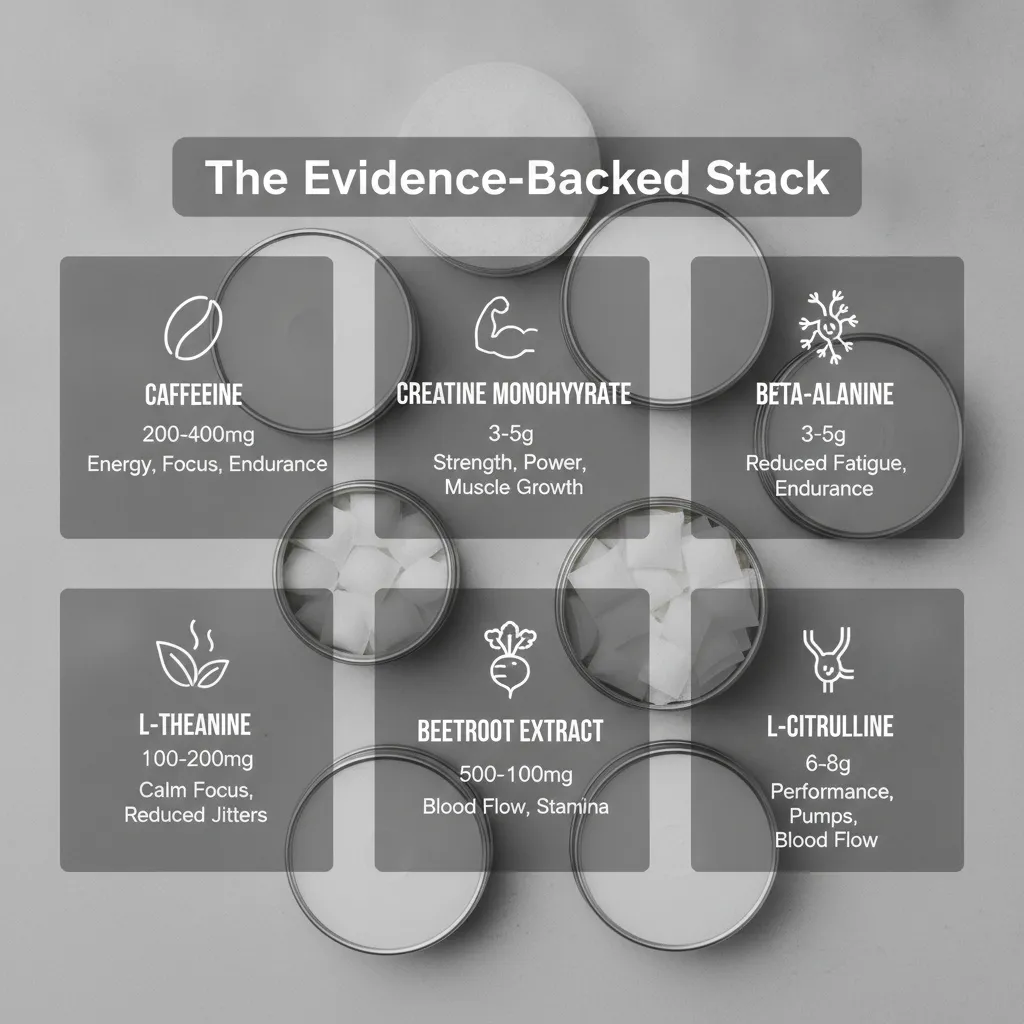
The best this strategy, ranked by strength of evidence, are caffeine, creatine monohydrate, beta-alanine, L-theanine, dietary nitrates from beetroot, and L-citrulline. Each has multiple peer-reviewed human trials supporting its efficacy at specific doses.
Evidence-Ranked Ingredient Breakdown
| Ingredient | Natural Source | Effective Dose | Primary Benefit | Evidence Level |
|---|---|---|---|---|
| Caffeine | Coffee, green tea, guarana | 3–6mg/kg bodyweight | Alertness, endurance, strength | Very High |
| Creatine Monohydrate | Red meat, fish (also endogenous) | 3–5g daily | Power output, ATP regeneration | Very High |
| Beta-Alanine | Poultry, fish (also synthesized) | 3.2–6.4g daily | Endurance, acid buffering | High |
| L-Theanine | Green tea, matcha | 100–200mg | Focus, anxiety reduction | High |
| Dietary Nitrates (Beetroot) | Beetroot, spinach, arugula | 300–600mg nitrate | Blood flow, oxygen efficiency | High |
| L-Citrulline | Watermelon, cucumbers | 6–8g | Pump, nitric oxide production | High |
The NASM (National Academy of Sports Medicine) pre-workout guide identifies caffeine, beta-alanine, electrolytes, amino acids, and creatine as the key ingredients to prioritize [3]. That aligns with the PMC research on multi-ingredient pre-workout supplements (MIPS), which found these compounds form a consistent "core" across the most studied formulas [1].
The Nootropic Layer: Cognitive Performance Before Training
Beyond physical performance, a growing subset of athletes and active professionals want pre-workout ingredients that also sharpen cognitive function — focus, reaction time, and decision-making under fatigue. This is where nootropics (compounds that enhance cognitive performance) enter the picture.
The most relevant natural nootropics for pre-workout use include:
- L-Theanine — promotes calm alertness and reduces caffeine-induced anxiety
- Alpha-GPC — a choline source that supports acetylcholine production, linked to improved reaction time and power output
- Tyrosine — an amino acid that supports dopamine and norepinephrine synthesis under stress, helping maintain focus during hard sessions
- Rhodiola Rosea — an adaptogen that reduces perceived exertion and mental fatigue, particularly during prolonged effort
At Outdare LTD, we've found that the caffeine-plus-nootropics combination — specifically the kind delivered in the Energy Pouch — is what resonates most with performance-focused users who've moved away from nicotine. They're not looking for a stimulant hit. They want sharper focus without the jitter, delivered in a format that fits their routine. No shaker bottle, no liquid, no crash 90 minutes later.
Pro Tip: If you're using caffeine as a natural pre-workout ingredient and want to eliminate the afternoon crash, take it with L-theanine and avoid dosing within 6 hours of your intended sleep time. Caffeine's half-life is approximately 5–7 hours, meaning a 3pm dose still has half its effect at 9pm.
Common Mistakes With Natural Pre-Workout Ingredients
The most common mistakes with this approach are underdosing, poor timing, ignoring tolerance buildup, and stacking compounds without understanding their interactions. Each mistake erodes the performance benefit you're trying to get.
Underdosing and Overdosing
Underdosing is the most widespread problem. Many people take 100mg of caffeine and wonder why they don't feel anything meaningful — a 75kg person needs roughly 225–450mg for a performance effect, based on the 3–6mg/kg guideline. The opposite problem, overdosing, is just as common. More isn't better with the practice. Excessive caffeine (above 9mg/kg) increases anxiety, disrupts sleep, and raises cardiovascular strain without adding performance benefit [2].
A common mistake practitioners make is treating "natural" as synonymous with "safe at any dose." Beta-alanine causes paresthesia (the harmless tingling sensation) at standard doses — that's expected. But at very high doses, it can cause significant discomfort. Creatine is extremely well-tolerated, but loading phases (20g/day for 5–7 days) can cause gastrointestinal distress in some people. Start at the lower end of the effective dose range and adjust based on response.
Ignoring Timing and Format
Timing is frequently overlooked. Taking creatine 15 minutes before a workout does very little — creatine works through saturation of muscle stores over days and weeks, not acute pre-workout dosing. Caffeine, on the other hand, peaks in plasma 45–90 minutes after ingestion in powder or capsule form [5]. Taking it 10 minutes before you train means you're barely past the onset when you finish your warm-up.
Format matters too. Powder dissolved in water reaches the bloodstream faster than capsules. Buccal absorption through oral pouches can be faster still, bypassing first-pass metabolism. For nicotine-free energy pouches like those in the Outdare Energy line, the buccal delivery of caffeine and nootropics means faster onset with no bloating from liquids pre-training. If you're also exploring caffeine pouches or nicotine-free pouches as a pre-workout format, timing becomes much more forgiving.
Other mistakes to avoid:
- Stacking multiple stimulants (caffeine + synephrine + yohimbine) without understanding additive cardiovascular effects
- Neglecting hydration — natural nitrates and creatine both require adequate water for optimal function
- Cycling off caffeine irregularly, which causes tolerance buildup and withdrawal headaches
- Relying on pre-workout ingredients to compensate for poor sleep, inadequate nutrition, or chronic overtraining
Best Practices for Using Natural Pre-Workout Ingredients in 2026
The most effective approach to this practice in 2026 is a layered stack built around your specific training type, timed correctly, and cycled strategically to prevent tolerance. One size doesn't fit all here.
Build Your Stack by Training Type
Different training modalities benefit from different natural pre-workout ingredient profiles. Here's how to think about it:
- Strength training: Prioritize creatine (3–5g daily), caffeine (3–5mg/kg), and beta-alanine (3.2g) for power output and fatigue resistance
- Endurance training: Lead with beetroot/nitrates (300–600mg nitrate, taken 2–3 hours before), caffeine, and electrolytes for oxygen efficiency and sustained output
- HIIT and sport-specific training: Caffeine plus L-theanine for CNS stimulation and focus, beta-alanine for acid buffering during repeated sprint efforts
- Cognitive-heavy training (technique work, sport practice, flow state sessions): Caffeine, L-theanine, and tyrosine — the nootropic layer matters as much as the physical layer here
Research from the NASM framework recommends building pre-workout stacks around your primary performance goal, not around what's in the most popular commercial product [3]. That's a principle worth following.
Practical Implementation Framework
- Identify your primary goal: Power, endurance, focus, or a combination
- Select 2–3 core natural pre-workout ingredients that target that goal directly
- Establish your baseline dose at the lower end of the evidence-based range
- Time your stack correctly: Caffeine 45–60 minutes before; nitrates 2–3 hours before; creatine is timing-independent (daily saturation)
- Run the stack for 4 weeks before evaluating performance changes
- Cycle caffeine every 6–8 weeks with a 1–2 week low-dose period to prevent tolerance
- Track subjective and objective markers: Energy levels, session performance, sleep quality, and recovery speed
Pro Tip: If you're transitioning away from nicotine pouches and still want a pre-training ritual that delivers real energy, consider the Outdare Energy Pouch as a direct format replacement. It delivers 50mg caffeine plus nootropics, zero nicotine, and the same oral ritual — so the habit stays intact while the chemistry changes. This directly applies the 30/30/30 Addiction Rule: keep the 60% (ritual + burn), lose the 30% (chemical dependency).
In practice, the biggest variable isn't which this method you choose — it's consistency. A well-timed stack of caffeine, creatine, and beta-alanine taken consistently over 4–8 weeks will outperform any exotic formula taken sporadically. From experience working with performance-focused consumers who've ditched commercial pre-workouts in favor of clean-label stacks, the shift to this strategy almost always comes with better sleep, fewer energy crashes, and more predictable performance.
Sources & References
- PMC / National Institutes of Health, "Common Ingredient Profiles of Multi-Ingredient Pre-Workout Supplements," 2019
- University Hospitals, "Pre-Workout Supplements: Are They Worth Taking?," 2025
- National Academy of Sports Medicine (NASM), "Pre-Workout: What Does it Do & Do You Need It?," NASM Blog
- Texas Health Resources, "What You Need to Know About Pre-Workout Supplements"
- Mayo Clinic Press, "Preworkout Supplements: What's Safe? What Should You Avoid?"
- Garage Gym Reviews, "The Best Natural Pre-Workouts (2026)"
- Squatwolf, "Best Natural Pre Workout Alternatives — No Supplements Needed"
Frequently Asked Questions
1. What are the most effective natural pre-workout ingredients for beginners?
For beginners, the most effective this approach are caffeine (100–200mg to start), creatine monohydrate (3g daily), and L-theanine (100–200mg paired with caffeine). These three compounds have the strongest evidence base, the best safety profiles, and the most predictable dose-response relationships. Start with caffeine and L-theanine together before adding creatine, which works through daily saturation rather than acute dosing.
2. Is beetroot a good natural pre-workout ingredient?
Yes. Beetroot is one of the most evidence-backed the practice for endurance athletes. Its high dietary nitrate content converts to nitric oxide in the body, dilating blood vessels and improving oxygen delivery to muscles. Studies show a 1–3% improvement in endurance performance with 300–600mg of nitrate, consumed 2–3 hours before training. Beetroot juice concentrates are the most practical delivery format.
3. What natural pre-workout ingredients should you avoid?
Avoid high-dose synephrine (bitter orange extract), yohimbine at doses above 20mg, and any proprietary blend that doesn't disclose individual ingredient quantities. These compounds carry cardiovascular risks at higher doses and interact unpredictably with caffeine. Mayo Clinic specifically flags several common pre-workout additives as having limited safety data or known adverse effects at common commercial doses [5]. Stick to ingredients with multiple peer-reviewed human trials.
4. Is honey a natural pre-workout ingredient?
Honey functions as a natural pre-workout carbohydrate source rather than a performance compound. It provides fast-digesting glucose and fructose that can top up glycogen stores before training, making it useful for endurance sessions over 60 minutes. It doesn't deliver caffeine, creatine, or nitrates, so it works best as a fuel source paired with other this practice rather than as a standalone option.
5. What causes the itching or tingling sensation from pre-workout?
The tingling sensation — technically called paresthesia — is caused by beta-alanine. It's a harmless neurological response that occurs when beta-alanine binds to nerve receptors in the skin. It typically appears 15–30 minutes after ingestion and fades within an hour. Splitting your beta-alanine dose into smaller amounts (1–1.6g per serving rather than 3.2g at once) significantly reduces the intensity of the tingling without reducing the performance benefit.
6. Can natural pre-workout ingredients replace nicotine as an energy source?
This is a real question for the growing number of people who've been using nicotine pouches for the energy and focus effect rather than for addiction management. The honest answer: yes, but the mechanism is different. Nicotine stimulates dopamine and norepinephrine release acutely. Caffeine plus nootropics achieves a similar alertness and focus effect through adenosine blockade and alpha-wave promotion. Many former nicotine pouch users find that a clean caffeine-plus-nootropics format — like a nicotine-free energy pouch — satisfies the functional need without the chemical dependency. If you're exploring tobacco-free alternatives that still deliver real cognitive performance, this is the cleanest route.
7. Is pre-workout bad for your heart?
this method at evidence-based doses are not bad for healthy hearts. Caffeine at 3–6mg/kg produces a modest, temporary increase in heart rate and blood pressure that resolves within 2–3 hours. People with pre-existing cardiovascular conditions should consult a physician before using any stimulant-containing pre-workout. The risk profile increases significantly with synthetic stimulants, excessive caffeine, and proprietary blends containing undisclosed compounds — which is exactly why the clean-label, natural pre-workout approach is the safer default.
8. How do oral pouches compare to powder as a delivery format for natural pre-workout ingredients?
Oral pouches deliver active ingredients like caffeine through buccal absorption, bypassing the digestive system and potentially reaching the bloodstream faster than powders that require gastric processing. This makes timing more forgiving — you don't need to plan 45–90 minutes ahead. Pouches are also portable, discreet, and require no liquid, which matters before outdoor training, competition, or any situation where a shaker bottle isn't practical. For people exploring nicotine pouches vs vaping or looking at clean energy alternatives, the pouch format delivers a familiar ritual with a cleaner ingredient profile.
Note: This article covers this strategy for healthy adults. It doesn't address pre-workout nutrition for clinical populations, pediatric use, or interactions with prescription medications. If you have a medical condition, consult a qualified healthcare provider before adding any supplement to your routine.
The Cleaner Way to Train Harder
this approach aren't a compromise. Caffeine, creatine, beta-alanine, L-theanine, and beetroot nitrates are among the most studied performance compounds in sports science — and they happen to come from natural sources. The evidence is clear: you don't need synthetic stimulants, artificial dyes, or proprietary blends to train harder, focus better, or recover faster.
The shift toward clean-label, natural pre-workout stacks mirrors a broader movement in consumer health — one that Outdare LTD was built around from the start. Whether you're a lifter who's done with junk-ingredient powders, a runner who wants better oxygen efficiency from beetroot nitrates, or someone transitioning away from nicotine who still wants a real cognitive edge before training, the answer is the same: choose the ingredients that have earned their place, dose them correctly, and deliver them in a format that fits your life.
That's what clean performance looks like. Risk Better. Out Dare.
Recommended Articles
Explore more from our content library: