





Natural Caffeine Alternatives: Top Picks for 2026
| Key Insight | Explanation |
|---|---|
| Coffee isn't the only option | Natural caffeine alternatives range from matcha and yerba mate to adaptogens and nootropic pouches — each with a distinct energy and focus profile. |
| Crash-free energy is achievable | Sources like matcha (L-theanine + caffeine) and guarana (slow-release caffeine) deliver sustained energy without the sharp spike-and-crash cycle of coffee or energy drinks. |
| Nootropics amplify the effect | Combining caffeine with nootropics (cognitive enhancers like L-theanine, Alpha-GPC, or Lion's Mane) sharpens focus while reducing jitteriness — a key advantage over solo caffeine. |
| Format matters as much as ingredient | Delivery method (tea, pouch, supplement) affects onset speed, convenience, and social discretion — factors that determine whether you'll actually stick to the alternative. |
| Nicotine users have a unique need | People reducing nicotine dependency need an alternative that preserves the oral ritual, not just the energy boost — a gap that standard caffeine drinks don't address. |
| Adaptogens support sustained performance | Ashwagandha, Rhodiola, and ginseng don't deliver caffeine directly but reduce cortisol and fatigue, making them powerful complements to any energy-boosting stack. |
Natural caffeine alternatives are plant-derived or nootropic-based substances that boost energy, alertness, and focus without relying on synthetic stimulants or the jitter-inducing spike of a double espresso. They include sources like matcha, yerba mate, guarana, adaptogens, and functional pouches with clean caffeine plus nootropics. They matter because standard coffee and energy drinks leave many people with anxiety, poor sleep, and afternoon crashes that compound over time.
If you're reaching for a pouch, a can, or a cup every 45 minutes and still feeling flat by 2pm, the problem isn't your willpower. It's the tool. This guide breaks down the best natural caffeine alternatives available in 2026, how they work, and how to pick the right one for your specific situation — whether you're optimizing for deep work, cutting back on nicotine, or just tired of the crash.

What Are Natural Caffeine Alternatives?
Natural caffeine alternatives are energy-boosting compounds sourced from plants, fungi, or amino acids that improve alertness and cognitive performance without synthetic additives or the dependency cycle of high-dose caffeine products.
Defining the Category
The term covers a wide spectrum. On one end, you have direct caffeine sources — plants that contain caffeine naturally, like green tea, yerba mate, or guarana. On the other end, you have caffeine-free alternatives: adaptogens (stress-regulating herbs), nootropics (cognitive enhancers), and functional compounds like L-theanine or Lion's Mane mushroom that support energy and focus through different biochemical pathways.
According to Harvard Health, beverages like yerba mate, matcha, and yaupon tea are gaining serious traction as coffee substitutes precisely because they offer comparable alertness benefits with a cleaner side-effect profile [1]. The key distinction: many of these sources pair caffeine with naturally occurring compounds — polyphenols, L-theanine, or theobromine — that moderate the stimulant effect and reduce the anxiety spike.
Why People Are Looking for Alternatives
Coffee consumption has a ceiling. Drink too much and you get diminishing returns: tolerance builds, sleep degrades, and cortisol stays elevated. The same applies to high-dose nicotine pouches used partly for their stimulant effect. Many users conflate nicotine's alertness boost with energy — but what they're really craving is a reliable focus tool, not a chemical dependency.
The Mayo Clinic notes that energy drinks — the most popular "quick fix" for many adults — carry real cardiovascular risks when consumed in excess, particularly due to synthetic caffeine combined with other stimulants [2]. Natural alternatives sidestep many of those risks by delivering caffeine in a matrix of other plant compounds that slow absorption and buffer the stimulant effect.
- Direct natural caffeine sources: matcha, yerba mate, guarana, green tea, black tea, kola nut
- Caffeine-free adaptogens: ashwagandha, Rhodiola rosea, ginseng, maca root
- Nootropic compounds: L-theanine, Lion's Mane mushroom, Alpha-GPC, Bacopa monnieri
- Functional delivery formats: energy pouches, nootropic capsules, adaptogen teas
How Natural Caffeine Alternatives Work
Natural caffeine alternatives work through three primary mechanisms: direct adenosine receptor blockade (like caffeine itself), cortisol and stress modulation (adaptogens), and neurotransmitter support (nootropics) — often in combination.
The Adenosine Mechanism
Caffeine — whether from coffee, matcha, or guarana — works by blocking adenosine receptors in the brain. Adenosine is the compound that builds up during waking hours and signals tiredness. Block it, and you feel alert. The difference between sources isn't the mechanism; it's the speed and duration of that blockade.
Guarana, for example, contains caffeine bound to tannins and other plant compounds that slow its release into the bloodstream. The result is a longer, flatter energy curve compared to the sharp spike from espresso [3]. Matcha delivers caffeine alongside L-theanine, an amino acid that promotes alpha brain wave activity — the mental state associated with calm focus, not anxious stimulation. Research consistently shows this combination improves attention and reaction time without the jitteriness of solo caffeine [4].
How Adaptogens and Nootropics Contribute
Adaptogens don't block adenosine. They work upstream, reducing the cortisol and oxidative stress that cause fatigue in the first place. Rhodiola rosea, for instance, has been shown in multiple studies to reduce mental fatigue and improve cognitive performance under stress — without any direct stimulant action [5]. Ashwagandha lowers cortisol levels, which means your baseline energy improves even without adding a stimulant.
Nootropics (cognitive enhancers) take a third route: they support the neurotransmitter systems — dopamine, acetylcholine, serotonin — that underpin motivation, working memory, and sustained attention. Alpha-GPC boosts acetylcholine production, which directly supports focus and memory encoding. Lion's Mane mushroom stimulates nerve growth factor (NGF) synthesis, supporting long-term cognitive health.
Pro Tip: Stack L-theanine with your caffeine source at a 2:1 ratio (e.g., 100mg L-theanine with 50mg caffeine). This is the most well-researched nootropic stack for clean focus — it smooths the stimulant curve and reduces the post-caffeine anxiety spike significantly.
The practical takeaway: the best natural caffeine alternatives don't just swap one stimulant for another. They address energy from multiple angles simultaneously — reducing fatigue drivers while enhancing cognitive performance, rather than simply masking tiredness with a bigger chemical hit.
Best Natural Caffeine Alternatives for 2026
The top natural caffeine alternatives in 2026 include matcha, yerba mate, guarana, adaptogens like Rhodiola and ashwagandha, and nootropic-infused functional pouches — each suited to different use cases and energy profiles.

Plant-Based Caffeine Sources
These are the most direct replacements for coffee — they contain caffeine naturally, but with a different accompanying compound profile that changes how the energy feels.
| Source | Caffeine Content | Key Co-compounds | Best For | Crash Risk |
|---|---|---|---|---|
| Matcha | ~35mg per serving | L-theanine, EGCG | Calm focus, deep work | Very low |
| Yerba Mate | ~80mg per 8oz | Theobromine, antioxidants | Sustained energy, mood | Low |
| Guarana | ~40-80mg per dose | Tannins (slow release) | Long-duration tasks | Very low |
| Green Tea | ~25-40mg per cup | L-theanine, catechins | Everyday baseline energy | Very low |
| Black Tea | ~40-70mg per cup | Flavonoids, L-theanine | Morning routine | Low |
| Energy Pouch (50mg caffeine + nootropics) | 50mg per pouch | Nootropic stack, zero nicotine | On-the-go focus, ritual replacement | Very low |
Adaptogens and Caffeine-Free Nootropics
Not every natural caffeine alternative actually contains caffeine. Some of the most effective options work by removing the barriers to your natural energy rather than adding a stimulant on top.
- Rhodiola rosea: Reduces mental fatigue and improves performance under stress. Particularly effective for people dealing with burnout or sleep deprivation [5].
- Ashwagandha (KSM-66): Lowers cortisol, improves sleep quality, and raises baseline energy over 4-8 weeks of consistent use.
- Maca root: A Peruvian adaptogen that supports stamina and hormonal balance — popular with fitness-focused users as a pre-workout alternative.
- Lion's Mane mushroom: Supports NGF synthesis for long-term cognitive health. Pairs well with caffeine sources for a stacked focus effect.
- Ginseng (Panax): Well-documented for improving mental performance and reducing fatigue, particularly in high-stress periods [6].
According to OSF Healthcare, maca and adaptogenic herbs are among the most practical caffeine-free options for people who want sustained energy without any stimulant dependency risk [6].
Key Benefits and Tradeoffs
The primary benefits of natural caffeine alternatives are reduced crash risk, lower anxiety, better sleep quality, and the ability to build sustainable energy habits — but each option comes with genuine limitations worth knowing upfront.
Why Natural Alternatives Beat Synthetic Stimulants
Synthetic energy drinks — even the ones marketed as "clean" — often combine caffeine with artificial sweeteners, synthetic B vitamins in megadoses, and proprietary blends that obscure what you're actually consuming. The Mayo Clinic has flagged that many energy drinks contain far more caffeine than labeled, and the interaction with other stimulants creates cardiovascular stress that plant-based sources typically don't [2].
Natural sources deliver caffeine within a plant matrix. That matrix slows absorption, provides antioxidants, and often includes compounds that buffer the stimulant effect. The result: a longer, more stable energy curve with less anxiety and a softer landing.
- Lower anxiety: L-theanine in matcha and green tea directly counters caffeine-induced nervousness
- Better sleep: Lower total caffeine doses and slower absorption mean less interference with sleep onset
- Antioxidant load: Most plant caffeine sources are rich in polyphenols that support long-term health
- Reduced tolerance buildup: Rotating sources and using adaptogens can help prevent the tolerance escalation that comes with daily high-dose coffee
- No chemical dependency: Caffeine from natural sources still creates mild dependency, but at lower doses the withdrawal is far less severe than high-dose synthetic caffeine or nicotine
Honest Tradeoffs to Consider
Results vary. Adaptogens take weeks to show measurable effects — they're not a same-day fix. Matcha and yerba mate require preparation time that coffee drinkers often don't want to invest. And for people using nicotine pouches partly for their stimulant effect, a cup of matcha doesn't replace the oral ritual or the intensity of the nicotine hit.
That's a real gap. Drinks require a mug, a break, and a kitchen. They don't work in a meeting, on a run, or in a situation where you'd normally slip a pouch under your lip. This is where format matters as much as ingredient.
Pro Tip: If you're reducing nicotine pouch use and looking for a natural caffeine alternative that preserves the oral habit, a functional energy pouch (50mg caffeine + nootropics, zero nicotine) addresses both the ritual and the energy need simultaneously — something no beverage can replicate. This is the angle most caffeine guides miss entirely.
One limitation worth acknowledging: this article focuses on energy and focus outcomes. It doesn't cover caffeine's role in athletic performance or the clinical use of adaptogens for specific medical conditions — those topics deserve their own deep dives.
Common Mistakes When Switching
The most common mistake when switching to this practice is expecting immediate results from adaptogens, or replacing coffee with a source that delivers too little caffeine to prevent withdrawal symptoms.
Mistake 1: Going Cold Turkey on Caffeine While Switching Sources
A common mistake is cutting coffee entirely on day one while starting matcha or an adaptogen. If you're consuming 300-400mg of caffeine daily from coffee, dropping to 35mg from matcha creates a withdrawal gap that causes headaches, irritability, and fatigue — which you'll wrongly attribute to the new source failing.
The fix: step down gradually. Replace one coffee with matcha for a week. Then two. Then add an adaptogen stack. This mirrors the same logic behind the gradual reduction approach recommended for managing caffeine dependence [7].
Mistake 2: Ignoring the Ritual Component
Energy isn't just biochemical. The ritual of making coffee — the smell, the process, the pause — is part of what signals your brain to shift into focus mode. Strip that ritual away and you lose a psychological cue that's been reinforcing your productivity for years.
In practice, the most successful switchers build a new ritual around their alternative. That might mean a matcha preparation routine, a specific time for an adaptogen tea, or a functional pouch as a pre-work signal. The format needs to fit your actual life — not just look good on a wellness blog.
- Mistake: Buying ashwagandha and expecting an energy boost on day one (it takes 4-8 weeks)
- Mistake: Switching to low-caffeine sources without accounting for your current tolerance
- Mistake: Choosing a format (hot tea, powder) that doesn't work in your actual daily context
- Mistake: Stacking multiple stimulants without tracking total daily caffeine intake
- Mistake: Ignoring sleep quality, which is the single biggest driver of natural energy levels [8]
According to Northwestern Medicine, sustainable energy without caffeine dependency relies heavily on consistent sleep, regular meals, and strategic movement — not just swapping one stimulant for another [8].
Best Practices for Choosing Natural Caffeine Alternatives in 2026
The best approach in 2026 is to match your alternative to your specific use case, step down gradually from your current caffeine source, and combine a plant-based caffeine source with a complementary adaptogen or nootropic for maximum effect.
A Practical Framework for Switching
At Outdare LTD, we've found that people who succeed in reducing both nicotine and high-dose caffeine dependency share one thing: they don't remove the tool, they replace it with something better. The same principle applies whether you're cutting coffee or cutting pouches.
- Audit your current intake. Track daily caffeine from all sources for one week. Most people underestimate by 30-50%.
- Identify your primary need. Is it morning alertness, afternoon focus, pre-workout energy, or stress-induced fatigue? Different needs point to different alternatives.
- Choose a primary replacement. Match caffeine level to your current dose and choose a format that fits your context (beverage vs. pouch vs. supplement).
- Add an adaptogen layer. Start ashwagandha or Rhodiola in week two. These take time to build up — starting them early means they're working by the time you've reduced your caffeine intake.
- Reduce your old source by 25% per week. Gradual reduction prevents withdrawal and lets you assess the new alternative on its own merits.
- Protect sleep above everything else. No caffeine alternative compensates for chronic sleep debt. Cut all caffeine sources after 2pm during the transition period.
Matching Alternatives to Contexts
Format and context are often more important than the specific ingredient. Here's how to think about it:
- Deep work / flow state: Matcha or an energy pouch with nootropics. The L-theanine + caffeine stack supports alpha wave activity — the brain state behind focused, creative work.
- Pre-gym or pre-run: Guarana or maca root. Slow-release caffeine from guarana sustains performance across a full training session without a mid-workout crash.
- Afternoon slump: Yerba mate or a functional pouch. Lower caffeine than coffee, with theobromine for a smoother, longer-lasting lift.
- Evening wind-down: Ashwagandha, CBD, or chamomile-based adaptogens. Zero caffeine, cortisol-lowering, sleep-supportive.
- On-the-go / no liquid available: Energy pouch. 50mg caffeine plus nootropics, zero nicotine, no prep time, no cup required.
Pro Tip: The BlueCross BlueShield health guidance recommends black tea as a practical daily caffeine alternative for people who want antioxidant benefits alongside their energy boost — it's underrated, widely available, and pairs well with an adaptogen supplement stack [9].
Industry analysts at Spoke Sciences note that the most effective natural energy stacks combine a direct caffeine source (for immediate effect) with an adaptogen (for baseline resilience) and a nootropic (for cognitive precision) — rather than relying on any single compound [3].

Sources & References
- Harvard Health, "Energy-boosting coffee alternatives: What to know," 2023
- Mayo Clinic Press, "Why energy drinks are more dangerous than you realize and exploring natural alternatives," 2023
- Spoke Sciences, "Coffee Isn't Everything: 6 All-Natural Caffeine Alternatives for Energy," 2023
- Healthline, "9 Alternatives to Coffee (And Why You Should Try Them)," 2023
- Solabia Nutrition, "What are the best substitutes for caffeine?," 2024
- OSF Healthcare, "Caffeine alternatives: Getting your energy boost without coffee," 2023
- GoodRx, "12 Natural Ways to Stay Awake and Alert Without Caffeine," 2023
- Northwestern Medicine, "7 Ways to Wake Up Without Coffee," 2023
- BlueCross BlueShield of Vermont, "Healthy Ways to Get Caffeine," 2023
Frequently Asked Questions
1. What are the best natural caffeine alternatives for focus and productivity?
The best this method for focus are matcha (caffeine + L-theanine for calm alertness), yerba mate (sustained energy with theobromine), and functional energy pouches that combine 50mg caffeine with nootropics like Alpha-GPC or Lion's Mane. For deep work specifically, the L-theanine + caffeine combination has the strongest research backing for improving attention without increasing anxiety.
2. Can natural caffeine alternatives help me reduce nicotine dependency?
Yes, but with an important caveat. Many nicotine pouch users rely on their pouches partly for the stimulant effect, not just the nicotine. Replacing that energy function with a clean caffeine source — particularly one that preserves the oral ritual, like an energy pouch — addresses both the chemical craving and the habit loop simultaneously. A beverage alone doesn't replicate the physical ritual that drives 30% of pouch dependency.
3. Do natural caffeine alternatives cause the same crash as coffee?
Generally, no. Plant-based sources like matcha and guarana deliver caffeine alongside compounds that slow its absorption and buffer the stimulant peak. The result is a flatter, longer energy curve with a softer landing. The crash associated with coffee is largely driven by the rapid spike in blood caffeine levels — a mechanism that natural alternatives are specifically better at avoiding.
4. How long do adaptogens take to work as caffeine alternatives?
Adaptogens like ashwagandha and Rhodiola are not immediate stimulants — they build over time. Most studies show measurable effects on fatigue and stress resilience after 4-8 weeks of consistent daily use. They work best as a complementary layer to a direct caffeine source rather than as a standalone replacement for people with high current caffeine intake.
5. Is yerba mate a good natural caffeine alternative to coffee?
Yerba mate is one of the most direct coffee substitutes available. It contains roughly 80mg of caffeine per 8oz serving alongside theobromine (a milder stimulant found in chocolate) and a rich antioxidant profile. Harvard Health specifically highlights it as a top energy-boosting coffee alternative with a comparable alertness profile and a lower jitter risk than espresso.
6. What natural caffeine alternatives work without any liquid or preparation?
Functional energy pouches are the most practical no-prep, no-liquid option. A pouch with 50mg caffeine plus nootropics goes under the lip and delivers a clean energy boost within minutes — no cup, no kitchen, no break required. This makes them the only natural caffeine alternative that's genuinely portable and discreet enough to use anywhere, including meetings, gyms, or commutes.
7. Are natural caffeine alternatives safe to use daily?
Most this strategy are safe for daily use at moderate doses. The European Food Safety Authority considers up to 400mg of caffeine per day safe for healthy adults. Natural sources typically deliver well below that threshold per serving. That said, results vary depending on individual sensitivity, existing health conditions, and total daily intake from all sources. If you're managing a specific health condition, consult a healthcare professional before making significant changes.
8. Can I combine multiple natural caffeine alternatives?
Yes, and stacking is often more effective than using a single source. The most practical combination is a direct plant caffeine source (matcha, yerba mate, or an energy pouch) paired with an adaptogen (ashwagandha or Rhodiola) and a nootropic (L-theanine or Lion's Mane). The key is tracking your total daily caffeine to avoid inadvertently exceeding 400mg — easy to do when combining multiple sources.
The Bottom Line on Natural Caffeine Alternatives
The market for this approach has matured significantly by 2026. You're no longer choosing between bad coffee and worse energy drinks. Matcha, yerba mate, guarana, adaptogens, and functional nootropic pouches each offer a genuinely better energy profile than synthetic stimulants — cleaner onset, lower crash risk, and real cognitive benefits that compound over time.
The right choice depends on your context. If you need something portable and ritual-preserving — especially if you're also working to reduce nicotine dependency — a functional energy pouch with 50mg caffeine and a nootropic stack is the most complete solution available. It replaces the energy, keeps the ritual, and removes the chemical dependency in one move.
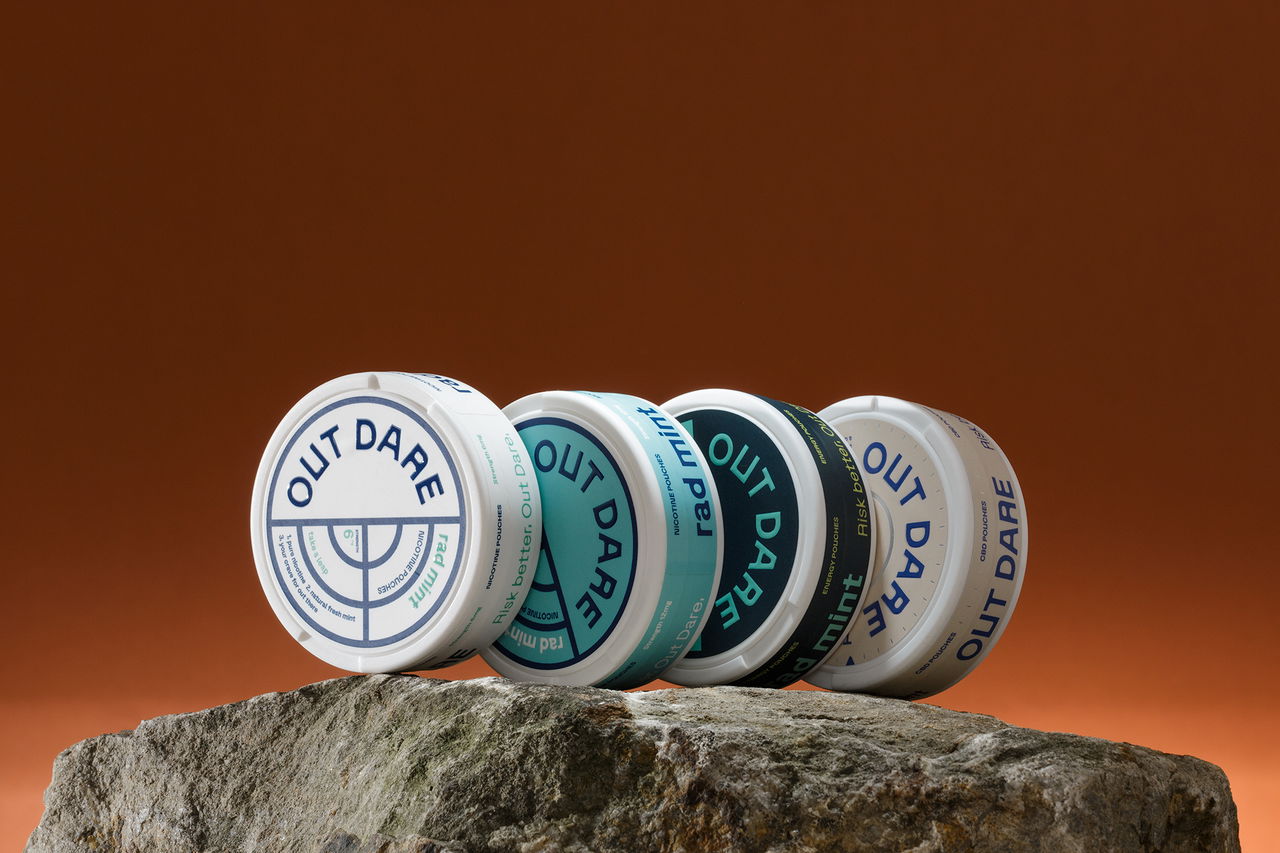
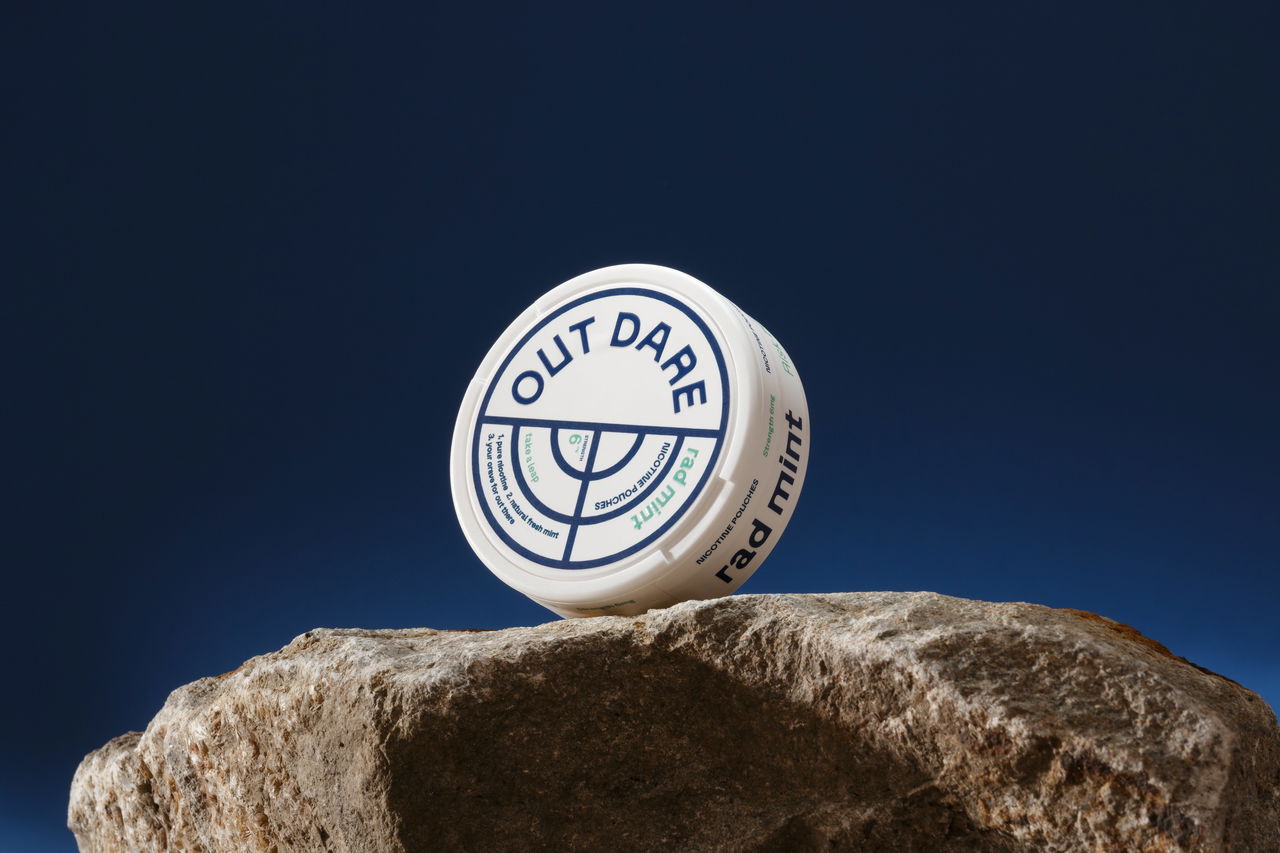
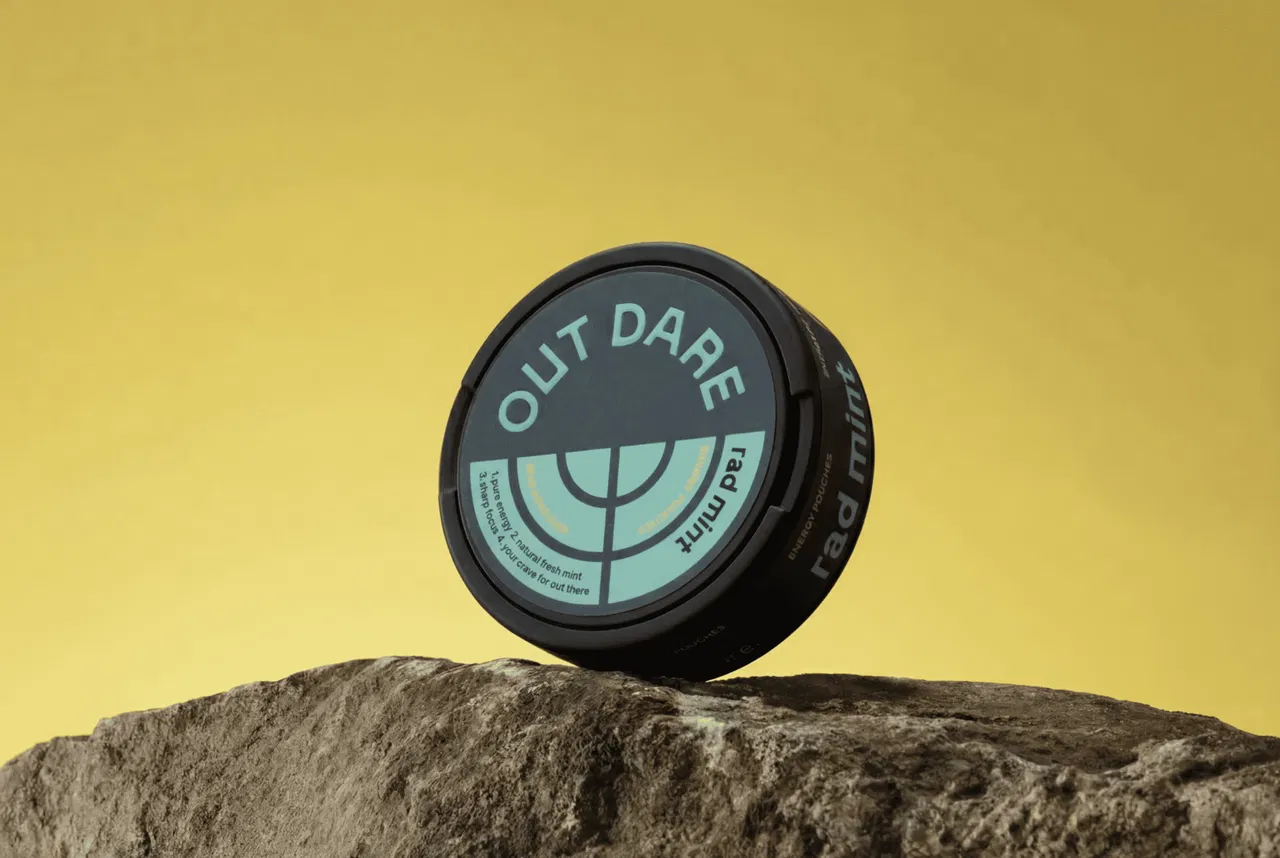
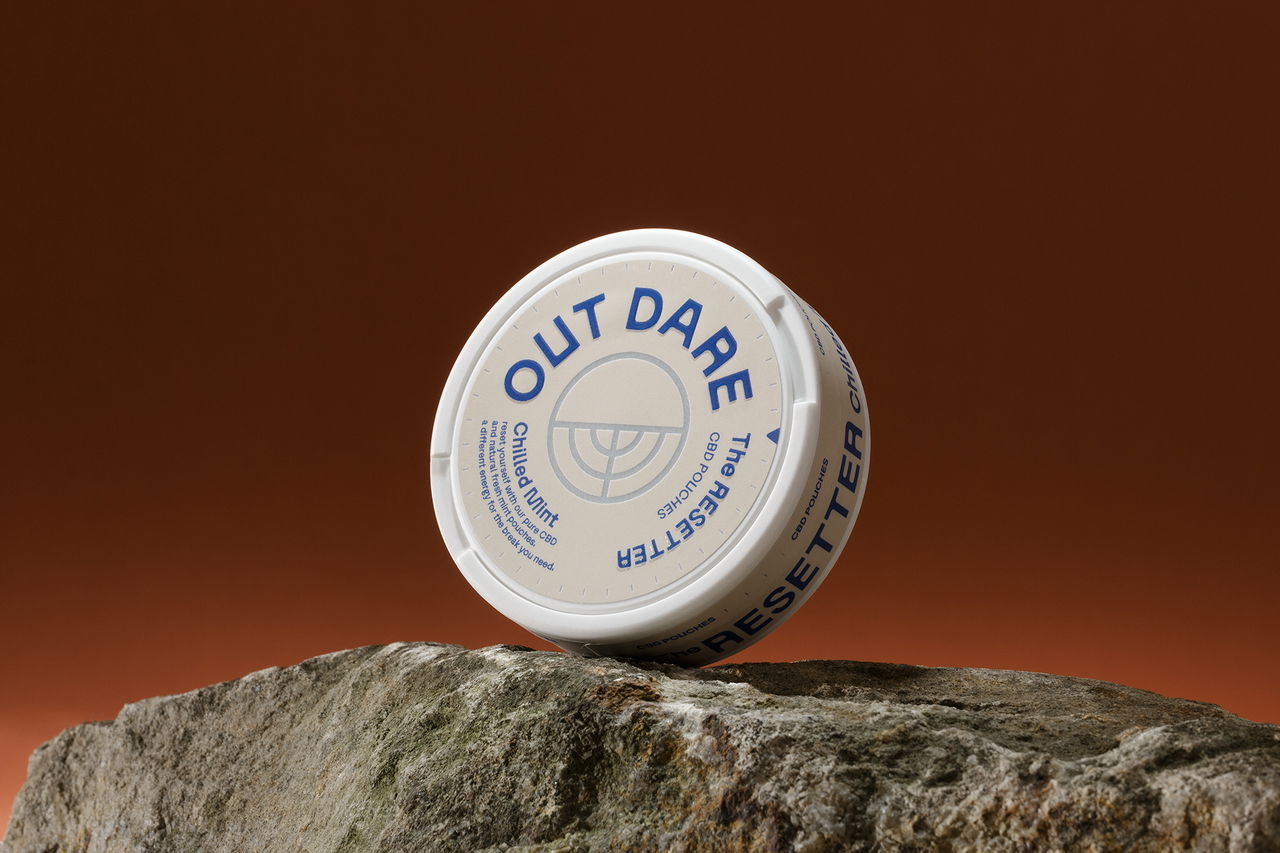
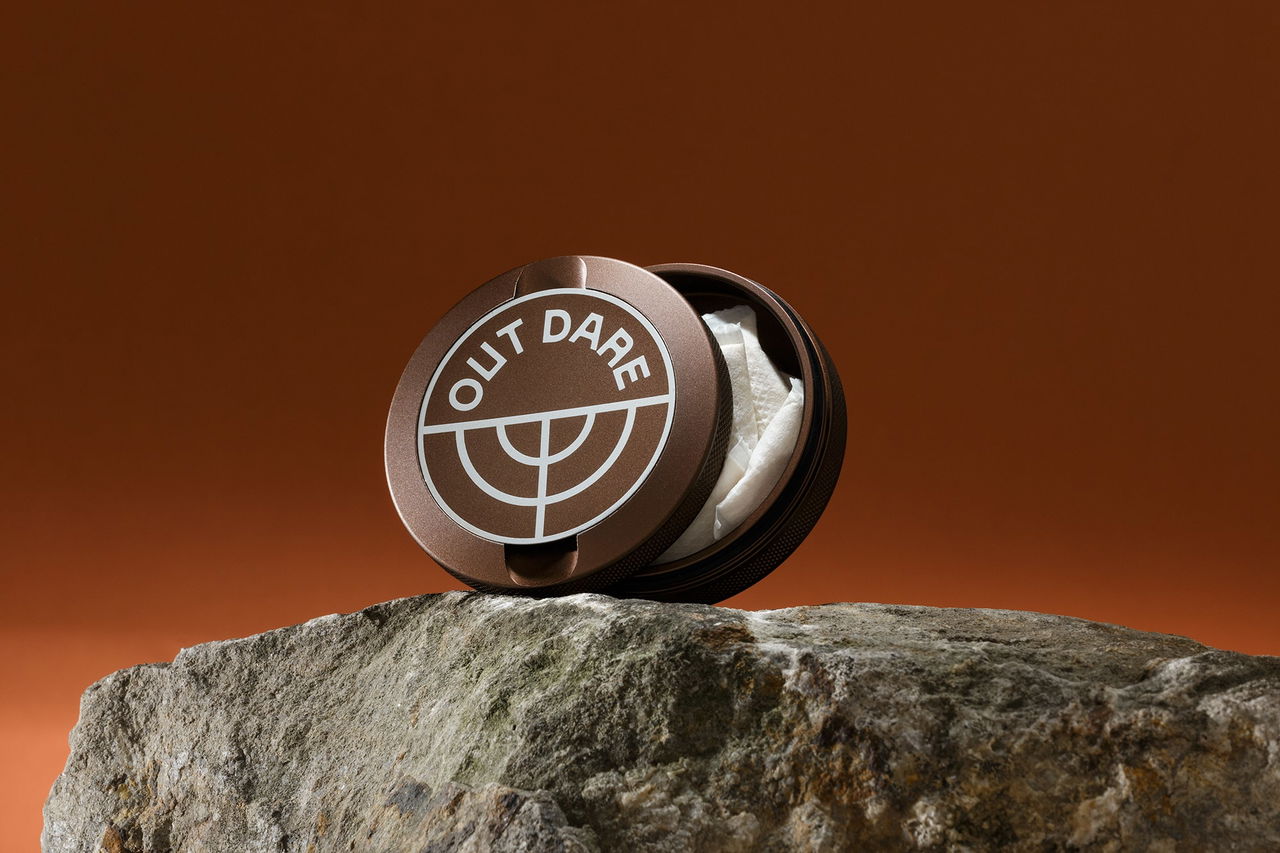
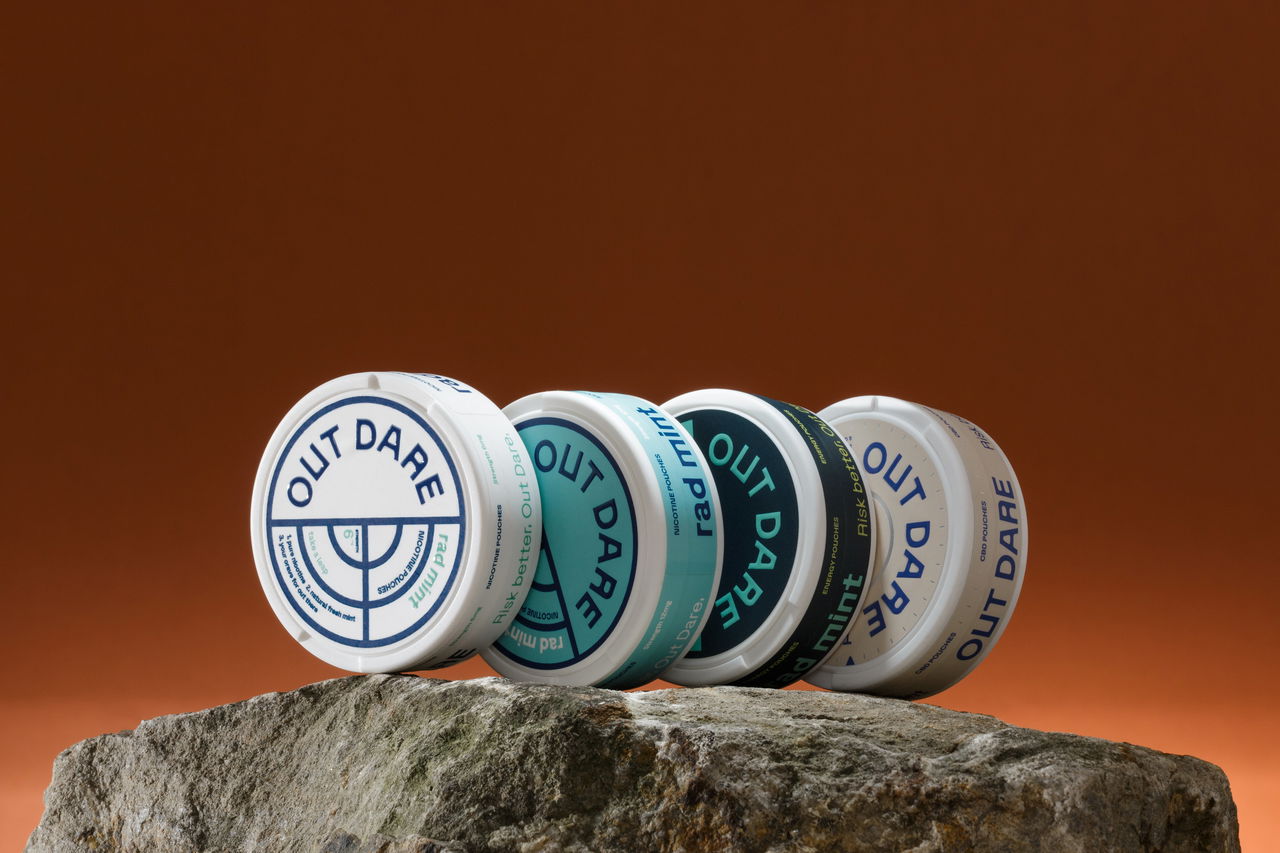
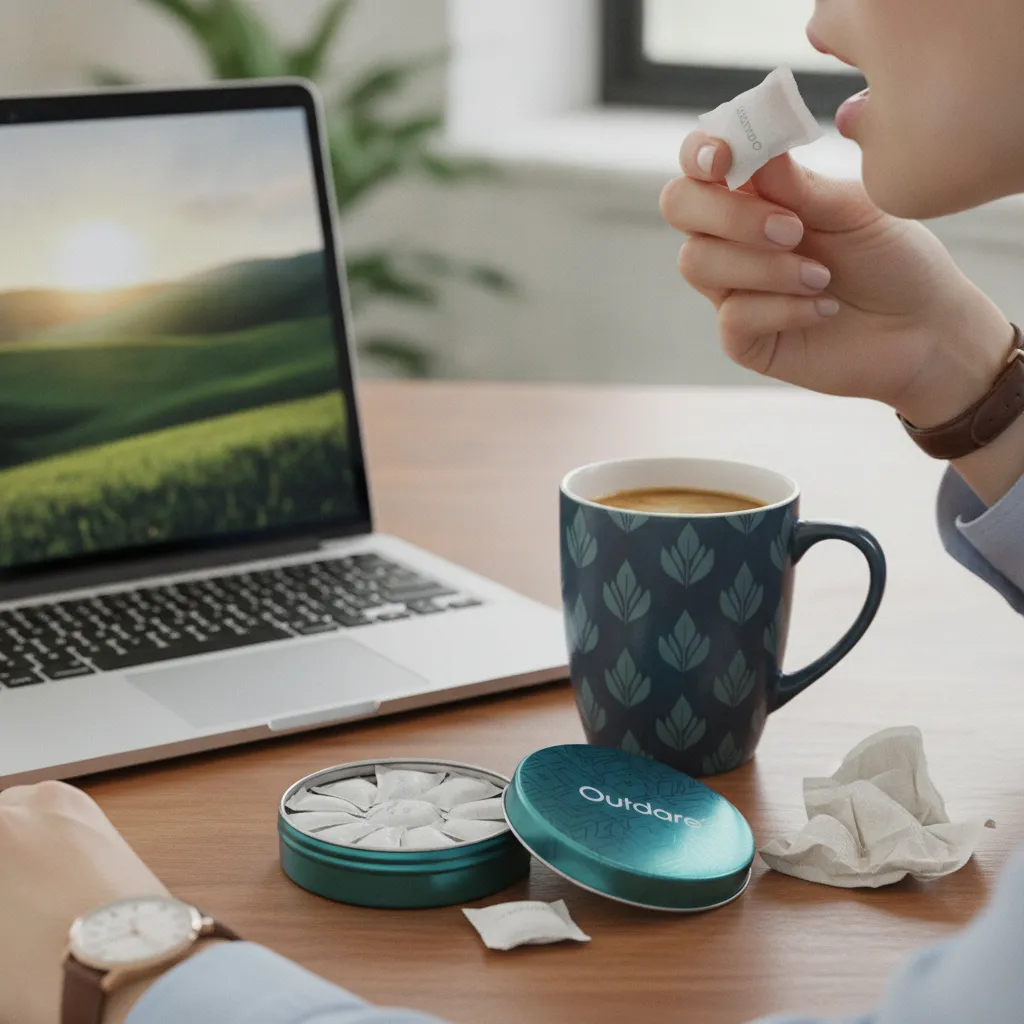
That's exactly the thinking behind Outdare LTD's Energy Pouch: same mint taste, same gum burn, same pillow under the lip as a nicotine pouch — but zero nicotine, clean caffeine, and a nootropic stack designed for real focus. Most users who switch from nicotine pouches to the Outdare system reduce their nicotine intake by 60-90% within the first month, without losing the ritual that makes the habit so hard to break in the first place. If you've been relying on nicotine for its stimulant effect, you don't need to quit the ritual. You just need better options inside it.
Recommended Articles
Explore more from our content library: