





How to Stop Vaping: A Practical 4-Week Guide
| Key Insight | Explanation |
|---|---|
| Nicotine is only 30% of the addiction | The 30/30/30 Addiction Rule shows that habit (30%) and sensory cues (30%) drive the other 60% of dependency — meaning cold turkey attacks only a fraction of the problem. |
| Cold turkey has a high failure rate | Research from the Truth Initiative indicates that most vapers attempt to quit multiple times before succeeding — abrupt cessation without support rarely works long-term. |
| Gradual nicotine step-down is more effective | Reducing nicotine concentration progressively — rather than stopping overnight — lets the body adjust without triggering severe withdrawal symptoms. |
| The ritual matters as much as the chemical | The hand-to-mouth motion, the throat hit, and the timed break are behavioral cues that sustain vaping long after the nicotine dependency could theoretically be managed. |
| Replacement tools reduce relapse risk | Nicotine replacement therapy (NRT), behavioral substitutes, and structured reduction plans all significantly improve quit rates compared to willpower alone. |
| A 4-week structured method works | Users following a systematic 4-week reduction approach — swapping one delivery method at a time — report reducing nicotine intake by 60–90% within the first month. |
How to Stop Vaping: What Actually Works
Understanding how to stop vaping is essential. To stop vaping effectively, you need to address three separate layers of dependency at the same time: the chemical (nicotine), the physical habit (the hand-to-mouth ritual), and the sensory cue (the throat hit and exhale). Most quit attempts fail because they only target one of these layers — usually the nicotine — and leave the other two completely intact. This guide walks you through a practical, step-by-step method to quit vaping over four weeks, without relying on willpower alone. You'll learn how to reduce nicotine gradually, replace the ritual intelligently, and handle withdrawal symptoms before they derail your progress. Difficulty level: moderate. Time required: four weeks of structured effort.
What You'll Need Before You Start
Before you attempt to stop vaping, gather the right tools and establish a clear baseline — skipping this step is one of the most common reasons structured quit plans fall apart within the first week. This is particularly relevant for how to stop vaping.
Tools and Resources
- A vaping log: Track how many times per day you vape, at what times, and what triggered each session. Even three days of data reveals patterns that are impossible to see in the moment.
- Your current nicotine strength: Most vape liquids range from 3mg to 50mg per mL (with nicotine salts often higher). Know your number before you start stepping down.
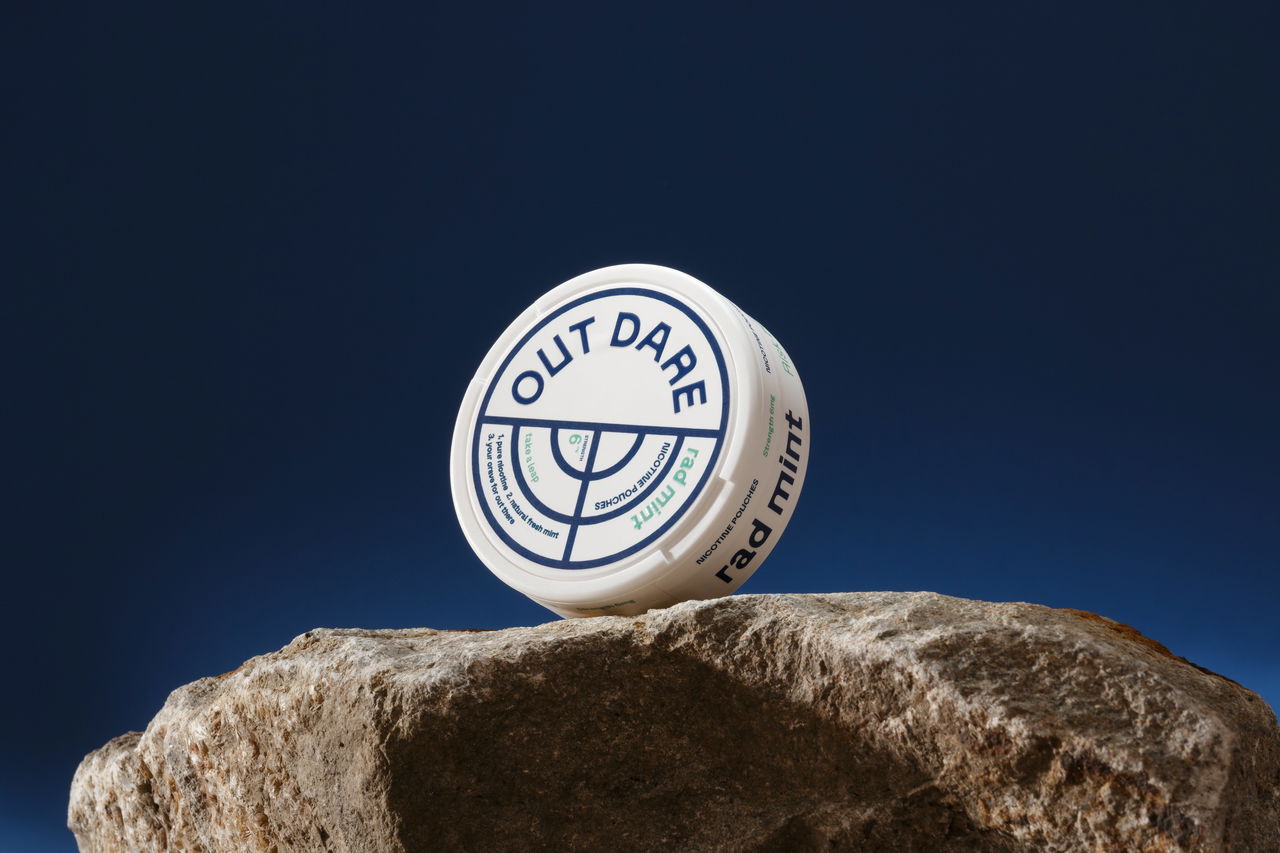
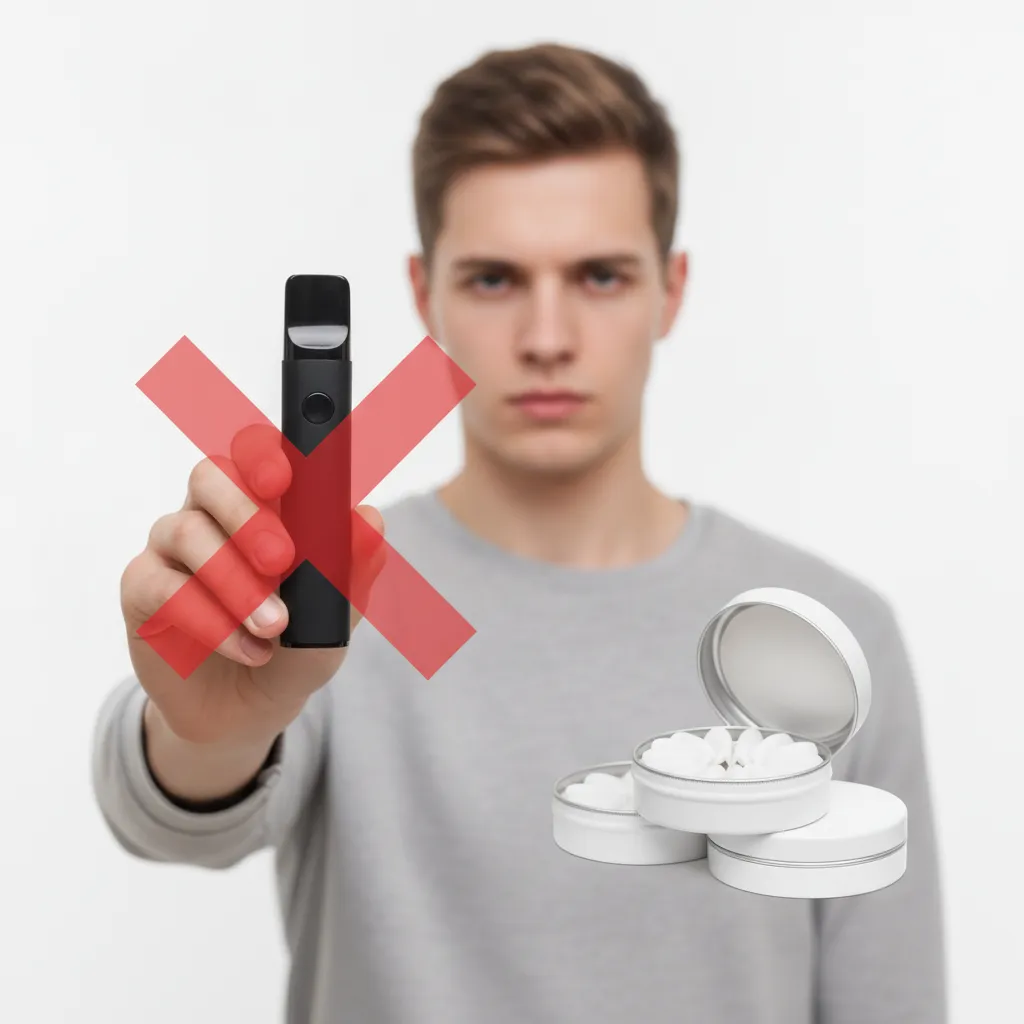
- A step-down product: Whether that's lower-strength vape liquid, nicotine replacement therapy (NRT) such as patches or gum, or tobacco-free nicotine pouches — you need an alternative ready before Day 1, not after your first craving hits.
- A quit date on the calendar: Research from the CDC consistently shows that people who set a specific quit date are significantly more likely to succeed than those who plan to "quit when the time feels right" [1].
- A support contact: One person who knows your plan. Accountability is not optional — it's a clinical predictor of quit success.
Knowledge Prerequisites
- Understand that nicotine withdrawal peaks at 72 hours and largely subsides within two weeks for most people [2].
- Know that psychological cravings — triggered by situations, stress, or boredom — can persist for months and require a behavioral strategy, not just a chemical one.
- Accept that your first attempt may not be your last. The Truth Initiative reports that most people make multiple quit attempts before achieving long-term success — this is normal, not failure [3].
Pro Tip: Don't throw away your vape on Day 1 in a dramatic gesture. Keep it in a drawer for the first week. Knowing it's there — but choosing not to use it — builds genuine agency. Desperation-driven decisions (like buying a new device at 11pm) happen when you feel trapped, not when you feel in control.
Step 1: Understand Why Vaping Is Hard to Quit
Vaping is hard to quit because it delivers nicotine faster than almost any other NRT product, while simultaneously embedding a powerful behavioral ritual that persists long after the chemical dependency could be managed on its own.
The Three-Layer Addiction Model
Think of vaping dependency in three distinct layers. Chemical dependency (nicotine) accounts for roughly 30% of what keeps you coming back. The physical habit — the hand-to-mouth motion, the break from work, the social cue — accounts for another 30%. The sensory experience — the throat hit, the flavor, the visible exhale — accounts for the final 30%. The remaining 10% is largely environmental and situational.
This framework, sometimes called the 30/30/30 Addiction Rule, explains why cold turkey is so brutal. You're not just cutting nicotine. You're simultaneously removing the ritual and the sensory reward at the same moment — three withdrawal processes happening at once, with no replacement for any of them. When considering how to stop vaping, this point stands out.
Why Cold Turkey Fails Most People
According to the American Lung Association, nicotine is one of the most addictive substances known, and quitting abruptly without support leads to relapse in the vast majority of cases [4]. The withdrawal symptoms — irritability, difficulty concentrating, increased appetite, sleep disruption — are real and clinically documented. But the behavioral pull is often stronger than the chemical one, especially after the first 72 hours.
- Nicotine withdrawal (NRT) (chemical): Peaks at 24–72 hours, largely resolves in 2–4 weeks
- Habit withdrawal (behavioral): Triggered by situations — stress, meals, driving — and can persist for 3–6 months
- Sensory withdrawal (psychological): The absence of throat hit and exhale creates a specific discomfort that patches and gum don't address at all
Understanding this split is not academic. It changes your entire strategy. If you only manage the chemical layer, you're still leaving 60% of the addiction unaddressed — and that 60% will eventually pull you back.
Step 2: Set a Quit Date and Build Your Plan
Setting a specific quit date — ideally 7–14 days from today — gives your brain a concrete target and creates a window to prepare your environment, mindset, and replacement tools before the hard work begins. For those exploring how to stop vaping, this matters.
How to Choose the Right Date
- Pick a low-stress week. Don't schedule your quit date during a work deadline, a family event, or a period of known high stress. Stress is the single biggest relapse trigger for vapers [5].
- Give yourself 7–14 days to prepare. Use this window to track your usage patterns, lower your current nicotine strength by one level, and tell at least one person about your plan.
- Mark it publicly. Write it in your calendar. Tell your accountability contact. Even a simple text message to a friend creates a social commitment that increases follow-through.
- Plan your first 72 hours in detail. The first three days are the hardest. Know where you'll be, who you'll be with, and what you'll do when a craving hits — before the craving arrives.
Building a Quit Plan That Holds
A quit plan isn't just a date. It's a document — even a simple one — that answers three questions: What will you do instead of vaping when a craving hits? What will you avoid in the first two weeks (high-trigger environments)? What will you use to manage nicotine withdrawal?
The Smokefree.gov platform offers free personalized quit plans and text-based support, which research shows improves quit rates significantly compared to going it alone [6]. Use these resources — there's no reason to figure this out without support.
| Week | Primary Goal | Key Action | Expected Challenge |
|---|---|---|---|
| Week 1 | Reduce frequency | Cut sessions by 30%, log triggers | Irritability, restlessness |
| Week 2 | Step down nicotine strength | Drop one nicotine level, introduce substitute | Cravings, difficulty concentrating |
| Week 3 | Replace ritual sessions | Swap vape sessions for behavioral alternatives | Situational triggers, boredom |
| Week 4 | Eliminate remaining sessions | Zero vaping, manage residual cravings | Social situations, stress spikes |
Step 3: Step Down Your Nicotine Gradually
Gradually reducing nicotine concentration — rather than stopping abruptly — is one of the most clinically supported strategies to stop vaping without severe withdrawal symptoms. This directly impacts how to stop vaping outcomes.
How Nicotine Step-Down Works
The principle is straightforward. If you're currently vaping at 20mg/mL nicotine salt, you don't jump to zero. You move to 12mg/mL for one to two weeks, then to 6mg/mL, then to 3mg/mL, then to zero. Each step lets your brain's nicotinic acetylcholine receptors (nAChRs — the receptor sites that nicotine binds to, creating the dependency loop) gradually downregulate without triggering a full withdrawal response.
The NHS explicitly recommends this graduated approach, noting that lowering nicotine strength progressively gives the body time to adapt at each stage [7].
Step-Down Schedule for Common Starting Points
- Identify your current nicotine level in mg/mL from your vape liquid label or device settings.
- Drop by approximately 30–50% per step — so 50mg → 25mg → 12mg → 6mg → 3mg → 0mg.
- Spend 7–10 days at each level before stepping down again. Rushing this creates the withdrawal symptoms you're trying to avoid.
- Combine with session reduction. Stepping down concentration AND reducing daily sessions simultaneously accelerates progress without doubling the discomfort.
- Use a tobacco-free nicotine alternative to bridge the gap during high-craving moments — patches, gum, or tobacco-free nicotine pouches all deliver controlled doses without the behavioral reinforcement of vaping.
Pro Tip: Don't try to step down during a high-stress week. Cortisol (the primary stress hormone) increases nicotine cravings directly. Time your step-downs for relatively calm periods — even a 3-day window of lower stress makes a measurable difference in how manageable the transition feels.

Step 4: Replace the Ritual, Not Just the Nicotine
Replacing the vaping ritual — the physical act and sensory experience — is the most overlooked step in most quit plans, and it's the primary reason people relapse even after successfully reducing their nicotine intake. This is particularly relevant for how to stop vaping.
Why the Ritual Is the Real Problem
Here's what nobody tells you about how to stop vaping: the chemical dependency is actually the easier part. Your body clears nicotine metabolites within 72 hours. But the behavioral loop — reaching for something during a stressful call, stepping outside after a meal, taking a break between tasks — that loop is wired into your daily architecture. It doesn't disappear because you stopped vaping. It just becomes an itch with nothing to scratch.
This is why vapers who switch to nicotine patches often relapse. The patch handles the chemical. It does nothing for the ritual. According to research published via the Mass General Brigham health system, behavioral interventions combined with NRT produce significantly better outcomes than NRT alone [8].
Practical Ritual Replacements That Work
- Oral substitutes: Chewing gum, toothpicks, herbal sticks, or tobacco-free pouches all satisfy the oral fixation component without delivering nicotine. The key is finding something with a similar sensory profile — not just "something to chew."
- Breathing exercises: The deep inhale-exhale of vaping is itself calming. Box breathing (4 counts in, 4 hold, 4 out, 4 hold) replicates the respiratory rhythm without the device.
- Movement breaks: Replace your "vape break" with a two-minute walk. The break itself — the pause, the change of environment — is what your brain actually wants. The vape is just the justification.
- Cold water: Drinking a full glass of cold water during a craving activates the vagus nerve and reduces acute craving intensity within 60–90 seconds.
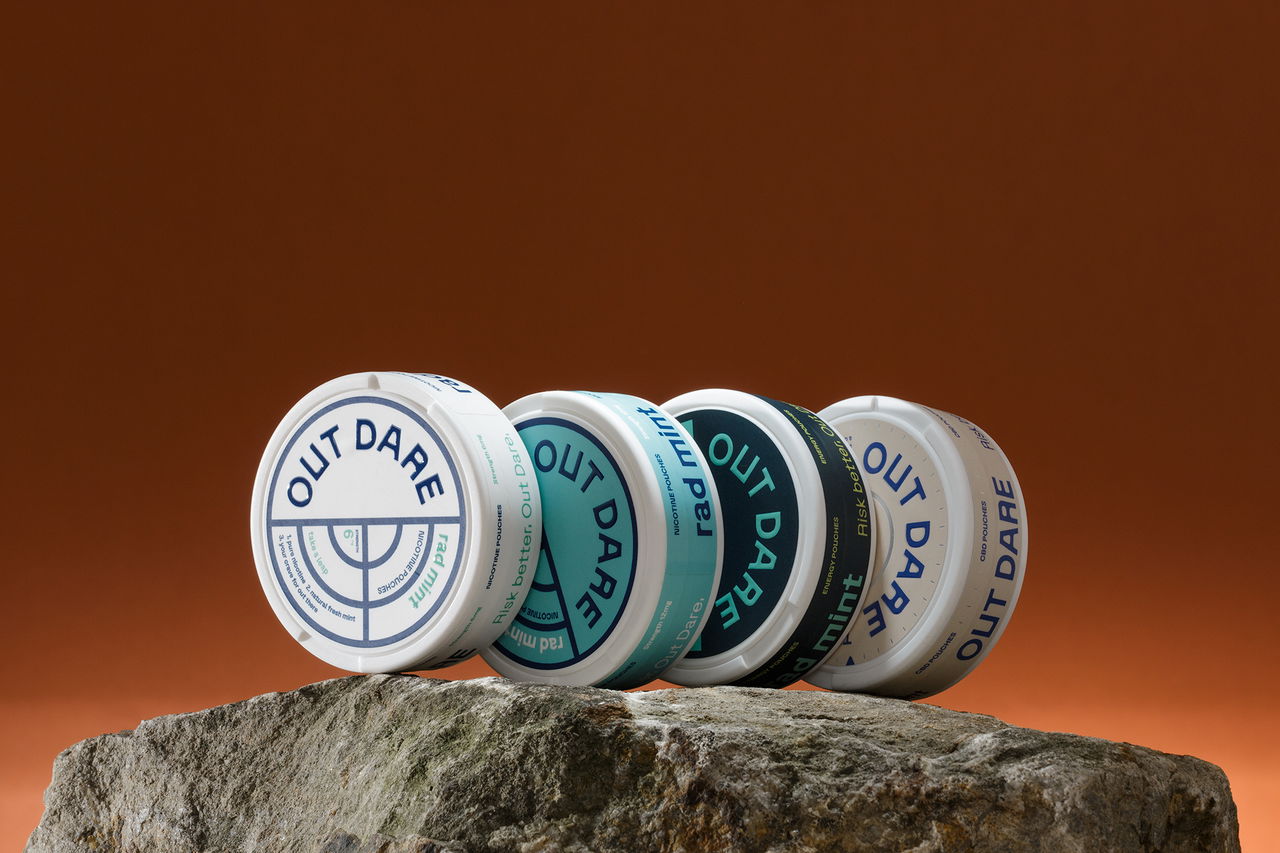
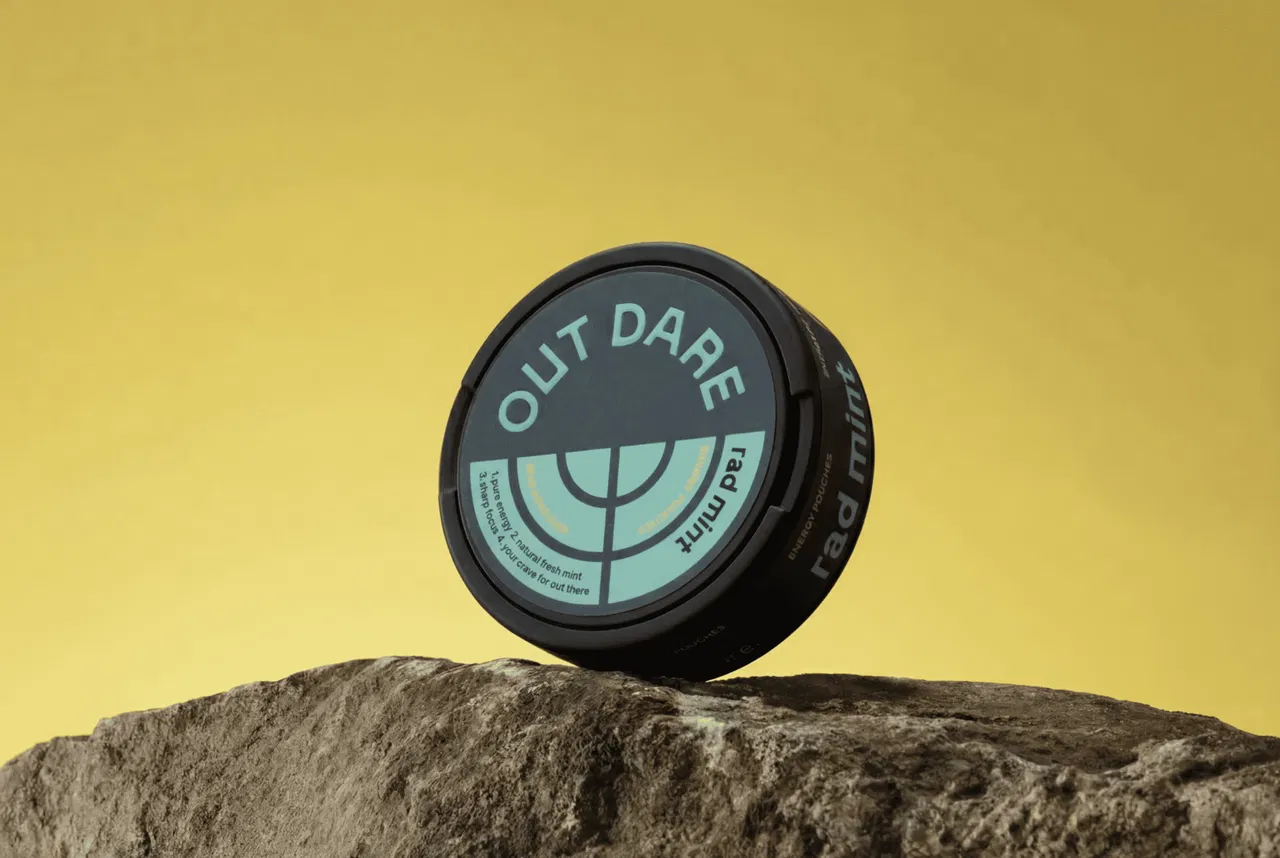
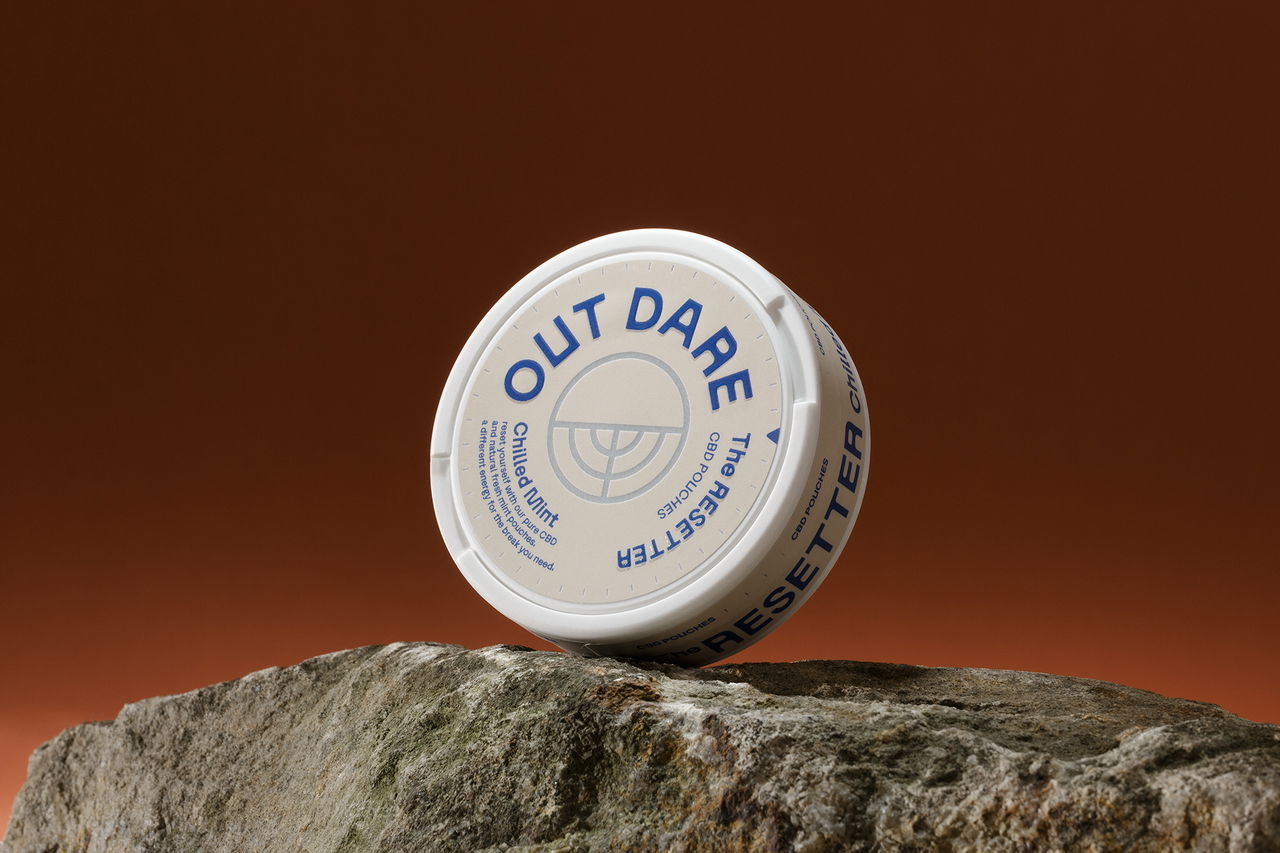
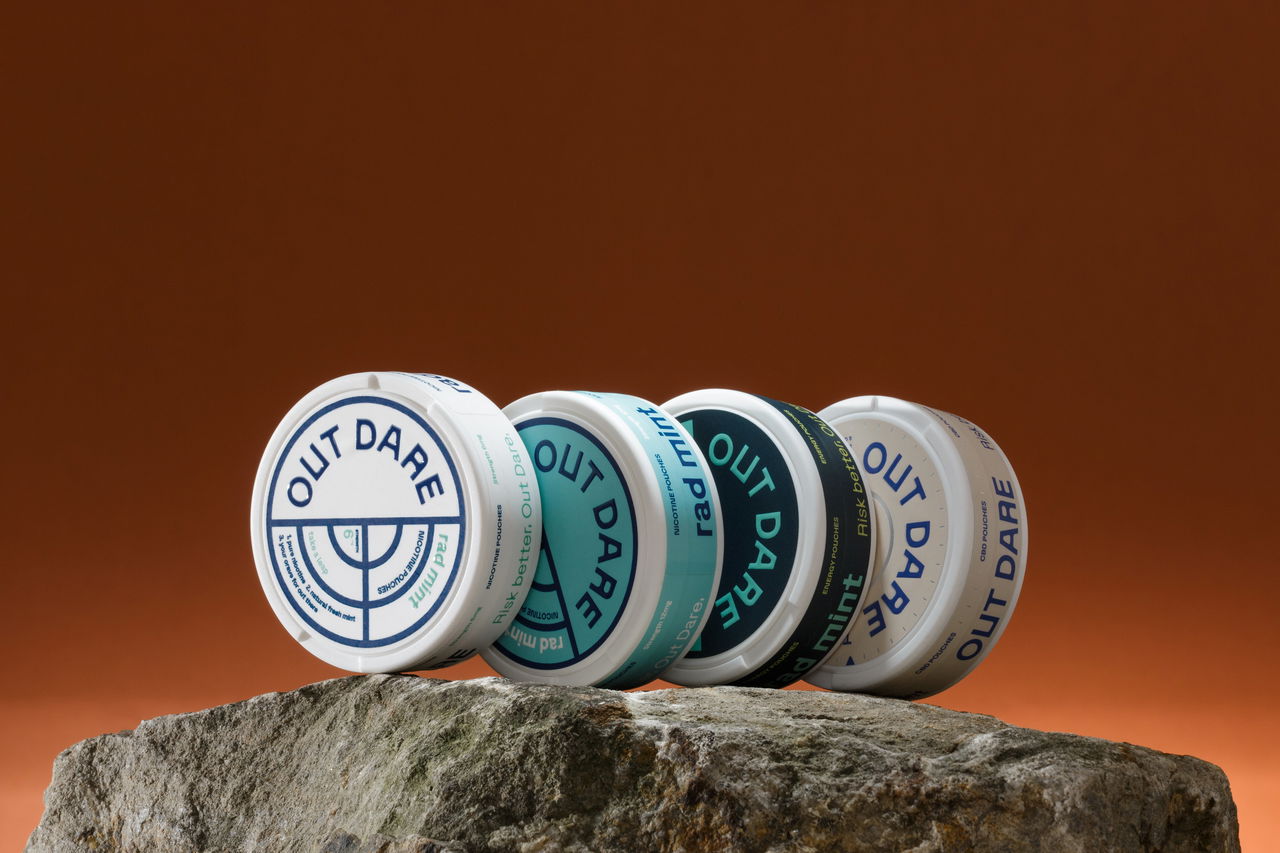
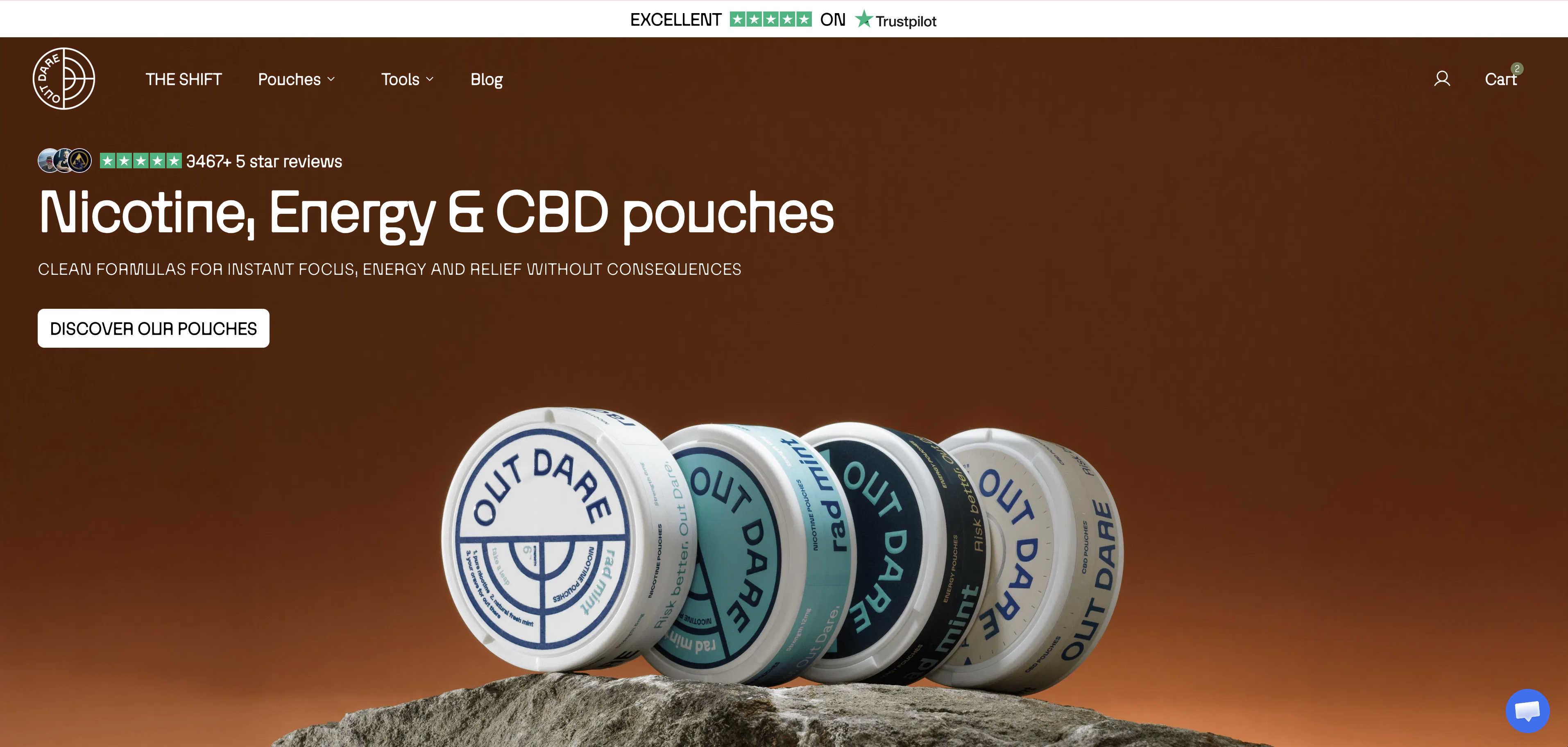
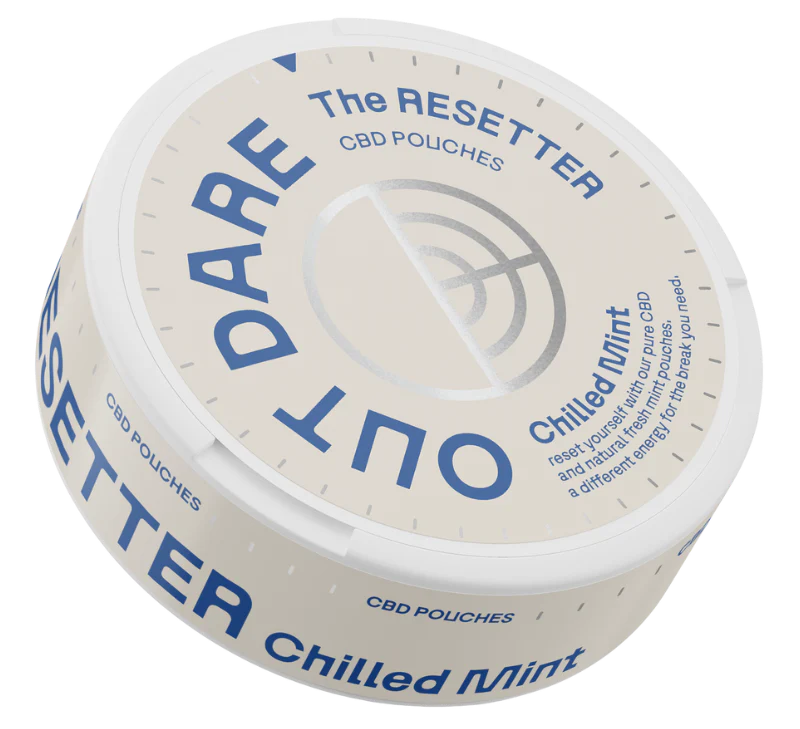
- Functional pouches: Tobacco-free energy pouches (caffeine plus nootropics like L-Theanine and Alpha-GPC) or CBD pouches provide a discreet oral ritual with a real functional payoff — focus or calm — without any nicotine. This is exactly the gap that Outdare's three-pouch system was built to fill.
At Outdare LTD, we've found that the biggest predictor of long-term quit success isn't willpower — it's whether the person has a satisfying replacement for the ritual ready before the first craving hits. Having nothing to reach for is how relapses happen at 11pm on Day 4.
Step 5: Manage Withdrawal Without White-Knuckling It
Nicotine withdrawal symptoms are real, predictable, and manageable — the key is having a specific response plan for each symptom before it appears, rather than improvising under pressure. When considering how to stop vaping, this point stands out.
Common Withdrawal Symptoms and Their Timeline
- Hours 1–24: Irritability, anxiety, strong cravings, difficulty concentrating
- Hours 24–72: Peak withdrawal intensity — headaches, restlessness, increased appetite, sleep disruption
- Days 4–14: Gradual improvement in physical symptoms; psychological cravings remain situationally triggered
- Weeks 2–8: Mostly behavioral cravings — stress, boredom, social situations — with diminishing physical component
Evidence-Based Tools to Manage Withdrawal
Nicotine replacement therapy (NRT) — the clinical term for products like patches, gum, lozenges, and inhalers that deliver controlled doses of nicotine without tobacco or vaping — is supported by decades of evidence and recommended by both the CDC [1] and the American Lung Association [4].
- Nicotine patches: Provide steady-state background nicotine to prevent the troughs that trigger cravings. Best for heavy vapers stepping down from high-concentration liquids.
- Nicotine gum or lozenges: On-demand dosing for acute cravings. Useful for situational triggers — meals, stress, social events.
- Prescription medications: Varenicline (Chantix) and bupropion are prescription options with clinical evidence behind them. According to Healthdirect, these medications work by reducing the brain's reward response to nicotine, making relapse less reinforcing [9]. Talk to your healthcare provider about suitability.
- Behavioral support: Text-based quit programs (like those available through Smokefree.gov) have been shown in clinical trials to increase quit rates by 30–40% compared to unassisted attempts [6].
- Exercise: Even a 10-minute brisk walk reduces acute craving intensity by activating dopamine pathways that nicotine was previously hijacking. The Texas DSHS specifically recommends physical activity as a core withdrawal management strategy [5].
Pro Tip: Stack your withdrawal management tools rather than relying on just one. A nicotine patch (background dosing) combined with a behavioral oral substitute (for acute cravings) and a daily exercise habit covers three separate craving triggers simultaneously — and the combined effect is far greater than any single tool alone.
Step 6: Build Long-Term Habits That Stick in 2026
Quitting vaping isn't finished when you stop vaping — it's finished when you've built a daily structure that doesn't need vaping to function. That takes six to twelve weeks of deliberate habit replacement, not just abstinence.
The Habit Replacement Framework
Behavioral science uses the habit loop model (cue, routine, reward) to explain why habits persist. Your vaping habit had a cue (stress, boredom, a meal ending), a routine (reaching for the device), and a reward (nicotine hit, sensory satisfaction, the pause). To permanently stop vaping, you don't eliminate the cue — you replace the routine and preserve the reward through a different mechanism. For those exploring how to stop vaping, this matters.
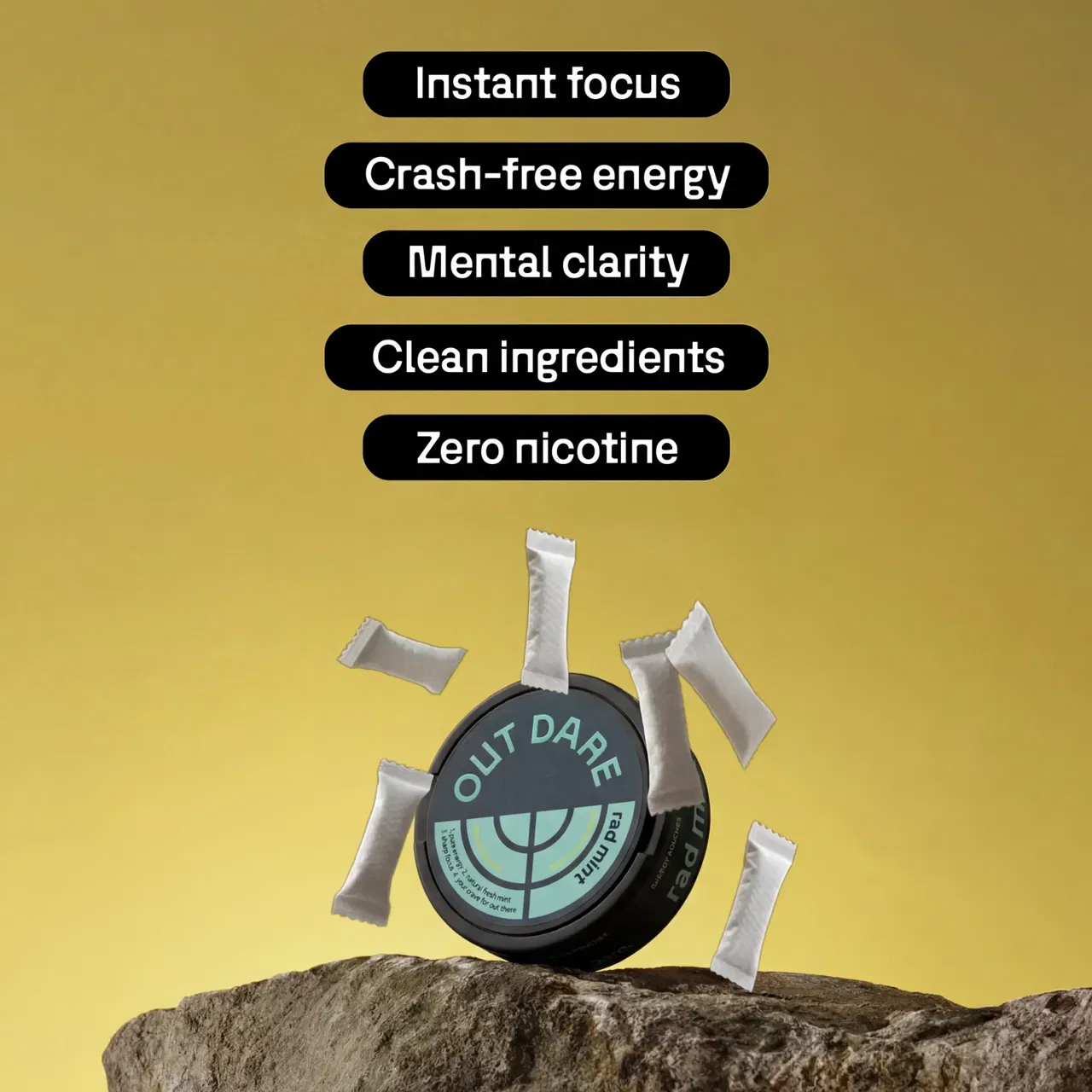
This is the core logic behind Outdare's three-pouch system. The Energy Pouch (50mg caffeine plus nootropics like L-Theanine for sharper focus without the jitter) and the CBD Pouch (for calm and reset) both deliver a real functional reward through the same oral ritual — same mint flavor, same physical sensation, same gum burn — without any nicotine. Your brain keeps the reward. You lose the chemical dependency.
Habits to Build in the First 30 Days After Quitting
- A morning routine that doesn't involve nicotine. The morning is the highest-risk window for relapse — cortisol peaks, and the brain immediately reaches for its usual dopamine source. Replace it with coffee, a cold shower, or a functional energy pouch.
- A post-meal ritual. Meals are one of the strongest situational triggers for vapers. Have a specific alternative ready — a mint, a short walk, a glass of water — that becomes the new post-meal signal.
- A stress response that isn't nicotine. Identify your two or three highest-stress recurring situations and pre-plan a specific non-nicotine response for each one. Improvising during stress is how relapses happen.
- Sleep hygiene improvements. Nicotine disrupts sleep architecture even when users don't notice it. As you quit, sleep quality typically improves within 2–4 weeks — protect this by maintaining consistent sleep and wake times.
Our team at Outdare LTD recommends treating the first 30 days post-quit as a construction project, not a deprivation exercise. You're building new infrastructure. Every craving you navigate successfully with a better tool makes the next one slightly easier — this is neuroplasticity working in your favor, not against you.
Common Mistakes to Avoid When Trying to Stop Vaping
Most failed quit attempts share the same handful of errors — recognizing them in advance is the fastest way to avoid repeating them. This directly impacts how to stop vaping outcomes.
The Mistakes That Derail Quit Attempts
- Going cold turkey without a replacement plan. This is the most common mistake. Removing nicotine, the ritual, and the sensory reward simultaneously — with nothing to replace any of them — is setting yourself up for a 72-hour sprint that ends in a convenience store. Have your replacement tools ready on Day 1, not Day 4.
- Treating one relapse as total failure. A single vaping session during a quit attempt is not a relapse — it's data. It tells you which trigger you haven't yet addressed. The Truth Initiative explicitly notes that multiple attempts are normal and that each attempt increases the probability of eventual success [3].
- Switching from vaping to smoking. This is not a harm reduction strategy. Combustible tobacco carries significantly higher health risks than vaping, and the nicotine delivery is often higher. This is a lateral move at best, a step backward at worst.
- Ignoring the behavioral layer. If your quit plan is just "use a patch," you've addressed 30% of the addiction and left 60% untouched. Add a behavioral strategy — something to do with your hands, your mouth, and your break time.
- Quitting during a high-stress period. Stress and nicotine cravings are neurologically linked. Attempting to quit during a major work deadline, a relationship conflict, or a period of poor sleep dramatically reduces your chances of success. Timing matters.
- Not telling anyone about the quit attempt. Social isolation during a quit attempt removes accountability and support simultaneously. Even one person who knows your plan improves outcomes meaningfully.
What Can Go Wrong — and What to Do About It
In practice, the most dangerous moment in any quit attempt is Day 4 to Day 7. The acute physical withdrawal has peaked and started to subside, which creates a false sense of security — and then a strong situational trigger (a stressful meeting, a social event, a bad night's sleep) hits before the new behavioral habits are established. This is the window where most relapses occur.
The fix: plan something specific and enjoyable for Days 4–7. A workout, a social plan with a non-vaping friend, a new project. Don't leave that window empty.
Sources & References
- CDC, "Vaping and Quitting | Smoking and Tobacco Use," 2026
- Mass General Brigham, "How to Quit Vaping," 2026
- Truth Initiative, "Quitting Vaping in 2026: Top Tips and Resources," 2026
- American Lung Association, "Quit Smoking & Vaping," 2026
- Texas DSHS, "How to Quit Vaping," 2026
- Smokefree.gov, "Quit Smoking or Vaping Today – We Can Help," 2026
- NHS, "How to Quit Vaping – Better Health," 2026
- Mass General Brigham, "Behavioral Interventions and NRT for Vaping Cessation," 2026
- Healthdirect, "Medicines to Treat Nicotine Dependence," 2026
Frequently Asked Questions
1. How long does it take to stop vaping completely?
Most people can stop vaping within four to eight weeks using a structured step-down approach. The physical nicotine withdrawal resolves within two weeks for most users. Behavioral cravings — triggered by stress, meals, or social situations — can persist for two to three months but diminish significantly with consistent habit replacement. A 4-week structured plan is the minimum realistic timeframe for most heavy vapers. This is particularly relevant for how to stop vaping.
2. What is the fastest way to stop vaping?
The fastest effective method to stop vaping combines nicotine step-down (reducing concentration gradually over 2–4 weeks), NRT for acute cravings, and a behavioral substitute for the ritual. Cold turkey is technically faster but has a significantly higher relapse rate. Speed without a replacement strategy usually means a relapse within two weeks.
3. Can you stop vaping without experiencing withdrawal?
You can significantly reduce withdrawal severity — but not eliminate it entirely — by stepping down nicotine gradually rather than stopping abruptly. Using NRT during the transition also cushions the chemical withdrawal. The behavioral and sensory withdrawal (missing the ritual and throat hit) can be managed with oral substitutes and breathing techniques, but some discomfort is normal and expected in the first week.
4. What are the best products to help stop vaping?
Evidence-backed products include nicotine patches, nicotine gum, nicotine lozenges, and prescription medications like varenicline. For the behavioral and sensory layers of dependency, tobacco-free nicotine pouches (in step-down strengths), functional energy pouches with nootropics, and CBD pouches all address the ritual component that patches and gum leave untouched. The best approach combines at least one chemical NRT tool with one behavioral substitute. When considering how to stop vaping, this point stands out.
5. How do I stop vaping when stressed?
Stress is the most common relapse trigger when you're trying to stop vaping. The key is pre-planning your stress response before the stress arrives — not improvising during it. Effective stress-response alternatives include a 10-minute walk, box breathing, cold water, or a functional oral substitute like a CBD pouch. Knowing exactly what you'll do when stress hits removes the decision-making burden in the moment.
6. Is it harder to stop vaping than to stop smoking?
Many users report that quitting vaping feels harder than quitting cigarettes, partly because modern nicotine salt vapes deliver nicotine faster and at higher concentrations than cigarettes, and partly because vaping is more discreet and socially permissive — making it easier to vape more frequently throughout the day. The behavioral ritual is also more constant. The approach to how to stop vaping is the same in principle but often requires more deliberate ritual replacement.
7. What happens to your body when you stop vaping?
Within 20 minutes of your last vape, blood pressure and heart rate begin to normalize. Within 24–72 hours, nicotine is largely cleared from the bloodstream and withdrawal peaks. Within 2–4 weeks, lung function begins to improve, sleep quality typically increases, and brain fog (a common side effect of chronic nicotine use) starts to lift. Within 1–3 months, circulation improves and the behavioral cravings become significantly less frequent.
8. Can I use nicotine pouches to help me stop vaping?
Yes — tobacco-free nicotine pouches can be a useful transitional tool for vapers who want to eliminate the inhalation component while managing nicotine step-down. They deliver controlled doses of nicotine without smoke, vapor, or combustion. The most effective approach uses pouches in step-down strengths (e.g., 12mg, then 6mg, then zero-nicotine alternatives) rather than as a permanent substitute. Functional energy or CBD pouches can then replace the nicotine pouch once the chemical dependency is reduced. For those exploring how to stop vaping, this matters.

Conclusion
Knowing how to stop vaping isn't complicated. But it does require a strategy that addresses all three layers of the addiction — the chemical, the behavioral, and the sensory — rather than just one. Reduce nicotine gradually. Replace the ritual deliberately. Manage withdrawal with tools, not willpower. And build the daily habits that make vaping unnecessary rather than just absent.
Here's a quick summary of the six steps:
- Understand the three-layer addiction model
- Set a quit date and build a written plan
- Step down nicotine concentration gradually over 2–4 weeks
- Replace the ritual with a functional oral substitute
- Manage withdrawal with stacked NRT and behavioral tools
- Build new daily habits that don't require nicotine
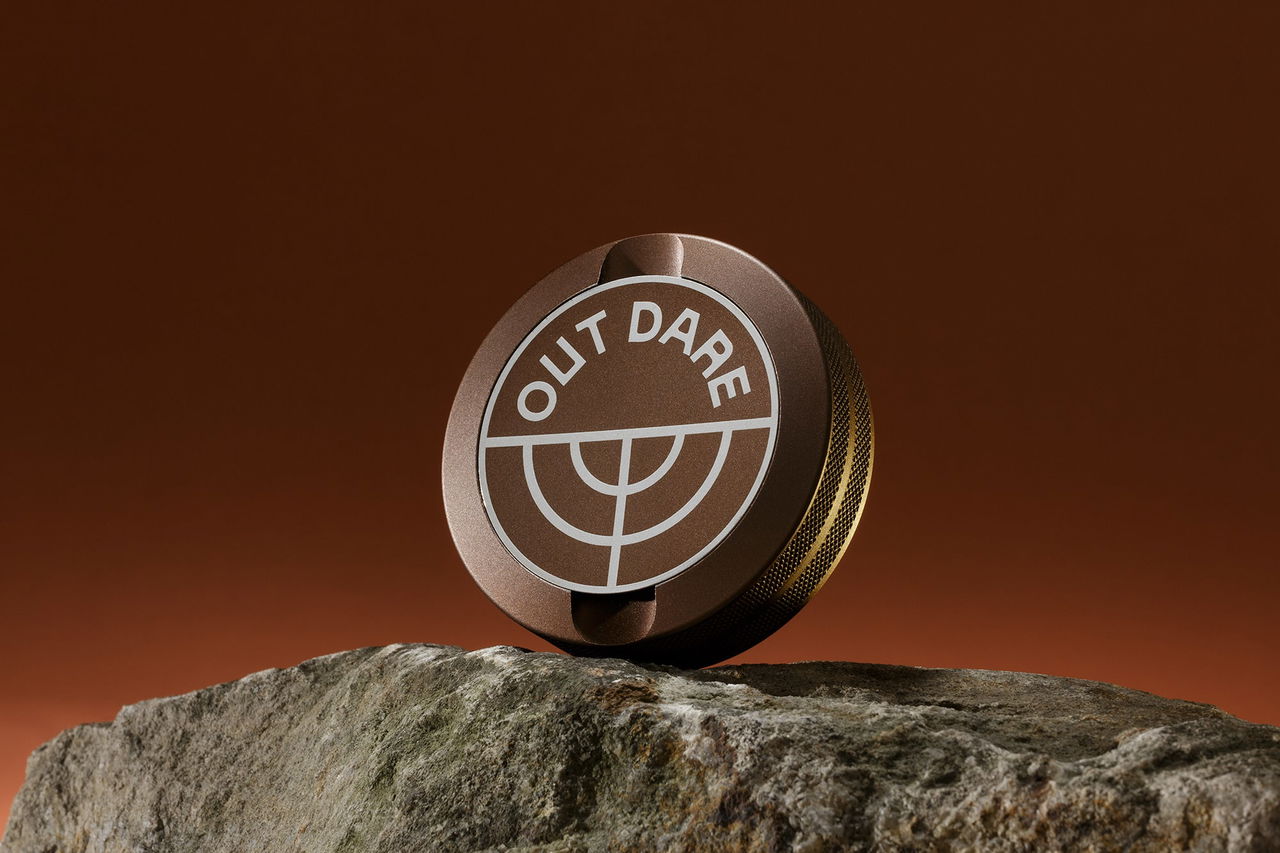
Outdare LTD was built specifically for this transition. The three-pouch system — Clean Nicotine (6mg, 12mg, 15mg), Energy (50mg caffeine plus nootropics), and CBD (zero nicotine) — shares the exact same mint flavor, gum burn, and mouthfeel across all three variants. Your brain keeps the ritual. You control what's inside. Most users reduce their nicotine intake by 60–90% within the first month. That's not a promise — it's the math of addressing 60% of the addiction that every other product ignores. Risk Better. Out Dare.
Recommended Articles
Explore more from our content library: