




CBD for Sleep and Anxiety: What the Science Says
| Key Insight | Explanation |
|---|---|
| CBD reduces anxiety, not just sleepiness | A large NIH case series found anxiety scores improved in 79% of patients within the first month of CBD use, with sleep scores improving in 66%. |
| Dose matters significantly | Low doses (15-25mg) tend to be alerting; higher doses (50-150mg) are associated with sedation and improved sleep onset. |
| The endocannabinoid system is the mechanism | CBD interacts with CB1 and CB2 receptors plus serotonin (5-HT1A) receptors, modulating stress response and sleep-wake cycles. |
| Nicotine disrupts sleep architecture | Nicotine suppresses REM sleep and increases nighttime cortisol, making CBD a particularly relevant tool for people reducing nicotine intake. |
| Delivery format affects onset speed | Sublingual and buccal (oral pouch) delivery absorbs faster than edibles, making it better suited for pre-sleep or acute anxiety relief. |
| CBD is generally well tolerated | Side effects are mild and uncommon (drowsiness, dry mouth, appetite changes), with no significant dependency risk identified in current research. |
CBD for sleep and anxiety works by interacting with the body's endocannabinoid system to reduce stress signaling, lower cortisol, and support the natural sleep-wake cycle — without the sedation hangover of pharmaceutical sleep aids. Research published in the Permanente Journal found that 79% of patients reported lower anxiety and 66% reported better sleep within one month of CBD use [1]. This article covers the science behind those numbers, how to dose correctly, and what delivery format actually makes a difference.
If you're a nicotine pouch user dealing with broken sleep, 3am cortisol spikes, and restless nights — this is directly relevant to you. Nicotine disrupts REM sleep. CBD may help rebuild it.
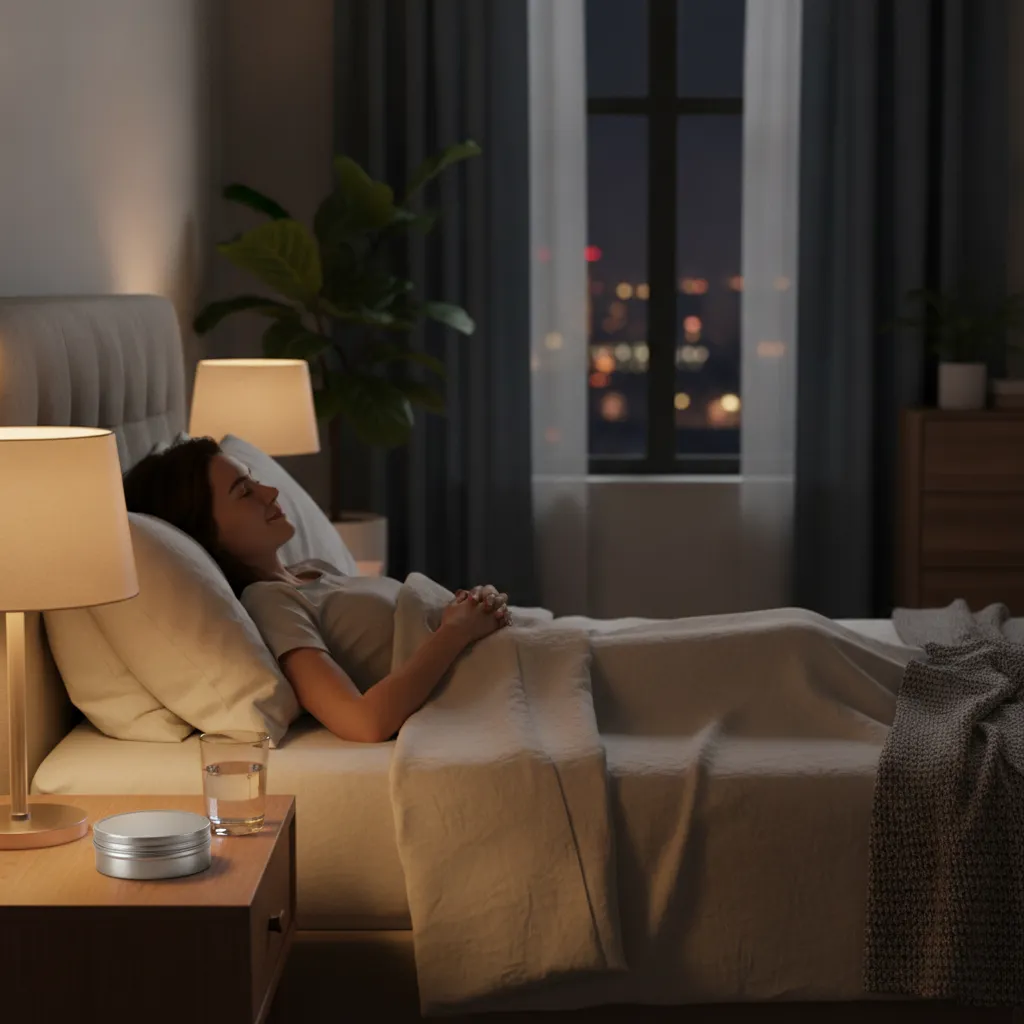
What Is CBD for Sleep and Anxiety?
CBD (cannabidiol) for sleep and anxiety refers to the use of non-psychoactive cannabidiol to reduce anxious arousal and improve sleep quality. It's derived from the hemp plant, contains no THC, and doesn't get you high — it modulates neurochemistry rather than sedating it.
Defining the Core Terms
Cannabidiol (CBD) is one of over 100 cannabinoids found in the Cannabis sativa plant. Unlike THC (tetrahydrocannabinol), CBD has no intoxicating effect. It's been approved by the FDA in the form of Epidiolex for seizure disorders, and as of 2026, it's widely used across Europe and North America for anxiety, sleep, and pain management [2].
Anxiety, in this context, refers to generalized anxious arousal — the racing thoughts, elevated heart rate, and hypervigilance that prevent both daytime focus and nighttime sleep. Sleep disturbance here means difficulty falling asleep, staying asleep, or achieving restorative sleep stages, particularly REM (rapid eye movement) sleep.
Why This Matters for Nicotine Users Specifically
Nicotine is a stimulant. It raises cortisol, elevates heart rate, and fragments sleep architecture — particularly REM sleep, which is where emotional memory consolidation and stress recovery happen. If you're using nicotine pouches heavily, you're likely sleeping lighter than you think.
- Nicotine suppresses REM sleep, reducing the restorative phase of the sleep cycle
- Nighttime nicotine withdrawal (even during sleep) triggers micro-arousals
- Chronic pouch use correlates with higher baseline cortisol, which delays sleep onset
- The brain fog reported by heavy users is partly a sleep quality problem, not just a chemical one
This is exactly why CBD for sleep and anxiety isn't just a wellness trend — for people in the process of reducing nicotine, it's a targeted intervention with a clear mechanism.
How CBD Works for Sleep and Anxiety
CBD works primarily through the endocannabinoid system (ECS), a network of receptors and signaling molecules that regulates mood, stress response, and sleep-wake cycles throughout the brain and body.
The Endocannabinoid System (ECS) Explained
The ECS consists of two primary receptor types: CB1 receptors (concentrated in the brain and central nervous system) and CB2 receptors (found in immune tissue and the periphery). CBD doesn't bind directly to either receptor the way THC does. Instead, it modulates them indirectly — inhibiting the breakdown of anandamide (the body's natural "bliss molecule") and interacting with serotonin receptors, specifically 5-HT1A [3].
The 5-HT1A receptor interaction is particularly important for anxiety. This is the same receptor targeted by buspirone, a common anti-anxiety medication. CBD's partial agonism at 5-HT1A helps reduce anxious arousal without the dependency risk of benzodiazepines or the side-effect profile of SSRIs.
What Happens in the Brain During Sleep
A 2023 study published in iScience (Cell Press) found that oral CBD administration extended total sleep duration in animal models, though it also altered properties of non-REM sleep oscillations — including delta waves and sleep spindles [4]. This suggests CBD's effect on sleep is more nuanced than simple sedation.
- Anxiolytic effect: CBD reduces the hyperarousal that keeps you awake, making it easier to fall asleep
- Cortisol modulation: CBD may reduce nighttime cortisol spikes, which are a primary cause of 3am wake-ups
- REM sleep behavior: Early research suggests CBD may help regulate REM sleep disturbances, particularly relevant for people with PTSD or anxiety-driven sleep disruption
- Sleep latency: Harvard Health notes that CBD may help people fall asleep faster, particularly those whose insomnia is anxiety-driven [2]
Pro Tip: The anxiety-sleep connection is bidirectional. CBD doesn't just sedate you — it reduces the anxious arousal that prevents sleep in the first place. If your insomnia is anxiety-driven (racing thoughts, inability to switch off), CBD is more likely to help than if your insomnia is purely circadian or behavioral.
According to a scoping review published in PMC in 2024, cannabinoids — particularly CBD — showed "potential efficacy in improving anxiety symptoms and sleep disturbances," though the authors noted substantial heterogeneity across studies, meaning results vary by dose, delivery format, and individual biology [3].
Key Benefits of CBD for Sleep and Anxiety in 2026
The evidence base for CBD's benefits on sleep and anxiety has grown considerably between 2023 and 2026, with several large observational studies and a growing number of randomized controlled trials supporting its use.
Anxiety Reduction: The Numbers
The most cited study in this space is a large case series published in PMC/NIH, which tracked 72 adult patients using CBD for anxiety and sleep concerns. Key findings included [1]:
- 79.2% of patients reported decreased anxiety scores within the first month
- 66.7% reported improved sleep scores in the first month
- Anxiety scores remained lower throughout the study period (3 months)
- CBD was well tolerated, with only 3 patients (4.2%) reporting side effects
Forbes Health notes that people experiencing sleep disturbances due to anxiety or chronic pain are among the most likely to benefit from CBD, specifically because the compound addresses the root cause (anxious arousal) rather than just masking symptoms [5].
Sleep Quality Improvements
The benefits of CBD for sleep quality are dose-dependent and delivery-dependent. Here's a summary of what the current evidence supports:
| Sleep Outcome | Evidence Level | Typical CBD Dose | Source |
|---|---|---|---|
| Reduced sleep latency (time to fall asleep) | Moderate (observational + animal studies) | 50-150mg | Harvard Health [2] |
| Increased total sleep time | Moderate (animal + case series) | 25-100mg | iScience [4] |
| Reduced nighttime wake-ups | Low-moderate (self-report studies) | 50-100mg | PMC Case Series [1] |
| Improved anxiety before bed | Strong (multiple studies) | 15-50mg | PMC Scoping Review [3] |
| REM sleep behavior improvement | Emerging (small studies) | 75-300mg | GoodRx [7] |
Star Sleep & Wellness reports that high-dose CBD before bedtime can improve sleep quality specifically in people with chronic pain, anxiety, and insomnia — three conditions that frequently co-occur in heavy nicotine users [6].
One limitation worth noting: most studies use CBD isolate or broad-spectrum oil, not pouch-based delivery. Results may vary depending on the format you use and your individual endocannabinoid system response.
Common Mistakes and Challenges
Most people who try CBD for sleep and anxiety and conclude "it didn't work" made one of three predictable mistakes: wrong dose, wrong timing, or wrong expectations about what CBD actually does.
The Dose Confusion Problem
CBD has a biphasic dose response. That means low doses and high doses produce different — sometimes opposite — effects. At low doses (under 25mg), CBD can be mildly stimulating and alerting. At higher doses (50mg and above), the sedative and anxiolytic effects become more pronounced [2].
- Common mistake #1: Taking 10-15mg and expecting sedation. That dose may actually keep you slightly more alert.
- Common mistake #2: Taking a massive dose immediately. Start at 25-30mg and titrate up over 1-2 weeks.
- Common mistake #3: Expecting immediate results. CBD's anxiolytic effects often build over 2-4 weeks of consistent use.
- Common mistake #4: Using CBD with high caffeine intake. If you're still consuming 400mg+ of caffeine daily, CBD is fighting an uphill battle against your cortisol levels.
Delivery Format Mistakes
Not all CBD delivery formats are equal. Edibles (gummies, capsules) pass through the digestive system, which delays onset by 60-90 minutes and reduces bioavailability significantly. Sublingual oils and buccal delivery (like oral pouches) absorb directly through the mucous membranes, reaching the bloodstream in 15-30 minutes with higher bioavailability.
A common mistake in the nicotine-reduction community is treating CBD as a one-dimensional "calm-down" tool rather than a system component. In practice, from the experience of building the Outdare system, CBD works best when it replaces an existing ritual — specifically, the oral pouch ritual — rather than being added as a separate supplement on top of your existing habits.
Pro Tip: If you're using CBD to reduce nicotine-driven sleep disruption, pair it with your last pouch of the day. Replace the evening nicotine pouch with a CBD pouch at the same time, in the same ritual context. Your brain gets the sensory cue it expects — the burn, the pillow, the mint — and the CBD handles the chemical reset. You don't white-knuckle anything.
One pitfall to watch for: CBD can interact with certain medications, particularly blood thinners and some antidepressants, by inhibiting cytochrome P450 liver enzymes. If you're on medication, consult a physician before starting CBD supplementation.
Best Practices and Dosage Guide for 2026
Getting CBD for sleep and anxiety right comes down to three variables: dose, timing, and consistency. Here's the practical framework based on current evidence and real-world application.
The Step-Up Dosing Protocol
Industry analysts and clinical researchers consistently recommend a gradual titration approach rather than starting at a therapeutic dose immediately. This is the protocol most aligned with the current evidence base [1][3]:
- Week 1: Start at 20-25mg CBD, taken 60 minutes before your target sleep time. Note anxiety levels and sleep quality daily.
- Week 2: If sleep latency hasn't improved, increase to 40-50mg. Maintain consistent timing.
- Week 3: For persistent insomnia or high anxiety, increase to 75-100mg. Most users find their effective dose in this range.
- Week 4 onward: Maintain the lowest effective dose. Don't increase unnecessarily — higher isn't always better with CBD.
Timing, Format, and Lifestyle Factors
Timing matters as much as dose. CBD for sleep should be taken 30-90 minutes before bed, depending on the delivery format. For anxiety management during the day, smaller doses (15-25mg) can be taken as needed without causing daytime sedation at those levels.
- Oral pouches: 15-30 minute onset. Ideal for pre-sleep ritual or acute anxiety moments. Buccal absorption bypasses first-pass liver metabolism.
- Sublingual oil: 15-45 minute onset. Good bioavailability. Less discreet than pouches.
- Capsules/gummies: 60-90 minute onset. Lower bioavailability. Better for sustained daytime anxiety management.
- Vaping CBD: Fast onset (minutes) but respiratory risks make it a poor choice for most users, especially those transitioning away from nicotine vaping.
Pro Tip: Consistency beats perfection with CBD. Taking 30mg every night for 3 weeks will outperform taking 150mg once a week. The endocannabinoid system responds to sustained input — think of it like building a baseline, not triggering an acute response.
At Outdare LTD, we've found that users who swap their last nicotine pouch of the day for a CBD pouch report the smoothest transition — not because the CBD is dramatically sedating, but because the ritual stays intact while the cortisol-spiking nicotine is removed from the equation. The brain keeps the habit. The body gets the reset.
Lifestyle factors that amplify CBD's effectiveness for sleep and anxiety include:
- Reducing caffeine intake after 2pm (caffeine has a 5-6 hour half-life)
- Consistent sleep and wake times (circadian rhythm alignment)
- Limiting screen exposure in the 60 minutes before bed
- Reducing nicotine intake progressively, particularly evening doses
Sources & References
- PMC/NIH, "Cannabidiol in Anxiety and Sleep: A Large Case Series," 2019
- Harvard Health, "Sweet dreams: Can CBD gummies help you sleep?", 2023
- PMC, "Cannabinoids for Anxiety and Sleep Disturbances: A Scoping Review," 2024
- iScience (Cell Press), "CBD lengthens sleep but shortens ripples," 2023
- Forbes Health, "Best CBD For Sleep: Benefits, Risks And More," 2024
- Star Sleep & Wellness, "Does CBD Actually Help Sleep?", 2023
- GoodRx, "CBD for Sleep: Can CBD Help You Relax and Fall Asleep?", 2024
- Ubie Health, "Does CBD Help You Sleep Without Feeling Groggy the Next Day?", 2024
Frequently Asked Questions
1. Is CBD good for Hashimoto's?
CBD may offer indirect benefits for Hashimoto's thyroiditis by reducing the chronic inflammation that drives thyroid tissue damage. Hashimoto's is an autoimmune condition, and CBD's interaction with CB2 receptors — which are heavily expressed in immune tissue — may help modulate the immune overactivation involved. Additionally, the anxiety and sleep disruption common in Hashimoto's patients are two areas where CBD for sleep and anxiety shows the most consistent clinical evidence. However, CBD doesn't directly treat thyroid hormone levels, so it should be considered a complementary tool alongside standard thyroid management, not a replacement for it. Consult an endocrinologist before starting CBD if you're on thyroid medication.
2. How long does CBD take to work for sleep?
Onset time depends on the delivery format. Oral pouches and sublingual oils work within 15-45 minutes. Edibles take 60-90 minutes. For the full anxiolytic and sleep-improving effects to stabilize, most users need 2-4 weeks of consistent nightly use. Don't judge effectiveness after one or two nights — the endocannabinoid system builds a baseline response over time. The NIH case series found that sleep scores improved most significantly between weeks 2 and 4 of consistent CBD use [1].
3. What is the best CBD dose for sleep and anxiety?
There's no universal dose, but the research points to a range of 25-150mg for sleep, with anxiety relief often occurring at the lower end (15-50mg). CBD has a biphasic dose response — too little may be alerting, too much may cause grogginess. The practical starting point is 25-30mg taken 60 minutes before bed, titrating up by 10-15mg every 5-7 days until you find your effective dose. Most users land between 40-75mg for sleep improvement [2][3].
4. Can CBD help with nicotine withdrawal sleep problems?
Yes — this is one of the most practical applications of CBD for sleep and anxiety in the harm-reduction context. Nicotine withdrawal triggers elevated cortisol, increased nighttime arousal, and REM sleep suppression. CBD addresses all three mechanisms: it reduces cortisol response, lowers anxious arousal, and may support REM sleep normalization. For people using a structured nicotine reduction protocol, replacing the last evening nicotine pouch with a CBD pouch maintains the oral ritual while removing the sleep-disrupting stimulant. This dual function — ritual maintenance plus chemical reset — is precisely what makes the CBD pouch format particularly effective in this context.
5. Will CBD make me groggy in the morning?
At typical doses (25-75mg), CBD is unlikely to cause next-morning grogginess for most users. Unlike pharmaceutical sleep aids or high-dose melatonin, CBD doesn't suppress the central nervous system in a way that leaves residual sedation. Ubie Health's clinical review found that CBD may help reduce anxiety and improve sleep onset without the "hangover" effect associated with benzodiazepines or Z-drugs [8]. That said, very high doses (150mg+) can cause drowsiness that extends into the morning — another reason to use the minimum effective dose.
6. Is CBD legal in Europe?
As of 2026, CBD derived from hemp (containing less than 0.2% THC) is legal in most EU member states, including France, Denmark, Ireland, the Netherlands, Finland, and Slovenia. The European Court of Justice ruled in 2020 that EU member states cannot ban the sale of CBD lawfully produced in another EU country, strengthening the legal framework for hemp-derived CBD products. Regulations on labeling, health claims, and maximum THC content vary by country, so always check local rules. Products sold as food supplements must comply with EU Novel Food regulations.
7. Can you use CBD every night without building a tolerance?
Current evidence suggests CBD does not produce significant tolerance or dependency with regular use — this is one of its key advantages over pharmaceutical sleep aids. The PMC scoping review found no meaningful dependency signal in the studies reviewed [3]. Some users report a "reverse tolerance" effect, where smaller doses become more effective over time as the endocannabinoid system recalibrates. That said, taking brief breaks (one week off per month) is a reasonable precaution to maintain sensitivity, though it's not clinically required based on current data.
Conclusion
CBD for sleep and anxiety isn't a miracle cure. But the evidence is clear enough to take seriously: it reduces anxious arousal, shortens sleep latency, and may extend total sleep time — particularly for people whose insomnia is driven by stress and overstimulation rather than pure circadian dysfunction [1][2][3].
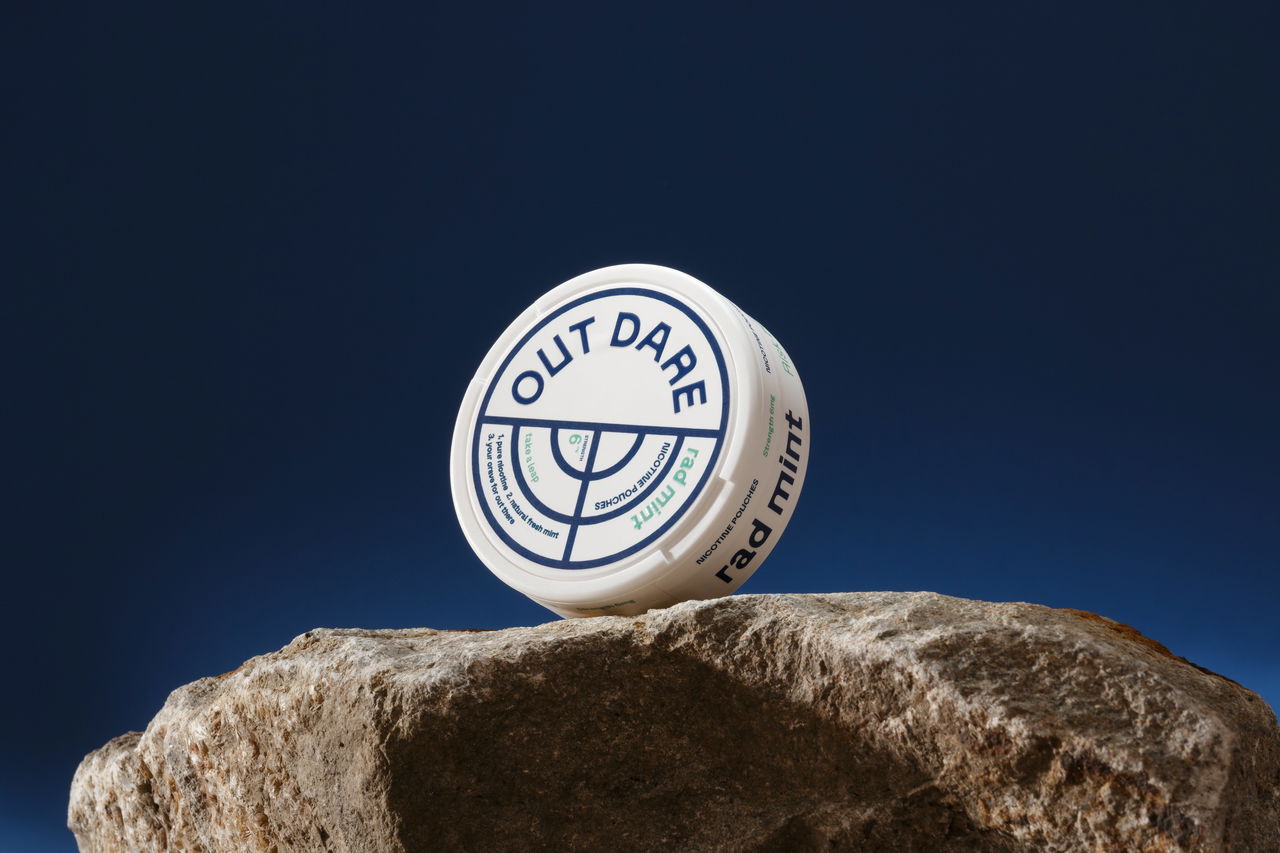
For nicotine pouch users, the application is even more specific. Nicotine is actively disrupting your sleep. It's spiking your cortisol, suppressing your REM, and fragmenting your nights in ways you may not even notice until you stop. CBD doesn't ask you to quit cold turkey. It gives you a ritual replacement — same burn, same pillow, same mint — that works with your habit instead of against it.
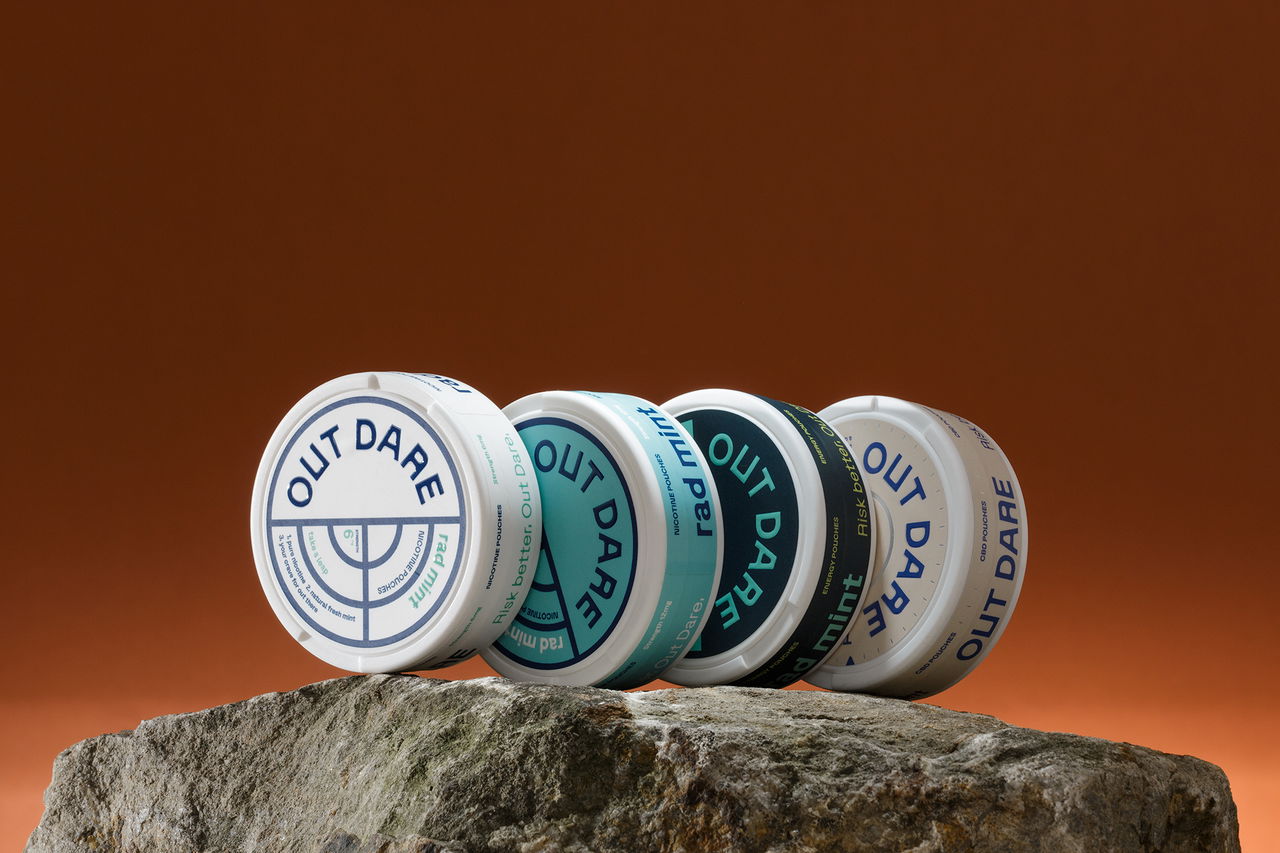
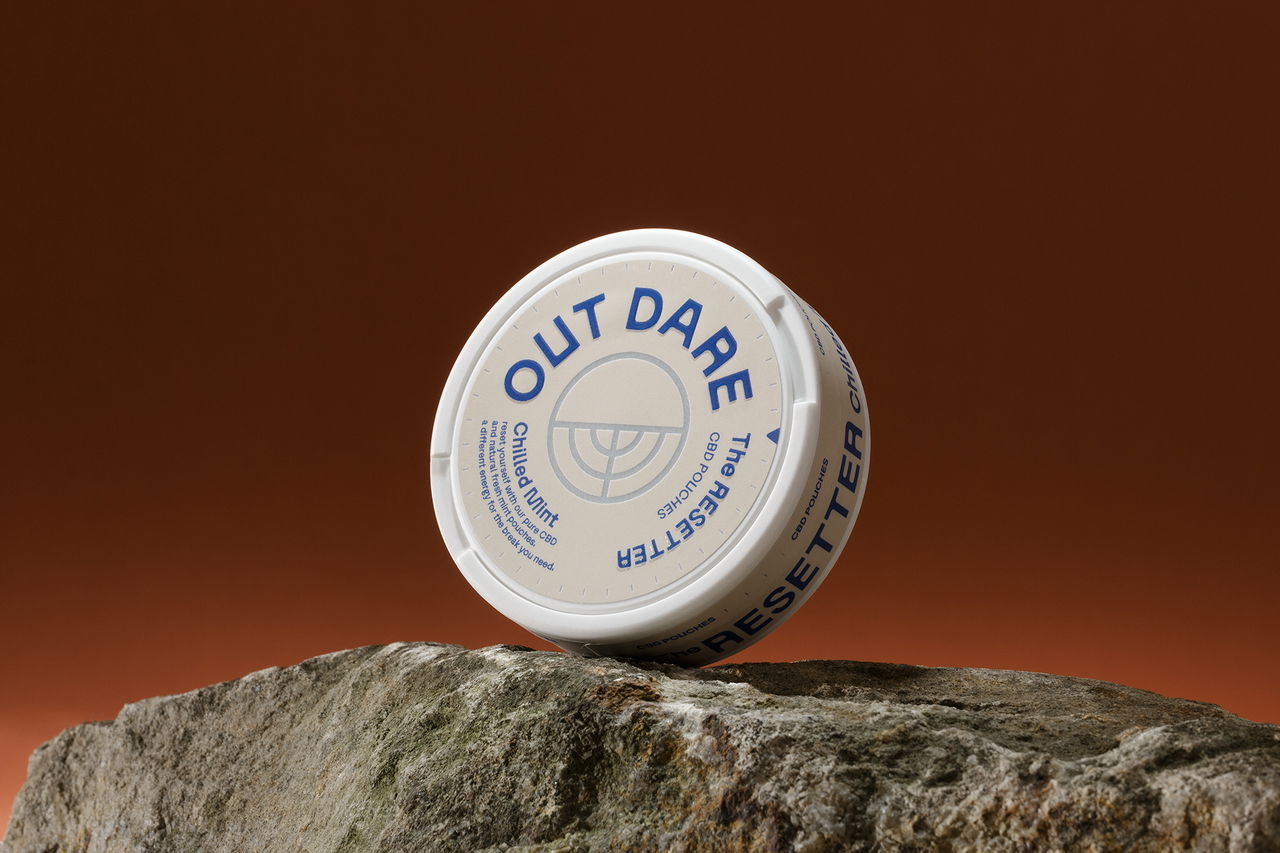
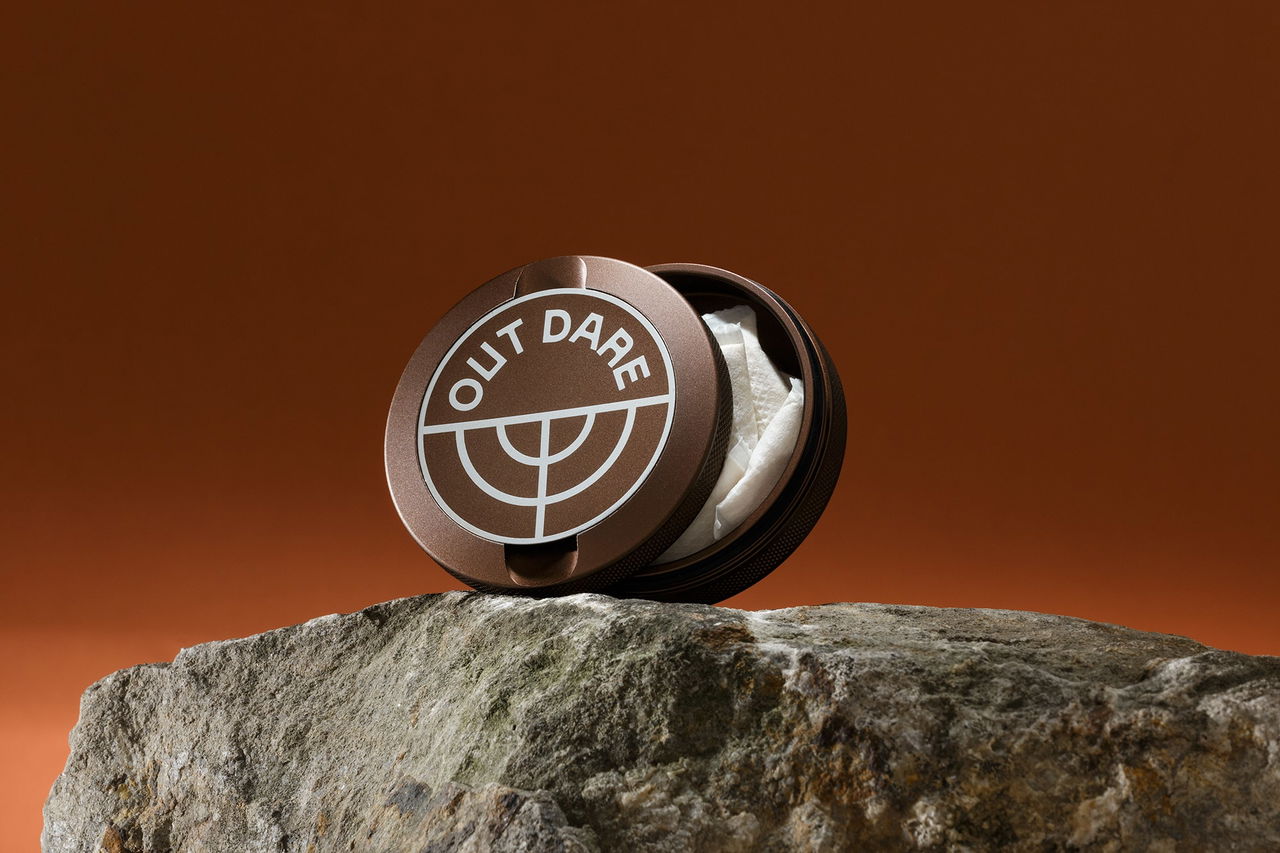
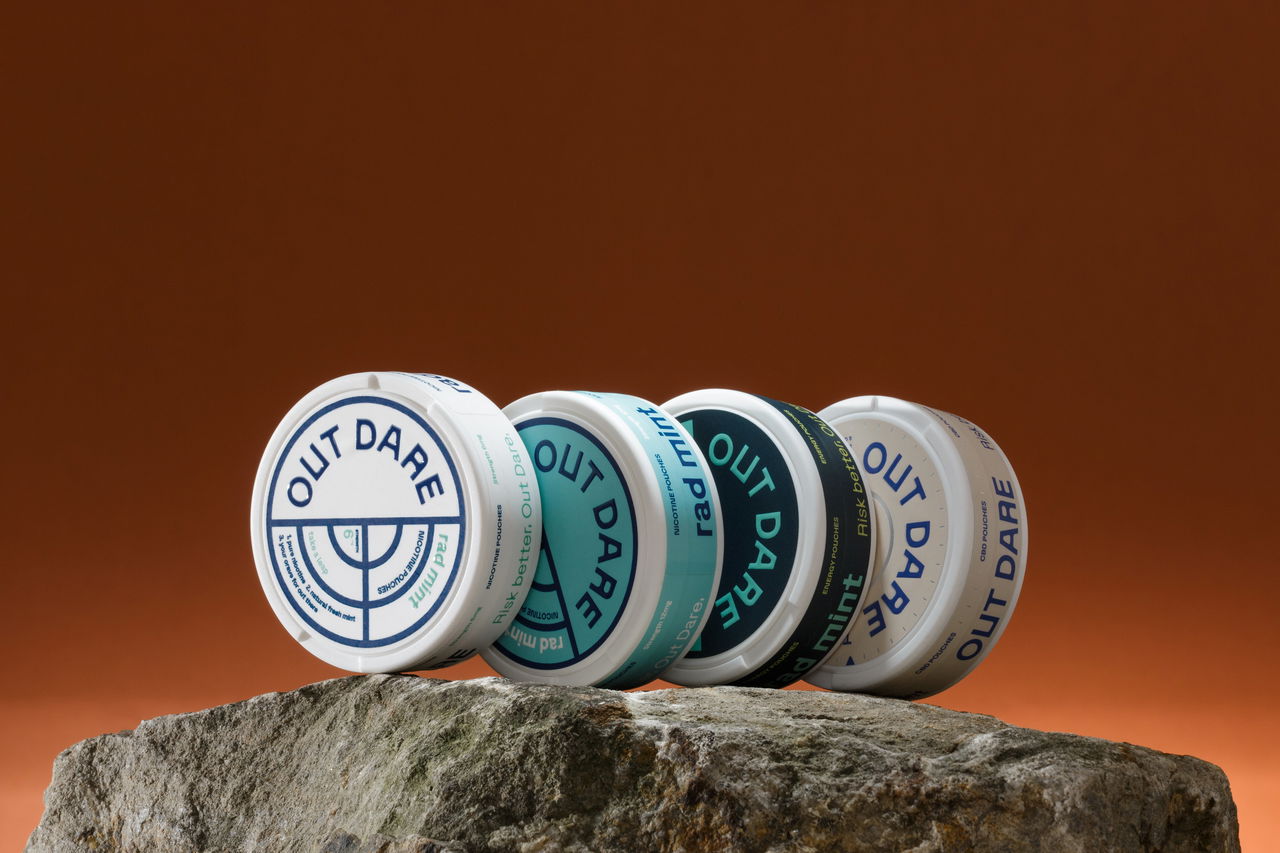
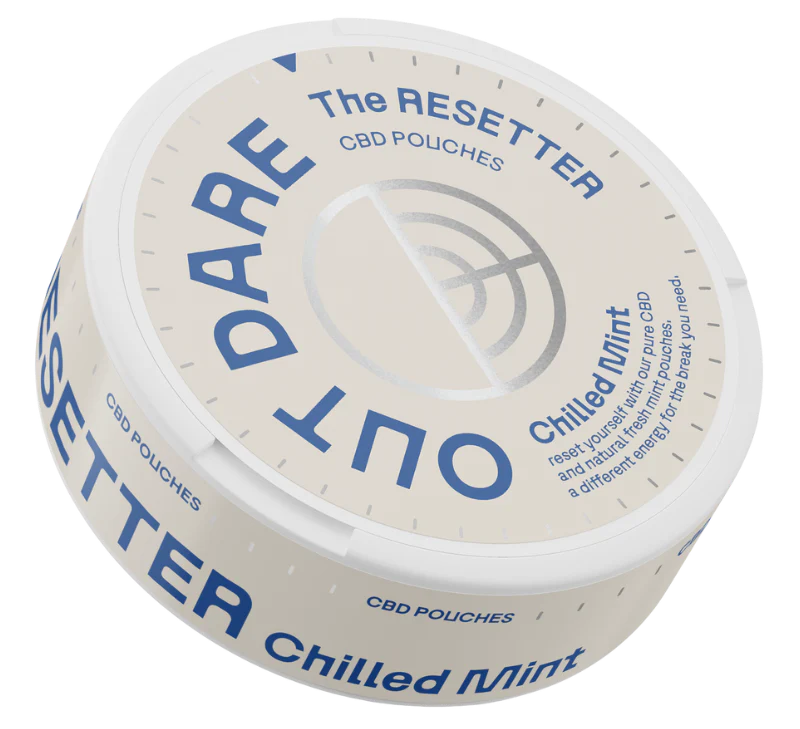
At Outdare LTD, we built the CBD pouch (The Resetter) for exactly this moment: the end of the day, when you need to put the "out there" energy on hold and actually let your nervous system recover. No smoke. No vape. No edible. Just a pouch that brings calm, supports sleep, and keeps the ritual you've already built.
Start with a consistent dose. Give it 2-3 weeks. Replace the last nicotine pouch of the day first. Your sleep will tell you the rest.
Recommended Articles
Explore more from our content library: