





Clean Pre-Workout Supplements: What They Are
| Key Insight | Explanation |
|---|---|
| "Clean" means transparent formulas | Clean pre-workout supplements list every ingredient and dose openly — no proprietary blends hiding underdosed actives. |
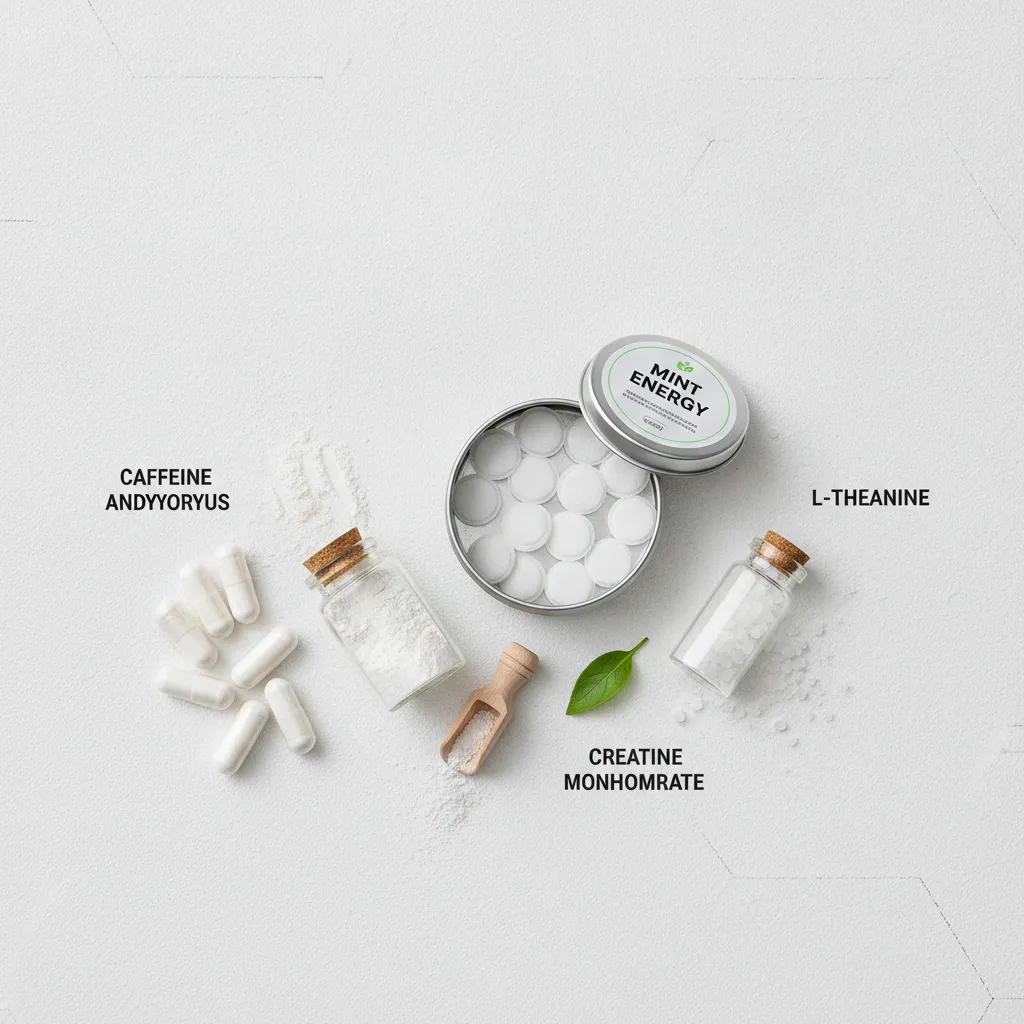
| Key active ingredients | Caffeine, L-citrulline, beta-alanine, creatine monohydrate, and L-theanine are the most evidence-backed compounds. |
| What to avoid | Artificial dyes, excessive stimulant stacks, undisclosed blends, and synthetic sweeteners linked to gut issues. |
| Third-party testing matters | Certifications from NSF, Informed Sport, or BSCG confirm label accuracy and absence of banned substances. |
| Format isn't only powder | As of 2026, oral pouches with caffeine and nootropics offer a portable, no-mix, no-crash alternative to traditional pre-workout powders. |
| Timing and dosing | Most formulas work best 20-30 minutes before exercise; cycling off periodically prevents tolerance buildup. |
Clean pre-workout supplements are formulas built on evidence-backed ingredients, fully disclosed doses, and zero unnecessary fillers — so you get real performance support without the junk that causes crashes, gut distress, or dependency. They skip artificial dyes, undisclosed proprietary blends, and excessive stimulant stacks. What you see on the label is exactly what you get. For fitness-minded adults who already scrutinize their nutrition, choosing clean pre-workout supplements is less about hype and more about finding a formula that actually delivers repeatable results without side effects you have to manage the next morning.
What Are Clean Pre-Workout Supplements?
Clean pre-workout supplements are performance formulas that use fully transparent ingredient lists, clinically studied doses, and no synthetic additives — making them distinct from conventional pre-workouts that hide doses inside proprietary blends. The "clean" label signals both formula integrity and ingredient quality.
Defining "Clean" in the Supplement Industry
The term doesn't have a single regulatory definition, which is part of the problem. In practice, the fitness and sports nutrition community uses "clean" to mean several things at once:
- Full label transparency: Every ingredient and its exact dose is listed — no "proprietary blend" catchall that lets brands underdose actives while charging premium prices.
- No artificial dyes or synthetic sweeteners: Common offenders include FD&C Red 40, sucralose in high amounts, and acesulfame potassium, which some research links to gut microbiome disruption [1].
- Evidence-backed actives: Ingredients like creatine monohydrate (a nitrogenous organic acid supporting ATP regeneration), L-citrulline (an amino acid that boosts nitric oxide production), and beta-alanine (a non-essential amino acid that buffers muscle acidity) have robust clinical backing [2].
- Third-party certification: Verified testing by bodies like NSF International, Informed Sport, or BSCG (the Banned Substances Control Group) confirms what's on the label is actually in the product [3].
- No excessive stimulant stacking: Stacking multiple stimulants (high-dose caffeine plus synephrine plus DMHA, for example) creates cardiovascular strain without proportionate performance benefit.
According to the NASM (National Academy of Sports Medicine), pre-workouts are "a blend of various individual supplements used to enhance energy, focus, and muscle protein synthesis" [4]. The clean version of that blend simply removes the noise and keeps what works.
How "Clean" Differs From "Natural"
These terms get conflated constantly, but they're not the same. "Natural" typically refers to ingredient sourcing — plant-derived caffeine from green tea or guarana versus synthetic anhydrous caffeine. "Clean" is about formula integrity: transparent dosing, no unnecessary additives, and verified safety.
A formula can be natural but still hide doses in a blend. A clean formula may use synthetic creatine (which is chemically identical to the naturally occurring compound) but disclose every milligram openly. Both matter. The best clean pre-workout supplements tend to be both.
| Ingredient | Function | Clinically Studied Dose | Clean Standard? |
|---|---|---|---|
| Caffeine anhydrous | Energy, focus, endurance | 150-300mg | ✅ Yes |
| L-Citrulline | Blood flow, pump, endurance | 6,000-8,000mg | ✅ Yes |
| Beta-Alanine | Muscle endurance, reduces fatigue | 3,200mg | ✅ Yes |
| Creatine monohydrate | Power output, strength | 3,000-5,000mg | ✅ Yes |
| L-Theanine | Smooth focus, reduces caffeine jitter | 100-200mg | ✅ Yes |
| Proprietary stimulant blend | Unknown | Unknown | ❌ No |
| FD&C artificial dyes | Color only — no performance benefit | N/A | ❌ No |
How Clean Pre-Workout Supplements Work
Clean pre-workout supplements work by combining stimulant and non-stimulant compounds that target energy production, blood flow, and neuromuscular efficiency — each through a distinct physiological mechanism, timed to peak during your training window.
The Physiology Behind the Formula
Most clean formulas operate on three parallel pathways:
- Central nervous system activation: Caffeine blocks adenosine receptors in the brain, reducing perceived fatigue and increasing dopamine signaling. Paired with L-theanine (a nootropic amino acid found in green tea), it produces focused alertness without the jitter-crash cycle typical of high-stimulant products [5].
- Nitric oxide (NO) pathway: L-citrulline converts to L-arginine in the kidneys, which then produces nitric oxide — a vasodilator that widens blood vessels, improving oxygen and nutrient delivery to working muscles. This is why you feel "the pump" during resistance training.
- Intramuscular buffering: Beta-alanine increases muscle carnosine levels, which buffers the hydrogen ions (H+) that accumulate during high-intensity exercise and cause that burning sensation. More carnosine means you can sustain effort longer before fatigue forces you to stop.
A 2025 review published in PMC (PubMed Central) found that multi-ingredient pre-workout supplements can offer "increased energy, focus, endurance, and strength during exercise" when ingredients are dosed appropriately [2]. The key phrase there is "dosed appropriately" — which is exactly what separates clean formulas from the rest.
Absorption Timing and Format Differences
Traditional powder-based pre-workouts typically take 20-30 minutes to absorb through the gastrointestinal tract, according to Cleveland Clinic [5]. That's why the standard advice is to consume them 30 minutes before training.
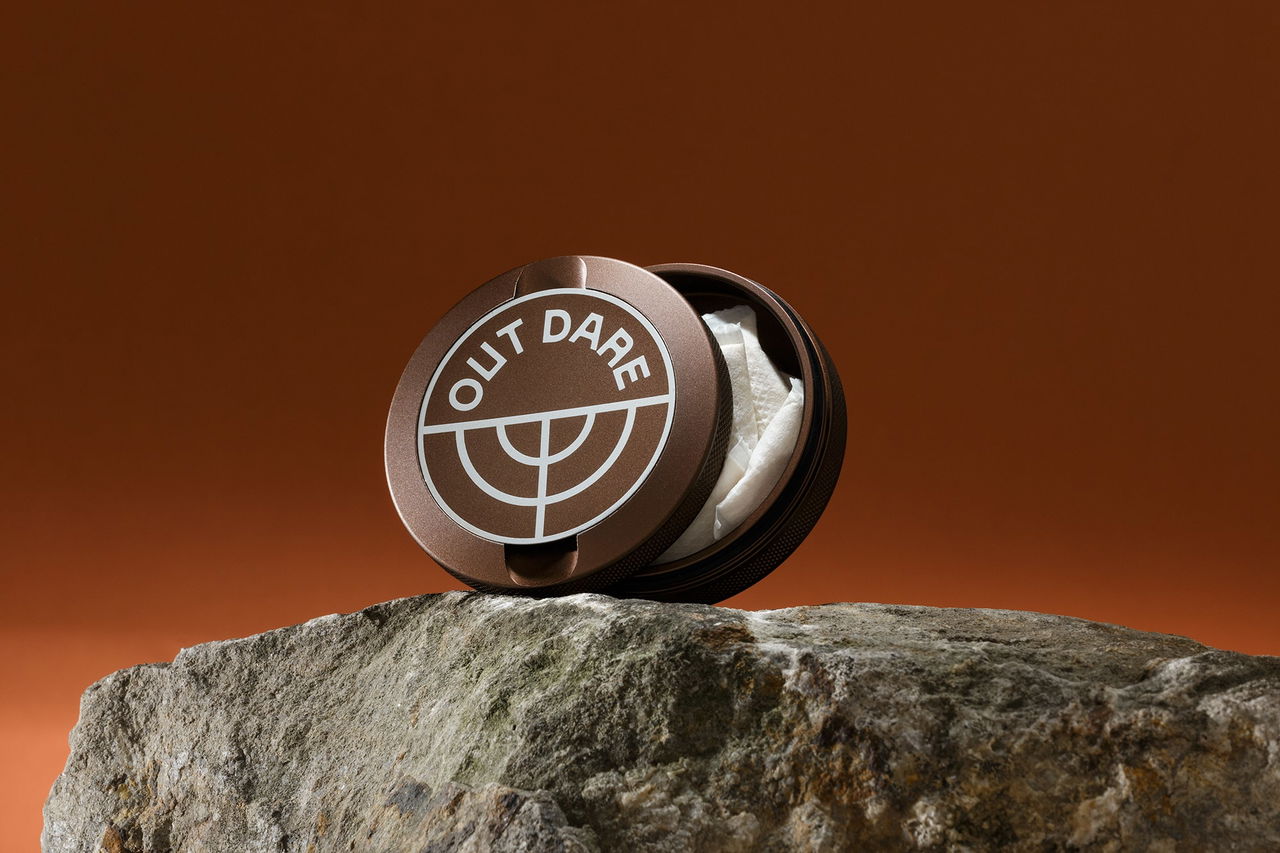
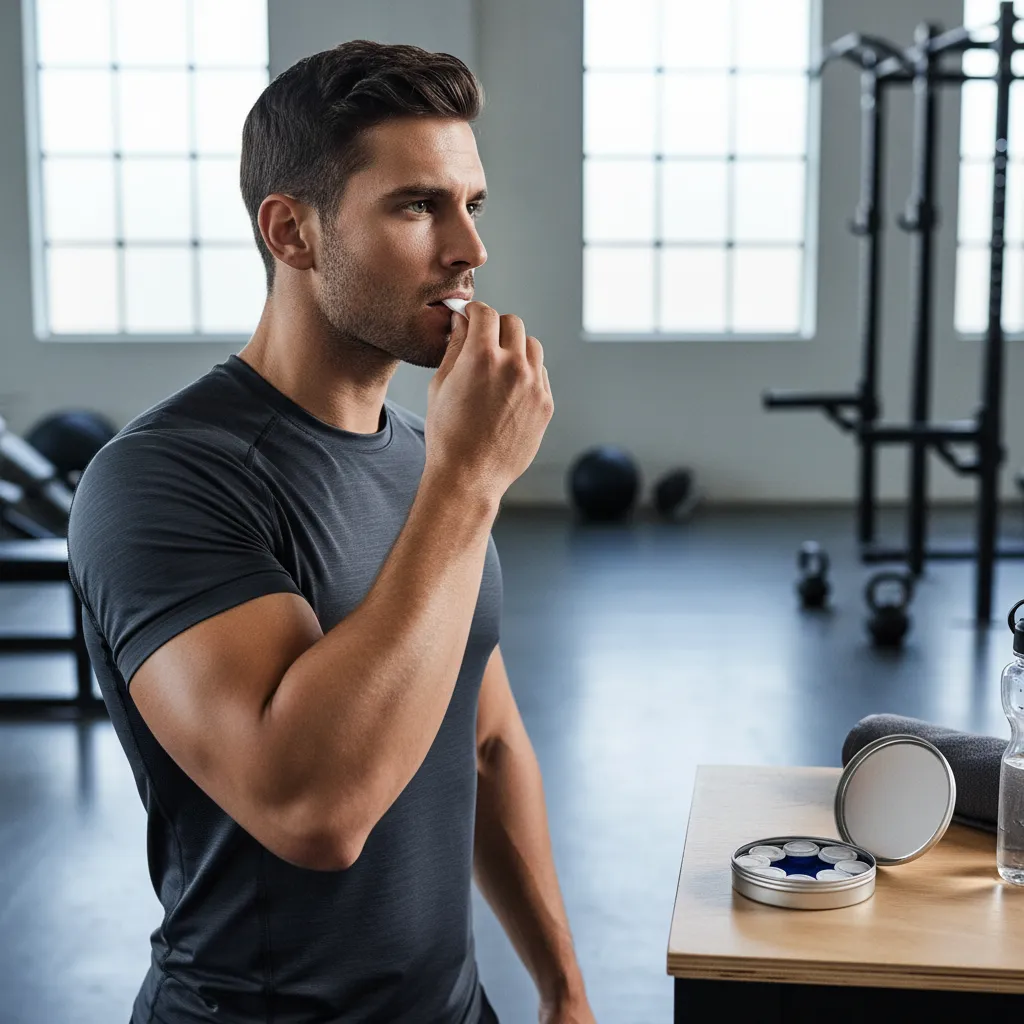
Newer formats are changing that window. Oral energy pouches — small tobacco-free sachets placed under the lip — deliver caffeine and nootropics through buccal absorption (directly through the mucous membrane), which can be faster and more consistent than GI absorption. No mixing, no liquid, no preparation. For athletes who train early in the morning or in environments where a shaker bottle isn't practical, this format has real advantages.
Pro Tip: If you're sensitive to caffeine crashes, pair your caffeine source with L-theanine at a 1:2 ratio (e.g., 150mg caffeine with 200mg L-theanine). This combination is well-documented to smooth out the stimulant curve and extend the focus window without a hard drop-off.
Key Benefits of Clean Pre-Workout Supplements
Clean pre-workout supplements deliver measurable performance improvements — more endurance, sharper focus, and better power output — while avoiding the side effects that cause many athletes to abandon conventional formulas after a few weeks.
Performance and Cognitive Benefits
The evidence base for individual ingredients in clean formulas is strong:
- Improved endurance: Beta-alanine supplementation at 3.2g/day has been shown to increase exercise capacity in efforts lasting 1-4 minutes, a range that covers most high-intensity intervals and strength sets.
- Greater power output: Creatine monohydrate remains the most studied ergogenic aid in sports science. Research consistently shows 5-15% improvements in maximal strength and sprint performance with regular use [4].
- Enhanced blood flow: L-citrulline at clinical doses (6-8g) reliably increases plasma arginine and nitric oxide markers, improving muscular endurance and reducing post-exercise soreness.
- Sharper focus during training: The caffeine-plus-L-theanine stack is documented to improve reaction time, attention accuracy, and working memory — all relevant to technical sports and heavy compound lifts where form breaks down under fatigue.
- No post-workout crash: Because clean formulas avoid excessive stimulant stacking, the return to baseline after training is gradual rather than abrupt. This matters practically for people who train in the afternoon and still need to function at work or sleep at a reasonable hour.
Health and Safety Advantages
The safety profile of clean pre-workout supplements is meaningfully better than conventional alternatives. Mayo Clinic notes that pre-workout products can contain "quercetin, L-citrulline, choline, apple extract, taurine, vitamin B-12 and many others" — but cautions that the safety of any formula depends heavily on what's in it and at what dose [1].
Clean formulas reduce risk in three specific ways:
- No undisclosed stimulants that could interact with medications or trigger cardiovascular events
- No artificial sweeteners that may disrupt gut flora with daily use
- Third-party testing that catches contamination or mislabeling before it reaches the consumer
In practice, fitness-minded users who've switched from conventional to clean pre-workout supplements often report fewer gut issues during training, more consistent energy levels, and better sleep quality — because they're not carrying excess stimulants into the evening.
Common Mistakes With Clean Pre-Workout Supplements
The most common mistake with this method is choosing a product based on the "clean" marketing label alone, without verifying that doses are clinically relevant and third-party tested. Label claims don't equal formula quality.
Underdosing and Label Theater
This is the industry's worst-kept secret. A brand can list every ingredient transparently and still underdose each one below the threshold where clinical effects occur. You see creatine on the label — but at 500mg instead of 3,000mg, it does nothing meaningful for power output.
A common mistake practitioners make is assuming that label transparency automatically means clinical efficacy. It doesn't. Always cross-reference doses against published research benchmarks:
- L-citrulline below 4g: likely ineffective for NO production
- Beta-alanine below 2g: won't meaningfully raise carnosine levels
- Caffeine below 100mg: minimal CNS effect for most adults
- Creatine below 3g: insufficient for ATP resynthesis benefits
Over-Reliance and Tolerance Buildup
Another pitfall to watch for: using a clean pre-workout every single day without cycling. Caffeine tolerance builds within 7-12 days of consistent use, according to research cited by the NASM [4]. Once tolerance sets in, you're consuming the product for the ritual rather than the effect — and gradually increasing dose to compensate.
This pattern looks familiar to anyone who's used nicotine pouches: you start for the functional benefit, and before long you're using more just to feel normal. The solution is the same in both cases — intentional, structured cycling. Use your pre-workout 4-5 days per week maximum. Take a full week off every 6-8 weeks to reset receptor sensitivity.
From experience working with fitness-focused consumers, one other common error is stacking a pre-workout powder on top of other stimulant sources (coffee, energy drinks, nicotine) without accounting for total daily caffeine load. The FDA's generally recognized safe upper limit for caffeine is 400mg per day for healthy adults. Exceeding that consistently raises blood pressure, disrupts sleep architecture, and ironically degrades the very focus and performance you're trying to optimize [1].
Pro Tip: Before buying any "clean" pre-workout, run a quick check: does each active ingredient list an exact milligram dose? Is there a third-party certification seal (NSF, Informed Sport, or BSCG)? If either answer is no, keep looking — regardless of how clean the branding looks.
Best Practices for Clean Pre-Workout in 2026
The best clean pre-workout strategy in 2026 combines verified ingredient dosing, intentional cycling, and format flexibility — including newer oral delivery formats that bypass the GI tract entirely for faster, more consistent absorption.
Building a Smart Pre-Workout Protocol
A structured approach beats ad-hoc supplementation every time. Here's a practical framework:
- Audit your total stimulant load first. Add up caffeine from all sources (coffee, tea, energy drinks, pre-workout, nicotine pouches). Aim to keep total daily intake under 350-400mg.
- Choose a formula with disclosed, clinical doses. Use the benchmarks in the table above as your reference. Forbes Vetted's 2026 roundup highlights Transparent Labs Bulk as a benchmark for clean, clinically dosed formulas [6].
- Time it correctly. Powder-based formulas: 20-30 minutes pre-training. Oral pouch formats: 10-15 minutes pre-training due to faster buccal absorption.
- Cycle deliberately. 5 days on, 2 days off weekly. Full reset week every 6-8 weeks.
- Track your response. Rate your session quality (1-10) for the first 4 weeks. If you're not noticing a difference by week 3, reassess dose or formula — don't just add more.
The Rise of Pouch-Format Pre-Workouts
As of 2026, oral energy pouches have emerged as a credible format for clean pre-workout delivery — particularly for athletes who train early, travel frequently, or simply don't want the GI load of a large powder drink before exercise.
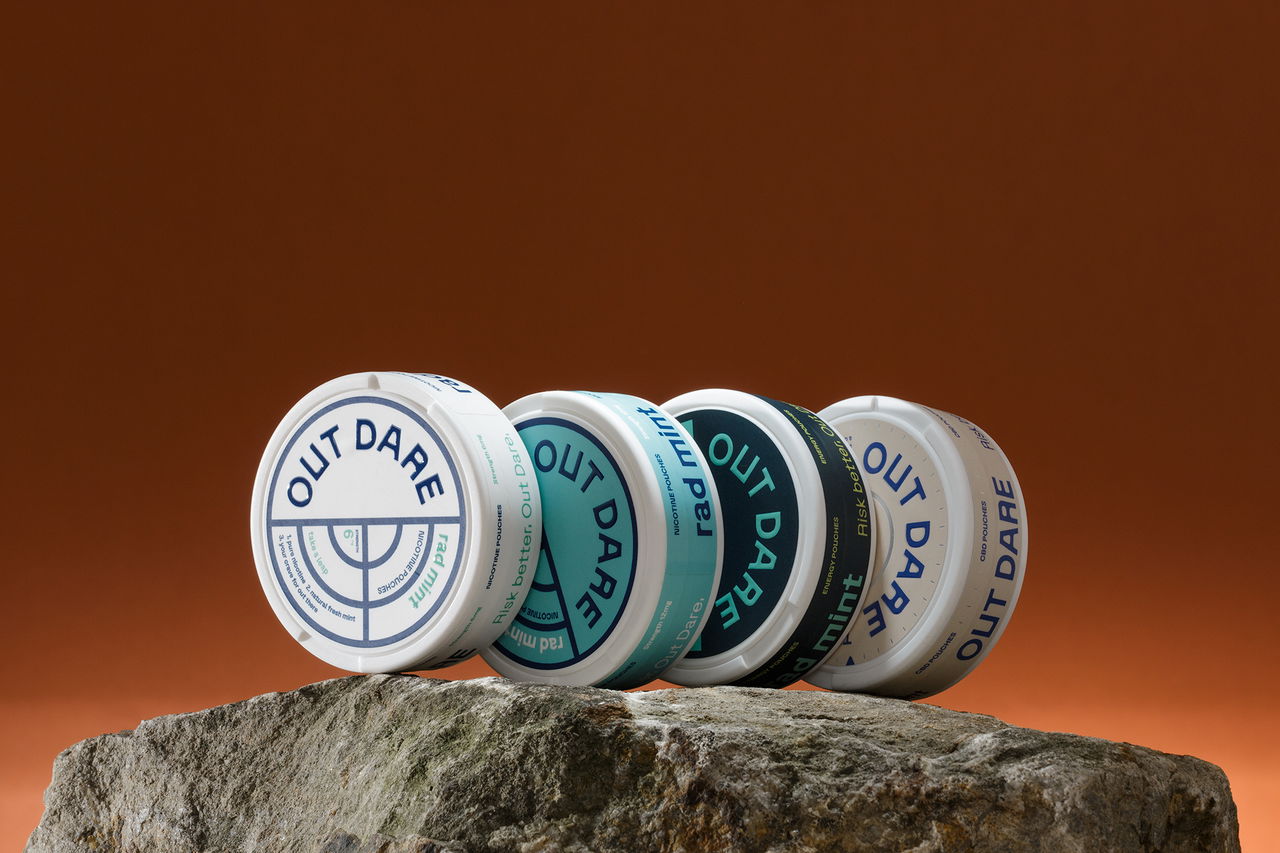
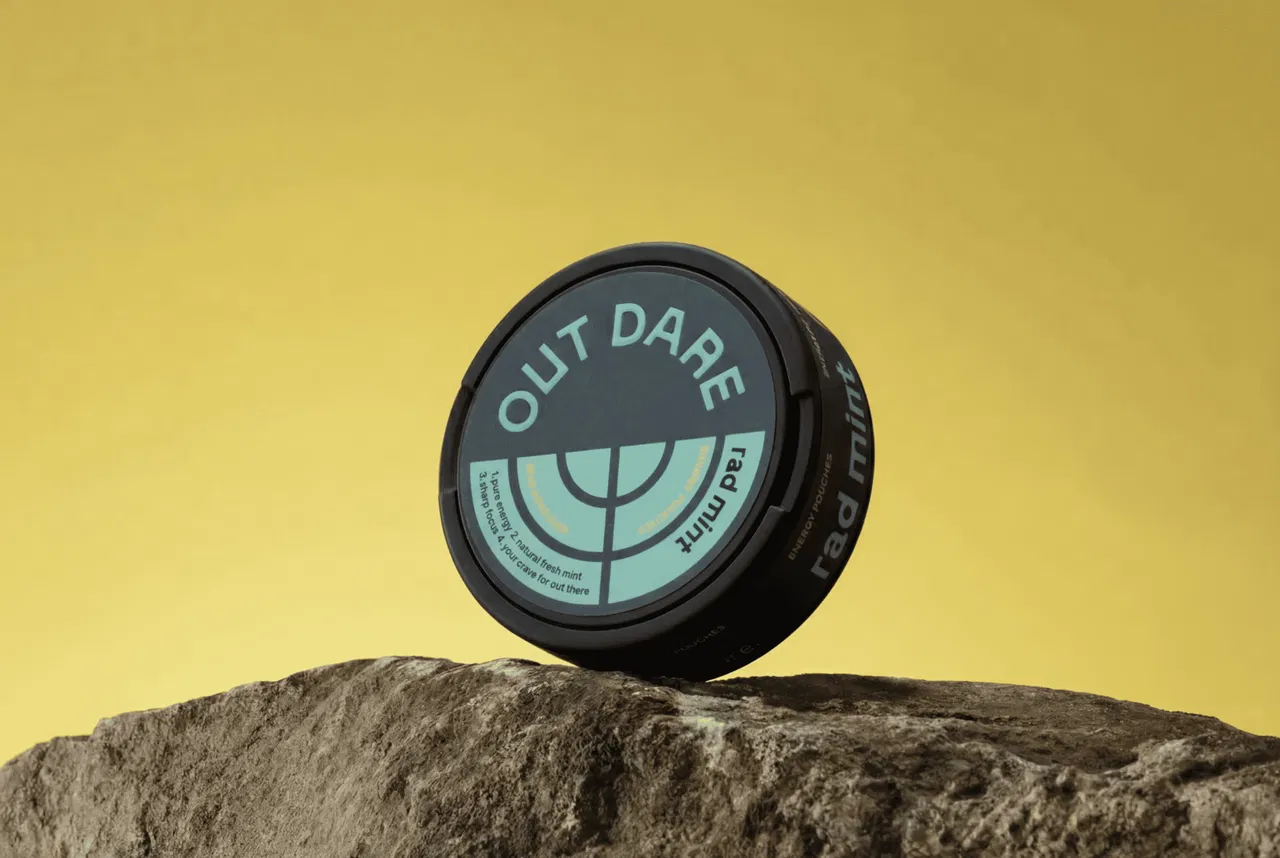
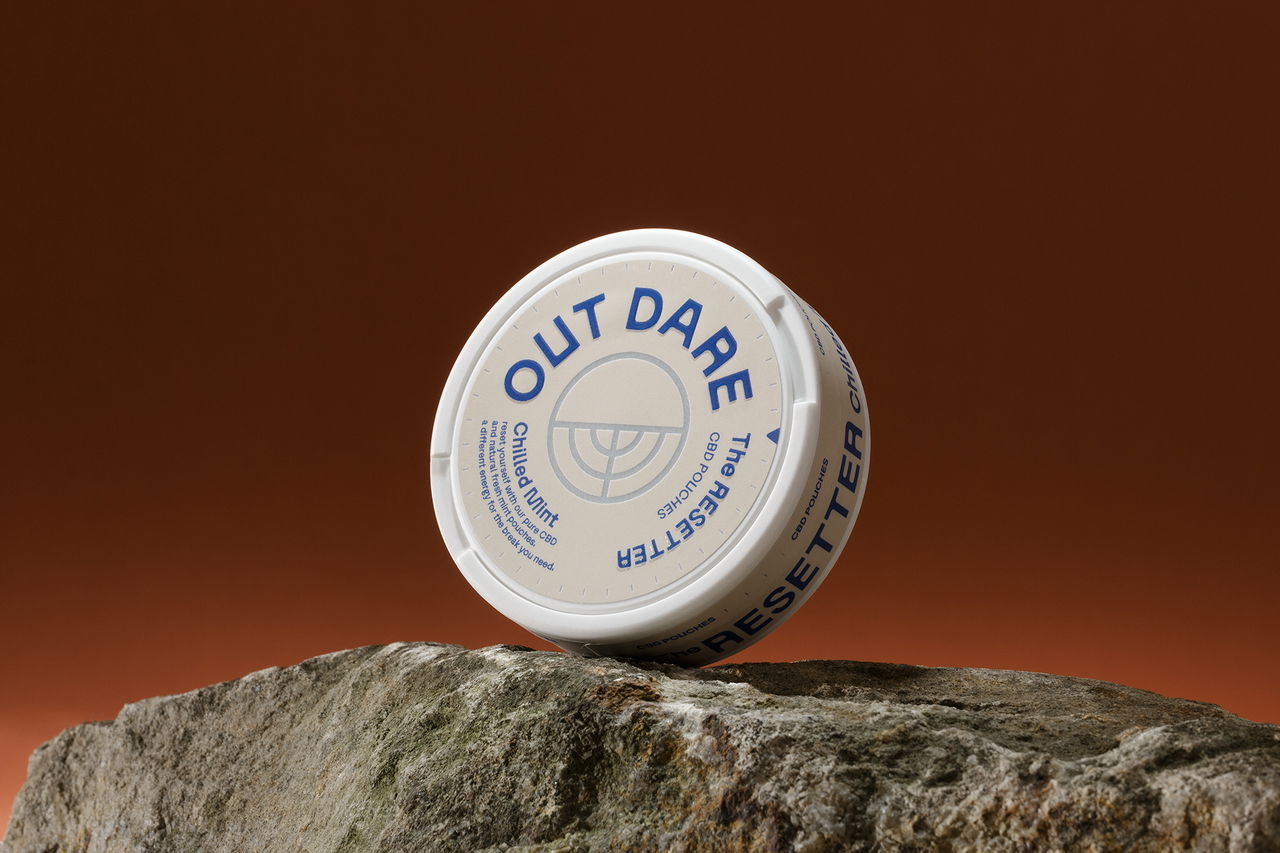
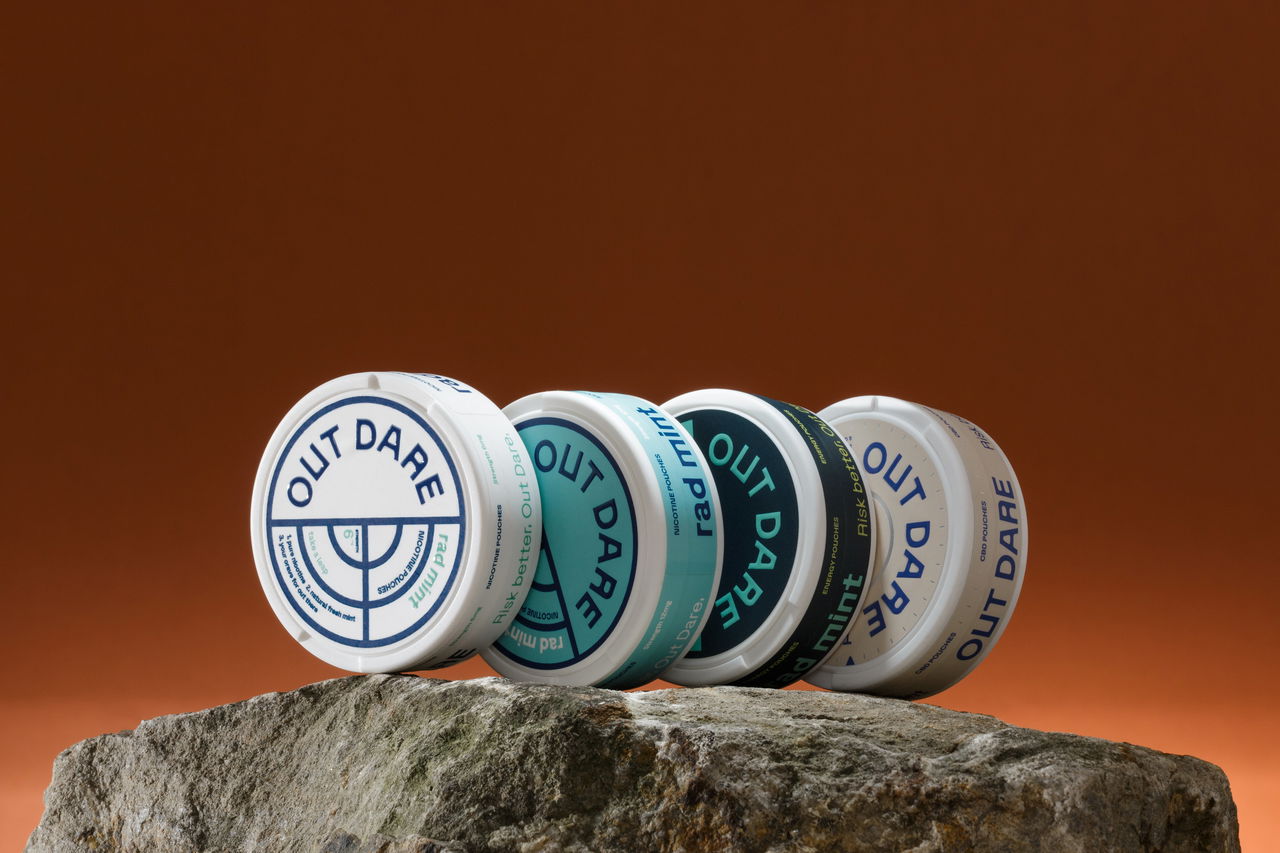
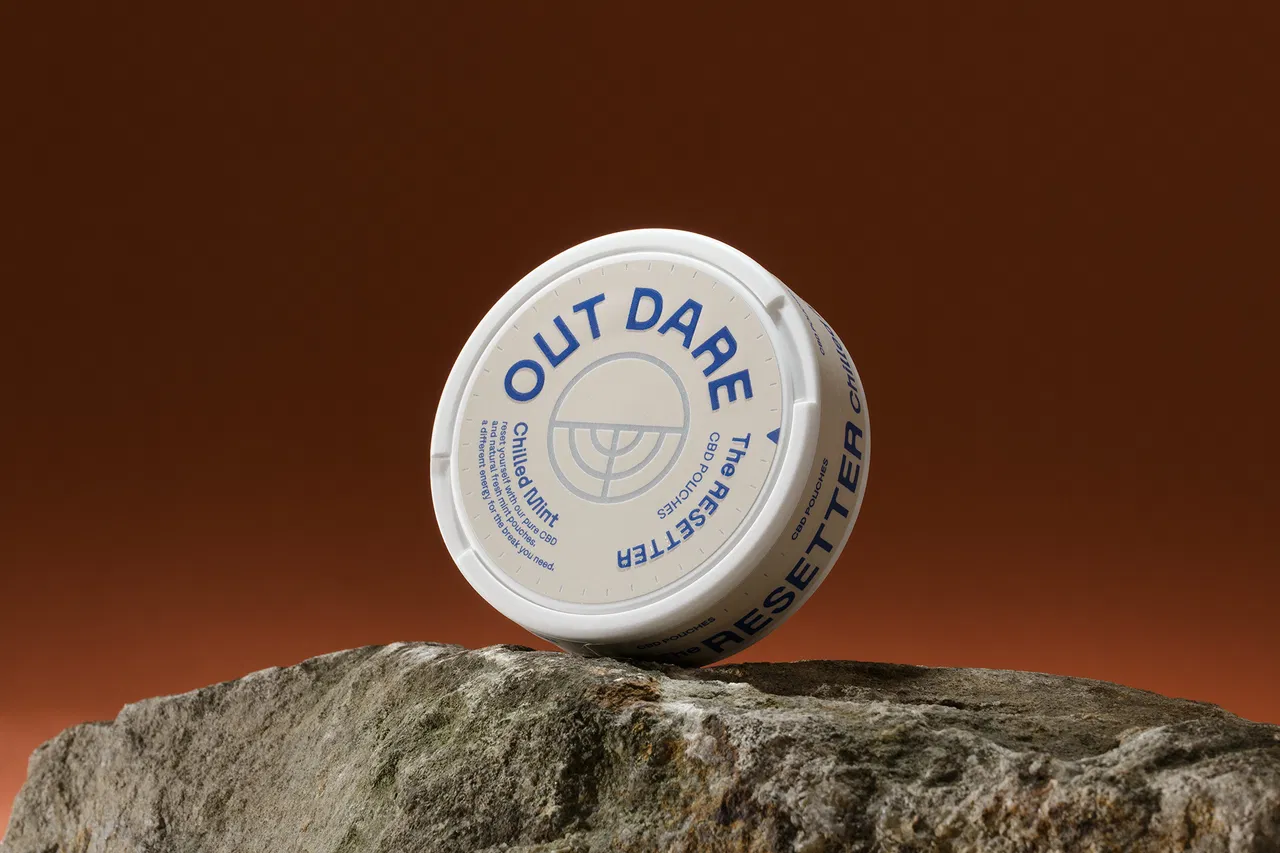
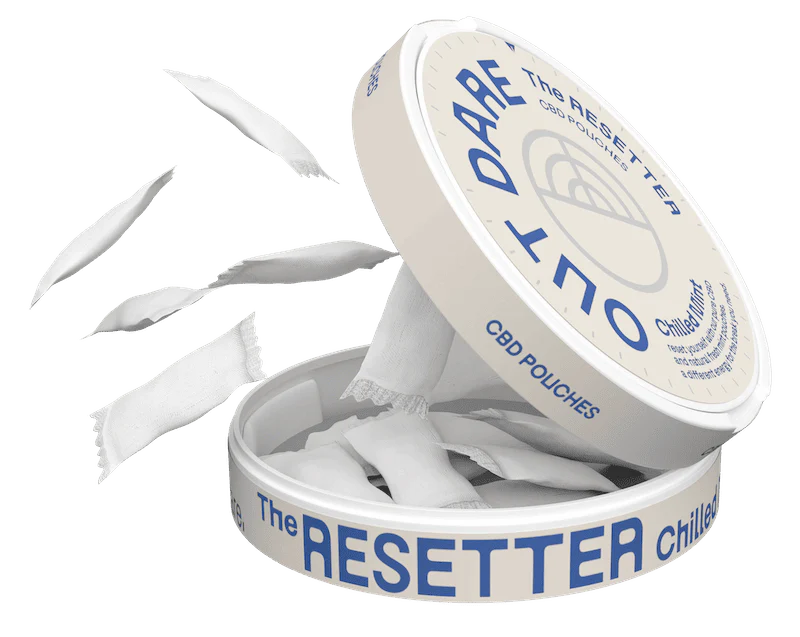
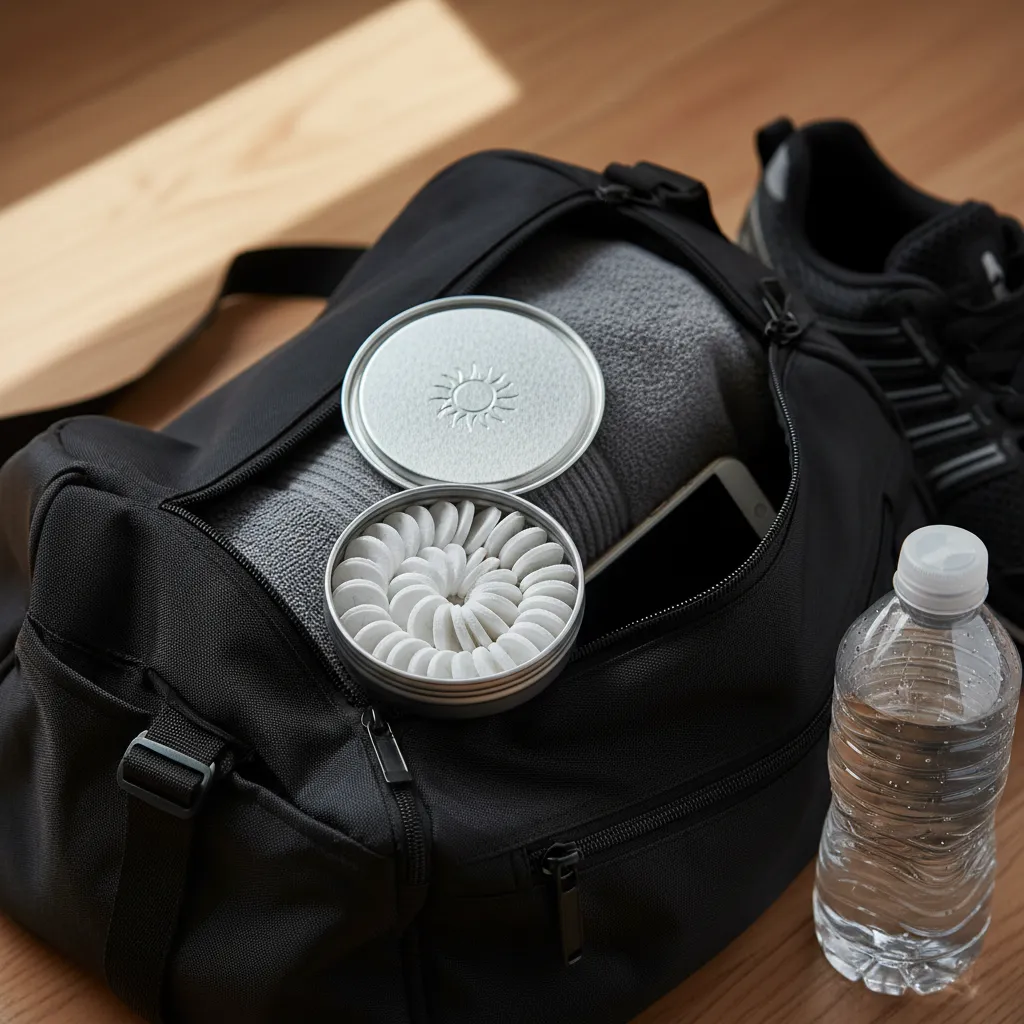
At Outdare LTD, we've found that fitness-oriented users are drawn to the Energy Pouch specifically because it delivers 50mg caffeine alongside nootropics (compounds that support cognitive function and focus) in a tobacco-free, zero-nicotine, zero-sugar format. Plant-fiber fillers and a xylitol-based formula mean no gut disruption during training. And the natural mint flavor — developed by a former mixologist — makes it a ritual worth repeating, not just a functional necessity.
This format also solves a real problem for former nicotine pouch users who've transitioned away from chemical dependency. They already have the oral habit. The Energy Pouch keeps that ritual intact while delivering clean, functional energy instead of nicotine. No shaker bottle. No crash. No dependency.
The community at r/Supplements has increasingly flagged oral and sublingual formats as the next evolution in clean pre-workout delivery, noting that GI sensitivity is one of the top reasons people abandon powder-based products [7].
Pro Tip: If you're transitioning away from nicotine pouches and still want a pre-gym ritual, an oral energy pouch gives you the same physical sensation — the pillow under the lip, the mint burn, the familiar cue — but with caffeine and nootropics instead of nicotine. You keep the habit. You lose the chemical dependency.
Sources & References
- Mayo Clinic Press, "Preworkout supplements: What's safe? What should you avoid?", 2024
- PubMed Central, "Pre-Workout Supplements and Their Effects on Cardiovascular Health", 2025
- BSCG, "Pre Workout Supplement Powder Facts, Ingredients, Safety", 2024
- NASM Blog, "Pre-Workout: What Does it Do & Do You Need It?", 2024
- Cleveland Clinic, "Is Pre-Workout Powder Safe? Does It Work?", 2024
- Forbes Vetted, "Best Pre-Workouts 2026", 2026
- Reddit r/Supplements, "Clean pre workout recommendations", 2024
- Garage Gym Reviews, "The Best Natural Pre-Workouts (2026)", 2026
- Superpower, "Clean Pre-Workout: What It Means and the Best Stimulant-Free Ingredients", 2024
Frequently Asked Questions
1. What makes a pre-workout supplement "clean"?
A clean pre-workout supplement has fully disclosed ingredient doses (no proprietary blends), uses evidence-backed actives at clinically studied amounts, contains no artificial dyes or unnecessary synthetic additives, and is ideally verified by a third-party testing body like NSF International or Informed Sport. The core standard is transparency: you know exactly what you're putting in your body and at what dose.
2. Are clean pre-workout supplements safe for daily use?
They're generally safe for healthy adults when used as directed, but daily use isn't recommended for caffeine-containing formulas. Caffeine tolerance builds within 7-12 days, and consistent daily intake can disrupt sleep quality and elevate resting heart rate over time. A 5-days-on, 2-days-off weekly schedule, with a full reset week every 6-8 weeks, keeps both safety and efficacy in a good range. Results may vary depending on individual caffeine sensitivity and total daily stimulant load from other sources.
3. What ingredients should I look for in clean pre-workout supplements?
The most evidence-backed ingredients are: caffeine (150-300mg for energy and focus), L-citrulline (6-8g for blood flow and endurance), beta-alanine (3.2g for muscle buffering), creatine monohydrate (3-5g for power output), and L-theanine (100-200mg paired with caffeine for smooth focus without jitter). Any clean pre-workout supplement worth buying should list each of these with an exact milligram dose — not just a "blend."
4. What ingredients should I avoid in a pre-workout?
Avoid formulas with proprietary blends (which hide doses), artificial dyes like FD&C Red 40, excessive stimulant stacks combining caffeine with synephrine or DMHA, and high-dose synthetic sweeteners that may irritate the gut during training. Also be cautious with formulas containing DMAA or any stimulant not clearly identified by its chemical name — these have been associated with cardiovascular adverse events and are flagged by BSCG safety reviews.
5. How long before a workout should I take a clean pre-workout?
For powder-based formulas, 20-30 minutes before training is the standard window, giving the GI tract time to absorb active ingredients. For oral pouch formats that deliver caffeine and nootropics via buccal absorption (through the mucous membrane under the lip), 10-15 minutes is typically sufficient. Timing one limitation is that individual GI transit speed varies — some people absorb faster than others, so you may need to experiment slightly with your personal window.
6. Can I use an oral energy pouch as a pre-workout alternative?
Yes — oral energy pouches containing caffeine and nootropics are a legitimate clean pre-workout alternative, particularly for users who want a portable, no-mix, no-liquid format. They're especially relevant for people transitioning away from nicotine pouches, since the physical ritual (placing a pouch under the lip) stays intact while the chemical content shifts from nicotine to functional energy compounds. Zero sugar, zero nicotine, and no GI load before training are the key practical advantages.
7. Do clean pre-workout supplements work without caffeine?
Yes, stimulant-free this strategy can still deliver meaningful performance benefits. Creatine monohydrate, L-citrulline, and beta-alanine all work independently of caffeine. According to Garage Gym Reviews' 2026 roundup, stim-free formulas are particularly useful for afternoon or evening training sessions where caffeine would disrupt sleep, or for users who are caffeine-sensitive or cycling off stimulants entirely for a reset week.
8. How do I know if a clean pre-workout supplement is third-party tested?
Look for certification logos from NSF International (NSF Certified for Sport), Informed Sport, or BSCG on the product label or the brand's website. These organizations independently test batches for label accuracy and the absence of banned substances. BSCG's published safety database lists specific products that have passed their testing protocol, making it a useful cross-reference before purchasing any clean pre-workout supplement.
Conclusion
this approach aren't complicated. They're just formulas that do what they say, at doses that actually work, without the additives that cause the crashes and gut issues you're trying to avoid. The core checklist is short: full label transparency, clinically studied doses, no proprietary blends, third-party verification.
What's changed in 2026 is the format landscape. Powder is no longer the only option. Oral energy pouches have earned a real place in the clean pre-workout conversation — especially for users who want portability, faster absorption, and zero GI disruption before training.
At Outdare LTD, our Energy Pouch was built for exactly this use case. Fifty milligrams of caffeine, nootropics for sharper focus, zero nicotine, zero sugar, and a plant-fiber formula that won't upset your stomach mid-squat. Same ritual as a nicotine pouch. None of the dependency. If you're ready to upgrade your pre-training routine to something cleaner, more intentional, and genuinely functional, the Energy Pouch is where to start.
Risk Better. Out Dare.
Recommended Articles
Explore more from our content library: