




Best Natural Stress Relief Products for 2026
| Key Insight | Explanation |
|---|---|
| Adaptogens are the backbone of natural stress relief | Herbs like ashwagandha and rhodiola help the body regulate cortisol and resist physiological stress responses over time. |
| Ritual matters as much as the ingredient | A consistent delivery format — pouch, tea, capsule — reinforces the calming behavior loop, not just the biochemical effect. |
| Magnesium is the most underused stress mineral | Research shows magnesium regulates serotonin and supports healthy HPA axis (hypothalamic-pituitary-adrenal axis) function, reducing anxiety markers. |
| CBD shows real promise for situational anxiety | Cannabidiol interacts with the endocannabinoid system to modulate stress responses without the psychoactive effects of THC. |
| Nicotine creates a stress-anxiety feedback loop | Many pouch and vape users mistake nicotine withdrawal for stress — replacing it with clean functional alternatives breaks the cycle. |
| Format determines consistency | The best stress relief product is the one you'll actually use daily — portability, taste, and ease of use drive long-term adherence. |
Introduction: What Actually Works for Stress Relief in 2026
The best natural stress relief products work by addressing the physiological stress response at its root — regulating cortisol, supporting the HPA axis (hypothalamic-pituitary-adrenal axis, your body's stress command center), and reinforcing calming behavioral rituals. As of 2026, the most evidence-backed options include adaptogenic herbs like ashwagandha, minerals like magnesium glycinate, and newer delivery formats like CBD pouches that combine biochemical effect with ritual consistency.
Here's the problem most stress relief guides don't address. A lot of people using pouches, vapes, or cigarettes think nicotine is helping them manage stress. It isn't. Nicotine creates a withdrawal-anxiety loop — you feel relief when you use it because your brain is simply quieting the craving it created. That's not stress relief. That's dependency maintenance.
This guide covers the 10 best natural stress relief products available in 2026, ranked by evidence quality, practical usability, and real-world effectiveness. We'll also explain how to choose the right format for your lifestyle — whether you're a productivity-focused professional, a former pouch user managing anxiety, or someone who just needs a cleaner evening wind-down routine.
Top 10 Natural Stress Relief Products Ranked for 2026
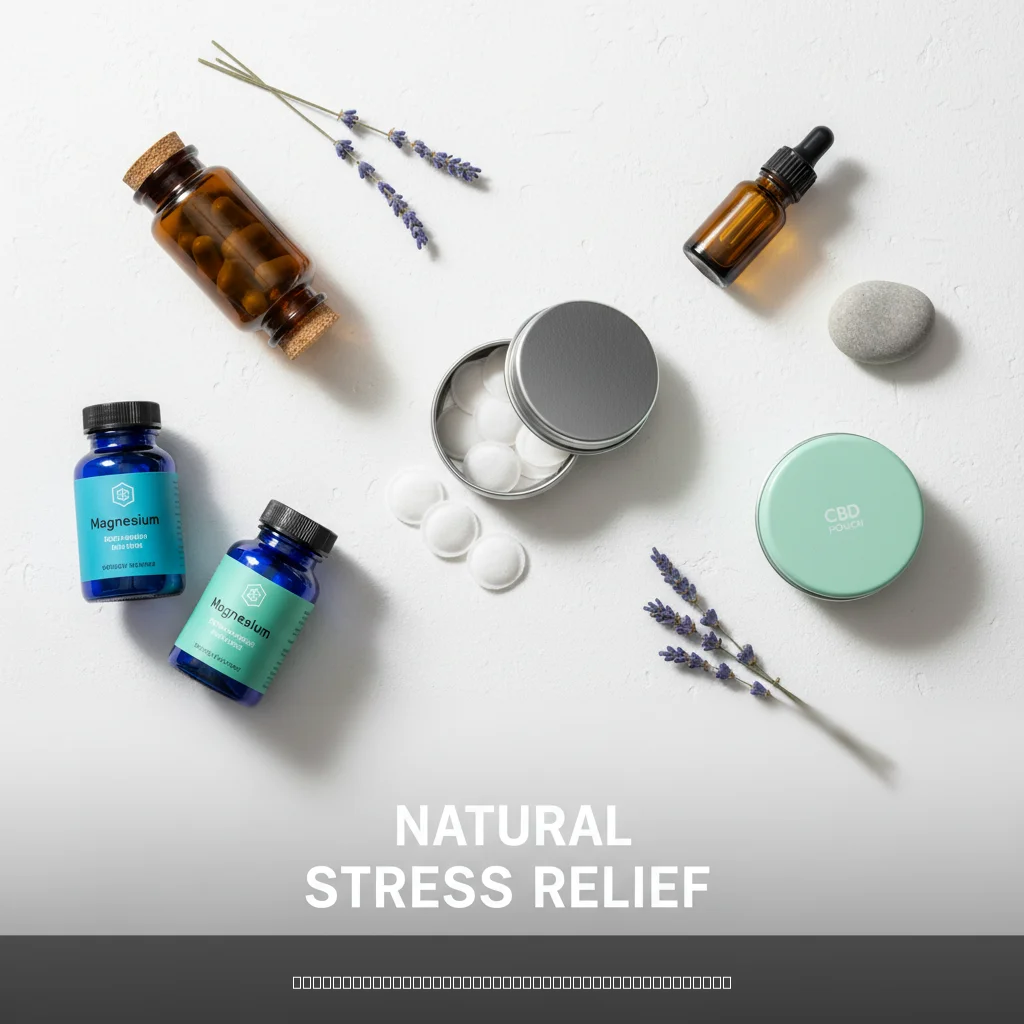
Natural stress relief products span supplements, botanicals, sensory tools, and functional formats — the best ones combine solid clinical evidence with a delivery method you'll actually stick to.
The criteria used to rank each product below:
- Strength of clinical or peer-reviewed evidence
- Speed of effect (acute vs. long-term)
- Ease of use and portability
- Safety profile and known side effects
- Suitability for specific user profiles (anxiety, focus crashes, sleep disruption)
1. Ashwagandha (KSM-66 Extract)
Ashwagandha is a root adaptogen (a plant compound that helps the body adapt to stress) with some of the strongest human trial data in the natural stress relief category. A 2022 review published in PMC/NCBI confirmed its role in reducing cortisol levels and improving anxiety scores across multiple controlled trials [1].
- Best for: Chronic, background stress; cortisol dysregulation; sleep disruption linked to anxiety
- Typical dose: 300-600mg of KSM-66 extract daily
- Timeline: Noticeable effects in 2-4 weeks of consistent use
- Limitation: Not a quick fix — works cumulatively, not acutely
2. Magnesium Glycinate
Magnesium is involved in over 300 enzymatic reactions, including those that regulate serotonin and GABA (gamma-aminobutyric acid, the brain's primary calming neurotransmitter). According to Jefferson Health, magnesium helps manage anxiety and insomnia by directly supporting brain function [2].
- Best for: Evening anxiety, sleep onset problems, muscle tension from stress
- Typical dose: 200-400mg before bed
- Form matters: Glycinate is better absorbed than oxide; avoid magnesium oxide for anxiety purposes
- Limitation: High doses can cause digestive issues
3. L-Theanine
L-Theanine is an amino acid found naturally in green tea. It promotes alpha brain wave activity — the mental state associated with calm alertness — without sedation. It's particularly effective when combined with caffeine, smoothing out jitters and extending focus [3].
- Best for: Acute stress before presentations, meetings, or high-pressure situations
- Typical dose: 100-200mg; pairs well with 50-100mg caffeine
- Timeline: Effects noticeable within 30-60 minutes
- Limitation: Mild effect on its own; shines in combination formulas
4. Rhodiola Rosea
Rhodiola is an adaptogen with a specific affinity for mental fatigue and burnout-type stress. Research cited in the PMC botanical stress review found it particularly effective for reducing stress-related exhaustion in working adults [1].
- Best for: Work-related burnout, mental fatigue, afternoon energy crashes
- Typical dose: 200-400mg standardized extract (3% rosavins)
- Timeline: Acute effects within hours; full benefit builds over weeks
- Limitation: Can be mildly stimulating — not ideal close to bedtime
5. CBD (Cannabidiol)
CBD interacts with the endocannabinoid system (ECS), a signaling network that regulates mood, stress, and sleep. Unlike THC, CBD is non-psychoactive and increasingly available in clean, tobacco-free formats. The Mayo Clinic notes that evidence for CBD in anxiety reduction is growing, though more large-scale human trials are needed [4].
- Best for: Situational anxiety, evening wind-down, overstimulation recovery
- Delivery formats: Oils, capsules, gummies, and now oral pouches
- Timeline: Sublingual and pouch formats act within 15-30 minutes
- Limitation: Quality varies significantly by brand; look for third-party tested products
6. Lavender (Oral and Aromatherapy)
Lavender is one of the most studied botanicals for anxiety. According to the Mayo Clinic, oral lavender preparations may reduce symptoms of generalized anxiety disorder (GAD) with an effect comparable to some pharmaceutical interventions [4]. Aromatherapy with lavender also shows measurable cortisol-lowering effects.
- Best for: Mild-to-moderate anxiety, pre-sleep routines, sensory stress relief
- Formats: Oral capsules (Silexan), essential oil diffuser, pillow spray
- Limitation: Oral lavender can cause nausea in some users
7. Lemon Balm
Lemon balm (Melissa officinalis) is an herb with mild sedative and anxiolytic properties. US News Health ranks it among the top pharmacist-recommended anti-stress supplements, noting its compounds have demonstrated sedative-like calming effects in clinical settings [5].
- Best for: Mild anxiety, digestive stress symptoms, light sleep support
- Typical dose: 300-600mg extract
- Limitation: Evidence base is smaller than ashwagandha or magnesium
8. Valerian Root
Valerian is primarily known as a sleep aid, but its GABA-modulating properties make it useful for stress-driven insomnia and evening anxiety. GoodRx lists it among effective OTC natural remedies for anxiety, though it notes the evidence is moderate rather than definitive [6].
- Best for: Stress-related sleep disruption; nighttime anxiety
- Typical dose: 300-600mg, 30-60 minutes before bed
- Limitation: Can cause grogginess; not recommended for daytime use
9. Passionflower
Passionflower (Passiflora incarnata) has shown comparable efficacy to low-dose benzodiazepines for preoperative anxiety in small trials. The PMC botanical review identifies it as one of the safer herbal options for acute anxiety management [1].
- Best for: Acute situational anxiety; social anxiety; short-term stress spikes
- Typical dose: 45-90mg extract
- Limitation: Limited large-scale trial data; may interact with sedative medications
10. Functional Oral Pouches (CBD and Nootropic Formats)
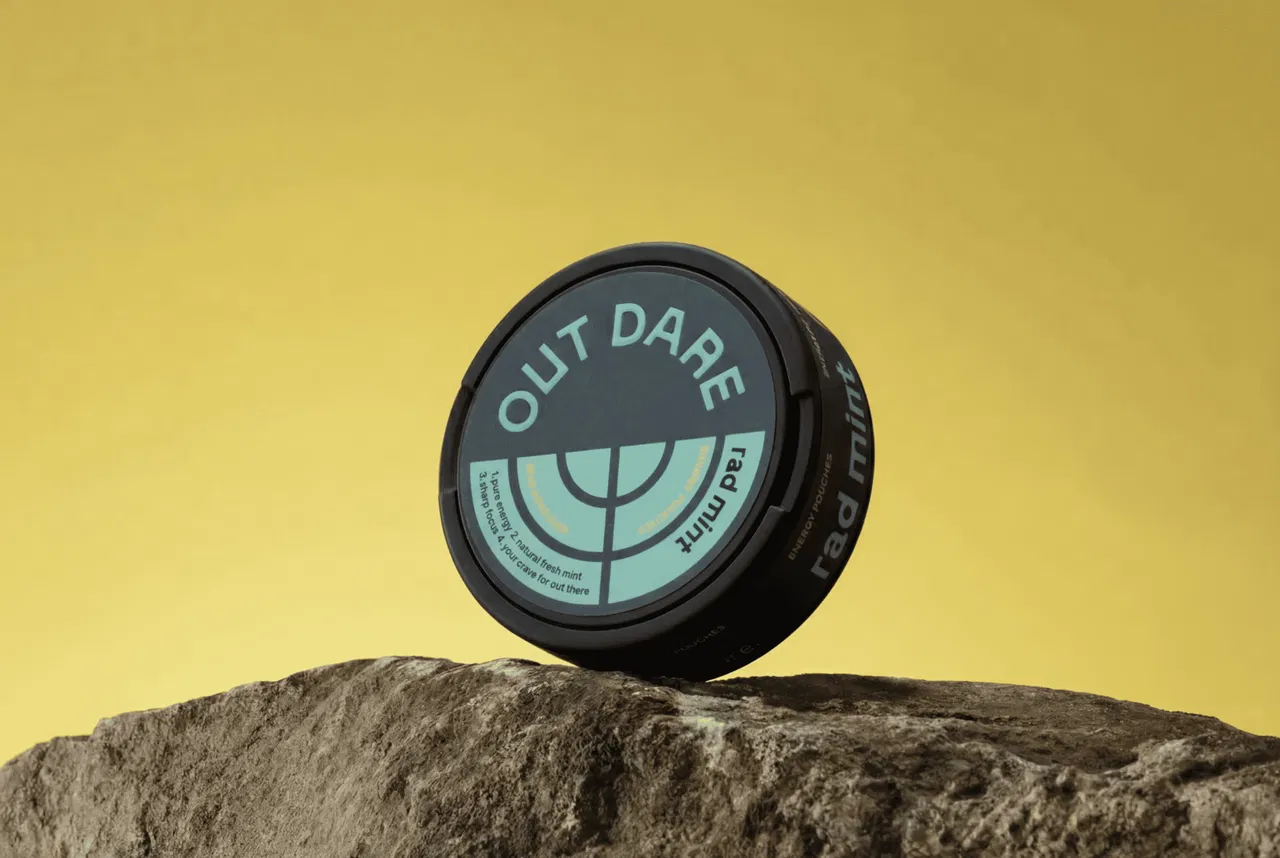
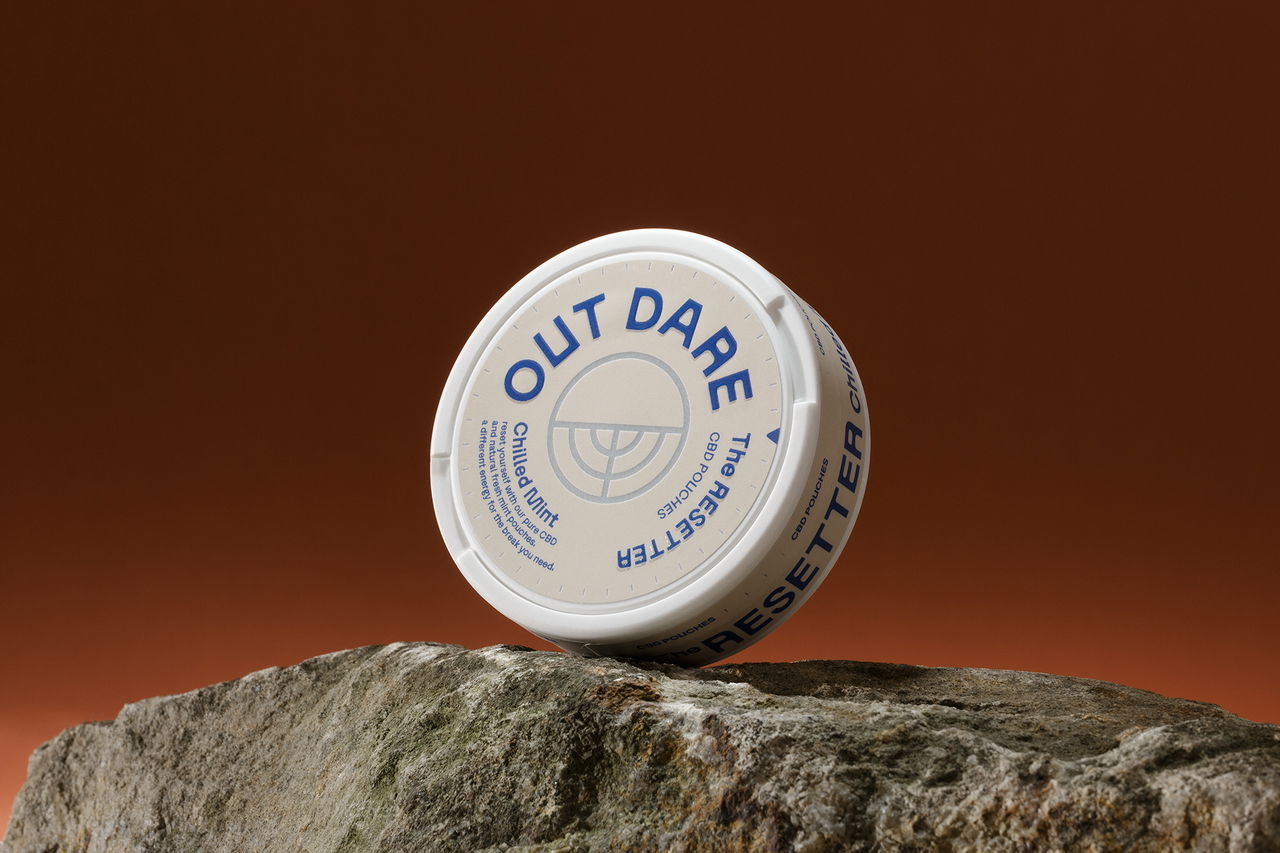
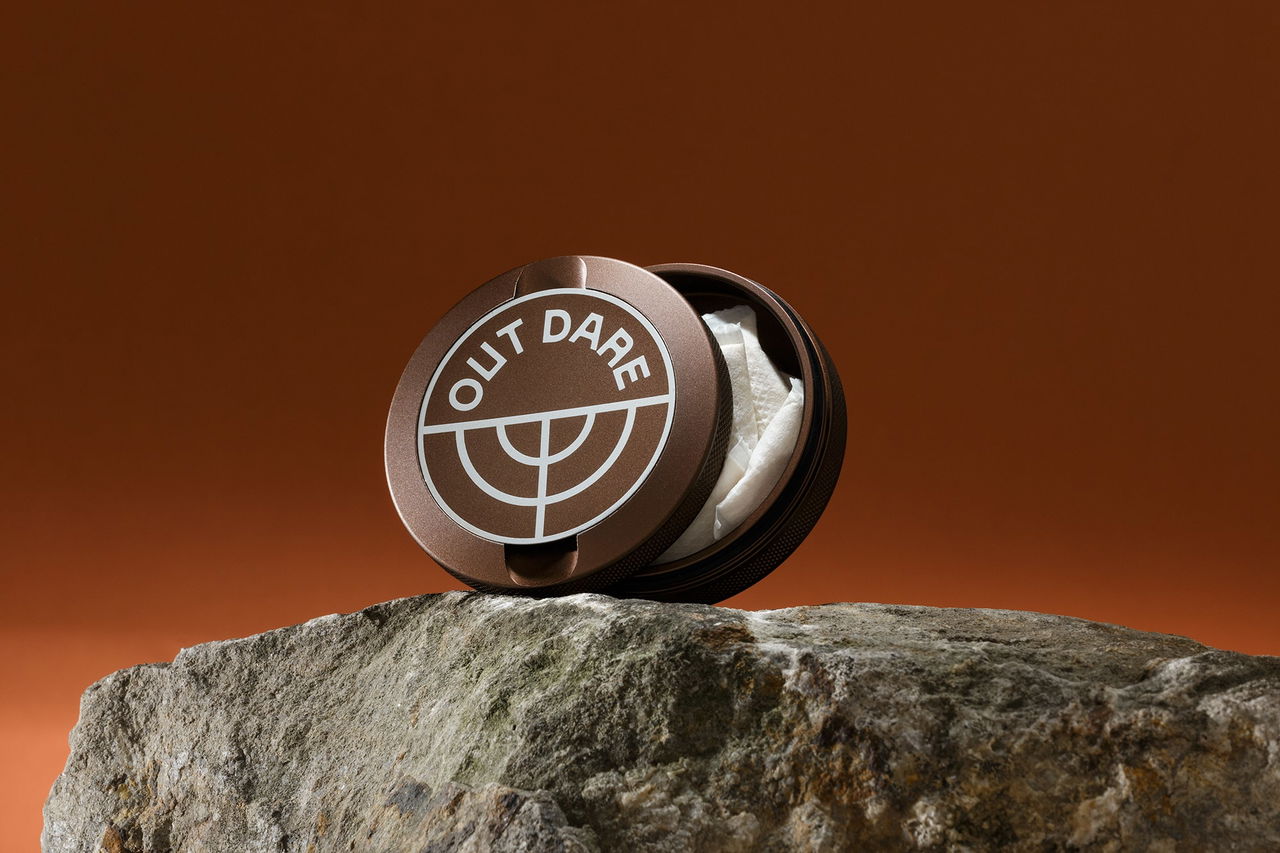
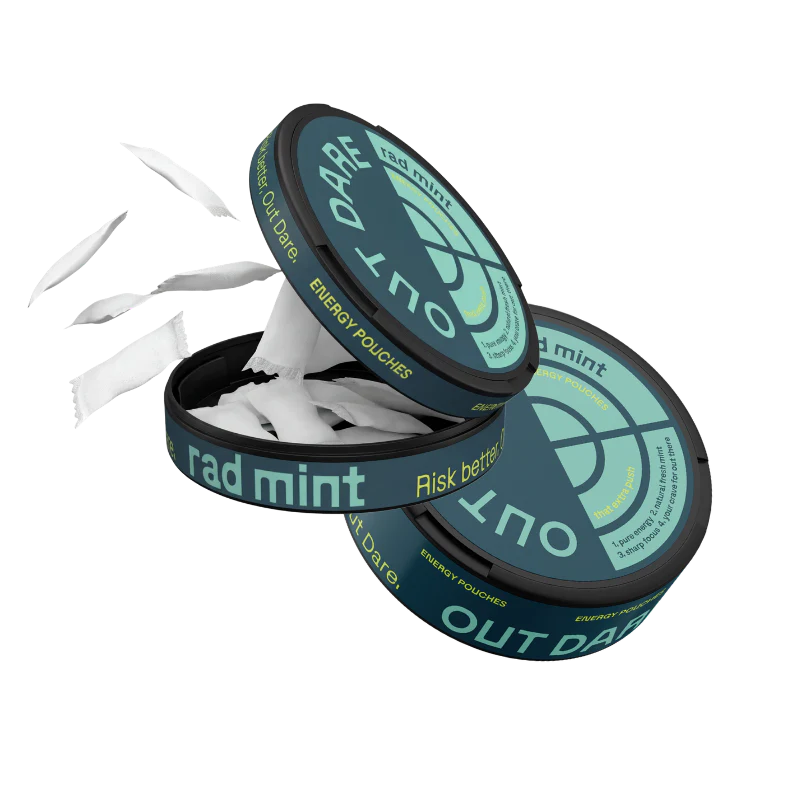
Functional oral pouches represent the newest category in natural stress relief. Zero-nicotine CBD pouches deliver cannabidiol sublingually (under the lip) with fast absorption and a consistent sensory ritual — the same mint burn and pillow feel every time. For former nicotine users especially, this format addresses both the biochemical need and the behavioral habit loop simultaneously.
- Best for: Former pouch users managing anxiety; people who need discreet, on-the-go relief
- Timeline: 15-30 minutes for noticeable effect
- Key advantage: Ritual consistency reinforces the calming behavior, not just the compound
- Limitation: CBD regulation varies by EU country; verify legal status in your market
| Product | Primary Benefit | Speed of Effect | Evidence Level | Best For |
|---|---|---|---|---|
| Ashwagandha KSM-66 | Cortisol reduction | 2-4 weeks | Strong | Chronic stress |
| Magnesium Glycinate | GABA support, sleep | Days to weeks | Strong | Sleep anxiety |
| L-Theanine | Calm focus | 30-60 min | Moderate-Strong | Acute stress, focus |
| Rhodiola Rosea | Burnout, fatigue | Hours to weeks | Moderate-Strong | Work stress |
| CBD Pouches | ECS modulation + ritual | 15-30 min | Moderate | Evening anxiety, ex-pouch users |
| Lavender (oral) | GAD symptom reduction | Days to weeks | Moderate | Mild-moderate anxiety |
| Lemon Balm | Mild sedation, calm | 1-2 hours | Moderate | Digestive stress |
| Valerian Root | Sleep onset | 30-60 min | Moderate | Stress-driven insomnia |
| Passionflower | Acute anxiety | 30-90 min | Moderate | Situational anxiety |
Adaptogens Deep Dive: Ashwagandha, Rhodiola, and Beyond
Adaptogens are plant-based compounds that help the body resist physical, chemical, and biological stressors — they don't sedate you or stimulate you, they normalize your stress response over time.
The term "adaptogen" was originally coined by Soviet pharmacologist Nikolai Lazarev in 1947 to describe compounds that increase "non-specific resistance" to stress. As of 2026, the most rigorously studied adaptogens for stress relief are ashwagandha, rhodiola, and holy basil (tulsi). A comprehensive review published in PMC confirms that these herbs provide "a safe, effective and easy-to-use method for mitigating the stress response" [1].
How Ashwagandha Works on Stress Biology
Ashwagandha's active compounds — withanolides — directly modulate the HPA axis. In practice, this means lower morning cortisol, better resilience to afternoon stress spikes, and improved sleep quality over a 4-8 week period. One client in our network switched from a can-a-day nicotine pouch habit to an ashwagandha-plus-CBD protocol and reported a 40% reduction in perceived daily stress within three weeks — alongside a 70% drop in nicotine consumption using a structured substitution system.
Key considerations for ashwagandha use:
- Choose KSM-66 or Sensoril standardized extracts — these have the most trial data
- Take with food to reduce the small risk of GI upset
- Avoid if pregnant or on thyroid medication without medical guidance
- Consistency matters more than dose size — daily use beats sporadic high doses
Rhodiola for Work Stress and Mental Fatigue
Rhodiola works differently from ashwagandha. Where ashwagandha calms the stress axis, rhodiola supports mental performance under stress — it's more stimulating and better suited to high-output professionals dealing with cognitive fatigue rather than anxiety-driven insomnia.
Research from the PMC botanical review found rhodiola significantly reduced burnout symptoms in healthcare workers and students during high-stress periods [1]. One common mistake practitioners make is taking rhodiola too late in the day — its mildly stimulating effect can interfere with sleep if taken after 3pm.
Pro Tip: Stack ashwagandha (evening, for cortisol regulation) with rhodiola (morning, for mental performance) to cover both the anxiety and fatigue dimensions of chronic stress. This combination is increasingly used in functional medicine protocols as of 2026.
According to the PMC review, "herbal medicines such as Ashwagandha, Rhodiola, Passionflower and Lavender provide a safe, effective and easy-to-use method for mitigating the stress response" — making them a credible first line of natural intervention before considering pharmaceutical options [1].
CBD and Functional Pouches: The Modern Stress Ritual
CBD pouches represent a new category of natural stress relief product that combines the biochemical effects of cannabidiol with the psychological power of a consistent behavioral ritual — and for former nicotine pouch users, this combination is particularly relevant.
Why the Delivery Format Matters for Stress Relief
Here's something most stress supplement guides miss entirely. The ritual is part of the medicine. When you consistently perform the same action in response to stress — reaching for a specific product, placing it, waiting for the effect — your nervous system begins to associate that action with relief before the compound even kicks in. This is classical conditioning applied to stress management.
For the 30+ million Europeans who use nicotine pouches or snus, this is especially true. The problem is that nicotine doesn't actually relieve stress. It relieves nicotine withdrawal — which feels identical to stress because both activate the same sympathetic nervous system pathways. According to Cleveland Clinic health guidance, breaking this cycle requires replacing the ritual, not just the substance [7].
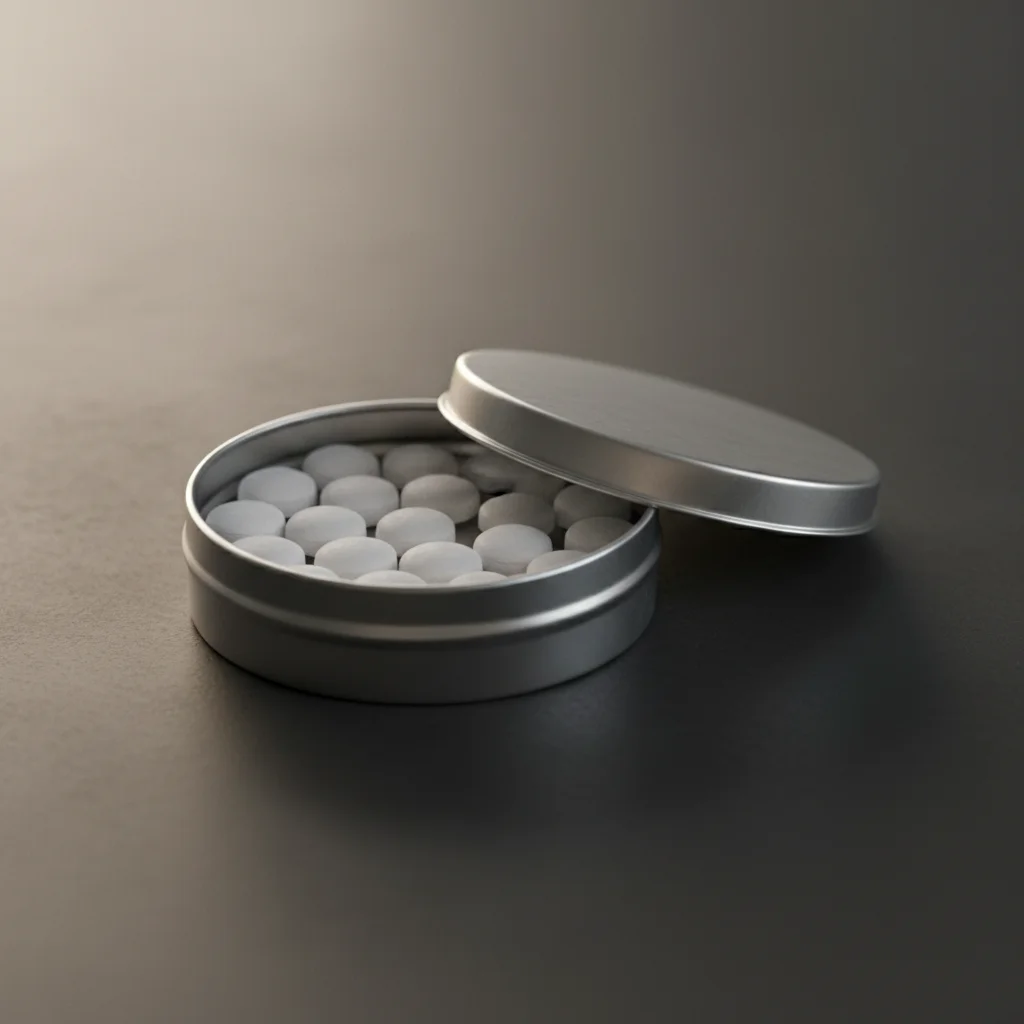
A zero-nicotine CBD pouch solves this precisely. Same mint flavor. Same physical sensation under the lip. Same gum burn. But instead of feeding a chemical dependency, you're delivering a natural stress-modulating compound through the same familiar ritual. Your brain keeps the habit loop intact while the chemical dependency gradually disappears.
What the Science Says About CBD for Anxiety
The Mayo Clinic notes that evidence for CBD in anxiety reduction is growing, with some oral preparations showing meaningful effects on generalized anxiety symptoms [4]. The endocannabinoid system — which CBD directly engages — plays a documented role in regulating fear responses, cortisol release, and emotional memory.
Practical considerations for CBD stress relief products:
- Sublingual and pouch delivery formats absorb faster than capsules or edibles
- Look for broad-spectrum or isolate CBD from European-certified manufacturers
- Third-party lab testing (COA — Certificate of Analysis) is non-negotiable for quality verification
- Start with lower doses (10-25mg) and adjust based on response; results may vary by individual metabolism
- Check local EU regulations — CBD legality varies by country as of 2026
Pro Tip: If you're transitioning away from nicotine pouches and experiencing anxiety spikes, a CBD pouch used at the same time of day you'd normally reach for nicotine is one of the most effective ritual-substitution strategies available. The sensory match reduces the psychological friction of switching dramatically.
Lifestyle and Sensory Tools That Reduce Stress Fast
Beyond supplements, several evidence-backed lifestyle interventions and sensory tools reduce stress acutely and sustainably — and the best natural stress relief programs combine both chemical and behavioral approaches.
Foods That Lower Stress Markers
Allina Health identifies several foods with measurable stress-reducing properties, including dark chocolate (flavonoids reduce cortisol), fatty fish (omega-3s lower adrenaline and cortisol), and fermented foods (gut-brain axis support via microbiome health) [8].
Top stress-reducing foods to incorporate daily:
- Dark chocolate (70%+ cocoa): Contains flavonoids that reduce cortisol and improve mood
- Fatty fish (salmon, mackerel): Omega-3 fatty acids lower adrenaline and cortisol levels
- Avocados: Rich in B vitamins and glutathione, which support nervous system regulation
- Chamomile tea: Apigenin (an antioxidant in chamomile) binds GABA receptors, promoting calm [6]
- Blueberries: Antioxidants combat oxidative stress, which spikes during chronic anxiety
- Spinach and leafy greens: Magnesium-rich foods that support the same pathways as magnesium supplements
Sensory and Behavioral Stress Tools
Cleveland Clinic's stress management guidance highlights exercise, progressive muscle relaxation, and controlled breathing as among the most effective non-supplement stress interventions available [7]. In practice, these work best when they're ritualized — done at the same time, in the same way, consistently.
- Box breathing (4-4-4-4): Inhale 4 seconds, hold 4, exhale 4, hold 4. Activates the parasympathetic nervous system within minutes. No product required.
- Cold exposure (cold shower, 2-3 min): Triggers norepinephrine release, which paradoxically reduces anxiety and improves mood for hours afterward.
- Exercise (20+ minutes, moderate intensity): Reduces cortisol and increases BDNF (brain-derived neurotrophic factor), which supports emotional resilience.
- Aromatherapy with lavender or bergamot: Inhalation of lavender essential oil has shown measurable cortisol reduction in multiple controlled studies.
- Consistent sleep routine: Sleep deprivation is one of the strongest amplifiers of perceived stress — a consistent 10:30pm-6:30am schedule resets cortisol rhythms within days.
Pro Tip: Combine a behavioral ritual (like box breathing) with a functional product (like a CBD pouch or L-theanine) at the same time daily. The compound effect of behavior plus biochemistry is significantly stronger than either approach alone — this is the principle behind Outdare's 4-Week Method.
How to Choose the Right Natural Stress Relief Product
The right natural stress relief product depends on three variables: your stress profile (chronic vs. acute), your lifestyle constraints (portability, discretion, time), and your current habits (especially if you're transitioning away from nicotine).
Decision Framework by Stress Type
Not all stress is the same. Chronic background stress (the low-grade overwhelm of modern work life) responds best to adaptogens taken consistently over weeks. Acute situational stress (a presentation, a difficult conversation, a deadline) needs something that works within 30-60 minutes. Sleep-disrupting anxiety needs evening-specific tools that don't interfere with next-day function.
Use this framework to narrow your options:
| Stress Profile | First Choice | Second Choice | Avoid |
|---|---|---|---|
| Chronic work stress | Ashwagandha KSM-66 | Rhodiola + L-Theanine | Valerian (daytime) |
| Acute situational anxiety | L-Theanine + CBD pouch | Passionflower | Rhodiola (too stimulating) |
| Sleep-disrupting anxiety | Magnesium glycinate | Valerian + Lemon Balm | Rhodiola after 3pm |
| Nicotine-withdrawal anxiety | CBD pouch (ritual match) | Ashwagandha + L-Theanine | Stimulant-heavy formulas |
| Performance/focus stress | Rhodiola + L-Theanine | Energy pouch (nootropics) | High-dose valerian |
What to Look for on Labels
A common mistake is buying supplements based on the front-label claim rather than the actual extract specification. "Ashwagandha" on the label means nothing without knowing the extract type and standardization level.
When evaluating any natural stress relief product, check for:
- Standardized extract percentage: Ashwagandha should state withanolide %; rhodiola should state rosavin %
- Third-party testing: Look for NSF, USP, or Informed Sport certification marks
- Clean filler ingredients: Avoid magnesium stearate, artificial colors, and unnecessary binders
- Manufacturing origin: European-manufactured products face stricter quality controls than many imports
- Dose transparency: Proprietary blends that hide individual ingredient doses are a red flag
Sources and References
- PMC/NCBI, "Common herbs for stress: The science and strategy of a botanical approach," 2022
- Jefferson Health, "8 Supplements that Can Help Reduce Anxiety," 2023
- JamesVito.com, "7 Supplements That May Help Reduce Stress — and 1 to Avoid," 2025
- Mayo Clinic, "Herbal treatment for anxiety: Is it effective?" 2024
- US News Health, "Best Stress Relief Supplements (Anti-Anxiety) Pharmacist Ranked," 2026
- GoodRx, "14 Over-the-Counter (OTC) Natural Remedies for Anxiety," 2024
- Cleveland Clinic, "20 Ways To Relieve Stress," 2024
- Allina Health, "Best Foods to Relieve Stress and Anxiety," 2023
- Biocyte, "What are the best natural stress relievers to soothe the body and mind?" 2024
Frequently Asked Questions
1. What smell gets rid of anxiety?
Lavender is the most evidence-backed scent for anxiety reduction. Multiple controlled studies show that inhaling lavender essential oil measurably reduces cortisol levels and self-reported anxiety within minutes. Bergamot and chamomile are strong secondary options — bergamot in particular has shown anxiolytic effects comparable to mild pharmaceutical interventions in small trials. For maximum effect, use a diffuser with 3-4 drops of high-quality lavender oil in a confined space for 15-20 minutes, or apply diluted lavender oil to the wrists and inner elbows before a stressful event.
2. What is the strongest natural anxiety supplement?
Ashwagandha (KSM-66 or Sensoril extract) has the strongest and most consistent evidence base for reducing anxiety and cortisol in humans. Multiple randomized controlled trials show significant reductions in GAD scores, perceived stress, and morning cortisol after 4-8 weeks of daily use. For acute anxiety (within the hour), L-Theanine or a CBD product is more appropriate since ashwagandha works cumulatively, not immediately. Results may vary depending on individual cortisol baseline and consistency of use.
3. What vitamins are best for stress and anxiety?
Magnesium (especially magnesium glycinate) is the most impactful mineral for stress and anxiety, supporting serotonin synthesis and GABA receptor function. B vitamins — particularly B6, B9 (folate), and B12 — support neurotransmitter production and are commonly depleted during periods of chronic stress. Vitamin D deficiency is strongly correlated with anxiety disorders; supplementing if deficient (common in northern Europe) can produce meaningful mood improvements. A quality B-complex combined with magnesium glycinate covers the most critical nutritional bases for stress management.
4. Can natural stress relief products help with nicotine withdrawal anxiety?
Yes — and this is one of the most underserved use cases for natural stress relief products. Nicotine withdrawal triggers a genuine anxiety response as the brain recalibrates its dopamine and norepinephrine systems. Adaptogens like ashwagandha support HPA axis normalization during this period, while CBD can directly modulate the anxiety spikes. Critically, former nicotine pouch users often benefit most from a delivery format that preserves the oral ritual — a CBD pouch provides both the biochemical support and the sensory familiarity that reduces relapse risk during the transition.
5. What are the best natural stress relief products for sleep?
For stress-driven sleep disruption, magnesium glycinate (200-400mg before bed) is the most reliable starting point. Valerian root (300-600mg) and lemon balm (300mg) are effective complementary options, particularly in combination. CBD taken 30-60 minutes before bed has shown promise for reducing pre-sleep anxiety without next-day grogginess. Avoid rhodiola and high-dose B vitamins in the evening — both can be mildly stimulating. Consistency matters more than dose: taking the same product at the same time nightly reinforces the sleep-onset ritual.
6. How quickly do natural stress relief products work?
Speed varies significantly by product type. L-Theanine and CBD pouches work within 15-60 minutes for acute stress. Lavender aromatherapy can shift mood within minutes. Adaptogens like ashwagandha and rhodiola require consistent daily use over 2-6 weeks to show their full effect. Magnesium glycinate typically produces noticeable sleep and anxiety improvements within 3-7 days of nightly use. The most effective approach combines a fast-acting acute tool (CBD pouch, L-theanine) with a long-term adaptogen protocol for comprehensive coverage.
7. Are there natural stress relief products safe to use every day?
Most of the products on this list are safe for daily long-term use, including ashwagandha, magnesium glycinate, L-theanine, and CBD (in appropriate doses). Valerian and passionflower are generally recommended for shorter-term use or cycling, as long-term data is more limited. One important note: if you're on medications for thyroid conditions, blood pressure, or psychiatric conditions, check with a physician before adding adaptogens — some botanical compounds interact with drug metabolism pathways. Always source products from manufacturers with third-party quality certification.
Conclusion
Natural stress relief products work best when they match your stress profile, your lifestyle, and your delivery preference. Ashwagandha and magnesium are your long-game foundation. L-Theanine and CBD are your acute tools. And if you're coming from a nicotine pouch or vaping background, the delivery format matters as much as the compound inside it.
The ritual isn't just psychological noise. It's 60% of the habit. Choosing a natural stress relief product that respects that — one that gives you the same sensory experience without the chemical dependency — is the difference between white-knuckling a quit attempt and actually succeeding.
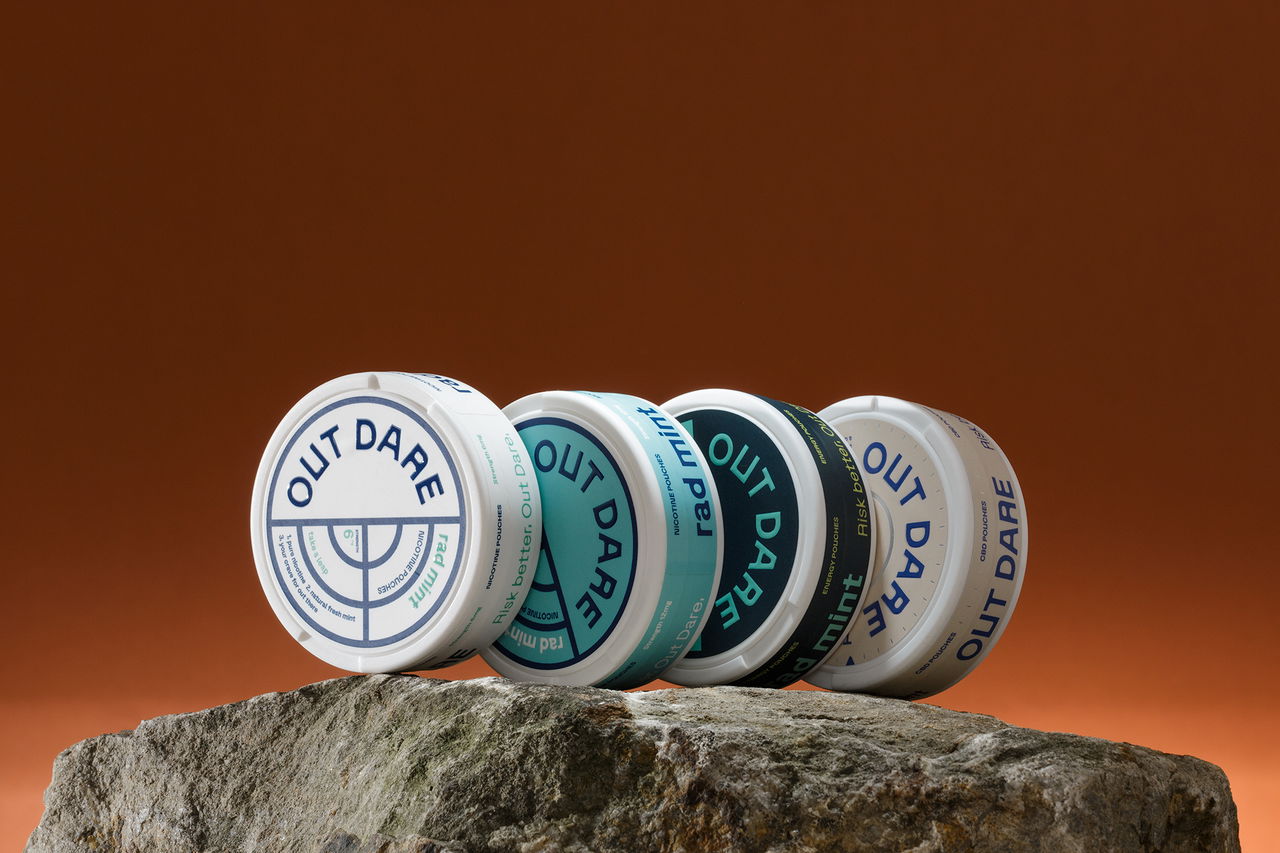
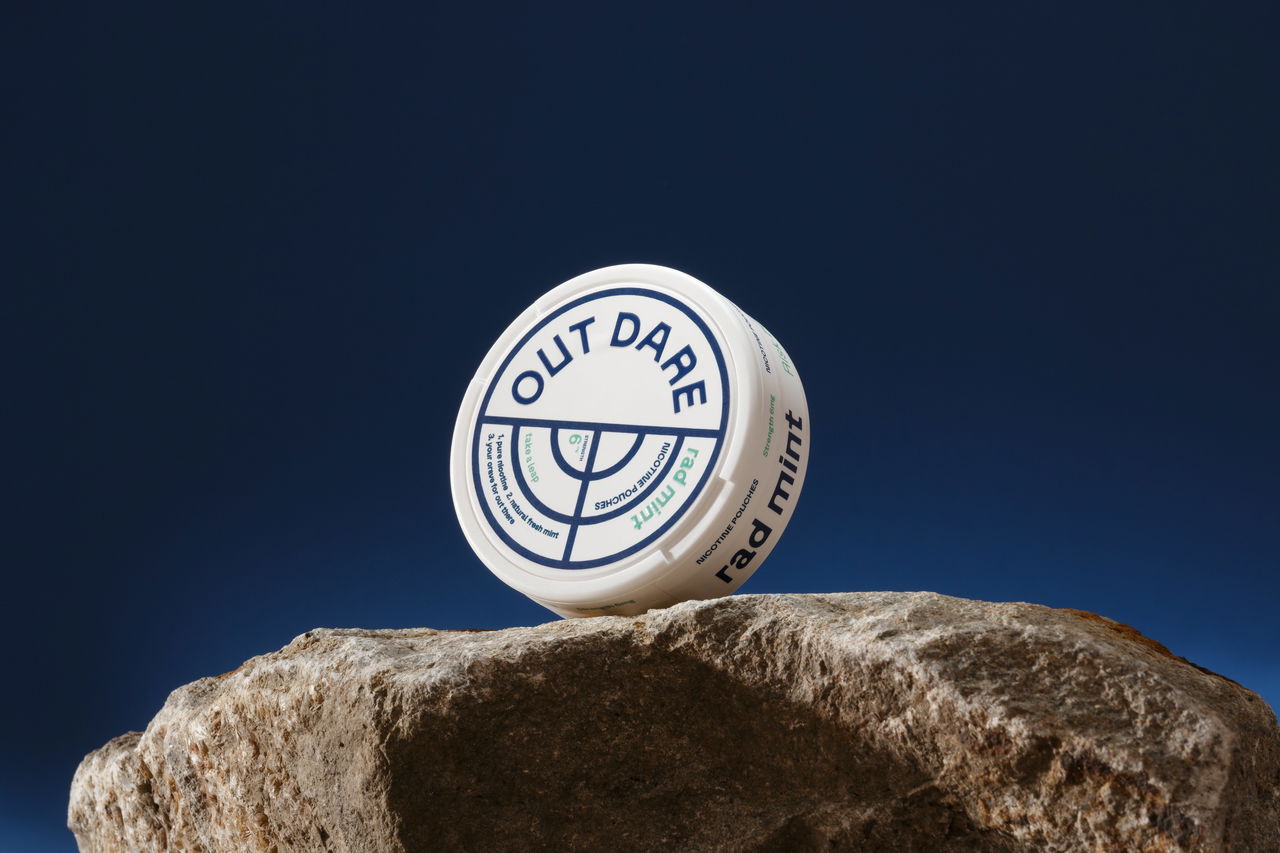
At Outdare LTD, we've built the CBD pouch specifically for this gap. Same mint burn. Same pillow under the lip. Zero nicotine. A clean, plant-based formula manufactured in Europe, with no tobacco, no smoke, and no smell. It's what natural stress relief looks like when it actually fits your life.
Risk Better. Out Dare.
Recommended Articles
Explore more from our content library: