


How to Manage Anxiety Naturally: A Practical Guide
| Key Insight | Explanation |
|---|---|
| Anxiety has physical and behavioral roots | Most anxiety symptoms are driven by a combination of nervous system dysregulation, poor sleep, and reinforced behavioral habits — all addressable without medication. |
| Breathwork works in under 60 seconds | Diaphragmatic breathing activates the parasympathetic nervous system, measurably reducing cortisol and heart rate within one minute of practice. |
| Nicotine worsens anxiety long-term | Despite feeling like stress relief, nicotine increases baseline anxiety by disrupting sleep, spiking cortisol, and creating withdrawal cycles between doses. |
| Exercise is as effective as medication for mild anxiety | Research consistently shows that regular aerobic exercise reduces anxiety symptoms comparably to first-line pharmacological treatments in mild-to-moderate cases. |
| Ritual substitution reduces relapse risk | Replacing anxiety-triggering habits (like nicotine pouches) with sensory-matched alternatives preserves the calming ritual while removing the chemical driver. |
| Herbal support has real but limited evidence | Lavender, ashwagandha, and chamomile show measurable anxiolytic effects in clinical studies, but results vary and they work best as part of a broader lifestyle system. |
Introduction: Why Natural Anxiety Management Works: how to manage anxiety naturally
Understanding how to manage anxiety naturally is essential. The most effective way to manage anxiety naturally is to address its three core drivers simultaneously: nervous system dysregulation, reinforced behavioral habits, and lifestyle factors like poor sleep and stimulant overuse. You don't need a prescription to make meaningful progress. Research from the Anxiety and Depression Association of America confirms that lifestyle-based interventions, including exercise, breathwork, and sleep hygiene, produce measurable symptom reductions in the majority of people with generalized anxiety [1].
This guide walks you through exactly how to manage anxiety naturally using seven structured steps. Each step is practical, evidence-backed, and designed to build on the last. Expect results within two to four weeks of consistent application. No supplements are required to start, and none of the steps require prior experience with mindfulness or therapy.
One thing worth naming upfront: if you're a regular nicotine pouch or vape user, a significant portion of what you're experiencing as "anxiety" may actually be nicotine withdrawal cycling, not a standalone mental health condition. That distinction matters, and we'll address it directly in Step 3. This is particularly relevant for how to manage anxiety naturally.
Difficulty: Beginner to intermediate. Time investment: 20-40 minutes per day across all steps.
What You'll Need: Prerequisites and Mindset
Managing anxiety naturally requires no special equipment, but it does require an honest audit of your current habits and a willingness to change at least two or three of them at once.
Core Prerequisites
- A baseline symptom log: Note when anxiety spikes, what triggered it, and what you were doing beforehand (eating, sleeping, using nicotine, scrolling). Patterns emerge fast.
- A consistent schedule: Anxiety thrives on unpredictability. Irregular sleep, skipped meals, and erratic caffeine intake all amplify the nervous system's threat response.
- Realistic expectations: Natural methods work. They just don't work overnight. Plan for a two-to-four-week adjustment period before judging results.
- A willingness to examine substance use: Nicotine, alcohol, and high-dose caffeine are among the most common hidden drivers of chronic anxiety. You'll need to assess these honestly.
Helpful Tools
- A notes app or journal for symptom tracking
- A sleep tracking app (most smartphone health apps will do)
- Access to outdoor space for daily movement
- Optional: a guided breathing app (many are free)
One limitation of this guide: it is not a substitute for clinical diagnosis or professional mental health care. If your anxiety is severe, persistent, or accompanied by panic attacks, consult a licensed clinician. The steps below are evidence-based lifestyle interventions, not medical treatment.
Step 1: Master Diaphragmatic Breathwork
Diaphragmatic breathing (breathing deeply into the belly rather than the chest) is the fastest evidence-backed tool to reduce acute anxiety, producing measurable heart rate and cortisol reductions within 60 seconds of practice [2]. When considering how to manage anxiety naturally, this point stands out.
How Breathwork Calms the Nervous System
Anxiety is, at its core, an activated sympathetic nervous system response. Your body thinks there's a threat. Slow, controlled breathing directly counteracts this by stimulating the vagus nerve, which triggers the parasympathetic nervous system (the "rest and digest" state). You're not just calming your mind. You're sending a physiological signal to your body that the threat has passed.
According to MD Anderson Cancer Center, diaphragmatic breathing is one of the most immediately effective anxiety interventions available without professional support [2].
- Sit upright or lie flat on your back. Place one hand on your chest, one on your belly.
- Inhale slowly through your nose for a count of four. Your belly should rise; your chest should stay relatively still.
- Hold the breath for a count of two.
- Exhale slowly through your mouth for a count of six to eight. The extended exhale is what activates the parasympathetic response.
- Repeat for five to ten cycles. Do this at least twice per day: once in the morning and once when anxiety spikes.
Pro Tip: The exhale-to-inhale ratio matters more than the specific counts. Any exhale that's longer than the inhale will activate the vagus nerve. Try 4-count inhale, 8-count exhale if the standard pattern feels too slow.
In practice, the biggest mistake people make with breathwork is doing it only during crisis moments. Treat it like a daily training session, not an emergency tool. The more you practice it at baseline, the faster it works when you actually need it.
Step 2: Build a Consistent Movement Habit
Regular aerobic exercise reduces anxiety symptoms as effectively as first-line medication in mild-to-moderate cases, according to a consistent body of research cited by both Healthline and Serenity Mental Health Centers [3][9]. For those exploring how to manage anxiety naturally, this matters.
Why Exercise Works for Anxiety
Exercise burns off excess cortisol and adrenaline, the stress hormones that fuel anxious feelings. It also increases brain-derived neurotrophic factor (BDNF), a protein that supports neuroplasticity and helps the brain build healthier stress-response patterns over time. You don't need to train hard. Consistency matters more than intensity.
- Minimum effective dose: 30 minutes of moderate aerobic activity (brisk walking, cycling, swimming) five days per week
- Fastest results: Morning exercise has an edge for anxiety, as it sets a lower cortisol baseline for the rest of the day
- Outdoor exercise amplifies benefits: Exposure to natural environments (green spaces, daylight) independently reduces cortisol and improves mood [4]
- Schedule movement as a non-negotiable calendar block, not an optional add-on.
- Start with 20-minute walks if you're sedentary. Increase by five minutes per week.
- Aim for a light sweat. You don't need to hit maximum heart rate to see anxiety benefits.
- Track your mood and anxiety level on a 1-10 scale before and after each session for two weeks. The data will motivate you to continue.
Pro Tip: Pair your movement sessions with the breathwork from Step 1. Five minutes of diaphragmatic breathing immediately after exercise, while cortisol is still elevated, trains your nervous system to recover faster from stress states.
Step 3: Audit Your Stimulants and Substances
The single most overlooked driver of chronic anxiety is the daily substance load: nicotine, caffeine, alcohol, and even high-sugar diets all dysregulate the stress-response system in ways that compound over time [1].
The Nicotine-Anxiety Connection
Here's something most people don't realize. Nicotine feels like it relieves anxiety in the short term because it temporarily satisfies withdrawal. But the withdrawal itself is what's creating the anxiety spike in the first place. You're not calming down. You're ending a craving cycle. And each cycle leaves your baseline anxiety slightly higher than before.
If you're using nicotine pouches, snus, or vaping as a stress management tool, you're likely spending €150-400/month to manage a problem the nicotine is partially creating. The brain fog, the 3pm energy crash, the disrupted sleep — these are nicotine side effects, not separate anxiety triggers. This directly impacts how to manage anxiety naturally outcomes.
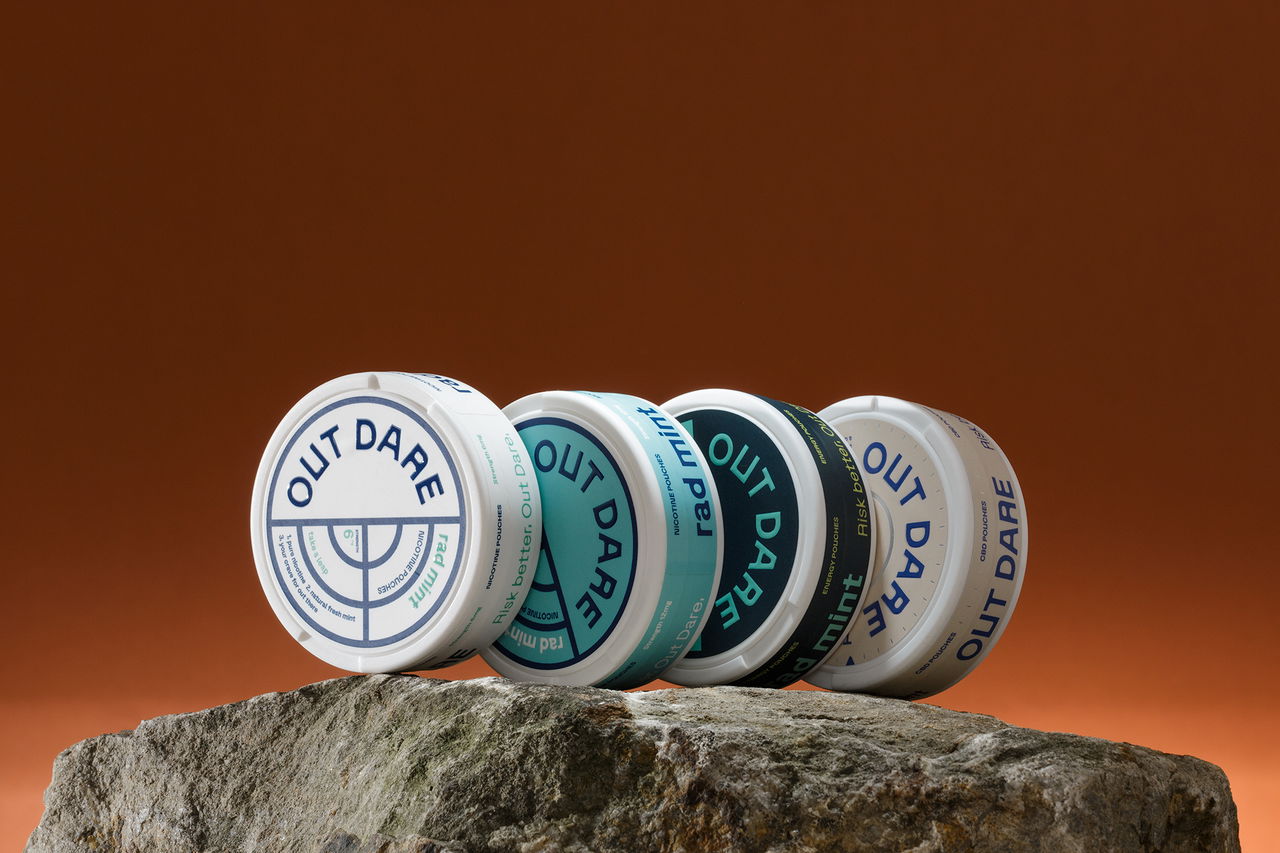
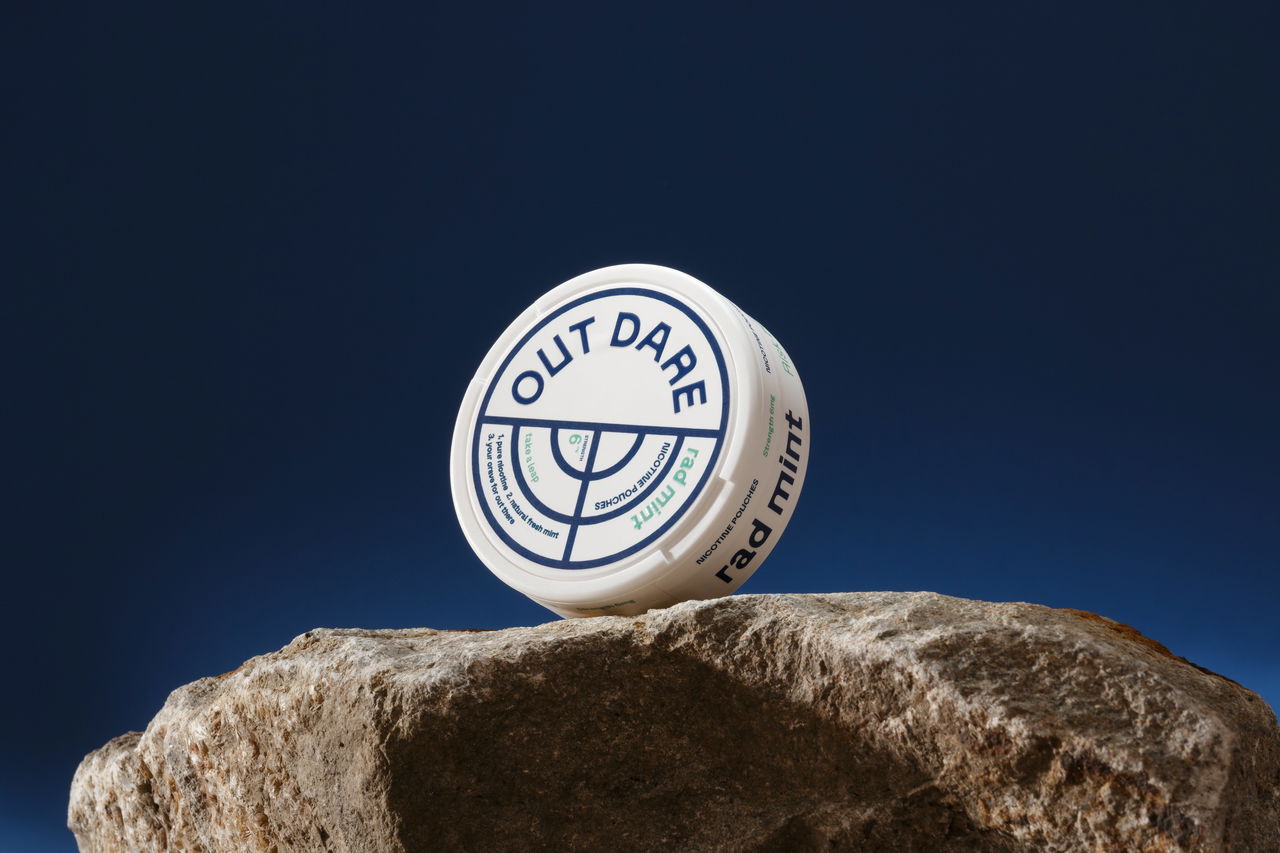
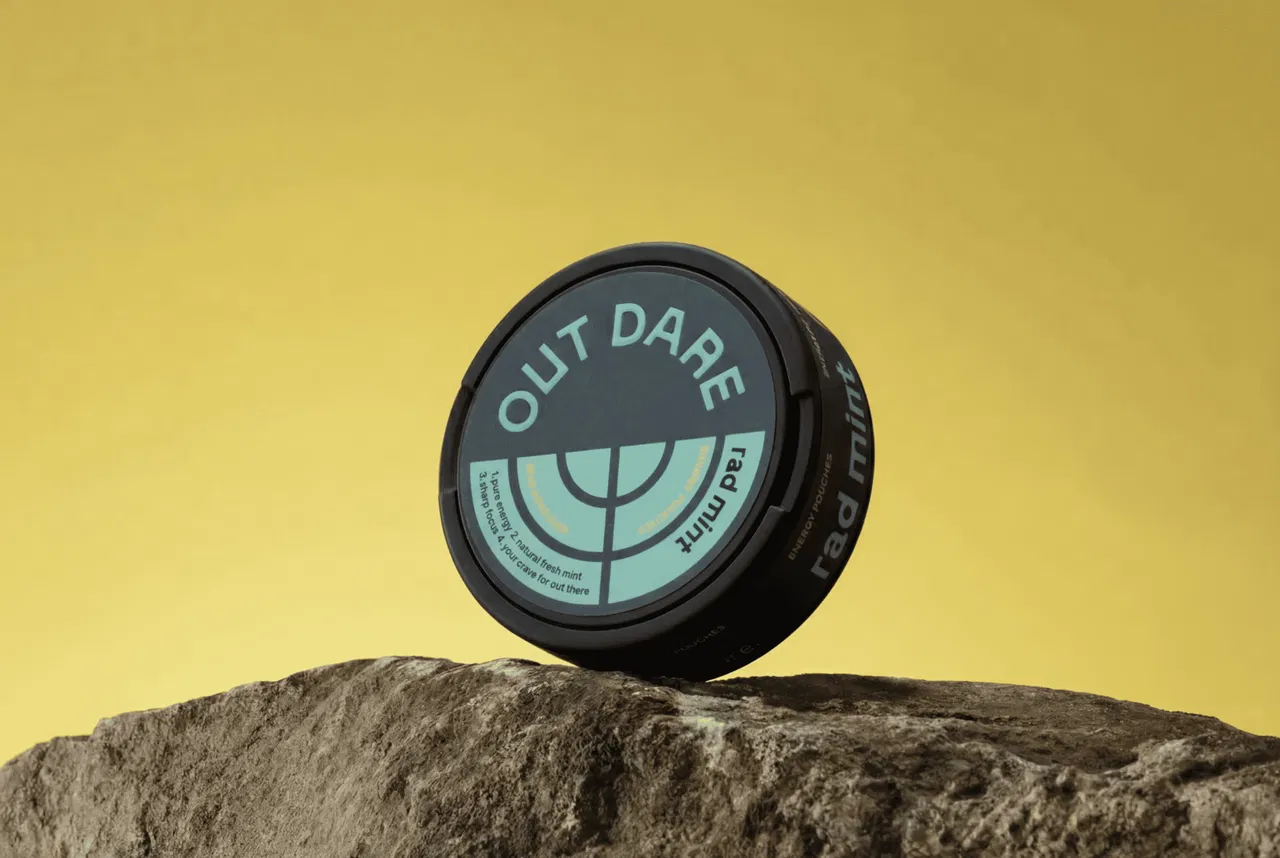
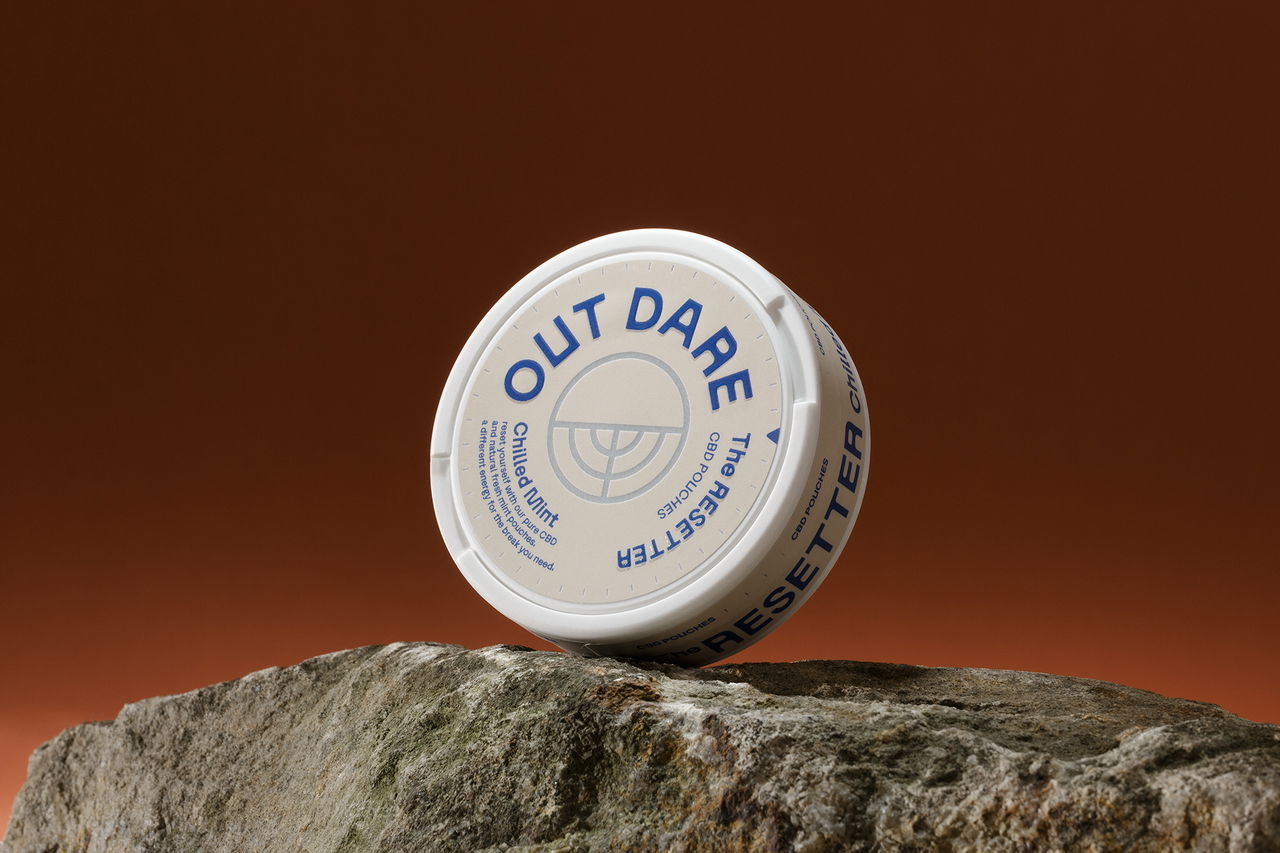
At Outdare LTD, we've found that many users who come to us for nicotine reduction report a significant drop in baseline anxiety within the first two weeks of substituting nicotine pouches with our zero-nicotine Energy or CBD variants. The ritual stays intact. The chemical driver gets removed. Anxiety levels drop.
Caffeine and Alcohol: The Hidden Amplifiers
| Substance | Short-Term Effect | Long-Term Anxiety Impact | Recommended Approach |
|---|---|---|---|
| Nicotine | Temporary relief of withdrawal | Raises baseline anxiety, disrupts sleep | Gradual reduction via ritual substitution |
| Caffeine (high dose) | Increased alertness | Amplifies anxiety, triggers panic in sensitive users | Cap at 200mg/day; avoid after 2pm |
| Alcohol | Sedation, reduced inhibition | Rebound anxiety, disrupts REM sleep | Limit to 1-2 units; avoid within 3 hours of sleep |
| High-sugar diet | Brief energy spike | Blood sugar crashes trigger cortisol release | Prioritize protein and complex carbs |
- Log every caffeinated beverage and nicotine use for one week. Total your daily intake.
- If you're consuming more than 300mg of caffeine daily, reduce by 50mg per week to avoid withdrawal headaches.
- If you're using nicotine pouches, consider a structured step-down system rather than cold turkey. Most cold-turkey attempts fail because they remove the ritual entirely, not just the nicotine.
- Replace evening alcohol with a non-stimulating ritual: herbal tea, a CBD pouch, or a brief walk.

Step 4: Restructure Your Sleep Environment
Poor sleep is both a symptom and a cause of anxiety. A single night of disrupted sleep increases amygdala reactivity (the brain's threat-detection center) by up to 60%, according to research cited by UHC Health [4].
Sleep Hygiene Fundamentals
Sleep hygiene (the set of behavioral and environmental practices that support consistent, restorative sleep) is one of the most well-documented natural anxiety interventions available. The NHS explicitly recommends it as a first-line approach for anxiety and stress management [5].
- Consistent wake time: Set a fixed alarm seven days a week. This anchors your circadian rhythm faster than any other single change.
- Temperature: A cooler room (16-19°C) measurably improves sleep onset and deep sleep duration.
- Light exposure: Get bright outdoor light within 30 minutes of waking. Avoid blue-spectrum screens for 60 minutes before bed.
- Stimulus control: Use the bed only for sleep and sex. Working or scrolling in bed trains the brain to associate the bed with wakefulness.
- Set a consistent bedtime and wake time. Stick to it even on weekends for the first two weeks.
- Remove phones and laptops from the bedroom, or enable strict blue-light filtering from 9pm onward.
- Create a 20-minute wind-down routine before bed: dim lights, no screens, light stretching or reading.
- Avoid nicotine within two hours of sleep. Nicotine is a stimulant and disrupts REM sleep even when it feels relaxing at the time.
Pro Tip: If you're using nicotine pouches in the evening to "wind down," you're likely sabotaging your own sleep quality. The stimulant effect of nicotine peaks 10-20 minutes after use and suppresses melatonin production. Swapping to a zero-nicotine CBD pouch in the evening preserves the oral ritual without the sleep disruption.
Step 5: Use Herbal and Nutritional Support Strategically
Several herbal compounds have genuine, peer-reviewed evidence for reducing anxiety symptoms, though results vary and none should be treated as standalone cures [6]. This is particularly relevant for how to manage anxiety naturally.
Evidence-Backed Herbal Options
The Mayo Clinic notes that lavender, in both oral and aromatherapy forms, has the most consistent clinical evidence for anxiety reduction among herbal options, though the evidence base is still considered limited compared to pharmaceutical interventions [6]. Ashwagandha (an adaptogen that helps regulate cortisol) and chamomile (which binds to GABA receptors, producing mild sedative effects) also show meaningful results in randomized controlled trials.
- Lavender: Oral lavender extract (80mg standardized) or aromatherapy. Best evidence for generalized anxiety.
- Ashwagandha (KSM-66 extract): 300-600mg daily. Reduces cortisol and self-reported stress scores in 8-week trials.
- Chamomile: Tea or extract. Mild anxiolytic effect via GABA pathway. Safe for daily use.
- L-Theanine: 100-200mg. Found naturally in green tea. Promotes calm alertness without sedation. Pairs particularly well with low-dose caffeine for anxiety-prone individuals who still need focus.
- CBD (cannabidiol): Growing evidence for anxiety reduction, particularly for social anxiety and sleep-related anxiety. Delivery method matters: sublingual and oral routes show faster onset than edibles.
Nutritional Foundations
- Magnesium deficiency is strongly linked to heightened anxiety. Prioritize magnesium-rich foods (dark leafy greens, pumpkin seeds, dark chocolate) or supplement with magnesium glycinate at 200-400mg before bed.
- Omega-3 fatty acids (found in fatty fish, flaxseed, walnuts) reduce neuroinflammation, which is increasingly linked to anxiety disorders.
- Protein at breakfast stabilizes blood sugar through the morning, preventing the cortisol spikes that mimic anxiety.
Step 6: Apply Cognitive Reframing Techniques Daily
Cognitive reframing is the practice of identifying distorted thought patterns and consciously replacing them with more accurate, balanced interpretations. It's the core mechanism behind Cognitive Behavioral Therapy (CBT), which is the most evidence-supported psychological treatment for anxiety disorders as of 2026 [7].
The CBT Framework for Anxiety
CBT operates on a simple model: thoughts drive feelings, which drive behaviors. Anxious feelings almost always trace back to a cognitive distortion, a thinking error like catastrophizing ("this will definitely go wrong"), mind-reading ("they think I'm incompetent"), or all-or-nothing thinking. You don't need a therapist to start applying the basic principles.
- When anxiety spikes, write down the specific thought driving it. Be precise. "I'm anxious" isn't enough. "I'm anxious because I think my boss is angry at me and I'll lose my job" is workable.
- Ask: what's the evidence for this thought? What's the evidence against it?
- Ask: what's the most realistic outcome, not the worst-case one?
- Write a balanced replacement thought. Not a positive affirmation. A realistic, evidence-based statement.
- Practice this daily, not just during crisis moments. The skill builds with repetition.
Unity Point Health recommends CBT as one of the most effective non-medication approaches for managing anxiety, noting that even self-guided CBT exercises produce meaningful symptom reductions in many individuals [7]. When considering how to manage anxiety naturally, this point stands out.
Step 7: Build a Calming Evening Ritual
A structured evening ritual signals to your nervous system that the day's demands are over, reducing the cortisol and cognitive arousal that keep anxiety elevated into the night [4].
Designing Your Ritual
The key word here is "ritual." Not a loose collection of habits, but a consistent, sequenced routine that your brain learns to associate with safety and decompression. The sequence matters almost as much as the individual elements.
- Start time: Begin 60-90 minutes before your target sleep time
- Light: Dim overhead lights; use warm-toned lamps
- Movement: 10-15 minutes of light stretching or yoga
- Sensory anchor: A consistent scent (lavender), sound (ambient music), or physical sensation (like a pouch under the lip) that your brain associates with calm
- Cognitive offload: Write down tomorrow's three priorities and any unresolved worries. Getting them out of your head and onto paper reduces rumination significantly.
- Breathwork: Five cycles of the 4-8 breathing pattern from Step 1
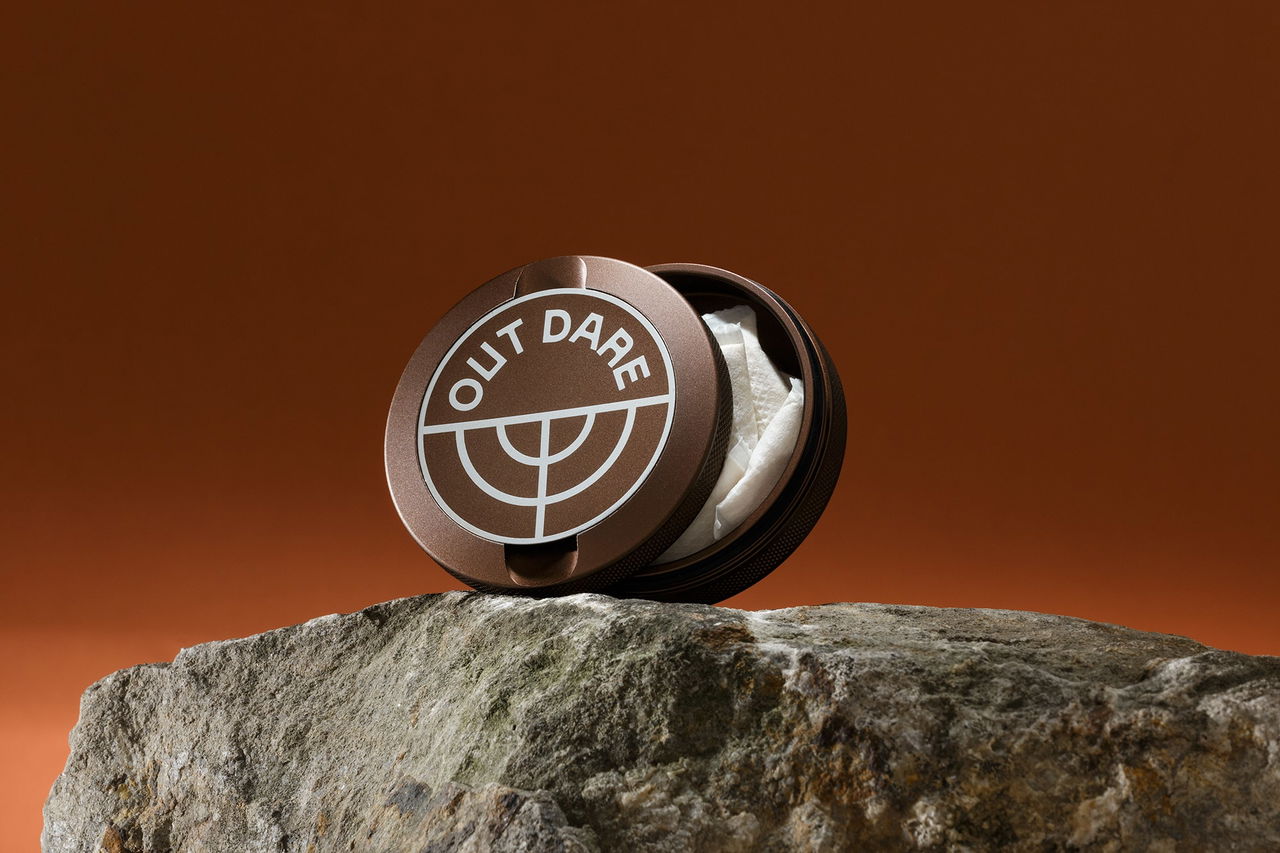
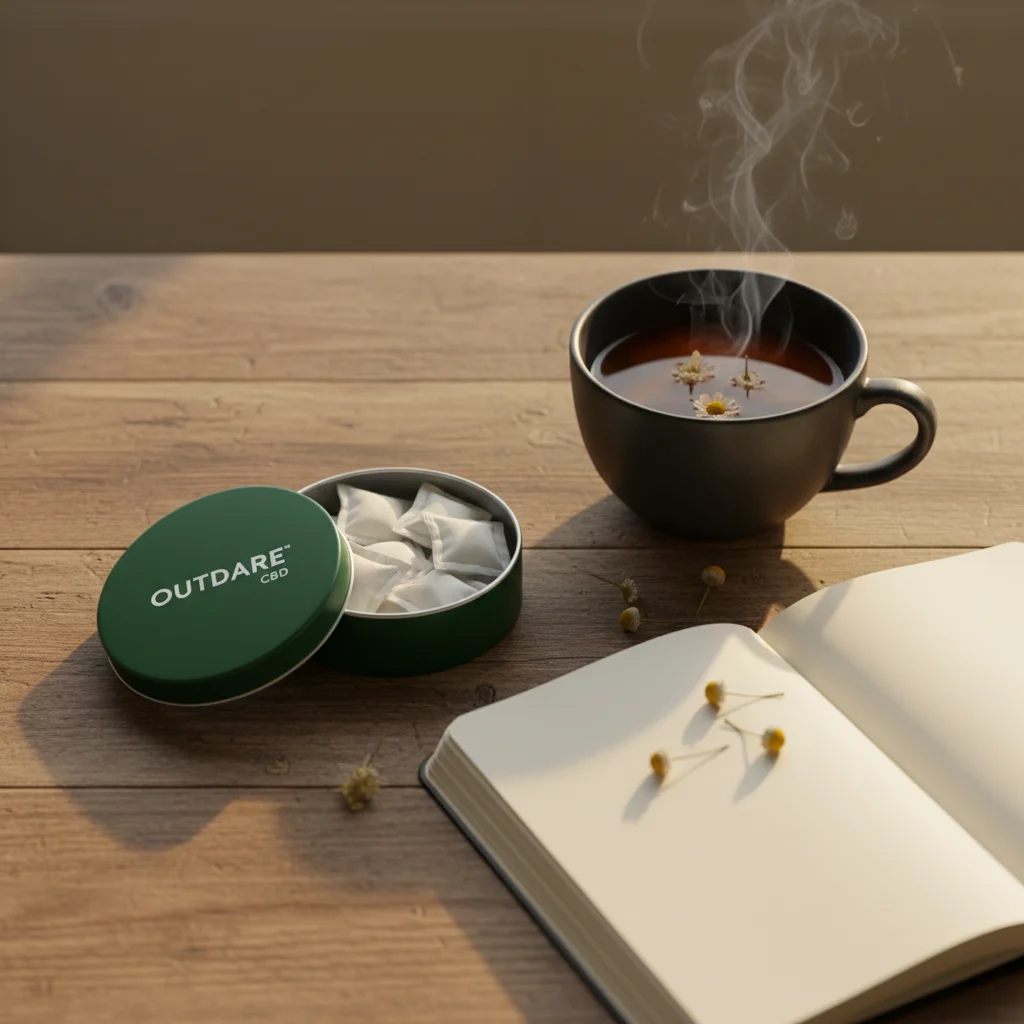
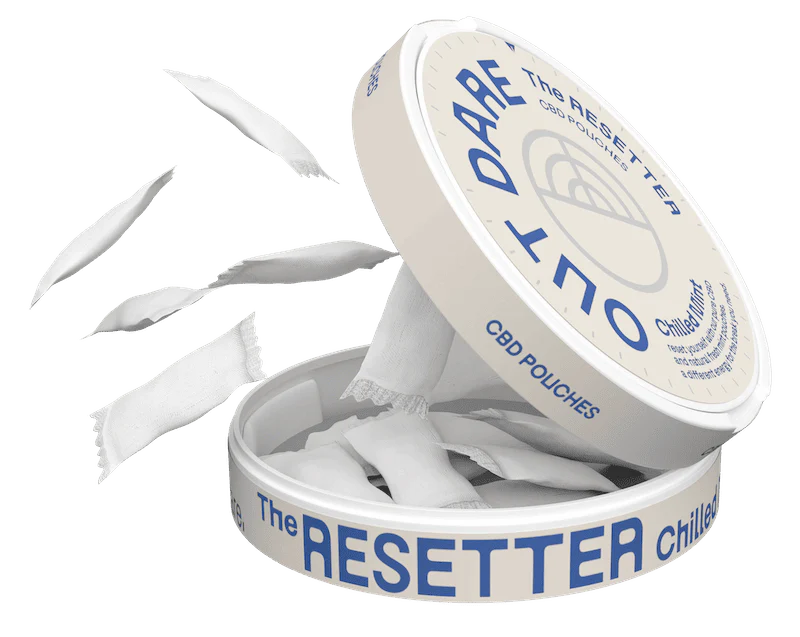
For users who've been using nicotine pouches in the evening, the challenge is that the ritual itself is calming, not just the nicotine. This is actually good news. It means you can keep the ritual and remove the chemical. A zero-nicotine CBD pouch delivers the same mouthfeel, the same gum burn, and the same mint flavor as a nicotine pouch — without spiking cortisol or disrupting melatonin. The brain gets the ritual signal. The body gets the calm.
Common Mistakes to Avoid
Even well-intentioned anxiety management efforts fail when these common errors go unaddressed. Here are the pitfalls that consistently derail progress. For those exploring how to manage anxiety naturally, this matters.
Tactical Errors
- Using breathwork only in crisis: Breathwork needs to be practiced at baseline to work reliably under stress. Waiting until you're panicking to try it for the first time is like trying to learn to swim during a flood.
- Quitting nicotine cold turkey: Cold turkey has a high relapse rate precisely because it removes the ritual, not just the chemical. The physical habit (the pillow under the lip, the gum burn) is 30% of the addiction by itself. Removing everything at once is unnecessarily hard.
- Treating caffeine as neutral: Many anxiety sufferers are highly sensitive to caffeine without realizing it. If you're consuming more than 200mg daily and struggling with anxiety, reduce before adding any other intervention.
- Expecting linear progress: Anxiety management is not a straight line. Bad weeks happen. The goal is a lower average, not zero bad days.
- Skipping the symptom log: Without tracking, you can't identify patterns. Most people are surprised to discover their anxiety spikes are highly predictable once they start logging triggers.
Mindset Mistakes
- Treating anxiety as the enemy: Anxiety is a signal, not a malfunction. The goal isn't to eliminate it but to reduce its frequency, intensity, and duration. Trying to suppress it entirely often amplifies it through a process called "experiential avoidance."
- Doing everything at once: Implementing all seven steps simultaneously is overwhelming and unsustainable. Start with Steps 1, 3, and 4 (breathwork, stimulant audit, sleep). Add others once the first three feel automatic.
- Ignoring the role of habits: One practitioner working with high-nicotine users recently observed that the anxiety their clients attributed to "work stress" almost entirely resolved within three weeks of reducing nicotine intake. The chemical was the driver. The stress was the story they told about it.
Sources and References
- Anxiety and Depression Association of America (ADAA), "Tips and Strategies to Manage Anxiety and Stress," 2026
- MD Anderson Cancer Center, "7 Anxiety Hacks: How to Manage Stress and Worry in the Moment," 2024
- Healthline, "10 Natural Ways to Reduce Anxiety," 2024
- UHC Health, "5 Lifestyle Changes to Help with Managing Anxiety or Depression," 2024
- NHS, "Get Help with Anxiety, Fear or Panic," 2025
- Mayo Clinic, "Herbal Treatment for Anxiety: Is It Effective?," 2024
- UnityPoint Health, "14 Ways to Manage Anxiety Naturally, Without Medication," 2024
- Serenity Mental Health Centers, "10 Natural Ways to Manage Anxiety That Actually Help," 2024
Frequently Asked Questions
1. What is the #1 worst habit for anxiety?
The single worst habit for anxiety is chronic nicotine use combined with poor sleep, because the two reinforce each other in a destructive cycle. Nicotine disrupts REM sleep, and sleep deprivation amplifies amygdala reactivity (the brain's threat-detection system) by up to 60%. Most people attribute the resulting anxiety to external stressors, not realizing the chemical cycle is the primary driver. Addressing nicotine intake and sleep simultaneously produces faster anxiety relief than any other single intervention.
2. How can I reduce anxiety immediately at home?
The fastest at-home technique is extended-exhale diaphragmatic breathing: inhale for four counts, exhale for eight. This activates the vagus nerve and shifts the nervous system from sympathetic (fight-or-flight) to parasympathetic (rest-and-digest) within 60-90 seconds. Cold water on the face and wrists also works quickly by triggering the dive reflex, which slows heart rate. Both techniques are free, require no equipment, and produce measurable physiological changes almost immediately.
3. What is the strongest natural remedy for anxiety?
Regular aerobic exercise has the strongest and most consistent evidence base among natural anxiety interventions, with multiple meta-analyses showing effects comparable to first-line antidepressants for mild-to-moderate anxiety. Among supplements, ashwagandha (KSM-66 extract, 300-600mg daily) and oral lavender extract show the most robust clinical evidence. Results vary by individual, and the most effective approach combines exercise, sleep optimization, and stimulant reduction rather than relying on any single remedy.
4. Can you manage anxiety naturally without medication?
Yes, for mild-to-moderate anxiety, lifestyle-based interventions are well-supported by clinical evidence. The ADAA confirms that exercise, sleep hygiene, breathwork, and cognitive reframing techniques all produce significant symptom reductions. That said, severe anxiety, panic disorder, or anxiety with co-occurring depression often requires professional support. Natural methods work best as a first-line approach for mild cases or as a complement to clinical treatment for more complex presentations. If symptoms are debilitating or persistent, always consult a qualified clinician. This directly impacts how to manage anxiety naturally outcomes.
5. How does nicotine affect anxiety?
Nicotine creates a cycle that mimics anxiety relief while actually increasing baseline anxiety over time. Each dose temporarily satisfies withdrawal, which feels like stress reduction. But the withdrawal itself, which begins 30-60 minutes after the last dose, is a low-grade stress response involving cortisol release and elevated heart rate. Regular users experience this cycle 10-20 times per day. Over weeks and months, this keeps the nervous system in a chronically elevated state. Reducing nicotine intake, particularly through gradual ritual substitution rather than cold turkey, consistently lowers baseline anxiety levels within two to three weeks.
6. What foods reduce anxiety fast?
Foods that stabilize blood sugar and support neurotransmitter production have the most immediate impact. Protein-rich foods (eggs, Greek yogurt, chicken) at breakfast prevent the mid-morning cortisol spike that triggers anxious feelings. Magnesium-rich foods (dark chocolate, pumpkin seeds, spinach) support GABA production, the brain's main calming neurotransmitter. Omega-3-rich fish (salmon, sardines, mackerel) reduce neuroinflammation linked to anxiety disorders. Conversely, high-sugar and ultra-processed foods cause blood sugar crashes that trigger cortisol release, amplifying anxiety within hours of consumption.
7. How long does it take to manage anxiety naturally?
Most people notice meaningful improvement within two to four weeks of consistent lifestyle changes. Breathwork produces immediate relief within sessions from day one. Exercise benefits typically appear within one to two weeks of regular practice. Sleep improvements often show within the first week of consistent sleep hygiene. Herbal supplements like ashwagandha typically require four to eight weeks to show measurable cortisol reduction. Nicotine reduction, if relevant, shows anxiety benefits within two to three weeks of significant intake reduction. Results vary depending on baseline anxiety severity and consistency of implementation.
Conclusion
Knowing how to manage anxiety naturally comes down to addressing the right drivers in the right order. Breathwork gives you an immediate tool. Exercise builds a lower cortisol baseline. Stimulant auditing removes the hidden chemical amplifiers. Sleep restructuring cuts amygdala reactivity. Herbal support fills the nutritional gaps. Cognitive reframing changes the thought patterns that sustain anxiety. And a consistent evening ritual signals safety to a nervous system that's been running on high alert.
None of these steps are complicated. What makes them hard is consistency, and consistency is what this guide is designed to support.
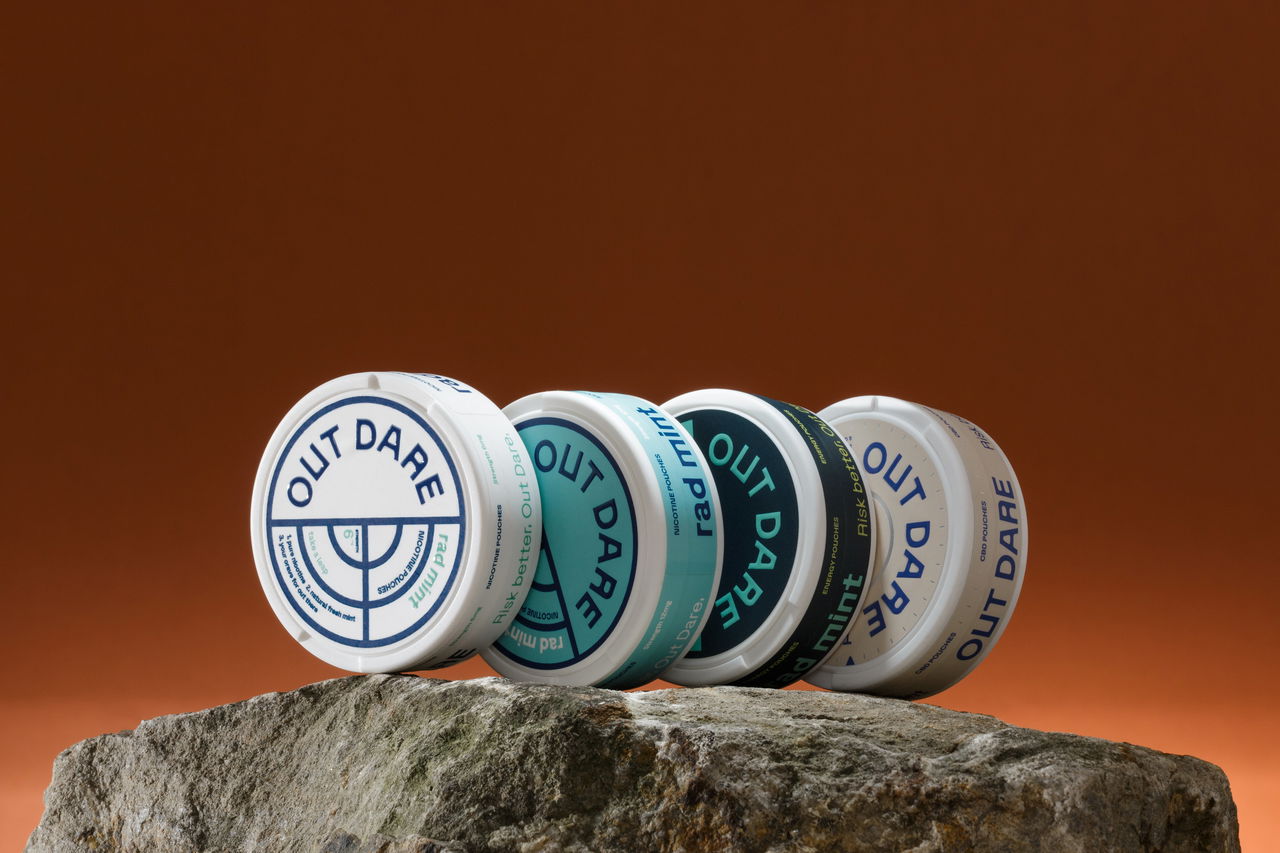
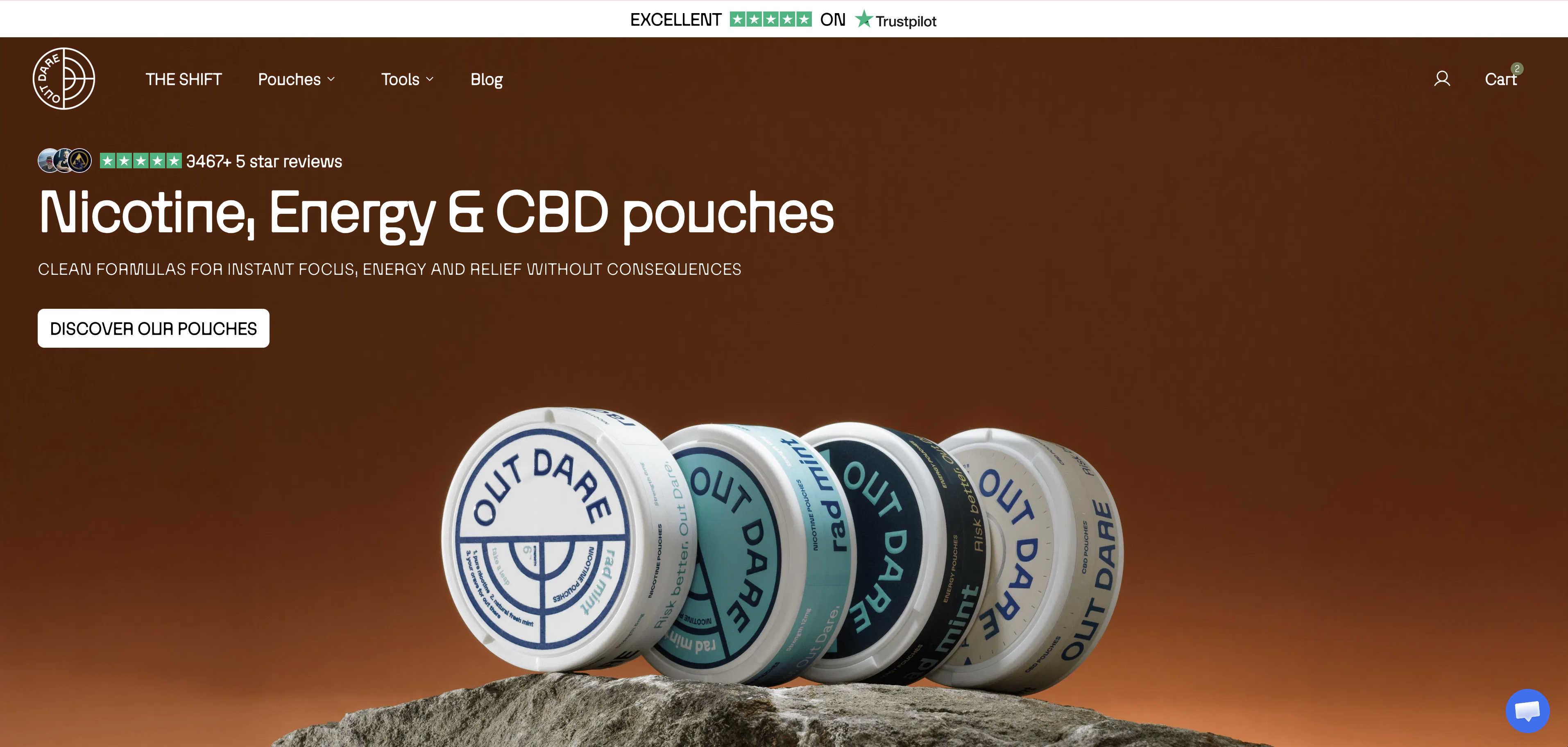
If you're a nicotine pouch user, one specific note: a meaningful share of what you're experiencing as anxiety is likely withdrawal cycling, not a standalone condition. You don't need to quit cold turkey. You need a system that keeps the ritual while removing the chemical driver. That's exactly what the Outdare 3-pouch method is built for. The Energy pouch handles focus during the day. The CBD pouch handles the evening wind-down. The Nicotine pouch stays available for the moments you actually choose it. Your brain keeps the ritual. You keep the calm. The anxiety cycle breaks on your terms.
Start with Steps 1, 3, and 4. Give it two weeks. Track your symptoms. The data will show you what's working.
Recommended Articles
Explore more from our content library: