




Are Nicotine Pouches Biodegradable? Honest Answer
By Thomas Agaraté · Daily pouch user since 2014 · About
Editorial note: written by OutDare, the brand that makes and ships the pouches on this page. Prices are our live prices in EUR.
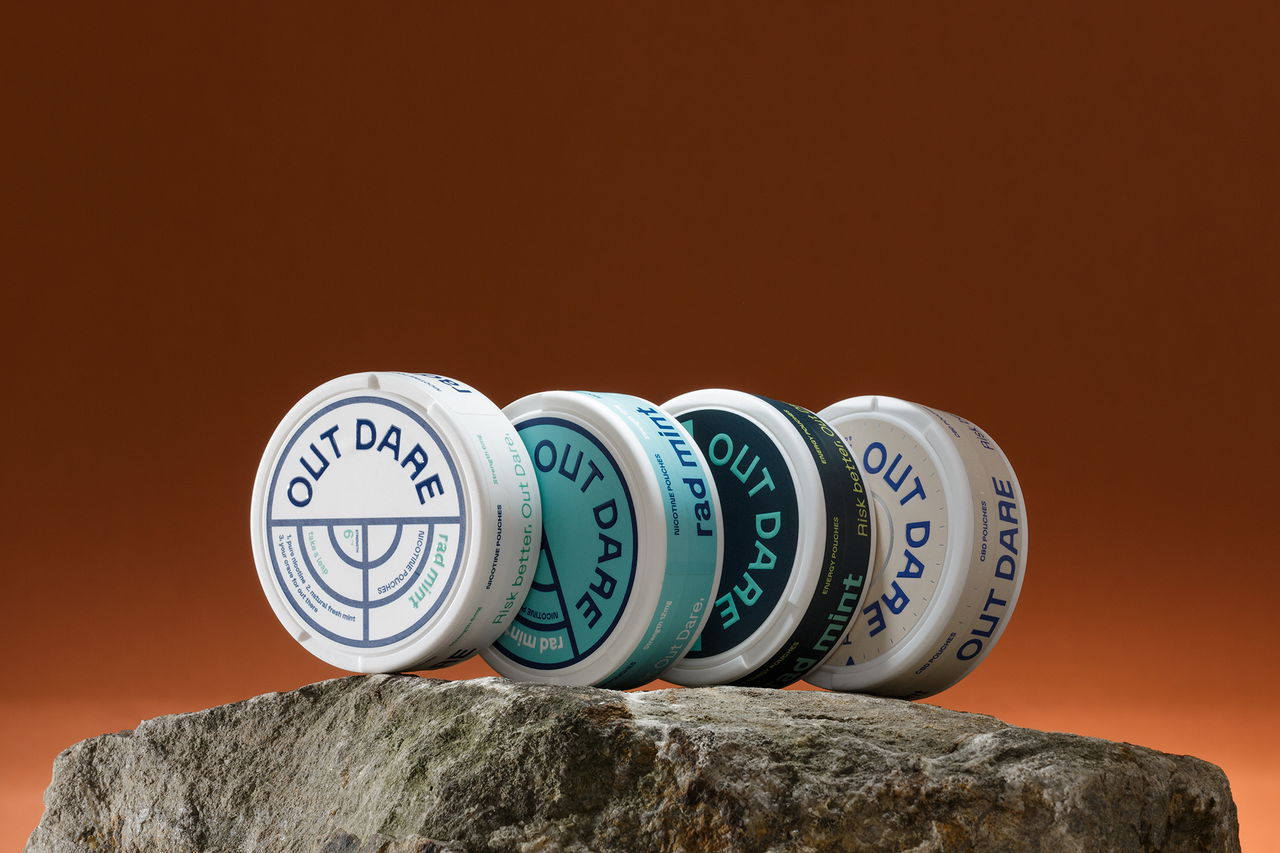
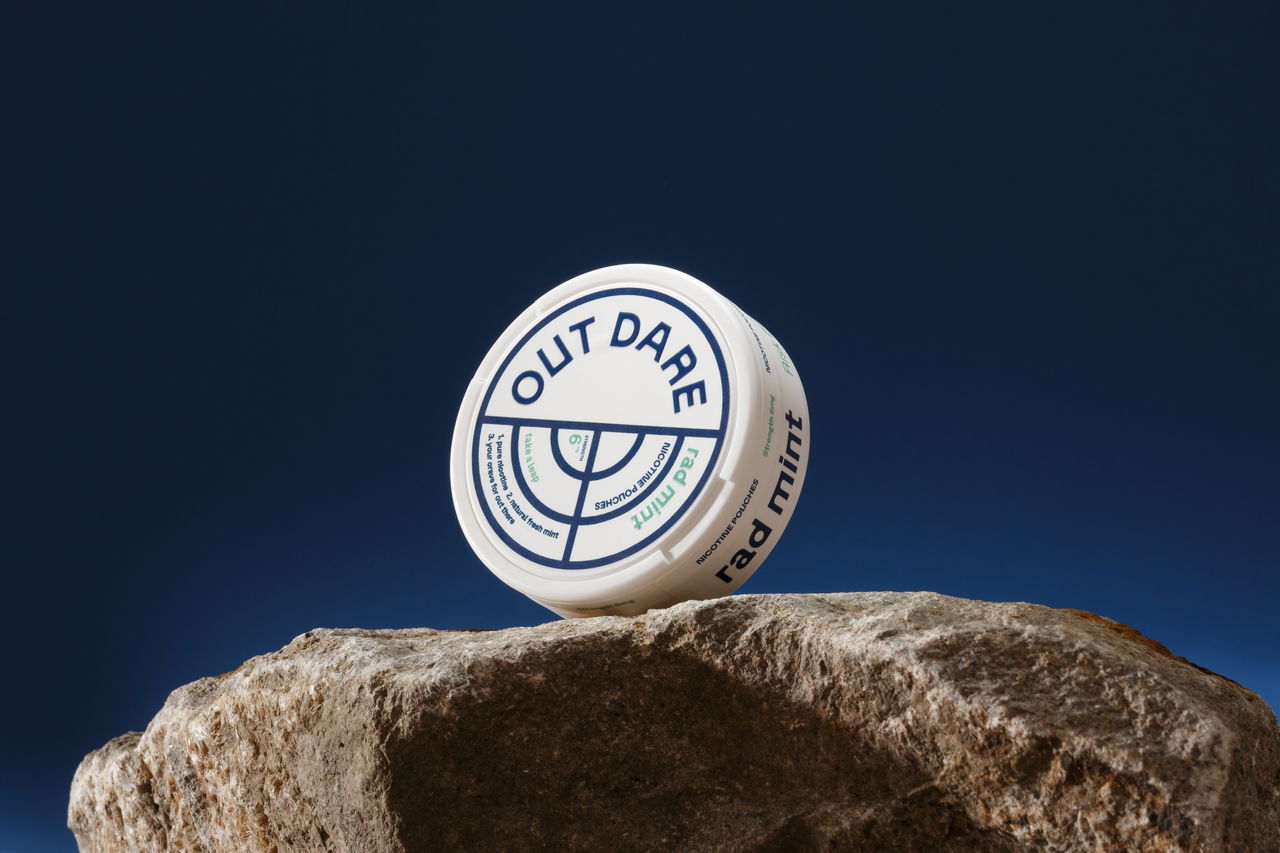
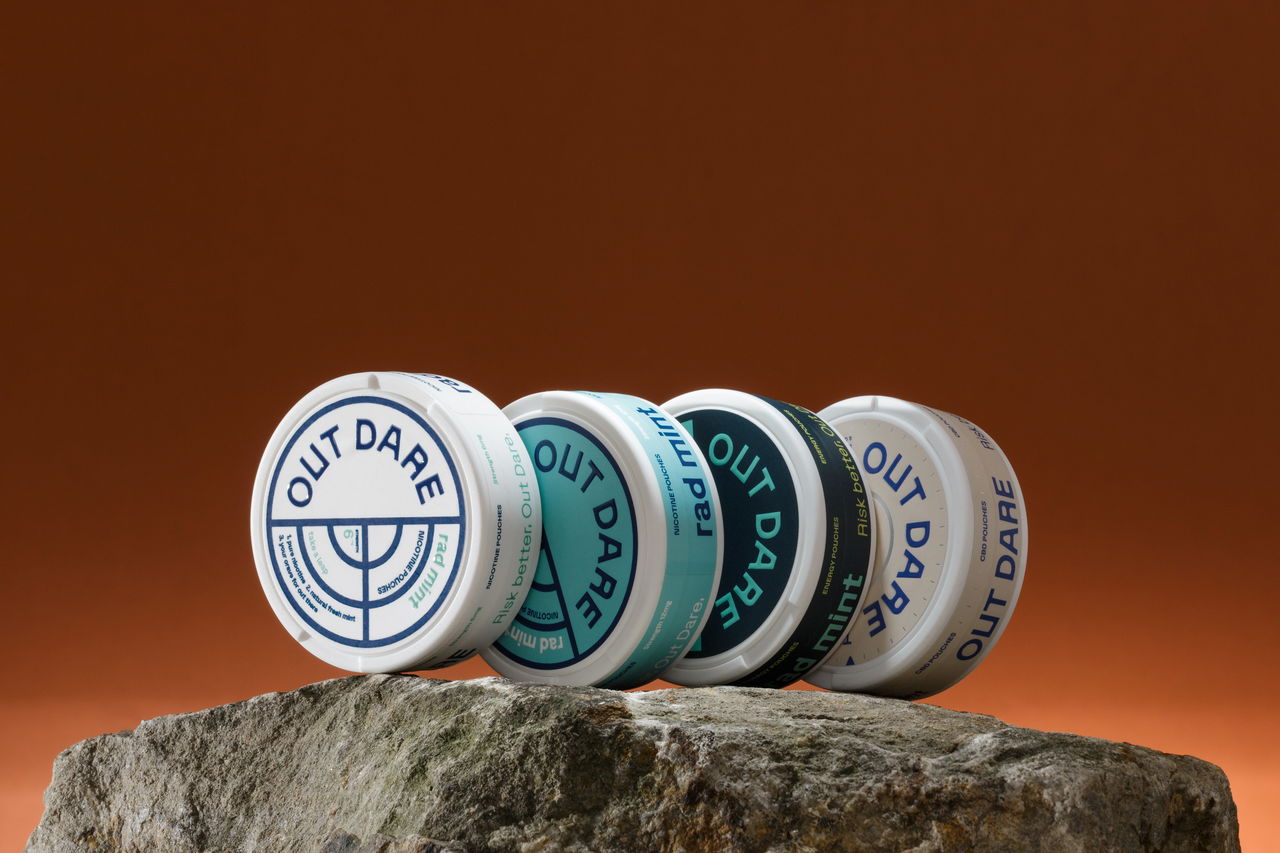
Are nicotine pouches biodegradable? Mostly no: the fibre filling inside breaks down, the pouch fabric and the plastic can do not. I'm Thomas, I founded OutDare. We make three pouches: nicotine, energy, sleep. On the nicotine side it's 6 mg or 12 mg per pouch, Rad Mint, tobacco-free, made in Europe. If you want the specs before the detail, here is the range: our nicotine pouches.
- We ship from our warehouse in Denmark
- Shipping from €6.75
- Prices are charged in euros.
- 18+ only. Age is verified at checkout.
- Rules on nicotine products vary by country and can change, check what applies where you live.
| Key Insight | Explanation |
|---|---|
| Fibre filling degrades, fabric does not | The plant-fibre filling inside a pouch is cellulose-based and does break down over time; the outer nonwoven fabric is engineered to hold saliva and does not share that behaviour. |
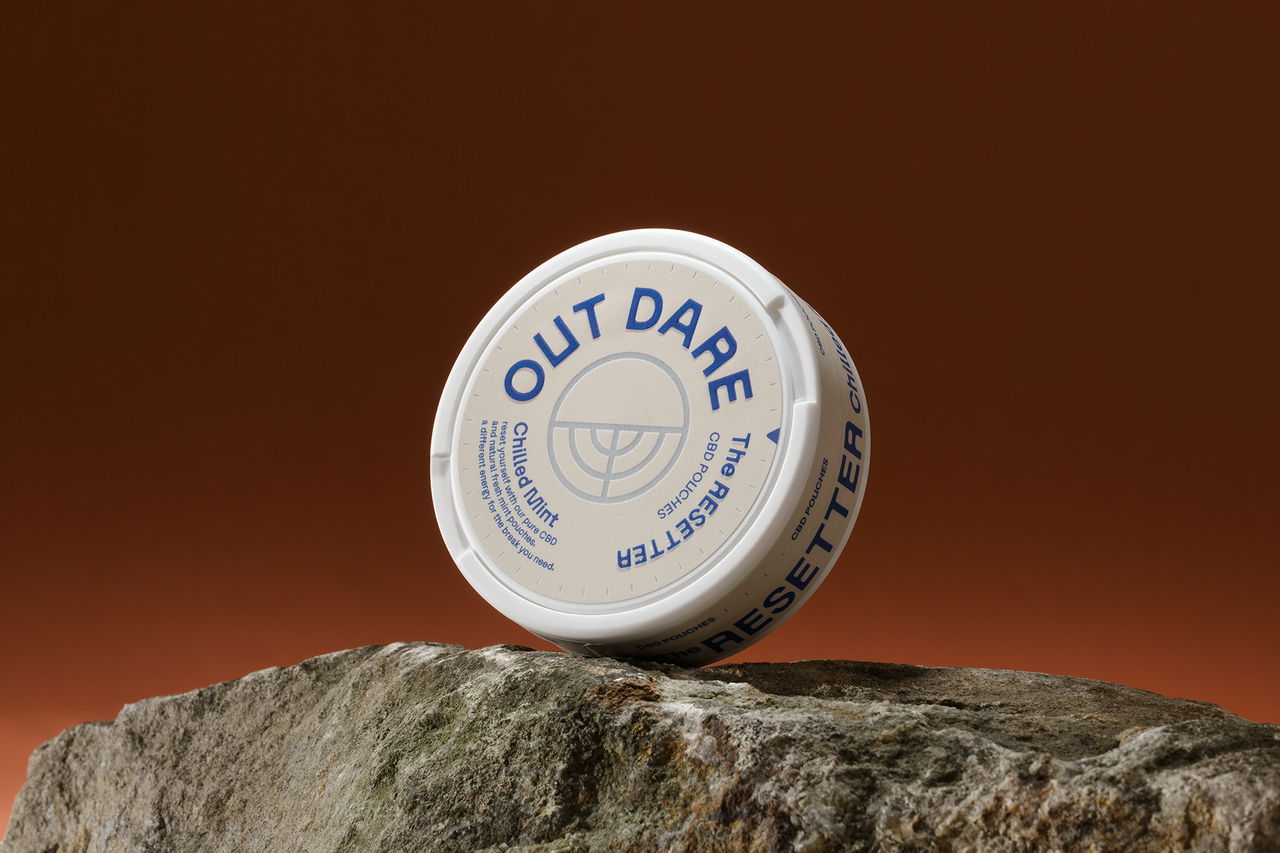
| A pouch is not a tea bag | The white sachet looks like paper but is a nonwoven textile designed to release flavour slowly, which is why it survives twenty to forty minutes under the lip. |
| Used pouches go in general waste | Single-use items made of mixed materials belong in household rubbish in the UK, not in recycling bins, not in home compost, not down the toilet. |
| Materials vary brand to brand | Fillers, fabrics and sweetener systems differ between manufacturers, so a blanket 'biodegradable' label on the whole category is not accurate; check the specific product. |
- Are nicotine pouches biodegradable? The short answer in full
- Where does the biodegradable idea come from?
- What Keep Britain Tidy and household-waste guidance say about mixed-material items
- What this changes in practice: binning a used pouch properly
The range, same burn, same ritual, three chemistries
| Pouch | Strength | Best for | Flavour | Price | |
|---|---|---|---|---|---|
| Nicotine Pouches | 6 mg | when you need control (start here) | Rad Mint | €7.00 | |
| Nicotine Pouches | 12 mg | when you need control (when 6 mg does not hold the morning) | Rad Mint | €7.00 | |
| Energy Pouches | 75 mg | for daytime focus | Rad Mint | €7.00 | |
| Sleep Pouches | 20 mg CBD | for the evening, the last pouch of the day | Mint Terpene | €9.90 |


Shipped from Denmark by PostNord Express · Trustpilot 4.6
Three pouches, one ritual · Shipped from Denmark · 210+ countries · Trustpilot 4.6
Are nicotine pouches biodegradable? The short answer in full
No, not fully. A used OutDare nicotine pouch is not a single compostable object. It is a small assembly of parts, and those parts break down on very different timescales. The honest line to hold in your head: the fibre on the inside is plant-based and will degrade, the pouch fabric around it does not behave like a tea bag, and the can it travels in is plastic.
What breaks down, and what doesn't
Open a 6 mg or 12 mg pouch and look at what you are actually holding. There are three physical layers to consider when it goes in the bin.
- The filling (microcrystalline cellulose): plant fibre derived from wood pulp. In the right industrial or garden conditions it does break down. Your kitchen caddy is not those conditions, and a used pouch is not a clean fibre object once it has sat under the lip.
- The pouch fabric: a non-woven material engineered to hold saliva, flavour and nicotine without tearing while it sits under the lip. That engineering is the opposite of compostable: a fabric that dissolved in moisture would fail at its job on minute one.
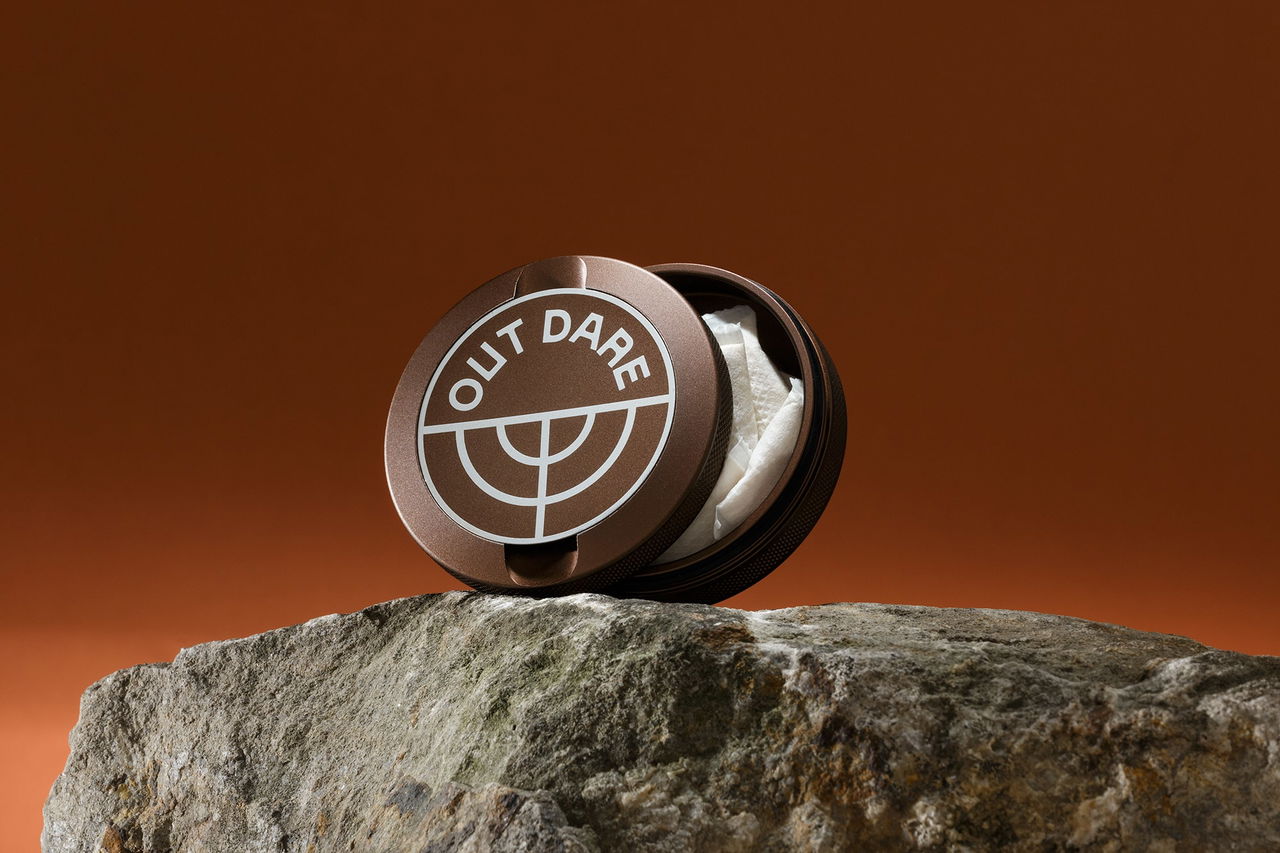
- The can: plastic, with a lid designed to hold used pouches as well as fresh ones. It is a plastic object. It is not biodegradable and should go through whatever plastics stream your local council accepts.
So the short answer sits in two parts. The fibre inside the pouch is organic matter and will degrade over time. The fabric around it and the container around that will not, within the timeframe most people associate with the word biodegradable. If a brand or a blog tells you a pouch is "fully biodegradable" without separating the fibre from the fabric from the can, they are describing one piece and selling you the whole thing.
That matters because the behaviour we want is not "throw it in the garden" but "bin it properly". A used pouch carries saliva and residual nicotine. It is single use, it is small, and it is a mixed-material object. The next two sections cover where the compostable idea came from, and what the published UK guidance actually says about items shaped like this.
Where does the biodegradable idea come from?

Because the pouch looks like a tea bag. That is the honest root of it. You hold a soft white rectangle between your fingers, you tuck it under your lip, and the brain fills in the rest: tea bags go in the compost caddy, so this must too. The shape does a lot of work before anyone has read the label.
Four reasons the assumption sticks
- The tea-bag silhouette: the format triggers a learned association with brewing, steeping and composting. Shape is a strong cue, and the pouch cue points straight at the kitchen bin.
- "Plant fibre" on the label: the filling is plant-based and the word "plant" reads as natural, which the brain shortcuts to compostable. True about the filling, misleading about the whole object.
- "Tobacco-free" framing: readers who come from cigarettes carry a mental model of butts on pavements and conclude that anything tobacco-free must also be waste-free. Those are two different conversations.
- Greener-than-cigarettes marketing: some category copy leans on "no smoke, no ash, no stub" and lets readers extrapolate from "cleaner to use" to "cleaner to throw away". That jump is where the belief hardens.
There is also an internal confusion that is nobody's fault. The fibre inside the pouch is cellulose. The fabric outside is a non-woven material. A label that says "plant-fibre filling" is strictly accurate about the filling, and a reader skim-reading it will assume the filling and the fabric are one piece of pulp paper. They are not. One is the organic core that holds the mint and the nicotine. The other is the engineered envelope that stops the whole lot dissolving in the first thirty seconds.
Pro Tip: if you ever want to settle this for yourself, soak a used pouch overnight in warm water. The fibre inside swells and breaks apart. The fabric outside stays intact. That is the whole biodegradable question answered in one bowl, on your own kitchen counter.
None of this means the category is dishonest. It means a word that works cleanly for a tea bag does not transfer cleanly to a product with three different materials sitting in your hand.
Shipped from Denmark by PostNord Express · Trustpilot 4.6
What Keep Britain Tidy and household-waste guidance say about mixed-material items
Both point in the same direction: single-use items made of several different materials belong in general household waste, not in recycling and not in compost. That applies to a long list of everyday objects, and a used nicotine pouch sits comfortably on that list.
What the named sources actually say
Keep Britain Tidy, the England-based environmental charity behind the Great British Spring Clean, treats small single-use items that combine plastic, fibre, film or residue as general litter in its published materials. Chewing gum, wet wipes, cigarette filters and tea bags with plastic sealant all sit in that bracket in the charity's campaign work. The reason is practical rather than moralistic: once two or three materials are fused together in an object the size of a thumbnail, no sorting line can separate them.
Gov.uk household-waste guidance, published through the Department for Environment, Food and Rural Affairs, is the plainer government source. It tells households that items made of mixed materials, and small items that cannot be sorted reliably at a recycling plant, go in the general rubbish bin rather than the recycling bin or the garden compost. Local councils then publish their own A-to-Z lists on top of that, and those lists vary from borough to borough.
How a used pouch reads against that guidance
- It is single use.
- It is small, below the size most sorting lines can process reliably.
- It mixes organic fibre, non-woven fabric and residual saliva.
- It carries nicotine residue, which is not something you want running into a compost heap or a food-waste caddy.
Read against the published guidance, that is a general-waste item. Not recycling. Not compost. Not the garden border. The can it came in is a separate question: plastic cans with the lid clipped shut go through whichever plastics stream your council accepts, and the council website is the honest source for what that stream looks like where you live.
None of this is unique to one brand. It is how UK household-waste guidance treats small mixed-material single-use items as a category, and nicotine pouches fit that category whether they are OutDare or anyone else's.
What this changes in practice: binning a used pouch properly

Here is the practical version: the used pouch goes in the lid of the can, then into general household waste; the empty can gets a quick rinse and goes to rigid-plastic recycling if your local council accepts it, otherwise general waste. Nothing exotic, nothing green-washed, nothing that requires a special bin.
The used pouch, straight after you spit it
The lid of the can is designed as a holding compartment for exactly this job. Click a spent pouch inside, close it, carry on with your day, and empty the lid into the kitchen bin when it is full. If you are out and there is no lid handy, wrap the pouch in a tissue and drop it at the next general-waste point. It is a small object with mixed materials inside it: plant-fibre filling, pouch paper, a trace of what you were chewing on. It belongs with mixed-material household waste, not with food scraps and not with paper recycling.
The empty can, once the twenty are gone
Rinse the empty can under the tap for a few seconds, let it drain, and check the recycling symbol on the base against what your council actually collects. Rules differ from one authority to the next across the UK, so the symbol on the pack and the leaflet from your council are the two sources that matter.
- Used pouch: lid of the can, then general household waste.
- Empty can: rinsed, then rigid-plastic kerbside recycling where accepted; general waste otherwise.
- Never flush a pouch: it does not break down in a sewer any faster than it would in a bin, and it fouls screens on the way through.
- Never drop one on the pavement or on a verge. It is litter in the ordinary sense, and it stays visible for weeks.
- Never put it in the food-waste caddy: a pouch is not organic matter in the way peelings are.
Pro Tip: Keep one empty can in the car and one at your desk, dedicated to spent pouches. It solves the "where do I put this now" moment that leads to roadside litter in the first place, and it keeps the fresh can clean inside its lid.
None of this is heroic environmental work. It is housekeeping, done once a day, and it is the honest answer to the biodegradable question. If you want to see the format itself before you order, the range sits at OutDare nicotine pouches.
Sources & References
- Litter guidance and household waste · Keep Britain Tidy (2024)
- Recycling and waste at home · UK Government (2024)
- Nicotine products: public health materials · World Health Organization (2023)
- Single-use items and the marine environment · Marine Conservation Society (2024)
Frequently Asked Questions
Are OutDare nicotine pouches biodegradable?
Not fully. The plant-fibre filling inside is cellulose-based and does degrade; the pouch fabric and the plastic can do not share that property. Put a used pouch in general household waste, not in recycling and not in compost. The empty can can usually go in plastics recycling.
What are nicotine pouches made of?
A white sachet of nonwoven fabric holding plant-fibre filling, food-grade nicotine, flavourings, pH stabilisers and sweeteners. OutDare lists nine ingredients and uses Rad Mint, with no tobacco and no fibreglass. The pouches come in a plastic can with a lid designed to hold used ones.
Can I flush a used nicotine pouch down the toilet?
No. A used pouch is a single-use item with mixed materials and does not break apart in water. Flushing sends plastic fibres and nicotine residue into the sewer, which is exactly what water-treatment operators and marine charities ask people to avoid. Use the general waste bin.
Can I compost nicotine pouches at home?
Not reliably. Even if the filling inside is cellulose, the outer fabric is engineered to resist saliva for up to forty minutes and will not break down at any useful speed in a domestic compost bin. General household waste is the honest answer.
What should I do with the empty can?
Empty it, give it a quick rinse, pop the lid back on and place it in rigid-plastic recycling if your local council accepts that stream. If it does not, the can goes in general waste. The lid is useful for stashing used pouches on the go.
Do all nicotine pouch brands use the same materials?
No. Fabric, filler and sweetener systems vary from brand to brand. Some use plant fibre, others use different blends. A sweeping 'biodegradable' claim about the category as a whole is not accurate, so check the specific product's label or ingredient list before you draw a conclusion.
How long does a nicotine pouch last under the lip?
Twenty to forty minutes, depending on strength and how you park it. OutDare 6 mg and 12 mg Rad Mint sit cushioned between lip and gum until the burn fades. When you take it out, put it in the lid of the can or straight into the bin.
Where do I order OutDare nicotine pouches in the UK?
Online only, direct from OutDare, shipped from our Denmark warehouse. Rad Mint, 6 mg or 12 mg per pouch, adults only. Every order is charged in EUR; because the UK is outside the EU customs area, import VAT or duty may apply on arrival.
So: nicotine pouches are not reliably biodegradable. The fibre inside degrades, the fabric and the plastic can do not. Used pouch into general waste, empty can into plastics recycling if your council accepts it, nothing down the toilet, nothing on the pavement. That is the honest answer, and it holds across the category. If you came already decided and you want the specs, OutDare is 6 mg and 12 mg, Rad Mint, tobacco-free, charged in EUR, shipped from Denmark: view the nicotine pouches.
Related guides
Published 13 October 2026 · Last updated 13 October 2026