





Best Tobacco-Free Nicotine Alternatives in 2026
| Key Insight | Explanation |
|---|---|
| Tobacco-free doesn't mean nicotine-free | Most nicotine pouches remove tobacco leaf but still deliver nicotine. True alternatives address both the chemical and the behavioral habit loop. |
| The 30/30/30 Addiction Rule | Only 30% of pouch addiction is chemical (nicotine). 30% is physical habit, 30% is sensory cue. Addressing all three is what makes a reduction system actually work. |
| Cold turkey fails most users | Research consistently shows abrupt cessation has low long-term success rates. Gradual, ritual-preserving substitution outperforms white-knuckling. |
| Energy and CBD pouches are legitimate functional tools | Zero-nicotine pouches delivering caffeine, nootropics, or CBD can replicate the oral ritual while eliminating chemical dependency entirely. |
| Sensory parity is the missing ingredient | When a replacement product matches the exact taste, burn, and mouthfeel of a nicotine pouch, the brain accepts the swap — making reduction feel effortless rather than punishing. |
| The European market is growing fast | The global nicotine pouch market was valued at approximately USD 2.4 billion in 2023 and is projected to grow at a CAGR of over 35% through 2030, driven by EU vaping regulation and cessation demand. |
A tobacco free nicotine alternative is any product that delivers nicotine — or replicates the sensory ritual of nicotine use — without containing tobacco leaf, stems, or combustible material. These products range from nicotine pouches and lozenges to zero-nicotine energy pouches and CBD formats. They matter because the harm from traditional tobacco use comes primarily from combustion and tobacco-specific nitrosamines, not nicotine itself [1]. If you're a heavy pouch or vape user who's tried quitting cold turkey and failed, you already know the problem isn't willpower. It's the ritual. The burn under the lip. The muscle memory of reaching for a can at 10am. This article breaks down exactly how tobacco-free alternatives work, which formats are worth your attention in 2026, and why a system-based approach beats single-product substitution every time.
What Is a Tobacco-Free Nicotine Alternative?: tobacco free nicotine alternative
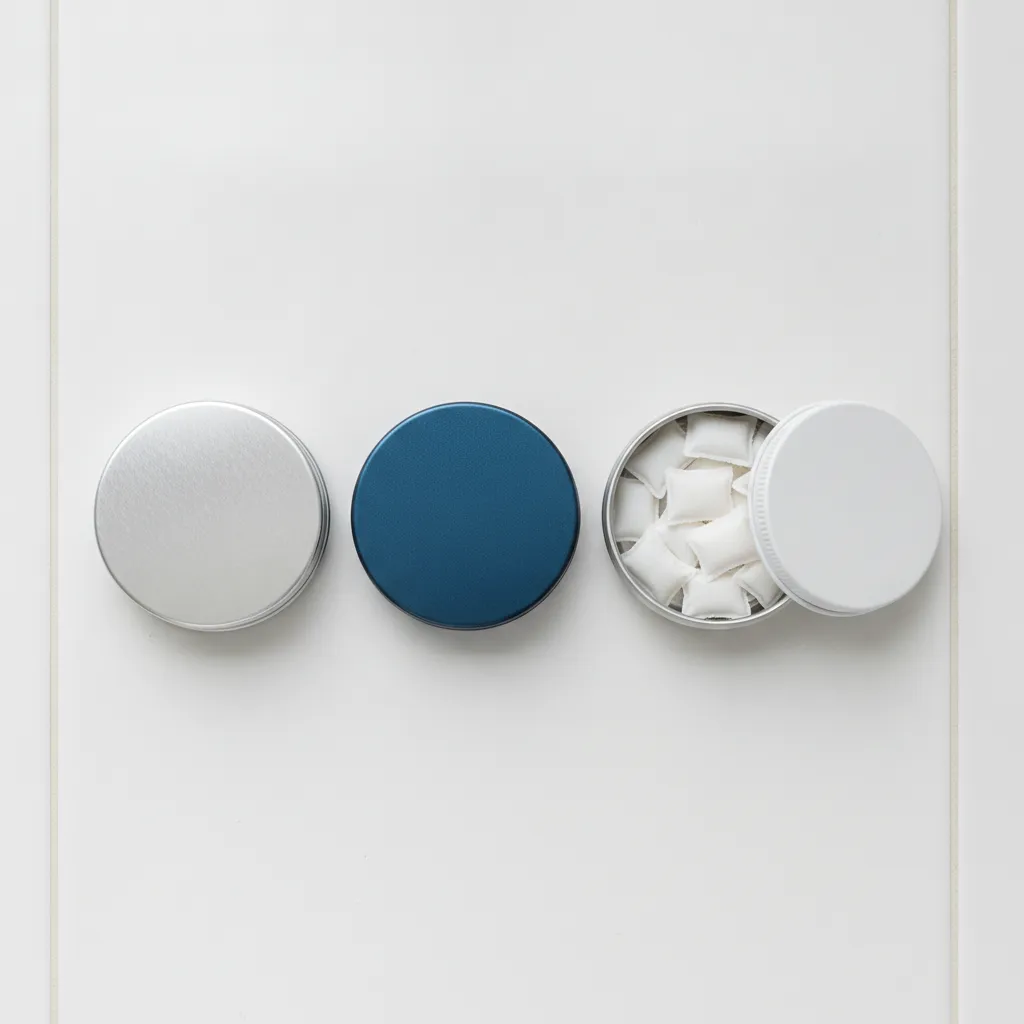
A tobacco-free nicotine alternative is a product that satisfies nicotine cravings or oral habit cues without using any tobacco plant material in its formula. The nicotine may be synthetic or pharmaceutical-grade, and the carrier is typically a plant-fiber or cellulose matrix rather than tobacco leaf.
The Difference Between Tobacco-Free and Nicotine-Free
These two terms get conflated constantly, and that confusion costs people real progress. Tobacco-free means no tobacco plant material — but the product may still contain nicotine derived from non-tobacco sources or synthesized in a lab. Nicotine-free means zero nicotine, full stop. Both are valid categories, but they serve different users at different stages of a reduction journey.
According to MD Anderson Cancer Center, nicotine pouches "don't actually contain tobacco" but are still classified as tobacco products in some regulatory frameworks because the nicotine can be tobacco-derived [2]. This regulatory nuance matters when you're shopping across EU markets, where labeling standards vary by country.
- Tobacco-free with nicotine: Nicotine pouches (6mg, 12mg, 15mg), nicotine lozenges, nicotine gum
- Tobacco-free and nicotine-free: Energy pouches (caffeine + nootropics), CBD pouches, herbal dip alternatives, mint pouches
- Traditional (contains tobacco): Snus, dip, chewing tobacco, cigarettes, cigars
Why the Distinction Matters in 2026
As of 2026, EU regulators have tightened restrictions on flavored vaping products and are reviewing oral nicotine product classifications under the revised Tobacco Products Directive. Consumers switching from cigarettes or vapes need to understand exactly what they're putting in their body — and what they're not. The Truth Initiative has documented how "tobacco-free" marketing language can obscure continued nicotine dependency, noting that oral nicotine products are "frequently marketed as tobacco-free alternatives" in ways that may downplay ongoing chemical risks [3].
The honest framing: tobacco-free is a meaningful harm-reduction step. It removes combustion, tar, tobacco-specific nitrosamines, and the social stigma of smoke and smell. But if nicotine is still present, the chemical dependency remains. A complete exit strategy needs to account for both the chemical and the behavioral components of the habit.
How Tobacco-Free Alternatives Work
Tobacco-free alternatives work by decoupling the harmful delivery mechanism (combustion, tobacco leaf) from the sensory and chemical signals that drive the habit loop — allowing users to maintain ritual familiarity while progressively reducing or eliminating chemical dependency.
The 30/30/30 Addiction Framework
Most cessation approaches treat nicotine addiction as a purely chemical problem. That's why patches and gum have mediocre long-term success rates — they address one-third of the issue and ignore the other two-thirds. The 30/30/30 Addiction Rule offers a more complete model:
- 30% chemical dependency: The actual nicotine your brain craves at a receptor level
- 30% physical habit: The pillow sensation under the lip, the act of placing a pouch, the muscle memory of the ritual
- 30% sensory cue: The mint burn, the taste, the tingle that your brain has learned to associate with reward
A tobacco free nicotine alternative that only removes nicotine but preserves nothing else leaves users white-knuckling through 60% of their addiction unaddressed. That's why cold turkey fails most of the time. Research published in PMC confirms that next-generation products (NGPs) "do not burn tobacco or produce smoke and deliver nicotine and have fewer and substantially lower levels" of harmful compounds — but the behavioral dimension requires its own solution [1].
How Sensory Parity Changes Everything
The most effective tobacco-free alternatives replicate the exact sensory profile of the product they're replacing. Same burn. Same mouthfeel. Same taste. When a zero-nicotine pouch is sensorially indistinguishable from a nicotine pouch, the brain accepts the swap without triggering a full craving response.
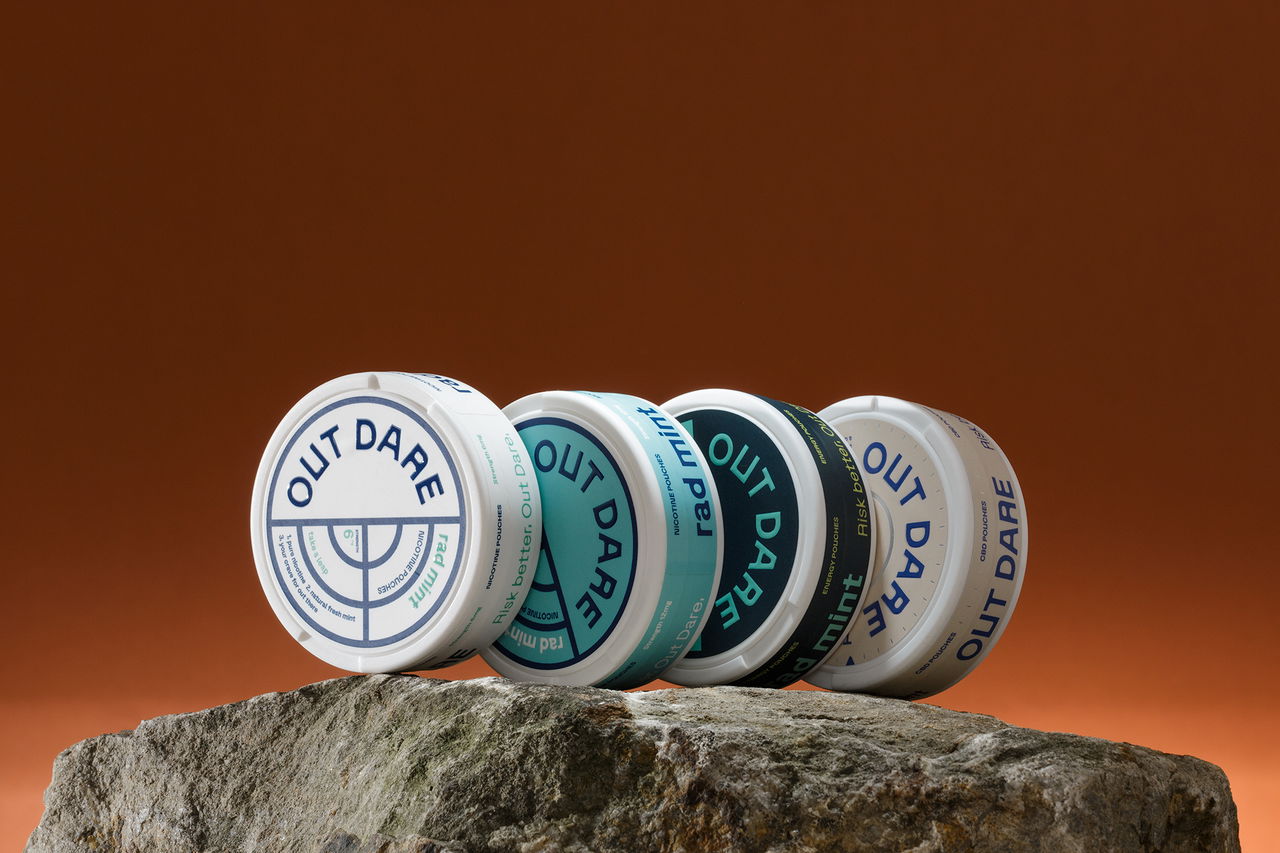
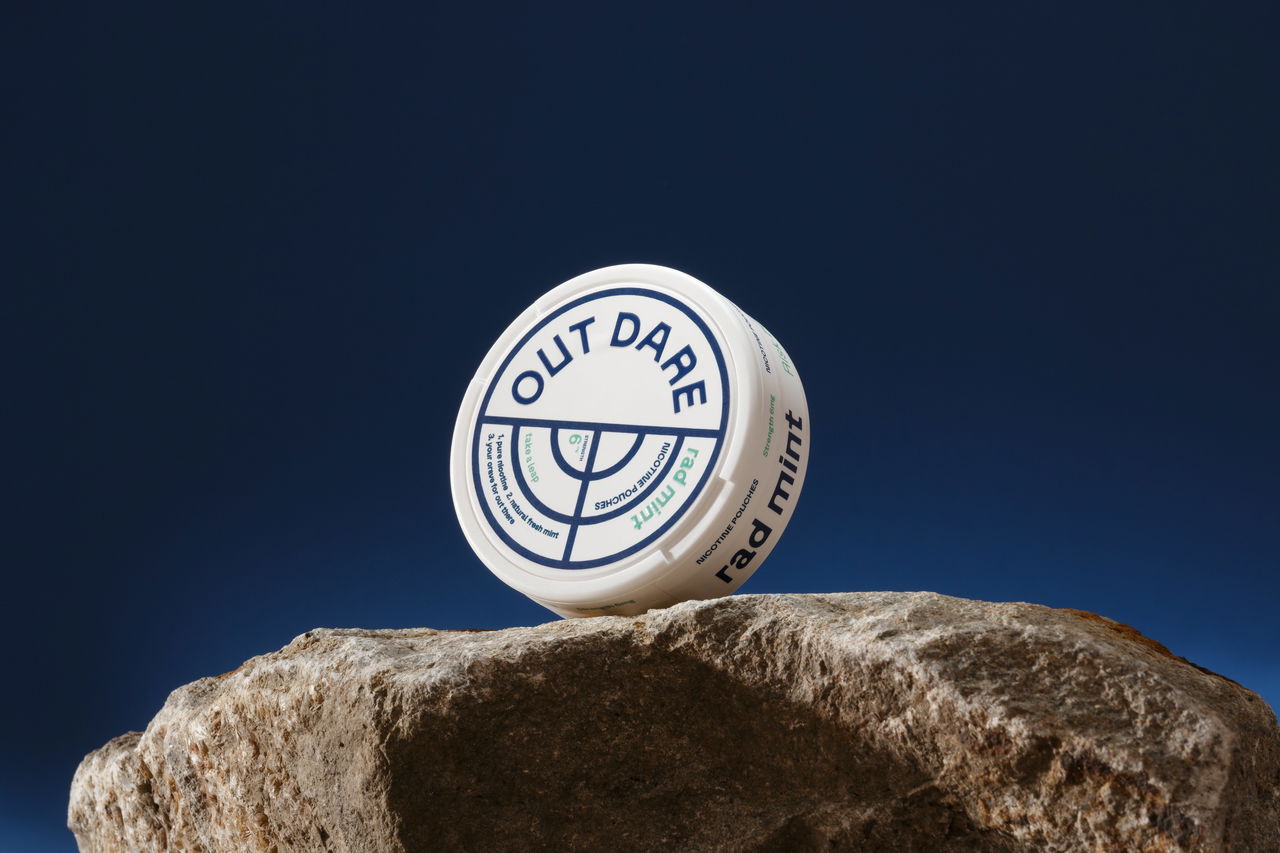
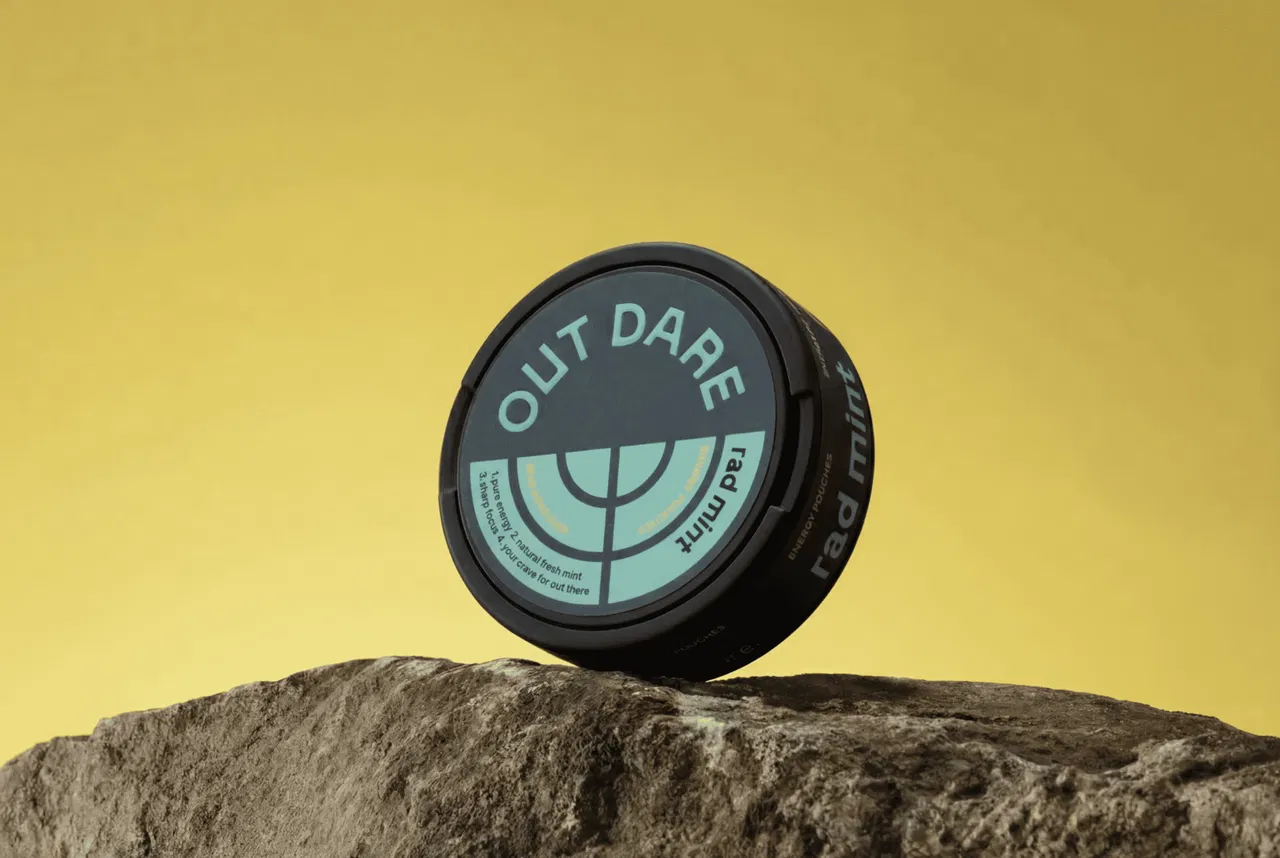
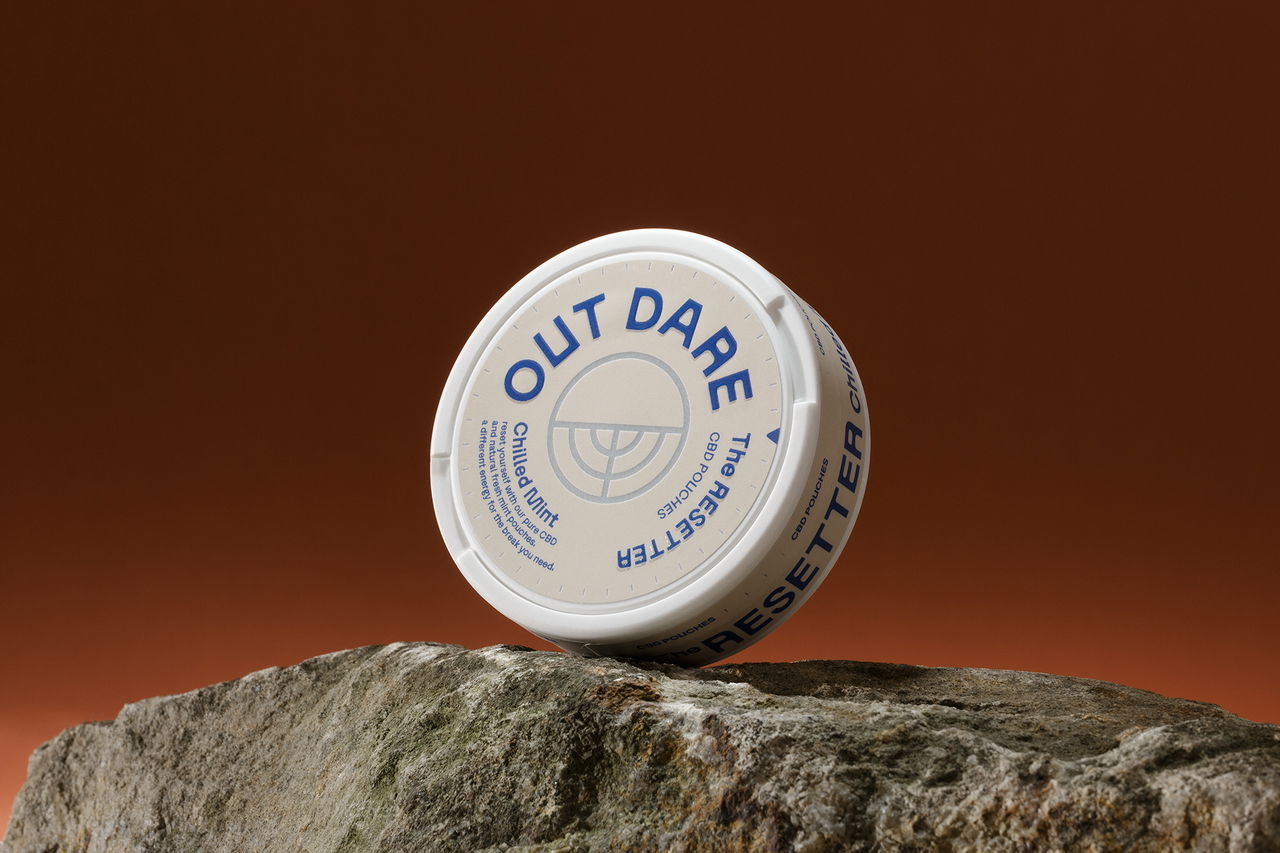
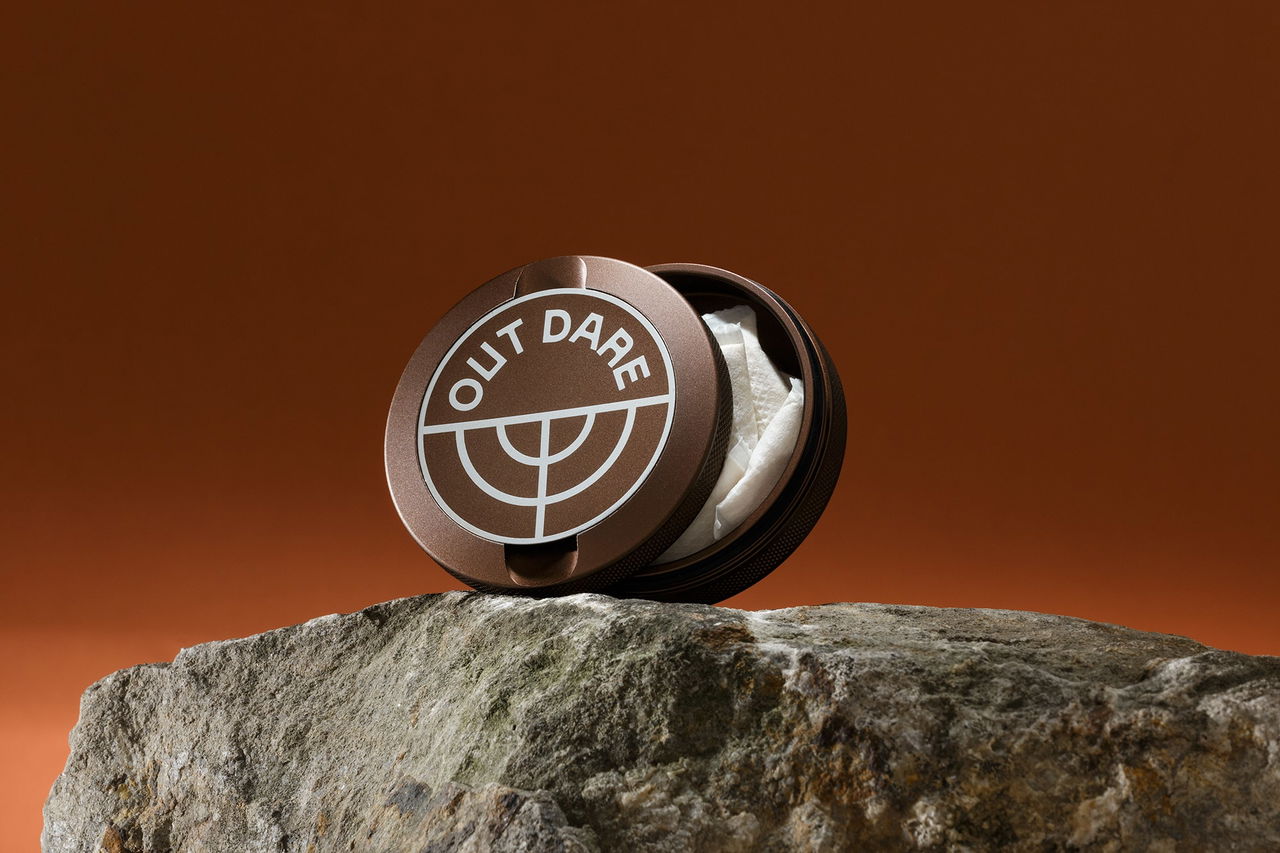
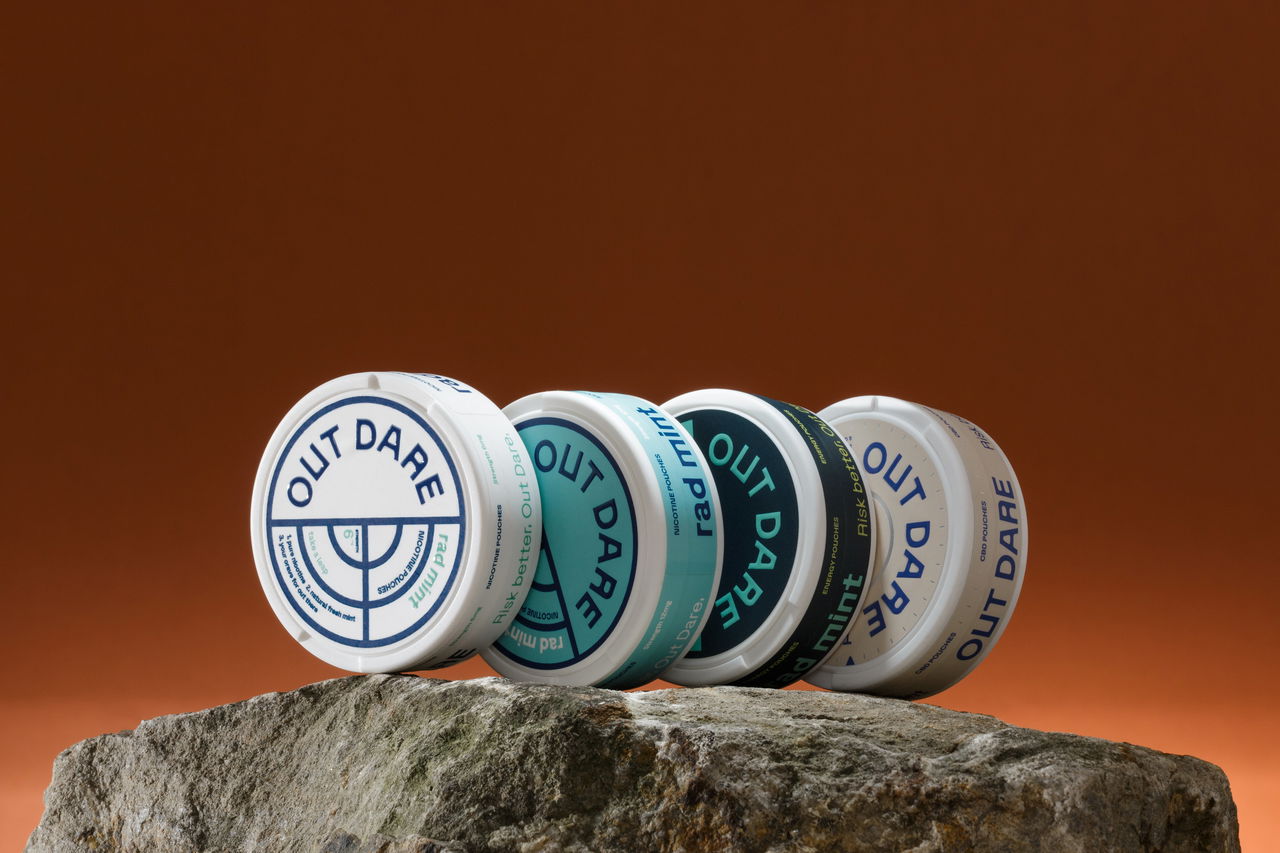
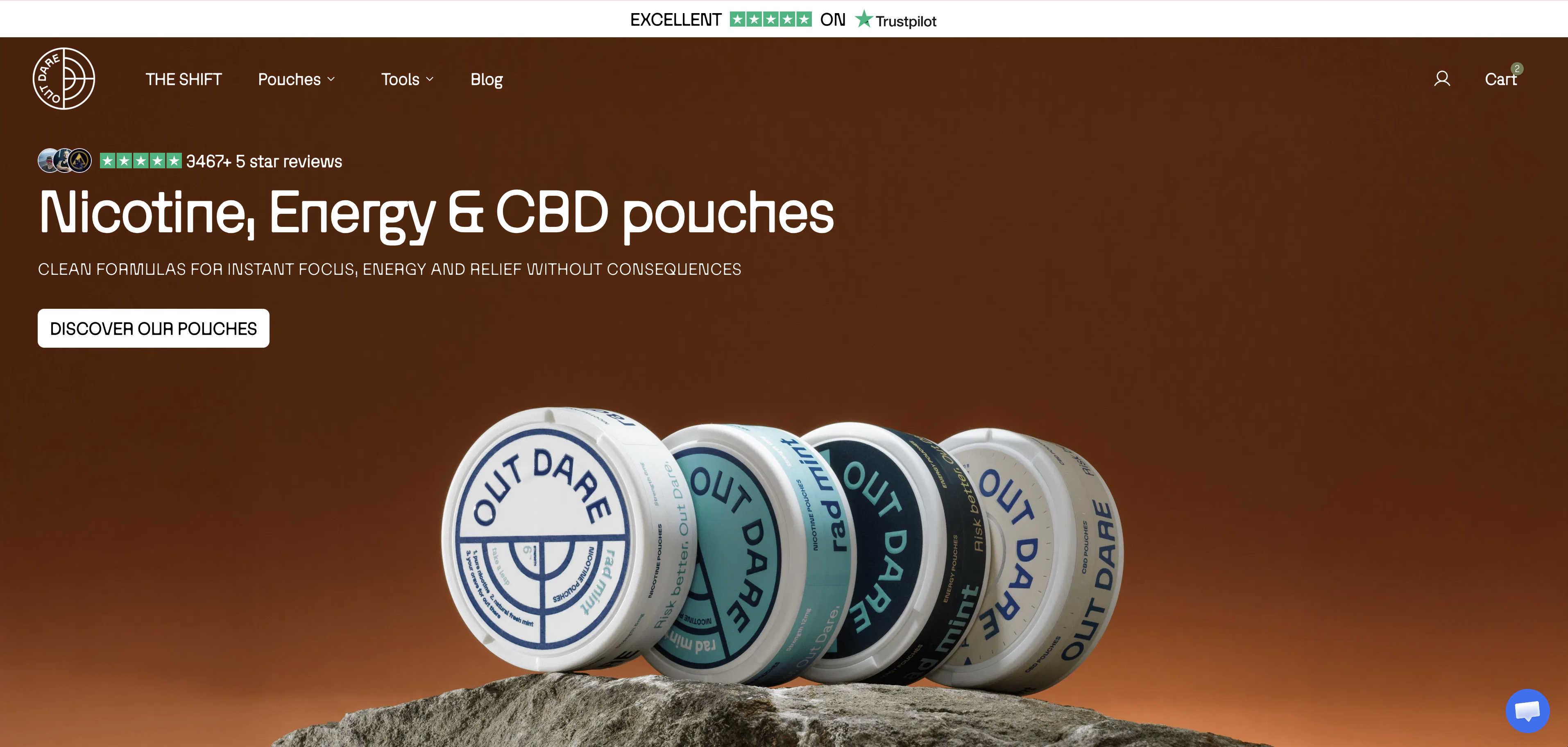
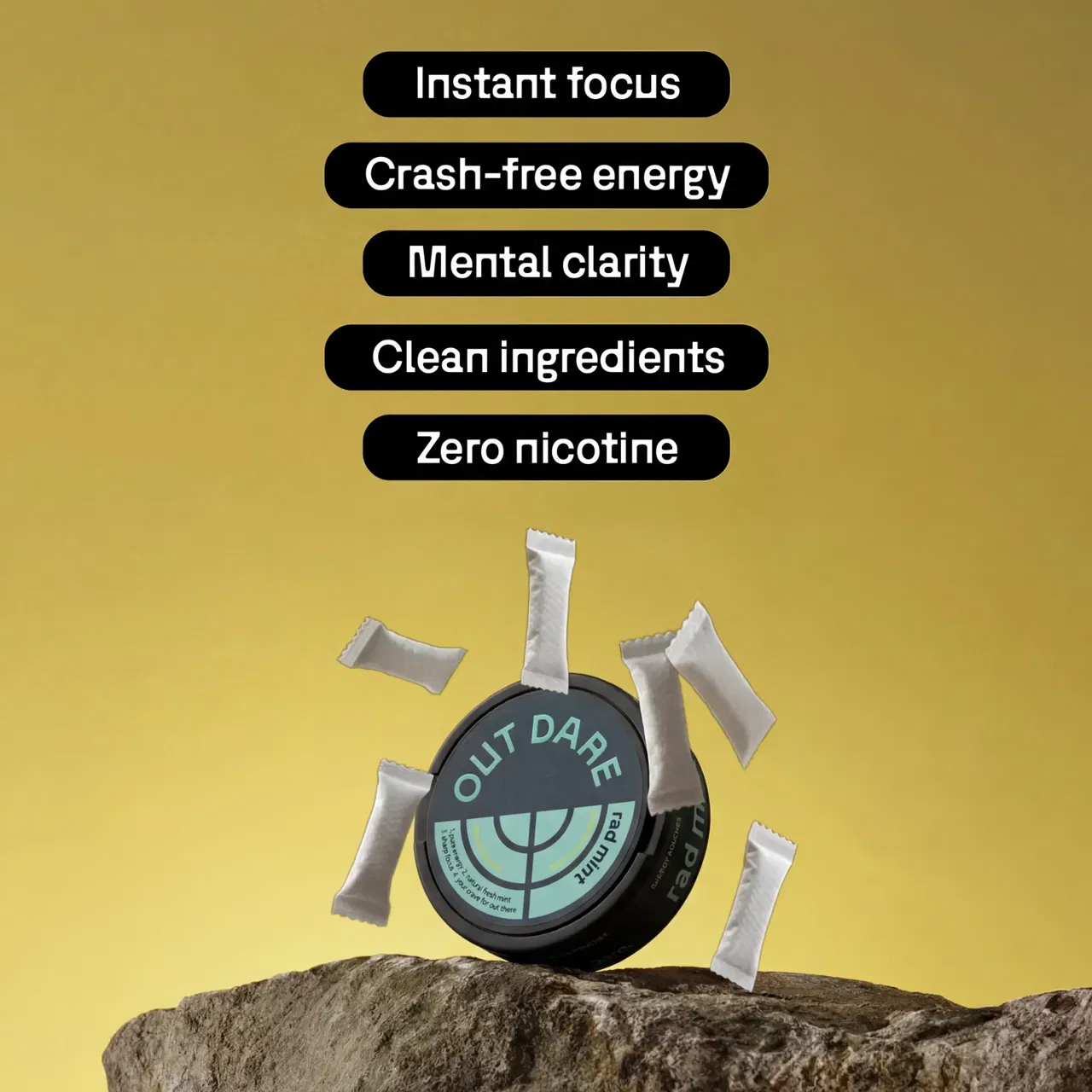
At Outdare LTD, we've found that sensory parity is the single most underrated factor in successful nicotine reduction. Our three-pouch system — Nicotine, Energy, and CBD — was formulated by a former mixologist specifically so all three variants share the same natural mint flavor, gum burn, and pillow texture. Your brain can't tell which pouch is which. That's not a bug. It's the entire mechanism.
Pro Tip: When evaluating any tobacco-free alternative, test whether it matches the specific sensory cues of your current product — not just the ingredient list. A product that feels, tastes, and burns differently from what you're used to will trigger cravings even if the chemistry is identical.
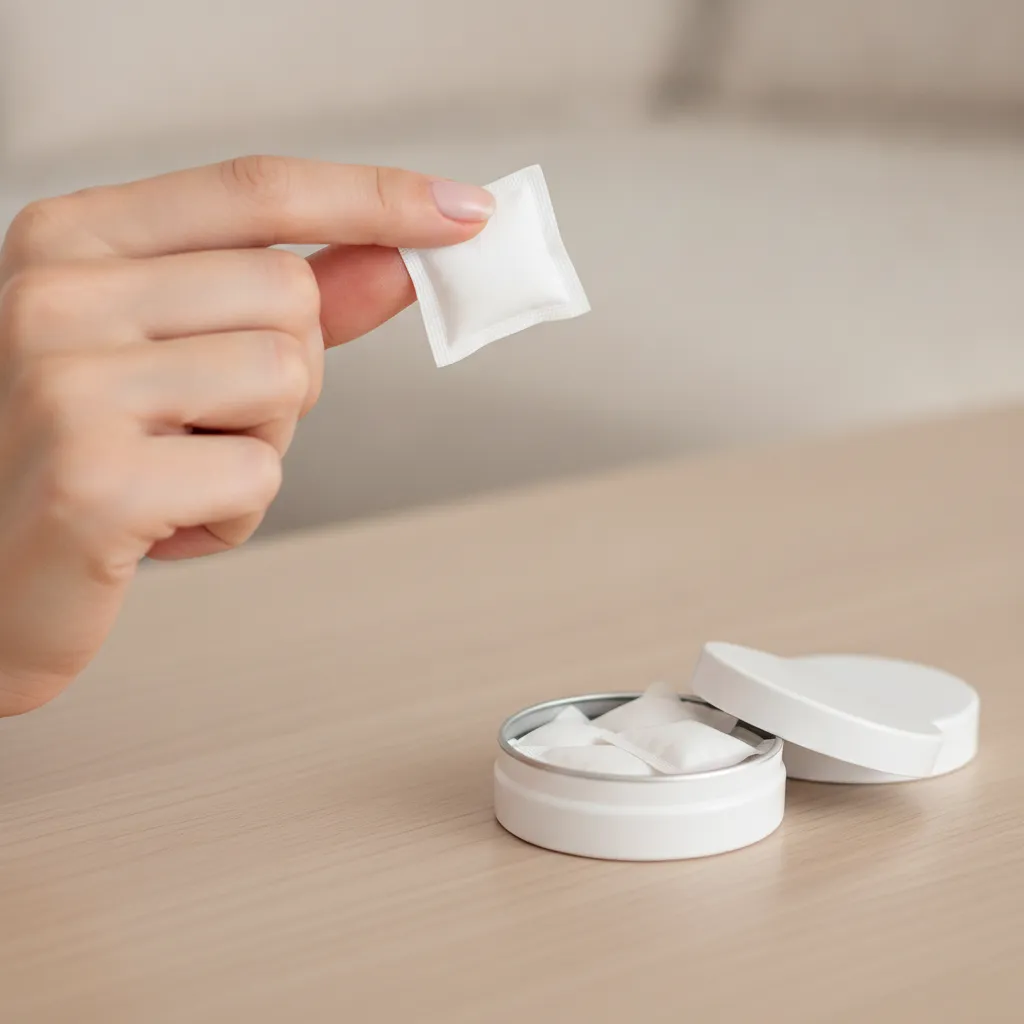
Best Tobacco-Free Nicotine Alternatives in 2026
The best tobacco-free nicotine alternative in 2026 depends on your goal: pure harm reduction, active cessation, or zero-nicotine functional replacement. Each category serves a different stage of the journey.
Comparing the Main Format Categories
| Format | Contains Nicotine? | Replicates Oral Ritual? | Best For | Key Limitation |
|---|---|---|---|---|
| Nicotine Pouches (tobacco-free) | Yes (6–15mg) | Yes | Smokers/vapers switching away from tobacco | Still chemically dependent on nicotine |
| Energy Pouches (caffeine + nootropics) | No | Yes (if sensory-matched) | Reducing nicotine while maintaining focus ritual | Caffeine dependency possible at high doses |
| CBD Pouches | No | Yes (if sensory-matched) | Evening reset, anxiety reduction, sleep support | Regulatory status varies by EU country |
| Nicotine Gum / Lozenges | Yes (2–4mg) | Partial | Low-dose step-down, clinical NRT | No oral pillow sensation; feels medicinal |
| Herbal Dip / Smokeless Alternatives | No | Partial | Dip/chew users wanting zero nicotine | Taste profile rarely matches original habit |
| Nicotine Patches | Yes (7–21mg) | No | Background nicotine maintenance | No oral ritual satisfaction whatsoever |
What Sets a Premium System Apart from Single Products
Most tobacco-free alternatives on the market are single-format products. You get a nicotine pouch in one strength, or a herbal dip, or a CBD product — but no system connecting them. The problem: different moments in your day require different things. A 10am focus session isn't the same as a 3pm stress spike or a pre-sleep wind-down. Treating all three with the same product is why most people plateau and relapse.
A three-format system that covers energy (focus), nicotine (when you actually choose it), and CBD (reset) gives you tools for every context. According to Northerner's smokeless tobacco alternatives guide, nicotine pouches are "the most widely available smokeless tobacco alternatives with nicotine" — but the market for functional zero-nicotine alternatives is the fastest-growing segment as of 2026 [4].
Boston Children's Hospital has flagged that many trending nicotine-free alternatives lack robust clinical evidence, noting that "from vitamin vapes to herbal pouches, nicotine-free alternatives are trending, but are they really safe and effective?" [5]. The honest answer: quality matters enormously. Plant-fiber fillers, xylitol-based formulas, European manufacturing, and clean ingredient sourcing separate premium products from novelty items.
Key Benefits of Switching to a Tobacco-Free Alternative
Switching to a tobacco free nicotine alternative removes the most acutely harmful components of tobacco use — combustion byproducts, tobacco-specific nitrosamines, and carcinogenic tar — while preserving enough of the ritual to make the transition sustainable rather than punishing.
Health and Lifestyle Benefits
- No combustion: Eliminates carbon monoxide, tar, and the 70+ known carcinogens produced when tobacco burns
- No tobacco-specific nitrosamines (TSNAs): The primary carcinogens in smokeless tobacco products are absent from tobacco-free formulas
- No smell: Pouches are discreet — no smoke on your clothes, breath, or in your apartment
- Reduced gum recession risk: Tobacco leaf in traditional snus and dip causes direct mucosal irritation; tobacco-free plant-fiber matrices are significantly gentler on gum tissue
- Gut health improvement: Many heavy pouch users report reduced gut discomfort after switching away from high-dose nicotine products
- Better sleep: Nicotine is a stimulant that disrupts sleep architecture; replacing evening pouches with CBD alternatives can meaningfully improve sleep quality
VCU Health notes that while "tobacco-free does not mean risk-free," the reduction in harmful compound exposure compared to combustible tobacco is substantial [6]. The key is not treating tobacco-free status as a finish line — it's a step in a direction, not a destination.
Financial and Social Benefits
Heavy pouch users typically spend €150–400 per month on nicotine pouches. Replacing even 50% of that consumption with energy or CBD pouches — which often carry similar or lower per-unit costs — produces meaningful savings while reducing chemical dependency. The social dimension is equally real: no smoke smell, no visible tobacco, no awkward explanations to colleagues or partners.
Pro Tip: Track your pouch consumption by category for one week before starting a reduction system. Most users are surprised to discover they reach for a pouch out of habit or boredom at least 40% of the time — not because of a genuine nicotine craving. Those are the easiest substitutions to make first.
Common Challenges and Mistakes to Avoid
The most common mistake in switching to a tobacco free nicotine alternative is treating it as a willpower exercise rather than a systems problem. Removing nicotine without replacing the ritual is the primary reason most quit attempts fail within the first two weeks.
The Cold Turkey Trap
Cold turkey cessation has a documented low long-term success rate. One limitation is that even motivated, health-conscious users who genuinely want to quit often relapse — not because they're weak, but because the behavioral and sensory components of the habit remain fully intact while the chemical relief is suddenly absent. The brain interprets this as a threat, not a choice.
A common mistake is reaching for a tobacco-free alternative that looks and sounds right on the label but fails on sensory delivery. If the burn isn't there, if the mouthfeel is wrong, if the taste is different — your brain flags the mismatch and the craving intensifies rather than subsiding. This is why herbal dip products with unfamiliar flavor profiles often fail users who were heavy mint pouch users.
Misconceptions About "Tobacco-Free" Claims
The Truth Initiative has documented that "tobacco-free" marketing can be misleading when it implies safety equivalence with no nicotine at all [3]. Watch for these specific pitfalls:
- Assuming tobacco-free means harmless: Nicotine itself carries cardiovascular risks and maintains chemical dependency regardless of the delivery format
- Ignoring nicotine strength: Switching from cigarettes to a 15mg pouch may actually increase nicotine exposure for light smokers
- Using energy pouches as an excuse to add more stimulation: If you're already at high caffeine intake, stacking 50mg caffeine pouches on top can cause jitter and anxiety
- Skipping the step-down process: Jumping directly from 15mg nicotine pouches to zero-nicotine alternatives without a gradual reduction plan often triggers rebound cravings
- Treating all zero-nicotine pouches as interchangeable: Ingredient quality, manufacturing standards, and sensory formulation vary enormously across brands
Best Practices for 2026: How to Switch Successfully
The most effective approach to switching to a tobacco free nicotine alternative in 2026 combines a structured step-down protocol, sensory-matched replacement products, and context-specific pouch selection — addressing all three dimensions of the habit loop simultaneously.
The 4-Week Reduction Method
Our team at Outdare LTD recommends a four-week structured approach based on the 30/30/30 framework. The goal isn't to suffer through withdrawal — it's to make each substitution so seamless that your brain barely registers the change.
- Week 1 — Audit and baseline: Track every pouch you use for seven days. Note the time, context (stress, boredom, focus, social), and whether the craving felt chemical or habitual. Most users find 40–60% of their pouches are habit-driven, not chemically driven.
- Week 2 — Replace habit-driven pouches: Swap your boredom, social, and post-meal pouches with energy or CBD alternatives. Keep your morning and high-focus pouches as nicotine. Your total nicotine intake drops by roughly 40% without any white-knuckling.
- Week 3 — Step down nicotine strength: Move from your current strength (e.g., 12mg) to the next level down (e.g., 6mg) for the remaining nicotine pouches. Continue using energy pouches for focus and CBD for evening reset.
- Week 4 — Reduce frequency: Cut the remaining nicotine pouches to once or twice daily, replacing all others with energy or CBD. Most users report 60–90% reduction in nicotine intake by end of week four using this method.
Selecting the Right Product for Each Context
Not every moment calls for the same pouch. Using a tobacco-free alternative strategically means matching the product to the context:
- Morning focus session: Energy pouch (50mg caffeine + nootropics like L-Theanine and Alpha-GPC for clean, jitter-free cognitive activation)
- High-stress work period: Low-dose nicotine pouch (6mg) or energy pouch depending on your current reduction stage
- Post-workout recovery: Energy pouch or water — your dopamine is already elevated from exercise
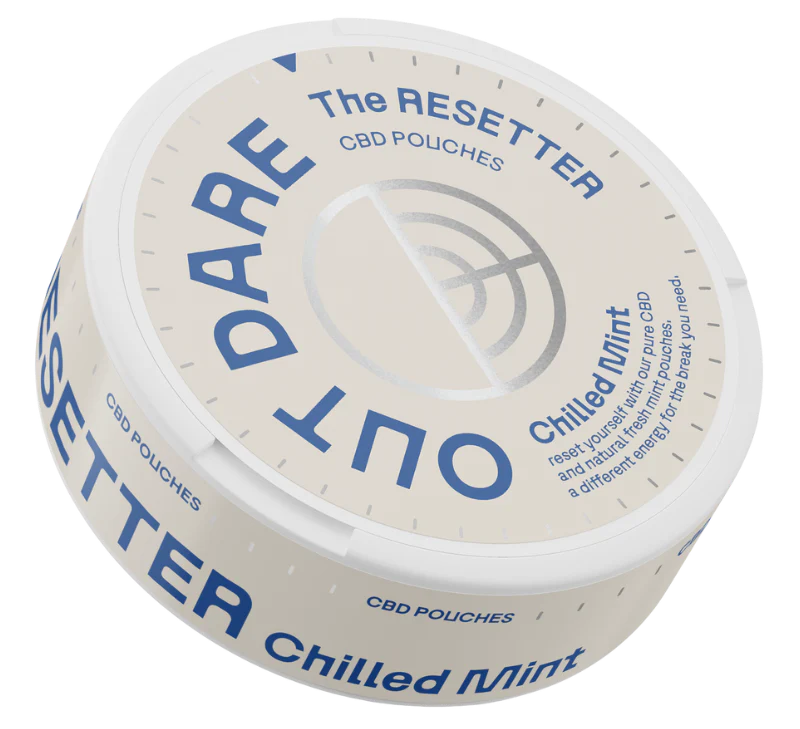
- Evening wind-down: CBD pouch for on-demand relaxation and sleep support without sedation
- Social situations: Energy or CBD pouch — these deliver the ritual and the confidence without feeding chemical dependency
Pro Tip: Start your Discovery Pack with all three pouch types before committing to a single format. Most users are surprised to find that the energy pouch satisfies their 10am craving just as effectively as a nicotine pouch — once the sensory match is right, the chemical component becomes optional faster than expected.
Sources & References
- PMC / NCBI, "Tobacco-Free Nicotine Pouches and Their Potential Contribution to Harm Reduction," 2024
- UT MD Anderson Cancer Center, "What to Know About Nicotine Pouches," 2024
- Truth Initiative, "Oral Nicotine Products Entice Customers with 'Tobacco Free' Claims," 2024
- Northerner, "Smokeless Tobacco Alternatives: Nicotine Pouches Guide," 2024
- Boston Children's Hospital, "Trending Alternatives to Help Quit Nicotine. Do They Work? Are They Safe?" 2025
- VCU Health, "How Safe Are Nicotine Pouches? Tobacco-Free Does Not Mean Risk-Free," 2024
Frequently Asked Questions
1. What is the best tobacco-free nicotine alternative for heavy pouch users?
For heavy nicotine pouch users, the best tobacco free nicotine alternative is a system that preserves the oral ritual while enabling gradual chemical reduction. A matched three-pouch approach — nicotine at your current strength, energy pouches for focus moments, and CBD pouches for reset — outperforms single-product substitution because it addresses all three components of the habit loop, not just the chemical one. Most users following a structured 4-week method reduce nicotine intake by 60–90% without experiencing significant withdrawal.
2. Are tobacco-free nicotine pouches safer than smoking?
Yes, substantially. Tobacco-free nicotine pouches eliminate combustion, tar, carbon monoxide, and tobacco-specific nitrosamines — the primary carcinogens in cigarette smoke. According to PMC research on next-generation products, tobacco-free pouches have "fewer and substantially lower levels" of harmful compounds compared to combustible tobacco. They're not risk-free — nicotine itself carries cardiovascular effects — but the harm-reduction benefit over smoking is significant and well-documented. As VCU Health notes, "tobacco-free does not mean risk-free," so the goal should be progressive reduction, not permanent substitution.
3. Can I use a tobacco-free alternative to quit nicotine entirely?
Yes — but the mechanism matters. Simply swapping to a tobacco-free nicotine pouch keeps the chemical dependency intact. The path to full cessation runs through gradual step-down: start with tobacco-free nicotine at your current strength, progressively replace pouches with zero-nicotine energy or CBD alternatives, then reduce the remaining nicotine pouches in both strength and frequency. The key insight from the 30/30/30 framework is that once the habit and sensory components are satisfied by zero-nicotine pouches, the chemical dependency becomes the smallest part of the equation to manage.
4. What's the difference between energy pouches and nicotine pouches?
Nicotine pouches deliver nicotine (typically 6–15mg) through the oral mucosa and create chemical dependency over time. Energy pouches contain zero nicotine and instead deliver caffeine (typically 50mg) combined with nootropics such as L-Theanine or Alpha-GPC for clean cognitive activation without jitter or crash. When energy pouches are formulated to match the exact mint flavor, gum burn, and mouthfeel of nicotine pouches, the brain accepts them as a direct substitute — making them a powerful tool for reducing nicotine intake without losing the focus ritual.
5. Are tobacco-free alternatives available across Europe?
Yes, though availability and regulatory classification vary by country. Tobacco-free nicotine pouches are widely available across Scandinavia, Ireland, the Netherlands, France, and Slovenia. As of 2026, EU regulators are reviewing oral nicotine product classifications under the revised Tobacco Products Directive, which may affect labeling and marketing requirements in some markets. Premium DTC brands like Outdare ship directly to consumers across France, Denmark, Slovenia, Finland, Ireland, and the Netherlands with clean European manufacturing and full ingredient transparency.
6. How do CBD pouches work as a tobacco-free alternative?
CBD (cannabidiol) pouches deliver non-psychoactive cannabidiol through the oral mucosa, producing a calming, anxiolytic effect without nicotine or intoxication. As a tobacco free nicotine alternative, CBD pouches are most effective for evening use, high-stress moments, and replacing the habitual "reset" pouch that many users reach for after a difficult meeting or before sleep. When formulated to match the sensory profile of nicotine pouches — same burn, same mouthfeel, same taste — they satisfy the physical and sensory components of the habit without any chemical dependency.
7. What ingredients should I look for in a clean tobacco-free pouch?
Look for plant-fiber fillers (rather than synthetic binders), a xylitol-based formula (xylitol is a natural sweetener that also supports dental health), natural mint flavoring (not artificial flavor compounds), and European manufacturing with transparent ingredient sourcing. Avoid products with undisclosed "flavor enhancers," excessive sweeteners, or artificial coloring. For energy pouches specifically, confirm the caffeine source and nootropic stack — L-Theanine and Alpha-GPC are well-researched for clean cognitive activation. For CBD pouches, verify CBD concentration and that the product complies with your country's legal threshold.
8. Why does cold turkey fail most nicotine pouch users?
Cold turkey removes the chemical component of nicotine addiction but leaves the physical habit (the oral pouch ritual) and the sensory cue (the burn and mint flavor) completely unaddressed. According to the 30/30/30 framework, these two behavioral dimensions account for 60% of total addiction strength. When you remove nicotine without replacing the ritual, your brain experiences a double deprivation — no chemical reward and no sensory satisfaction — which triggers intense craving and almost inevitable relapse. A structured substitution system that preserves the ritual while progressively removing nicotine has dramatically better outcomes than abrupt cessation.

Conclusion
The tobacco free nicotine alternative market has matured significantly by 2026, and the options available to heavy pouch users, ex-smokers, and vape users are genuinely better than anything that existed five years ago. But product quality alone isn't the answer. The science is clear: addiction is 30% chemical, 30% physical habit, and 30% sensory cue. A product that addresses only one dimension will fail most users most of the time.
The system matters more than any single pouch. When your energy pouch, your CBD pouch, and your nicotine pouch all taste, burn, and feel identical, you stop experiencing substitution as deprivation. You start experiencing it as choice. That's the shift that makes 60–90% nicotine reduction in a month not just possible, but genuinely manageable.
Outdare LTD was built around exactly this insight — by a founder who spent ten years inside the problem before building the exit. Three pouches. Same ritual. You control what's inside. Risk Better.
Recommended Articles
Explore more from our content library: