






Clean Energy Supplements: What Actually Works
| Key Insight | Explanation |
|---|---|
| Clean energy supplements avoid stimulant junk | They rely on B vitamins, adaptogens, and calibrated caffeine rather than excessive sugar, artificial dyes, or proprietary blends with hidden doses. |
| Caffeine + L-Theanine is the gold-standard stack | Pairing 50–100mg caffeine with 100–200mg L-Theanine delivers focused energy without the jitter or crash associated with caffeine alone. |
| Nicotine users often confuse ritual with energy | The "energy" from a nicotine pouch is partly chemical, partly habitual. Replacing the ritual with a clean caffeine-nootropic pouch can preserve the functional benefit without the dependency. |
| Oral delivery formats are faster than capsules | Sublingual and buccal absorption (under the lip) bypasses first-pass digestion, meaning ingredients like caffeine reach the bloodstream faster than a pill or drink. |
| Adaptogens address root-cause fatigue | Ashwagandha and Rhodiola Rosea work on cortisol and mitochondrial function, not just symptom masking — making them valuable for chronic fatigue and stress-related energy dips. |
| Form factor matters as much as formula | Pouches, powders, and capsules each have distinct absorption profiles. The right format depends on your lifestyle, not just the ingredient list. |
Clean energy supplements are formulations that boost physical and mental energy using transparent, research-backed ingredients — no artificial dyes, no megadose sugar, no proprietary blends hiding what's actually inside. They prioritize steady, sustained output over a short spike followed by a crash. For anyone who's burned through nicotine pouches, energy drinks, or pre-workouts and ended up more depleted than before, the distinction matters enormously.
The problem with most "energy" products isn't that they don't work. It's that they work badly — a hard hit followed by a harder fall. Clean energy supplements are built differently. They support your body's actual energy-producing systems rather than temporarily hijacking your nervous system.
This article breaks down what makes a supplement genuinely "clean," which ingredients have real evidence behind them, how oral delivery formats compare to pills and drinks, and where nicotine pouch users fit into this picture.
What Are Clean Energy Supplements?
Clean energy supplements are products formulated to enhance energy, focus, and stamina using ingredients that are transparent in dose, free from unnecessary additives, and backed by credible research. Unlike conventional energy drinks loaded with sugar and synthetic stimulants, clean formulas rely on naturally derived compounds that work with your biology rather than against it.
The Core Definition
The term "clean" in this context has no regulatory definition — which is part of the problem. In practice, it refers to products that meet several criteria:
- Full ingredient transparency, including exact doses (no proprietary blends)
- No artificial colors, synthetic sweeteners, or unnecessary fillers
- Caffeine sourced from natural origins (green tea, green coffee bean) rather than synthetic anhydrous caffeine at excessive doses
- No undisclosed stimulants or banned substances
- Manufacturing to recognized quality standards (GMP-certified facilities, third-party testing)
According to Harvard Health, the most evidence-supported nutrients for energy production include B vitamins (particularly B12 and folate), iron, and magnesium [1]. These aren't exotic compounds. They're foundational, and their absence in your diet is often the actual reason you feel exhausted by 2pm.
Why It Matters Right Now
As of 2026, the global functional supplement market is under increasing scrutiny from European regulators. The EU's updated Novel Food Regulation and tightening EFSA (European Food Safety Authority) guidance on health claims mean that "energy" claims on products must be substantiated. That's good news for consumers who want to know what they're actually putting in their body.
For nicotine pouch users specifically, this matters in a different way. Many heavy pouch users describe their nicotine habit as an "energy tool" — something they reach for at 10am to focus, not because they're craving nicotine per se. Research suggests this perception is partly accurate: nicotine does stimulate dopamine and norepinephrine release [2]. But the dependency cost is steep. Clean energy supplements offer a way to preserve that functional edge without the chemical hook.
Pro Tip: If you're currently using nicotine pouches for "energy," you're not imagining the effect — nicotine genuinely stimulates alertness. But you can replicate roughly 70% of that cognitive lift using calibrated caffeine and L-Theanine, without feeding a chemical dependency. The ritual accounts for more than you think.
How Clean Energy Supplements Work
Clean energy supplements work by supporting or stimulating the body's natural energy-production pathways — primarily mitochondrial ATP synthesis, neurotransmitter activity, and adrenal function — rather than forcing a temporary adrenaline response.
The Biological Mechanisms
Your body produces energy through three main systems:
- Cellular ATP production — mitochondria convert glucose and oxygen into adenosine triphosphate (ATP), the actual currency of energy in every cell. CoQ10 and B vitamins directly support this process.
- Neurotransmitter signaling — dopamine, norepinephrine, and acetylcholine govern alertness, motivation, and focus. Caffeine, L-Theanine, and nootropics like Alpha-GPC (a choline precursor that supports acetylcholine synthesis) work here.
- Stress hormone regulation — cortisol spikes from poor sleep, overwork, or stimulant overuse drain energy reserves. Adaptogens (plants that help the body resist stressors) like Ashwagandha and Rhodiola Rosea modulate this axis.
A review published in PMC/NCBI found that dietary antioxidants including vitamin C and polyphenols reduce oxidative stress — a key driver of chronic fatigue — by neutralizing free radicals that impair mitochondrial function [3].
Delivery Format and Absorption Speed
How a supplement is delivered changes how fast it works. This is an underappreciated variable.
| Format | Onset Time | Absorption Route | Practical Use Case |
|---|---|---|---|
| Oral pouch (buccal) | 5–15 minutes | Mucous membrane, bypasses digestion | Pre-meeting, pre-workout, on-the-go |
| Energy drink / powder | 15–30 minutes | GI tract absorption | Pre-workout, desk use |
| Capsule / tablet | 30–60 minutes | GI tract, first-pass metabolism | Daily maintenance, planned dosing |
| Sublingual drops | 5–10 minutes | Under-tongue absorption | Precise dosing, fast-acting needs |
This is why oral pouches have become a compelling delivery vehicle for clean energy supplements. Buccal absorption (through the cheek and gum tissue) is faster than swallowing a capsule and more discreet than mixing a powder. For anyone who already uses oral pouches, the transition to a caffeine-nootropic variant requires zero behavioral change.
Best Clean Energy Supplements for 2026
The best clean energy supplements in 2026 combine caffeine with complementary compounds that smooth the stimulant curve, support neurotransmitter balance, and address root-cause fatigue rather than masking it.
Evidence-Backed Ingredients to Look For
Healthline's review of energy supplements identifies several ingredients with consistent evidence across multiple trials [4]:
- Caffeine (50–100mg per serving) — the most studied cognitive stimulant in existence. At moderate doses, it blocks adenosine receptors and increases dopamine signaling. The key is dose control: 400mg+ triggers anxiety and crashes.
- L-Theanine (100–200mg) — an amino acid found in green tea that promotes alpha brain wave activity. Paired with caffeine, it smooths the stimulant curve and reduces jitter. This combination is sometimes called the "smart caffeine" stack.
- Vitamin B12 (methylcobalamin form) — critical for red blood cell production and neurological function. According to Harvard Health, B12 deficiency is a common, often overlooked cause of persistent fatigue [1].
- Rhodiola Rosea (200–400mg) — an adaptogen with evidence for reducing mental fatigue and improving performance under stress. Particularly relevant for anyone running on cortisol and caffeine.
- Ashwagandha (300–600mg KSM-66 extract) — shown in multiple RCTs to reduce cortisol and improve subjective energy and sleep quality. GoodRx notes that herbal adaptogens like ashwagandha may help increase energy but can interact with certain medications [2].
- Alpha-GPC (150–300mg) — a nootropic that raises brain acetylcholine levels, supporting memory, focus, and mind-muscle connection. Popular among the biohacking community for flow state work.
- CoQ10 (100–200mg) — a coenzyme essential for mitochondrial energy production. Particularly useful for people over 35, as natural CoQ10 levels decline with age.
- Iron and Magnesium — deficiencies in both are widespread and directly impair energy metabolism. Magnesium glycinate is the most bioavailable form for supplementation.
What to Avoid in "Energy" Products
Not all energy supplements are clean. Watch for these red flags:
- Proprietary blends that list ingredients without individual doses
- Caffeine doses above 200mg per serving without L-Theanine to balance them
- Artificial sweeteners like sucralose or acesulfame-K in high quantities
- Synephrine or DMAA — synthetic stimulants with cardiovascular risk profiles
- Undisclosed "herbal extracts" that may contain hidden stimulants
WebMD cautions that the evidence for many energy supplements is thinner than marketing suggests, and that B12 supplementation, for example, only meaningfully boosts energy in people who are actually deficient [5].
Pro Tip: The caffeine + L-Theanine stack at a 1:2 ratio (e.g., 50mg caffeine to 100mg L-Theanine) is the most reliable entry point for clean energy without side effects. Start there before adding adaptogens or nootropics. Stack complexity is only useful once the baseline is dialed in.
Common Challenges and Mistakes
The most common mistake with this method is treating them as a direct swap for stimulant-heavy products without adjusting expectations or dosing strategy.
Dosing and Timing Errors
In practice, most people who switch from energy drinks or nicotine pouches to cleaner alternatives underestimate the adjustment period. Here's what typically goes wrong:
- Expecting instant parity. A 50mg caffeine pouch won't hit the same way as a 200mg energy drink. That's the point. The effect is cleaner, but it requires recalibrating what "energy" feels like without the artificial spike.
- Stacking too many adaptogens too fast. Adding ashwagandha, Rhodiola, and Alpha-GPC simultaneously makes it impossible to know what's working. Introduce one new ingredient at a time, over 2–4 weeks.
- Ignoring timing. Adaptogens like ashwagandha are best taken consistently over weeks, not as an acute "when I need it" tool. Caffeine, by contrast, works acutely. Mixing up these timelines leads to disappointment.
- Taking caffeine too late in the day. Caffeine has a half-life of roughly 5–6 hours. A 3pm dose still has half its concentration in your system at 9pm, wrecking sleep quality and creating a fatigue cycle the next morning.
The Nicotine-Energy Confusion
A specific challenge for nicotine pouch users is what we'd call the "energy attribution error." You reach for a pouch at 10am because you feel foggy. The pouch delivers a hit of nicotine, and you feel sharper. You attribute that sharpness to the nicotine. But research suggests the ritual itself, the physical act of placing something under your lip and feeling the burn, activates a conditioned response that's partly responsible for the perceived boost.
At Outdare LTD, we've found that users who switch from nicotine pouches to a caffeine-nootropic pouch with identical taste, mouthfeel, and burn often report comparable focus benefits within the first week. The 30/30/30 Addiction Rule explains this: 30% of pouch addiction is chemical (nicotine), 30% is the physical habit, and 30% is the sensory cue. this strategy delivered in the same format can address 60% of what you're actually chasing.
One common mistake is abandoning the format entirely when trying to reduce nicotine. Switching from a nicotine pouch to a capsule supplement removes the ritual that was doing a lot of the heavy lifting. Keeping the same delivery mechanism but changing what's inside is a far more effective transition strategy.
Best Practices for Choosing Clean Energy Supplements in 2026
Choosing effective this approach in 2026 means reading labels critically, matching ingredients to your specific energy deficit, and picking a delivery format that fits your daily routine without friction.
A Framework for Smart Selection
Use this four-step process before buying any energy supplement:
- Identify your energy deficit type. Is your fatigue from poor sleep (ashwagandha, magnesium), chronic stress (Rhodiola, adaptogens), cognitive overload (Alpha-GPC, L-Theanine), or simple under-stimulation (calibrated caffeine)? Different problems need different solutions.
- Check the label for full doses. Every active ingredient should list its exact amount in milligrams. If you see "proprietary blend" with a total weight but no individual doses, put it back.
- Verify manufacturing standards. Look for GMP (Good Manufacturing Practice) certification, third-party testing (NSF, Informed Sport, or equivalent), and European manufacturing if you're buying in the EU.
- Match the format to your lifestyle. If you're already using oral pouches, a caffeine-nootropic pouch is the zero-friction option. If you prefer morning routines, a powder or capsule may suit better. If you need something discreet and portable for work or training, pouches win on every practical dimension.
The Role of Oral Pouches in a Clean Energy Stack
Oral energy pouches represent one of the most interesting developments in clean energy supplement delivery as of 2026. They combine the speed of buccal absorption with the discretion of a format that fits in your pocket, requires no water, produces no smell, and leaves no residue.
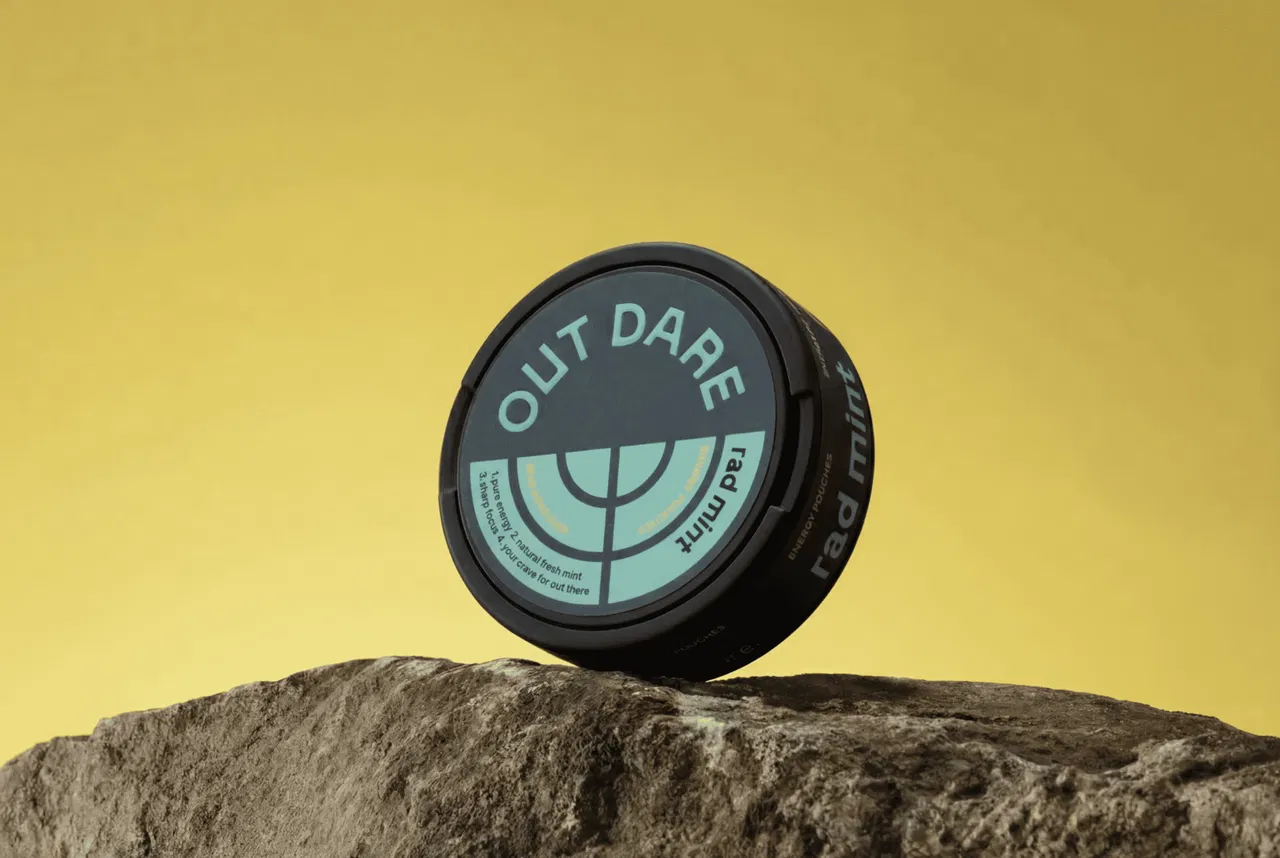
For the productivity-focused user who already tracks habits and uses caffeine strategically, an energy pouch delivering 50mg caffeine with nootropics like Alpha-GPC and L-Theanine is a meaningful upgrade over a shaker bottle or a third cup of coffee. No sugar. No crash. No 400ml of liquid you have to carry around.
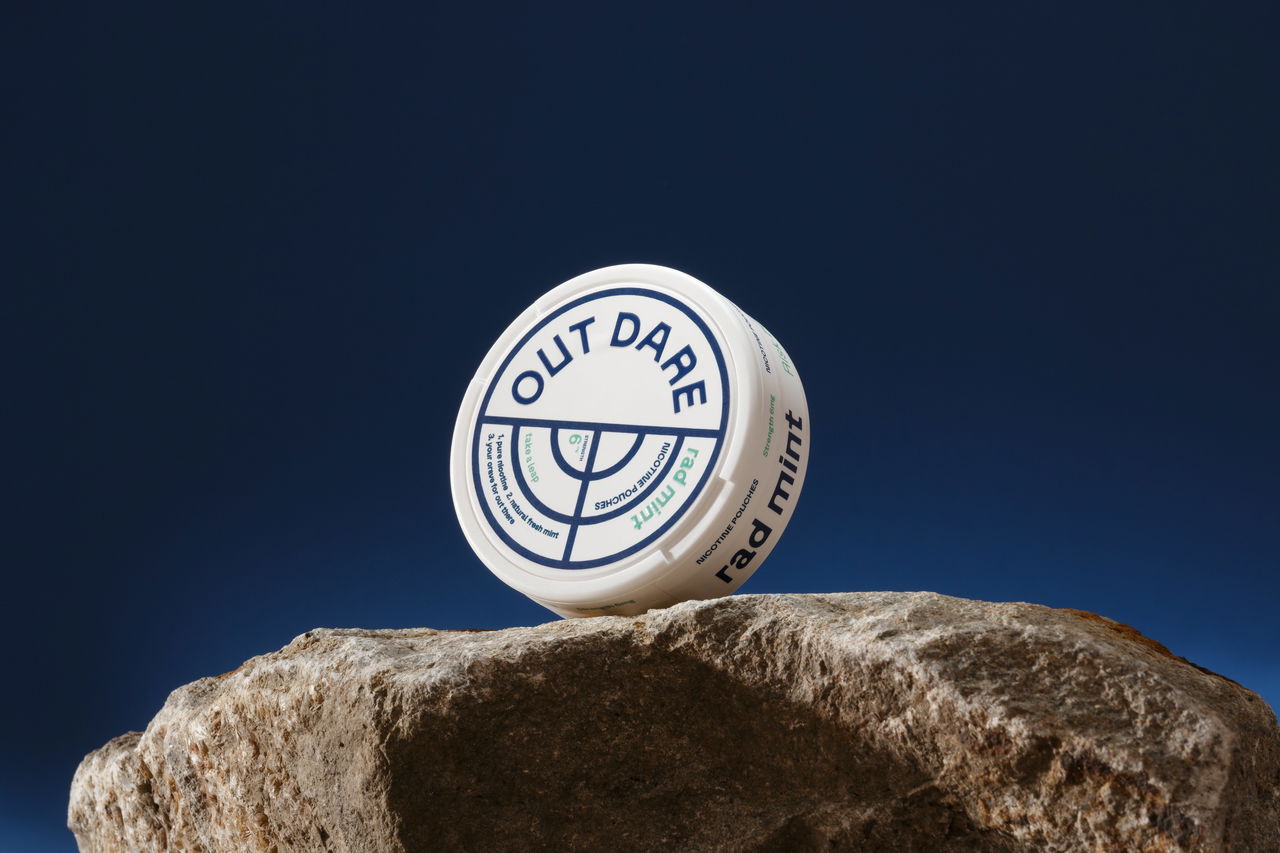
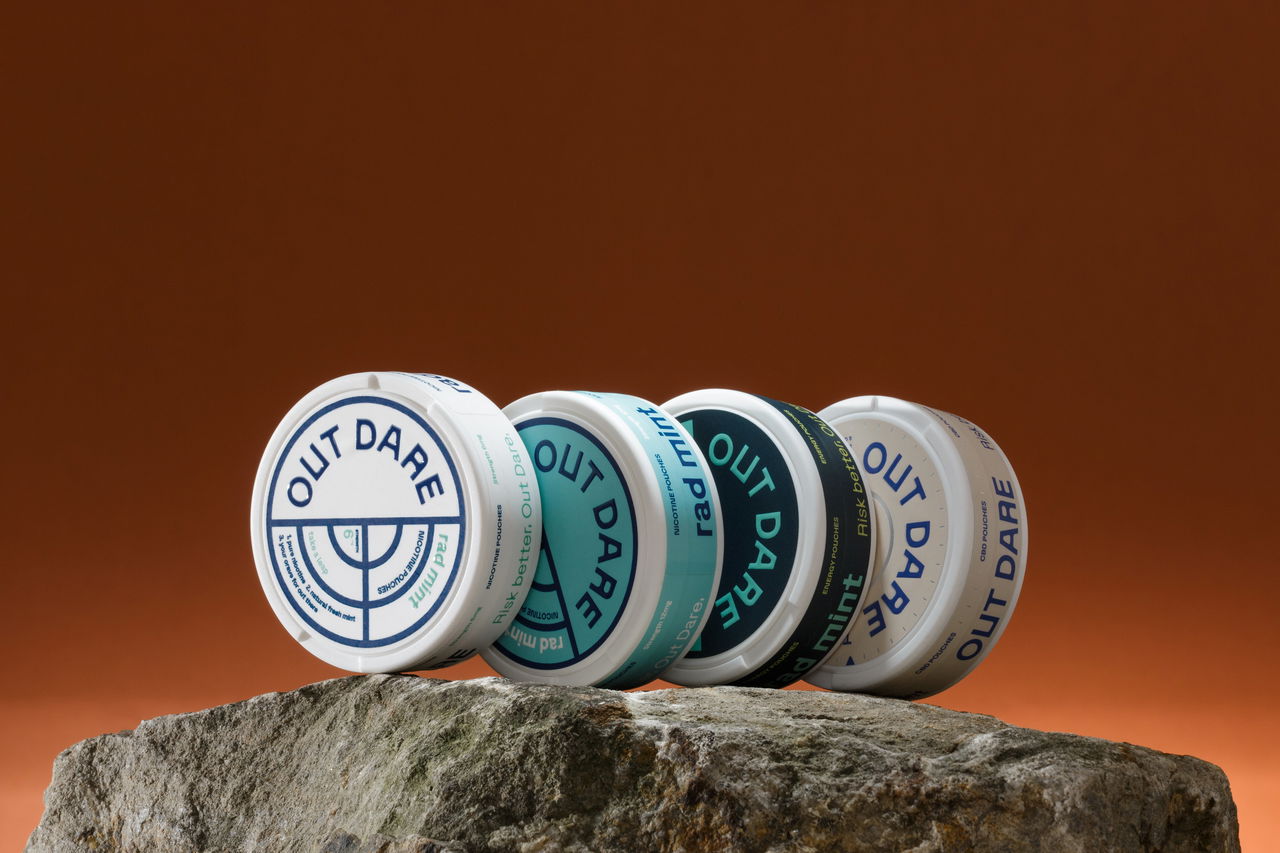
Our team at Outdare LTD recommends starting with a Discovery Pack if you're new to pouch-format supplements — it lets you test different variants (energy, CBD, nicotine reduction) before committing to a single format, which removes the guesswork from what can otherwise feel like a complicated decision.
Boost Oxygen's review of natural energy supplements confirms that B vitamins, CoQ10, and adaptogens like Rhodiola are among the most widely recognized and evidence-supported options for sustained energy [6].
Pro Tip: If you're currently consuming more than 2 nicotine pouches per day and using them primarily for focus, run a 7-day experiment: replace every other pouch with a caffeine-nootropic alternative in the same format. Track your focus and energy on a simple 1–10 scale each afternoon. Most people are surprised by how little the score changes — because the ritual was doing more work than the nicotine.
Sources & References
- Harvard Health, "Best vitamins and minerals for energy," 2023
- GoodRx, "The 9 Best Vitamins and Supplements for Energy," 2024
- PMC/NCBI, "The Role of Dietary Antioxidants, Food Supplements and Functional Foods," 2024
- Healthline, "The 11 Best Vitamins and Supplements to Boost Energy," 2024
- WebMD, "Can Supplements Improve Your Energy?," 2024
- Boost Oxygen, "10 Natural Energy Supplements That Actually Work," 2024
- Seed, "The Best Energy Supplements, According to Science," 2024
Frequently Asked Questions
1. What are clean energy supplements, exactly?
the practice are products formulated to increase energy, focus, or stamina using transparent, research-backed ingredients at disclosed doses, without artificial dyes, excessive sugar, or undisclosed stimulants. Common active ingredients include caffeine from natural sources, L-Theanine, B vitamins, and adaptogens like Ashwagandha and Rhodiola Rosea. They're designed for sustained output rather than a short spike.
2. Are clean energy supplements safe for daily use?
Most well-formulated this practice are safe for daily use at recommended doses. Caffeine tolerance can build over time, so cycling off for one week per month is a common strategy among habitual users. Adaptogens like ashwagandha are generally well-tolerated but may interact with thyroid medications or sedatives — consult a healthcare provider if you're on prescription medications. Results may vary depending on your baseline health and diet.
3. Can clean energy supplements replace nicotine pouches for focus?
For many users, yes — partially. Nicotine's cognitive effect is real, but the ritual and sensory cue account for a significant portion of the perceived benefit. A caffeine-nootropic pouch in the same oral format can replicate the delivery mechanism and much of the functional lift. The 30/30/30 Addiction Rule suggests that 60% of pouch addiction is habit and burn, not nicotine — meaning a clean energy supplement in the same format handles the majority of what you're actually seeking.
4. What's the best clean energy supplement for avoiding a crash?
The caffeine + L-Theanine combination is the most reliable crash-prevention stack. L-Theanine blunts the adrenaline spike from caffeine and extends the alert, calm focus window. A 1:2 ratio (e.g., 50mg caffeine to 100mg L-Theanine) is the standard starting point. Avoiding caffeine after 2pm also significantly reduces the next-morning fatigue cycle that most people mistake for needing more stimulants.
5. Do B vitamins actually give you more energy?
B vitamins support energy metabolism, but they don't directly stimulate energy the way caffeine does. As WebMD notes, B12 supplementation only meaningfully increases energy in people who are genuinely deficient. If your B12 levels are normal, taking more won't make you feel sharper. That said, B12 and folate deficiencies are more common than most people realize, particularly among vegans, older adults, and heavy alcohol consumers.
6. Which clean energy supplements work best for chronic fatigue?
Chronic fatigue has multiple causes, so no single supplement addresses it universally. Rhodiola Rosea and Ashwagandha have the strongest evidence for stress-related fatigue. CoQ10 and magnesium are relevant for mitochondrial and muscular fatigue. Iron supplementation is critical if you're deficient (common in women and endurance athletes). Seed's science review also highlights the gut-energy connection, noting that microbiome health influences nutrient absorption and therefore energy levels [7].
7. Are oral energy pouches better than energy drinks?
For most use cases, yes. Oral pouches deliver active ingredients through buccal absorption, which is faster than GI digestion and bypasses the sugar and carbonation that come with most energy drinks. They're discreet, portable, and produce no smell. For people who already use oral pouches (for nicotine or otherwise), the behavioral transition is frictionless — same format, cleaner ingredients, no dependency risk.
8. How long does it take for clean energy supplements to work?
Onset time depends on format. Oral pouches and sublingual drops work in 5–15 minutes via buccal absorption. Capsules and tablets take 30–60 minutes via GI absorption. Adaptogens like Ashwagandha require consistent daily use over 2–4 weeks before meaningful effects are noticeable. Caffeine-based this method work acutely; adaptogen-based ones work cumulatively. Most people benefit from combining both approaches.
Conclusion
this strategy aren't a category of miracle products. They're a category of honest ones. The best formulas work because they support real biological processes — ATP production, neurotransmitter balance, cortisol regulation — rather than overriding them with synthetic stimulants and hoping you don't notice the crash.
The key takeaway is this: ingredient quality matters, dose transparency matters, and delivery format matters more than most people account for. If you're reaching for a nicotine pouch every 45 minutes and calling it "energy," there's a cleaner path. The ritual is doing more work than the nicotine. Keep the ritual. Change what's inside it.
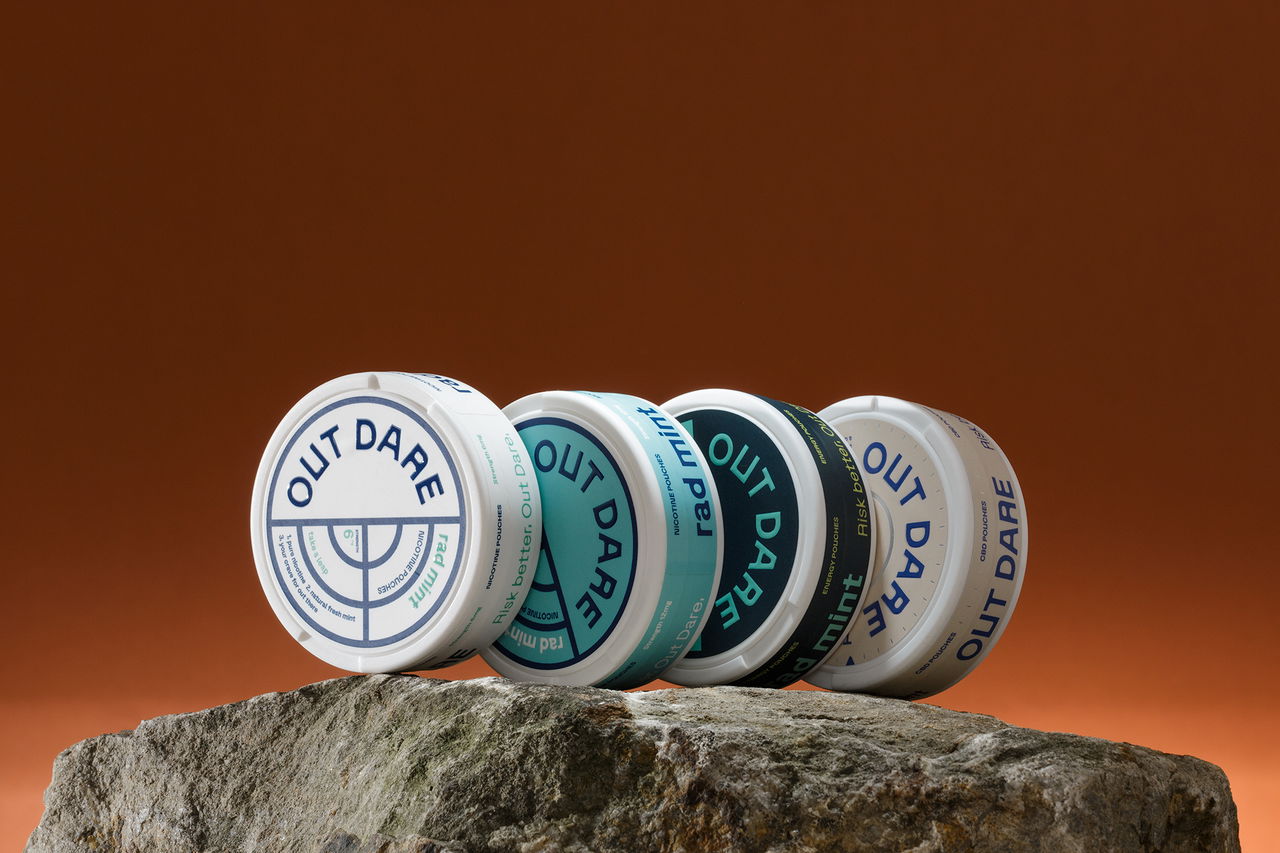
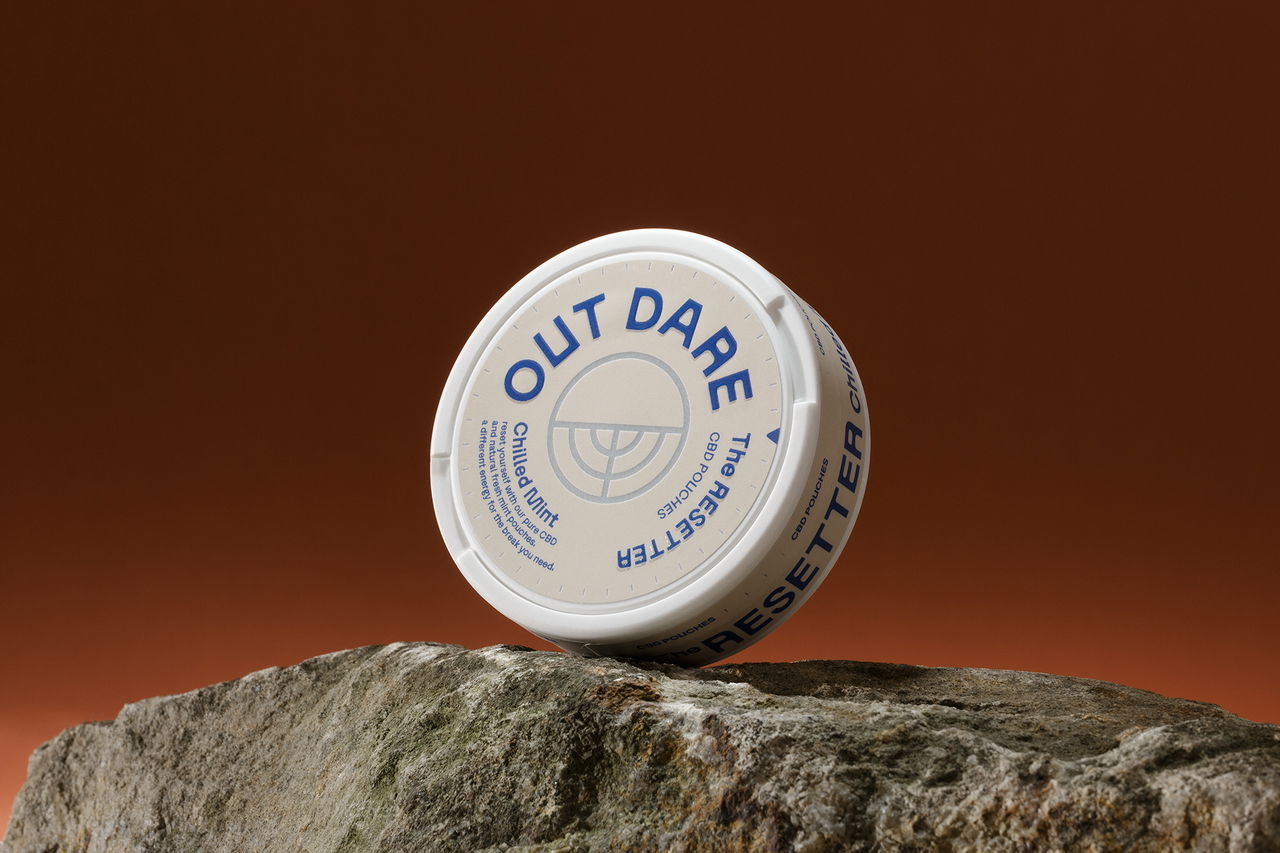
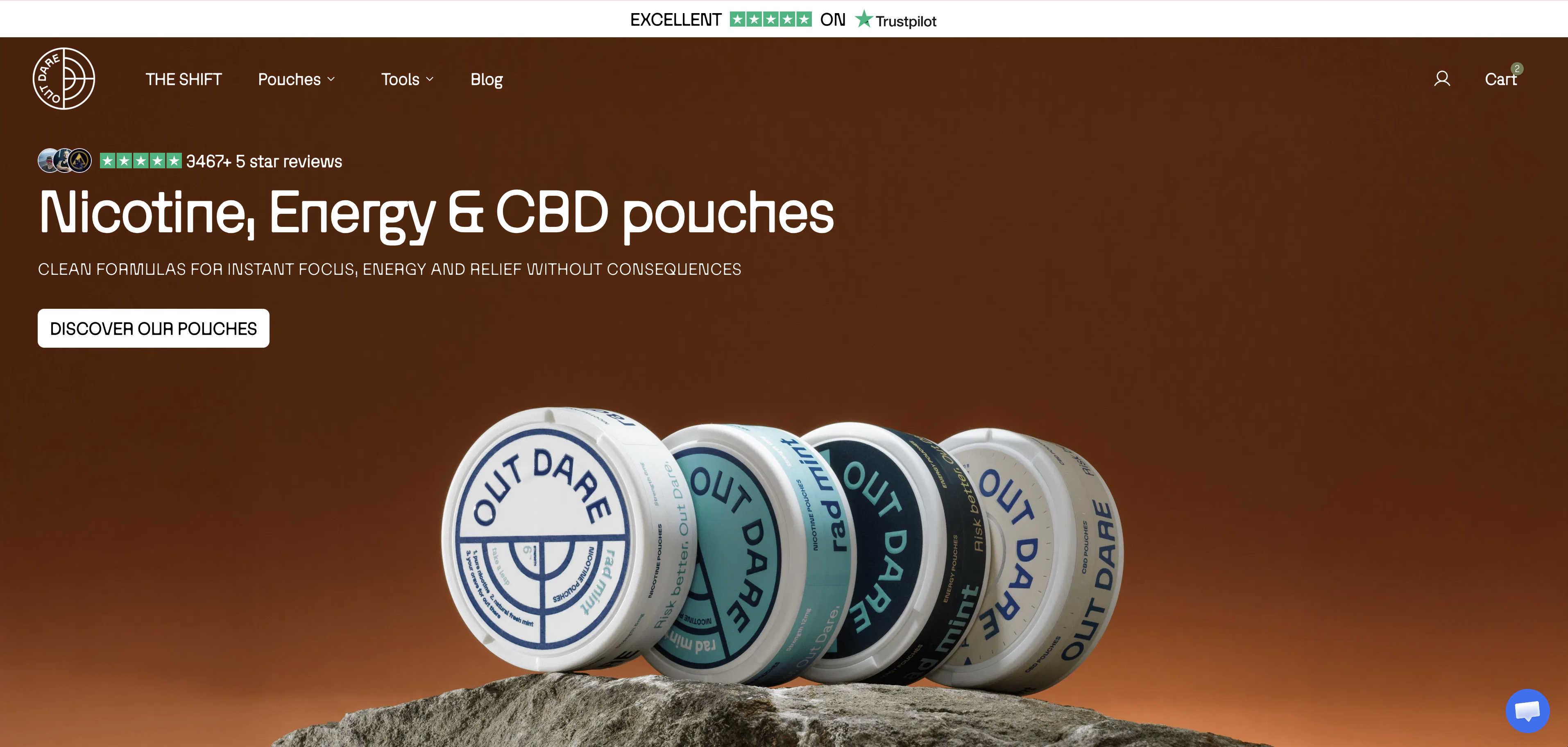
Outdare LTD was built around exactly this insight. Three pouches — Nicotine, Energy, and CBD — all sharing the same mint taste, mouthfeel, and gum burn. Your brain can't tell the difference. That means you can gradually replace nicotine with this approach in the same format, without white-knuckling a single craving. Most users reduce their nicotine intake by 60–90% in the first month using the 4-Week Method.
If you're serious about upgrading your energy without feeding a dependency, the Discovery Pack is the lowest-friction way to start. Same ritual. Less nicotine. Full control.
Risk Better. Out Dare.
Recommended Articles
Explore more from our content library: