









Adaptogens for Stress Relief: A Practical Guide
| Key Insight | Explanation |
|---|---|
| Adaptogens modulate cortisol | Research shows adaptogenic herbs can reduce serum cortisol by up to 30% in chronically stressed adults, helping the body return to hormonal baseline faster. |
| Not all adaptogens do the same job | Ashwagandha is best for cortisol and anxiety; Rhodiola excels at mental fatigue and focus; Reishi supports sleep and immune resilience. Matching herb to symptom matters. |
| Consistency beats single doses | Most adaptogens require 4–8 weeks of consistent use before measurable stress-relief effects appear. They are not acute anxiolytics — they recalibrate the stress response over time. |
| Safety has real limits | Pregnant women, people with autoimmune conditions, and those on blood pressure or thyroid medication should consult a physician before starting any adaptogen protocol. |
| Ritual amplifies effect | Pairing adaptogens with a consistent daily ritual — morning tea, an evening pouch, a pre-workout routine — significantly improves adherence and perceived benefit. |
| Nicotine stress is a different problem | Chronic nicotine use dysregulates the same HPA axis that adaptogens target. Addressing both together produces better outcomes than either approach alone. |
Chronic stress is one of the most underestimated drivers of poor health in 2026. Adaptogens for stress relief — a class of herbs and roots that help the body resist physical and psychological stressors — have moved from fringe wellness circles into mainstream clinical discussion over the past decade. According to UCLA Health, adaptogens are plant substances that help the body manage stress and restore balance after a stressful situation [1]. This guide walks you through exactly how to use them: which ones to pick, how to dose them, how to build a ritual that sticks, and what to watch out for. You'll need about 20 minutes to read it and roughly 4–8 weeks to see measurable results.
What Are Adaptogens for Stress Relief?
Adaptogens are a specific category of herbs and plant substances that help the body maintain homeostasis (internal balance) under physical, chemical, and biological stress. They work primarily by modulating the HPA axis (hypothalamic-pituitary-adrenal axis) — the hormonal system that governs your cortisol response — and by supporting the production of stress-protective proteins called molecular chaperones [2]. This is particularly relevant for adaptogens for stress relief.
The Science Behind How Adaptogens Work
The term "adaptogen" was first coined by Soviet pharmacologist Nikolai Lazarev in 1947 and later formalized through extensive research on Eleutherococcus senticosus (Siberian ginseng). To qualify as an adaptogen, a substance must meet three criteria: it must be non-toxic at normal doses, it must produce a non-specific stress-resistance response, and it must normalize physiological function regardless of the direction of the stressor.
Research published in Pharmaceuticals and indexed on PubMed confirms that adaptogens exert their stress-protective effect by modulating the expression of molecular chaperones, including heat shock proteins (HSPs) and the stress hormone neuropeptide Y [2]. In plain terms: they help your nervous system recover faster from stress, rather than staying locked in a high-cortisol state.
A systematic review published in Phytomedicine found that Withania somnifera (ashwagandha) significantly decreases serum cortisol in mentally stressed healthy adults after 56–60 days of treatment [3]. That's a meaningful clinical signal, not just anecdote.
Adaptogens vs. Stimulants: A Key Distinction
Adaptogens are not stimulants. They don't spike energy artificially. They recalibrate. A stimulant like caffeine forces your adrenal glands to produce more cortisol and adrenaline — useful short-term, but costly over weeks and months. An adaptogen like Rhodiola rosea reduces the physiological cost of stress without suppressing alertness. That's a fundamentally different mechanism, and it's why the two can be stacked effectively. When considering adaptogens for stress relief, this point stands out.
| Property | Adaptogen | Stimulant (e.g., Caffeine) |
|---|---|---|
| Primary mechanism | HPA axis modulation, cortisol normalization | Adenosine receptor blockade, adrenaline release |
| Onset of effect | 4–8 weeks (cumulative) | 15–45 minutes (acute) |
| Crash risk | Low | Moderate to high |
| Dependency potential | Low (no known chemical dependency) | Moderate (tolerance builds) |
| Best use case | Chronic stress, HPA dysregulation, burnout recovery | Acute focus, short-term performance boost |
What You'll Need Before You Start
Before adding adaptogens for stress relief to your routine, you need three things: a clear picture of your stress symptoms, a baseline understanding of any medications or conditions that could interact with these herbs, and a realistic 4–8 week commitment window.
Health and Lifestyle Prerequisites
- Medical clearance: If you take thyroid medication, blood pressure drugs, immunosuppressants, or blood thinners, speak to a physician first. Several adaptogens have documented interactions with these drug classes.
- Symptom clarity: Know whether your primary complaint is anxiety, fatigue, brain fog, poor sleep, or mood instability. Different adaptogens target different symptoms — using the wrong one wastes time and money.
- Baseline tracking method: A simple daily journal, a mood-tracking app, or even a 1–10 stress rating noted each morning gives you data to measure against.
- Quality sourcing: As of 2026, the adaptogen supplement market remains largely unregulated in the EU and US. Look for products with third-party testing certificates (e.g., NSF Certified for Sport, USP Verified) and standardized extract percentages on the label.
- Realistic expectations: Adaptogens are not acute anxiolytics. They don't work like a benzodiazepine or a nicotine hit. Results accumulate over weeks, not hours.
Tools and Delivery Formats Available
Adaptogens come in several formats, each with different bioavailability and convenience profiles:
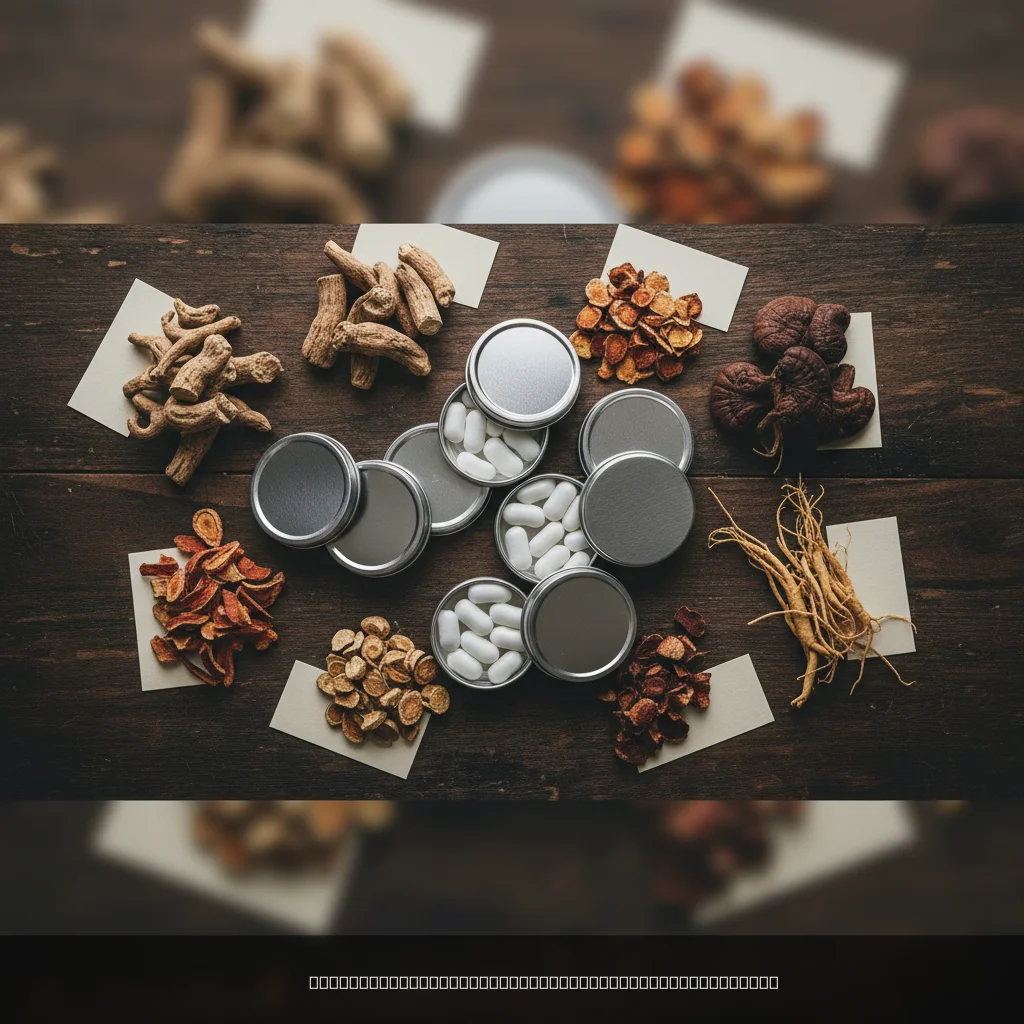
- Capsules/tablets: Most convenient for dosing consistency; standardized extracts are easier to find in this format.
- Tinctures (liquid extracts): Faster absorption; useful for those who have trouble swallowing capsules.
- Powders: Versatile but harder to dose precisely; often mixed into coffee, tea, or smoothies.
- Functional teas: Lower potency but good for ritual-building.
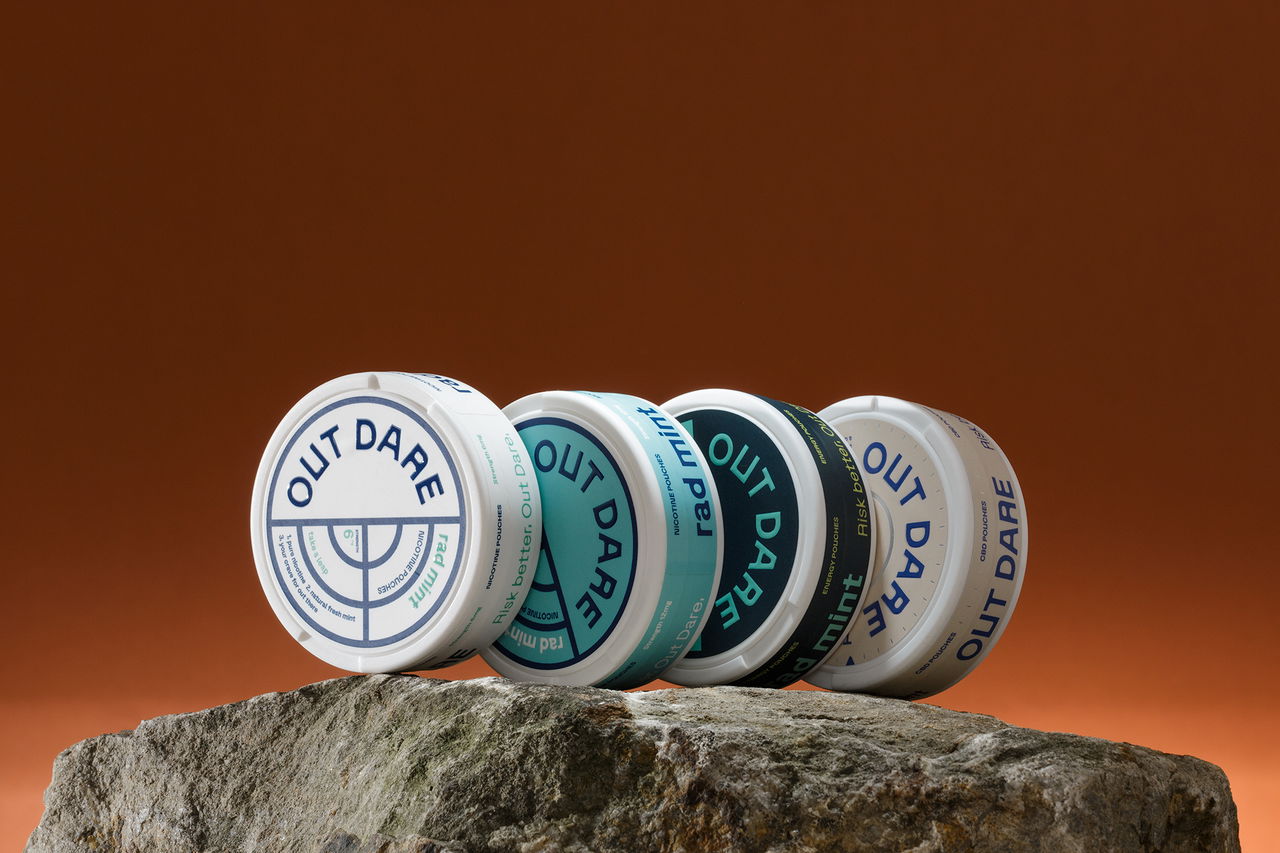
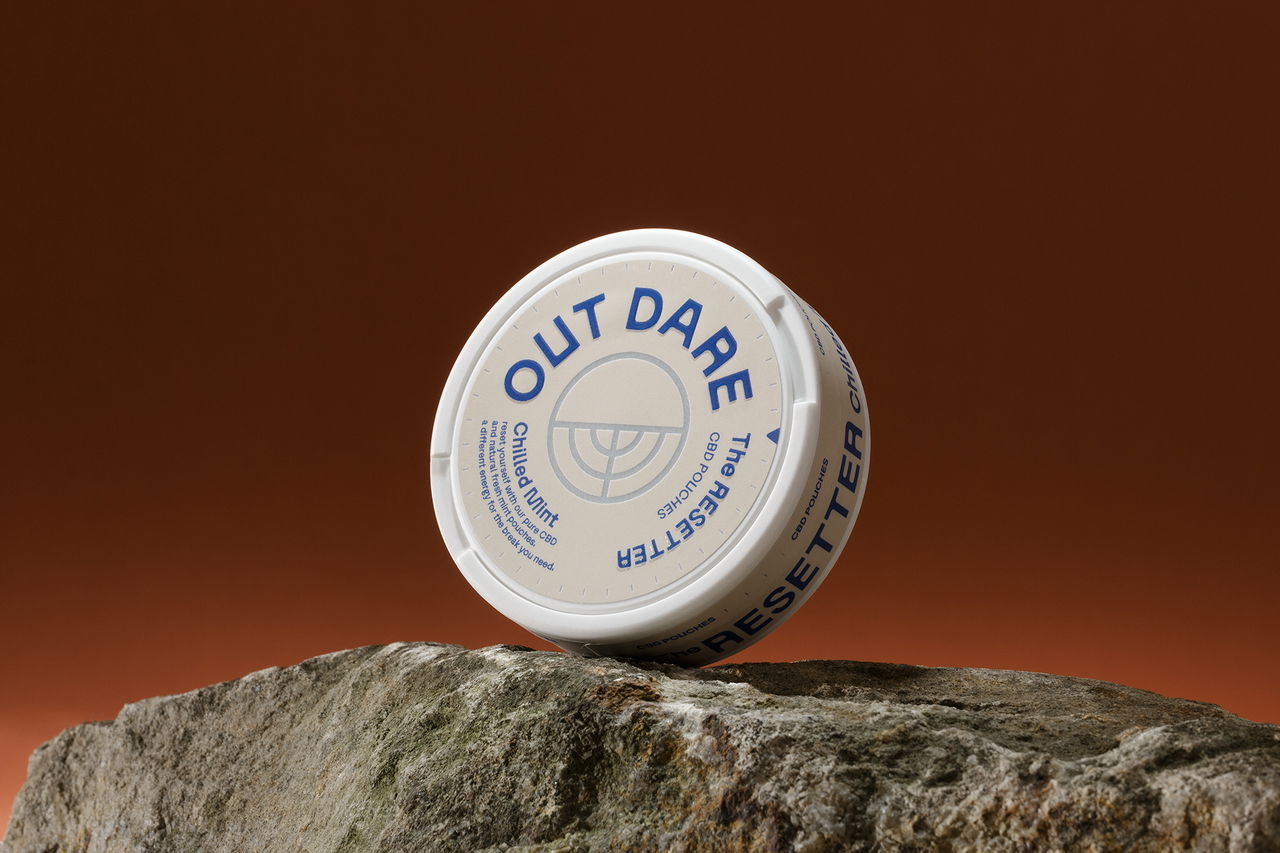
- Functional pouches: An emerging format in 2026 that combines nootropics and calming compounds in a discreet oral delivery system — relevant for those already using oral pouches as part of a daily ritual.
Pro Tip: Always check the standardization percentage on adaptogen labels. Ashwagandha supplements should specify "withanolide content" (typically 2.5–5%), and Rhodiola products should list "rosavins" (3%) and "salidroside" (1%). A label that just says "ashwagandha root powder" without standardization data is a red flag for low potency.
Step 1: Identify Your Stress Profile
Map your specific stress symptoms before choosing any adaptogen — the right herb for anxiety-driven insomnia is different from the right herb for afternoon mental fatigue or post-workout cortisol spikes.
Understanding the Three Main Stress Profiles
Stress isn't monolithic. Practitioners working in functional medicine typically distinguish between three patterns:
- High-cortisol / anxious stress: Characterized by racing thoughts, difficulty falling asleep, jaw clenching, irritability, and elevated resting heart rate. This pattern often involves chronic HPA axis overstimulation.
- Low-cortisol / burnout stress: Characterized by persistent fatigue, low motivation, brain fog (the inability to think clearly or retain information), and flat mood. This often follows prolonged high-cortisol phases where the adrenal system has essentially downregulated.
- Situational / acute stress: Spikes around specific triggers — presentations, competitions, social situations — with relatively normal baseline function between episodes.
Identifying which pattern fits you most closely is the single most important step before choosing an adaptogen. In practice, many people present with a mix of patterns one and two, especially those who have been relying on stimulants (nicotine, caffeine, energy drinks) to compensate for burnout fatigue. For those exploring adaptogens for stress relief, this matters.
According to Dartmouth Health, adaptogens may reduce stress, fight fatigue, and improve concentration — but the mechanism differs enough between herbs that symptom-matching is essential for results [4].
Pro Tip: One practical self-assessment: note whether you feel more wired-but-tired (high cortisol pattern) or flat-and-foggy (low cortisol/burnout pattern). The first calls for calming adaptogens like ashwagandha or Reishi. The second calls for energizing adaptogens like Rhodiola or Eleuthero. Getting this wrong means 6 weeks of the wrong herb with no results.
From experience, a common mistake at this stage is skipping the symptom audit entirely and simply buying whichever adaptogen was most recently mentioned on a podcast. That approach produces inconsistent results and leads people to conclude "adaptogens don't work" — when the real issue was a mismatch between herb and symptom profile.
Step 2: Choose the Right Adaptogen for Your Symptoms
The six most evidence-backed adaptogens for stress relief each have distinct primary applications, dose ranges, and safety profiles. Match your choice to your stress profile from Step 1.
Top Adaptogens for Stress: Compared
- Ashwagandha (Withania somnifera): The most studied adaptogen for cortisol reduction. Best for high-cortisol anxiety, poor sleep, and chronic stress. A 2023 systematic review in Phytomedicine confirmed significant cortisol reduction after 56–60 days of use [3]. Standard dose: 300–600mg of standardized extract (2.5% withanolides) daily.
- Rhodiola rosea: Best for mental fatigue, burnout, and cognitive performance under stress. Research indexed on PMC shows Rhodiola activates stress-protective proteins and improves mental work capacity [2]. Standard dose: 200–400mg (3% rosavins, 1% salidroside) daily, preferably in the morning.
- Reishi mushroom (Ganoderma lucidum): Best for stress-driven sleep disruption and immune resilience. Works more slowly than other adaptogens but has a strong safety profile. Standard dose: 1–2g of dried extract daily.
- Panax ginseng: Best for acute cognitive stress and physical performance. Has stimulant-adjacent properties — use with caution if you're already sensitive to stimulants. Standard dose: 200–400mg daily.
- Eleuthero (Eleutherococcus senticosus): The original Soviet-researched adaptogen. Best for fatigue and stamina under sustained stress. Standard dose: 300–1200mg of root extract daily.
- Holy Basil / Tulsi (Ocimum tenuiflorum): Best for mood-related stress and mild anxiety. Has a calming, slightly uplifting effect. Standard dose: 300–600mg of leaf extract daily.
According to GoodRx, common examples of adaptogens include ashwagandha, ginseng, and Rhodiola — all of which have demonstrated stress-modulating properties in clinical research [5].

The Nicotine-Stress Connection Worth Understanding
Here's something most adaptogen guides skip entirely. If you're using nicotine pouches daily, your HPA axis is already under chronic chemical stress. Nicotine acutely elevates cortisol and adrenaline — which feels like energy and focus, but is actually a stress response your body is paying for later [6]. The afternoon brain fog, the gut discomfort, the poor sleep: those aren't random. They're the downstream cost of repeated cortisol spikes. This directly impacts adaptogens for stress relief outcomes.
Adaptogens for stress relief work best when you're also reducing the inputs that are driving the stress response in the first place. That's where a structured reduction system becomes relevant alongside any adaptogen protocol.
Step 3: Dose Correctly and Consistently
Adaptogens require consistent daily dosing over 4–8 weeks to produce measurable stress-relief effects — single doses do not produce the same results as a sustained protocol.
Core Dosing Principles for Adaptogens
- Start at the lower end of the clinical dose range. For ashwagandha, that's 300mg. For Rhodiola, 200mg. Assess tolerance for the first week before increasing.
- Take stimulating adaptogens (Rhodiola, Eleuthero, Panax ginseng) in the morning. Taking them in the evening can disrupt sleep in sensitive individuals.
- Take calming adaptogens (ashwagandha, Reishi) in the evening. Ashwagandha in particular pairs well with a wind-down ritual 1–2 hours before bed.
- Don't stack more than two adaptogens at once when starting out. It's harder to identify what's working (or causing side effects) when you introduce multiple variables simultaneously.
- Use standardized extracts, not raw powders, for the first protocol. Standardized extracts have known active compound concentrations — raw powders vary wildly in potency.
- Maintain consistent timing. Your circadian rhythm interacts with cortisol patterns. Taking adaptogens at the same time each day improves the regularity of effect.
The VA Whole Health Library notes that while anecdotal evidence supporting adaptogens is strong, dosing consistency and quality sourcing are critical variables that determine real-world outcomes [6].
Should You Cycle Adaptogens?
The evidence on cycling (taking breaks from adaptogen use) is mixed. Some practitioners recommend a 5-days-on, 2-days-off or 8-weeks-on, 2-weeks-off schedule to prevent tolerance. Others argue that adaptogens don't produce tolerance in the same way stimulants do. In practice, cycling makes most sense for energizing adaptogens like Rhodiola and Panax ginseng, while calming adaptogens like ashwagandha and Reishi are generally used continuously without reported tolerance issues.
Step 4: Stack Adaptogens with a Daily Ritual
Pairing adaptogens with a consistent daily ritual dramatically improves adherence and amplifies the psychological component of stress relief, which is itself a meaningful part of the total effect. This is particularly relevant for adaptogens for stress relief.
Building a Morning Stress-Relief Stack
A morning ritual built around adaptogens might look like this:
- Take your stimulating adaptogen (Rhodiola or Eleuthero) with your first meal or coffee. This anchors the habit to something you're already doing.
- Follow with a functional energy source that doesn't spike cortisol further. This is where a clean caffeine-plus-nootropics format — one that delivers focus without the jitter or the crash — becomes relevant. The combination of caffeine and L-theanine (an amino acid that modulates caffeine's stimulant effect) is well-supported in the cognitive performance literature.
- Add a brief 5-minute breathing or mindfulness practice. Adaptogens work on the physiological side; controlled breathing activates the parasympathetic nervous system directly. They're complementary, not redundant.
Building an Evening Wind-Down Stack
- Take ashwagandha or Reishi 60–90 minutes before your intended sleep time. Both have evidence for improving sleep quality in stressed adults.
- Pair with a consistent sensory ritual. The ritual itself — the act of preparing and taking something — signals to the nervous system that the active part of the day is over. This is why CBD-based oral formats have gained traction as evening rituals: they combine a functional compound with the kind of tactile, repeatable behavior that reinforces the wind-down signal.
- Reduce screen exposure in the same window. No adaptogen compensates fully for blue light disrupting melatonin production.
Pro Tip: At Outdare LTD, we've found that the ritual wrapper around a functional compound matters almost as much as the compound itself. The 30/30/30 Addiction Rule — which shows that 60% of pouch addiction is driven by habit and sensory cue rather than the chemical — applies directly here. When you attach an adaptogen to a consistent sensory ritual, you're reinforcing the calming association neurologically, not just biochemically.
Step 5: Track Your Response Over 4–8 Weeks
Tracking your adaptogen response over a minimum 4-week window gives you the data to distinguish genuine effect from placebo, seasonal change, or lifestyle confounders.
What to Measure and How Often
You don't need sophisticated biometric tools to track adaptogen response. The following simple metrics, logged daily in a notes app or journal, are sufficient:
- Morning stress score (1–10): Rate your perceived stress level within 10 minutes of waking, before checking your phone.
- Afternoon energy score (1–10): Assess around 3pm — the time when HPA dysregulation most visibly manifests as an energy crash.
- Sleep quality score (1–10): Rate the previous night's sleep each morning.
- Cognitive clarity score (1–10): A proxy for brain fog — how sharp and focused do you feel during your most demanding work hours?
- Notable side effects: Any digestive discomfort, headaches, or mood changes worth noting.
Review your averages at the end of weeks 2, 4, and 8. A meaningful response typically shows up as a 1.5–2.5 point improvement in morning stress scores and a reduction in afternoon energy crashes by week 4–6. Results may vary based on baseline stress levels, sleep quality, and whether underlying stressors have changed during the tracking period. When considering adaptogens for stress relief, this point stands out.
What a "No Response" Result Actually Means
If you see no measurable improvement by week 6, there are three likely explanations: wrong adaptogen for your stress profile (go back to Step 1), insufficient dose or poor-quality supplement, or an unaddressed upstream stressor that the adaptogen alone can't compensate for. In one scenario we've seen repeatedly, users added ashwagandha to a daily routine that still included 10–15 nicotine pouches per day and wondered why cortisol symptoms persisted. The chemical stressor was simply too large for the adaptogen to offset.
Step 6: Adjust or Cycle Your Protocol
After 8 weeks of consistent tracking, you have enough data to make an informed adjustment to your adaptogen protocol based on what's working and what isn't.
Adjustment Strategies Based on Your Results
- Partial response (improved but plateau reached): Try adding a complementary adaptogen. If Rhodiola improved mental clarity but sleep is still disrupted, add ashwagandha in the evening. Don't stack more than three adaptogens simultaneously.
- Strong response (consistent improvement across metrics): Consider a 2-week break after 8–12 weeks to assess whether the gains hold. If they do, the adaptogen has helped recalibrate your baseline — you may not need continuous supplementation.
- No response despite correct dosing and quality sourcing: Consult a functional medicine practitioner. Some individuals have underlying thyroid dysfunction, nutrient deficiencies (particularly vitamin D, magnesium, and B12), or sleep disorders that must be addressed before adaptogens can work effectively.
- Side effects emerged: Discontinue the specific adaptogen and introduce an alternative from the same functional category. Ashwagandha, for example, occasionally causes digestive discomfort in sensitive individuals — Holy Basil is a gentler alternative for high-cortisol stress.
Long-Term Maintenance Approach
Long-term adaptogen use is common and generally considered safe for most healthy adults, per the VA Whole Health Library [6]. The most practical long-term approach is seasonal cycling: use stimulating adaptogens (Rhodiola, Eleuthero) during high-demand periods like Q1 and Q3, and calming adaptogens (ashwagandha, Reishi) during recovery periods or winter months when sleep quality tends to decline.
Common Mistakes to Avoid
Most adaptogen protocols fail not because the herbs don't work, but because of avoidable errors in selection, dosing, timing, or expectation-setting. For those exploring adaptogens for stress relief, this matters.
Selection and Dosing Mistakes
- Buying unstandardized powders: Raw ashwagandha root powder may contain as little as 0.1% withanolides, compared to 2.5–5% in standardized extracts. You can't dose consistently from a product you can't measure.
- Taking Rhodiola in the evening: Rhodiola is mildly stimulating. Evening use disrupts sleep in roughly 20–30% of users — a common complaint that leads people to abandon the supplement rather than simply shifting the timing.
- Expecting acute effects: Adaptogens are not anxiolytics. They don't produce a perceptible calming effect within 30 minutes of ingestion the way a benzodiazepine or even CBD does. Expecting immediate relief and abandoning the protocol at week 2 is the single most common reason people report that "adaptogens don't work."
- Stacking too many adaptogens at once: A common mistake is buying a multi-adaptogen blend containing 8–10 herbs at sub-clinical doses of each. You get nothing at a meaningful dose. Pick one or two and use them at full clinical doses.
Ignoring Lifestyle Confounders
- Continuing high stimulant intake: If you're consuming 200mg+ of caffeine daily plus regular nicotine pouches, you're continuously driving cortisol upward. Adaptogens can help, but they're fighting upstream. Reducing chemical stressors alongside adaptogen use produces significantly better outcomes.
- Poor sleep hygiene: No adaptogen compensates for consistently sleeping fewer than 6 hours. Cortisol normalization requires adequate sleep to consolidate.
- Skipping days frequently: Adaptogens require consistent serum levels to produce their cumulative effect. Missing 3–4 days per week effectively restarts the adaptation process.
- Not tracking: Without a baseline and ongoing measurement, you can't distinguish real effect from the natural fluctuation of stress levels. Tracking turns a vague "I feel better" into actionable data.
Sources & References
- UCLA Health, "What are adaptogens and should you be taking them?", 2023
- PMC / National Library of Medicine, "Effects of Adaptogens on the Central Nervous System and the Molecular Mechanisms Associated with Their Stress-Protective Activity", 2010
- ScienceDirect / Phytomedicine, "The effect of adaptogenic plants on stress: A systematic review and meta-analysis", 2023
- Dartmouth Health, "What Are Adaptogens?", 2023
- GoodRx, "What Are Adaptogens? Exploring the Types and Benefits", 2024
- VA Whole Health Library, "Adaptogens", 2023
- Wellbeing Nutrition, "How Adaptogens Naturally Reduce Stress & Anxiety", 2023
Frequently Asked Questions
1. Who should avoid adaptogens?
Several populations should avoid or carefully limit adaptogen use. Pregnant and breastfeeding women should avoid most adaptogens due to insufficient safety data. People taking thyroid medication, immunosuppressants, blood thinners, or antidiabetic drugs face clinically significant interaction risks — ashwagandha, for example, can potentiate thyroid hormone production and alter blood glucose levels. Those with autoimmune conditions, active stomach ulcers, or scheduled surgeries should consult a physician before starting any adaptogen protocol, as some herbs modulate immune function in ways that can be counterproductive in these contexts. Results vary significantly based on individual health status and medication load.
2. Do adaptogens cause weight loss?
Adaptogens for stress relief don't directly burn fat, but they can support weight management through several indirect mechanisms. Chronically elevated cortisol promotes visceral fat accumulation, particularly around the abdomen — adaptogens like ashwagandha that reduce cortisol levels may therefore reduce this specific type of fat storage over time. Rhodiola rosea has shown evidence for improving exercise endurance and mitochondrial efficiency, which supports more effective caloric expenditure during physical activity. Additionally, by improving sleep quality and reducing stress-driven eating behavior, adaptogens address two of the most common behavioral drivers of weight gain. Don't expect dramatic fat loss from adaptogens alone, but they can meaningfully support a broader lifestyle intervention.
3. Are adaptogens good for Hashimoto's disease?
The relationship between adaptogens and Hashimoto's thyroiditis is nuanced and requires medical supervision. Some research suggests that ashwagandha may reduce thyroid antibody levels and support T4-to-T3 hormone conversion — potentially beneficial for hypothyroid Hashimoto's patients. However, ashwagandha also stimulates thyroid activity, which can be problematic for hyperthyroid presentations or for patients on levothyroxine, as it may alter medication requirements. Reishi and Holy Basil are generally considered safer options for Hashimoto's patients given their more modest thyroid influence, but any adaptogen use alongside thyroid medication should be monitored by an endocrinologist or integrative physician. This is not an area for self-experimentation without professional guidance.
4. How long do adaptogens take to work for stress relief?
Most adaptogens for stress relief require 4–8 weeks of consistent daily use before measurable effects on cortisol, energy, and mood become apparent. Some users report subtle improvements in sleep quality and morning stress levels within 2–3 weeks, particularly with ashwagandha. Rhodiola rosea tends to show earlier effects on mental fatigue, sometimes within 1–2 weeks, because its mechanism involves more acute neuroprotective activity alongside longer-term HPA modulation. Expecting results in under two weeks and abandoning the protocol early is the most common reason people conclude that adaptogens don't work for them.
5. Can you take adaptogens with caffeine or nicotine?
Yes, adaptogens can generally be taken alongside caffeine, and many practitioners recommend combining Rhodiola with caffeine specifically because Rhodiola blunts the cortisol spike that caffeine produces while preserving the focus benefit. The combination of adaptogens with nicotine is more complicated. Nicotine chronically elevates cortisol and disrupts the HPA axis — the same system adaptogens are trying to recalibrate. Adaptogens can help manage the downstream stress symptoms of nicotine use, but they work significantly better when nicotine intake is also being reduced. A structured reduction approach that addresses both the chemical dependency and the ritual component produces the best outcomes when combined with an adaptogen protocol.
6. What are the best adaptogens for sleep?
Ashwagandha and Reishi mushroom are the two most evidence-backed adaptogens for sleep improvement. Ashwagandha has demonstrated statistically significant improvements in sleep quality, sleep onset latency, and morning alertness in randomized controlled trials, with the most consistent results at 300–600mg of standardized extract taken 60–90 minutes before bed. Reishi works more slowly but has a strong safety profile and supports both sleep quality and immune resilience. Holy Basil is a useful addition for stress-driven insomnia specifically, as it has mild anxiolytic properties that help quiet racing thoughts at bedtime. Avoid Rhodiola and Panax ginseng in the evening — both are stimulating and will counteract sleep onset.

Conclusion
Adaptogens for stress relief are one of the most evidence-backed, underutilized tools available to anyone dealing with chronic stress, burnout, or HPA axis dysregulation. The six steps in this guide give you a complete, practical system: identify your stress profile, match the right herb to your symptoms, dose consistently using standardized extracts, build a daily ritual that reinforces the effect, track your response over 4–8 weeks, and adjust based on real data rather than guesswork.
The most important thing to understand is that adaptogens are a recalibration tool, not a quick fix. They work best when you're also reducing the upstream stressors driving the problem — whether that's poor sleep, excessive caffeine, or chronic nicotine intake that keeps your cortisol chronically elevated.
That's where Outdare LTD's approach becomes relevant. The same principle that underlies the 30/30/30 Addiction Rule — that 60% of the pouch habit is ritual and sensory cue, not chemistry — applies directly to stress management. Build better rituals around better compounds, reduce the chemical inputs that are driving the stress response, and give your nervous system the 4–8 weeks it needs to recalibrate. The results, in practice, are meaningfully better than either approach alone.
Risk Better. Out Dare.
Recommended Articles
Explore more from our content library: