





How to Quit Snus: A Practical Step-by-Step Guide
| Key Insight | Explanation |
|---|---|
| Snus addiction is 70% ritual, 30% chemical | The 30/30/30 Addiction Rule shows that only one-third of your dependency is nicotine. The rest is physical habit and sensory cue — the burn and the pillow feeling under your lip. |
| Cold turkey has a high failure rate | Stopping all nicotine at once triggers intense withdrawal within hours. Most users relapse within the first week because the ritual is gone and cravings are unmanaged. |
| Gradual substitution outperforms willpower alone | Replacing nicotine pouches with sensorially identical alternatives (same taste, burn, mouthfeel) keeps the habit loop intact while reducing chemical dependency progressively. |
| Withdrawal peaks at 72 hours and fades within 2–4 weeks | Physical nicotine withdrawal is time-limited. Understanding the timeline helps you plan support around the hardest days rather than white-knuckling through them blindly. |
| Trigger mapping prevents relapse | Identifying the specific moments you reach for a pouch — stress, boredom, after meals — lets you pre-plan substitutions before cravings hit, not after. |
| A 4-week structured method delivers 60–90% reduction | Most users who follow a structured pouch-substitution protocol reduce nicotine intake by 60–90% within 30 days without losing the ritual that makes the habit feel manageable. |
Why Quitting Snus Is Harder Than It Looks: how to quit snus
If you're searching for how to quit snus, you've probably already tried the obvious approaches — cutting back, switching brands, going cold turkey on a Monday morning. And you probably know how that ended. Snus and tobacco-free nicotine pouches create a dependency that runs deeper than most people expect, because the addiction isn't just chemical. It's sensory. It's ritual. It's the specific feeling of that pouch sitting under your lip at 9am, at 3pm, and every 45 minutes in between.
This guide gives you a practical, step-by-step system to quit — or dramatically reduce — your snus use in 30 days. No cold turkey suffering. No vague advice about "staying busy." Just a structured method that works with how addiction actually functions, not against it. This is particularly relevant for how to quit snus.
Difficulty: Moderate. Time commitment: 4 weeks of structured effort, with most of the heavy lifting in weeks one and two.

What You'll Need Before You Start
Before you take any action, gather the right tools and set the right expectations. Quitting without preparation is the single biggest reason people fail within the first 72 hours. When considering how to quit snus, this point stands out.
Essential Tools and Mindset
- Honest usage data: Know how many pouches you use per day and when. If you're not sure, track it for 48 hours before starting.
- A substitution strategy: Willpower alone won't carry you through the ritual craving. You need something to put under your lip that isn't nicotine — or that contains significantly less of it.
- A written quit date: According to the National Cancer Institute, setting a specific quit date significantly improves cessation outcomes compared to vague intentions [1].
- Support from at least one person: Accountability matters. Tell someone — a partner, a friend, or an online community like r/stopsmoking [2].
- An understanding of withdrawal timing: Physical nicotine withdrawal (the chemical 30%) peaks at 48–72 hours and largely resolves within 2–4 weeks [3].
Knowledge Prerequisites
- Understand that snus addiction involves three overlapping components: chemical dependency (nicotine), physical habit (the oral fixation), and sensory cue (the burn and mint flavor).
- Accept that the ritual component is just as powerful as the chemical one. Research published in Springer Nature on long-term Swedish snus users confirms that behavioral and contextual triggers play a major role in sustained use [4].
- Know your "why" before day one. Users who articulate a specific reason — health, cost, family, gum recession — sustain quit attempts longer than those who quit without a clear motivation.
Pro Tip: Calculate your monthly snus spend before you start. Most heavy users are burning through €150–400/month. Writing that number down and placing it somewhere visible creates a concrete financial motivation that complements your health goals.
Step 1: Understand Your Addiction Type
Snus addiction is not a single problem — it's three overlapping problems that require three different solutions, and treating them as one is why most quit attempts fail.
The 30/30/30 Addiction Rule Explained
Here's the framework that changes everything. Pouch and snus addiction breaks down into three roughly equal components: For those exploring how to quit snus, this matters.
- 30% chemical dependency: The nicotine itself. This is what NRT (nicotine replacement therapy, meaning patches, gum, or lozenges) targets — and it's only one-third of the problem.
- 30% physical habit: The act of placing something under your lip. The pillow sensation. The oral fixation that your brain has wired as a comfort mechanism over months or years of use.
- 30% sensory cue: The specific burn, the mint flavor, the tingle. Your brain has learned to associate that sensory experience with relief, focus, and calm. Remove it, and your nervous system goes looking for it.
Most quit strategies — cold turkey, patches, gum — attack only the chemical 30%. They leave the other 60% completely unaddressed. That's why cravings feel unbearable even when you're technically getting enough nicotine from a patch.
How to Identify Which Component Drives You Most
- Try going 3 hours without a pouch during a low-stress period. If the craving is mild, your chemical dependency may be lower than you think.
- Notice whether the urge is strongest at specific times (after meals, during work, in the car). Time-based urges signal strong habit conditioning.
- Pay attention to whether you miss the burn specifically. If you've tried nicotine gum and found it unsatisfying despite delivering nicotine, your sensory cue dependency is high.
According to Cleveland Clinic, nicotine withdrawal symptoms include irritability, anxiety, difficulty concentrating, and intense cravings — but many of these symptoms are amplified by the absence of the ritual, not just the absence of the chemical [3]. This directly impacts how to quit snus outcomes.
Pro Tip: Keep a 48-hour log before your quit date. Note every pouch you use, the time, what you were doing, and your emotional state. Patterns emerge fast — and they tell you exactly where to focus your substitution strategy.
Step 2: Map Your Triggers
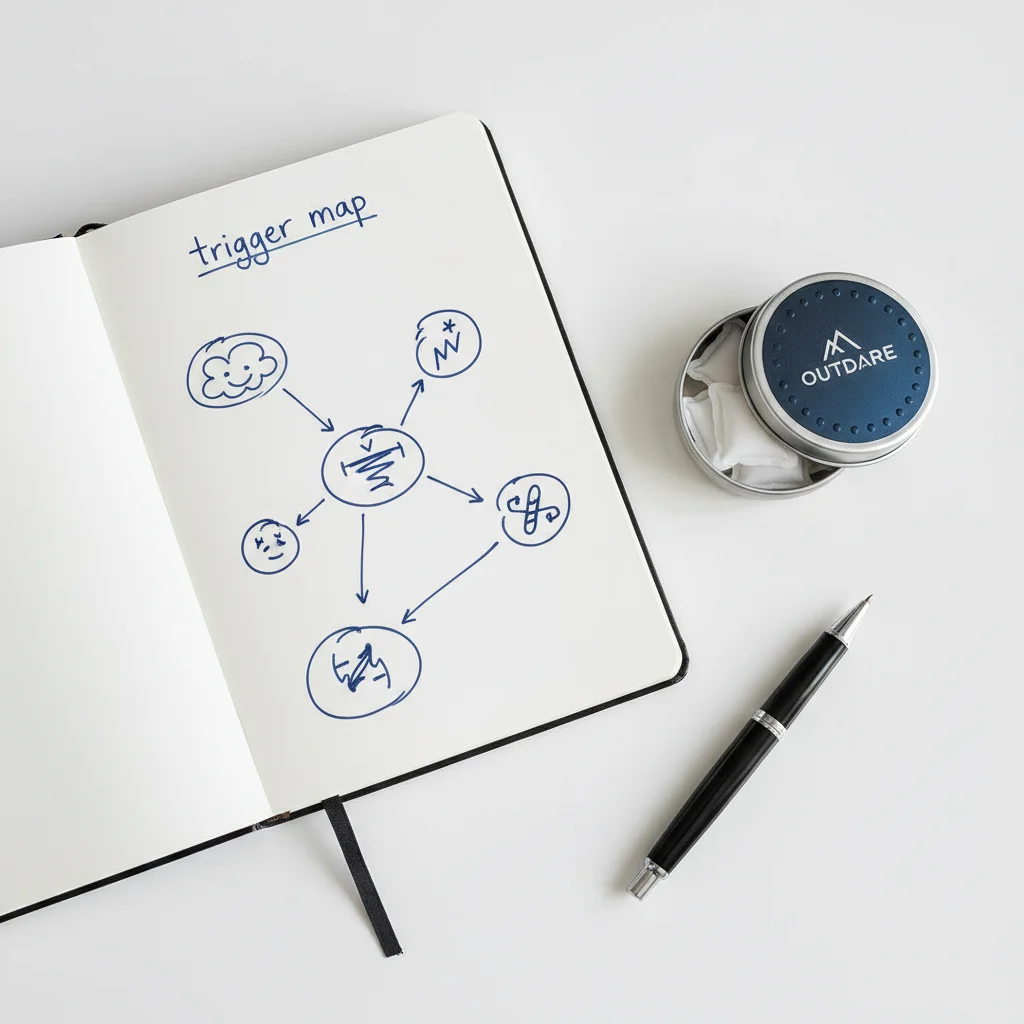
Trigger mapping means identifying the specific moments, emotions, and environments that reliably produce a craving — so you can pre-plan your response before the urge hits, not after.
Common Snus Trigger Categories
- Temporal triggers: Morning coffee, post-meal, after a meeting, before bed. These are the most common and the easiest to plan around.
- Emotional triggers: Stress, boredom, anxiety, frustration. These are the hardest to manage because the craving arrives with an emotional charge.
- Environmental triggers: Specific locations (your car, your desk, the break room), social situations, or being around others who use nicotine.
- Cognitive triggers: Certain types of work — deep focus tasks, creative blocks, high-pressure deadlines — that your brain has associated with pouch use as a performance tool.
How to Use Your Trigger Map
- List your top 5 triggers in order of frequency and intensity.
- Assign a substitution action to each one before your quit date. The substitution should be specific, not vague. "I'll go for a walk" is better than "I'll distract myself."
- Prepare your substitution tool in advance. If your trigger is post-meal, have your replacement ready on the table before dinner — not in a drawer you have to search for.
The Smokefree Veterans program recommends identifying triggers as one of the most critical pre-quit steps, noting that unmanaged triggers are the primary driver of relapse in the first two weeks [5]. This is particularly relevant for how to quit snus.
Research from the Truth Initiative also suggests that certain dietary changes — increasing water intake, reducing caffeine, and eating crunchy foods like carrots or celery — can reduce the intensity of oral cravings during the first week [6].
Step 3: Set a Structured Quit Date
A quit date isn't just a calendar entry — it's a commitment architecture that organizes everything else in your plan around a single, concrete moment. When considering how to quit snus, this point stands out.
How to Choose the Right Quit Date
- Pick a date 7–14 days from today. Too soon and you won't be prepared. Too far and motivation fades. The 7–14 day window is the evidence-backed sweet spot.
- Avoid high-stress weeks. Don't quit the week before a major deadline, a work trip, or a social event where you know you'll be tempted.
- Choose a Monday or the first day of a month. Psychological research on "fresh start effects" shows that temporal landmarks — the start of a week, month, or year — increase commitment to behavior change.
- Tell at least two people your date. Public commitment increases follow-through. A study cited by AddictionHelp.com notes that social accountability meaningfully improves quit rates [7].
What to Do the Week Before Your Quit Date
- Begin reducing your daily pouch count by 1–2 per day. Don't go cold turkey yet — just start the taper.
- Remove all backup stashes from your car, desk drawer, jacket pockets, and gym bag. Availability is the enemy of quit attempts.
- Stock your substitution tools. If you're using nicotine-free pouches as your ritual replacement, order them before your quit date so you're not scrambling on day one.
- Practice the delay technique: when a craving hits, wait 5 minutes before acting. Most cravings peak and subside within 3–5 minutes.
| Quit Method | Success Rate (30 days) | Withdrawal Intensity | Best For |
|---|---|---|---|
| Cold Turkey | ~5–10% | Very High | Light users with low ritual dependency |
| NRT Only (patches/gum) | ~15–20% | Moderate | Users with primarily chemical dependency |
| Gradual Taper | ~20–25% | Low to Moderate | Heavy users reducing over 4–8 weeks |
| Ritual Substitution System | ~60–90% reduction | Low | Users with strong ritual and sensory dependency |
Step 4: Substitute the Ritual, Not Just the Nicotine
Ritual substitution is the most effective strategy for heavy snus users because it addresses the 60% of addiction that standard NRT completely ignores — the habit and the sensory cue.
Why Ritual Substitution Works
Your brain doesn't crave nicotine in isolation. It craves the entire sequence: reach for the tin, place the pouch, feel the burn, feel the relief. Disrupt that sequence entirely and your brain screams. Keep the sequence intact but change what's inside the pouch, and your brain stays quiet long enough for the chemical dependency to fade on its own timeline. For those exploring how to quit snus, this matters.
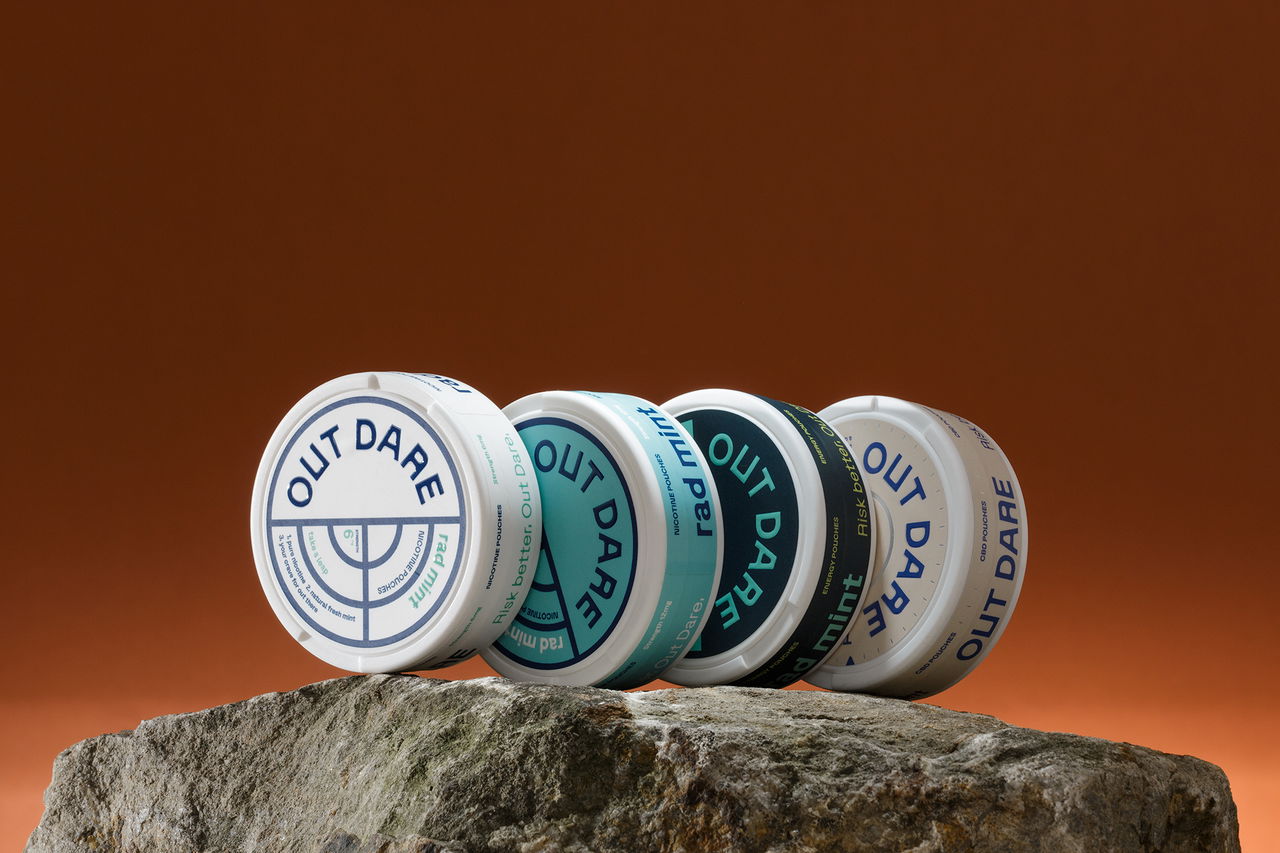
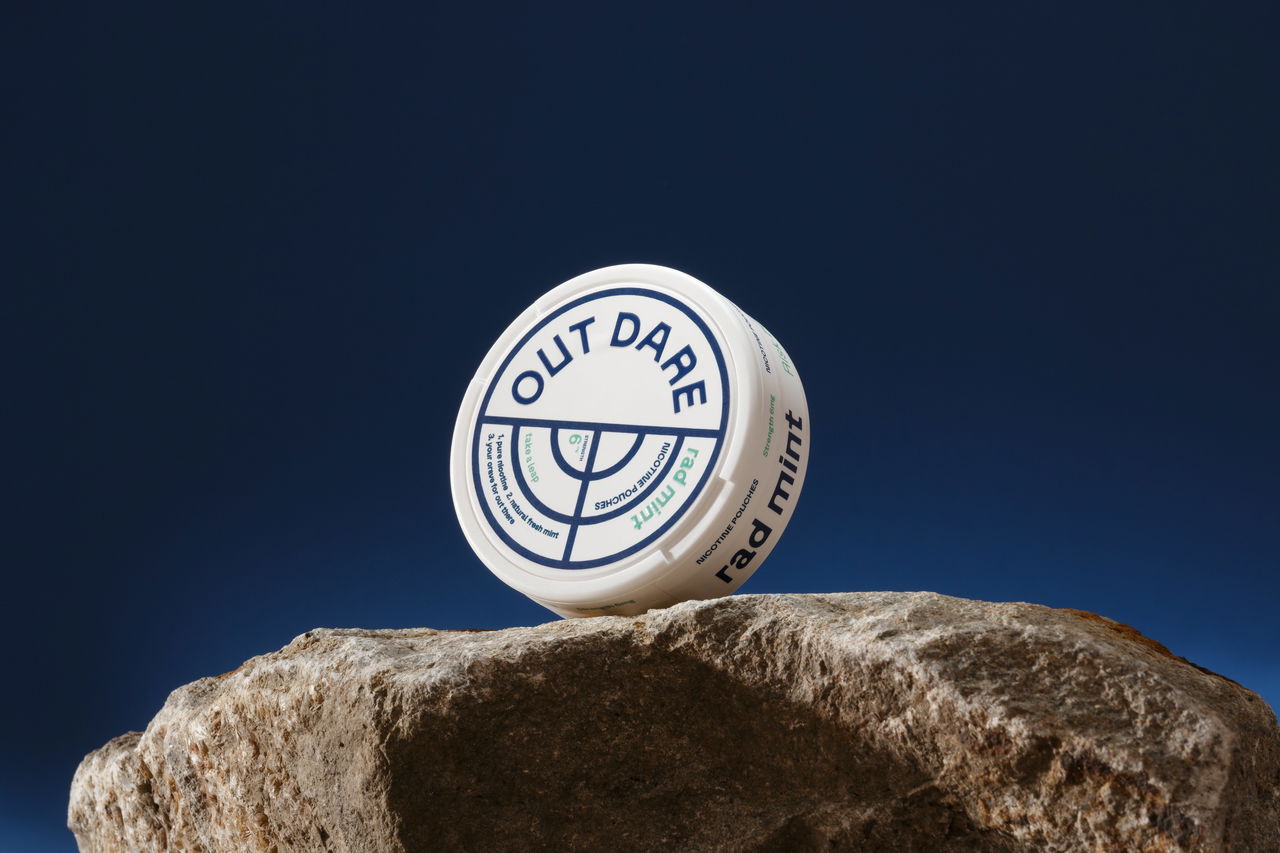
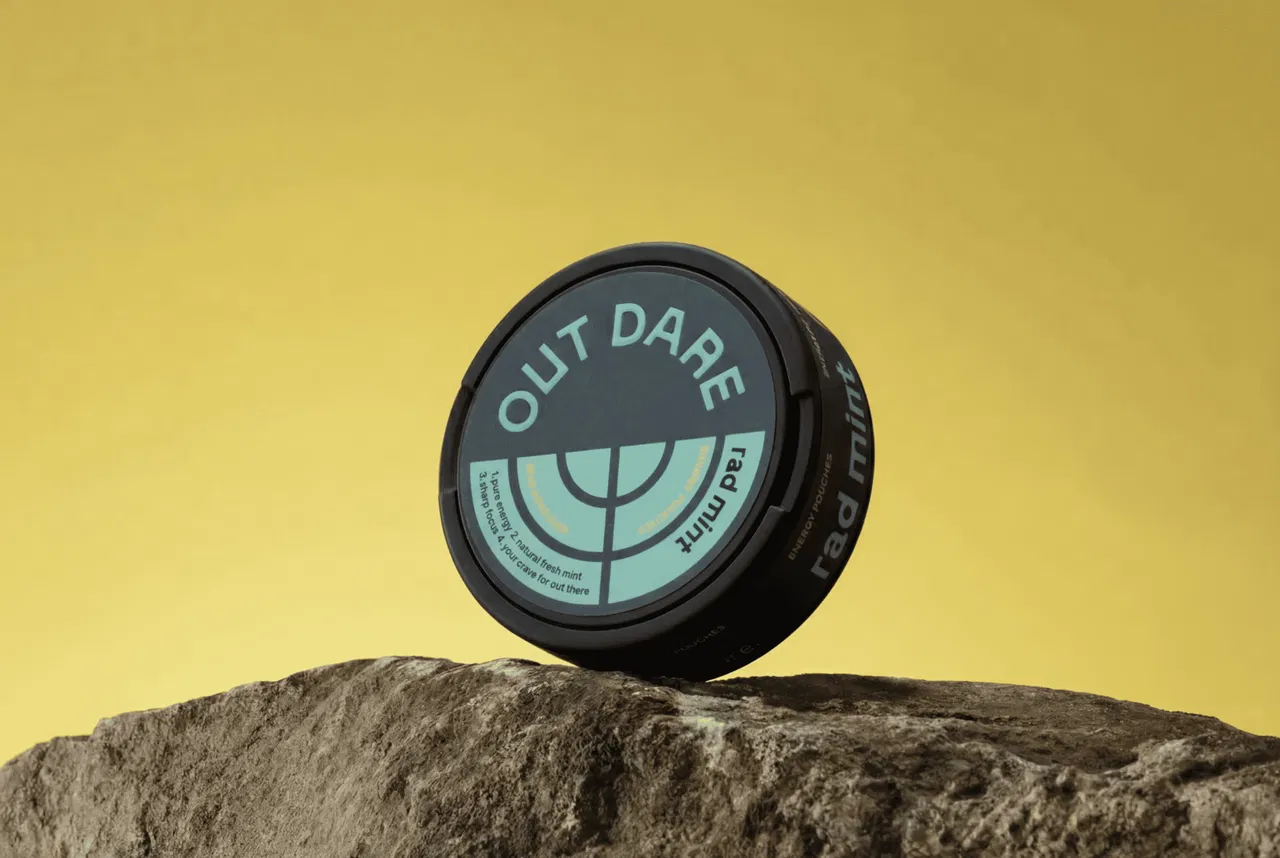
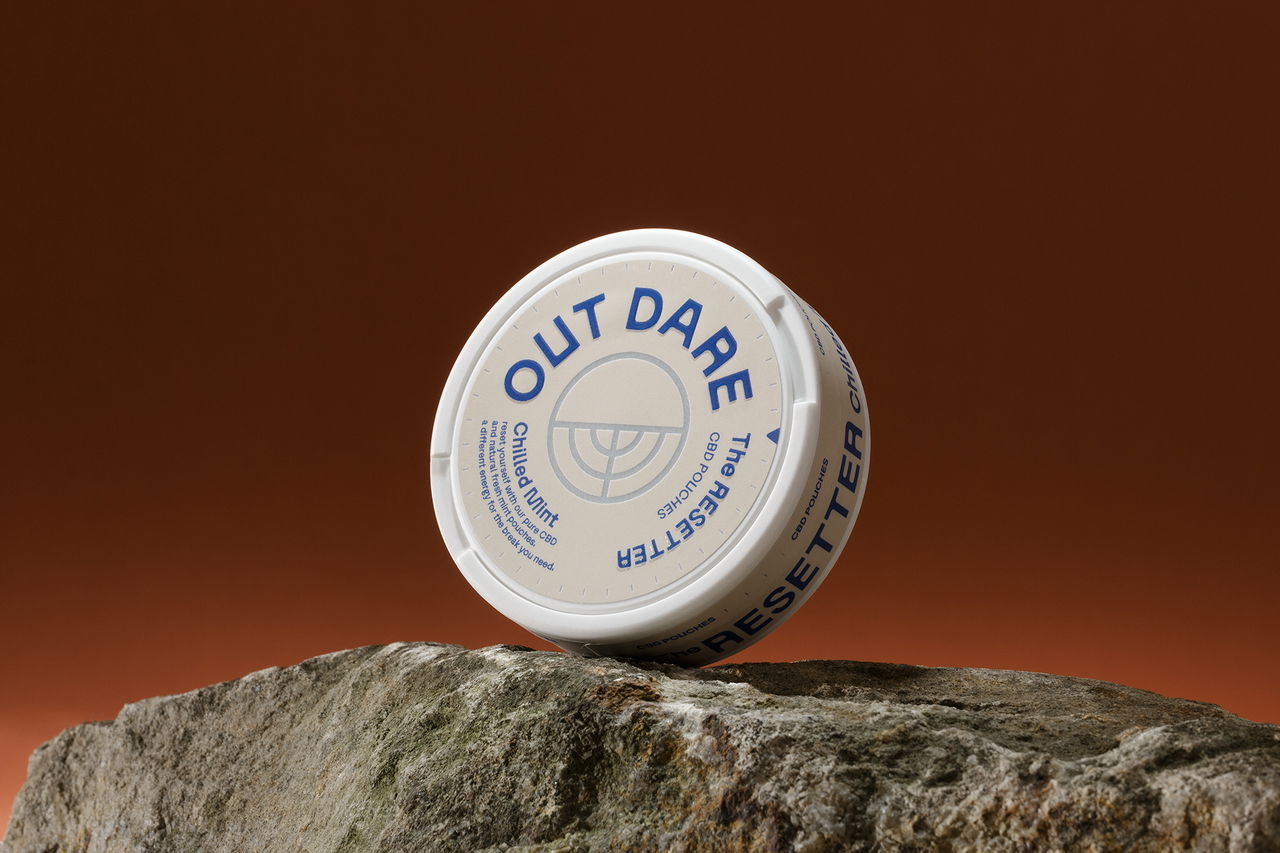
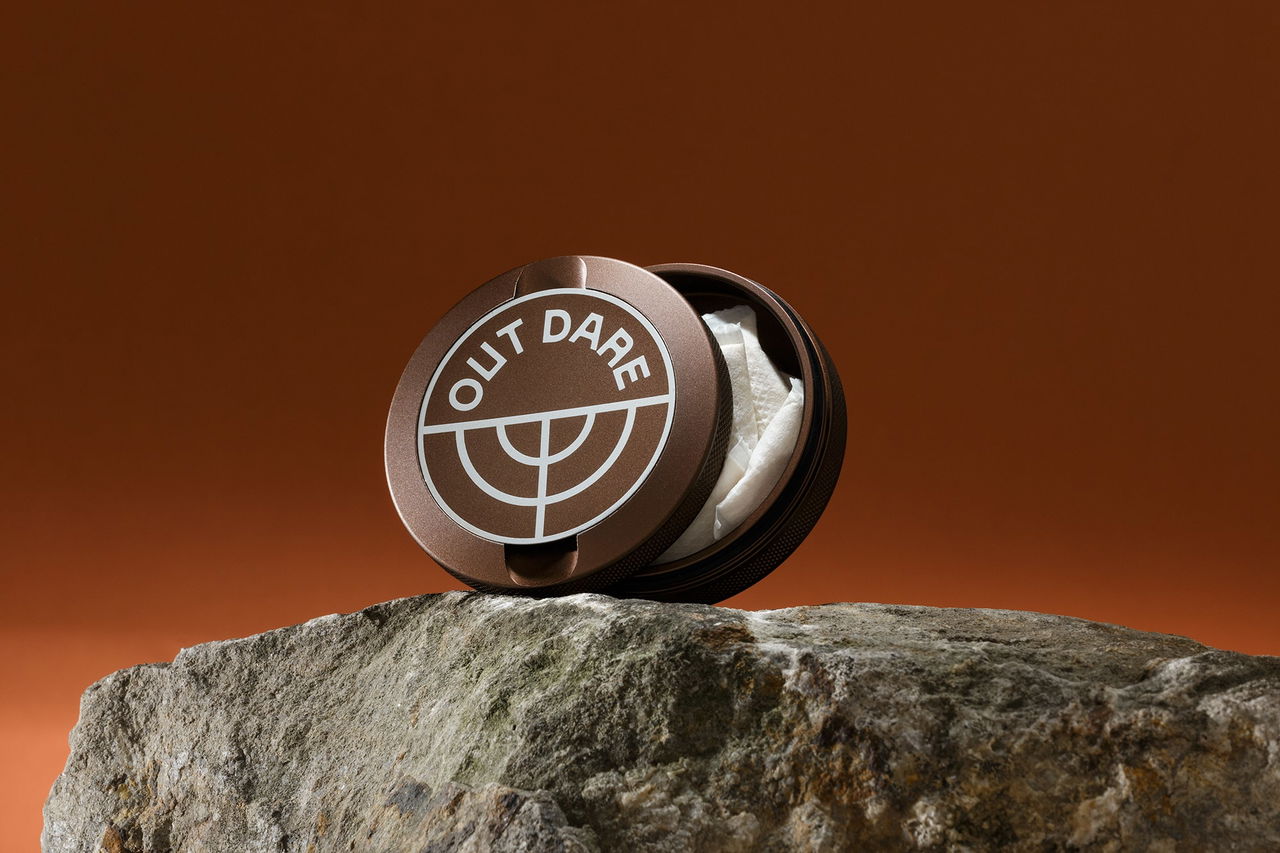
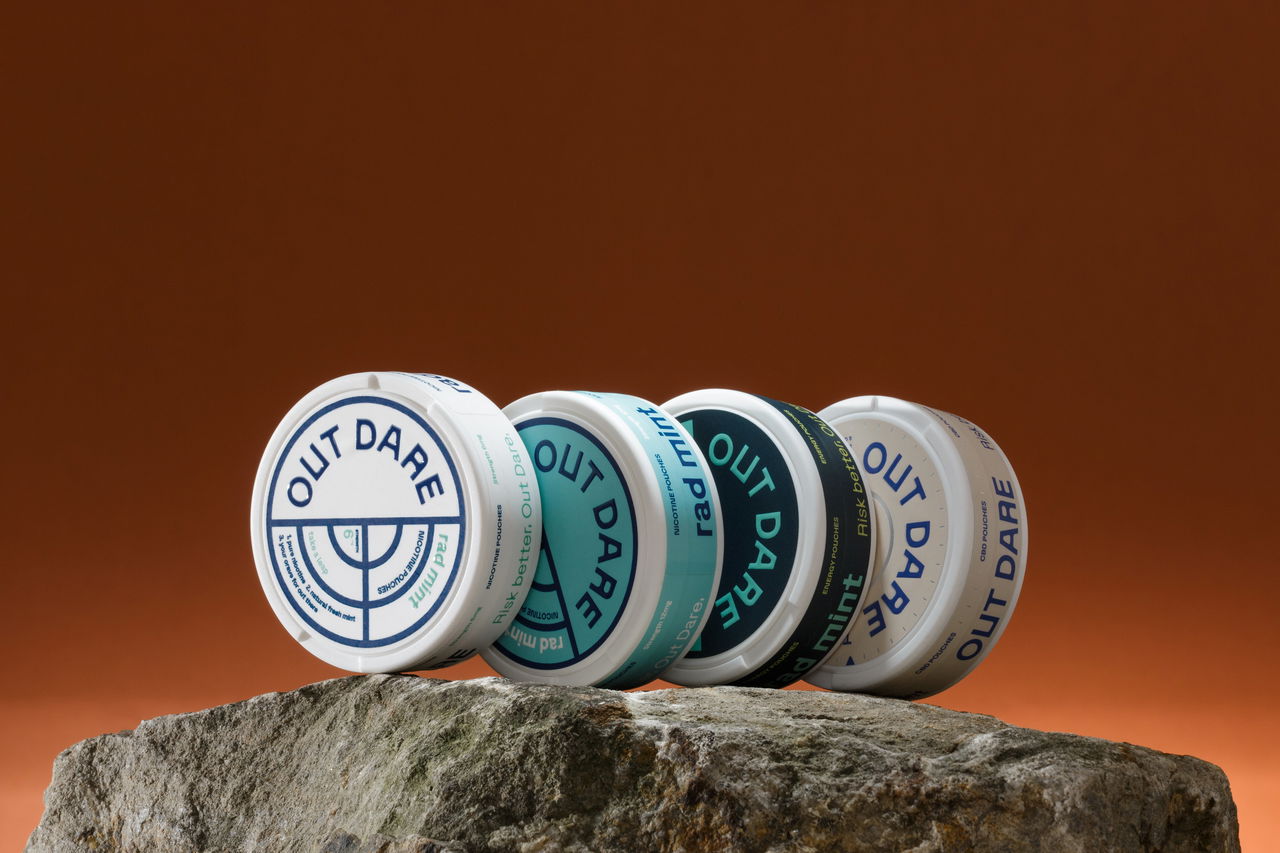
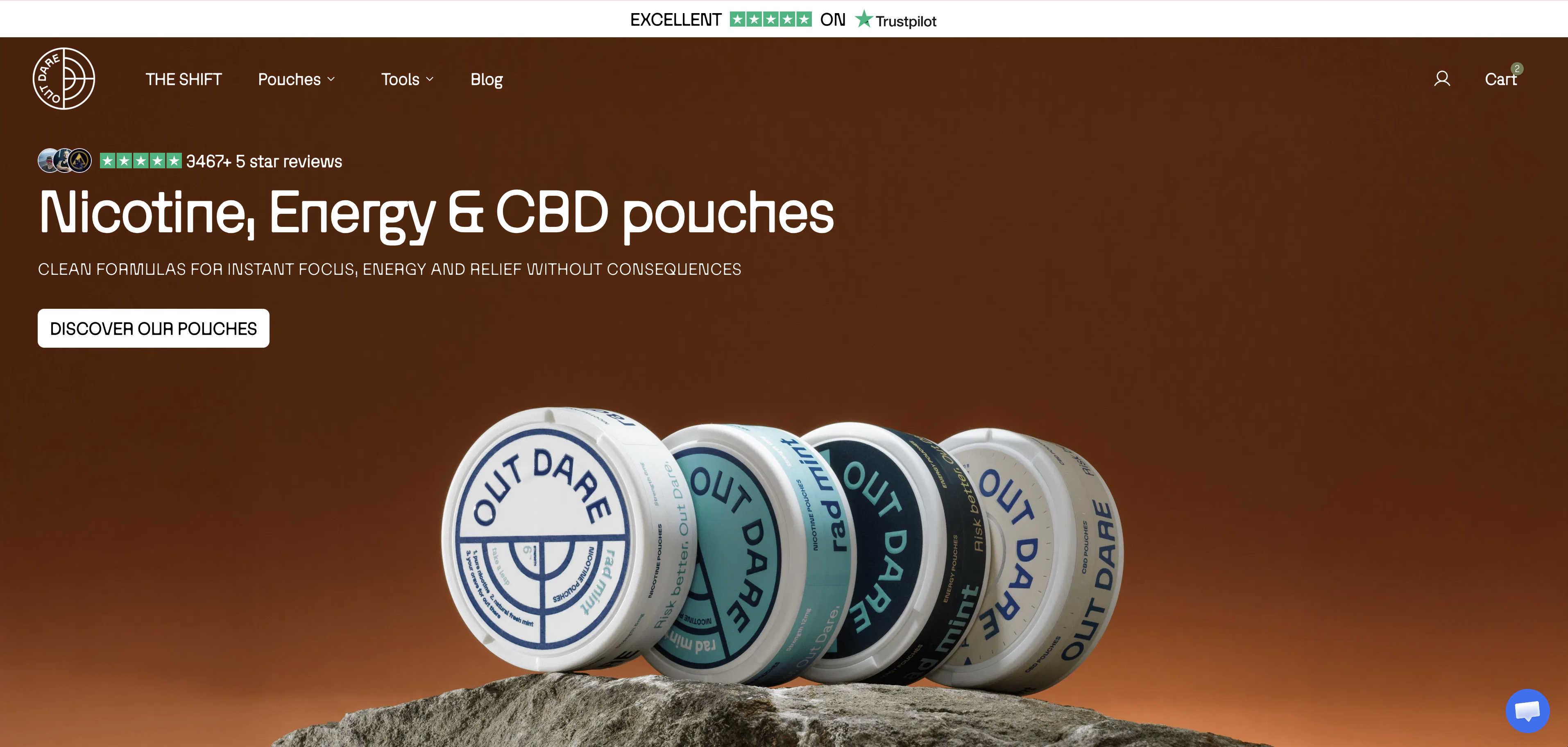
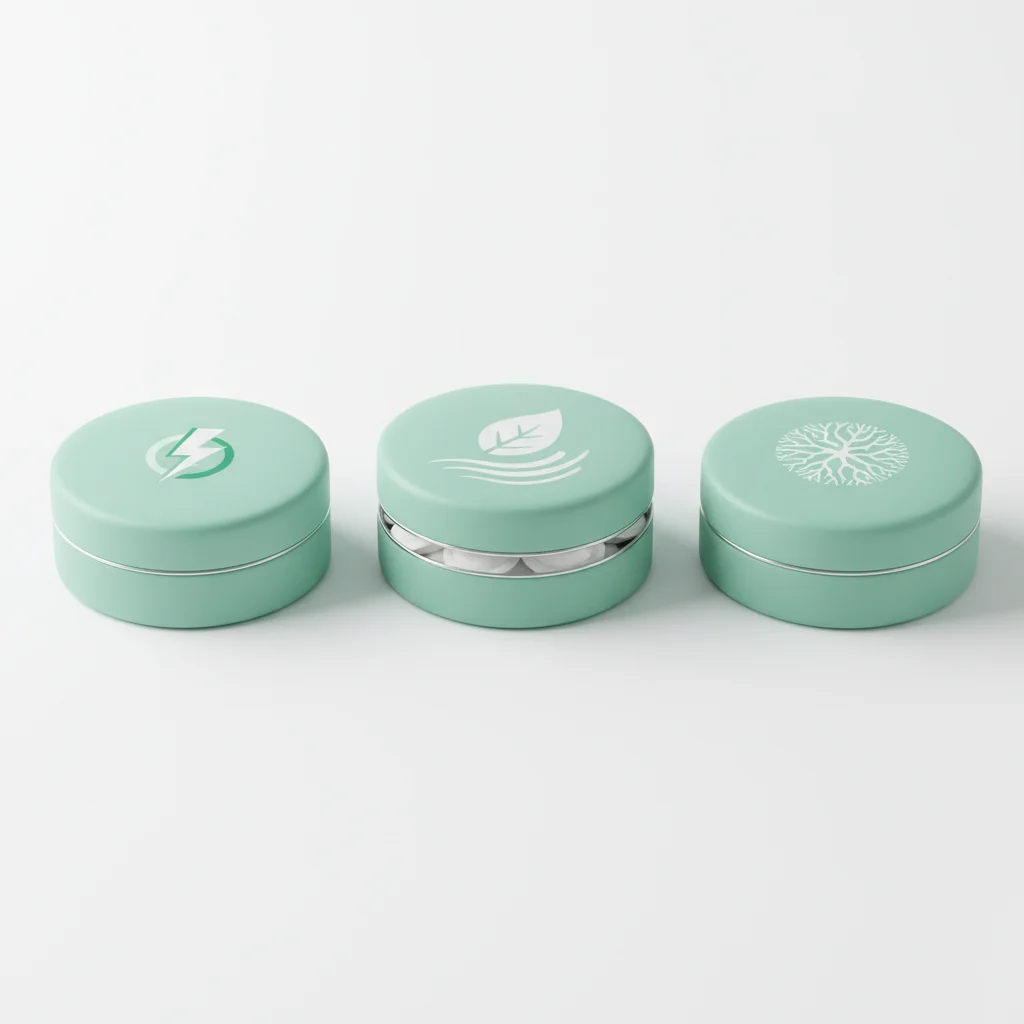
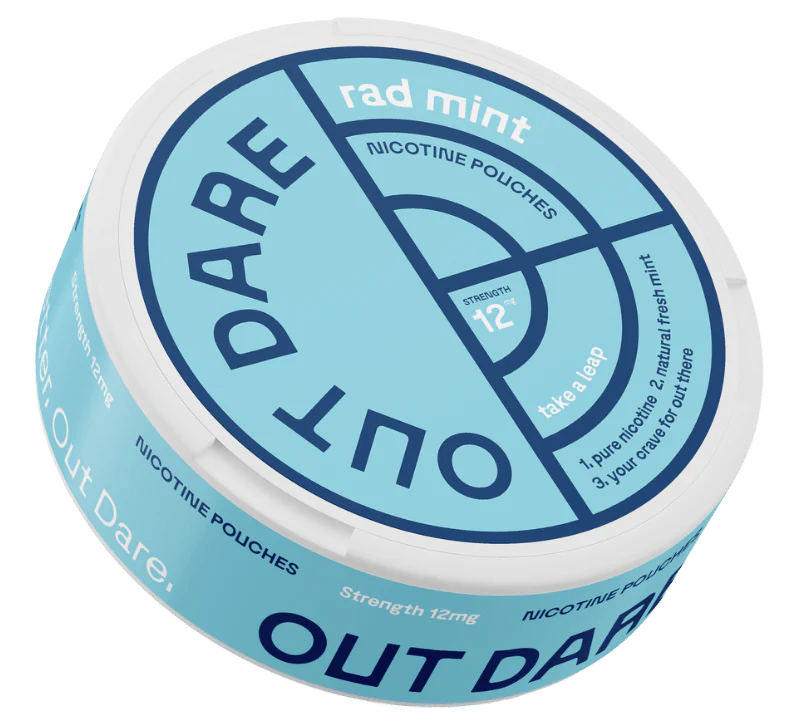
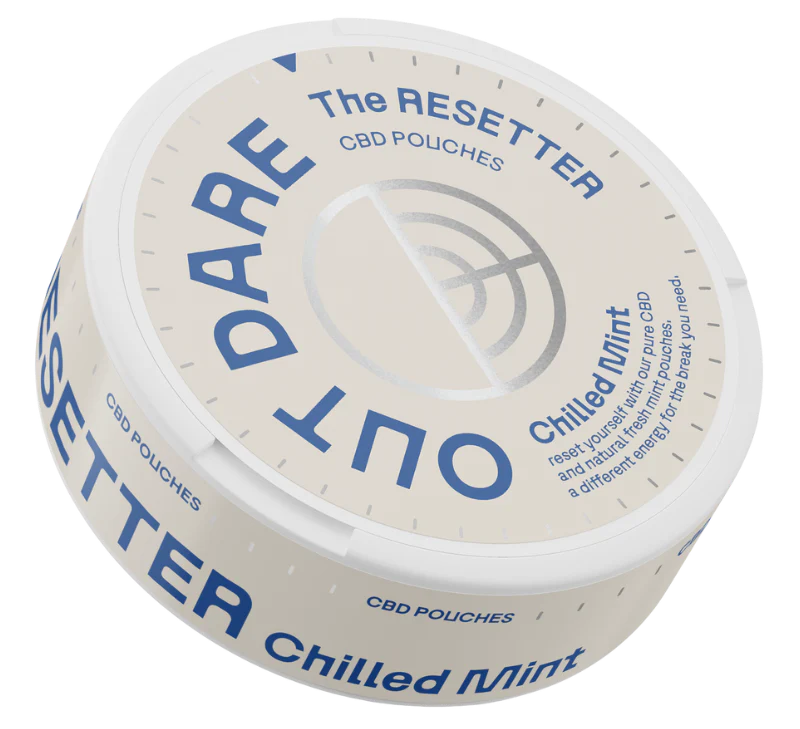
This is the core logic behind Outdare's 3-pouch system. All three variants — Clean Nicotine, Energy (50mg caffeine plus nootropics like Alpha-GPC and L-Theanine for sharper focus without jitter), and CBD (for calm and reset) — share the same natural mint flavor, the same plant-fiber pillow mouthfeel, and the same gum burn. Your brain literally cannot distinguish between them based on sensation alone.
The 4-Week Substitution Protocol
- Week 1 — Establish the swap pattern: Replace 2 of your daily nicotine pouches with Energy or CBD pouches. Keep the rest as nicotine. Don't try to reduce total pouch count yet — just introduce the substitution.
- Week 2 — Increase the ratio: Move to 50/50. Half your daily pouches are nicotine, half are substitutes. By now, your brain is habituated to the ritual regardless of what's inside.
- Week 3 — Flip the ratio: Only 2–3 nicotine pouches per day, maximum. Use Energy pouches for focus moments and CBD pouches for stress and wind-down moments.
- Week 4 — Optional full switch: Most users find they're comfortable at 1–2 nicotine pouches per day by week four. Many choose to eliminate nicotine entirely. Some keep one as a conscious, chosen ritual rather than a compulsion.
At Outdare LTD, we've found that users who follow this substitution protocol report reducing nicotine intake by 60–90% within the first month — not by suffering through withdrawal, but by keeping the ritual intact while quietly changing what's inside the pouch. This directly impacts how to quit snus outcomes.
Pro Tip: Use the Energy pouch (caffeine plus nootropics) as a direct replacement for your highest-craving moments — typically morning and early afternoon. Use the CBD pouch for evening cravings when you want calm, not stimulation. This functional matching makes the substitution feel intentional, not like deprivation.
Step 5: Manage Withdrawal Symptoms Week by Week
Nicotine withdrawal is real, time-limited, and manageable if you know what's coming and when. The symptoms are most intense in the first 72 hours and largely resolve within 2–4 weeks for most users [3].
The Snus Withdrawal Timeline
- Hours 1–4: First cravings appear. Irritability begins. This is the chemical signal — your brain noticing nicotine levels dropping.
- Hours 4–24: Cravings intensify. Difficulty concentrating. Mild headache common. This is the hardest window for cold turkey quitters.
- Days 2–3: Peak withdrawal. Anxiety, irritability, disrupted sleep, and strong cravings. If you're going to relapse, it's most likely here.
- Days 4–7: Physical symptoms begin to ease. Cravings become shorter in duration, though they can still be intense.
- Weeks 2–4: Psychological cravings persist — especially trigger-based ones — but physical symptoms are largely gone. This is where habit substitution does its most important work.
- Month 2 onward: Most users report significantly reduced craving frequency. Gum tissue begins to recover. Sleep quality often improves noticeably.
Practical Symptom Management Strategies
- For irritability and anxiety: Short physical exercise (a 10-minute walk) is one of the most evidence-backed craving interrupters. The NHS recommends combining behavioral strategies with substitution tools for best results [8].
- For concentration issues: A caffeine-plus-nootropic source (like an Energy pouch) can bridge the focus gap without adding nicotine back into the equation.
- For sleep disruption: Avoid nicotine pouches within 2 hours of bedtime even during the taper phase. A CBD pouch in the evening can support the wind-down ritual without stimulating the nervous system.
- For oral cravings: Keep crunchy snacks, sugar-free gum, or toothpicks accessible. The oral fixation is real and physical substitutes help.
A 2026 review of cessation research published in PMC (National Library of Medicine) found that among snus users in Norway, the desire to quit was high but the preferred cessation methods varied significantly — with many users expressing preference for gradual reduction over abrupt cessation [9]. This is particularly relevant for how to quit snus.
Step 6: Prevent Relapse After Week Four
Week four is when most people declare victory and stop paying attention — which is exactly when relapse risk rises again, driven by complacency and unresolved trigger patterns.
Why Relapse Happens After a Successful Month
- Stress returns and old neural pathways activate. The brain still has the habit wiring; it just hasn't been reinforced recently.
- Social situations reintroduce environmental triggers that haven't been encountered during the quit period.
- The "one won't hurt" rationalization is extremely common at this stage and almost always leads to full resumption within days.
Relapse Prevention Strategies That Actually Work
- Keep your substitution pouches accessible indefinitely. The goal isn't to eventually need nothing — it's to replace a harmful habit with a harmless one. Having an Energy or CBD pouch available removes the "one won't hurt" temptation entirely.
- Audit your trigger map monthly. New stressors create new triggers. A trigger map that worked in month one may miss new high-risk situations in month two.
- Track your nicotine-free days visibly. Apps like Quit Snus provide streak tracking that activates loss aversion — a powerful psychological motivator [10].
- Reconnect with your original "why." The health improvements — reduced gum recession, better sleep, less brain fog, more money — compound over time. Remind yourself of the specific benefits you've noticed.
- Plan for high-risk scenarios in advance. Traveling, social drinking, and high-pressure work periods are the most common relapse contexts. Have a plan before you're in them.
Research on long-term Swedish snus cessation published in Springer Nature found that health concerns were the most commonly cited reason for quitting, but also that social and contextual factors were the primary drivers of relapse — underscoring the importance of ongoing environmental management [4]. When considering how to quit snus, this point stands out.
Common Mistakes to Avoid
Most quit attempts fail for predictable reasons. Recognizing these patterns in advance is more valuable than any single tactic.
The Most Frequent Pitfalls
- Going cold turkey without a ritual replacement. This is the most common mistake. Removing nicotine AND the ritual simultaneously creates a double withdrawal — chemical and behavioral — that most people can't sustain. One practitioner in a health-coaching context described it as "trying to quit coffee, the mug, and the morning routine all at once."
- Treating all cravings as nicotine cravings. Many cravings are ritual cravings. Reaching for a nicotine patch when your body actually wants the physical sensation of a pouch under your lip is a mismatch that leaves you unsatisfied.
- Quitting during a high-stress period. Stress is the single most reliable trigger for relapse. A quit attempt that starts during a difficult week at work is statistically likely to fail before the week is over.
- Keeping emergency stashes. "Just in case" pouches get used. Remove them entirely from all environments before your quit date.
- Declaring victory too early. The ritual wiring in your brain persists for months. Complacency after a successful first month is a genuine risk factor, not a sign of weakness.
- Switching to vaping or smoking as a "temporary" bridge. This trades one dependency for another — often a more socially visible and physically harmful one. Oral substitution keeps the format intact without escalating the risk profile.
What Can Go Wrong at Each Stage
- Week 1: Underestimating the ritual craving. Users who only address nicotine and ignore the burn and mouthfeel find the substitution unsatisfying and abandon it.
- Week 2: Social pressure. Friends or colleagues who use nicotine pouches will offer one. Have a scripted response ready — "I'm on a reduction system" is honest and deflects without drama.
- Week 3: The "I've basically quit" trap. You haven't. Week three is when the psychological habit layer is still very much active.
- Week 4+: New stressors activating old patterns. This is where ongoing substitution tool availability matters most.
Sources & References
- National Cancer Institute, "Tips for Coping with Nicotine Withdrawal and Triggers," 2024
- Reddit r/stopsmoking, "Quitting Snus," 2024
- Cleveland Clinic, "Nicotine Withdrawal: Symptoms, Treatment & Side Effects," 2024
- Springer Nature, "A long-term follow-up of snus users in Sweden," 2020
- Smokefree Veterans, "How to Quit Dipping or Chewing Tobacco," 2024
- Truth Initiative, "8 foods and drinks that could help people quit nicotine," 2024
- AddictionHelp.com, "Snus Addiction: Health Risks, Addiction & Quitting Strategies," 2024
- NHS, "Managing nicotine withdrawal symptoms," 2024
- PMC / National Library of Medicine, "Assessing quit interest and the correlates and preferred ways of quitting among snus users," 2026
- Apple App Store, "Quit Snus App," 2024
Frequently Asked Questions
1. How to wean off snus?
The most effective way to wean off snus is through a structured ritual substitution protocol rather than simple tapering alone. Reduce your nicotine pouch count by 1–2 per day each week while replacing removed pouches with sensorially identical nicotine-free alternatives — same taste, same burn, same mouthfeel — so your brain stays satisfied with the habit loop while the chemical dependency fades. This approach addresses all three components of snus addiction (chemical, physical habit, and sensory cue) rather than just the nicotine, which is why it outperforms cold turkey and NRT-only methods for most heavy users. For those exploring how to quit snus, this matters.
2. How long does it take to heal from snus?
Physical nicotine withdrawal symptoms typically peak at 48–72 hours and resolve within 2–4 weeks for most users. Gum tissue recovery depends on the type of snus used and the duration of use — white snus (tobacco-free pouches) generally causes less severe gum damage than traditional brown snus, and most users see meaningful improvement within 4–12 weeks of cessation. However, psychological cravings and habit-based urges can persist for 3–6 months, which is why ongoing ritual substitution matters well beyond the initial withdrawal period.
3. What happens when you quit snus cold turkey?
Quitting snus cold turkey triggers nicotine withdrawal within 2–4 hours of your last pouch. Symptoms include intense cravings, irritability, difficulty concentrating, headaches, and disrupted sleep — peaking at 48–72 hours. According to QuitNic, while cold turkey can work for light users, heavy users face a significantly higher relapse risk because cold turkey eliminates both the chemical and the ritual simultaneously, leaving the brain with no substitute for either component of the addiction. This directly impacts how to quit snus outcomes.
4. What are the benefits of quitting snus?
The benefits of quitting snus begin within hours and compound over months. In the first week, most users notice reduced gum irritation, better sleep quality, and less afternoon brain fog. Within 30 days, cardiovascular markers often improve and concentration stabilizes without the dependency cycle of nicotine highs and crashes. Long-term benefits include reduced risk of oral cancer, improved gum health, better gut function (nicotine affects gut motility), and significant financial savings — most heavy users save €150–400 per month.
5. How do you manage snus withdrawal symptoms at work?
Managing snus withdrawal at work requires pre-planned substitutions for your highest-risk moments — typically morning, post-lunch, and high-stress periods. Keep a nicotine-free oral substitute at your desk (a functional pouch, sugar-free gum, or crunchy snacks). Use short physical breaks — even a 5-minute walk — to interrupt craving peaks, which typically subside within 3–5 minutes. If concentration is the issue, a caffeine-plus-nootropic energy pouch can bridge the focus gap without reintroducing nicotine dependency.
6. Is it easier to quit snus than cigarettes?
In some respects, yes — snus and nicotine pouches don't involve smoke inhalation, so the respiratory recovery component is absent. However, the oral ritual component of snus is often more deeply ingrained than cigarette habits because pouches are used continuously (20–60 minutes per session) rather than in short bursts. This makes the habit loop stronger in many users, and explains why standard NRT products like patches — which deliver nicotine but ignore the oral ritual — often feel insufficient for heavy pouch users.
7. How do I know if I'm ready to quit snus?
You're ready to quit snus when the cost of continuing — financial, physical, or emotional — outweighs the perceived benefit of the habit. Common signals include noticing you reach for a pouch compulsively rather than by choice, experiencing receding gums or gut discomfort, feeling embarrassed about your usage around family or colleagues, or calculating your monthly spend and feeling genuinely surprised. You don't need to feel "ready" in an emotional sense — you need a system that makes quitting structurally easier than continuing.
Conclusion
Here's the honest summary: figuring out how to quit snus isn't about willpower. It's about architecture. You need a system that addresses all three layers of the addiction — chemical, physical, and sensory — not just the one that NRT products target. The six steps in this guide give you that system: understand your addiction type, map your triggers, set a structured quit date, substitute the ritual, manage withdrawal week by week, and protect against relapse after month one.
Most users who follow a structured substitution protocol reduce their nicotine intake by 60–90% within the first month — not by suffering, but by keeping the ritual intact while changing what's inside the pouch. That's the core insight. The ritual isn't the enemy. Unmanaged nicotine dependency is.
Outdare LTD was built specifically for this problem. Three pouches — Nicotine, Energy, and CBD — all sharing the same mint taste, the same burn, the same mouthfeel. Your brain keeps the ritual. You get to choose what's inside. That's not a compromise. That's the system working exactly as designed. Risk Better.
Recommended Articles
Explore more from our content library: