




Caffeine Pouches vs Energy Drinks: Which Wins?
| Key Insight | Explanation |
|---|---|
| Caffeine pouches absorb through the oral mucosa | This bypasses the digestive system, meaning many users feel effects faster and with less gut disruption than energy drinks. |
| Energy drinks carry significant sugar and calorie loads | A standard 250ml can contains 27g of sugar on average — a concern for daily users managing blood sugar or body composition. |
| Pouches with nootropics offer a cleaner cognitive edge | Ingredients like L-Theanine and Alpha-GPC paired with caffeine can smooth the stimulant curve and support focus without jitters. |
| Cost per serving favors pouches over time | Energy drinks average €2–4 per can; premium caffeine pouches typically cost €0.50–1.20 per pouch at bundle pricing. |
| Neither format is risk-free at excessive doses | Both can cause heart palpitations, anxiety, and sleep disruption above 400mg of caffeine daily, per FDA guidance. |
| The 30/30/30 framework changes the conversation | For nicotine pouch users, switching to energy pouches addresses 60% of addiction (ritual + burn) while removing chemical dependency entirely. |
The debate around caffeine pouches vs energy drinks has moved well beyond gym locker rooms and Reddit threads — it's now a mainstream conversation about how we fuel focus, manage energy crashes, and avoid the hidden costs of daily stimulant habits. Caffeine pouches are small, tobacco-free oral pouches placed under the lip that deliver caffeine (and sometimes nootropics) directly through the mouth lining, without liquid, sugar, or carbonation. Energy drinks, by contrast, are swallowed beverages absorbed through the gut. Both serve the same core job — giving you a reliable energy boost — but they differ sharply in delivery speed, ingredient quality, crash risk, and long-term cost. This article breaks down exactly how each format works, where each one wins, and what the science actually says about safety and performance.
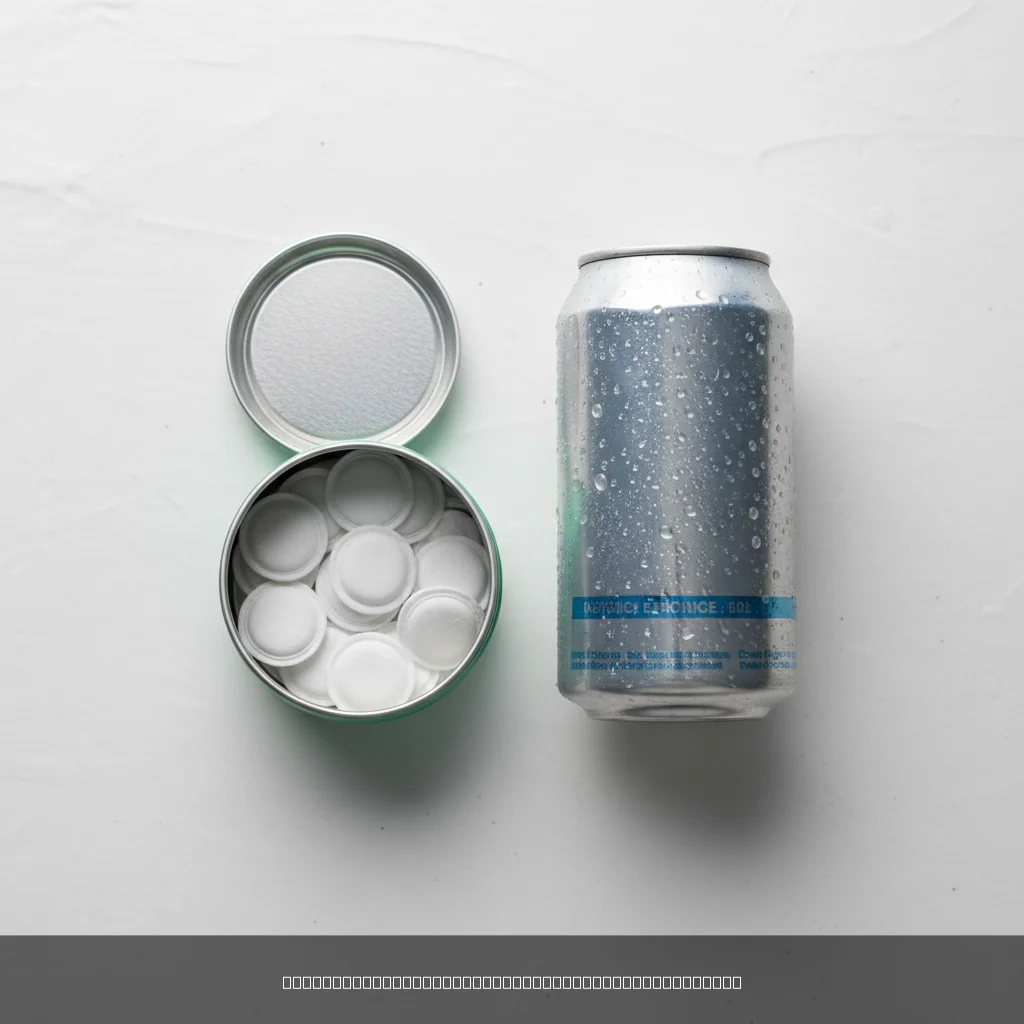
What Are Caffeine Pouches vs Energy Drinks?
Caffeine pouches are small, pre-portioned oral pouches placed under the lip that release caffeine through the oral mucosa (the thin membrane lining the mouth). Energy drinks are carbonated or still beverages containing caffeine, sugar, B vitamins, and various additives, absorbed through the gastrointestinal tract after swallowing. This is particularly relevant for caffeine pouches vs energy drinks.
Defining Each Format
A caffeine pouch typically contains 40–80mg of caffeine per unit, delivered sublingually or buccally — meaning it enters the bloodstream without passing through the stomach. Research published in PMC (NIH) confirms that caffeine delivered through oral mucosal routes can be absorbed more rapidly than gastrointestinal delivery, which requires transit through the digestive system before hitting the bloodstream [1].
Energy drinks are a well-established category. A standard 250ml can contains roughly 80mg of caffeine, 27g of sugar, and a mix of taurine, B vitamins, and artificial flavors. Popular 500ml formats can deliver 160mg of caffeine in a single serving — often consumed in minutes, creating a sharper spike.
- Caffeine pouches: Tobacco-free, sugar-free, portable, discreet, no liquid required
- Energy drinks: Widely available, familiar taste, variable caffeine content, high sugar load in most mainstream brands
- Nootropic-enhanced pouches: A newer sub-category combining caffeine with cognitive enhancers like L-Theanine (an amino acid that smooths the stimulant curve) and Alpha-GPC (a choline precursor linked to memory and focus)
Why This Comparison Matters Right Now
As of 2026, the global energy drink market is valued at over USD 100 billion, while the functional pouch segment — caffeine, CBD, and nootropic formats — is growing at a significantly faster rate, driven by rising demand for sugar-free, smoke-free, and discreet stimulant options [2]. The DCCCA's 2026 Energy Pouches Toolkit defines energy pouches as "small, non-liquid, tobacco-free products designed to deliver caffeine through the lining of the mouth for a fast energy boost" — a description that captures exactly why they're attracting users who've grown frustrated with the sugar crash and bloat that come with canned drinks [3].
For nicotine pouch users specifically, caffeine pouches offer something energy drinks never could: the same physical ritual. Same pillow sensation under the lip. Same gum burn. No liquid, no can, no social awkwardness. That's not a minor convenience — for someone trying to step away from nicotine, it's the entire point.
How Caffeine Delivery Works: Pouches vs Drinks
Caffeine pouches deliver caffeine through the oral mucosa, bypassing digestion entirely, while energy drinks are absorbed through the intestinal wall after swallowing — a process that takes longer and is influenced by food intake and gut motility.
The Absorption Pathway Difference
This distinction matters more than most people realize. When you swallow an energy drink, caffeine absorption begins in the small intestine and typically peaks in the bloodstream within 30–60 minutes, depending on whether you've eaten recently [1]. An empty stomach speeds this up; a full meal slows it down. When considering caffeine pouches vs energy drinks, this point stands out.
Caffeine pouches work differently. According to Northerner's guide on caffeine pouches and training, caffeine delivered through the oral lining doesn't rely on gastric emptying — which means the onset can feel more consistent and, for some users, faster [4]. A 2018 NIH review on alternate caffeine delivery forms noted that buccal and sublingual routes show "potentially faster absorption profiles" compared to standard oral ingestion, though individual variation is significant [1].
What Happens in Your Body
- Caffeine pouch placed under lip: Caffeine diffuses through the oral mucosa into capillaries within minutes
- Enters bloodstream directly: No first-pass metabolism through the liver at this stage
- Adenosine receptors blocked: Caffeine binds to adenosine receptors in the brain, reducing fatigue signals
- Dopamine and norepinephrine rise: Alertness, mood, and focus increase
- Effect duration: Typically 3–5 hours depending on individual metabolism
With energy drinks, step one is replaced by swallowing, gastric transit, and intestinal absorption — adding 15–30 minutes to the onset window and introducing the sugar spike/crash cycle that most users complain about.
Pro Tip: If you use caffeine for a specific task — a morning deep-work session, a pre-workout window, or a 2pm focus block — a pouch gives you more precise timing control than a drink you sip over 20 minutes. Place it 10 minutes before you need to be on.
According to Everyday Health's 2026 review of caffeine pouches, the speed and potency of pouch delivery is both a benefit and a risk factor — particularly for users who aren't calibrating their total daily caffeine intake across all sources [5].
Key Benefits in 2026: Why Pouches Are Gaining Ground
Caffeine pouches outperform energy drinks on sugar content, portability, discretion, and ingredient transparency — making them the preferred format for productivity-focused users, fitness-minded adults, and former nicotine pouch users looking for a cleaner ritual.
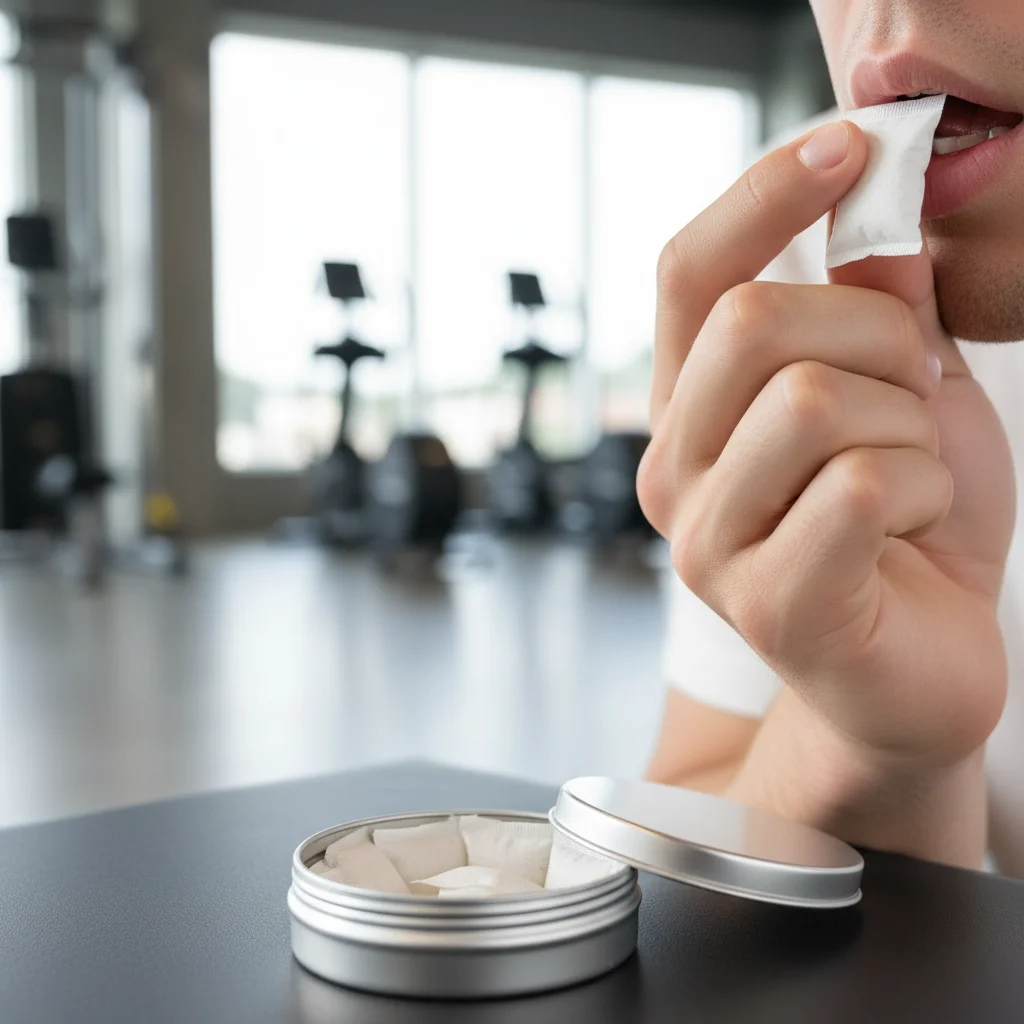
Where Caffeine Pouches Win
- Zero sugar: No blood sugar spike, no insulin response, no mid-afternoon crash tied to glycemic load
- Zero calories: Relevant for anyone tracking macros or managing body composition
- Discreet and portable: A tin fits in any pocket; no bag, no fridge, no recycling bin required
- No bloating: Carbonation and high-sugar content in energy drinks commonly cause GI discomfort — pouches skip this entirely
- Nootropic pairing: Premium pouches combine caffeine with L-Theanine (which reduces jitter without blunting alertness) and Alpha-GPC (which supports working memory and cognitive output)
- Ritual preservation: For former nicotine pouch users, the oral placement ritual is psychologically intact — no behavior change required, just a formula swap
Where Energy Drinks Still Hold Ground
- Hydration: A 250ml drink contributes to fluid intake; pouches don't
- Availability: Every petrol station, supermarket, and corner shop stocks them
- Familiar format: Lower barrier to entry for first-time users
- Taste variety: Dozens of flavors; pouches are typically mint-forward
A real-world cost analysis posted to Reddit's r/decaf community compared daily energy drink spending to caffeine pouch spending over a month. The user found they were spending roughly €3.20 per day on canned drinks — over €96/month — versus €28–35/month using pouch bundles at similar caffeine doses [6]. That's a meaningful difference for anyone buying daily.
| Factor | Caffeine Pouches | Energy Drinks |
|---|---|---|
| Caffeine per serving | 40–80mg (controlled) | 80–160mg (variable) |
| Sugar content | 0g | 0–27g (brand dependent) |
| Absorption route | Oral mucosa (faster onset) | Gastrointestinal (30–60 min) |
| Portability | Pocket-sized tin | Requires can/bottle |
| Cost per serving (est.) | €0.50–1.20 | €1.80–4.00 |
| Nootropic options | Yes (L-Theanine, Alpha-GPC) | Rare, mostly marketing |
| Crash risk | Low (no sugar spike) | Moderate–High (sugar + caffeine) |
| Dental impact | Minimal (xylitol-based formulas) | Acidic, enamel erosion risk |
| Use during meetings/flights | Yes — completely discreet | Requires a drink in hand |
At Outdare LTD, we've found that users who switch from energy drinks to our Energy Pouches report a noticeable reduction in the 3pm crash within the first week — not because the caffeine dose is lower, but because the sugar-driven glycemic spike is completely absent. The nootropic stack (caffeine + L-Theanine) creates what most users describe as "clean focus" rather than the wired, slightly anxious buzz that follows a large canned drink. For those exploring caffeine pouches vs energy drinks, this matters.
Common Challenges and Mistakes to Avoid
The most common mistake with both caffeine pouches and energy drinks is stacking doses without tracking total daily caffeine — which quickly pushes users past the 400mg threshold linked to anxiety, sleep disruption, and cardiovascular stress.
Overconsumption and Dose Blindness
One pitfall to watch for: because caffeine pouches are small and discreet, users can easily lose track of how many they've used in a day. A pouch at 8am, another at 11am, one with lunch, one at 3pm — that's already 200–320mg depending on the product. Add a morning coffee and you're at 500mg before dinner. The Partnership to End Addiction recommends adults stay under 400mg daily and flags both energy drinks and caffeine pouches as sources that are easy to overconsume without realizing it [7].
A common mistake with energy drinks is the "sugar-free means safe" assumption. Many zero-sugar energy drinks still contain 150–200mg of caffeine per can, artificial sweeteners linked to gut microbiome disruption, and high doses of B vitamins that can cause skin flushing or nerve issues at sustained excess levels.
Misuse as a Nicotine Replacement Without a System
For nicotine pouch users who turn to caffeine pouches as a cold-turkey swap, the transition often fails not because of caffeine — but because the ritual feels subtly different. The burn isn't the same. The flavor doesn't match. The psychological trigger isn't fully satisfied. This is exactly why the 30/30/30 Addiction Rule matters: 30% of pouch dependency is chemical (nicotine), 30% is physical habit (the pillow under the lip), and 30% is sensory (the burn and flavor). If your caffeine pouch doesn't replicate the sensory experience of your nicotine pouch, you haven't addressed 60% of what's keeping you hooked.
- Don't treat caffeine pouches as a casual swap without a reduction system
- Don't ignore total daily caffeine across coffee, tea, pre-workout, and pouches
- Don't assume "tobacco-free" automatically means low-risk at high doses
- Don't use caffeine pouches within 6 hours of sleep — half-life of caffeine averages 5–6 hours
According to Ashley Addiction Treatment, while caffeine pouches don't carry the same dependency risk as nicotine, habitual use can still create behavioral reliance — particularly in users who already have a strong oral fixation from prior nicotine use [8].
Pro Tip: Track your caffeine intake the same way you'd track macros. Use a simple note on your phone: pouch time, coffee time, any pre-workout. Most users are surprised to find they're at 500mg+ before noon — and that explains the afternoon anxiety and poor sleep they've been blaming on stress.
Best Practices for 2026: Choosing the Right Format
The right choice between caffeine pouches and energy drinks depends on your use case, your existing habits, and your tolerance for sugar, carbonation, and ritual — but for most daily users seeking clean, sustained focus, pouches now offer a measurably better profile. This directly impacts caffeine pouches vs energy drinks outcomes.
How to Choose Based on Your Goals
- Pre-workout, pre-meeting, or pre-exam: Caffeine pouch wins. Faster onset, no bloat, no sugar crash mid-session
- Long drive or sustained physical activity: Energy drink can help with hydration; consider pairing a low-caffeine drink with a pouch rather than doubling up on either
- Quitting nicotine pouches: A sensory-matched energy pouch (same burn, same mint, same mouthfeel) is far more effective than an energy drink, which doesn't address the oral ritual at all
- Evening wind-down: Neither. A CBD pouch (zero caffeine, zero nicotine) is the correct tool — it preserves the pouch ritual while supporting relaxation rather than stimulation
- Budget-conscious daily use: Pouches win on cost per serving, especially at bundle pricing
The 4-Week Method: A Framework for Former Nicotine Users
For nicotine pouch users specifically, the Outdare 4-Week Reduction Method offers a structured framework. It uses the 30/30/30 Addiction Rule to progressively replace nicotine pouches with energy pouches (for focus sessions) and CBD pouches (for stress moments), keeping the ritual fully intact while reducing chemical exposure by 60–90% within the first month.
- Week 1: Map your current pouch usage by time of day and trigger (focus, stress, boredom, social)
- Week 2: Replace 30–40% of nicotine pouches with energy pouches during focus-driven sessions
- Week 3: Introduce CBD pouches for stress and evening triggers; reduce nicotine to 30% of total use
- Week 4: Nicotine pouches become a deliberate choice, not a default. Most users are at 10–40% of original intake
This approach aligns with harm-reduction principles widely endorsed in public health literature — the idea that gradual substitution with a less harmful alternative outperforms abrupt cessation, which has a documented relapse rate above 80% in the first week [9].
Pro Tip: If you're an ex-nicotine pouch user using caffeine pouches to bridge the gap, choose a brand where the mint flavor and gum burn are engineered to match your old pouch exactly. The sensory match is what prevents relapse — not willpower.
The FlowBlend comparison of caffeine pouches vs energy drinks notes that pouches are "significantly better suited for discreet, on-demand use in professional or social environments where drinking a can would be conspicuous" — a point that resonates strongly with office workers, athletes, and anyone who's tried to quietly manage their energy levels in a meeting [10].
Our team at Outdare LTD recommends pairing the Energy Pouch with the CBD Pouch as a day/evening system — caffeine and nootropics for the morning and afternoon, CBD for the reset before sleep. This mirrors the way high-performance individuals already think about stimulant cycling, just in a format that's more portable, cleaner, and ritual-preserving than any drink-based system.
Sources & References
- PMC (NIH), "Administration of Caffeine in Alternate Forms," 2018
- DCCCA, "Energy Pouches vs. Nicotine Pouches Toolkit," 2026
- DCCCA, "Energy Pouches vs. Nicotine Pouches Toolkit," 2026
- Northerner, "Caffeine Pouches & Training Explained," 2026
- Everyday Health, "Are Caffeine Pouches a Safe Way to Get an Energy Boost?," 2026
- Reddit r/decaf, "I did the math on Energy Drinks vs. Caffeine Pouches (Cost & Crash)," 2026
- Partnership to End Addiction (drugfree.org), "How Much Caffeine Is Safe?," 2026
- Ashley Addiction Treatment, "What Are Caffeine Pouches?," 2026
- Nectr Energy, "Energy Pouches vs Energy Drinks: Full Comparison," 2026
- FlowBlend, "Caffeine Pouches Vs. Energy Drinks," 2026
Frequently Asked Questions
1. Are caffeine pouches better than energy drinks for focus?
For sustained, crash-free focus, caffeine pouches generally outperform energy drinks. They deliver caffeine without sugar, without carbonation, and without the glycemic spike that causes the familiar 90-minute crash. Premium pouches that add L-Theanine alongside caffeine produce a smoother, more sustained alertness than most canned drinks. That said, results vary by individual caffeine sensitivity and total daily intake — pouches aren't automatically "better" if you're stacking them on top of three coffees.
2. How do caffeine pouches compare to energy drinks for workouts?
For pre-workout use, caffeine pouches offer a practical edge: no liquid to slosh in your stomach, no sugar crash mid-session, and discreet use in any setting. According to Northerner's training guide, caffeine absorbed through the oral lining doesn't depend on gastric emptying, which can be an advantage when training in a fasted state. Energy drinks still win on hydration contribution, so some athletes use both strategically.
3. Are caffeine pouches safe?
Caffeine pouches are generally considered safe for healthy adults who stay within the 400mg daily caffeine limit recommended by health authorities. The main risks are overconsumption (easy to lose track with small, discreet pouches), oral tissue irritation from prolonged contact, and behavioral reliance in users with existing oral fixation habits. Ashley Addiction Treatment notes that while pouches lack nicotine, habitual use can still reinforce the oral ritual — which matters for people in recovery from nicotine dependency. This is particularly relevant for caffeine pouches vs energy drinks.
4. Do caffeine pouches cause cancer?
There is no established evidence that caffeine pouches cause cancer. Unlike tobacco-containing snus, caffeine pouches contain no tobacco, no nitrosamines (cancer-causing compounds found in tobacco), and no combustion byproducts. Caffeine itself is not classified as a carcinogen by major health agencies. However, long-term research on caffeine-specific oral pouches remains limited as of 2026, so the absence of evidence isn't a guarantee of absence of risk — particularly regarding prolonged oral tissue contact.
5. Are caffeine pouches safe for teens?
No — caffeine pouches are not recommended for teenagers. Adolescents have lower caffeine tolerance thresholds, and the Partnership to End Addiction explicitly lists caffeine pouches alongside energy drinks as products teens should avoid. The concentrated dose in a small pouch is easy to underestimate, and developing nervous systems are more vulnerable to caffeine's effects on sleep, anxiety, and heart rate. The same concerns apply to energy drinks marketed to younger audiences.
6. Does caffeine negate ashwagandha?
Caffeine and ashwagandha don't directly cancel each other out, but they do work in opposing directions. Caffeine is a stimulant that raises cortisol and activates the sympathetic nervous system; ashwagandha is an adaptogen (a natural compound that helps the body regulate stress responses) that lowers cortisol and promotes calm. Taking both simultaneously may blunt ashwagandha's stress-reducing effects. For best results, most practitioners recommend taking ashwagandha in the evening and caffeine in the morning — separating them by 6–8 hours minimizes the physiological conflict.
7. What are the side effects of caffeine pouches?
Common side effects of caffeine pouches include mouth soreness or gum irritation at the contact site, nausea (especially on an empty stomach), heart palpitations at high doses, anxiety, and sleep disruption if used too late in the day. These are largely the same side effects as excessive energy drink consumption — the difference is that pouches make it easier to lose count of your total intake. Choosing a formula with xylitol (which is tooth-friendly) and plant-fiber fillers reduces oral irritation compared to lower-quality pouch formulations.
Conclusion
The caffeine pouches vs energy drinks debate doesn't have a single winner — it has a context. Energy drinks are convenient, familiar, and widely available. But for daily users who care about sugar intake, crash risk, dental health, and discretion, caffeine pouches offer a measurably cleaner profile in almost every category that matters.
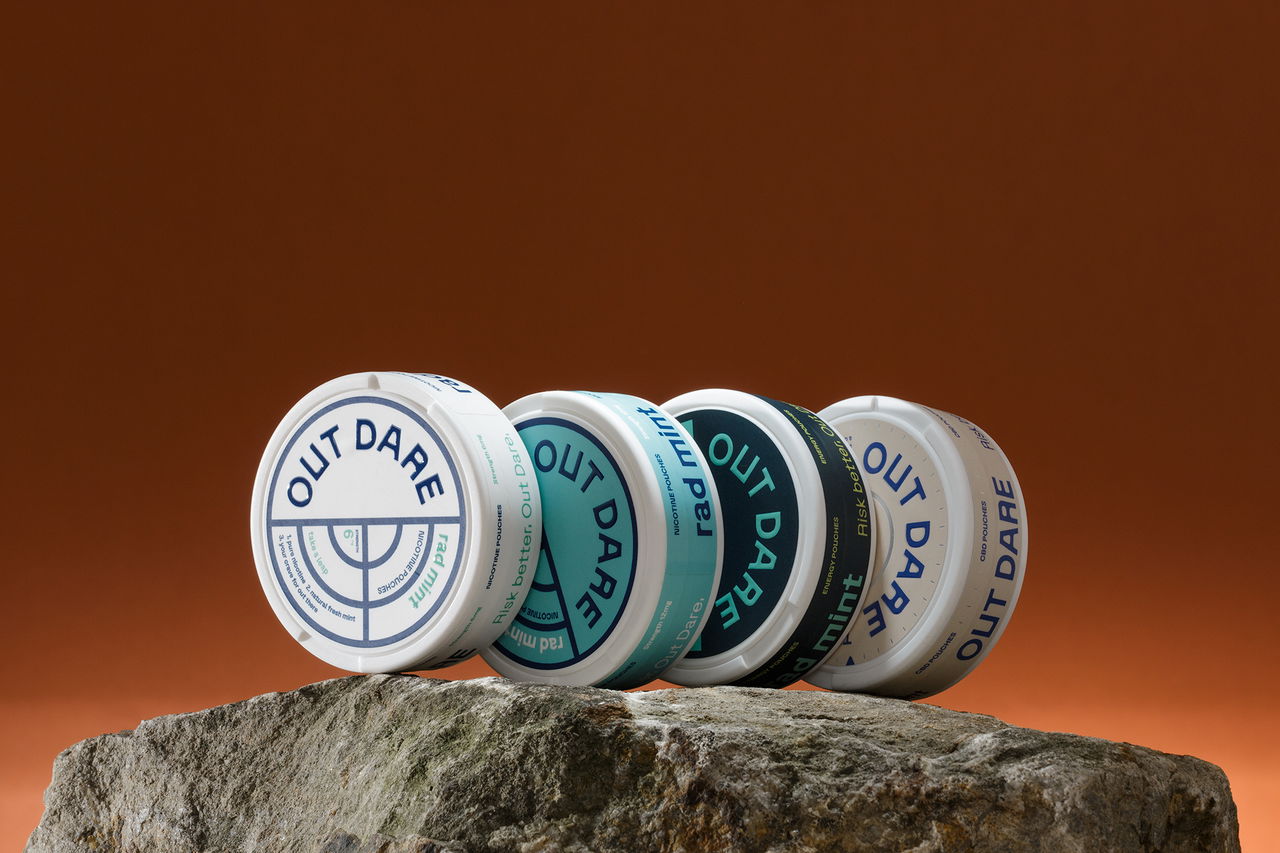
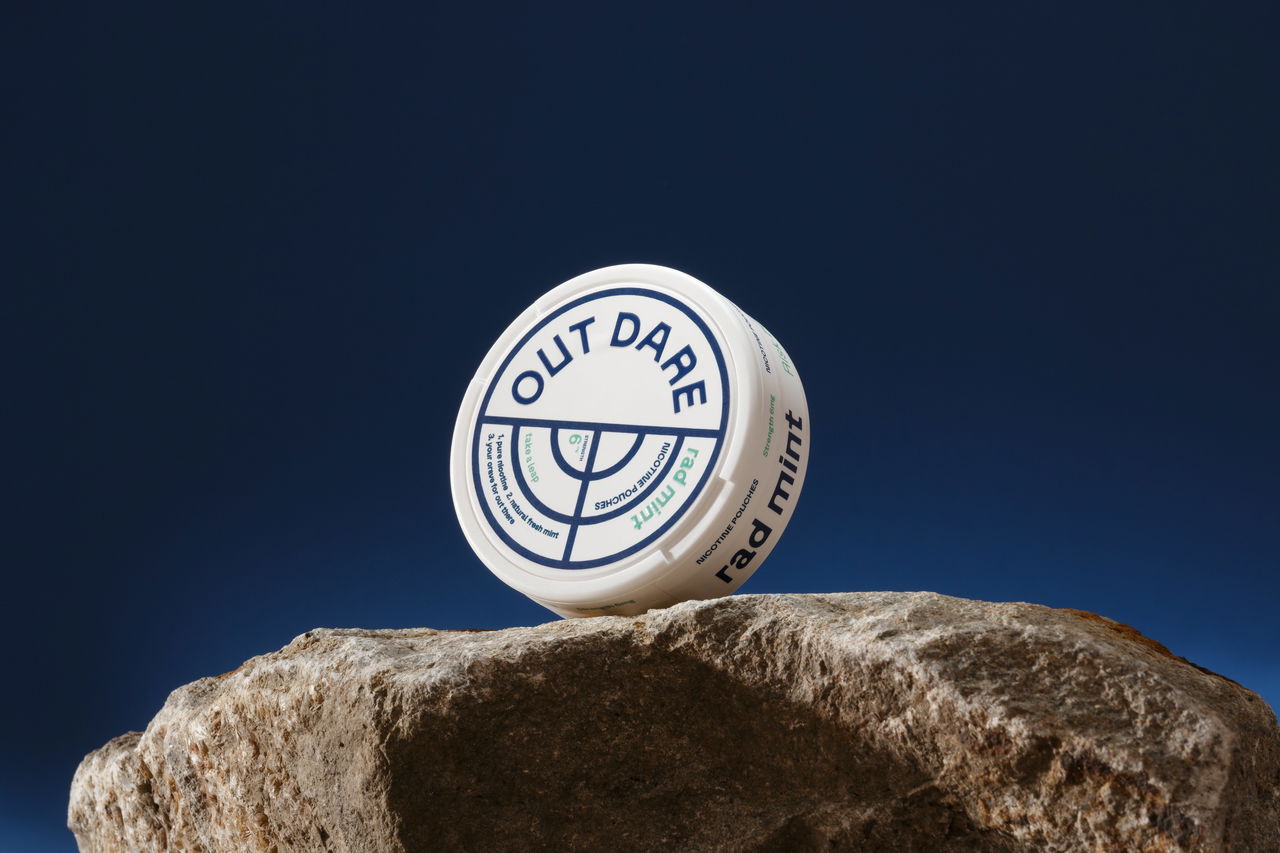
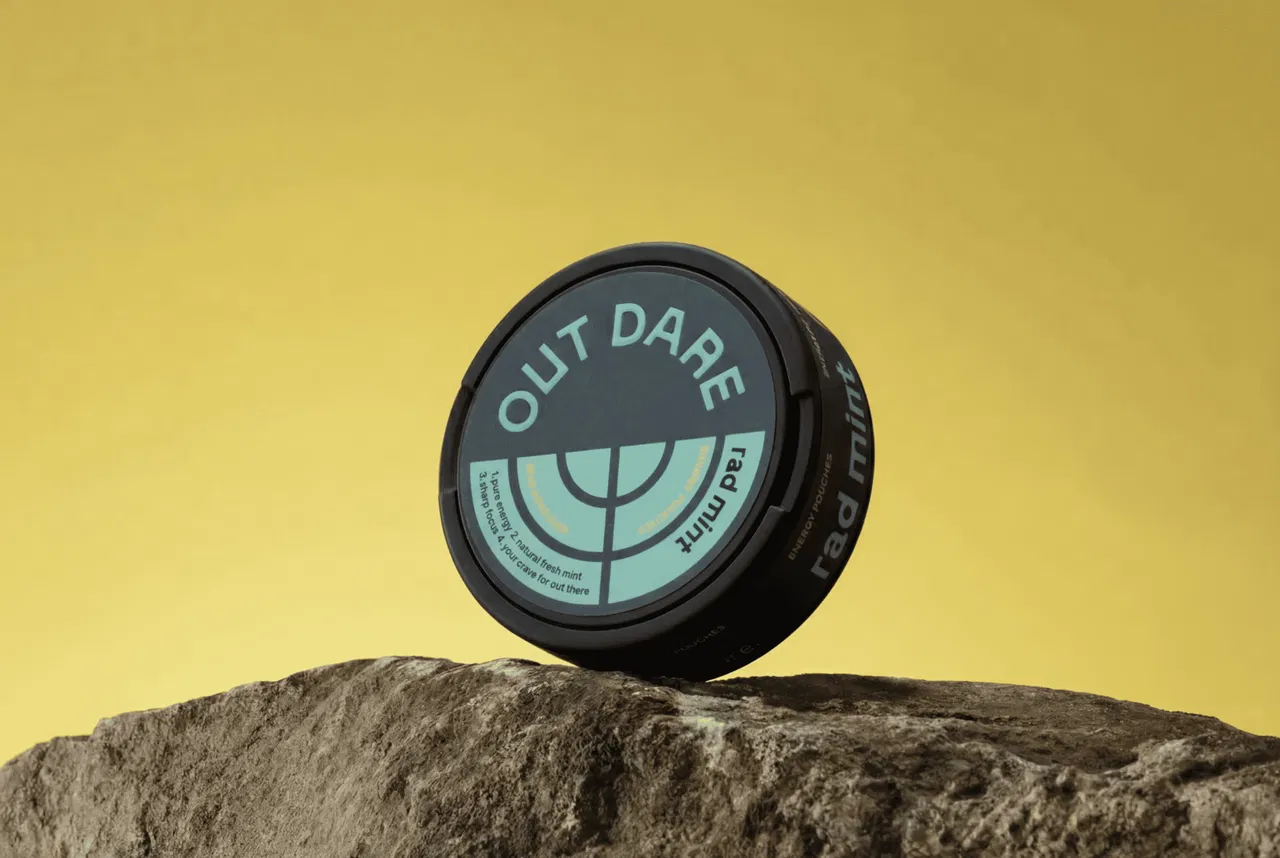
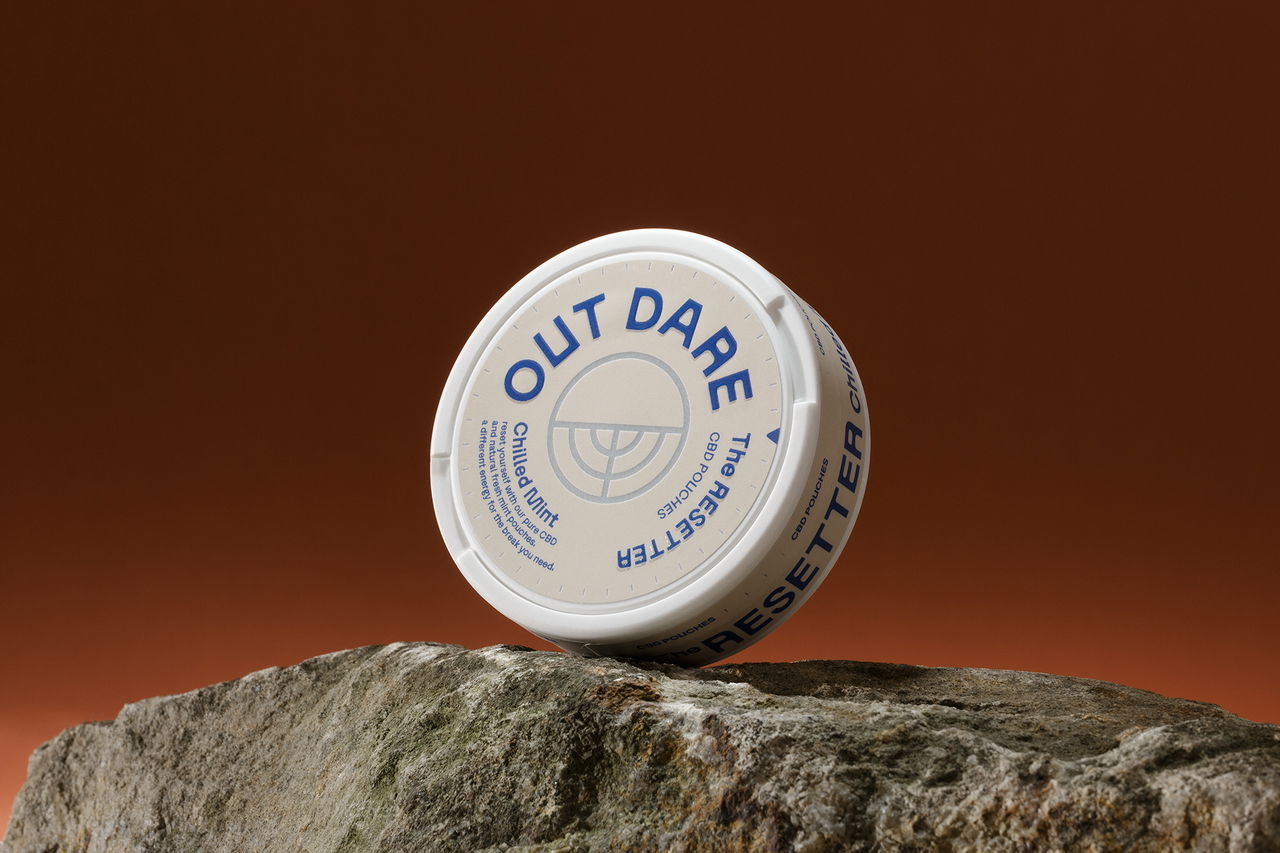
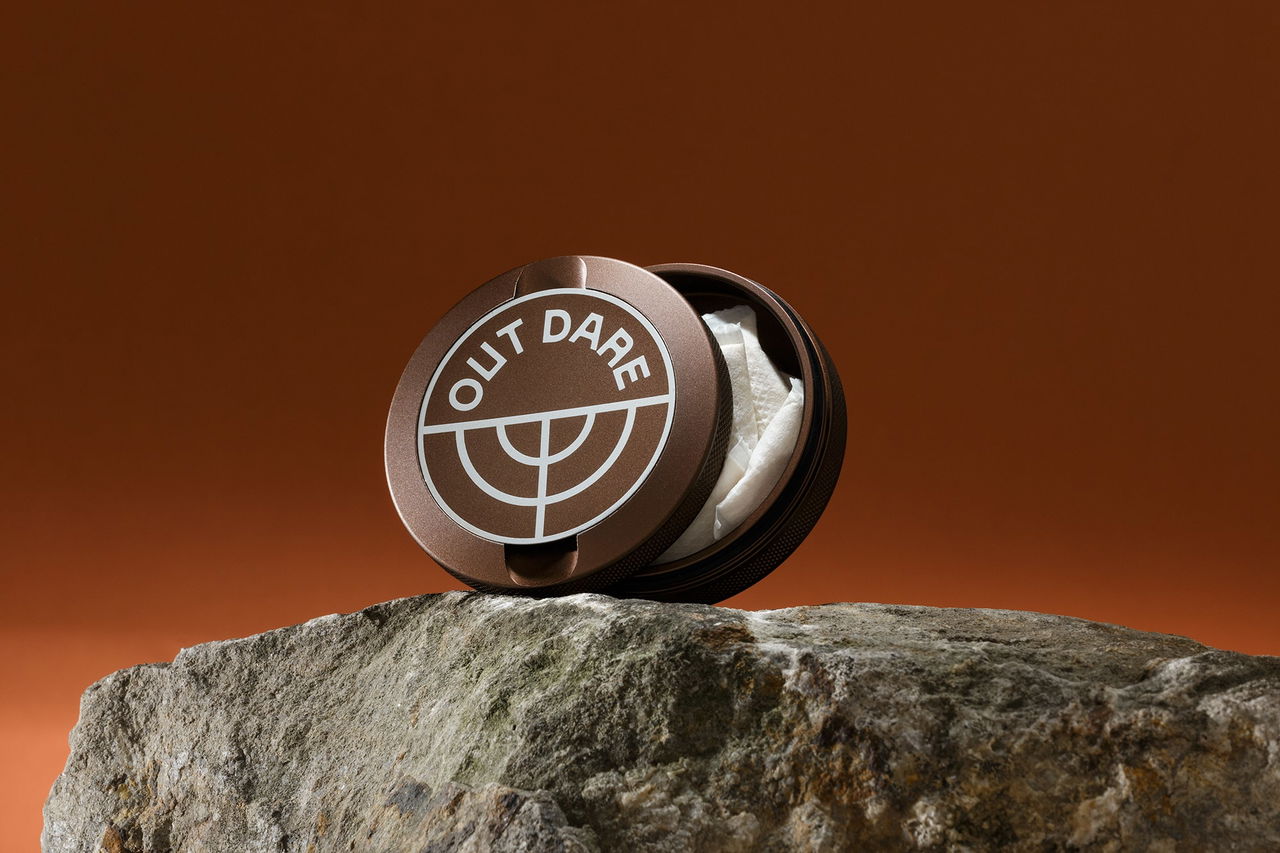
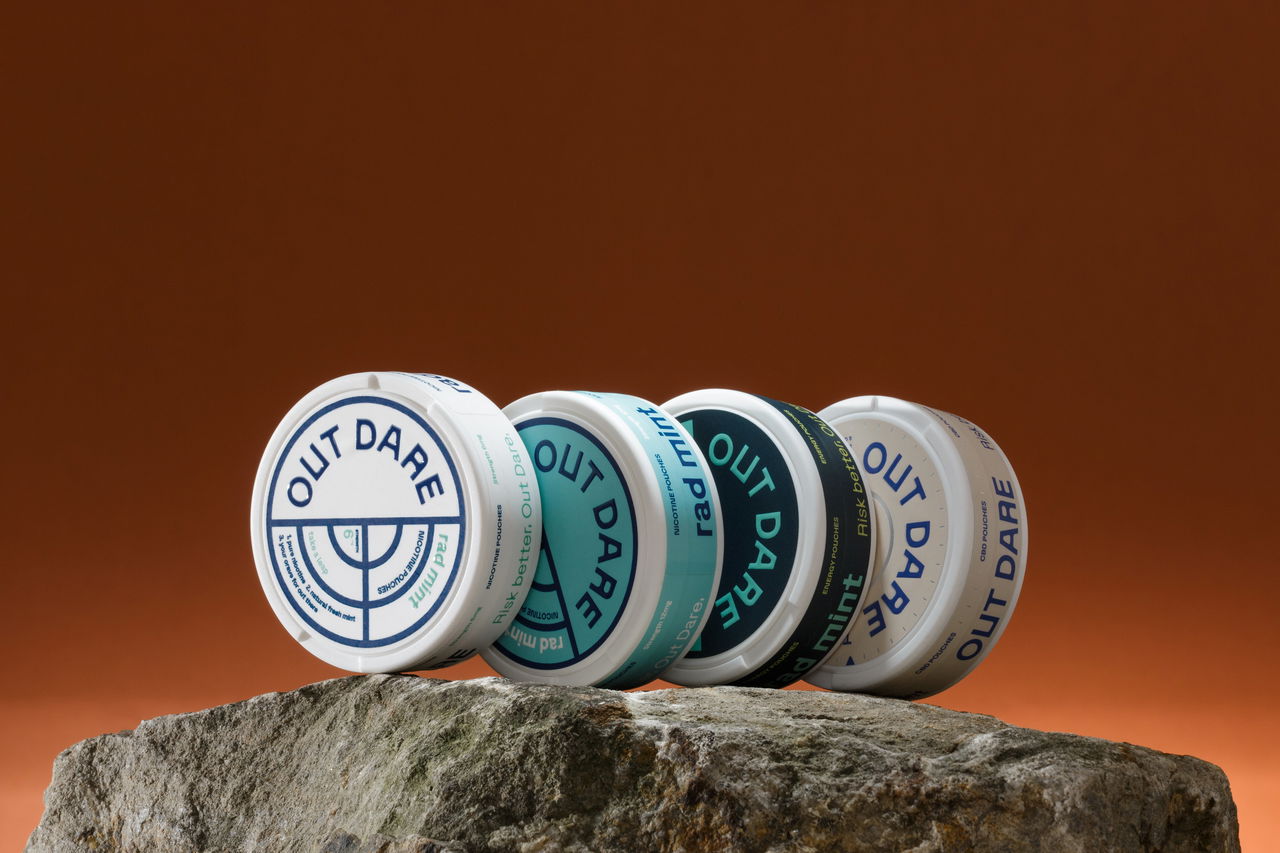
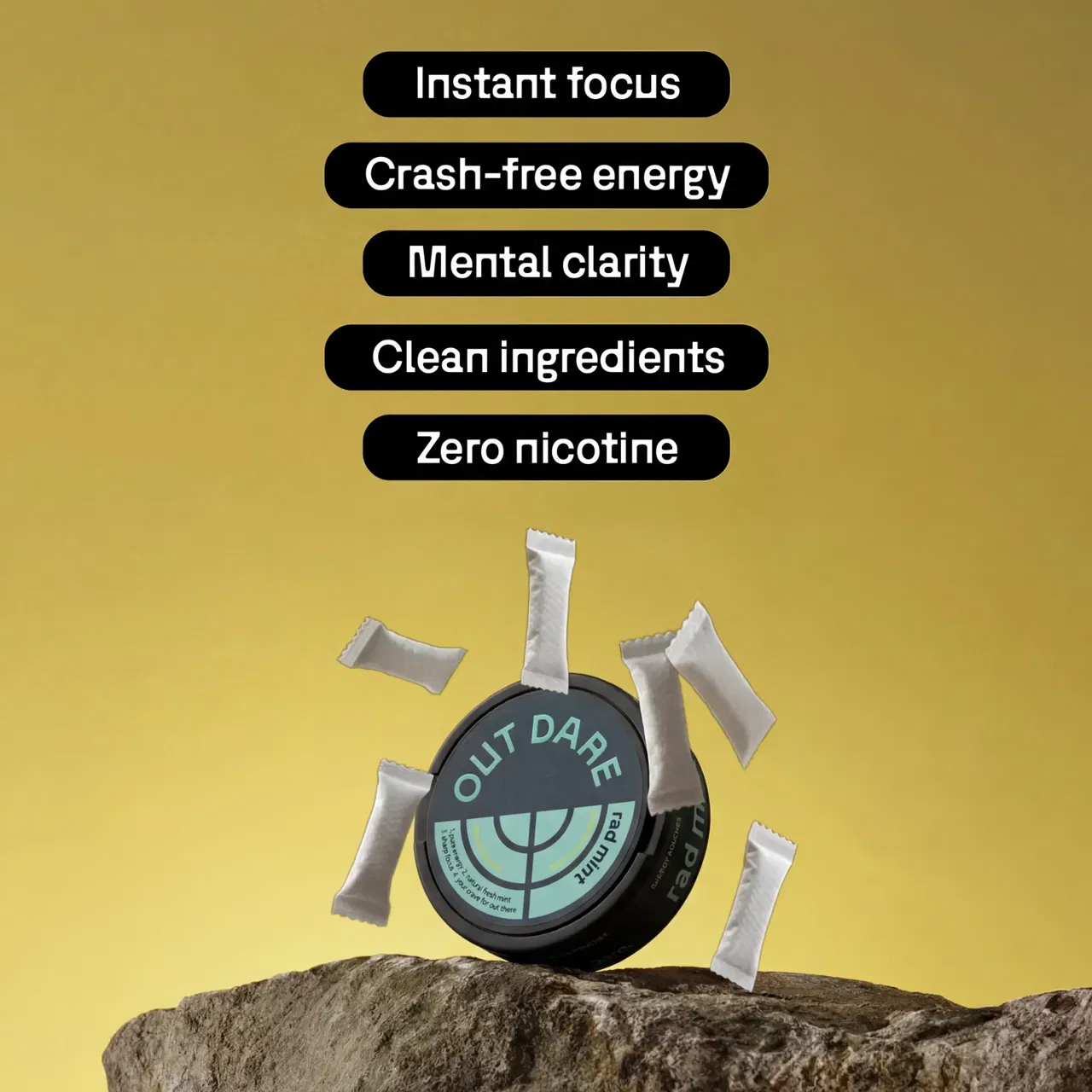
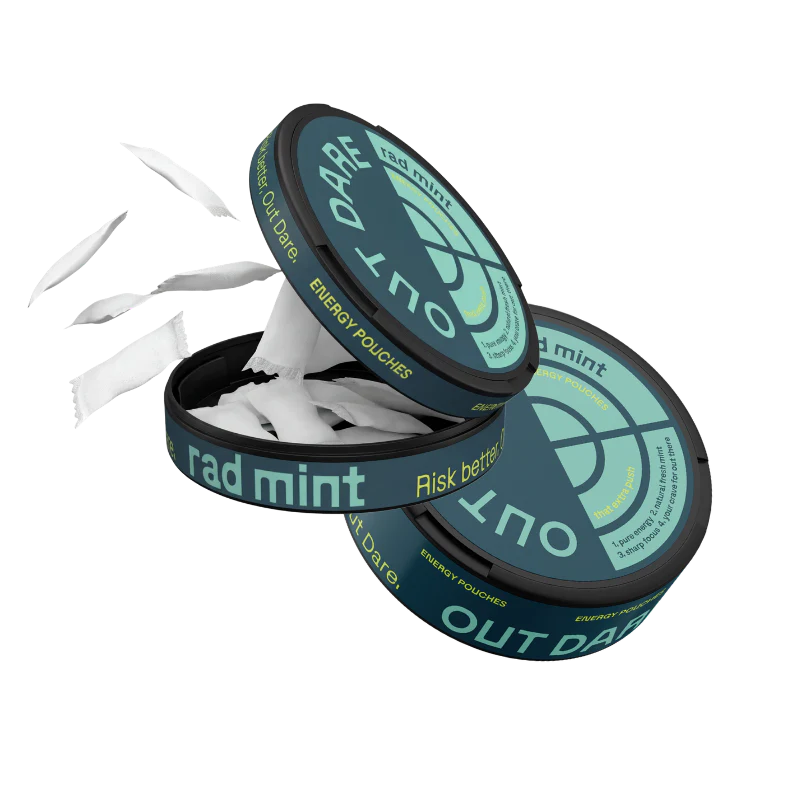
For nicotine pouch users specifically, the comparison goes deeper. An energy drink can't replicate the physical ritual that keeps you reaching for a pouch every 45 minutes. A sensory-matched caffeine pouch — same burn, same mint, same pillow under the lip — can. That's the insight behind Outdare LTD's Energy Pouch: 50mg caffeine with nootropics, zero nicotine, and the exact same mouthfeel as the nicotine pouch you're trying to leave behind. It addresses 60% of what addiction actually is, without asking you to white-knuckle the rest.
Whether you're optimizing for deep work, pre-gym performance, or a clean exit from nicotine dependency, the format you choose matters. Risk Better. Out Dare.
Recommended Articles
Explore more from our content library: