




Natural Energy Pouches: The Clean Boost Guide
| Key Insight | Explanation |
|---|---|
| What they are | Natural energy pouches are small plant-fiber sachets placed under the lip, delivering caffeine, nootropics, or CBD through the oral mucosa — no smoke, no sugar, no crash. |
| How they differ from energy drinks | Absorption happens sublingually — faster than digestion — with no liquid, no calories, and no artificial sweeteners in clean-formula products. |
| The 30/30/30 Rule | Nicotine accounts for only 30% of pouch addiction. The other 60% is physical habit and sensory burn — which energy and CBD pouches can satisfy without any chemical dependency. |
| Key ingredients | Clean energy pouches typically combine 50mg caffeine with nootropics like L-Theanine and Alpha-GPC for focus without jitters, or CBD for relaxation. |
| Safety profile | Zero-nicotine energy pouches carry a significantly lower risk profile than nicotine or tobacco products, though caffeine-sensitive individuals should monitor intake. |
| Best use case | Ideal for ex-nicotine-pouch users maintaining the oral ritual without relapsing, and for productivity-focused adults wanting discreet, fast-acting focus support. |
Here's the honest problem with how most people get their energy fix. Coffee causes gut issues. Energy drinks are loaded with sugar and synthetic stimulants. Nicotine pouches deliver a jolt — but at the cost of dependency, receding gums, and a 3pm crash that sends you reaching for another one. Natural energy pouches are the format that's finally changing this equation. Small, discreet, tobacco-free sachets placed under the lip — delivering clean caffeine, nootropics, or CBD straight through the oral mucosa, with no smoke, no liquid, and no chemical dependency to manage. In this guide, you'll learn exactly what they are, how they work, what the science says about their safety, and how to pick the right one for your goals in 2026.
What Are Natural Energy Pouches?
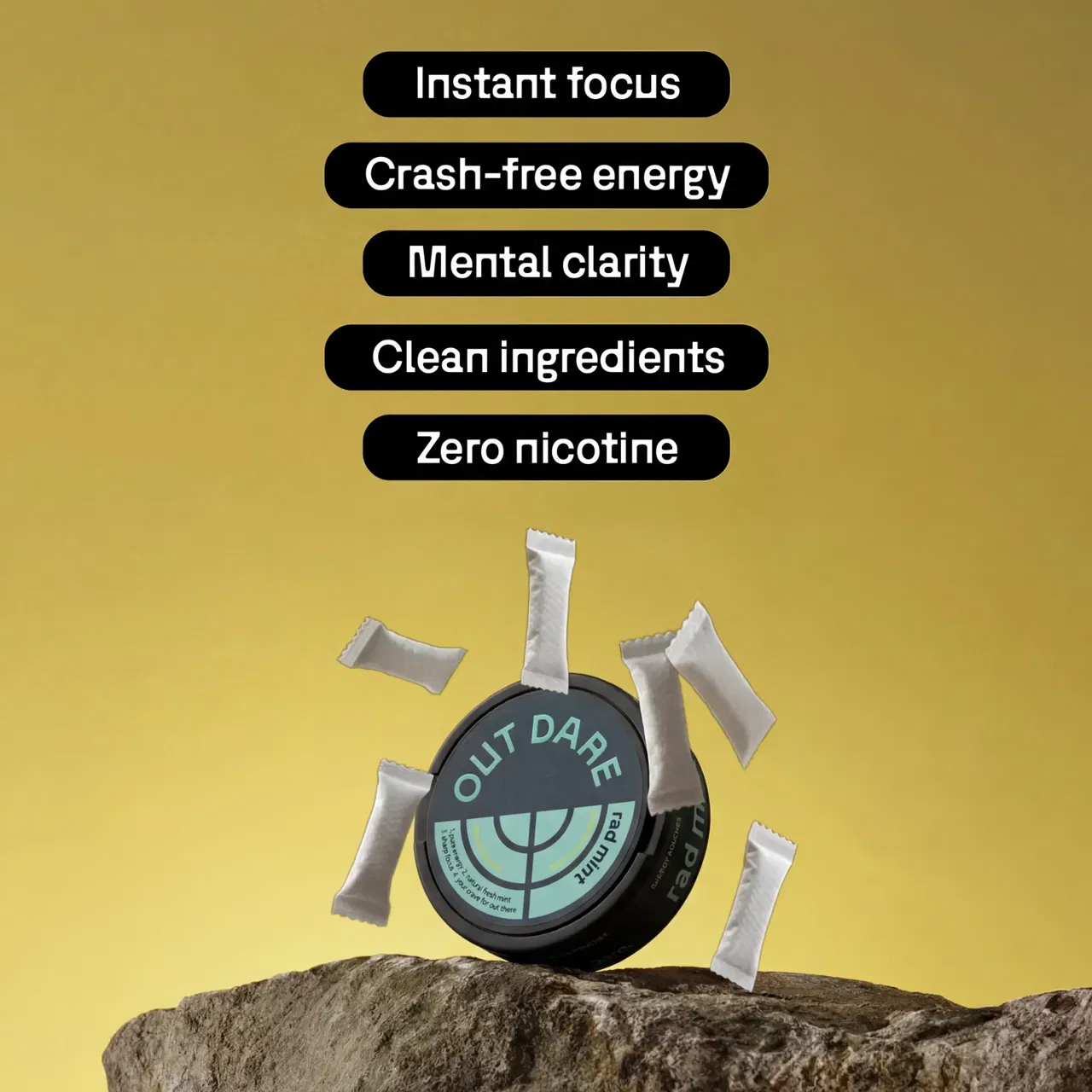
Natural energy pouches are small, plant-fiber sachets placed between the lip and gum that deliver active ingredients — typically caffeine, nootropics, or CBD — through the oral mucosa without tobacco, smoke, or nicotine. They're tobacco-free, usually sugar-free, and designed for discreet, on-the-go use anywhere a drink or smoke isn't practical.
Definition and Format
According to the Banned Substances Control Group (BSCG), energy pouches are "small, pillow-shaped packets placed between the lip and gum containing caffeine or other active ingredients like nootropics" [1]. The format is borrowed directly from Scandinavian snus and modern nicotine pouches — but the contents are fundamentally different. No tobacco. No nicotine. Just functional ingredients absorbed sublingually (through the tissue under the lip).
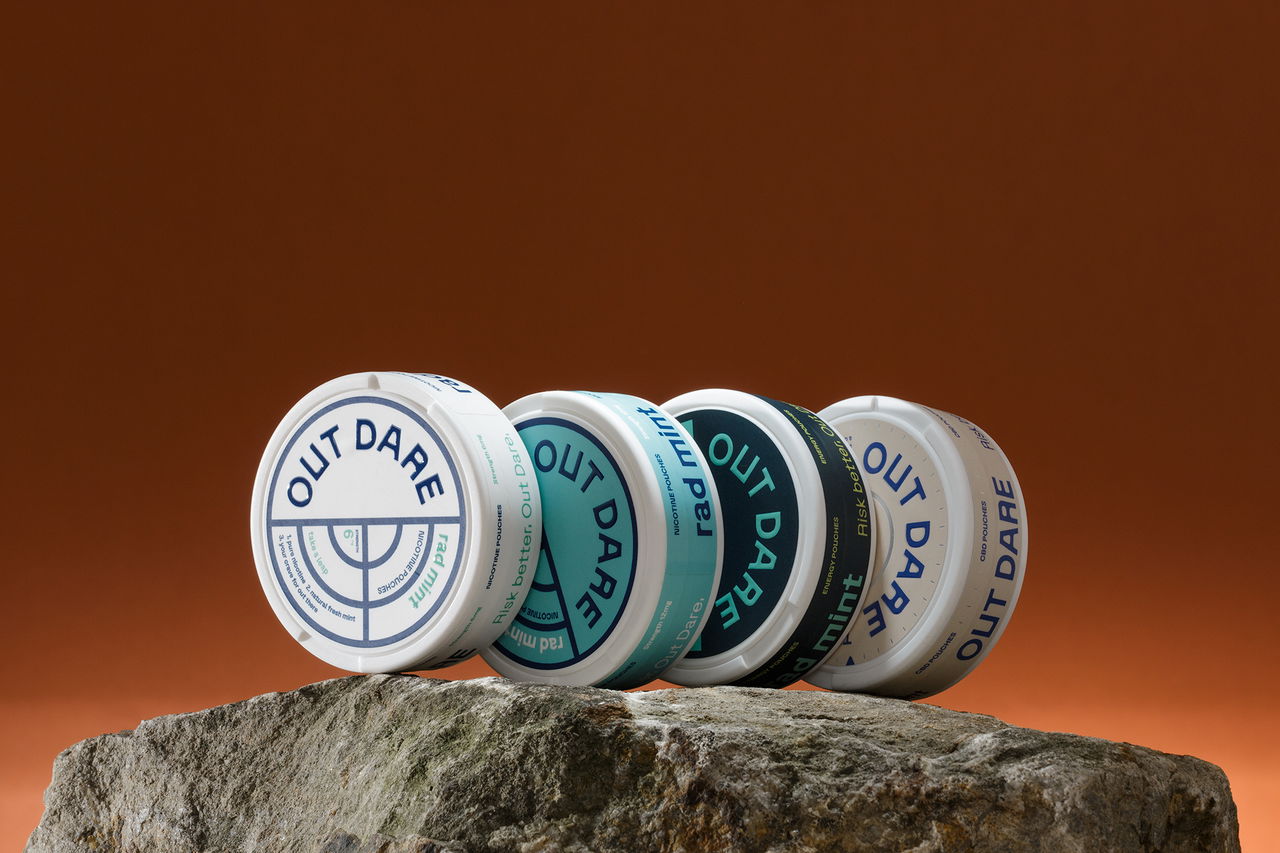
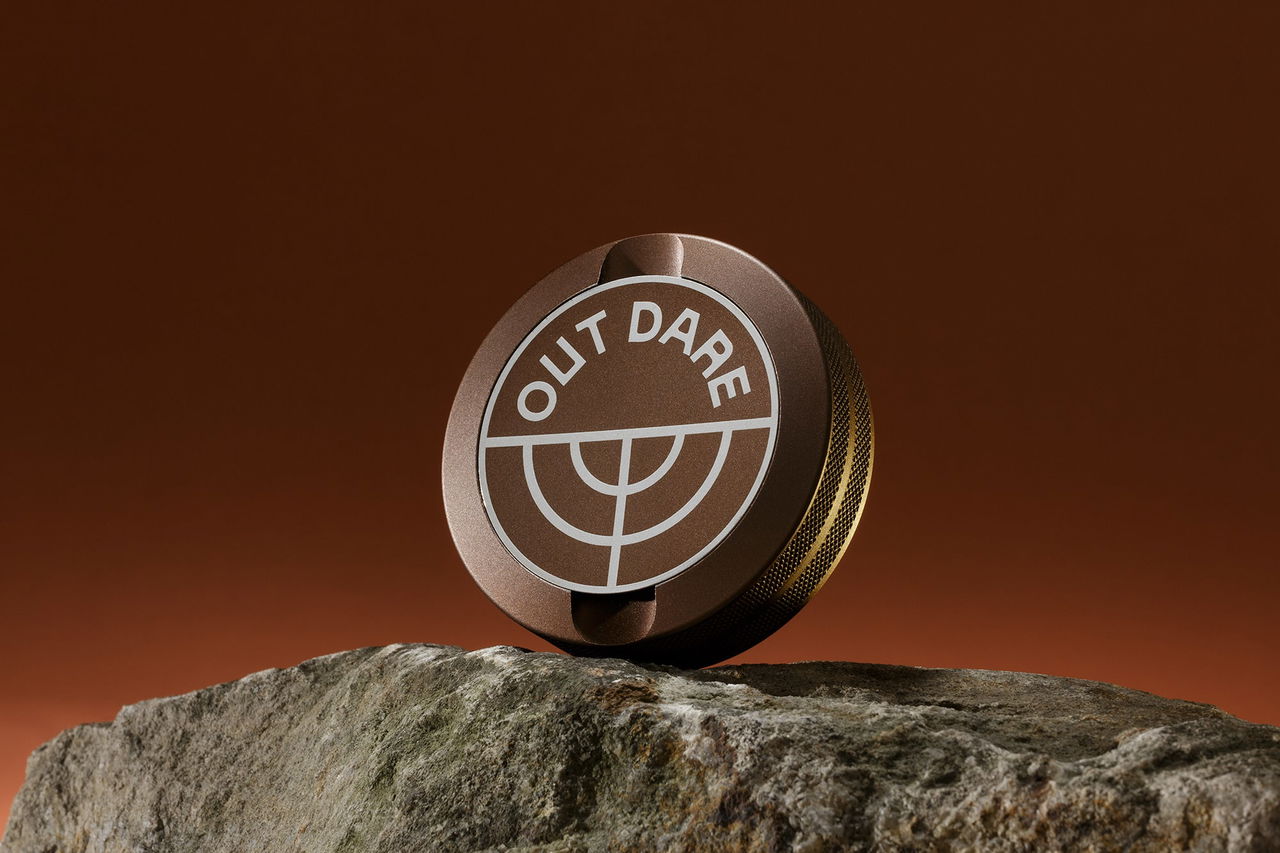
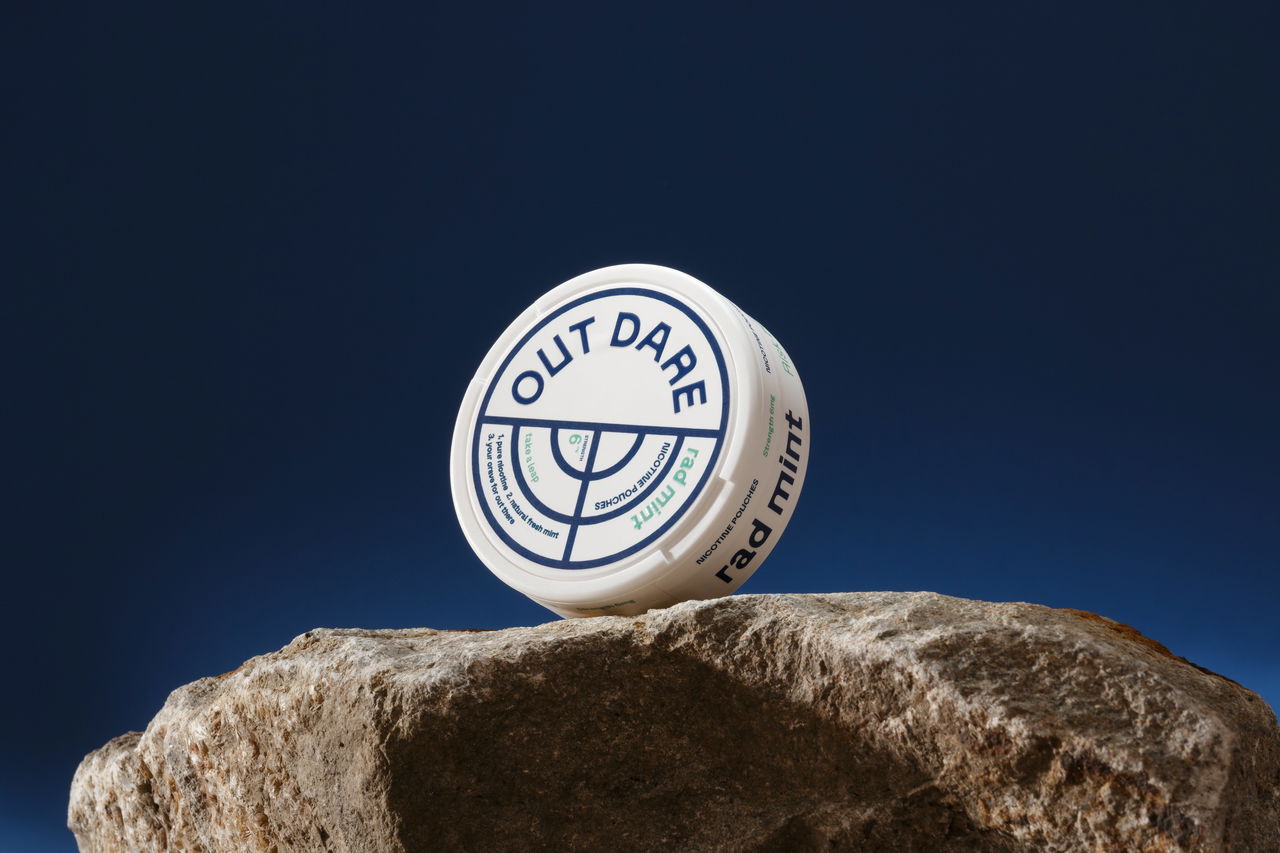
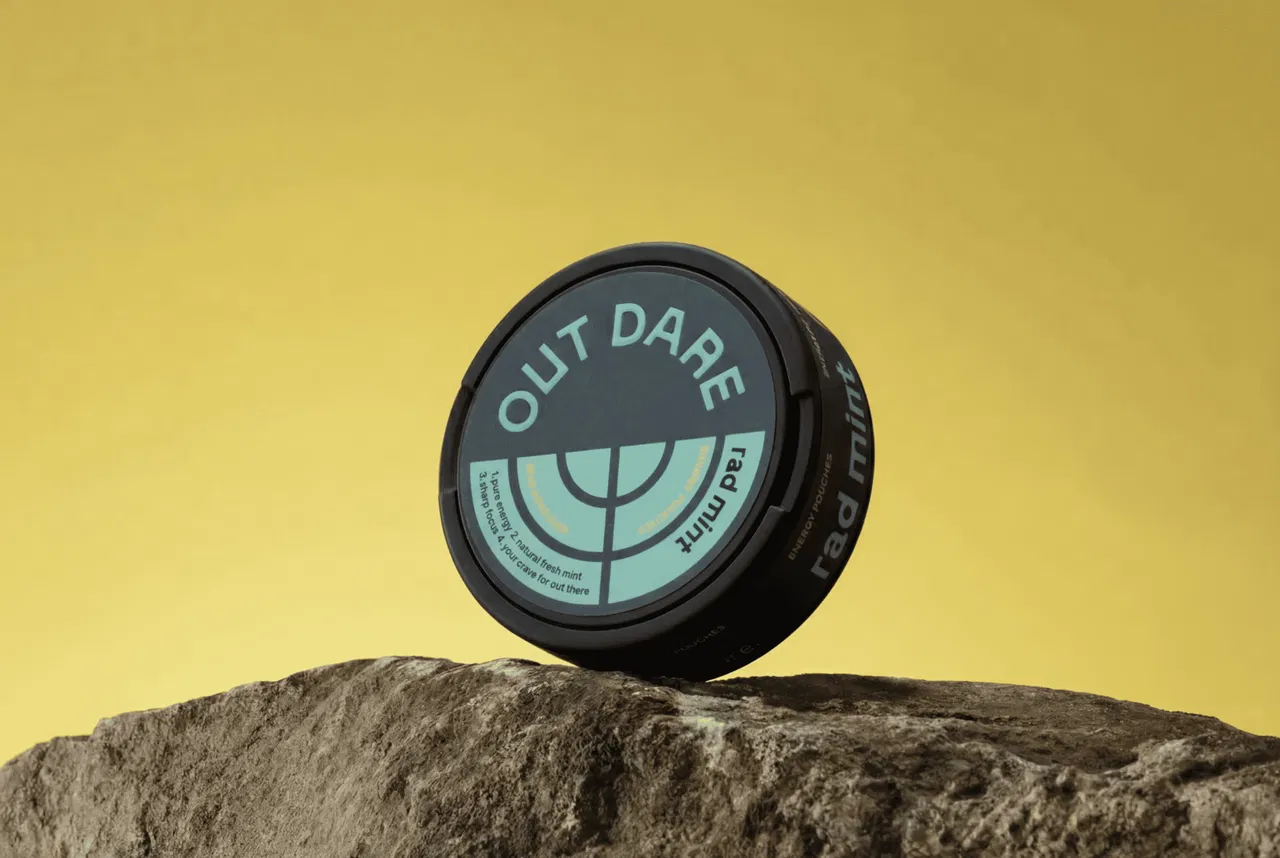
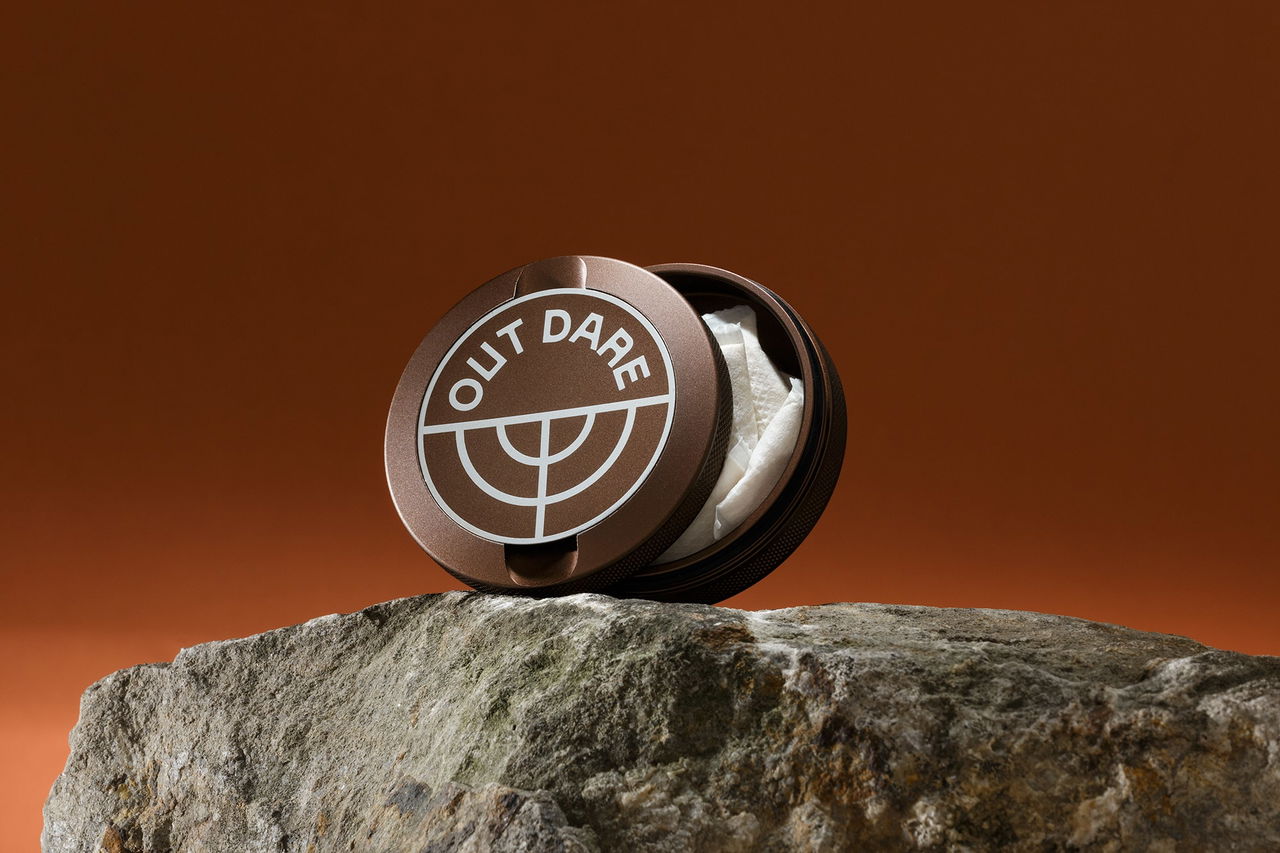
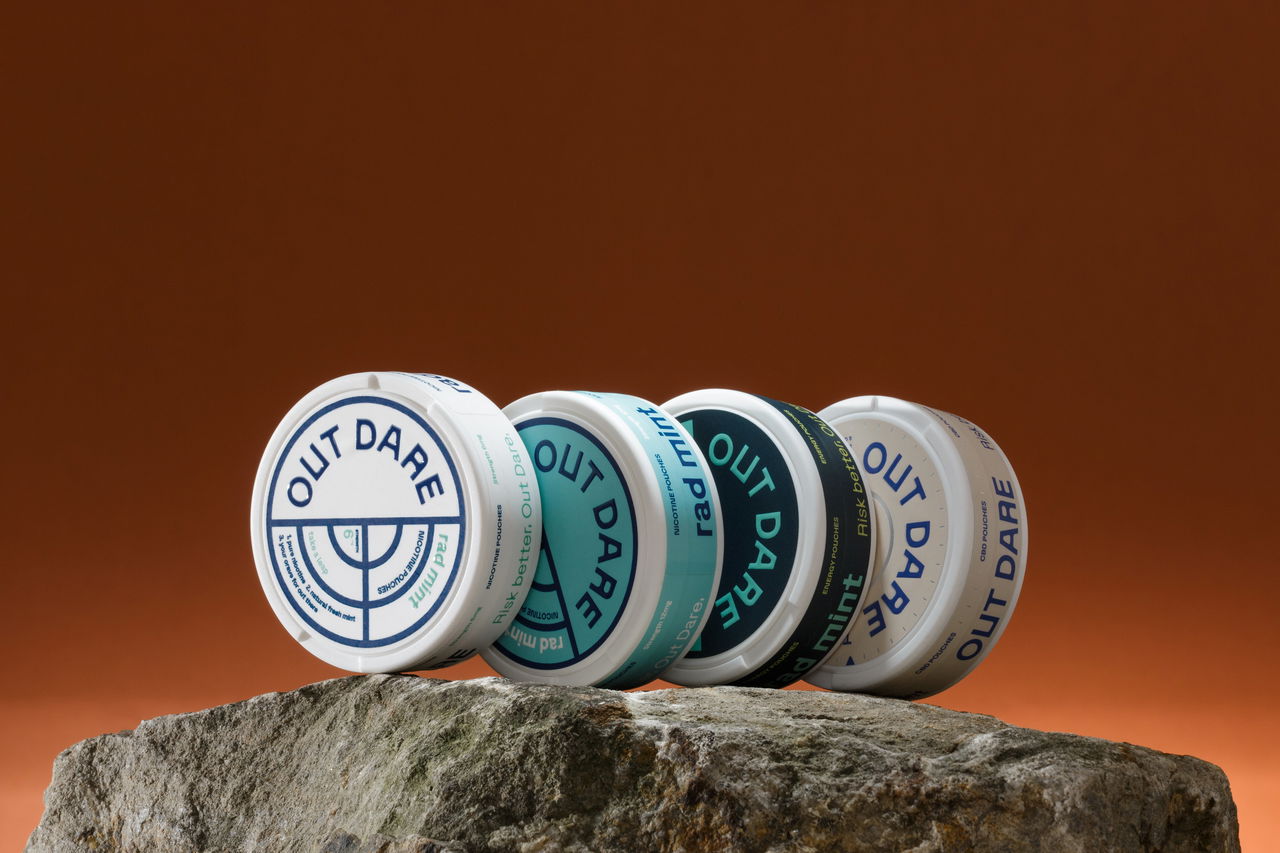
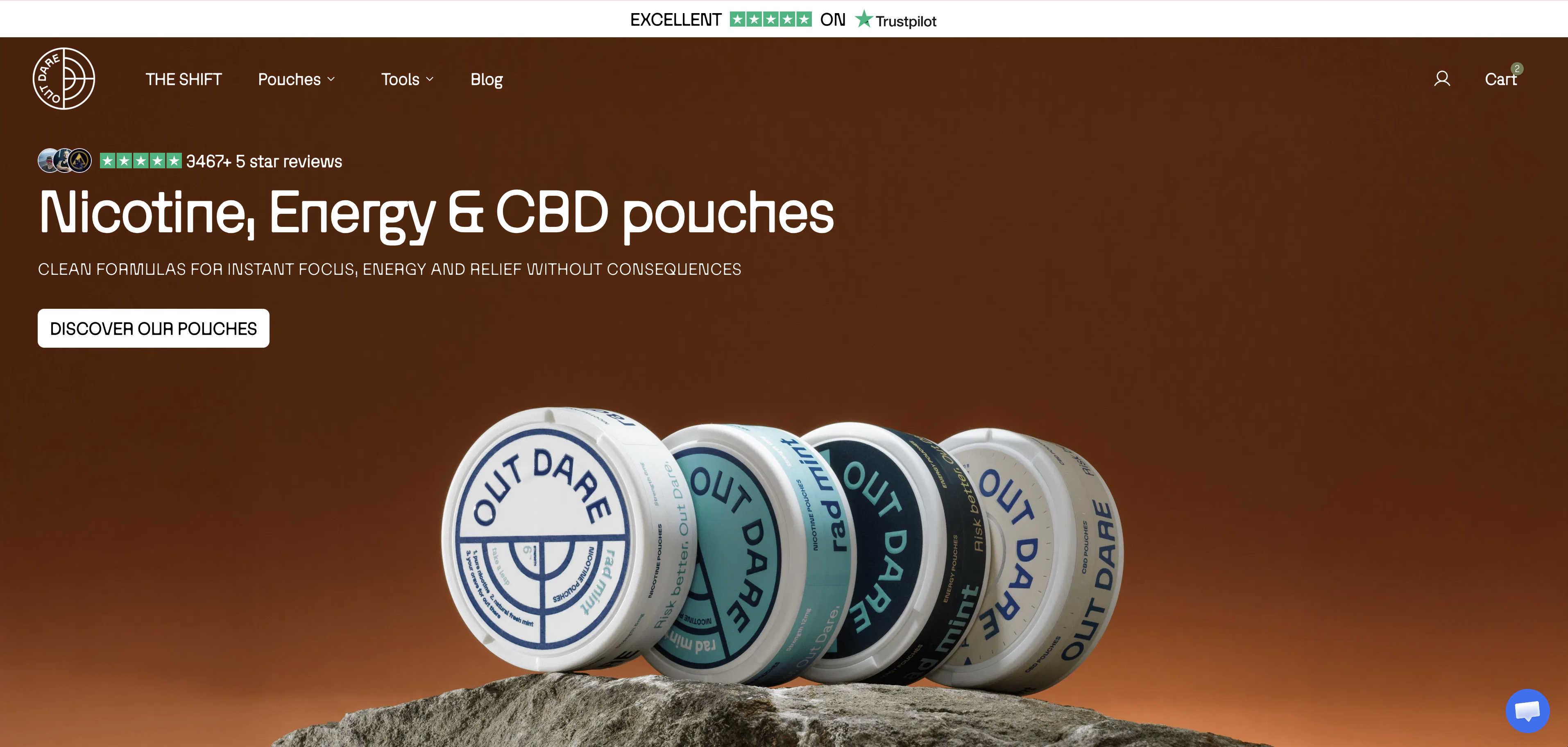
Most natural energy pouches use a cellulose or plant-fiber matrix as the filler base. Clean-formula products — like Outdare's Energy Pouch — use xylitol-based formulas and natural mint flavor, so there's no sugar and no artificial aftertaste. The pouch itself is typically white, soft, and roughly the size of a small piece of gum.
How They Differ from Nicotine Pouches
The key distinction is chemical dependency. Nicotine pouches deliver nicotine — a highly addictive compound that creates physical dependency over time. Natural energy pouches deliver caffeine, nootropics, or CBD. These ingredients can have their own tolerance curves, but they don't create the same compulsive, hard-to-break dependency loop that nicotine does.
- Nicotine pouches: Contain 4–15mg nicotine; create physical dependency; associated with gum recession and gut irritation with heavy use
- Natural energy pouches: Zero nicotine; typically 50mg caffeine ± nootropics; no tobacco; no chemical dependency in the clinical sense
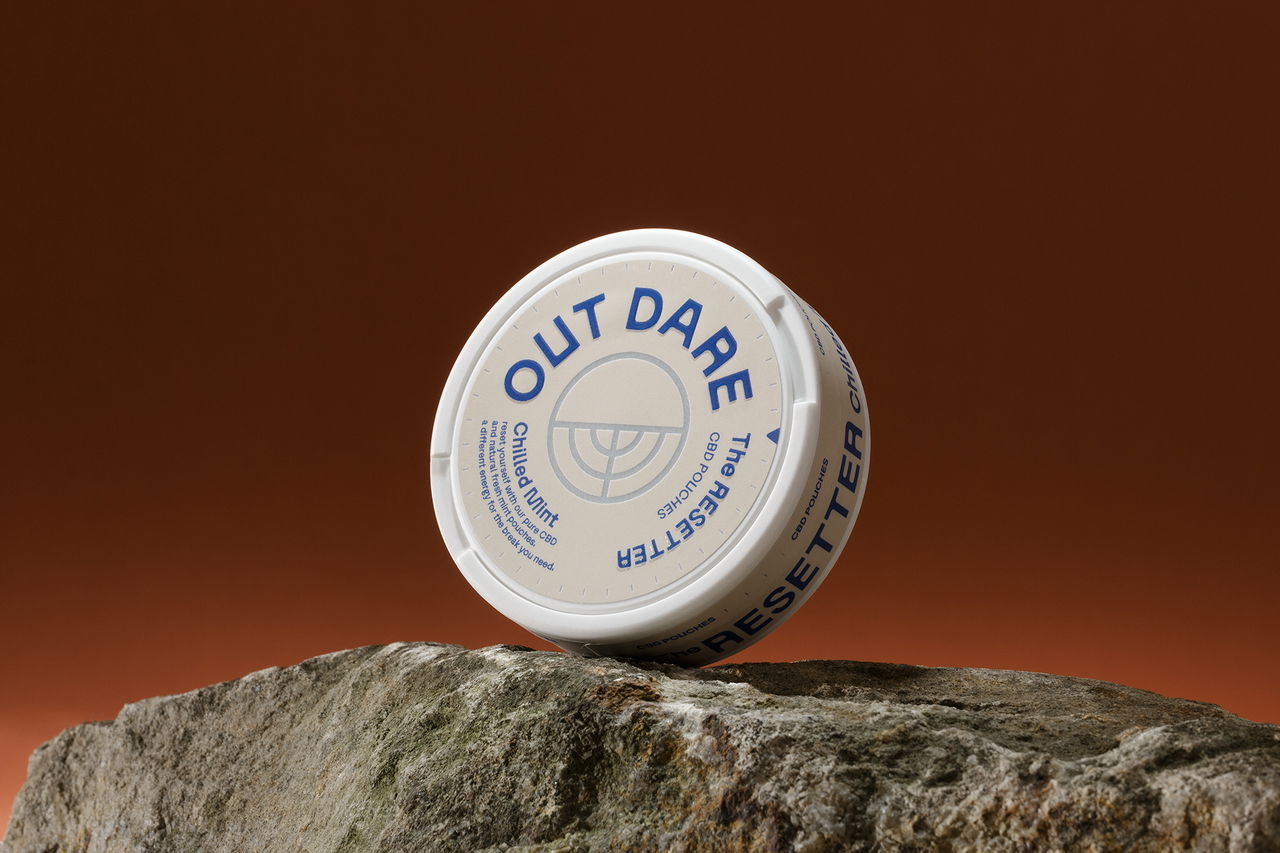
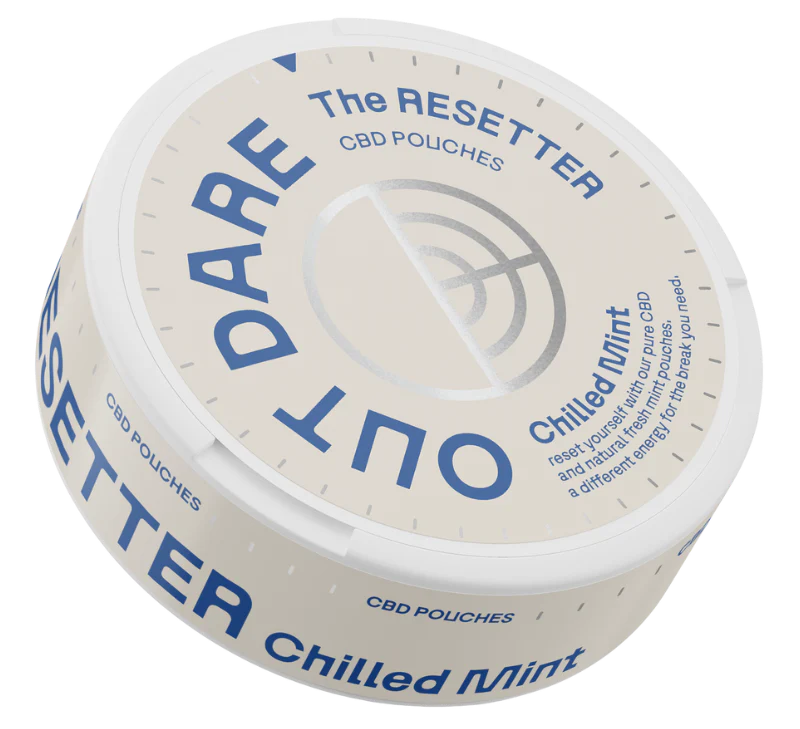
- CBD pouches: Zero nicotine and zero caffeine; contain cannabidiol (CBD) for relaxation and stress relief
As of 2026, the global nicotine pouch market is projected to exceed USD 3.5 billion, driven partly by the crossover appeal of functional, non-nicotine pouch formats entering the space [2]. Natural energy pouches are the fastest-growing sub-segment within this category.
| Format | Active Ingredient | Nicotine | Primary Use | Dependency Risk |
|---|---|---|---|---|
| Nicotine Pouch | Nicotine (4–15mg) | Yes | Stimulation, craving relief | High |
| Natural Energy Pouch | Caffeine + Nootropics | No | Focus, clean energy | Low–Moderate |
| CBD Pouch | Cannabidiol (CBD) | No | Relaxation, sleep support | Very Low |
| Coffee / Energy Drink | Caffeine + Sugar | No | Energy, alertness | Low–Moderate |
How Natural Energy Pouches Work
Natural energy pouches work by releasing active ingredients through the oral mucosa — the thin tissue lining the inside of the lip — directly into the bloodstream, bypassing the digestive system for faster onset than a drink or capsule.
Sublingual Absorption: The Delivery Mechanism
The oral mucosa is highly vascularized, meaning it's rich in blood vessels close to the surface. When you place a pouch under your lip, moisture activates the ingredients, and they diffuse through that tissue into the bloodstream within minutes. This is the same mechanism that makes nicotine pouches so effective — and it works just as well for caffeine, L-Theanine, Alpha-GPC, and CBD.
Sublingual absorption (absorption under the tongue or lip) typically delivers active compounds faster than oral ingestion. You don't need to wait for your stomach to process anything. In practice, users report feeling the effects of a 50mg caffeine energy pouch within 10–20 minutes — comparable to an espresso shot, but without the liquid volume or the gut stimulation that coffee causes in sensitive individuals [3].
The Nootropic Stack Inside a Clean Energy Pouch
The best natural energy pouches go beyond plain caffeine. Nootropics (cognitive-enhancing compounds) are increasingly common in the format. Here's what the most effective stacks typically include:
- Caffeine (50mg): The primary stimulant. Blocks adenosine receptors to reduce perceived fatigue and improve alertness. At 50mg — roughly half an espresso — the dose is effective without triggering the jitter-and-crash cycle of higher doses [4].
- L-Theanine: An amino acid found naturally in green tea. Paired with caffeine, it smooths the stimulant curve — promoting calm focus rather than anxious energy. The caffeine + L-Theanine combination is one of the most studied nootropic pairings in cognitive performance research.
- Alpha-GPC: A choline precursor that supports acetylcholine production — the neurotransmitter most associated with memory, learning, and sustained attention. Favored by biohackers and productivity-focused adults for its role in deep work and flow state.
- Natural mint flavor: Not just cosmetic. The sensory cue — the burn and the taste — plays a real role in the ritual that makes pouches effective as a habit anchor, particularly for ex-nicotine-pouch users.
Pro Tip: If you're switching from nicotine pouches to natural energy pouches, match the strength of the sensory experience first — the burn, the pillow feel, the mint. Your brain's habit loop is triggered by those cues, not just the nicotine. Getting the sensory match right is what makes the switch stick.
According to Men's Health, a performance pouch (energy pouch) "is a small, plant-fiber sachet usually made from cellulose" — and the format is specifically designed to deliver functional ingredients without the downsides of liquid delivery [5]. The key is ingredient quality and dosing precision, which varies significantly across brands.
Key Benefits of Natural Energy Pouches in 2026
Natural energy pouches offer a faster, cleaner, and more discreet energy delivery method than drinks, pills, or tobacco-based products — with no sugar, no smoke, and no chemical dependency when formulated correctly.
The Practical Advantages Over Energy Drinks and Coffee
Energy drinks have a real problem in 2026. The average can contains 27–54g of sugar, synthetic taurine, artificial colors, and 80–160mg of caffeine — a combination that drives a sharp spike followed by an equally sharp crash. Coffee is cleaner but still causes gut stimulation, requires preparation, and isn't exactly discreet in a meeting or mid-workout.
Natural energy pouches solve all three problems at once:
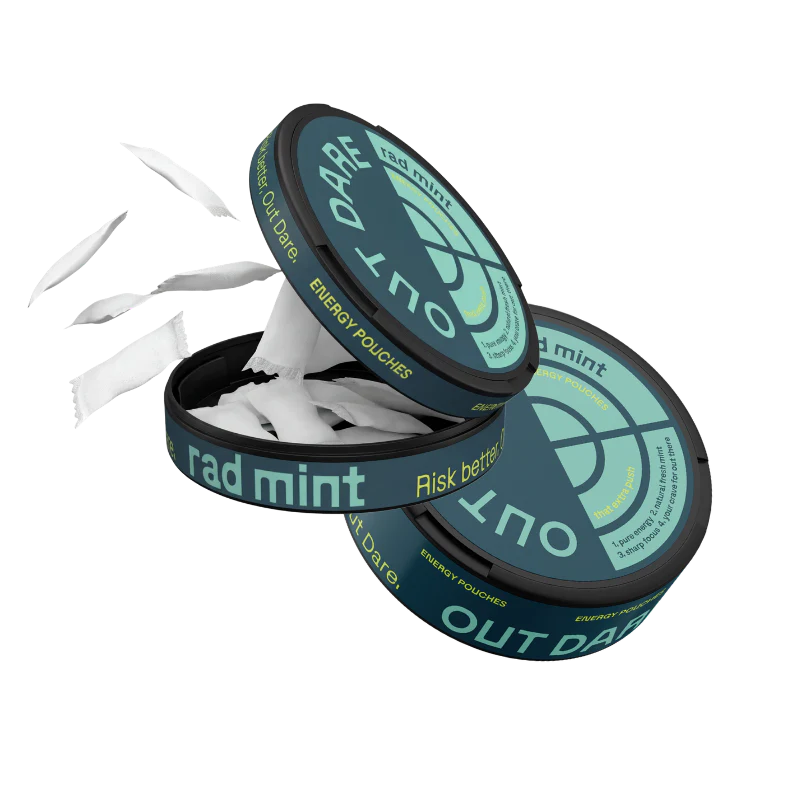
- No sugar: Clean-formula pouches use xylitol or are completely unsweetened. Zero glycemic impact.
- No liquid: You can use one mid-run, mid-meeting, mid-flight. No shaker bottle, no cup, no preparation.
- No crash: A 50mg caffeine dose paired with L-Theanine produces a smooth, sustained focus curve — not the spike-and-drop cycle of a 160mg energy drink.
- No smell: Unlike coffee breath or cigarette smoke, a mint pouch leaves no detectable trace.
- Portable: A flat round tin fits in any pocket. Twenty pouches weigh almost nothing.
The Ritual Replacement Advantage for Ex-Nicotine Users
This is the benefit that most energy pouch brands miss entirely. For the estimated tens of millions of adults in Europe who currently use nicotine pouches, the hardest part of quitting isn't the nicotine — it's losing the ritual.
At Outdare LTD, we've found that the 30/30/30 Addiction Rule explains why cold turkey fails so consistently. Of the total addiction load:
- 30% is chemical (nicotine dependency)
- 30% is physical habit (the pillow feeling under the lip)
- 30% is sensory cue (the mint burn, the taste)
A natural energy pouch that matches the exact same taste, mouthfeel, and gum burn as your nicotine pouch satisfies 60% of the addiction loop immediately. You only need to manage the 30% chemical dependency — which is dramatically more achievable. Most users following the Outdare 4-Week Method reduce their nicotine intake by 60–90% within the first month without white-knuckling a single craving.
Industry analysts at BSCG note that the energy pouch category is growing rapidly precisely because it sits at the intersection of harm reduction and performance optimization — two of the strongest consumer trends in wellness as of 2026 [1].
Pro Tip: Use your energy pouch at the exact same moment you'd normally reach for a nicotine pouch — 10am focus session, post-lunch slump, pre-workout. The timing matters as much as the ingredient. Your brain associates the ritual with the time of day, not just the substance.
Common Mistakes and Challenges
The biggest mistake people make with natural energy pouches is treating them like a passive swap — assuming any pouch will work just because it's caffeine-based. The format, ingredients, and sensory profile all matter significantly.
Mistake 1: Ignoring the Sensory Match
A common mistake — especially among ex-nicotine-pouch users — is choosing an energy pouch purely on ingredient label without checking whether it matches the physical experience of their usual pouch. If the burn is weaker, the pillow is softer, or the flavor is different, the brain doesn't accept the substitution. The ritual fails. The person reaches for a nicotine pouch within hours.
In practice, sensory parity is the single most important factor for successful ritual substitution. The Outdare Energy Pouch was specifically developed by a former mixologist to replicate the exact mint flavor, gum burn, and mouthfeel of a nicotine pouch — so the brain genuinely can't tell the difference. That's not a marketing claim; it's the functional design principle behind the product.
Mistake 2: Overdosing on Caffeine Through Stacking
One pitfall to watch for: users who combine energy pouches with coffee, pre-workout supplements, and other caffeinated products. A single energy pouch delivers 50mg of caffeine — roughly half an espresso. That's a sensible dose. But stacking it with two coffees and a pre-workout puts total caffeine intake well above 400mg, which the European Food Safety Authority (EFSA) identifies as the upper daily limit for healthy adults [6].
- Don't treat energy pouches as "bonus" caffeine on top of an already-loaded stack
- If you're caffeine-sensitive, start with one pouch and assess your response before adding more
- Avoid energy pouches within 4–6 hours of bedtime to protect sleep quality
Mistake 3: Choosing Low-Quality Formulas
Not all energy pouches are created equal. A review by Men's Health noted that some products in the category use synthetic stimulants, artificial sweeteners, and undisclosed ingredient blends [5]. The BSCG has flagged compliance and ingredient transparency as live concerns in the energy pouch segment as of 2026 [1].
What to look for on the label:
- Plant-fiber or cellulose filler base (not synthetic binders)
- Natural flavoring (not artificial flavor compounds)
- Declared caffeine dose in milligrams
- Xylitol or no sweetener (not sucralose or aspartame)
- European manufacturing with clean-label standards
- No undisclosed "proprietary blend" masking actual ingredient doses
Best Practices for Choosing and Using Energy Pouches in 2026
The best approach to natural energy pouches combines smart ingredient selection, mindful timing, and a clear purpose for each use — whether that's focus, ritual replacement, or relaxation.
The Three-Pouch Framework: Match the Pouch to the Moment
One framework that's gained real traction in the harm-reduction and biohacking communities is the concept of functional pouch segmentation — using different pouch types for different times of day and different cognitive or physical states. Our team at Outdare LTD recommends thinking about it this way:
- Morning / Deep Work (Energy Pouch): 50mg caffeine + nootropics. Use before a focused work session, a workout, or any high-output task. Delivers clean alertness without the gut stimulation of coffee.
- Afternoon / Craving Moment (Energy or Nicotine Pouch): If you're reducing nicotine, this is where you swap a nicotine pouch for an energy pouch. Same ritual, same burn, less chemical dependency.
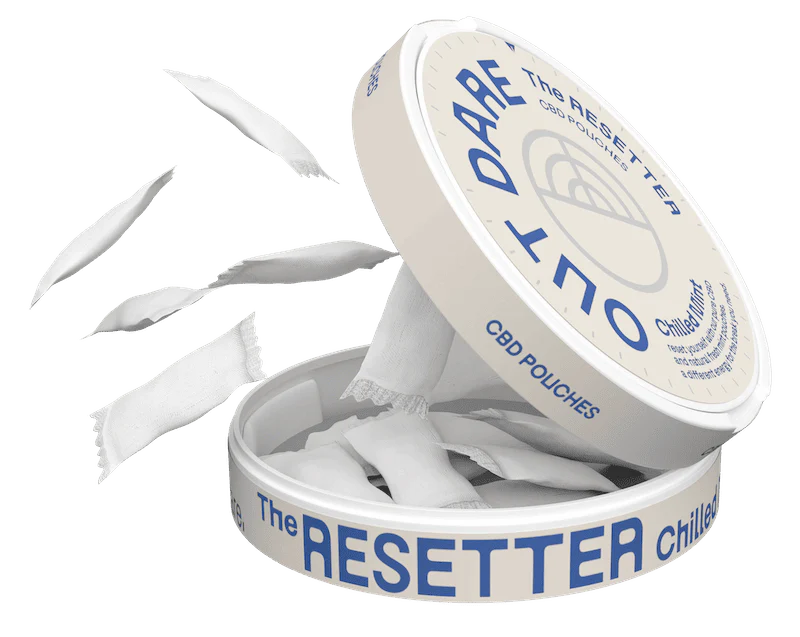
- Evening / Wind-Down (CBD Pouch): Zero nicotine, zero caffeine. CBD supports relaxation and sleep quality without sedation. The ideal ritual for ex-smokers and ex-vapers who need something to do with their hands at 9pm.
This three-phase approach mirrors the Outdare system and aligns with the broader harm-reduction principle of progressive substitution rather than abrupt cessation.
Step-by-Step: Starting the 4-Week Reduction Method
- Week 1: Track your current pouch usage honestly. How many per day? At what times? Identify the 2–3 moments where the pouch is most habitual (not most necessary).
- Week 2: Replace one nicotine pouch per day with an energy pouch at a habitual (non-craving) moment — typically the first one of the morning or the post-lunch one.
- Week 3: Increase substitutions to 3–4 per day. Add a CBD pouch in the evening to break the nicotine-before-sleep habit.
- Week 4: Target a ratio of 70% energy/CBD pouches to 30% nicotine. Most users hit 60–90% nicotine reduction by end of week four.
Pro Tip: Don't try to reduce nicotine strength and frequency at the same time in the first two weeks. Pick one variable. Reducing frequency first (by substituting energy pouches) is typically easier than stepping down from 15mg to 6mg while still using the same number of pouches per day.
Several brands in the market offer this method with varying caffeine doses. Mojo Energy Pouches deliver 50mg caffeine per pouch [7], while products like TeaZa use natural caffeine from green tea and yerba mate at the same 50mg dose [8]. The dose consistency across clean-formula brands suggests 50mg is the functional sweet spot for sublingual delivery — enough to feel, not enough to crash.
Sources & References
- BSCG, "Energy Pouches — Safety, Ingredients and Compliance Risk", 2024
- Amazon.com, "Energy Pouches Category Overview", 2026
- Grinds, "Caffeine Energy Pouches — Product Information", 2026
- U.S. Customs & Border Protection, "H332382: Tariff Classification of Caffeine Pouches", 2024
- Men's Health, "Some Energy Pouches Are Sketchy. But These Three Actually Work.", 2024
- Open Food Facts, "Mint Balanced Energy Pouches — Mojo", 2024
- Mojo, "Energy Pouches — 50mg Caffeine", 2026
- TeaZa, "Tropical Energy — Nicotine-Free Herbal Pouches", 2026
- Ignite International, "Caffeine Energy Pouches", 2026
- NZE Pouches, "Focus Blend — Caffeine-Free Nootropic Pouches", 2026
Frequently Asked Questions
1. Are energy pouches safe for you?
Zero-nicotine this strategy carry a significantly lower risk profile than nicotine or tobacco products. A 50mg caffeine dose delivered sublingually is comparable to a half-espresso — well within safe daily limits for healthy adults (EFSA recommends a maximum of 400mg caffeine per day). That said, caffeine-sensitive individuals, pregnant women, and those with cardiovascular conditions should consult a healthcare provider before use. Unlike nicotine, clean-formula energy pouches don't create chemical dependency, and they contain no tobacco, no smoke, and no carcinogens. Results may vary depending on individual caffeine tolerance and overall daily intake from other sources.
2. What's the difference between natural energy pouches and nicotine pouches?
The core difference is the active ingredient and its dependency profile. Nicotine pouches contain 4–15mg of nicotine — a highly addictive compound that creates physical dependency, can cause gum recession with heavy use, and produces energy crashes when levels drop. this approach contain caffeine, nootropics, or CBD with zero nicotine and zero tobacco. They deliver focus or relaxation without the dependency loop. For ex-nicotine-pouch users, the critical advantage is that a well-formulated energy pouch can replicate the same physical ritual — the burn, the pillow feel, the mint — while removing the chemical component entirely.
3. How long does an energy pouch take to work?
Most users report feeling the effects of a natural energy pouch within 10–20 minutes of placement. Sublingual absorption through the oral mucosa is faster than digestion, so the onset is quicker than a caffeine capsule or a cup of coffee. The effect duration typically runs 1–2 hours for a 50mg caffeine pouch, depending on individual metabolism and caffeine tolerance. Nootropic ingredients like L-Theanine may extend the smooth-focus window and reduce the sharpness of the comedown.
4. Can natural energy pouches help you quit nicotine pouches?
Yes — and this is one of the most evidence-backed use cases for the format. The 30/30/30 Addiction Rule explains why: only 30% of pouch addiction is chemical (nicotine). The other 60% is the physical habit (the pillow under the lip) and the sensory cue (the burn and mint flavor). A natural energy pouch that matches the sensory profile of your nicotine pouch satisfies that 60% immediately. You only need to manage the 30% chemical dependency — which is far more achievable. Most users following a structured 4-week substitution method reduce nicotine intake by 60–90% within the first month without cold-turkey withdrawal.
5. What ingredients should I look for in a clean energy pouch?
The best the practice combine a moderate caffeine dose (40–60mg) with synergistic nootropics. Look for: caffeine from natural sources, L-Theanine (for smooth focus without jitters), Alpha-GPC or other choline precursors (for sustained cognitive performance), a plant-fiber or cellulose filler base, natural flavoring, and xylitol or no sweetener. Avoid products with undisclosed "proprietary blends," artificial sweeteners like sucralose, synthetic stimulants, or vague ingredient labeling. European-manufactured products with clean-label standards are generally the most transparent and consistent in quality as of 2026.
6. How many energy pouches can I use per day?
For a standard 50mg caffeine energy pouch, most healthy adults can comfortably use 4–6 per day without exceeding EFSA's 400mg daily caffeine guideline — assuming no other significant caffeine sources. In practice, 2–3 pouches per day is a sensible starting point. Space them across the morning and early afternoon, and avoid use within 4–6 hours of your intended sleep time. If you're stacking with coffee or pre-workout, count all caffeine sources together rather than treating pouches as separate from your overall intake.
7. Are natural energy pouches legal in Europe?
As of 2026, zero-nicotine this practice are legal across the EU, including in France, Denmark, Finland, the Netherlands, Ireland, and Slovenia. They don't fall under the EU Tobacco Products Directive (TPD) because they contain no tobacco and no nicotine. Caffeine-based products are regulated as food supplements in most EU member states, subject to ingredient labeling and safety standards under EU food law. CBD pouches occupy a slightly more complex regulatory space, with status varying by country — always check local regulations for CBD products in your specific market.
Conclusion
this method aren't a trend. They're a structural shift in how people consume functional ingredients — faster, cleaner, and more discreet than anything that came before. The format works. The sublingual delivery is real. The nootropic stacks are genuinely effective when formulated correctly. And for the millions of adults in Europe who are trapped in a nicotine pouch habit they didn't choose, this strategy represent something more important: a real exit strategy that doesn't ask you to give up the ritual that made the habit stick in the first place.
The 30/30/30 framework is the most honest model for understanding why cold turkey fails and why substitution works. You don't fight the habit. You redirect it. Same burn, same pillow, same mint — but now you control what's inside. That's exactly what Outdare LTD was built to deliver: a three-pouch system where the Energy and CBD pouches are sensorially identical to the Nicotine pouch, so your brain stays satisfied while you quietly phase out the chemical dependency on your own terms.
Whether you're a nicotine-pouch user looking for an exit, a productivity-focused adult who wants clean focus without the crash, or someone exploring the format for the first time — this approach are worth understanding properly. Start with the ingredients, match the sensory experience, and give the 4-week method a real attempt. The data is clear: 60–90% nicotine reduction in the first month is achievable. Risk Better.
Recommended Articles
Explore more from our content library: