









Why Nicotine Pouches Damage Your Gums Over Time
| Key Insight | Explanation |
|---|---|
| Nicotine is a vasoconstrictor | It reduces blood flow to gum tissue, starving cells of oxygen and nutrients needed for repair and healthy attachment. |
| Localized mechanical pressure | Placing a pouch in the same spot repeatedly causes direct physical trauma to the gingival margin, accelerating recession. |
| Recession can begin within weeks | Clinical observations suggest visible tissue changes can appear in as little as 4–8 weeks of daily use in the same placement area. |
| Early-stage recession may be reversible | Research from the CoEHAR indicates that switching to lower-irritation alternatives can allow mild gum damage to recover over time. |
| The ritual, not just the nicotine, drives use | Per the 30/30/30 Addiction Rule, 60% of pouch dependency is habit and sensory — meaning you don't have to keep using nicotine to satisfy the urge. |
| Non-nicotine pouches carry far less gum risk | Without the vasoconstriction effect, zero-nicotine energy and CBD pouches eliminate the chemical driver of gum tissue breakdown. |
Introduction: The Gum Problem Nobody Talks About
Understanding why nicotine pouches cause gum recession is something most pouch brands would rather you didn't ask. You've probably noticed it yourself — a slight sensitivity near the placement spot, a tooth that looks a little longer than it used to, or a dentist who raised an eyebrow at your last checkup. Gum recession from nicotine pouches is a real, documented side effect that doesn't get nearly enough attention on product packaging or in brand marketing. This article breaks down exactly what's happening under your lip, how fast it can progress, and what your actual options are — including approaches that don't require white-knuckling through withdrawal.
We'll cover the biological mechanisms behind tissue damage, what the current research says about reversibility, and how reducing your nicotine exposure (without abandoning the pouch ritual entirely) can meaningfully protect your long-term oral health. This is particularly relevant for why nicotine pouches cause gum recession.
Why Nicotine Pouches Cause Gum Recession: The Core Mechanisms
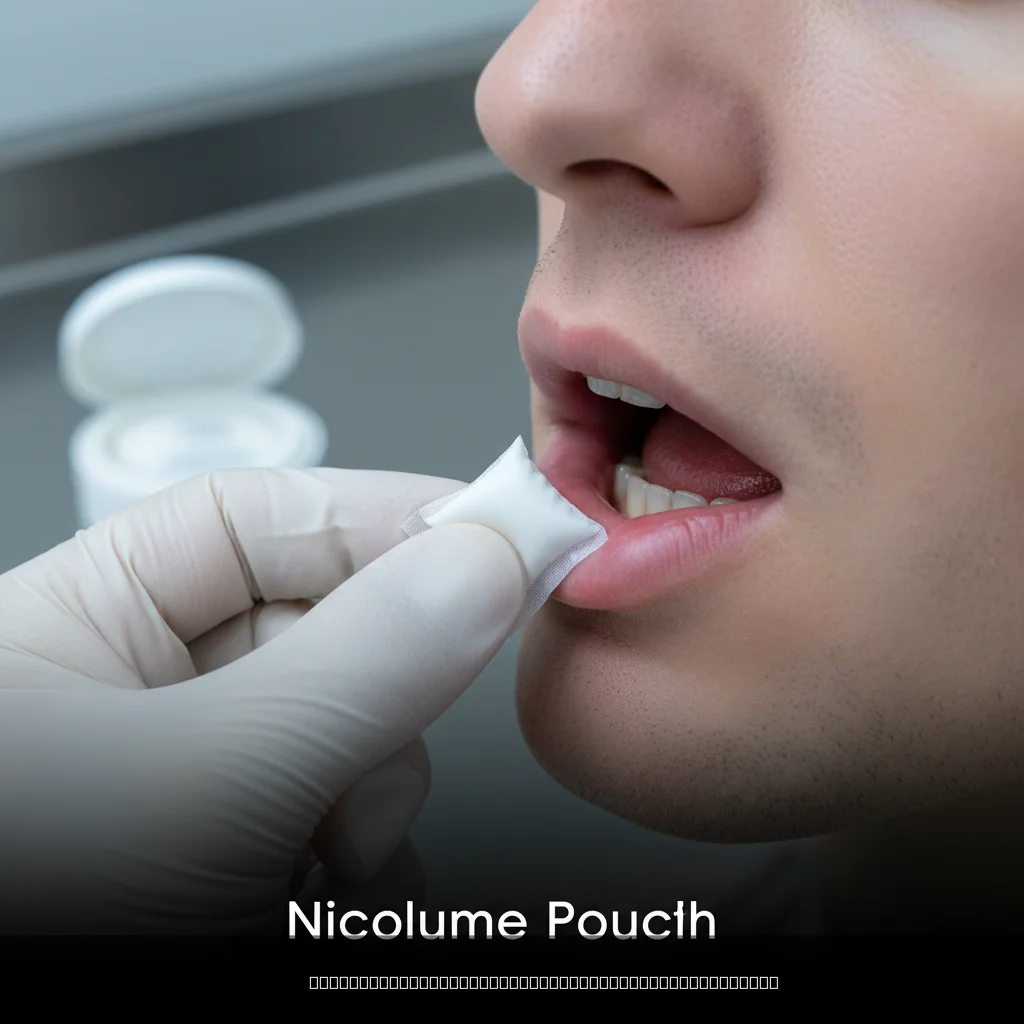
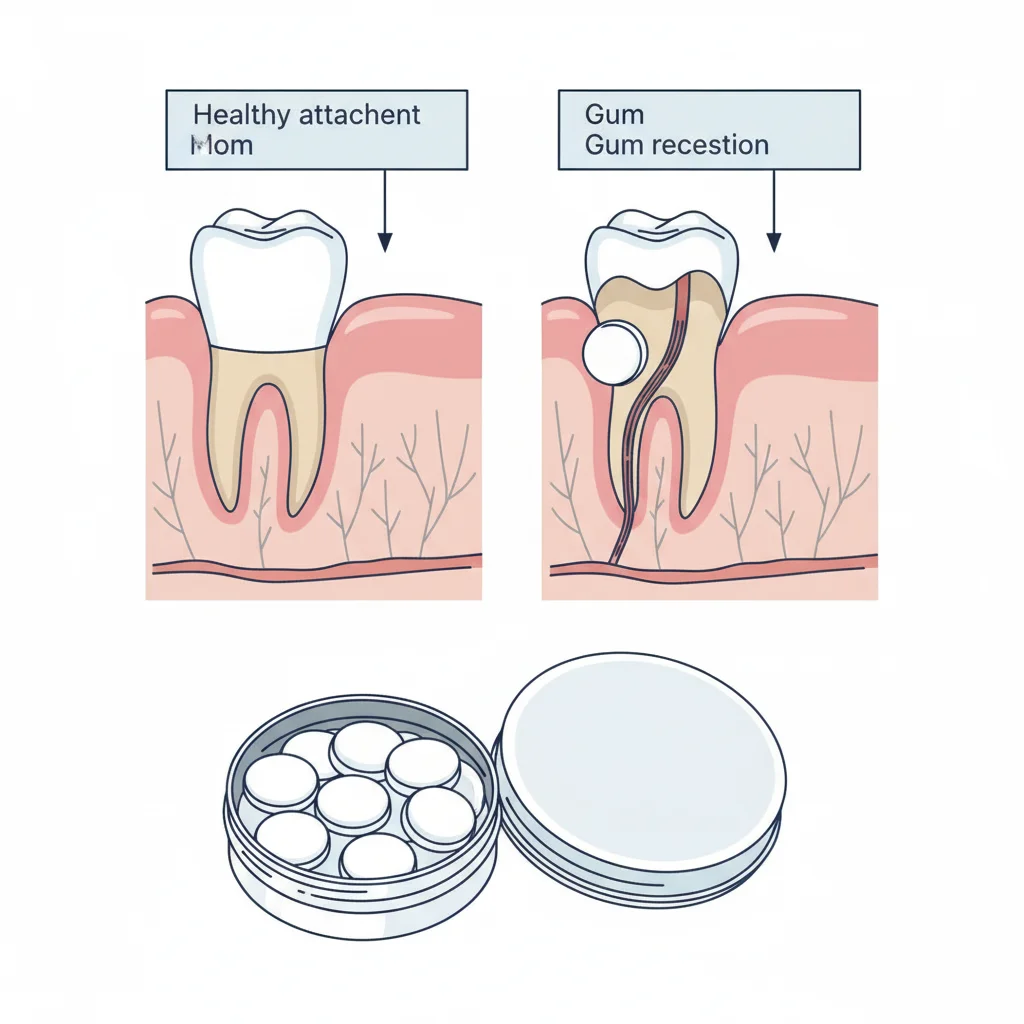
Nicotine pouches cause gum recession through two compounding mechanisms: the chemical effect of nicotine on blood supply to gum tissue, and the direct mechanical trauma of placing a firm object against the same patch of gingival tissue for 30–60 minutes at a time, multiple times per day.
The Vasoconstriction Effect
Nicotine is a potent vasoconstrictor — meaning it actively narrows blood vessels [1]. When you place a nicotine pouch against your gum, the nicotine absorbed through the oral mucosa triggers a localized reduction in blood flow to the gingival tissue directly beneath the pouch. That tissue is now receiving less oxygen, fewer nutrients, and reduced immune response capacity. Over time, this starves the gum cells of what they need to maintain healthy attachment to the tooth root.
According to VCU Health, nicotine's vasoconstrictive properties can contribute to gum recession by exposing tooth roots and increasing sensitivity and cavity risk [2]. This isn't a theoretical risk. It's the same mechanism that makes smoking so damaging to periodontal health — just delivered via a different route.
- Reduced oxygen delivery: Gum tissue needs consistent blood flow to regenerate and fight off bacterial inflammation.
- Impaired immune response: Vasoconstriction limits the white blood cell activity that normally protects gum tissue from infection.
- Slower healing: Any micro-trauma to the gum heals more slowly when blood supply is compromised, allowing recession to compound.
Mechanical Irritation and Localized Trauma
The second driver is purely physical. A nicotine pouch is a small, firm pillow of material pressed against a thin, sensitive strip of gum tissue. Most users place it in the same spot every time — upper left, upper right, lower front — and leave it there for 30 to 60 minutes. That's concentrated, repetitive pressure on a fixed area of the gingival margin (the edge where gum meets tooth).
A peer-reviewed review published in the British Dental Journal via Nature confirmed that one of the well-known side effects of nicotine pouches is "localised gingival recession near where the product is held" [3]. The PMC study on emerging oral nicotine products and periodontal disease further noted that "holding the pouches close to the gingival tissue can cause mechanical injury and irritation," with severe attachment loss and gum recession documented in users [4].
Pro Tip: Rotating your pouch placement — alternating left and right sides, or switching between upper and lower lip — significantly reduces the mechanical pressure on any single area of gum tissue. It won't eliminate the vasoconstriction risk, but it slows the localized recession process.
These two mechanisms don't operate independently. Vasoconstriction weakens the tissue, and mechanical pressure then pushes against tissue that's already compromised. The result is recession that progresses faster than either cause would produce alone.
| Mechanism | How It Damages Gums | Affected by Nicotine Level? |
|---|---|---|
| Vasoconstriction | Reduces blood flow, starves tissue of oxygen and nutrients | Yes — directly proportional to nicotine dose |
| Mechanical pressure | Physical trauma to gingival margin from repeated placement | No — occurs with any pouch, nicotine or not |
| Dry mouth (xerostomia) | Reduces saliva that normally buffers bacteria and acid | Partially — nicotine reduces saliva production |
| Inflammatory response | Chronic irritation triggers immune response that can damage surrounding tissue | Yes — nicotine amplifies inflammatory markers |
How Fast Does Gum Damage Actually Occur?
Gum recession from nicotine pouches can begin showing early signs within 4 to 8 weeks of daily use in the same placement area, though the timeline varies significantly based on usage frequency, nicotine strength, and individual tissue sensitivity.
Early Warning Signs to Watch For
Most users don't notice recession until it's already progressed. The early signals are subtle and easy to dismiss:
- Increased sensitivity: Tooth roots exposed by recession lack the enamel protection of the crown. Cold drinks or air start to sting.
- Visible gum line changes: The gum appears to have "pulled back," making one or two teeth look longer than their neighbors.
- Localized redness or irritation: The tissue at the usual placement spot looks redder or feels sore after pouch use.
- White patches or lesions: Chronic irritation can cause keratosis (thickening) or, in rarer cases, leukoplakia — white patches that warrant dental evaluation [5].
A common mistake heavy users make is attributing these symptoms to something else — brushing too hard, a new toothpaste, or "normal" sensitivity. In practice, if the sensitivity is localized to exactly where you place your pouch, the pouch is almost certainly the cause. When considering why nicotine pouches cause gum recession, this point stands out.
Frequency and Strength Matter More Than Duration
The severity of gum recession correlates most strongly with two variables: how many pouches you use per day, and the nicotine strength of each one. A 15mg pouch held in the same spot for an hour produces significantly more vasoconstriction than a 6mg pouch rotated between sides. According to Argyle Family Dental, consistently placing pouches in the same spot is one of the primary drivers of gum tissue pulling away from teeth [1].
Research from Roseman University's oral health impact study flagged that limited long-term data exists on nicotine pouches specifically, but the mechanisms are well-established from decades of snus research — a closely related product with a similar placement method [6]. Snus users have shown measurable gum recession at the placement site in studies spanning 6 to 12 months of regular use.
Is Gum Recession from Nicotine Pouches Reversible?
Mild, early-stage gum recession caused by nicotine pouches may partially reverse if you reduce or eliminate use quickly — but advanced recession, where the gum has significantly pulled away from the tooth root, is not self-correcting and typically requires clinical intervention.
What the Research Says About Recovery
This is genuinely encouraging news for early-stage users. A 2023 study published by the Center of Excellence for the Acceleration of Harm Reduction (CoEHAR) found that even mild gum damage caused by products like nicotine pouches or snus may be reversed by switching to a new, lower-irritation alternative [7]. The key phrase there is "mild damage" — the window for natural recovery closes as recession becomes more established.
The CoEHAR research is significant because it frames the question not as "quit everything or suffer the consequences," but as a harm-reduction continuum. Switching from high-strength nicotine pouches to lower-strength alternatives, or replacing some pouches with zero-nicotine options, can meaningfully reduce the tissue stress that drives recession.
- Mild recession (early stage): May show improvement within 2–3 months of reduced use, especially if mechanical placement is varied.
- Moderate recession: Unlikely to reverse without cessation; may stabilize but not regenerate without professional treatment.
- Severe recession: Requires gum grafting or other periodontal surgery. This is a significant, expensive procedure.
When to See a Dentist
Don't wait for pain to be the signal. If you've been using nicotine pouches daily for more than three months, a periodontal screening is worth scheduling. Dentists can measure recession in millimeters and track changes over time — giving you objective data rather than guesswork.
Delta Dental's oral health blog notes that nicotine pouch use can cause an increase in cavities, gum recession, and mouth lesions, and recommends regular dental monitoring for regular users [5]. This is practical, not alarmist — early detection is the difference between a monitoring conversation and a surgical one.
Pro Tip: Ask your dentist to take baseline periodontal measurements at your next visit and photograph the placement area. Comparing these against measurements six months later gives you real data on whether your current usage pattern is causing progressive damage — and whether any changes you've made are working.
How to Reduce Gum Recession Risk Without Quitting Cold Turkey
Reducing the gum recession risk from nicotine pouches doesn't require stopping all pouch use immediately — it requires reducing the two core drivers: nicotine dose per pouch, and the frequency of contact with the same gum area.
A Practical Step-Down Approach
Cold turkey fails most people. Research consistently shows that abrupt cessation attempts have low long-term success rates because they strip away both the chemical and the behavioral components of the habit simultaneously. The smarter approach is to reduce the chemical load while keeping the ritual intact. For those exploring why nicotine pouches cause gum recession, this matters.
- Step down nicotine strength: Move from 15mg to 12mg, then 12mg to 6mg, over a 4-week period. Each reduction cuts vasoconstriction proportionally.
- Rotate placement sites: Alternate between left, right, upper, and lower positions. No single area of gum tissue should absorb more than 25% of your daily pouch time.
- Limit session duration: Keep each pouch to 20–30 minutes maximum. Longer sessions increase both nicotine absorption and mechanical pressure duration.
- Replace some sessions with zero-nicotine pouches: Substitute 2–3 of your daily pouches with a non-nicotine alternative that maintains the same oral ritual without the vasoconstriction effect.
- Hydrate more: Nicotine reduces saliva production (xerostomia). Drinking more water during the day partially compensates for this, helping buffer the oral environment.
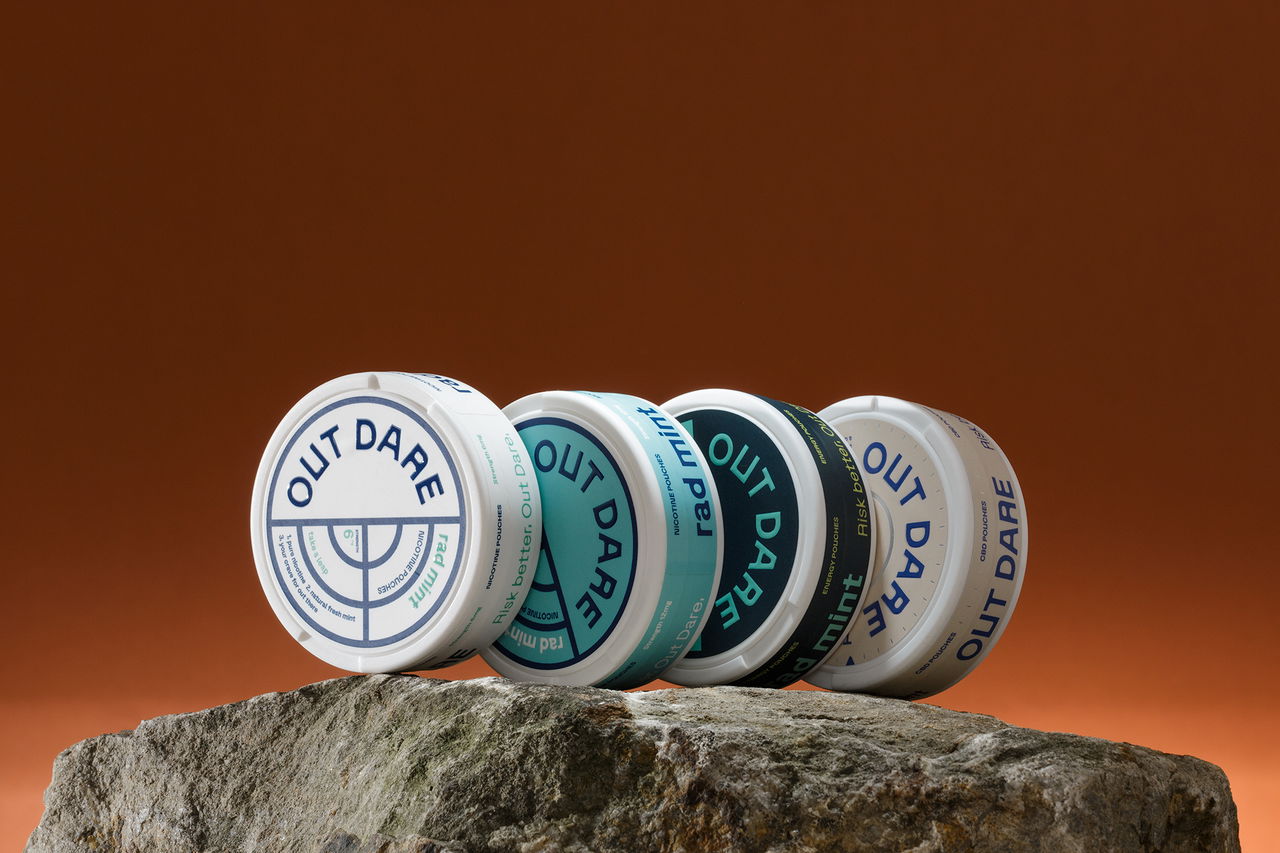
At Outdare LTD, we've found that users who follow a structured step-down protocol — rather than attempting willpower-based reduction — consistently achieve better outcomes. The 30/30/30 Addiction Rule underpins this approach: 30% of pouch dependency is chemical (nicotine), 30% is the physical habit (the pillow sensation under the lip), and 30% is the sensory burn. Outdare's three-pouch system satisfies the 60% that isn't chemical, which means you're only managing the smaller portion of the dependency when you reduce nicotine strength.
The Role of Pouch Formula in Gum Health
Not all pouches are created equal. Pouches with harsh pH levels, artificial additives, or rough fiber matrices can amplify mechanical irritation. Cleaner formulas — plant-fiber fillers, xylitol-based bases, natural flavoring — produce less chemical irritation to the tissue even when physical contact is unavoidable. According to Dr. Brian Gurinsky, a periodontist, nicotine's vasoconstrictive properties are the primary chemical driver of gum recession, which means that reducing nicotine content directly reduces this specific risk factor [8].
Do Non-Nicotine Pouches Cause Gum Recession Too?
Non-nicotine pouches eliminate the vasoconstriction mechanism entirely, which removes the primary chemical driver of gum recession — but they don't eliminate all gum contact, so some degree of mechanical awareness is still warranted.
The Mechanical Risk Remains (But Is Significantly Lower)
Any object placed between the lip and gum exerts some pressure on the gingival margin. Zero-nicotine pouches — whether caffeine-based energy pouches or CBD pouches — still involve that contact. However, without nicotine's blood-flow-reducing effect, the tissue retains its full capacity to heal from minor mechanical stress. The immune response remains intact. Oxygen delivery continues normally. The tissue can repair micro-trauma between sessions.
This is a meaningful distinction. The reason why nicotine pouches cause gum recession at a clinically significant rate is the combination of impaired healing (from vasoconstriction) plus mechanical pressure. Remove the vasoconstriction, and the remaining mechanical risk drops to a level that healthy gum tissue can manage — provided placement is rotated and sessions aren't excessively long.
Energy and CBD Pouches as a Harm-Reduction Bridge
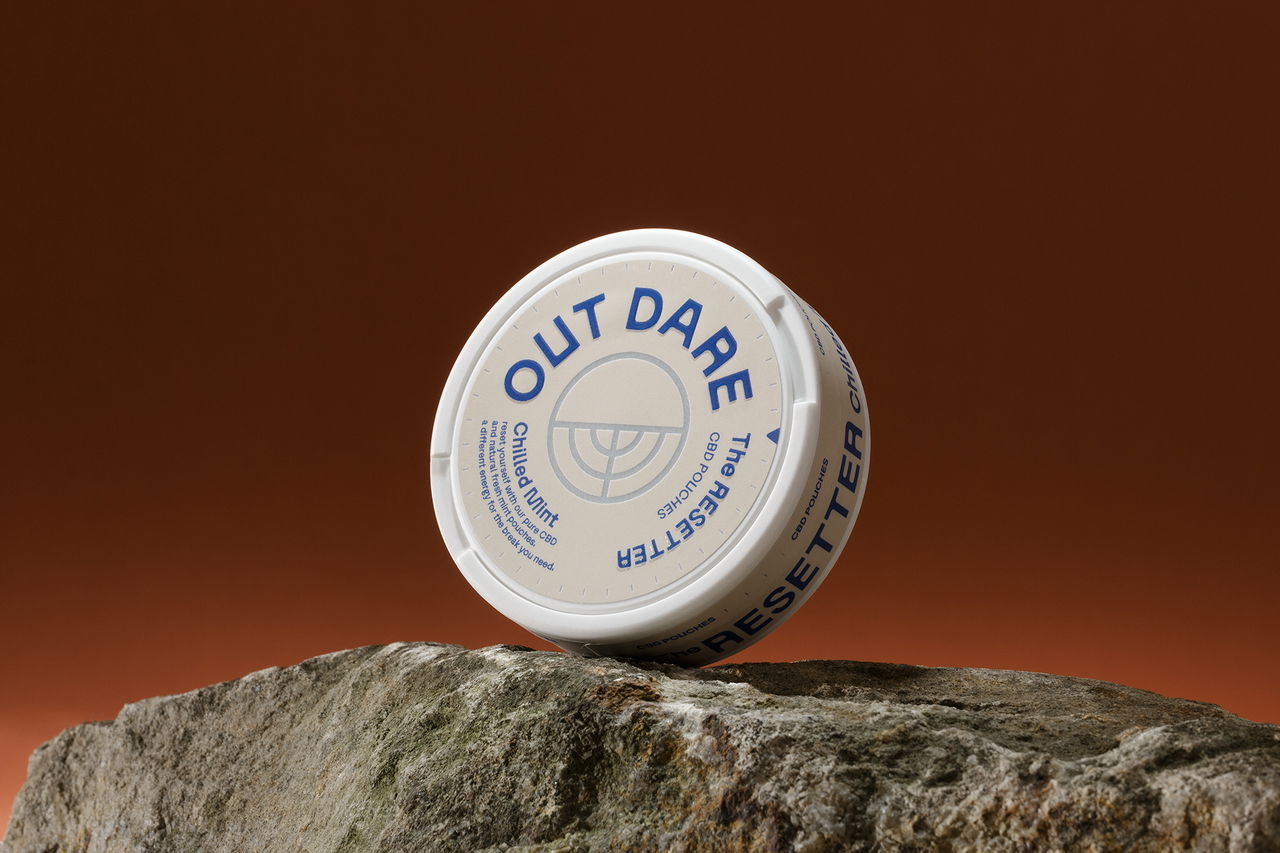
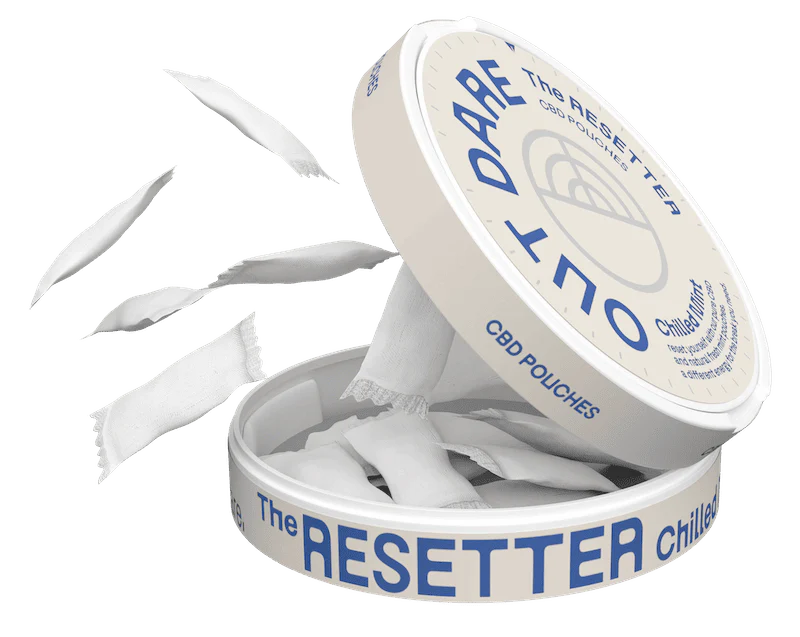
This is exactly the logic behind Outdare's three-pouch system. By replacing nicotine pouches with sensorially identical Energy pouches (50mg caffeine plus nootropics for sharper focus without jitters) or CBD pouches (for calm and reset), users maintain the full oral ritual while progressively removing the chemical that's actively damaging their gum tissue.
The brain can't distinguish between the three variants by feel or taste. Same mint flavor, same burn, same pillow sensation under the lip. That sensory parity is what makes the substitution psychologically sustainable — you're not white-knuckling through a craving, you're satisfying it with a pouch that isn't harming your gums.
Pro Tip: If you're already noticing early signs of gum recession, consider replacing your first and last pouch of the day with a zero-nicotine alternative immediately. These are the sessions where you're most likely to hold the pouch for longer (morning routine, evening wind-down), meaning they contribute disproportionately to cumulative gum contact time.
One limitation worth acknowledging: the long-term research on non-nicotine functional pouches specifically is still limited as of 2026. The evidence base for nicotine pouch gum damage draws on decades of snus research, while caffeine and CBD pouch formats are newer. That said, the absence of vasoconstriction as a mechanism is well-established pharmacology — not a speculative claim.
Sources & References
- Argyle Family Dental, "Are Zyns Bad for Your Gums? Your Dentist's POV", 2024
- VCU Health, "How Safe Are Nicotine Pouches? Tobacco-Free Does Not Mean Risk-Free", 2023
- Nature / British Dental Journal, "Nicotine Pouches: A Review for the Dental Team", 2023
- PMC / NCBI, "Emerging Oral Nicotine Products and Periodontal Diseases", 2023
- Delta Dental, "Nicotine Pouches and Oral Health — The Power of Smile Blog", 2023
- Roseman University, "Impact of Nicotine Pouches on Oral Health", 2023
- CoEHAR, "New-Technology Nicotine Pouch Design May Reverse Gum Irritation and Improve Oral Health", 2023
- Dr. Brian Gurinsky, "Understanding Zyns and Their Impact on Your Oral Health", 2024



Frequently Asked Questions
1. Is one Zyn a day bad for your gums?
Even a single nicotine pouch per day delivers vasoconstriction to the gum tissue at the placement site, reducing blood flow and slowing the tissue's ability to repair itself. One pouch a day is unlikely to cause rapid or severe recession, but it does create a low-level chronic stress on that specific area of gum. If you place it in the same spot every day, localized recession can still develop over months. The risk scales with frequency, strength, and placement consistency — but "just one a day" doesn't mean zero risk.
2. Why do nicotine pouches cause gum recession specifically at the placement site?
The recession is localized because both mechanisms — vasoconstriction and mechanical pressure — are concentrated in one spot. Nicotine absorbed through the oral mucosa causes blood vessel narrowing in the immediate area, while the physical weight and firmness of the pouch press directly against the gingival margin. Tissue in other areas of the mouth isn't affected because it isn't exposed to either stressor. This is why rotating placement sites is one of the most effective harm-reduction strategies for ongoing users. This directly impacts why nicotine pouches cause gum recession outcomes.
3. How long does it take for nicotine pouches to cause gum recession?
Clinical observations and snus research suggest that early tissue changes can appear within 4 to 8 weeks of daily use in a fixed placement area, particularly with higher-strength pouches (12mg or above). Visible recession — where the gum noticeably pulls away from the tooth — typically develops over 3 to 12 months of consistent use. The timeline accelerates with higher nicotine strength, longer session duration, and fixed placement. Some users with thinner gingival tissue (a genetic factor) may see changes sooner.
4. Can gum recession from nicotine pouches be reversed?
Mild, early-stage recession may partially recover if nicotine use is reduced or stopped promptly. Research from CoEHAR indicates that switching to lower-irritation pouch alternatives can allow early gum damage to heal. However, once recession has progressed to the point where the root is significantly exposed, the tissue doesn't regenerate on its own — periodontal surgery or gum grafting is typically required. The practical takeaway: earlier action means more options and less intervention needed.
5. Do non-nicotine pouches cause gum recession?
Non-nicotine pouches don't trigger vasoconstriction, which is the primary chemical driver of gum recession. They do still involve physical contact with gum tissue, so some mechanical awareness is sensible — rotating placement and limiting session length still applies. But the tissue's ability to heal from that minor mechanical contact remains fully intact without nicotine suppressing blood flow. This makes zero-nicotine energy or CBD pouches a significantly lower-risk alternative for people who want to maintain the oral pouch ritual without the documented gum damage associated with nicotine.
6. Do nicotine pouches cause oral cancer?
As of 2026, no direct causal link between tobacco-free nicotine pouches and oral cancer has been established in peer-reviewed research. This is one meaningful distinction from traditional snus, which contains tobacco-specific nitrosamines. However, chronic irritation from any oral product can cause tissue changes like leukoplakia (white patches), which warrant professional evaluation. The absence of tobacco is a genuine harm-reduction advantage, but "tobacco-free" doesn't mean "risk-free" for oral tissue — particularly with long-term, high-frequency use.
7. How can I prevent gum recession if I'm not ready to stop using nicotine pouches?
Four practical steps reduce risk without requiring immediate cessation: step down to a lower nicotine strength (from 15mg to 12mg or 6mg), rotate placement between different areas of the mouth, limit each session to under 30 minutes, and replace some daily pouches with zero-nicotine alternatives. Replacing 2–3 nicotine pouches per day with an Energy or CBD pouch cuts your total daily vasoconstriction load significantly while keeping the ritual intact. Regular dental monitoring every 6 months lets you track whether your gum health is stable or changing.
Conclusion
Here's the honest summary: understanding why nicotine pouches cause gum recession comes down to two things working against your gum tissue simultaneously. Nicotine cuts blood flow to the exact spot where you hold the pouch, and the pouch itself presses against that already-compromised tissue for extended periods. The result is localized recession that can progress from mild sensitivity to exposed roots if left unchecked.
The good news is that early-stage damage can recover, and you don't have to quit cold turkey to meaningfully reduce the risk. Stepping down nicotine strength, rotating placement, and replacing some sessions with zero-nicotine alternatives are all evidence-based moves that protect your gums without stripping away the ritual that makes pouch use manageable in the first place.
That's the core idea behind Outdare LTD's three-pouch system. Same mint taste, same burn, same pillow under the lip — but you control what's inside. Energy for focus, CBD for reset, nicotine only when you actually choose it. Most users who follow the 4-week method reduce their nicotine intake by 60–90% in the first month. Your gums notice the difference. Risk Better. Out Dare.
Recommended Articles
Explore more from our content library: